Most Texas Gardeners Don’t Realize What Owls Do For Their Yards
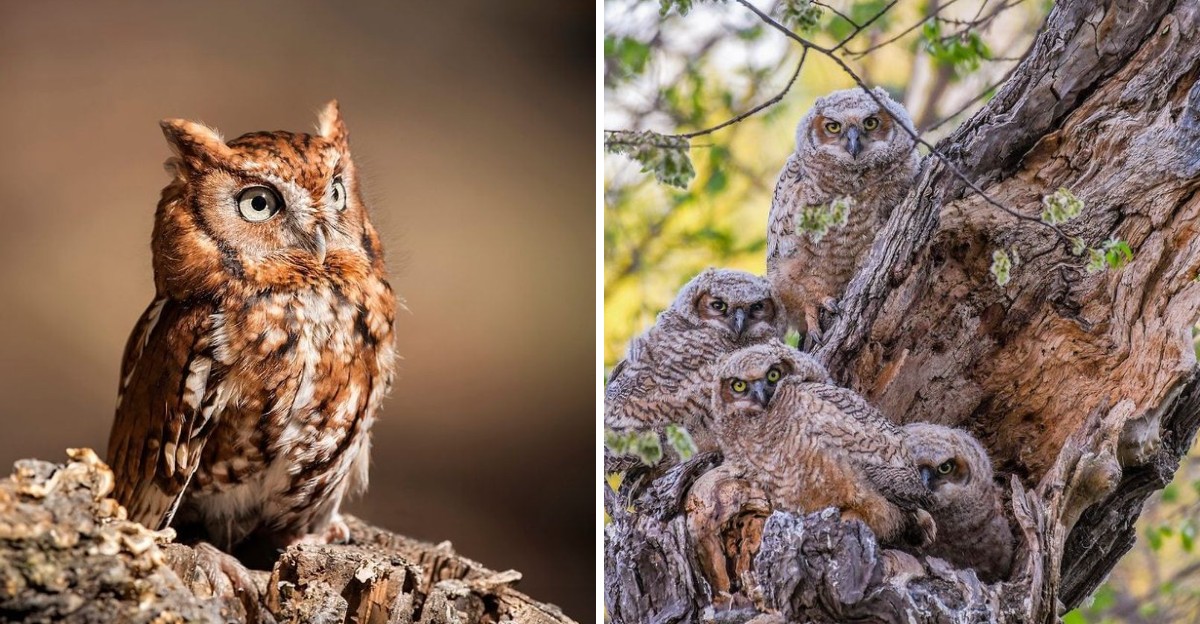
A single family of these night hunters can swallow more than a thousand rodents in one year. Their ears sit at slightly different heights, so they can pinpoint a squeaking mouse hidden in pitch darkness.
Feathers with soft, fringed edges let them glide over your garden almost silently on the darkest nights. Several kinds live across Texas, and some happily raise families in quiet suburban neighborhoods near busy city streets.
I used to blame my nibbled tulip bulbs on bad luck, until I heard soft calls outside one evening. Personally, I now consider those calls the most comforting sound a Texas gardener can hear after sunset.
You might notice more helpers working your yard than you ever realized, and most clock in after bedtime. So which feathered neighbor deserves a thank-you note for every untouched vegetable and every healthy flower bed?
1. Barn Owls Hunt Rodents Around Your Garden Beds
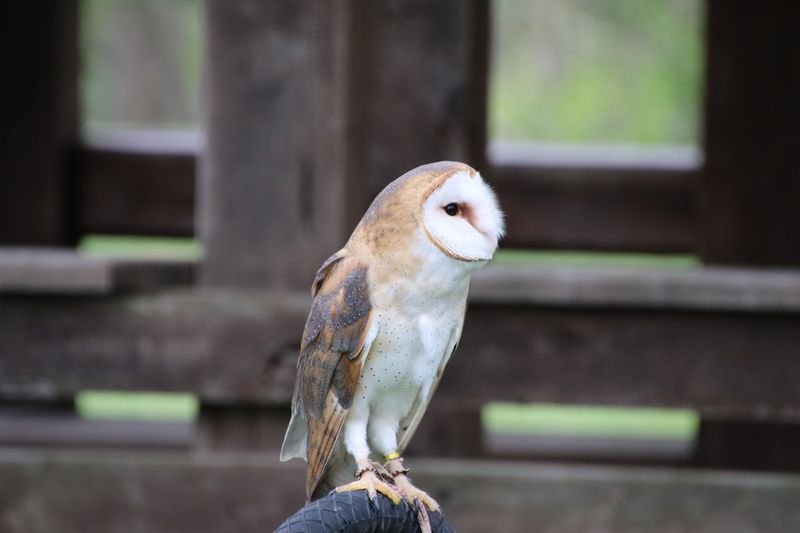
Barn owls swallow mice whole, and a nesting pair may deliver dozens of rodents to hungry chicks each night. I love how that heart-shaped face works like a satellite dish, funneling tiny squeaks straight to their ears.
Cotton rats and house mice top the menu, and both love chewing on roots and tender young seedlings.
Fewer rodents means fewer tunnels through your raised beds and fewer gnawed sweet potatoes at harvest time.
Research on farms suggests one barn owl family can catch well over a thousand rodents during a single year. That number varies with prey supply and brood size, but the impact on a backyard can feel huge.
These owls prefer open hunting ground, so wide lawns and nearby pastures suit them nicely. You can help by leaving some taller grass along fence lines where rodents hide and owls can listen.
Barn owls rarely build their own nests, so they move into hollow trees or sturdy wooden boxes on poles. A box mounted ten to fifteen feet high, facing away from harsh afternoon sun, gives them a cozy spot.
Grab your gloves and clear any loose wire or netting near the box, since young owls can tangle easily.
Keep the area quiet during nesting season, because disturbed parents sometimes abandon eggs or wander off to safer spots.
Personally, I think a single owl box beats any trap I have ever set along my garden fence. You get steady rodent control, plus the thrill of hearing raspy screeches drift across the yard on summer nights.
2. Eastern Screech Owls Snack On Big Garden Insects
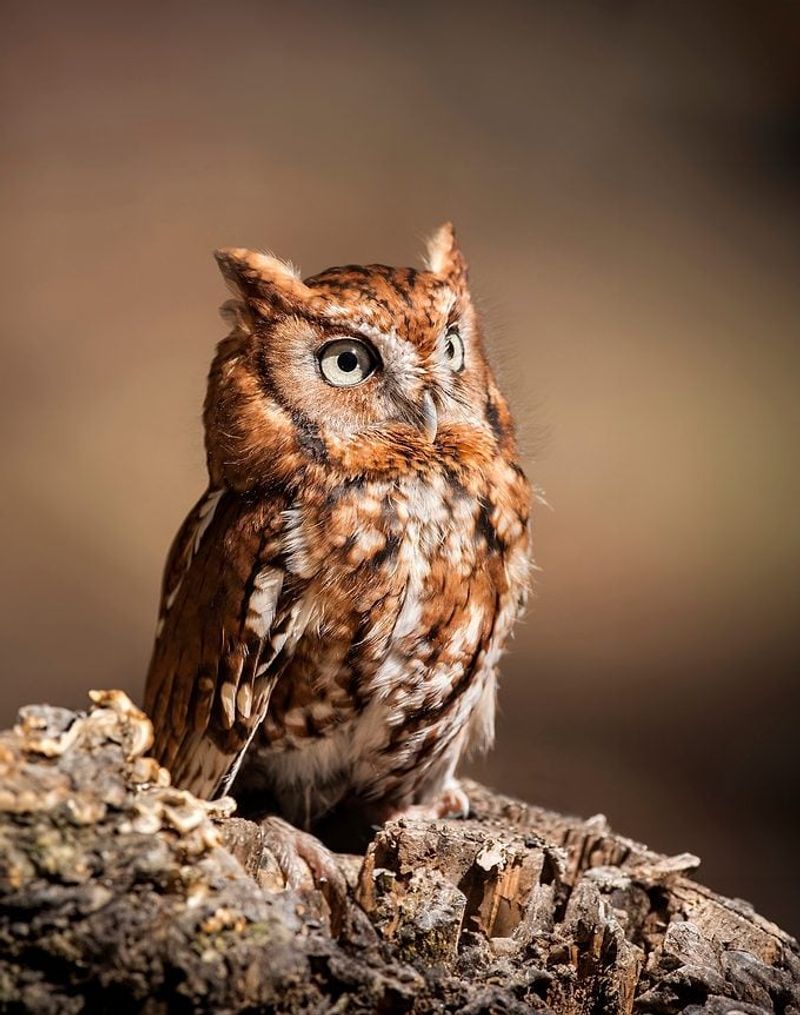
Barely bigger than a robin, the eastern screech-owl packs a surprising appetite for crunchy, juicy garden bugs. Its trilling whinny call sounds a bit like a tiny horse, and hearing it at dusk still makes me grin.
Large moths and beetles make up a big share of its warm-season diet, according to wildlife biologists. Many of those moths start life as caterpillars that chew holes in tomato leaves and other tender vegetable foliage.
Screech-owls will also grab cicadas and grasshoppers, especially during hot summer evenings when insects swarm around lights.
They are flexible eaters, switching to small rodents and songbirds when the insect buffet slows down in winter.
Both gray and reddish color forms live here, and their bark-patterned feathers make them nearly invisible on tree trunks. You might walk past one roosting in a live oak hole a dozen times without spotting it.
Take a closer look at old woodpecker holes in pecan or oak trees, since screech-owls love those snug cavities. If your yard lacks natural holes, a small wooden nest box with a three-inch entrance hole works beautifully.
Hang the box ten to thirty feet up a tree trunk, and add a few inches of wood shavings inside. Skip the perch outside the entrance, because perches give predators an easier way to reach eggs and chicks.
I believe screech-owls are the friendliest gateway owl for suburban gardeners who want natural insect help. They adapt well to neighborhoods, and they ask nothing more than a safe hole and a few healthy trees.
3. Skipping Rat Poison Keeps Hunting Owls Safe
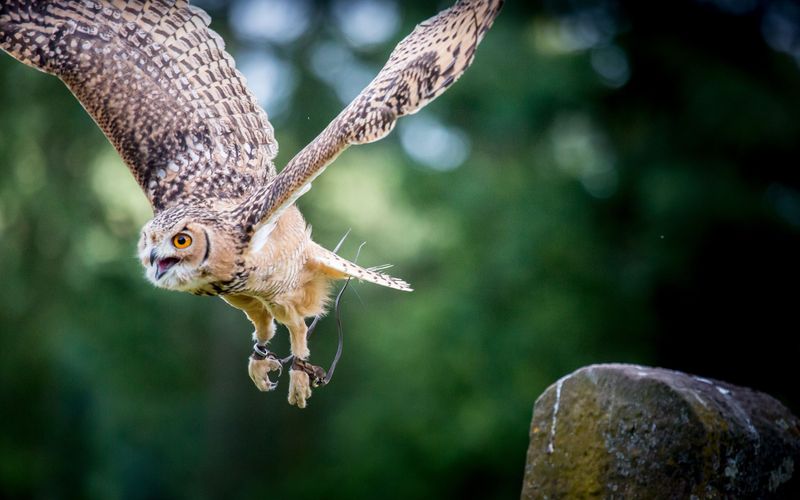
Rat poison keeps causing trouble long after a rodent eats it, and that sneaky fact surprised me. A poisoned mouse often stumbles around for days, making it easy prey for an owl gliding overhead.
Anticoagulant rodenticides can build up in an owl’s body after it eats several contaminated mice or rats.
Wildlife rehabilitators regularly treat owls suffering from internal bleeding linked to these products, and many birds struggle to recover.
When you let owls handle rodent duty, you lower the need for bait stations around your home and garden. That choice protects owls, and it also lowers the risk for curious dogs and grandkids who explore everywhere.
Snap traps placed inside garages or sheds offer a safer backup when rodents sneak indoors during cold snaps. Set them where pets cannot reach, and check them daily so the job stays clean and quick.
Insect sprays matter too, since screech-owls and burrowing owls rely heavily on beetles and grasshoppers for food.
Broad-spectrum pesticides reduce that food supply, so spot-treat problem plants instead of blanketing the whole yard.
Hand-picking hornworms or using targeted products like Bt keeps pest numbers down without starving the night shift. You’ll love how easy this switch feels once you see owls returning to the same trees each evening.
Ask your neighbors to join in, because owls hunt across several properties during one night of patrolling. A whole block that skips poison gives these birds a much safer place to raise their fuzzy owlets.
4. Great Horned Owls Chase Down Garden Rabbits
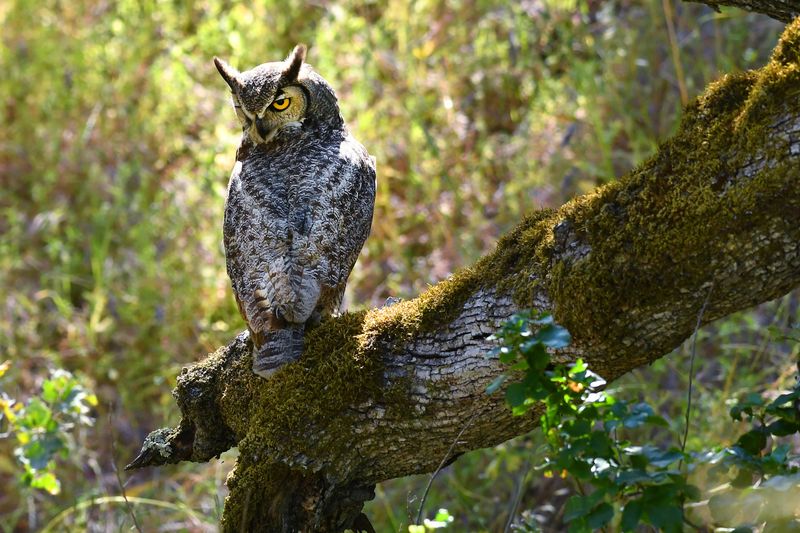
Cottontail rabbits can mow a row of lettuce seedlings overnight, but great horned owls happily turn them into dinner.
These powerful hunters weigh around three pounds and grip prey with talons that clamp shut like strong pliers.
Their menu ranks among the widest of any North American owl, and it even includes smelly skunks. Great horned owls have a weak sense of smell, so a skunk’s spray barely bothers them at all.
Pocket gophers and wood rats also land on the menu, which is welcome relief for anyone growing root crops. Gophers can drag whole carrots underground from below, so I cheer every time I hear deep hoots nearby.
Great horned owls live in nearly every corner of Texas, from piney woods to dry desert canyons. They often nest early, laying eggs in winter inside old hawk nests or high tree forks.
I have to admit, their size also means small pets can look like prey after dark in rural areas. Bring cats and tiny dogs inside at night, and keep backyard chickens in a covered coop with sturdy wire.
Leaving big old trees standing gives these owls safe roosts and lookout posts over open lawns and fields.
An older tree with sturdy, broad limbs near a meadow edge can become their favorite hunting perch for years.
Believe it or not, their deep hooting calls are mostly courtship duets between mates in late fall and winter. Listen closely, and you may notice the female’s voice sounds slightly higher than her partner’s call.
5. Owl Pellets Reveal What Lives In Your Yard
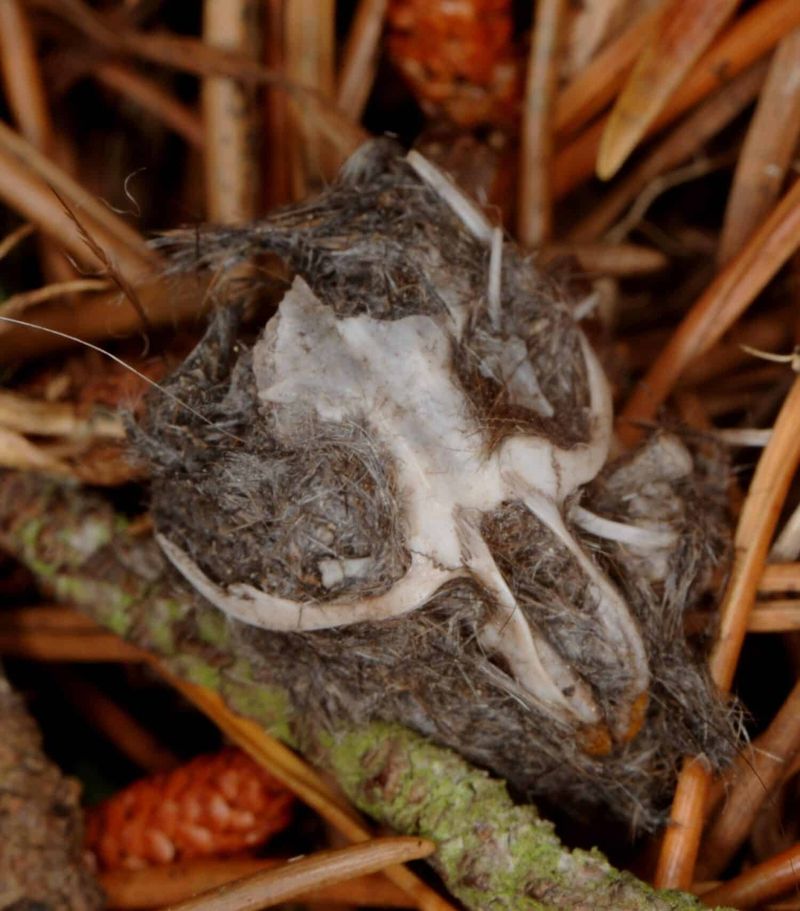
Owls swallow small prey whole, then cough up a neat gray bundle of fur and bones hours later. Finding one under a tree feels like discovering a secret file on everything prowling your garden at night.
Pellets usually form several hours after a meal, and owls often spit them out near favorite daytime roosts. Look beneath large pines or nest boxes, where little piles can collect over many weeks.
Grab a pair of gloves before handling them, since pellets can carry bacteria even after drying out. Baking them wrapped in foil at a moderate oven temperature is a common cleaning trick many teachers use.
Once cleaned, soak the pellet in warm water and tease it apart gently with toothpicks or tweezers. Tiny skulls and jawbones slowly appear, and they tell you exactly which rodents have been visiting your beds.
Vole skulls have flat-topped grinding teeth, while many shrew skulls show sharp reddish-tipped teeth that look surprisingly fierce.
Free bone identification charts from university extension programs make matching each skull feel like a fun detective game.
Kids especially love this project, and it turns a rainy afternoon into a hands-on science lesson at home. I like how every pellet becomes proof that your owl is doing real work protecting your vegetables.
Pellets look different from droppings, which appear as chalky white splashes on branches and fence posts below. Spotting both under the same tree is a strong clue that an owl roosts there during daylight hours.
6. Hooting Owls Signal A Healthy Backyard Habitat
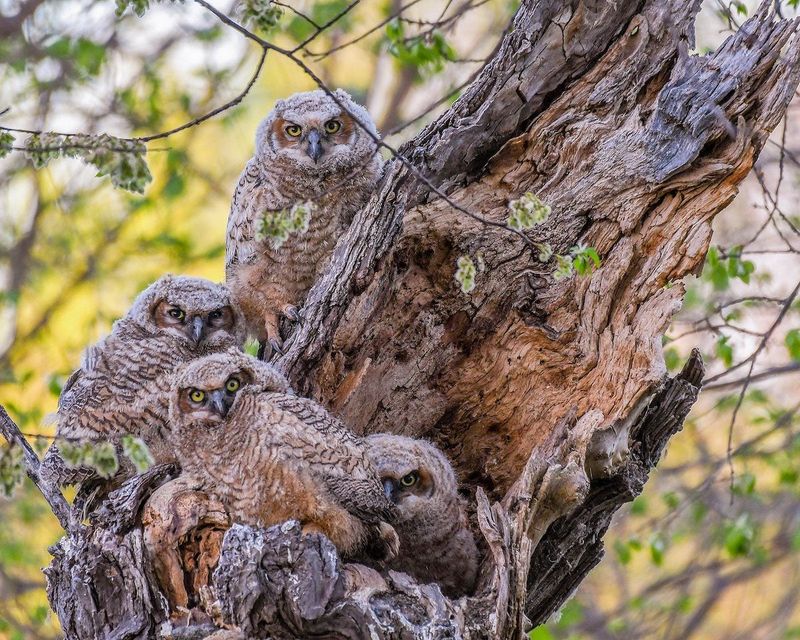
Top predators only stick around where food stays plentiful, so a resident owl quietly vouches for your whole yard.
Personally, hearing hoots at midnight feels like getting a gold star from nature for my messy flower beds.
Owls need steady prey populations, and those prey animals need seeds and sheltering leaf litter to thrive. When the whole chain works, your garden supports far more life than any tidy, bare lawn could manage.
Native plants like Turk’s cap and Texas lantana feed insects, which then feed screech-owls and other small hunters.
Choosing natives over exotic ornamentals builds that food web from the ground up without extra watering or fussing.
Leave a brush pile in a back corner, because it shelters mice and lizards that attract hungry owls. Mature trees matter too, since owls need daytime roosts where crows and blue jays cannot pester them as easily.
Speaking of jays, noisy mobbing birds often lead you right to a hidden owl sitting quietly on a branch. Follow the racket gently, and keep a respectful distance so the owl can rest without feeling cornered.
Outdoor lighting can disrupt night hunters, so switch to motion-sensor lights or warm, shielded bulbs pointed downward.
Darker yards help owls hunt better, and they help migrating songbirds pass overhead safely during spring and fall.
All native owls are protected under the federal Migratory Bird Treaty Act, so admire them without trapping or handling them.
If you find an injured owl, contact a licensed wildlife rehabilitator listed through Texas Parks and Wildlife.
7. Owl Nest Boxes Bring Night Watching Fun To Your Yard
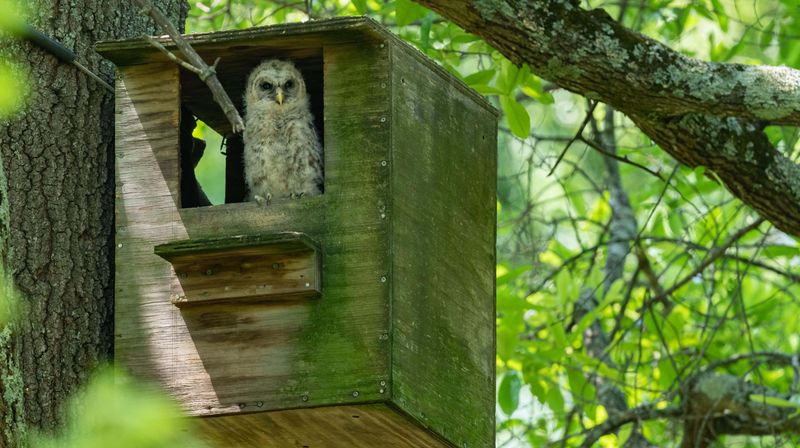
Few backyard moments beat watching fluffy owlets wobble at a nest box entrance on a warm spring evening. I still remember the night four tiny faces popped out, blinking at the porch light like startled cotton balls.
Late fall and winter are smart times to install boxes, since many owls scout nest sites before spring arrives. Barn owls in warmer parts of the state may nest in many months, so an early box gives them options.
Build boxes from untreated wood, and drill small drainage holes in the floor so rain does not pool inside. Ventilation gaps near the roof help during our hot summers, keeping chicks from overheating in direct sunshine.
Install a predator guard around the pole, because raccoons and snakes are skilled climbers that raid nests. A simple metal cone or stovepipe baffle works well and costs far less than replacing a lost brood.
A small nest box camera lets you watch owl family life from your couch without disturbing anyone outside.
You’ll wonder why you didn’t try this sooner once you see parents delivering midnight snacks to begging chicks.
Clean out old nesting material once a year after the young have fledged, wearing a dust mask for safety.
Skip cleaning during active nesting, since even a brief check can stress parents and cause them to leave.
A red-filtered flashlight and a quiet lawn chair make owl watching easier on both you and the birds. Red light seems less disruptive than bright white beams, so you can enjoy the show without spooking the stars.