What Your Florida Lawn Needs in Late November After the First Cold Nights
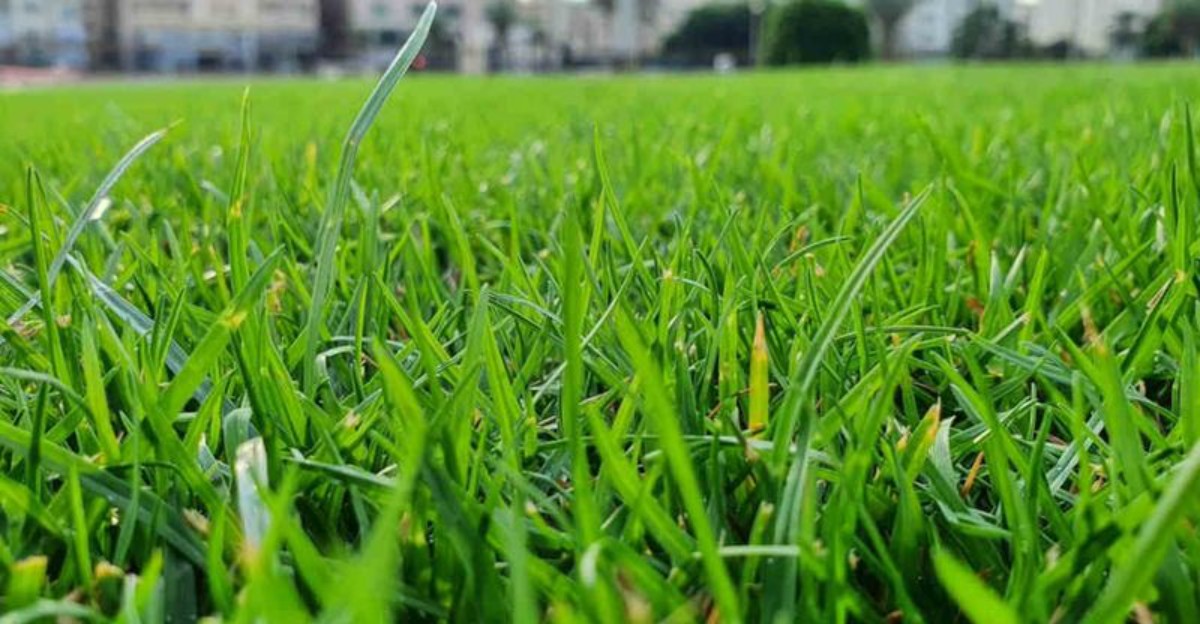
Your St. Augustine grass can start slowing down long before frost ever shows up. Soil temperatures dropping into the 60s are enough to flip that switch.
I love the first crisp mornings of late fall in Florida. Then I glance at the yard and notice the green looks a little tired.
That faded color is not a crisis. Warm-season grasses are wired to ease off when the days get shorter, and the roots keep working underground while the blades take a breather.
Oddly enough, this is the season when good lawn habits matter most. A few small choices now can shape how fast your yard bounces back in March.
The good news is that your grass wants surprisingly little from you this month.
1. Those Tan St. Augustine Blades Are Sending You a Signal
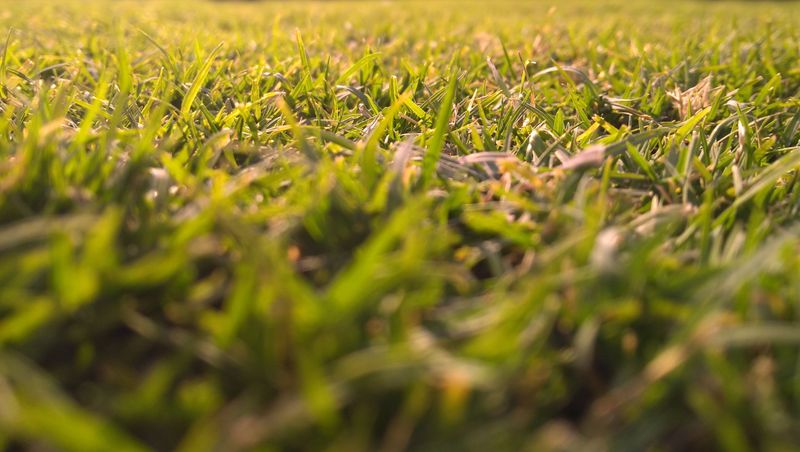
Late fall has a way of fooling homeowners. The grass looks a bit faded, and panic sets in fast.
Most lawns here are planted with warm-season grasses like St. Augustine, zoysia, bahia, and bermuda. University of Florida IFAS experts explain that these grasses grow best when it is hot.
Once nights cool and days shorten, growth slows down in a big way.
In North Florida, many lawns slip into partial or full dormancy, and the blades may turn tan or straw-colored. Central Florida lawns usually slow down and lose some color.
South Florida grass often keeps growing, just at a calmer pace.
The important part happens below your feet. Roots and stolons stay alive and store energy while the top growth rests.
That stored energy fuels the spring green-up.
So the first thing your lawn needs is patience. Faded color after the first cold nights is a normal seasonal response, not a sign that something went wrong.
I find it helpful to walk the yard once a week and simply look. Even color fading across the whole lawn is normal.
Odd circles, rings, or soft spots deserve a closer look, and we will get to those soon.
2. Turn Back the Sprinkler Clock for Cooler Weather
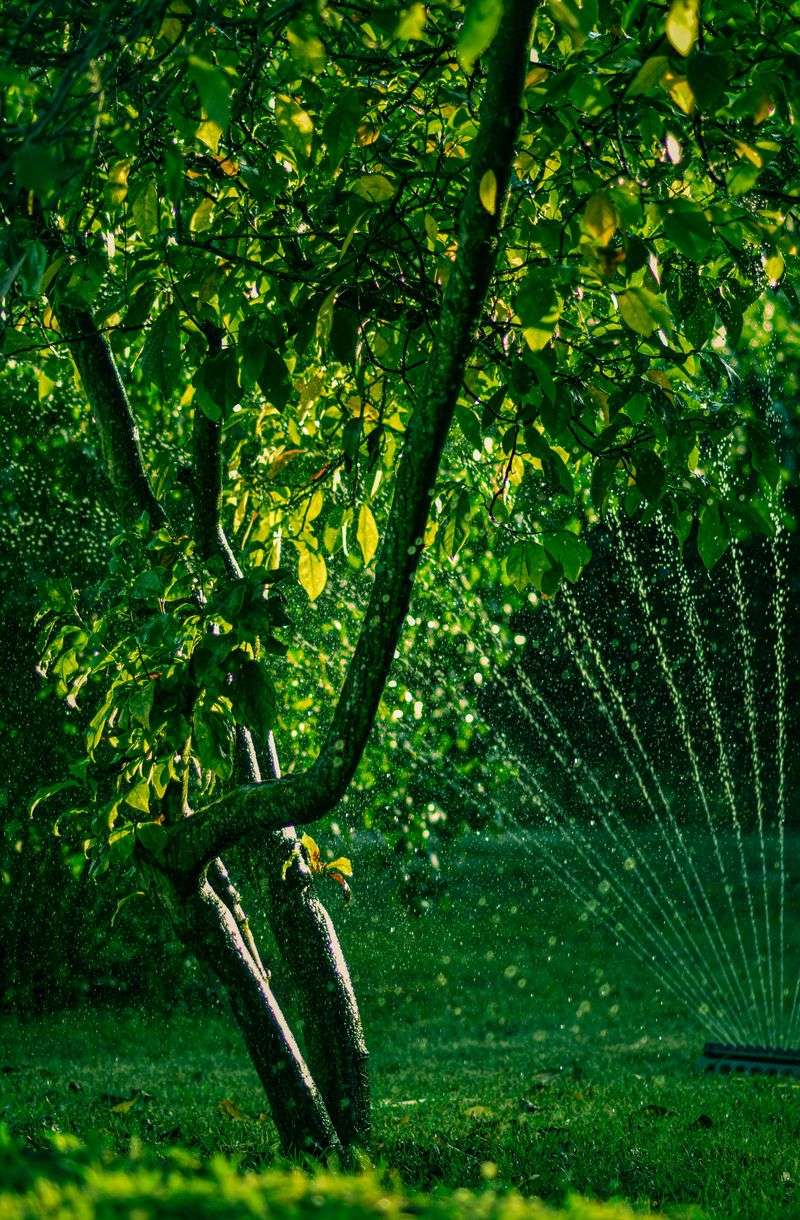
Summer watering schedules are the biggest mistake I see in November. Cooler air means less water evaporates, and slow-growing grass uses far less moisture.
UF/IFAS recommends watering only when the lawn shows signs of thirst. Look for blades folding in half lengthwise, a blue-gray tint, or footprints that stay visible after you walk across the grass.
When those signs appear, apply about one-half to three-quarters of an inch of water.
In cool months, that might mean watering every 10 to 14 days, or even less after a good rain. Many water management districts here also limit irrigation to certain days once daylight saving time ends.
Check your local rules, since they vary by county.
Timing matters too. Early morning watering lets blades dry during the day, which helps limit fungal trouble.
Here is a handy trick. Set a few empty tuna cans around the yard and run your sprinklers to see how long it takes to fill them about half an inch deep.
That simple test tells you exactly how many minutes your system needs.
A rain sensor or soil moisture sensor is another smart upgrade. It keeps the system from running when nature already did the job.
3. Put the Nitrogen Fertilizer Bag Back on the Shelf
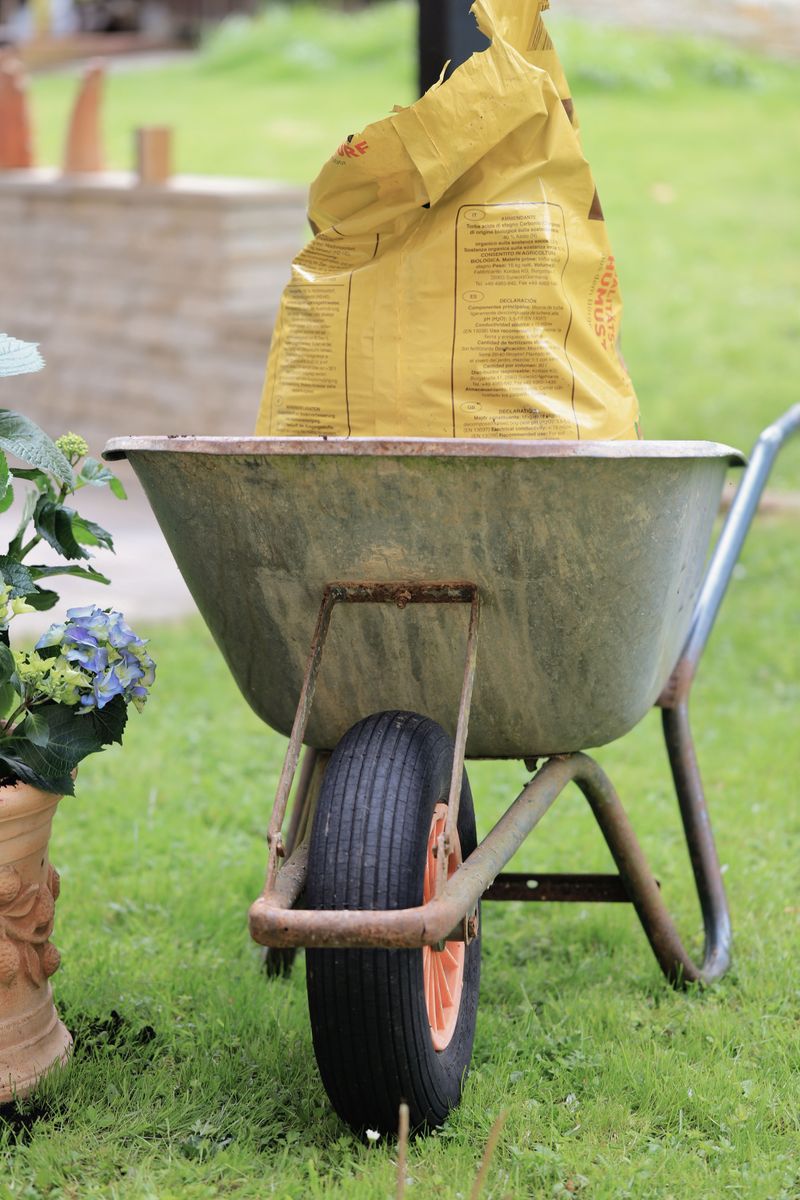
A bag of quick-green fertilizer looks tempting when the lawn turns pale. Hold off, because this is the wrong month for a nitrogen push.
Nitrogen tells grass to grow new, tender leaves. Those soft blades are easy targets for cold snaps and lawn diseases.
UF/IFAS research also links late-season nitrogen to more large patch problems in St. Augustine and zoysia.
Regional timing helps here. In North Florida, the final nitrogen feeding usually happens by late September.
Central Florida lawns typically get their last one by October. South Florida grass stays more active, so a light feeding may still fit, but go easy.
Some homeowners choose a product with potassium and little or no nitrogen. Potassium supports stress tolerance and root health without forcing top growth.
A soil test from your county Extension office will show whether your yard needs it at all.
Many counties and cities also have fertilizer ordinances. Some ban nitrogen and phosphorus during the summer rainy season, and others set extra rules near water.
Read your local ordinance before buying anything.
Skipping fertilizer this month also saves money. Your lawn simply cannot use those nutrients well while it rests, so much of it could wash away.
4. Keep the Mower Deck Up and Off Frosty Grass
My favorite part of late fall is mowing less often. Slower growth means the mower can sit in the shed for longer stretches.
Every two to three weeks is often enough in cooler months, and North Florida lawns may need even less. Mow based on growth, not the calendar.
Keep the blade high. UF/IFAS suggests 3.5 to 4 inches for most St. Augustine cultivars, with dwarf types cut lower.
Bahia usually stays around 3 to 4 inches, while zoysia and bermuda sit shorter. Taller grass shades the soil and protects the crowns where new growth starts.
Skip the idea of a short final cut before winter. Scalping removes leaf area the grass needs to store energy and leaves it more exposed to cold.
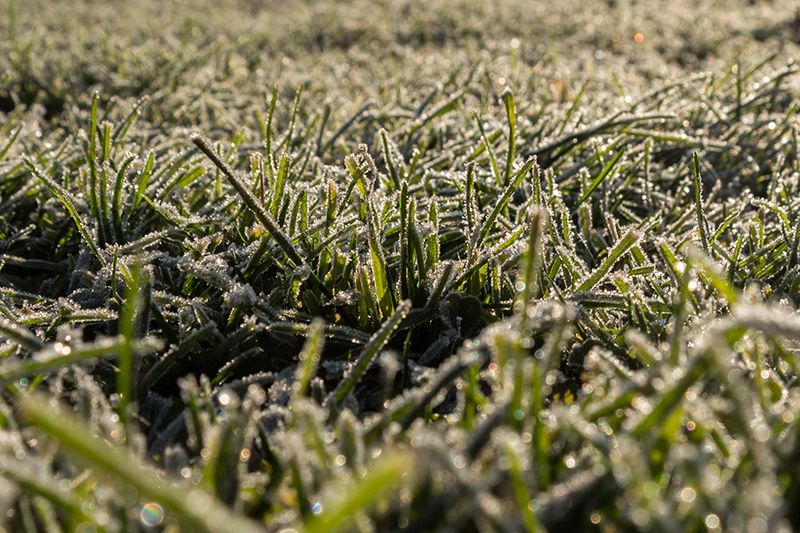
Frosty mornings call for extra caution. Frozen blades are brittle and break when you walk or mow on them, which often leaves dark footprints that look rough for weeks.
Wait until the sun melts the frost and the blades dry.
A sharp blade helps too. Clean cuts heal faster than ragged tears, and torn tips give fungi an easy way in.
Sharpening once before the cool season is a quick win.
5. Watch for Large Patch Rings in St. Augustine and Zoysia
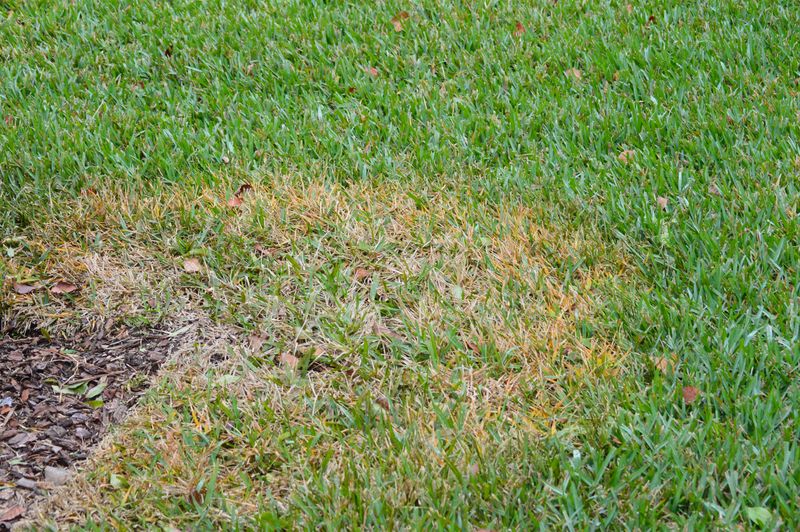
Cool, damp weather brings out one lawn troublemaker in particular. Large patch, caused by a Rhizoctonia fungus, shows up when soil temperatures fall below about 70 degrees.
Look for circular or irregular patches of yellow, tan, or brown grass. The edges often have an orange or bronze ring where the disease is active.
Patches can start small and spread to several feet across.
Leaf sheaths near the soil may look rotted and pull away easily. That tug test is a helpful clue, since healthy blades hold on firmly.
Cultural habits make a big difference. Water only in early morning, avoid fall nitrogen, and fix spots where water collects.
Thick thatch also gives the fungus a cozy home.
If patches keep growing, a labeled fungicide can help slow the spread. UF/IFAS notes that preventive applications in fall work better than waiting until damage is obvious.
Read the label carefully and follow it exactly.
Do not expect quick repair. Affected grass usually fills back in when warm weather returns in spring.
Snap a phone photo of any patch you find. Comparing pictures a week apart shows whether it is spreading or settling down.
6. Ryegrass Overseeding Can Keep a Dormant Lawn Green
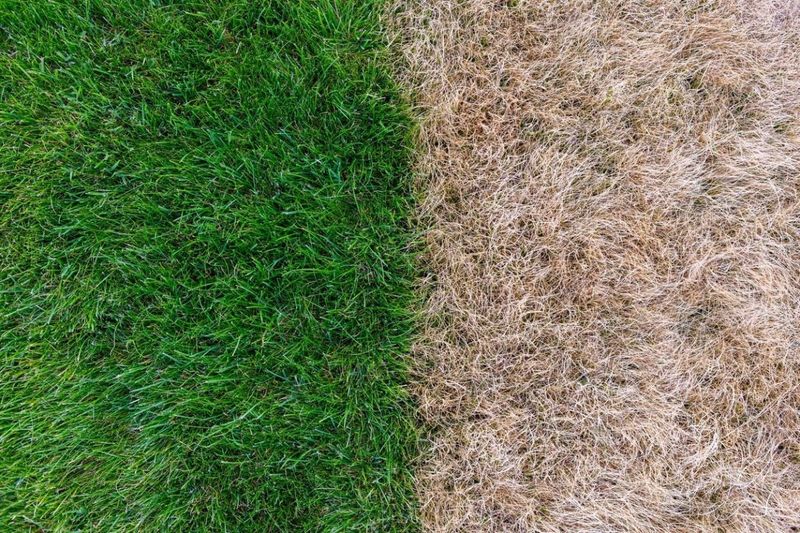
Some neighbors refuse to accept a tan yard. For them, overseeding with ryegrass is the classic fix.
Annual or perennial ryegrass is a cool-season grass that sprouts fast and stays green through winter. It fades away as heat returns in late spring, letting your permanent lawn take over again.
This option works best in North and Central Florida, where lawns truly go dormant. Bermudagrass and bahia handle it better than St. Augustine, which can suffer from competition and extra moisture.
Most South Florida lawns stay green enough that overseeding rarely makes sense.
Timing usually falls between October and early December, when daytime highs settle near the low 70s. Late November still works for many Central Florida yards.
Overseeding is a real commitment. The ryegrass needs regular water to sprout, weekly mowing, and some fertilizer, which goes against the rest-easy plan for your main lawn.
Personally, I think a tan winter lawn has its own quiet charm. It also saves water, fuel, and weekend time.
If you love winter green, though, go for it with your eyes open.
Pick a small test area first if you are unsure. That trial shows whether the extra work feels worth it.
7. Cold Snap Coming? Quick Moves to Protect Your Grass
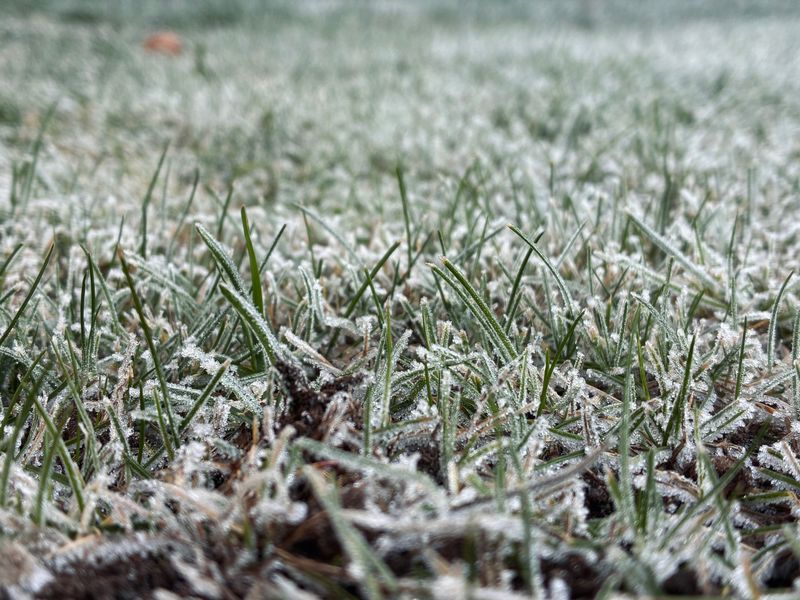
A freeze warning on the evening news gets every gardener moving. Your lawn handles cold better than tender shrubs, but a little prep helps.
Moist soil holds heat better than dry soil. If the ground is dry, water lightly a day or two before the cold front arrives.
Avoid running sprinklers during the freeze itself, since ice on blades and slick sidewalks bring more problems than benefits.
Stay off the grass while it is frosty or frozen. Foot traffic breaks ice-coated blades and leaves brown tracks that last for weeks.
Covering a whole lawn is not practical, and it is not necessary. Save your frost cloth for tropical plants in the beds nearby.
After the cold passes, resist the urge to rake or cut off brown foliage right away. Damaged blades act like a light blanket that shields crowns during the next chilly night.
St. Augustine is less cold-hardy than zoysia or bermuda. Parts of North Florida sometimes see real injury after a hard freeze, so give those lawns extra time in spring before judging the damage.
Shady spots near buildings often stay frosty longest. Keep pets and kids off those areas until the sun reaches them.
8. Spring Green-Up Starts With Easy Weed and Thatch Checks Now
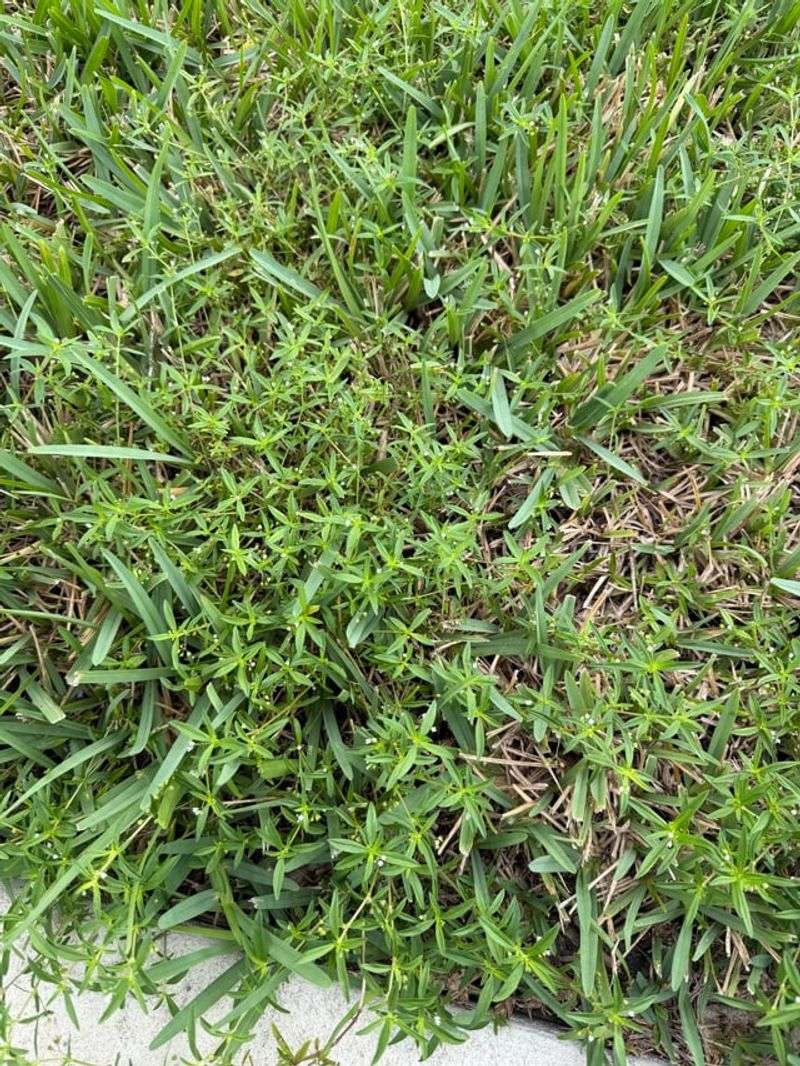
Quiet months are perfect for planning. The lawn is resting, so you can see problems that hide under thick summer growth.
Winter weeds like henbit, chickweed, and annual bluegrass often sprout as temperatures cool. Hand-pulling small patches now is easy and satisfying.
A thick, healthy lawn is still the best weed blocker over time.
If you use a pre-emergent product for these cool-season weeds, read the label for your grass type and region. Some products can harm new sod or overseeded ryegrass.
Check thatch while you are down there. Push a finger into the turf near the soil line.
A layer thicker than about half an inch can hold moisture and invite disease, but dethatching should wait until spring growth returns.
Write notes on trouble spots like bare areas, soggy corners, or patches of fungus. That simple list turns into your spring game plan.
A soil test this winter is one of the best moves you can make. Your county UF/IFAS Extension office can explain how to collect and mail a sample.
Give your lawn rest, smart water, and a careful eye this month. Those small habits pay off when warm March days arrive.