What To Do With Pecans Covering Your Texas Lawn
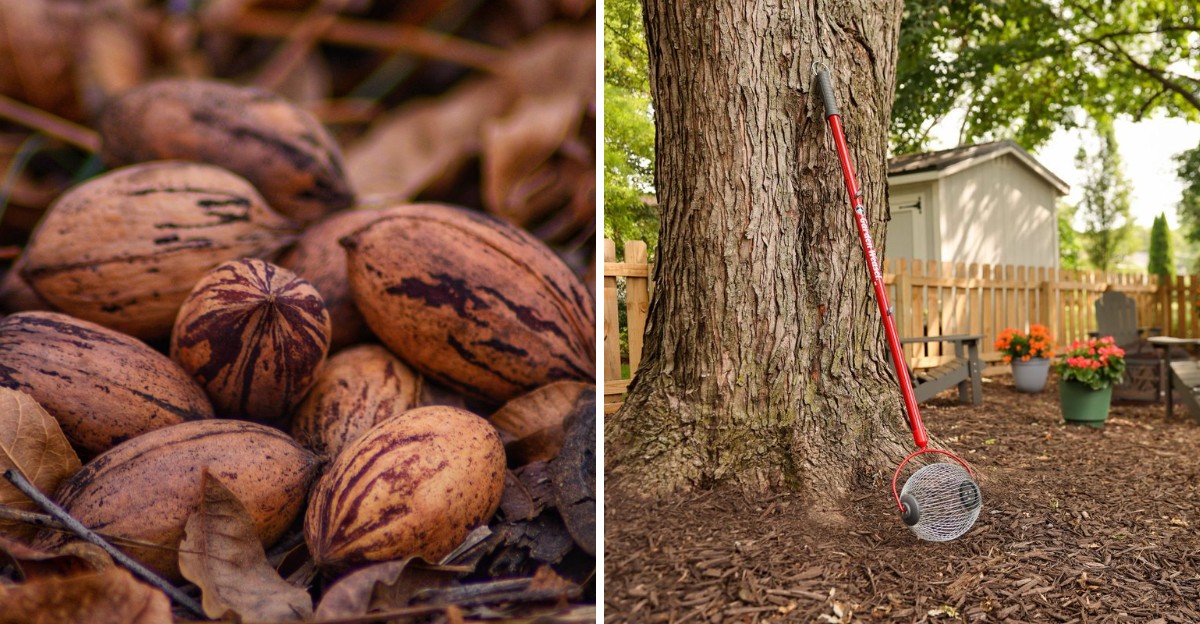
A single mature tree in Texas can drop well over 100 pounds of nuts in one good fall. That is a lot of crunch under your sneakers.
I used to rake them into a pile and grumble about the mess. Then I cracked one open and tasted it fresh. Sweet, buttery, and nothing like the dusty bags at the store.
The most interesting part? Those nuts are the state tree’s gift, and plenty of folks mow right over them. Squirrels, crows, and blue jays are happy to clean up whatever you skip.
Some years the trees barely produce at all, so a heavy crop is worth noticing.
Personally, I think a lawn full of these shells is a small treasure hunt waiting to happen. You just need a plan, a bucket, and a little patience.
1. That Carpet Of Fallen Pecans Is Worth More Than You Think
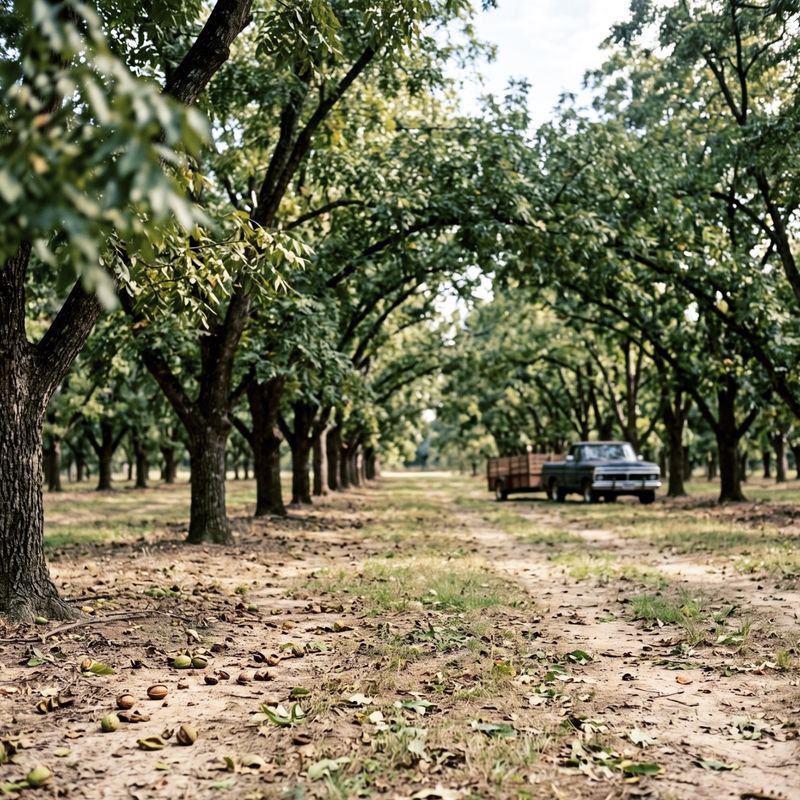
Grocery store pecan halves often cost far more per pound than people expect. The nuts lying in your grass are the same crop, just waiting in the shell.
Pecan trees are native to Texas, and the pecan became the official state tree in 1919. Many yard trees are older native seedlings or named varieties like Desirable, Pawnee, or Kanza. Seedling nuts tend to be smaller, but their flavor is often rich and sweet.
So the first thing to do is simple. Treat those fallen nuts as food, not litter. A healthy backyard tree can give you enough pecans for pies, snacks, and holiday gifts with plenty left over.
Pecan trees also bear unevenly from year to year. Texas A&M AgriLife Extension calls this alternate bearing, where a heavy crop is often followed by a lighter one.
That means a big year deserves your attention, since next fall may look very different. Take a closer look at a handful. Plump, shiny, evenly colored shells usually mean good kernels inside.
Lightweight, dull, or stained ones are more likely to be empty. Once you start sorting with your eyes, the lawn suddenly looks a lot more like a pantry.
2. Gather Pecans Quickly Before Rain And Squirrels Get Them
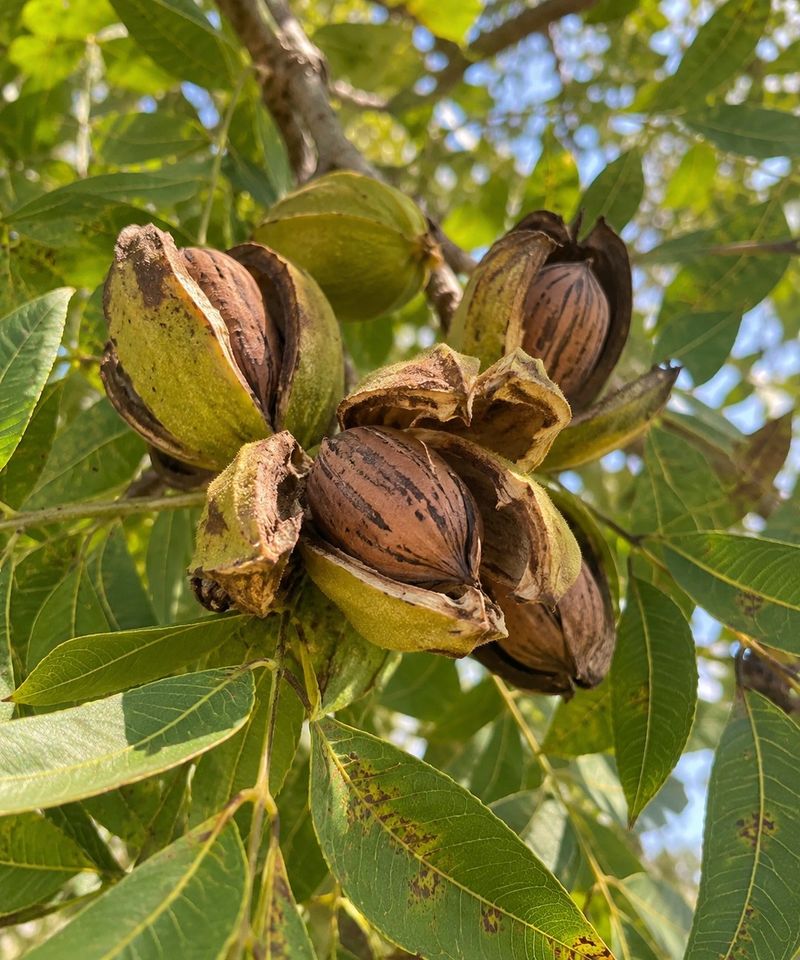
Speed matters more than most people realize. Pecans that sit on damp ground can mold, darken, and lose flavor within days during wet weather.
Extension specialists recommend picking up nuts often, ideally every few days during the main drop.
In much of Texas, that drop runs from October into December, with timing shifting by region and variety. South Texas trees may start earlier, while northern areas can stretch later.
Wildlife is your other competition. Squirrels, crows, blue jays, raccoons, and even deer love fresh pecans.
In rural areas, feral hogs may root through yards to reach them. If you wait a week, you may find mostly empty shell pieces.
Gather in the morning when the grass is dry enough to see clearly. Carry two buckets, one for good-looking nuts and one for cracked or suspicious ones. That small habit saves sorting time later.
After a strong wind or cold front, head out the same day. Those events often shake loose a big batch at once.
A quick fifteen-minute sweep after each storm can rescue pounds of pecans that would otherwise feed the neighborhood squirrels for free.
3. A Rolling Nut Gatherer Saves Your Knees And Back
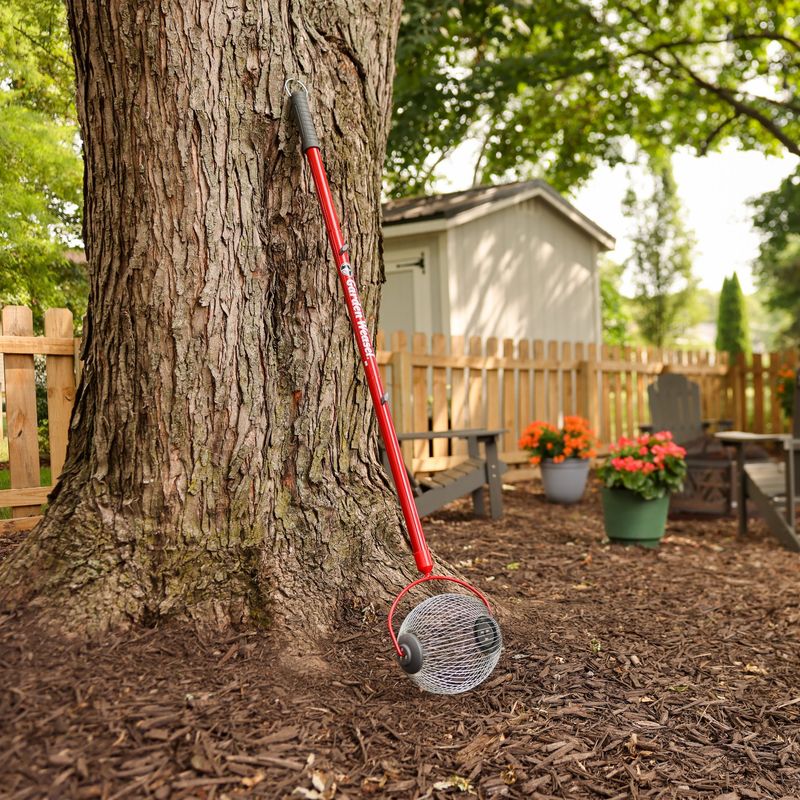
My knees filed a complaint after my first big pecan season. Bending down hundreds of times is no joke, and that is where a rolling nut gatherer shines.
These tools have a wire cage on a long handle. You roll it across the grass, and the wires spread just enough to trap the nuts inside.
Brand names include Nut Wizard and Garden Weasel, and they come in sizes for different nuts, so pick the one made for pecans.
Emptying them is easy too. Many come with a small basket or a slot that pulls the wires apart over a bucket.
Short grass makes everything easier. Mow a little lower under the tree right before the drop begins, and the nuts sit on top where you can see and roll them up. Thick St. Augustine can hide pecans, so a slightly closer cut helps there.
A leaf rake is useful for gathering nuts from flower beds or along fences. Just rake gently so you do not crack shells.
For huge trees, some homeowners even use a lightweight push sweeper. Whatever you pick, your back will thank you by Thanksgiving.
4. Drying Pecans In The Shell Keeps Them Tasting Fresh
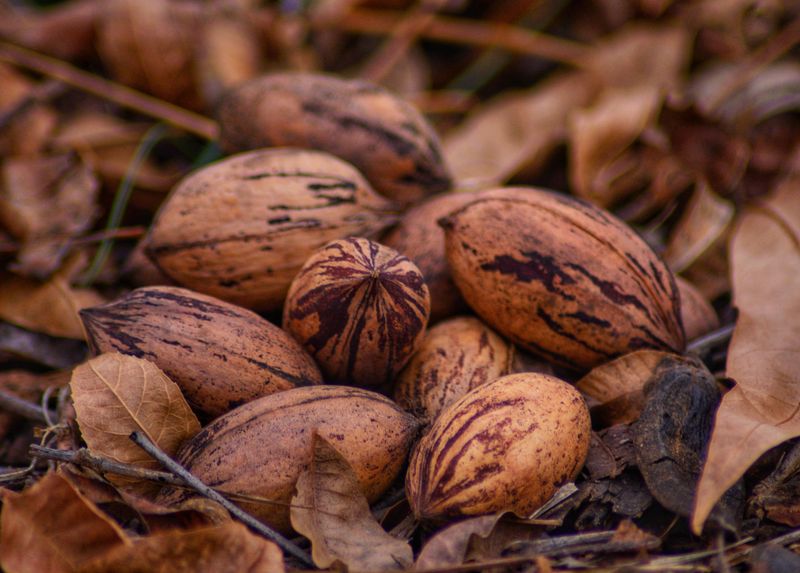
Freshly fallen pecans hold more moisture than you might guess. Store them right away, and they can turn moldy or bitter inside a closed container.
Spread the nuts in a single layer on screens, cardboard, or shallow trays. Pick a dry, shady spot with good airflow, like a garage or covered porch. A fan helps in humid parts of the state, especially along the Gulf Coast.
Drying usually takes about one to two weeks. Keep them out of direct sun and away from heat sources, since too much warmth can harm the oils that give pecans their flavor.
Test a few nuts as you go. A properly dried kernel snaps cleanly when you bend it instead of bending like rubber. The thin inner layer should look light and feel dry.
Here is a fun twist. Pecans are high in natural oils, which is why they taste so buttery. That same oil is what makes them go stale if you rush this step. Patience now means better pies later.
Keep pets and wildlife away from your drying racks. A squirrel that finds an open garage will happily treat it like a buffet.
5. Tiny Holes In Pecan Shells Can Mean Weevils Moved In
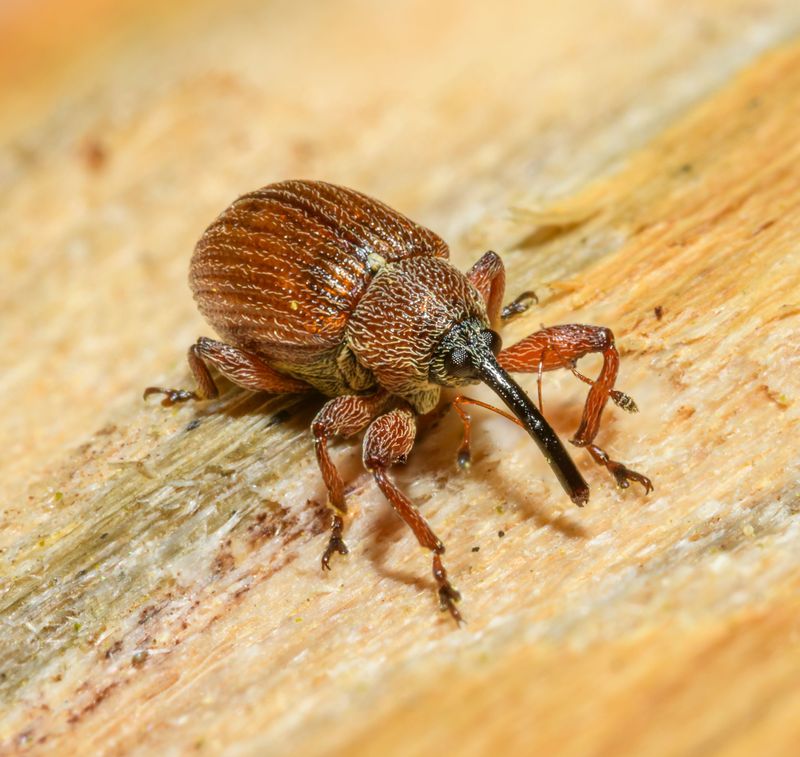
Spot a perfectly round hole about the size of a pencil lead? That is a classic sign of the pecan weevil, one of the most common pests in Texas pecan trees.
Adult weevils lay eggs in developing nuts in late summer. The grubs feed inside, chew their way out in fall, and drop into the soil to wait until a later season. Nuts with exit holes are usually empty or ruined.
A simple water test helps with sorting. Drop your pecans in a bucket of water, and many hollow or damaged ones will float. Toss the floaters along with anything moldy, deeply cracked, or stained black.
You may also notice nuts falling while still green. Early drops can come from weevils, hickory shuckworms, drought stress, or the tree shedding extra nuts it cannot support. Not every green drop means trouble.
Removing infested nuts from the lawn helps reduce next year’s weevil numbers, since the larvae need soil to finish growing.
If damage seems heavy year after year, your county AgriLife Extension office can suggest timing and control options suited to your area. That local advice is far better than guessing.
6. Freeze Your Shelled Pecans For Year Round Baking
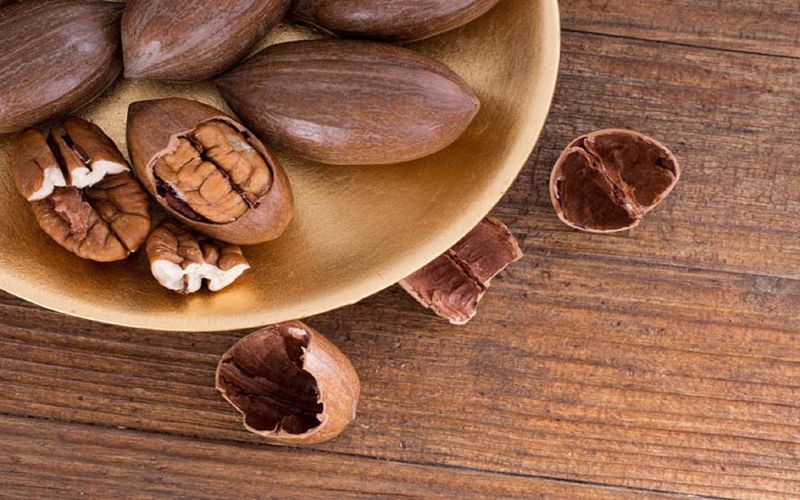
Cracking pecans on a chilly evening feels a bit like a family tradition in the making. Put on music, grab a hand cracker, and let everyone help pick out the halves.
Once shelled, pecans need cool storage. Their oils turn rancid fairly fast at room temperature. In the refrigerator, shelled nuts keep for several months in airtight containers.
The freezer is the real hero here. Shelled pecans can last a year or more when frozen in sealed bags or jars. Squeeze out extra air and label each bag with the date.
Unshelled nuts store well too. They hold longer than shelled ones, so you can crack batches as you need them.
Many Texas towns also have commercial cracking services during harvest season, which can save hours of work for a small fee per pound.
Keep pecans away from strong smells like onions. Those oils soak up odors easily. You can thaw them quickly for recipes, and they toast beautifully straight from frozen.
I like having a bag ready in July, when a cobbler topping suddenly sounds like the best idea of the summer.
7. Toasted Pecans Make Salads, Oatmeal, And Pies Better

Pecan pie gets the spotlight, but your harvest can do so much more. Toasting is the easiest upgrade you will ever try.
Spread halves on a baking sheet and bake around 350 degrees for about 8 to 10 minutes. Stir once and watch closely, since they turn from golden to scorched quickly. Your kitchen will smell amazing.
Sprinkle toasted pecans on oatmeal, yogurt, or a spinach salad with apples. Chop them into banana bread, muffins, or cookies. Finely ground pecans also make a tasty crispy coating for chicken or fish.
Candied pecans are a crowd favorite for holidays. Toss them with a little egg white, sugar, and cinnamon, then bake slowly until crisp.
Packed in a jar with a ribbon, they make a sweet homemade gift for teachers and neighbors. Pralines are another Southern classic made with butter, sugar, and plenty of pecans.
Did you know? Pecans are the only major tree nut native to North America, and Native American groups used them long before European settlers arrived.
Eating your backyard crop connects you to a very old local tradition, one handful at a time.
8. Leftover Pecan Shells Make A Handsome Garden Mulch
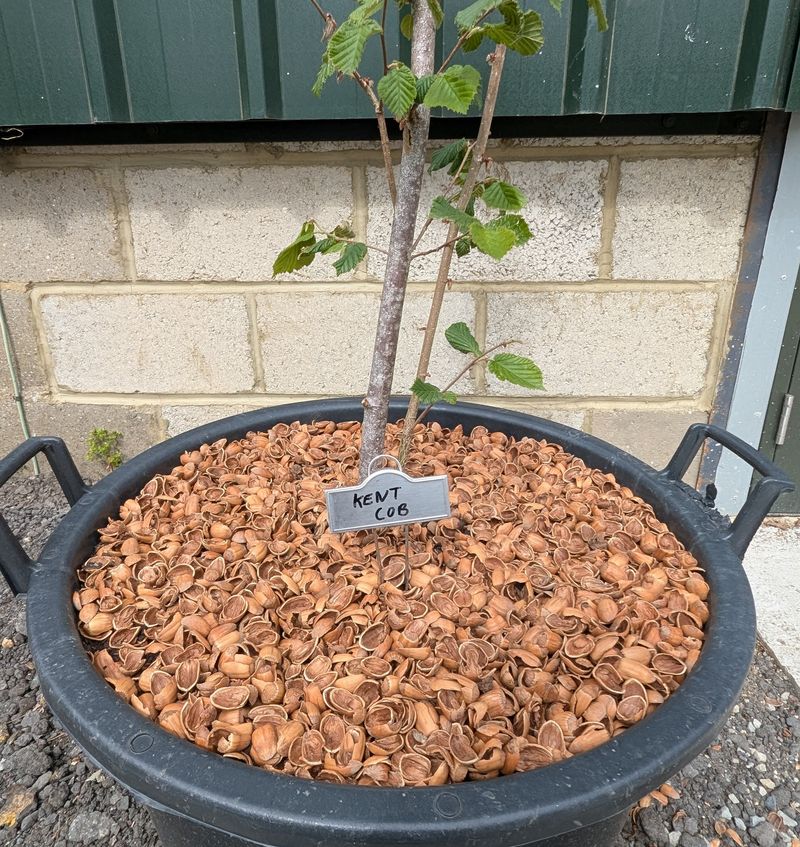
Nothing goes to waste in a pecan yard, not even the shells. Those crunchy leftovers can work hard in your garden beds.
Crushed pecan shells make an attractive brown mulch around shrubs, paths, and flower beds. They help hold moisture in the soil and slow weed growth. They also break down slowly, so one layer lasts a long time.
Shells can go into the compost pile too. Crush them first so they break down faster, and mix them with grass clippings and kitchen scraps. Some gardeners worry about juglone, the natural chemical made by black walnuts.
Pecans contain much lower amounts, and composted shells are generally considered safe for most plants.
Moldy or weevil-damaged nuts are better bagged for the trash than tossed in the yard, especially if pests were a problem.
If you still have more nuts than you can use, consider sharing. Neighbors, friends, and local food pantries often appreciate fresh pecans.
Leaving a few in a wild corner can also feed birds and squirrels, as long as the pile does not draw rodents near the house.
Gather, dry, store, enjoy, and recycle. Your messy lawn just became a whole season of goodness.