8 Flowers To Plant In November In Pennsylvania
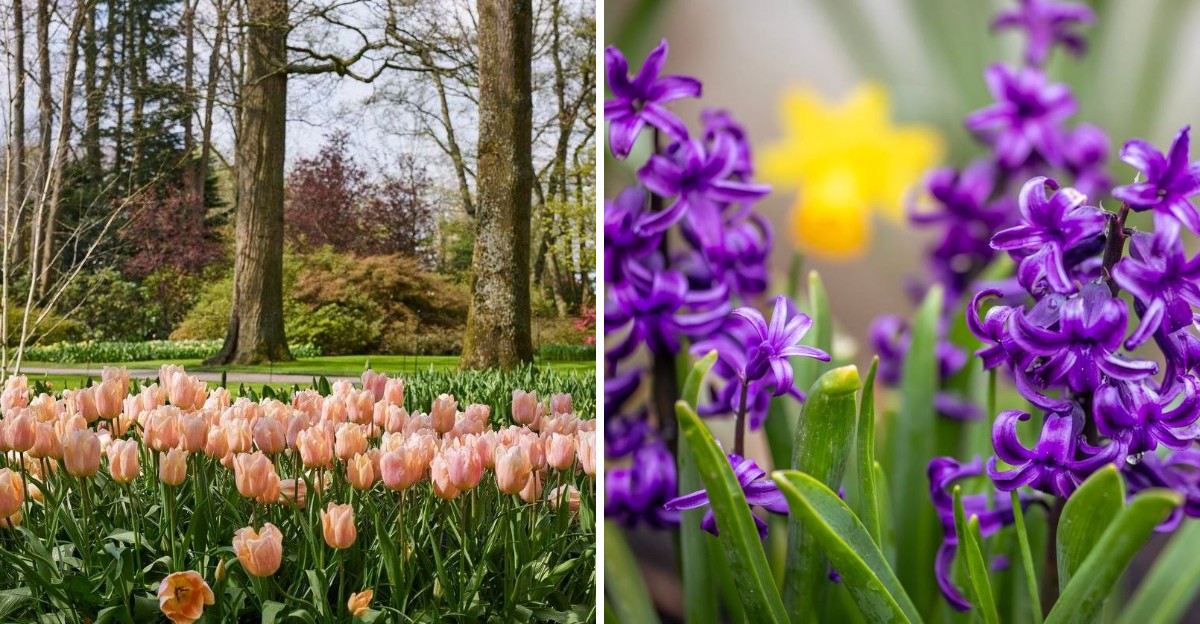
Many spring bloomers need roughly twelve to sixteen weeks of cold soil before they agree to flower at all. That chilly waiting period is built into their genes, and a Pennsylvania November supplies it for free.
I used to think garden season ended once the maples dropped their leaves across my front yard. To my surprise, late fall soil often stays workable well into the month, especially across the southern counties.
Grab your gloves and a sturdy trowel, because cold fingers now mean bright color when March finally arrives. I truly believe the best gardening rewards come from the work nobody else bothers doing in gray weather.
Across Pennsylvania, a handful of smart picks still fit neatly into this late window before the ground freezes.
1. Daffodils
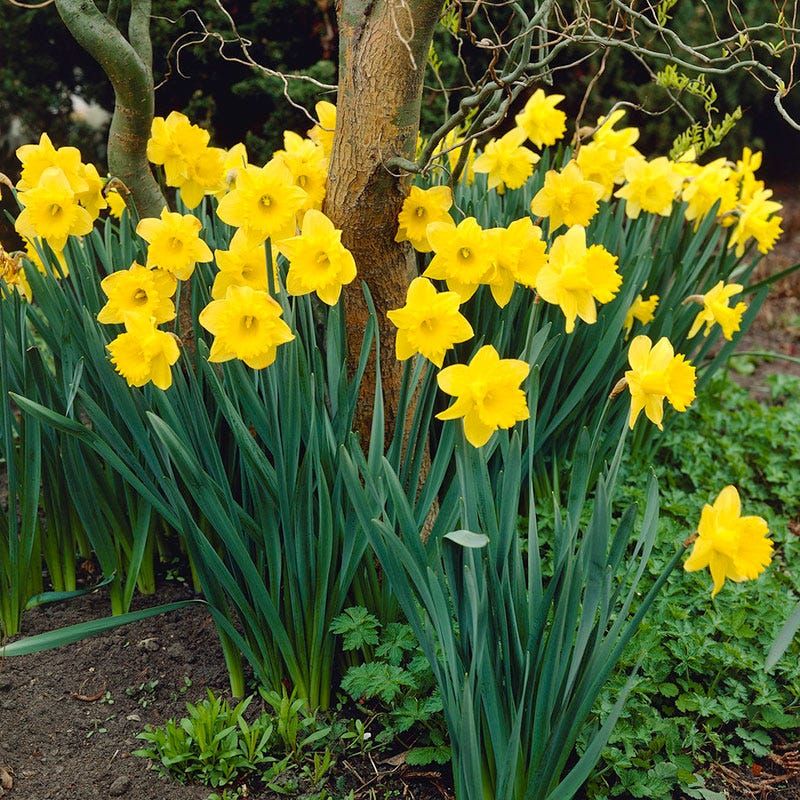
Squirrels and deer usually leave daffodils alone, because every part of the plant contains bitter, toxic compounds called lycorine.
I love planting something that critters sniff once and then politely ignore for the rest of the season.
Late fall planting works well here, as long as your shovel still slides into soft, unfrozen ground. Penn State Extension notes bulbs can go in until the soil freezes, which often stretches past Thanksgiving.
Dig each hole about six inches deep, roughly three times the bulb height, with the pointed tip facing up. Space bulbs three to six inches apart, then water once so the soil settles snugly around them.
Daffodils want at least six hours of sun and well-drained soil, since soggy spots cause bulbs to rot. Heavy clay benefits from a few scoops of compost mixed in before planting, which improves drainage noticeably.
Next spring, resist the urge to braid or cut the floppy leaves right after the flowers fade away. Those green leaves feed the bulb for next year, so wait about six weeks until they turn yellow.
Here’s a fun twist, because daffodils naturalize beautifully, slowly forming bigger clumps across lawns and woodland edges.
Plant them in loose drifts instead of straight rows, and the display looks wonderfully natural within a few years.
Keep pets and curious kids from chewing on bulbs, since they can upset stomachs if swallowed. Wash your hands after handling them too, because the sap irritates sensitive skin for some gardeners.
2. Tulips
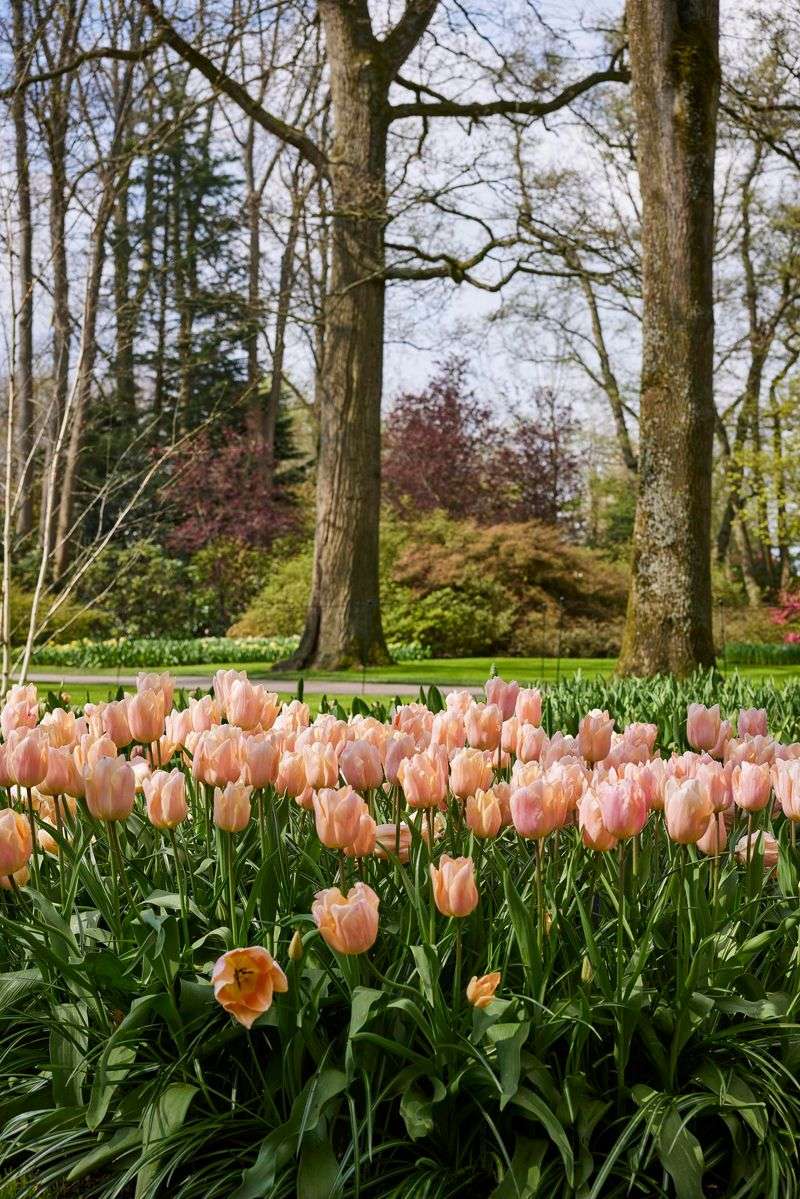
Back in the 1630s, single tulip bulbs in Holland sold for prices higher than many skilled workers earned yearly.
Thankfully, you can grab a whole bag today for less than a pizza and still enjoy that showstopping color.
Tulips need about twelve to sixteen weeks of cold, which explains why late fall planting suits them so well.
Penn State recommends waiting until soil cools below sixty degrees, and November usually delivers that chill nicely.
Plant each bulb six to eight inches deep, pointed end up, and space them roughly four to six inches apart. Deeper planting helps discourage digging squirrels and may encourage bulbs to return for more than one spring.
Choose a sunny bed with excellent drainage, because tulips sitting in wet clay often rot before spring.
Raised beds and gentle slopes work wonders if your Pennsylvania yard tends to hold water after heavy autumn rain.
I have to admit, deer treat tulips like salad, so protection matters if they wander through your neighborhood. Try repellent sprays or chicken wire over the beds, and consider tucking daffodils nearby as decoys.
Many hybrid tulips fade after a few years, so consider Darwin hybrids or species tulips for longer performance. Species types like Tulipa tarda stay small, but they often return reliably and even multiply over time.
After blooming, snip off the seed pods but leave the leaves standing until they yellow naturally. That simple patience lets the bulb store energy for another round of bold, cheerful cups next April.
3. Crocuses
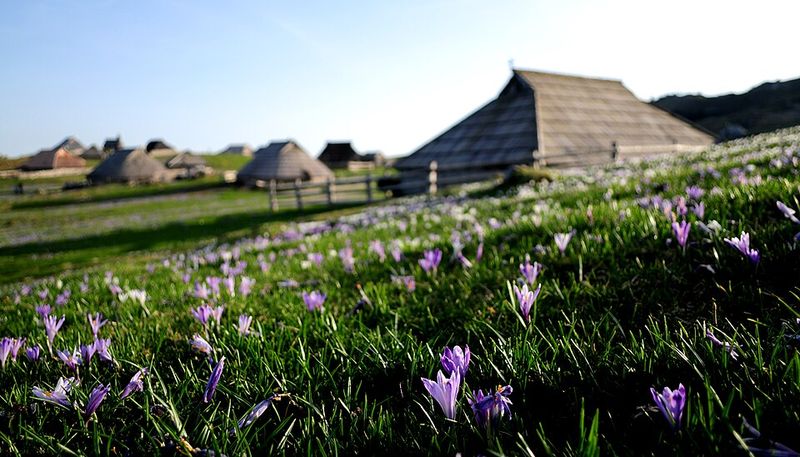
Crocus flowers close up tight on cloudy days and open wide when sunshine warms their petals again. Watching them react to the weather feels a little like having tiny, colorful weather reporters in the yard.
These small corms often bloom in late winter, sometimes poking through a light dusting of snow in March.
Honeybees appreciate them enormously, because early crocuses offer pollen when very little else is flowering yet.
Plant corms about three to four inches deep, setting them two to three inches apart in loose groups. Late fall planting works fine, provided the ground has not frozen solid and your trowel still digs easily.
Full sun or light shade under deciduous trees suits them, since those branches stay bare during their bloom. Well-drained soil keeps corms healthy, so skip low spots where melting snow tends to collect and linger.
Believe it or not, crocuses look fantastic tucked right into the lawn, where they naturalize over the years. Just hold off mowing in spring until their grassy leaves turn yellow, usually around late May.
Squirrels and chipmunks enjoy snacking on crocus corms, which can feel frustrating after an afternoon of planting.
Covering beds with hardware cloth or choosing Crocus tommasinianus, which rodents seem to bother less, helps quite a bit.
Personally, I plant handfuls near the front walk, where I can admire them without trudging through mud. Those first purple blooms by the door make a gloomy late-winter morning feel noticeably brighter and lighter.
4. Hyacinths
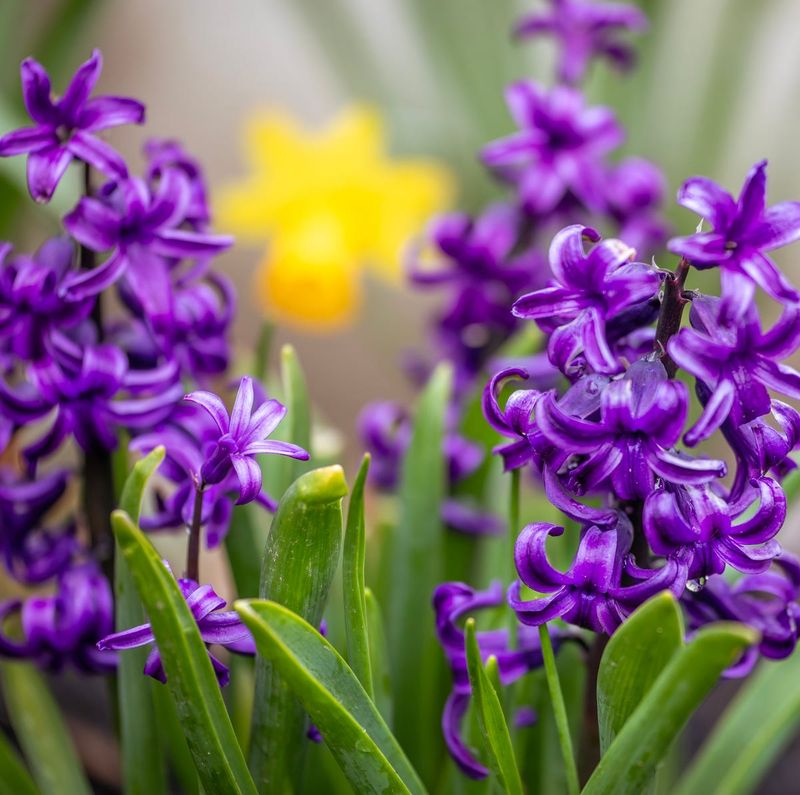
One blooming hyacinth can perfume an entire porch, and a small cluster smells sweet from several feet away. I can’t walk past them in April without stopping, bending down, and taking a long, happy sniff.
Dutch hyacinths, known botanically as Hyacinthus orientalis, grow well in zones four through eight across most northern regions.
They handle cold winters easily and appreciate the steady chill that late fall planting provides underground.
Set each bulb about six inches deep and five to six inches apart, with the pointed end facing upward. Wear gloves while handling them, because the papery bulbs contain oxalic acid crystals that can itch bare skin.
Full sun produces the sturdiest flower spikes, though a bit of partial shade still gives decent results. Like most spring bulbs, hyacinths strongly dislike wet feet, so pick a spot with fertile, well-drained soil.
Deer and rabbits generally leave hyacinths alone, which makes them a smart choice for exposed front beds.
Early bees visit the blossoms too, giving your Pennsylvania garden a little extra buzz on mild spring afternoons.
You might notice the second year brings looser, smaller spikes than the first dense blooms you planted. Plenty of gardeners actually prefer that relaxed look, which feels more cottage garden than formal flower show.
Once flowers fade, cut the spent stalk but let leaves stay put until they yellow on their own. Container lovers can also force a few bulbs indoors after chilling them in the refrigerator for twelve weeks.
5. Alliums
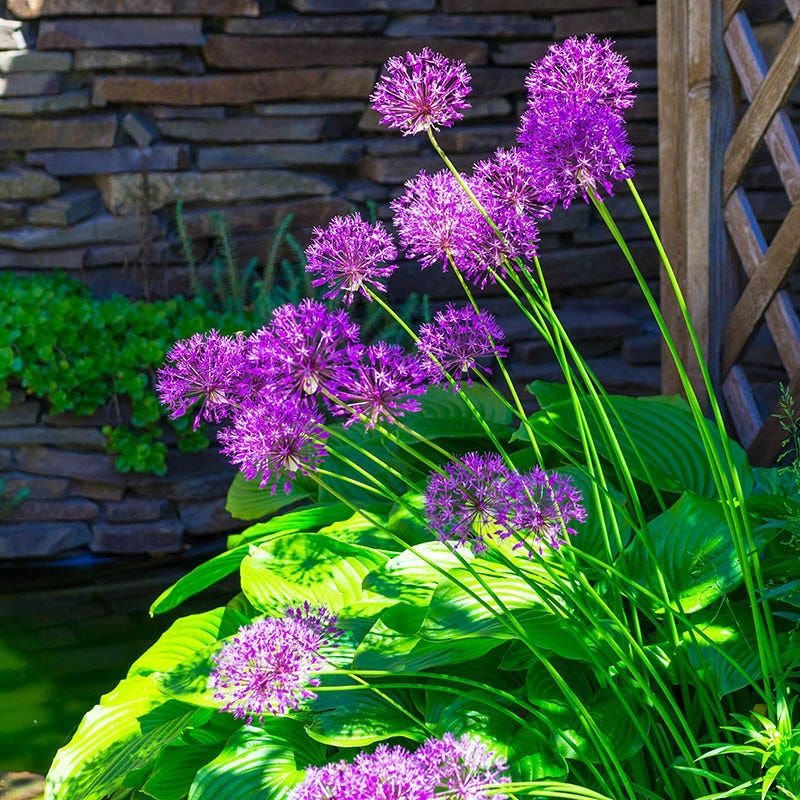
Giant alliums look like purple lollipops floating above the garden, and kids usually think they came straight from Dr. Seuss. These ornamental onions add serious height and drama to late spring beds when tulips start fading away.
Fall is the right time to plant them, and bulbs can usually go in until the ground freezes. Penn State Extension groups alliums with other hardy spring bulbs that need a winter chill for good flowering.
Plant bulbs about three times as deep as they are tall, usually six to eight inches for large varieties. Smaller types like drumstick allium only need four inches, and they look charming tucked in tight clusters.
Full sun matters most, along with soil that drains well, since soggy ground causes bulbs to rot quickly. Their leaves often turn yellow and scruffy around bloom time, so plant them behind bushy perennials.
Bees and butterflies crowd the round flower heads, and I often count a dozen visitors on one bloom. Rodents and deer tend to skip alliums thanks to their oniony smell, which feels like a gardener’s bonus.
The most interesting part is how dried seed heads hold their globe shape for months after the petals fall. Leave them standing for winter interest, or snip a few for long-lasting indoor arrangements on the table.
Choose dependable named cultivars like Globemaster or Purple Sensation, which perform well through our cold winters.
Avoid planting wild garlic relatives, since some weedy alliums spread aggressively and become difficult to manage.
6. Snowdrops
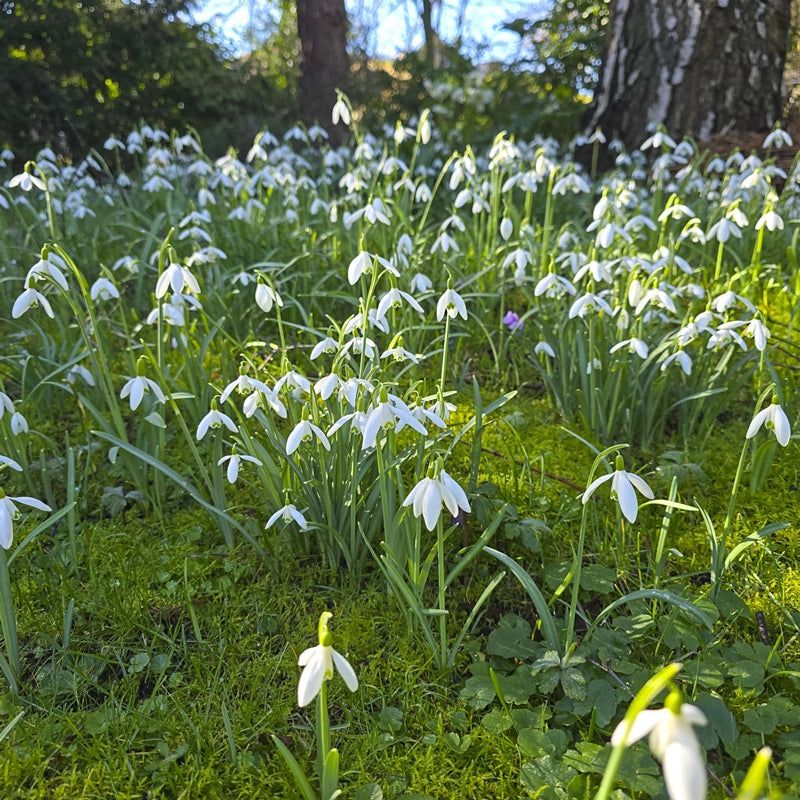
Snowdrops sometimes bloom while snow still covers the ground, their tiny white bells hanging like dainty lanterns. Nobody warned me how much joy such a small flower could bring on a gray February afternoon.
Galanthus nivalis is hardy in zones three through seven, making it a natural fit for chilly northern gardens. Many suppliers ship dry bulbs in fall, so plant them as soon as they arrive to prevent drying.
Set each bulb about three inches deep and three inches apart, pointy end up, in small natural groups. Late fall planting works if the soil is still soft, though earlier autumn planting gives roots more time.
Partial shade under deciduous trees suits them perfectly, since sunlight reaches the ground before leaves appear overhead.
Rich, moist soil with good drainage and plenty of leaf mold copies the woodland conditions they naturally enjoy.
Deer and rodents usually leave snowdrops alone, because the bulbs contain compounds that taste unpleasant to animals.
That protection means you can tuck them along shady paths without worrying about overnight garden raids.
Over time, a few bulbs slowly multiply into wide white carpets that look magical in early spring.
Experienced growers often divide crowded clumps right after flowering, when leaves are still green, to spread them further.
Early bees searching for food appreciate snowdrops on mild late winter days when the sun briefly appears. I love how such a humble flower announces that spring is coming long before the robins return.
7. Purple Coneflower
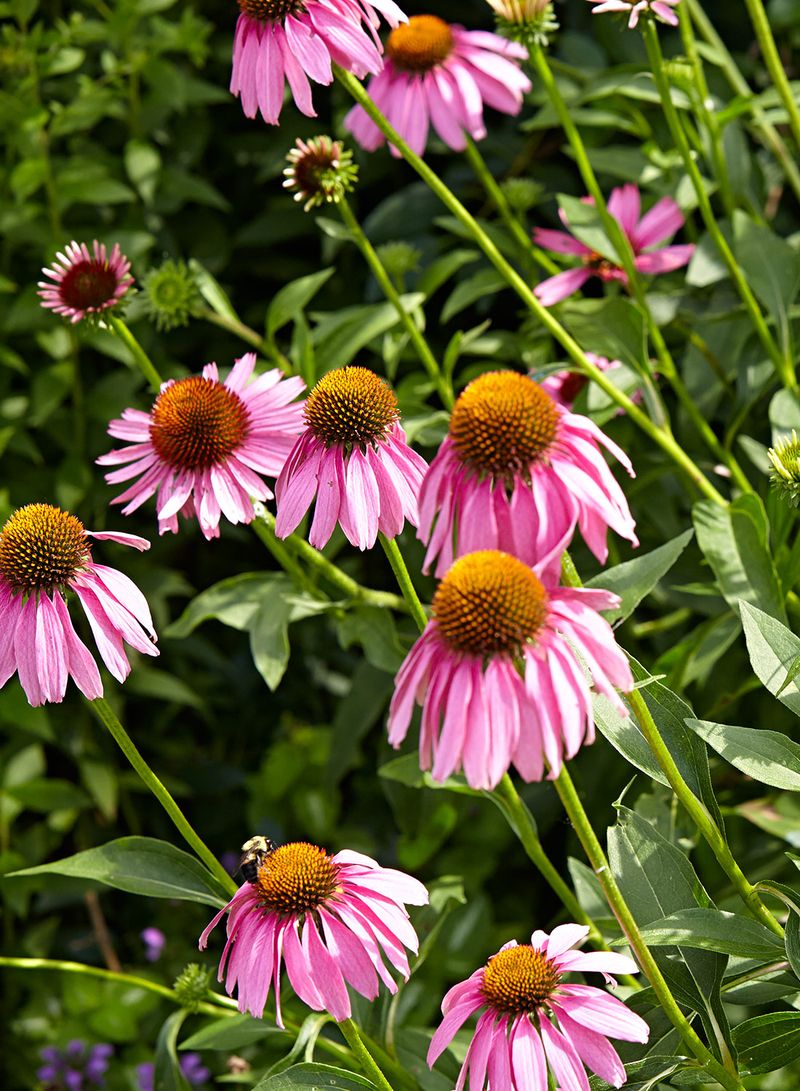
Coneflower seeds actually need a cold, damp winter before they sprout, which makes late fall the perfect sowing time. You’ll love how easy this is, since nature handles the tricky chilling step without any help from you.
Purple coneflower, Echinacea purpurea, is a native perennial hardy in zones three through eight across the eastern states.
Sowing seeds outdoors in November mimics how wild plants spread, dropping seeds that sleep through winter weather.
Scatter seeds over loosened bare soil, then press them in lightly and cover with a thin dusting of soil. Mark the spot with a stake, because tiny seedlings look like weeds when they first appear next spring.
Choose a sunny location with well-drained soil, since coneflowers struggle in heavy, waterlogged ground over winter.
Once established, these tough plants handle drought well and rarely need extra water during hot summer stretches.
Seed-grown plants usually bloom in their second summer, so patience pays off with big purple daisies later.
Each flower has a spiky orange cone that butterflies and bees visit constantly from midsummer into early fall.
Goldfinches love the seeds, so leave some faded flower heads standing through winter for hungry backyard birds.
Watching those bright yellow birds balance on swaying stems is one of my favorite autumn garden moments.
Straight species seeds give the most reliable results, while many fancy hybrids do not grow true from seed. If you already own potted coneflowers, mulch them lightly after the ground freezes to reduce frost heaving.
8. Black Eyed Susan
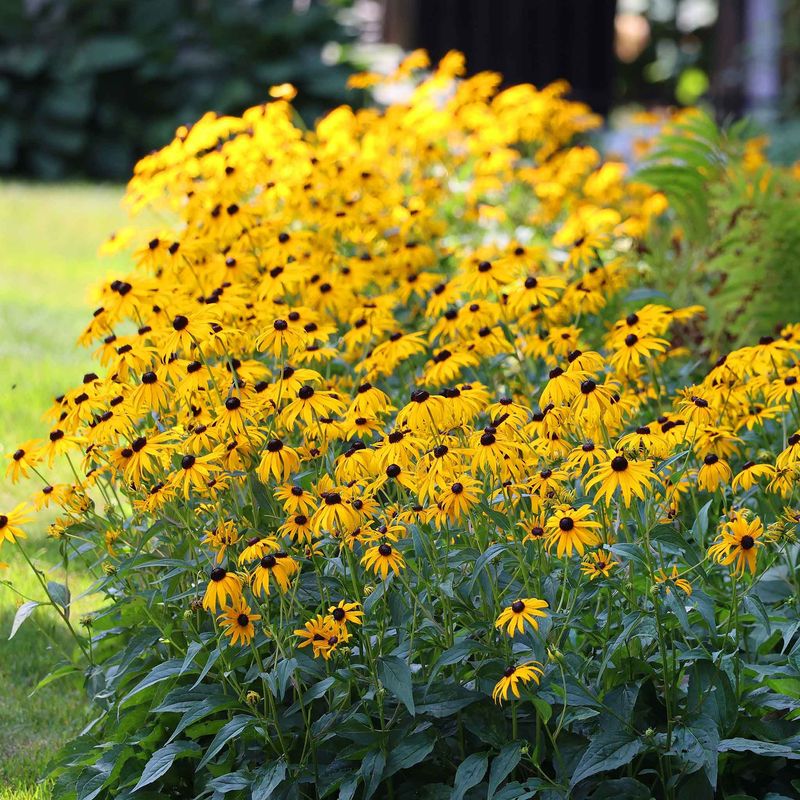
Black-eyed Susans grow wild along roadsides and meadows, and their golden petals practically glow in late summer sunshine. I used to walk right past them, until I realized how easily they grow from a simple pinch of seed.
Rudbeckia hirta is a native wildflower that often behaves as a biennial or short-lived perennial in our region.
Its seeds benefit from cold, moist conditions, so sowing them on bare ground in November works nicely.
Rake the soil lightly, scatter seeds on the surface, and press them down without burying them deeply. These seeds need some light to germinate, so a thin covering or none at all gives better results.
Full sun keeps plants sturdy, though they tolerate a bit of shade and many types of average soil. Poor, dry ground suits them surprisingly well, which makes them a lifesaver for tough sunny slopes.
Bees and butterflies visit the bright flowers often, and birds snack on the seeds once petals drop. Leaving seed heads standing lets plants reseed themselves, so new seedlings appear around the bed each spring.
Take a closer look at the center, where dark brown disks are actually hundreds of tiny individual flowers. Each ring of florets opens in turn, which explains why one bloom can last for several weeks.
In Pennsylvania meadows and backyard gardens alike, black-eyed Susans support native pollinators that evolved alongside them.
Pair them with coneflowers for a cheerful, low-maintenance combination that looks great from July until early fall.