The Rose Mistake Every Pennsylvania Gardener Should Know Before Winter
A single snip of the pruners in November can trick a sleepy shrub into waking up. That fresh growth is soft, juicy, and no match for a hard freeze.
I learned this the hard way in my own Pennsylvania yard. My tidy fall haircut looked great for about three weeks. By March, half the canes were brown and brittle.
To my surprise, the plant was not weak at all. It simply spent its stored energy on shoots that had no chance against January. Believe it or not, a little messiness in autumn often leads to a stronger plant in spring.
You probably have a favorite bush near the porch right now, still holding a few faded blooms. Those blooms might be doing more for it than you think. So what should you actually do with your shears this month?
That Fall Rose Pruning Habit Could Be Costing You Canes
Plenty of us grew up watching a parent or grandparent cut roses down hard every October. It felt neat, responsible, and ready for winter. Sadly, that tradition is the mistake.
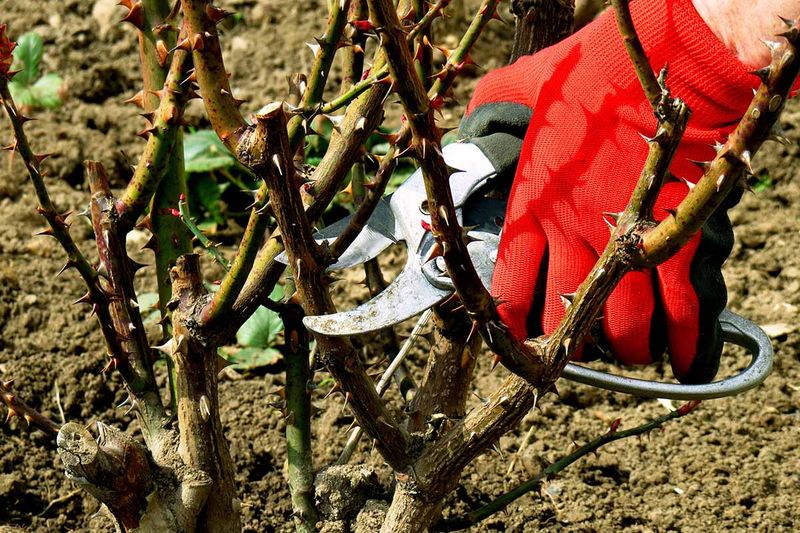
Heavy pruning in fall can push a rose to send out new shoots during a warm spell. Pennsylvania autumns often swing from frosty mornings to mild, sunny afternoons.
Those swings give tender growth just enough encouragement to appear, but not enough time to toughen up.
Soft new stems hold more water and have thin outer tissue. When a hard freeze arrives, they crack, brown, and fail. The plant also loses the stored energy it spent making them, which leaves less fuel for spring.
Penn State Extension and many rose societies recommend saving major pruning for early spring.
Most gardeners across the state cut back roses in late March or April. A handy natural signal is forsythia, since its yellow flowers usually show up right around the right time.
So what is allowed in fall? You can trim a few overly long canes that might whip around in the wind. Light cleanup is fine.
Big cuts should wait. Your shears can rest in the shed until those cheerful yellow forsythia blooms tell you it is safe.
Leave Those Faded Rose Hips Right Where They Are
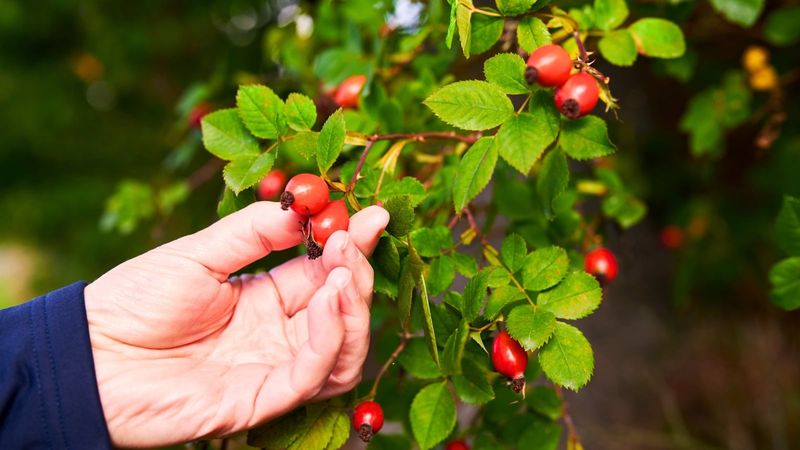
Those little orange and red bumps on your rose bush are more useful than they look. Rose hips form when spent flowers are left on the plant. Personally, I think they are one of the prettiest parts of the late season garden.
Many rose experts suggest you stop deadheading in early fall, usually around late September in most of Pennsylvania.
When hips start to form, the plant receives a clear chemical signal. Growing season is winding down, and it is time to slow down and prepare for rest.
Continuing to clip off old blooms sends the opposite message. The rose keeps trying to flower, using energy it should be saving. That push can also produce the same soft growth that struggles in the cold.
A related step is to stop fertilizing by mid to late August. Nitrogen fuels leafy growth, and late feeding works against the natural slowdown your roses need.
Here is a fun bonus. Birds such as cedar waxwings and northern mockingbirds will often snack on rose hips during the colder months. Species roses and some shrub roses make especially generous crops.
Leaving them gives your yard color, a winter snack for wildlife, and a calmer, better prepared rose bush.
Mounding Soil Around Rose Bases Works Best After Hard Freezes
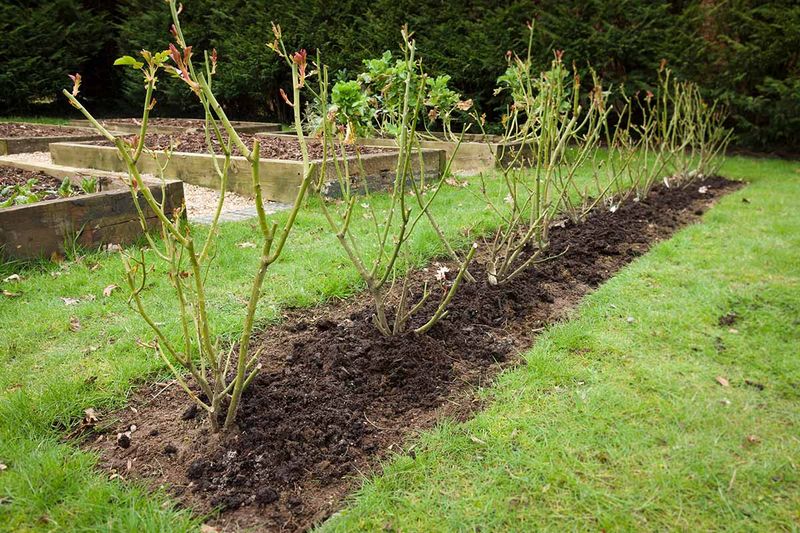
Timing is the whole trick with winter protection. Pile soil around your roses too early and you can do more harm than good.
Pennsylvania covers USDA Hardiness Zones 5b through 7b, so conditions vary a lot. A gardener near Erie or in the northern tier faces far colder nights than someone in Philadelphia.
Still, the rule stays the same across the state. Wait until after a few hard freezes, often in late November or early December.
Early mounding can trap warmth and moisture around the canes. That damp, cozy pocket invites fungal problems and canker. It may also keep the plant from settling into dormancy.
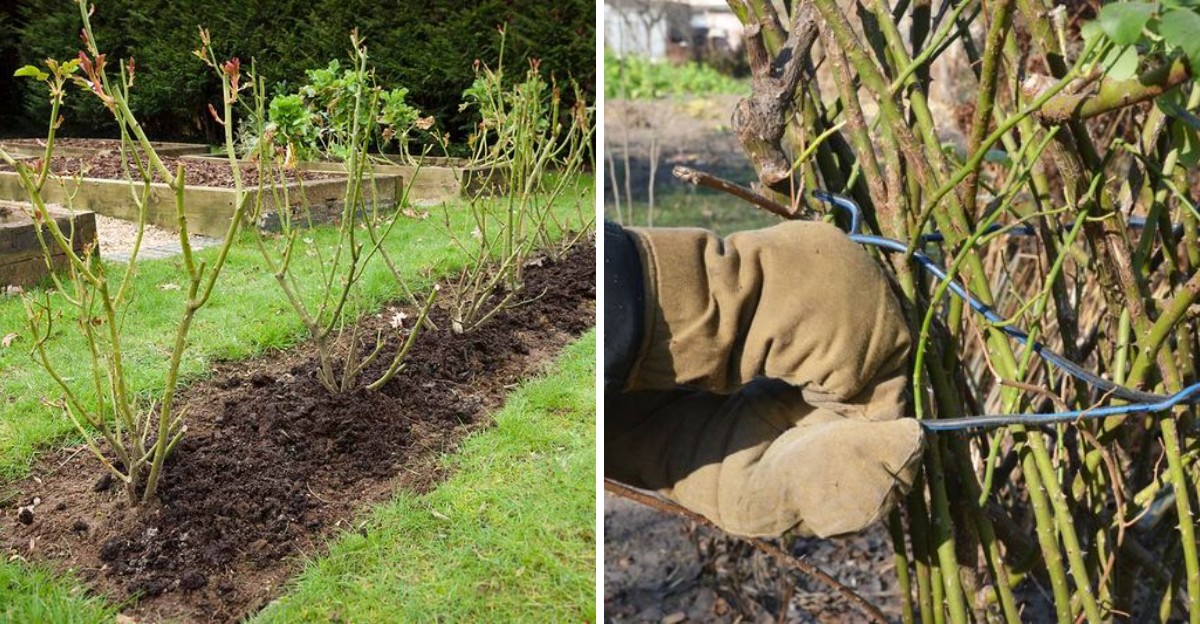
Once the ground is cold, mound 8 to 12 inches of loose material around the base. Good choices include compost, clean garden soil, or shredded leaves. Bring soil in from elsewhere rather than scraping it from around the roots.
Grafted roses benefit most, since the bud union is the knobby spot where the top variety joins the rootstock. If that area survives, the plant can regrow even after a rough winter.
Many own-root shrub roses are hardy enough to need less fuss, so check your variety label before you start hauling buckets.
Fallen Rose Leaves With Black Spot Need To Leave Your Garden

Black spot is the uninvited houseguest that refuses to leave. Those dark circles with yellow edges come from a fungus called Diplocarpon rosae. Even worse, it spends the winter hiding in fallen leaves.
When spring rain splashes on that old debris, spores bounce right back onto fresh foliage. Your roses can start the season already infected. Powdery mildew and some insect pests also take shelter in leftover plant litter.
Grab your gloves and a sturdy bag. Rake up fallen rose leaves from the bed and pull off any spotted leaves still hanging on the canes. Do this before you add your winter mound, so you are not tucking disease under a blanket.
Skip the compost pile for this material. Most home compost bins do not get hot enough to reliably break down fungal spores. Bag it for yard waste pickup instead, following your township rules.
A fresh layer of clean mulch afterward adds another barrier between soil and new leaves. Next year, consider varieties labeled disease resistant.
Plenty of modern shrub roses shrug off black spot far better than older hybrid teas, and that can save you a lot of spring frustration.
Give Rose Beds One Deep Drink Before The Ground Freezes
Winter dryness sneaks up on roses. Cold wind pulls moisture from the canes, and frozen soil keeps the roots from replacing it.
Fall in Pennsylvania is usually fairly wet, but not every year cooperates. A dry October can send roses into winter already thirsty. Plants that start the cold season short on water often show more cane browning by spring.
The fix is simple. If rainfall has been light, give each bush a slow, deep soak in late fall, before the ground freezes solid.
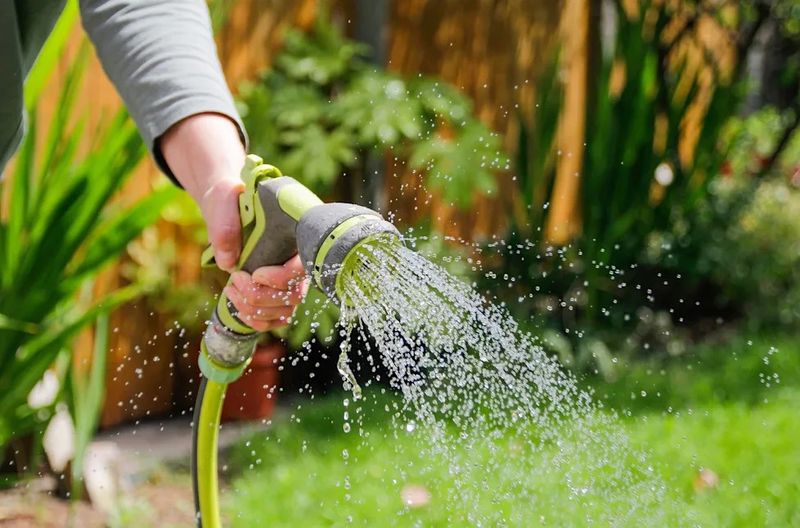
Aim for about an inch of water reaching the root zone. A soaker hose or a gently trickling garden hose works better than a quick spray.
Check the soil first by poking a finger two or three inches down. If it already feels moist, skip the watering. Soggy, waterlogged soil brings its own trouble, especially in heavy clay common in many parts of the state.
Water in the morning on a mild day, so moisture soaks in before nightfall. Afterward, drain and store your hose to keep it from cracking.
That one thoughtful drink helps your roses ride out the long, chilly months with a little more in reserve.
Tall Climbing Rose Canes Need Tying Before Winter Winds Hit
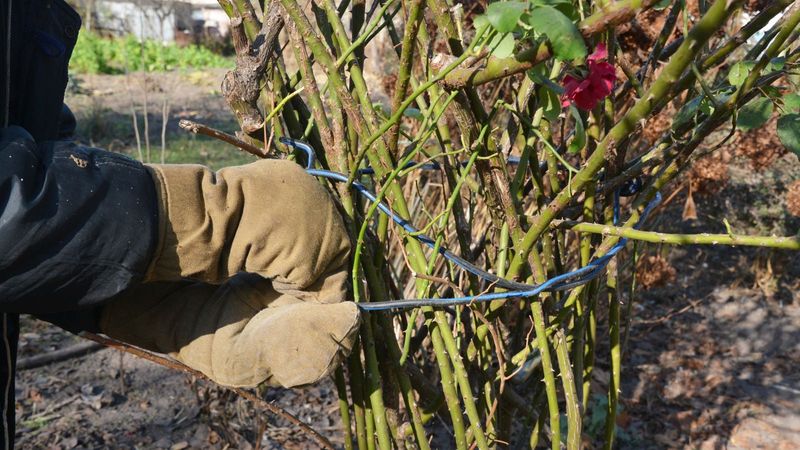
A long rose cane in a January gale behaves a lot like a sail. It whips back and forth, rubbing against other stems and rocking the whole plant.
That constant movement can loosen roots and open small wounds where disease slips in. Climbers and tall shrub roses take the worst beating, especially in open yards or hilltop spots across western and central parts of the state.
Secure climbers to their trellis or fence with soft ties. Old cotton strips, garden velcro, or stretchy plant tape all work well. Keep ties a bit loose, since wire or tight string can cut into canes as they sway.
For bush roses, a few extra tall canes can be shortened slightly so they stop catching wind. This small trim is the one fall cut most experts accept. Keep it light and save the real shaping for spring.
Exposed plantings may benefit from a burlap wrap or a simple windbreak. Skip plastic, which traps heat on sunny days and can harm canes.
Burlap breathes, blocks drying wind, and comes off easily in spring. You will thank yourself after the first big storm rolls through.
Watch For Forsythia Blooms Before You Uncover Spring Roses
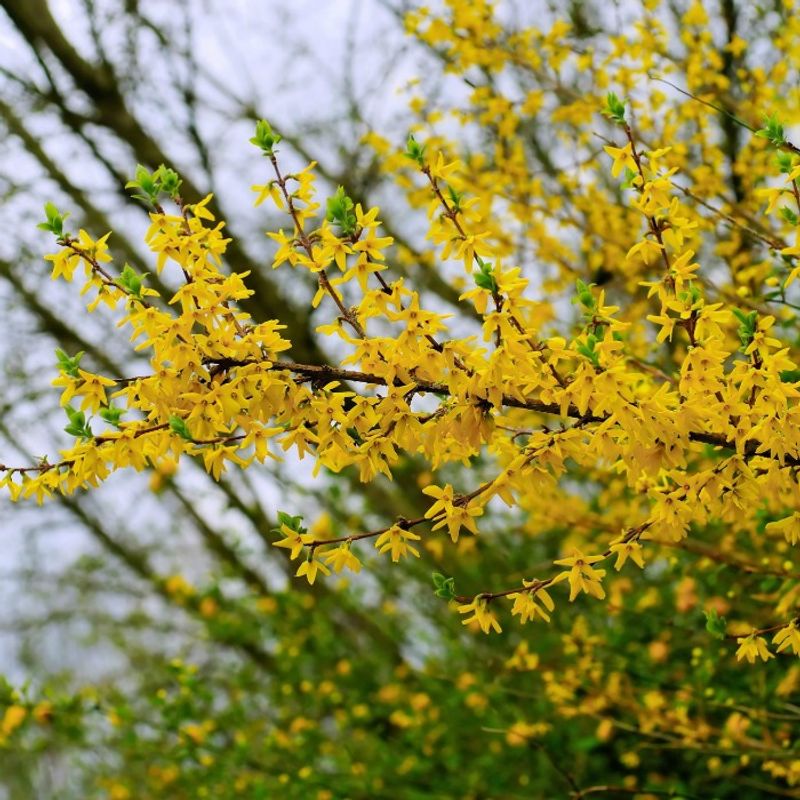
Spring rose care starts with patience and one cheerful yellow shrub. When forsythia bursts into bloom, Pennsylvania roses are usually ready for their wake-up routine.
In the southeast, that might happen in late March. Higher elevations and northern counties often wait until mid or late April. Let your local forsythia set the schedule instead of the calendar.
Start by gently pulling the winter mound away from the base. Spread that compost into the bed rather than hauling it off. Uncovering too soon can expose the bud union to a late cold snap, so keep an eye on the forecast.
Next comes the pruning you skipped in fall. Remove brown, broken, or shriveled canes first, cutting back to healthy green wood with a white center. Then shape the plant, making angled cuts just above outward facing buds.
Wait until new leaves appear before giving the first feeding. Keep a little notebook too. Jot down when you mounded, watered, and uncovered each bush.
After a season or two, you will know exactly how your own roses respond, and that personal record beats any general rule. Your restraint last fall pays off right here.