Plants Georgia Gardeners Should Divide Before Winter (And Which Ones Are Better Left Alone)
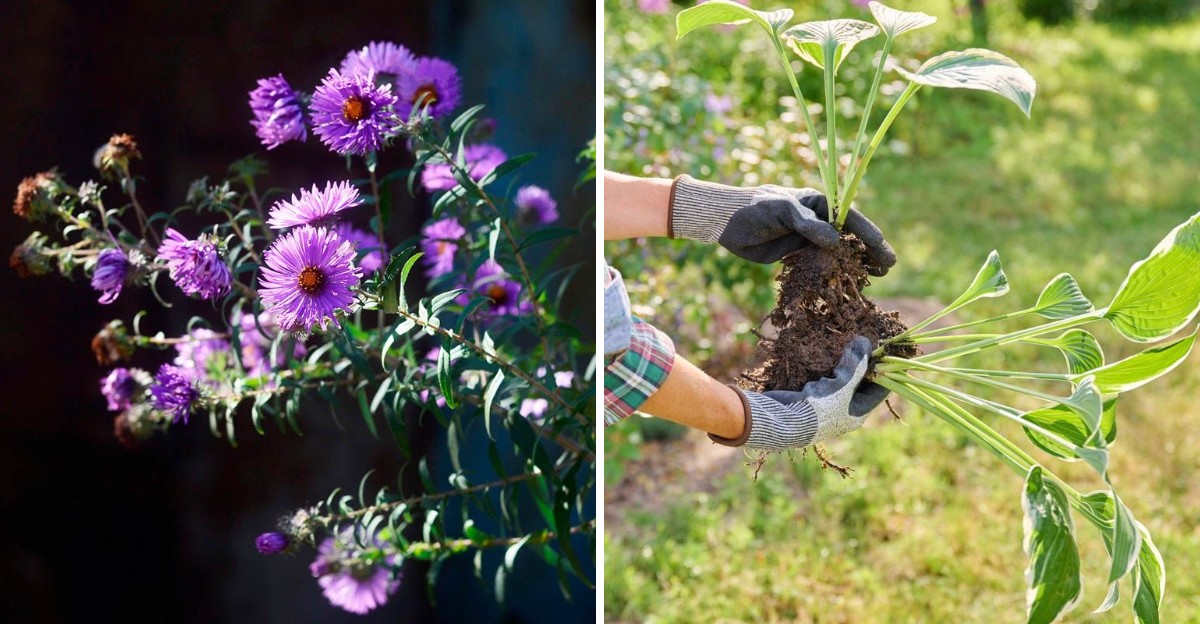
Some backyard perennials grow roots so deep that a sturdy shovel barely reaches halfway down to the bottom. Their neighbors in the same bed may form crowded clumps that quietly stop blooming and beg for elbow room.
Fall is prime splitting season across Georgia because warm soil helps fresh roots grow while the air cools down.
Roots keep working through mild southern winters, so divisions often settle in long before spring growth begins.
I have to admit that my first attempt at splitting the wrong plant left me with a sulking, sorry mess. You can skip that heartbreak by learning which clumps welcome a spade and which ones prefer to stay put.
Gardeners get a long, mild autumn, which gives plenty of time for this chore without any rushing.
The trick is knowing which of your favorite perennials will benefit from dividing now and which are better left undisturbed until another season.
1. Daylily
Crowded daylily clumps often look healthy from a distance, yet the flower count quietly shrinks year after year. I love how one tired clump can become five or six vigorous plants after a single afternoon.
Hemerocallis hybrids handle division better than most perennials, and late summer through early fall suits them.
Warm soil in September and October encourages new roots before winter, giving each piece a head start on spring.
Most clumps benefit from splitting every three to five years, especially once the center looks thin or crowded. Fewer flower scapes and a tangle of crowded fans are clear hints that your plants need room.
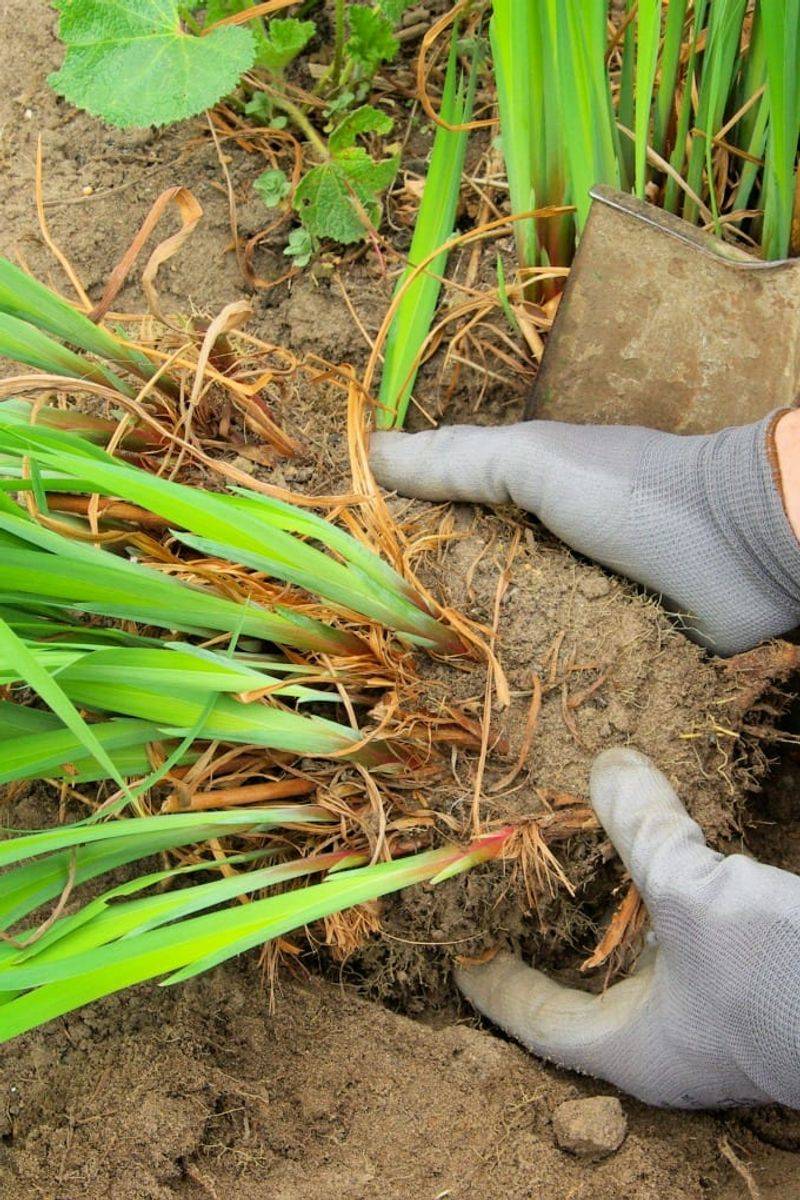
Dig around the clump with a sharp spade, then lift it and shake loose the extra soil. Older clumps can be tough, so two garden forks pushed back to back will pry the thick roots apart.
Each division should keep two or three fans of leaves plus a healthy bundle of fleshy roots. Trim the foliage back to about six inches so the roots do not struggle to support too much greenery.
Replant at the same depth as before, with the crown sitting about an inch below the soil surface. Daylilies grow well in USDA Zones 3 through 9 and bloom best with six or more hours of sun.
Water the new divisions deeply and keep the soil lightly moist for a few weeks while roots take hold.
You may see fewer blooms next summer, but the following season usually brings a lovely flush of flowers.
2. Bearded Iris
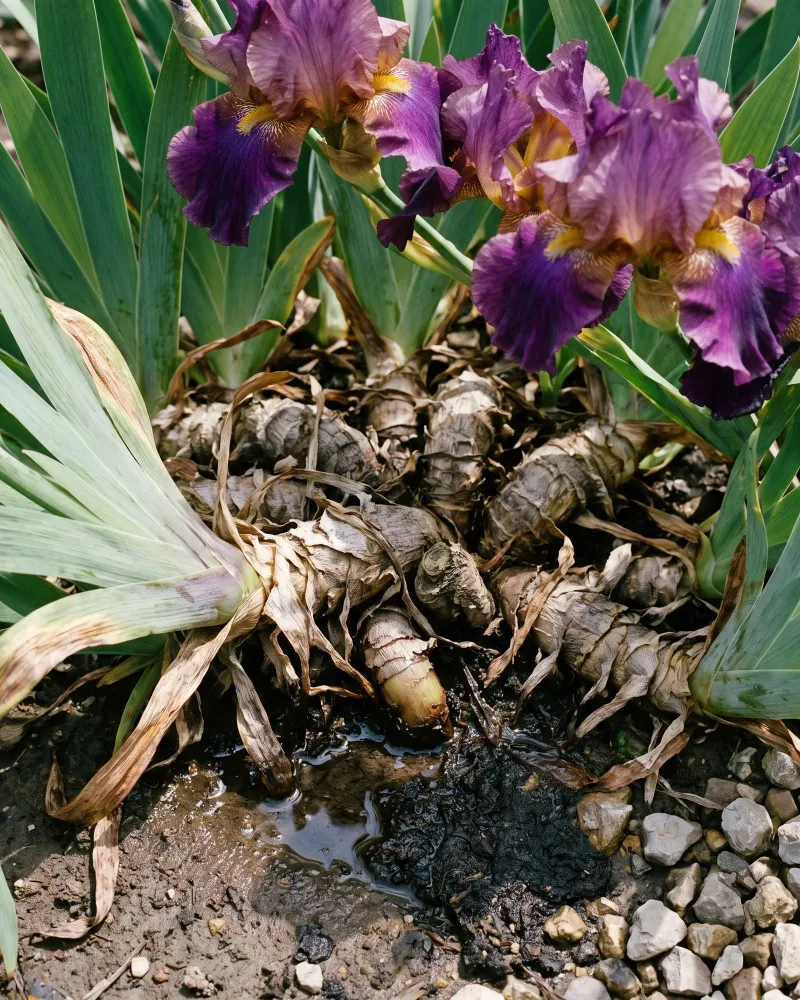
Bearded iris rhizomes look a bit like knobby potatoes that crawl across the soil surface, and they love sunshine.
Personally, I find their slow march outward oddly charming, until the middle of the clump stops producing flowers.
Iris germanica and its many hybrids prefer division about six to eight weeks after blooming finishes. Late summer is ideal, but the warm weeks of early fall still give new roots time to anchor.
Plan to split clumps every three to five years, or sooner if flowering slows down noticeably. Crowded rhizomes also trap moisture, which can invite soft rot and iris borers into the patch.
Lift the clump with a garden fork and rinse off enough soil to see each rhizome clearly. Cut apart young, firm pieces that each carry a fan of leaves, and toss any soft or hollow sections.
Trim the leaves into a short fan about six inches tall, which reduces wind rock while roots grow. Older woody centers rarely bloom again, so they can go straight to the compost pile without guilt.
Plant each rhizome shallowly, with the top barely showing above the soil like a sunbathing turtle.
Burying them too deep is a common mistake that often leads to rot and disappointing spring blooms.
Bearded irises need at least six hours of sun and soil that drains quickly after heavy rain. Heavy clay benefits from a slightly raised bed, and your rhizomes will thank you with ruffled flowers next spring.
3. Hosta
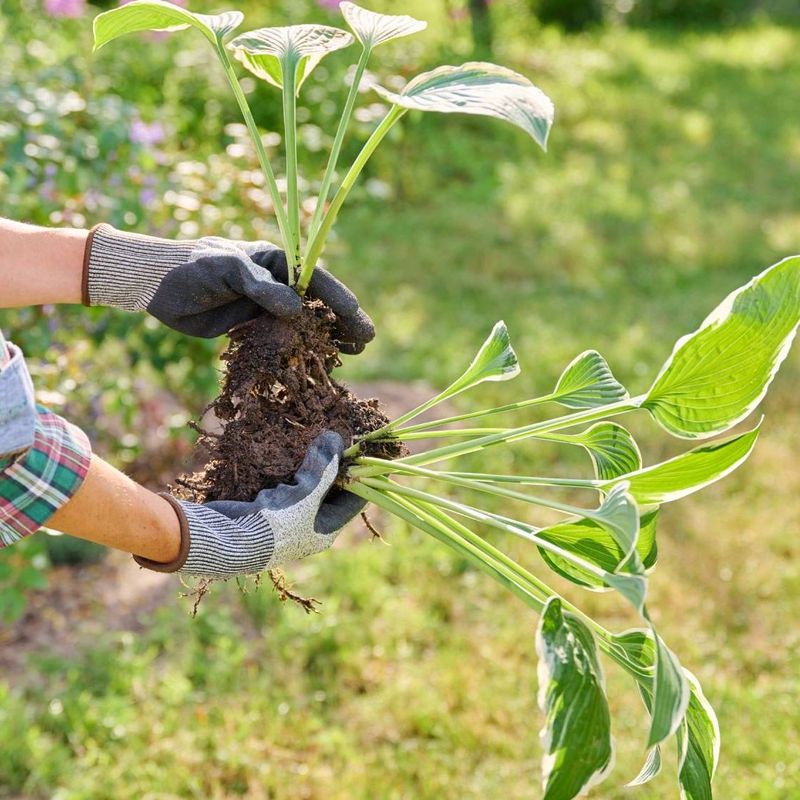
Few plants forgive a clumsy spade like hostas, which bounce back from rough handling with surprising cheer.
You can chop a mature clump into quarters with a sharp knife, and each piece usually grows happily.
Spring is the textbook time, yet early fall works well in the South while the soil stays warm. Aim for at least four to six weeks before your first expected frost so the roots can settle.
Mature hostas can stay in one spot for years, so division is mostly about space or more plants. A hollow center or a clump spilling across the path are friendly signs that it might be time.
Cut the leaves back by about half, then dig wide around the clump to protect the outer roots. Lift the whole mass and pull it apart by hand, or slice through the tough crown with a knife.
Each new section needs at least one or two growing eyes along with a generous handful of roots. Replant at the same depth as before, with the crown level with the surrounding soil surface.
Hostas prefer partial to full shade and rich, moist soil that still drains well after storms. In the hottest parts of Georgia, morning sun with afternoon shade keeps those broad leaves from scorching.
Water the divisions deeply and spread a light layer of mulch to hold moisture through their first winter.
Watch for slugs next spring, because they adore tender new hosta leaves just as much as you do.
4. Garden Phlox
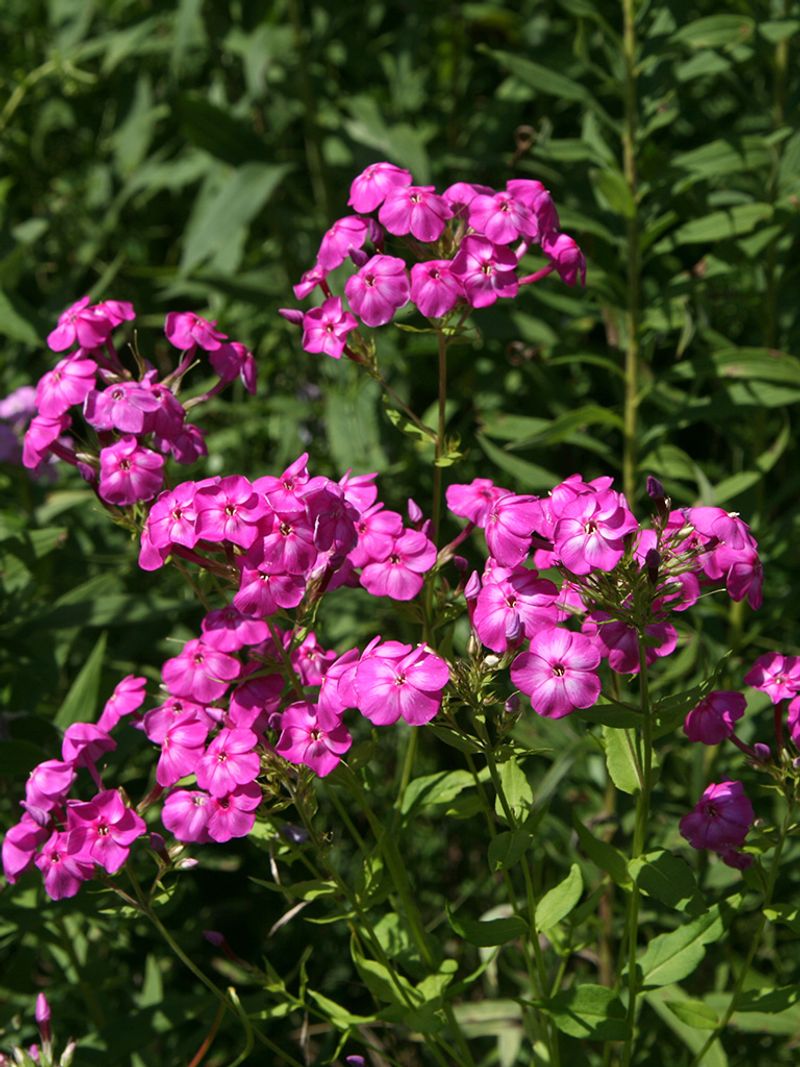
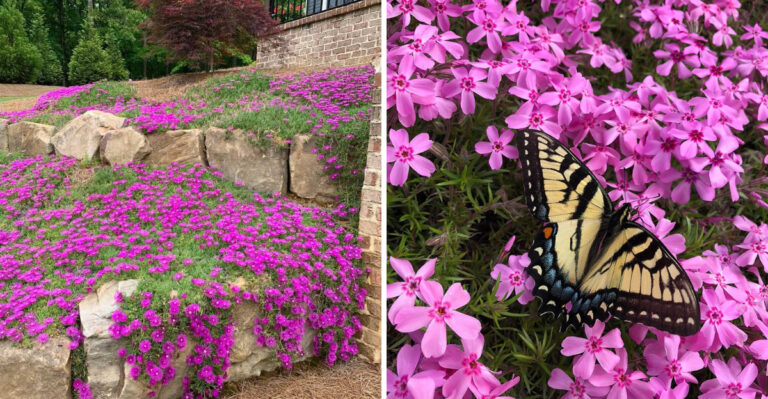
Garden phlox fills late summer evenings with a sweet scent that drifts across the yard like warm perfume. I can’t imagine a cottage border without those big domed flower heads in shades of pink and lavender.
Phlox paniculata is a native perennial that grows well across much of USDA Zones 4 through 8.
Clumps get crowded within a few years, and crowded stems trap humid air that invites powdery mildew.
Dividing every three or four years improves airflow between stems and keeps the plants blooming strongly each summer. Early fall works nicely once flowering winds down, though early spring is another fine window for the job.
Cut the stems back to a few inches, then dig up the entire clump with a sturdy spade. Look for healthy outer sections, since the woody center often grows weaker as the plant ages.
Pull or slice the clump into pieces that each have three to five shoots and plenty of roots. Discard the tired middle portion, and replant the vigorous outer pieces about eighteen to twenty-four inches apart.
Generous spacing feels odd at first, but those gaps fill quickly and help leaves dry after rain. Full sun gives the best flowers, while a little afternoon shade can help during brutal summer heat.
Mix compost into each planting hole and water deeply until the cooler weather settles in for good.
Mildew-resistant cultivars like ‘David’ and ‘Jeana’ make your fresh divisions even easier to enjoy next summer.
5. Baptisia
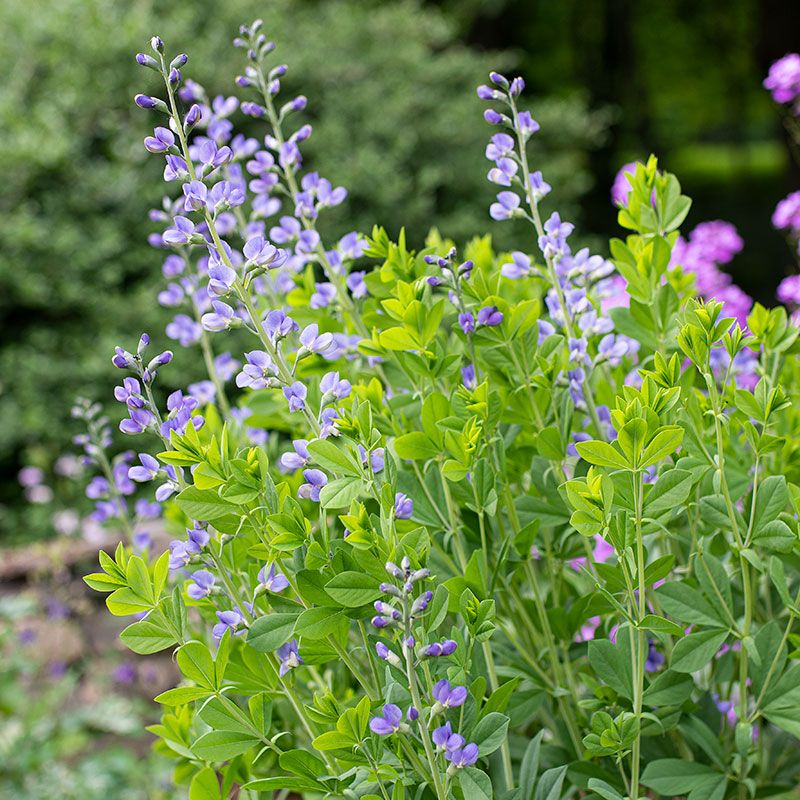
Baptisia australis spends its first few years building a massive taproot, so moving it feels like uprooting a tree. I have to admit this native’s slow start tested my patience, but the reward is a long-lived shrubby showpiece.
Blue false indigo grows three to four feet tall and wide, with blue-green leaves that look tidy all season.
Spikes of indigo, pea-like flowers appear in spring, and bumblebees work them over with obvious delight.
Most extension experts advise against dividing this plant, because the deep, woody roots resent any disturbance. Fall division is especially risky, since damaged roots have little time to recover before cold weather arrives.
If you truly must move one, try early spring while the plant is still young and fairly small. Dig as deeply as you can, and expect the transplant to sulk for a season or two afterward.
Seeds offer an easier route to more plants, and they often sprout well after a little scarification. Gently nicking the hard seed coat before sowing helps water reach the embryo and speeds up germination.
Baptisia thrives in full sun and handles poor, rocky soil with no fertilizer needed at all. It is hardy in USDA Zones 3 through 9, which covers every corner of the Peach State.
Leave those charcoal-black seed pods standing this fall, because they rattle in the breeze and look striking in arrangements.
Deer usually pass it by, which is one more reason to let this tough native stay right where it is.
6. Butterfly Weed
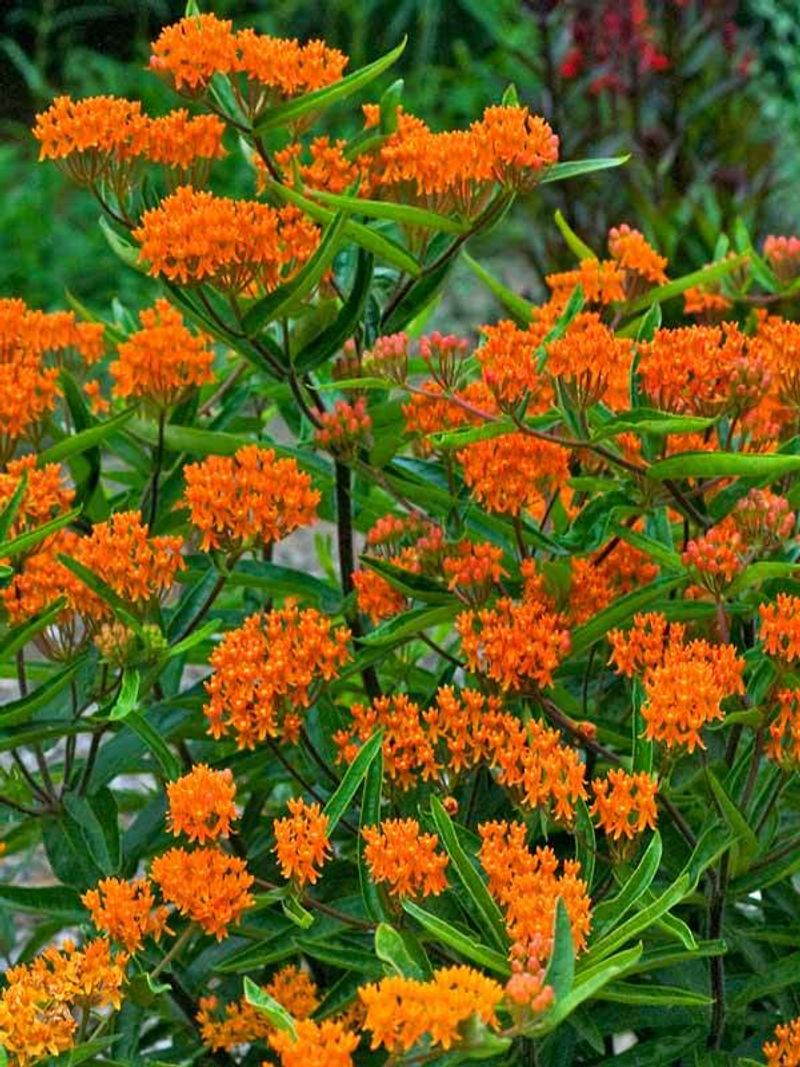
Butterfly weed hides a long, carrot-like taproot under its bright orange flowers, and that root hates being disturbed.
Personally, I treat mine like a grumpy cat that wants to be admired from a polite distance.
Asclepias tuberosa is a native milkweed that serves as a valuable host plant for monarch butterfly caterpillars. Its nectar-rich blooms also feed many bees and butterflies, so a healthy clump is well worth protecting.
Division rarely succeeds, because splitting the single taproot usually leaves both halves struggling to recover afterward. Moving an older plant is just as tricky, and fall transplants have little time to rebuild before winter.
This plant also wakes up late in spring, so many gardeners accidentally dig into it while planting nearby. Mark its spot with a sturdy stake this autumn, and you will avoid that painful mistake next April.
Seeds are the easiest path to more plants, since the fluffy pods split open in late summer and fall.
Sowing seeds outdoors in autumn lets winter cold break dormancy, and seedlings usually appear the following spring.
Small container-grown plants also transplant well, as long as you handle the root ball with gentle care. Choose a sunny spot with sandy or rocky soil that drains quickly, since soggy ground causes crown rot.
Butterfly weed is hardy in USDA Zones 3 through 9 and handles summer drought once it settles in. Its milky sap can irritate skin and is toxic if eaten, so wear gloves and keep pets away.
7. Lavender
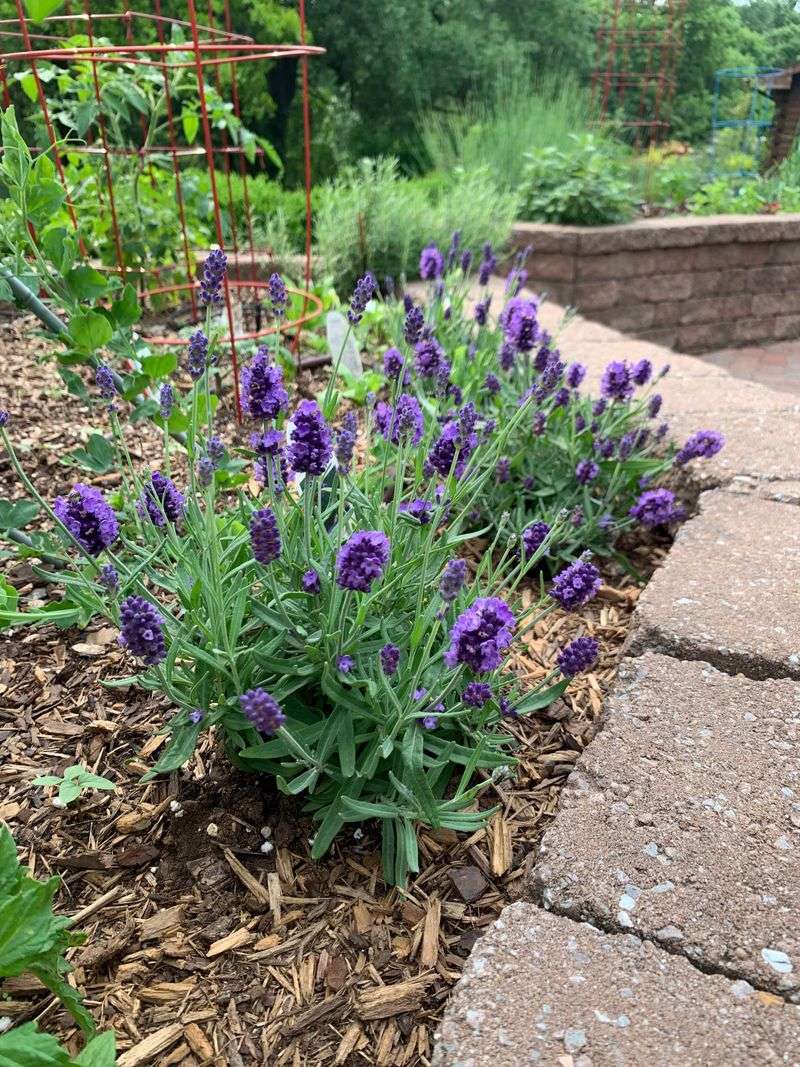
Lavender grows from a woody base rather than a spreading clump, so slicing it apart usually ends in disappointment.
I love brushing past the silvery leaves on a warm afternoon, but I keep my spade far away.
Unlike daylilies or hostas, lavender does not form separate crowns that pull apart neatly with roots attached. Woody stems connect everything to one main root system, and cutting through it leaves wounds that heal poorly.
Cuttings are the smarter way to multiply your favorites, and softwood cuttings root well in spring. Snip a four-inch shoot without flowers, then tuck the stripped stem into a pot of gritty mix.
Humid summers make lavender tricky in Georgia, where wet clay soil is the main reason plants decline. Raised beds or mounds amended with gravel help water drain away from the crown after heavy rain.
Fall planting or dividing adds more risk, because soggy winter soil can rot freshly damaged roots quickly. If a plant must move, do it in spring while new growth is just starting to appear.
Lavandula x intermedia ‘Phenomenal’ has a reputation for handling heat and humidity better than many older types.
Spanish lavender, Lavandula stoechas, also copes fairly well with warm southern summers when planted in full sun.
Give your plants full sun with plenty of airflow, and skip the fertilizer for stronger fragrance and sturdier growth. A light trim after flowering keeps them compact, but avoid cutting deep into old wood without leaves.
8. Aromatic Aster
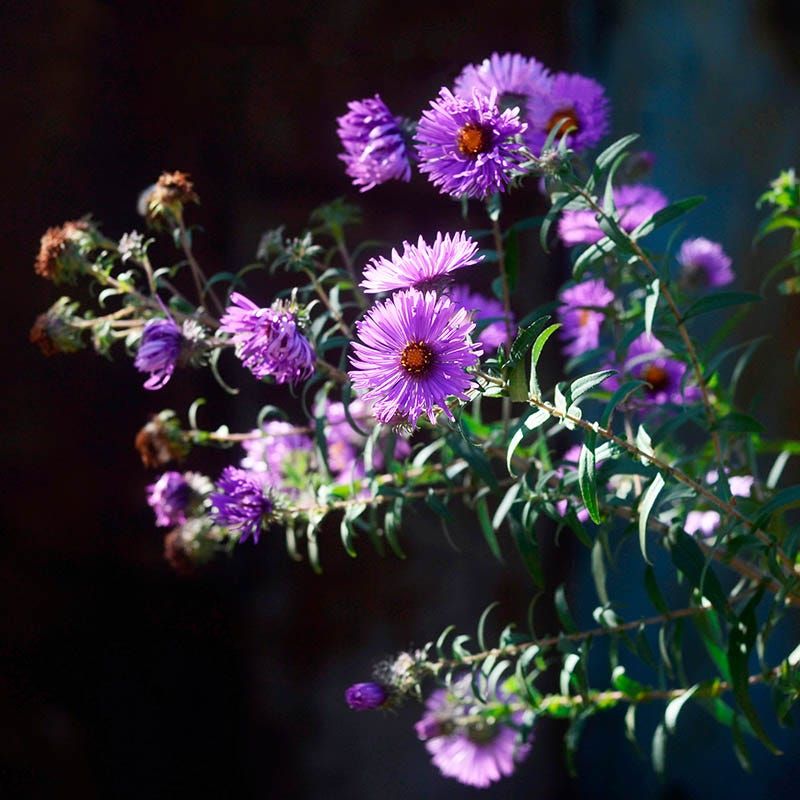
Aromatic aster saves its big show for autumn, covering itself in violet daisies just as most gardens fade.
Bees and late butterflies swarm those blooms, so I hate the thought of disturbing them mid-performance.
Symphyotrichum oblongifolium is a tough native that grows about two to three feet tall and wide. Crush a leaf between your fingers and you will notice a pleasant, slightly balsam scent that explains its name.
Fall-blooming perennials are usually best divided in spring, and asters follow that general rule quite closely. Splitting them now would force the plant to recover while it is still busy flowering and setting seed.
Wait until new shoots appear next spring, then dig the clump and pull apart healthy outer sections. Each piece should have several shoots with roots, and the woody center can go to the compost pile.
Dividing every few years keeps the plants vigorous, especially when the middle of the clump starts thinning out. Until then, simply leave the stems standing through winter so finches can pick at the fluffy seeds.
This aster loves full sun and tolerates dry, lean soil better than many garden perennials can. It handles heat and humidity well, which makes it a reliable choice for southern pollinator beds.
Pinching the stems back by a third in early summer, before July, keeps plants bushy and less floppy.
Mark your calendar for spring division, and enjoy every buzzing bee that visits this autumn in the meantime.