Can a Snake Plant Really Root in Water During a Michigan Winter?
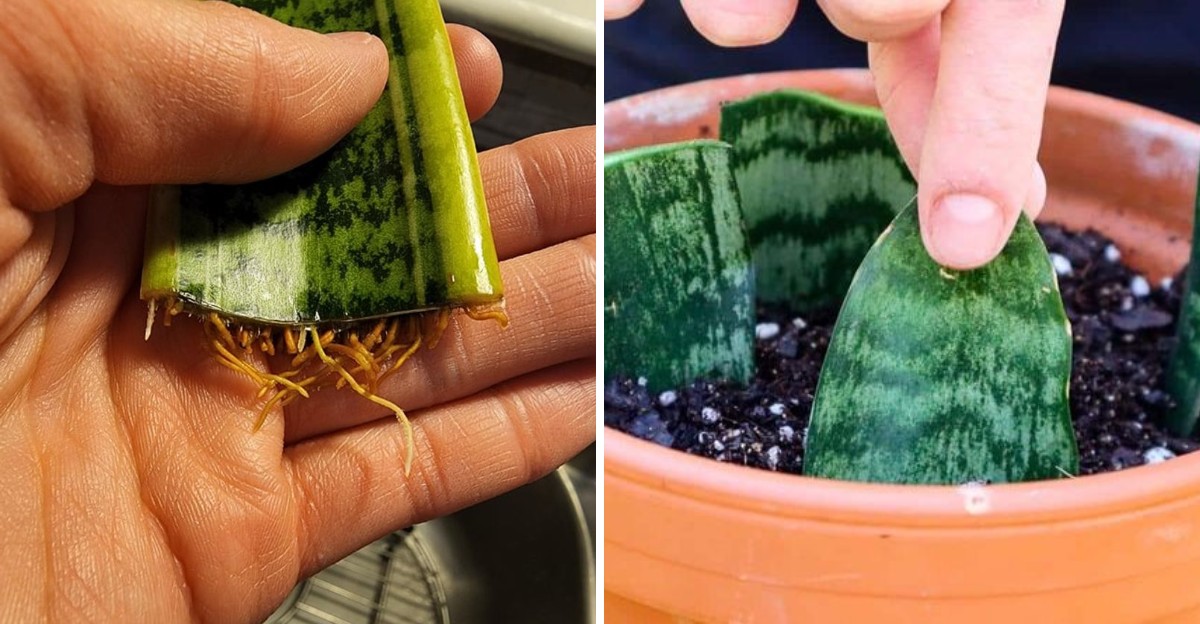
A single sliced leaf from one popular houseplant can grow brand-new roots and pups while sitting in nothing but a jar of tap water.
The catch is speed. These tough leaves come from warm, sunny parts of Africa, and they rarely hurry when the light fades and the air turns cool.
I tend to think winter is the perfect test of patience for indoor gardeners. Here in Michigan, January days can offer barely nine hours of daylight, and heated rooms dry out fast.
So can a cutting really wake up and grow roots while snow piles against the window? I have watched it happen, and the answer has more to do with your windowsill than the calendar. The real question is how much warmth and light your home can share.
1. Those Snake Plant Leaf Cuttings Can Surprise You in January
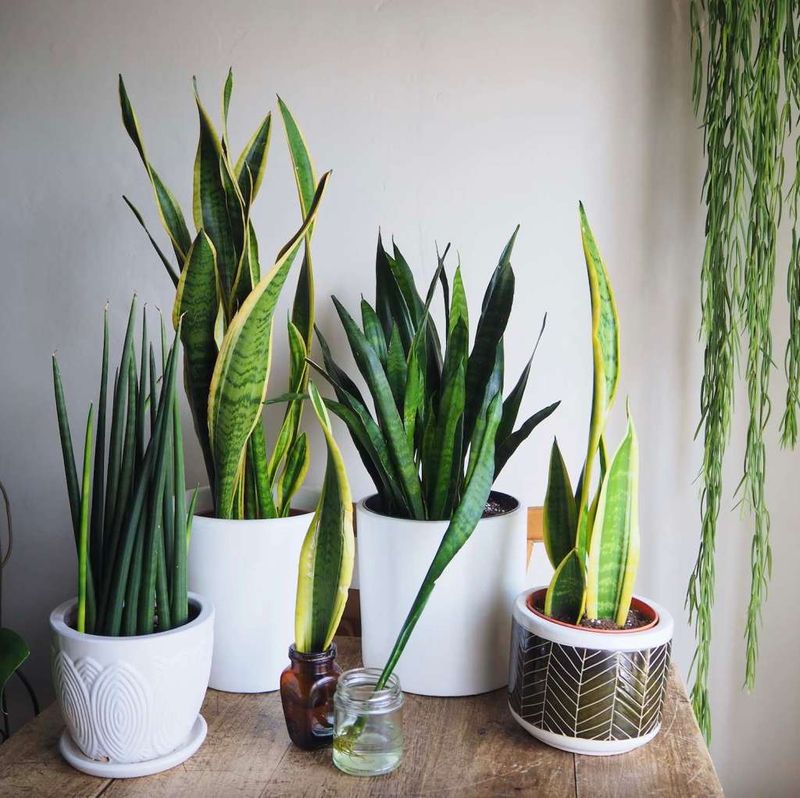
Yes, it really works. A healthy snake plant leaf, now sold under the botanical name Dracaena trifasciata, can form roots in water even when Michigan is buried in snow.
The secret is that the plant does not read a calendar. It responds to the temperature and light around it. Your living room might be a steady 68 degrees while the backyard sits at 15, and the cutting only cares about the room.
What winter changes is the pace. Shorter days mean less energy for the leaf, so root growth slows down. Many growers report roots in about four to eight weeks during summer, while winter cuttings can take two to four months or longer.
I find that oddly comforting. A cutting that seems to be doing nothing is often busy building tiny root bumps near the base before anything shows.
Variegated types with yellow edges have a quirk worth knowing. Leaf cuttings usually lose that golden stripe, so the new plant often grows plain green.
If you want to keep the yellow border, dividing the mother plant at the roots is the better route. So the short answer is yes, with patience and a warm, bright spot.
2. Slice Your Sansevieria Leaf Into Sections and Mark the Bottom
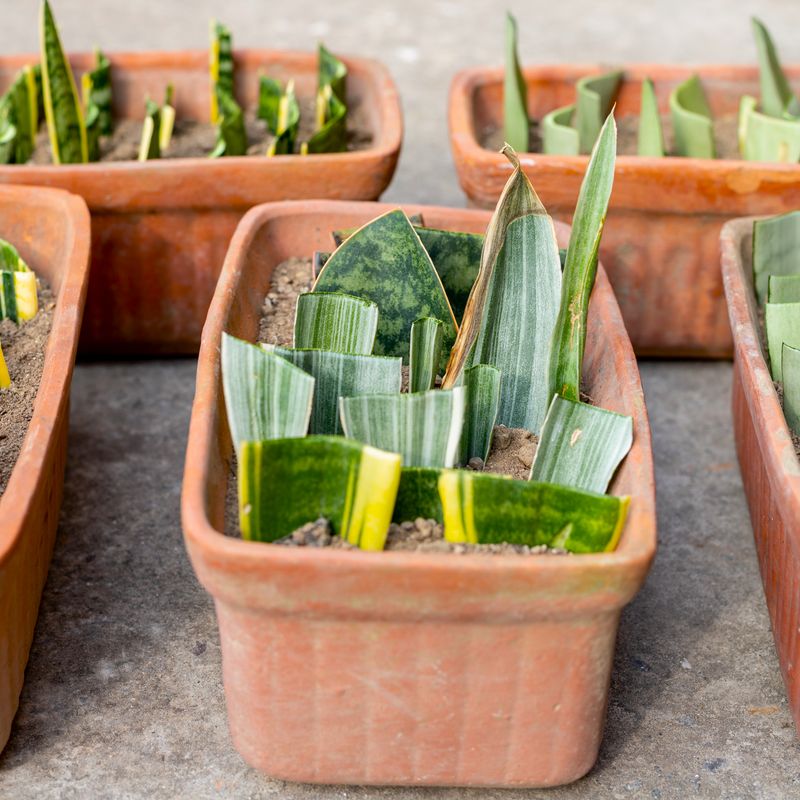
Grab a clean, sharp knife before you grab the leaf. Wiping the blade with rubbing alcohol helps keep germs away from fresh cuts.
Pick a firm, mature leaf with no soft spots or brown patches. Cut it near the soil line, then slice it into sections about three to four inches long. Shorter pieces can work, but they hold less stored energy for a long winter wait.
Here comes the part that trips up nearly everyone. Roots form only on the end that originally pointed down toward the soil. If you flip a piece upside down, it will just sit there in the water and eventually rot.
A simple trick saves the day. Use a marker to draw a small arrow pointing down on each section, or cut the bottom of every piece into a little V shape so you can tell at a glance.
Some gardeners believe the V cut also gives roots more surface area to emerge from. The science on that is thin, but it does make sorting easy.
Keep the leftover upper tip too. It roots just as well as the middle sections when its cut end goes into the water.
3. Let Fresh Snake Plant Cuts Dry and Callus First
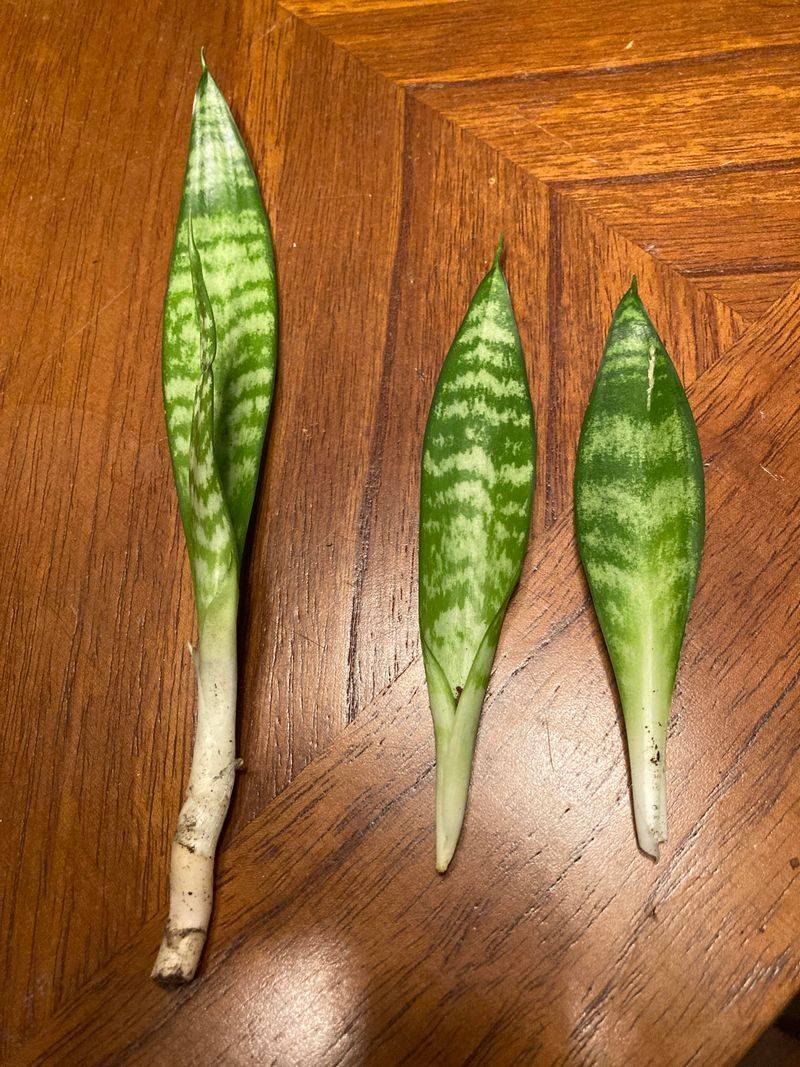
Waiting feels backward when you are excited, but this pause matters. Fresh snake plant cuts are wet and open, which makes them an easy target for rot once they hit water.
Lay your leaf sections on a paper towel in a dry spot out of direct sun. Leave them for two to seven days, until the cut ends look dry and slightly sealed, a bit like a scab on a scraped knee.
Michigan winters actually help here. Furnace heat tends to drop indoor humidity to 20 or 30 percent, so calluses often form quickly. Check after two or three days, and they may already be ready.
Thick, juicy leaves can take longer. If the end still feels moist or sticky, give it another day or two.
Fun fact for the curious. Snake plants store water in their leaves much like succulents, which is why a cut piece can sit out for days without wilting. That same stored moisture is what fuels root growth later.
Skipping this step is the number one reason water cuttings turn mushy. A few days of patience now can save you weeks of disappointment.
4. A Bright South Window Gives Snake Plant Jars a Winter Boost
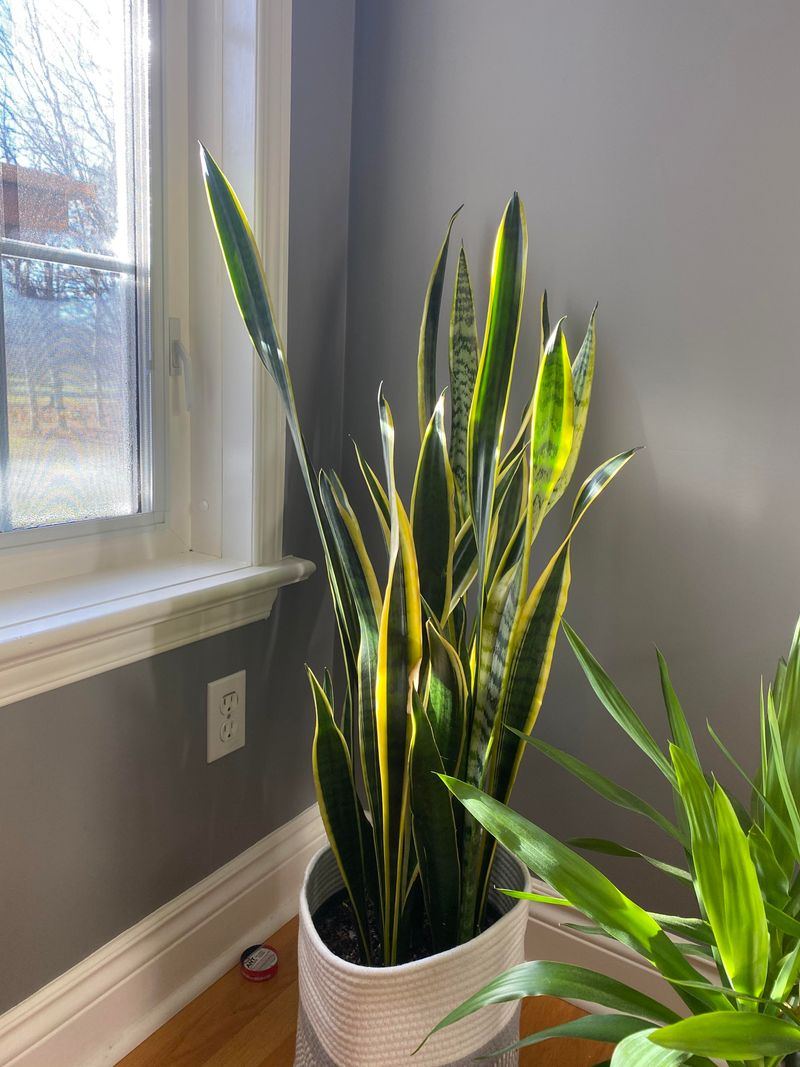
Light is the fuel that turns a quiet cutting into a rooting cutting. Snake plants tolerate dim corners, but tolerating is not the same as growing.
In Michigan, winter skies are famously gray, especially near Lake Michigan where lake-effect clouds linger for days. A south-facing window usually catches the most sun, with west or east windows as backup choices.
Set your jars close to the glass but not touching it. On frigid nights, window panes get surprisingly cold, and a cutting pressed against them can chill and turn soft.
If your best window still feels gloomy, a small LED grow light works wonders. Running it for about 12 to 14 hours a day gives cuttings the steady energy they miss in December and January. Simple clip-on lights are affordable and easy to set up.
Watch for signs of trouble. Pale or sunburned patches mean too much harsh sun, while zero change after several months often points to low light or cool air.
I like to group my jars together near one light. It saves space, makes checking them easy, and turns a dull windowsill into a tiny winter project station.
5. Room Temperature Water Keeps Snake Plant Roots Happy
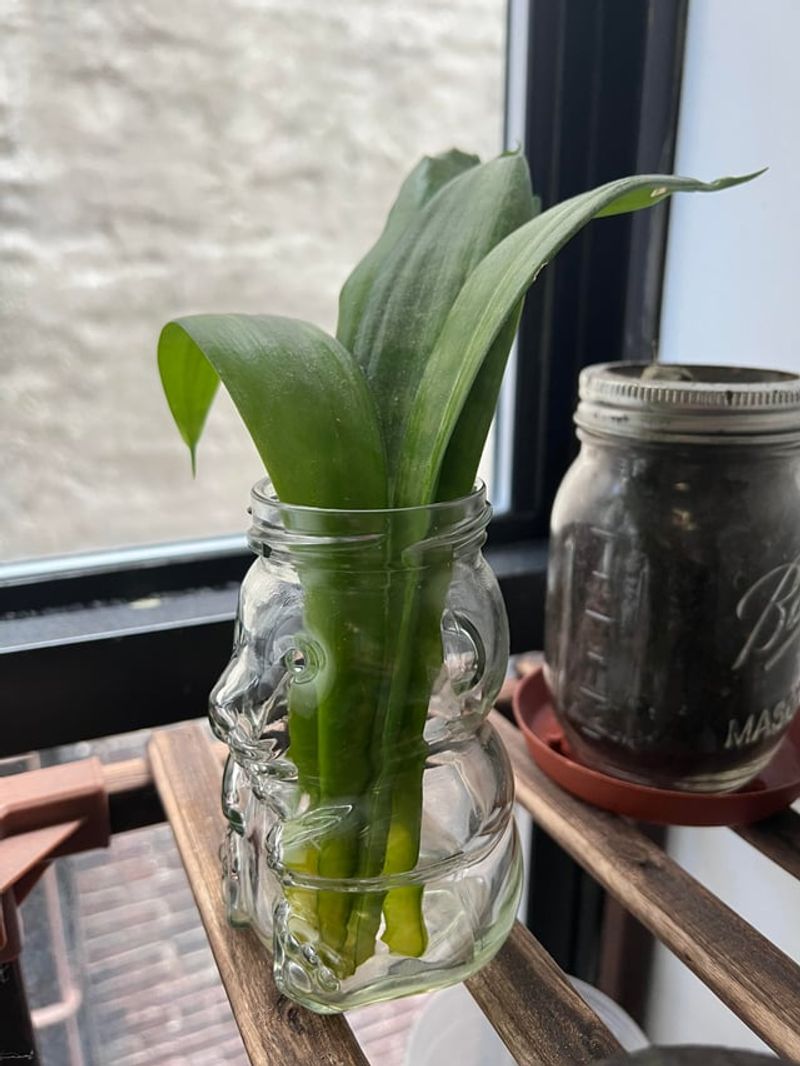
Cold water and tropical plants are not friends. Snake plants root best when the water and the room sit between about 65 and 80 degrees.
Fill your jar so only the bottom inch or so of the cutting sits underwater. Submerging too much of the leaf invites rot, while a shallow soak gives roots a place to start.
Change the water every five to seven days. Fresh water carries more oxygen and keeps bacteria from building up. If you notice slime on the cutting, rinse it gently under lukewarm water before putting it back.
Let tap water sit out overnight before using it. That way it reaches room temperature instead of shocking the cutting with a chilly splash straight from the faucet.
Drafts are sneaky winter troublemakers. Spots near outside doors, drafty old windows, or blasting heat vents can swing temperatures quickly and stress cuttings. A shelf in a steady, warm room works much better.
Some growers set jars on top of the fridge or near a seedling heat mat for gentle bottom warmth. Just keep things warm, not hot. Steady and cozy is the goal, kind of like your favorite reading chair in February.
6. Mushy Snake Plant Cuttings Are Trying to Tell You Something
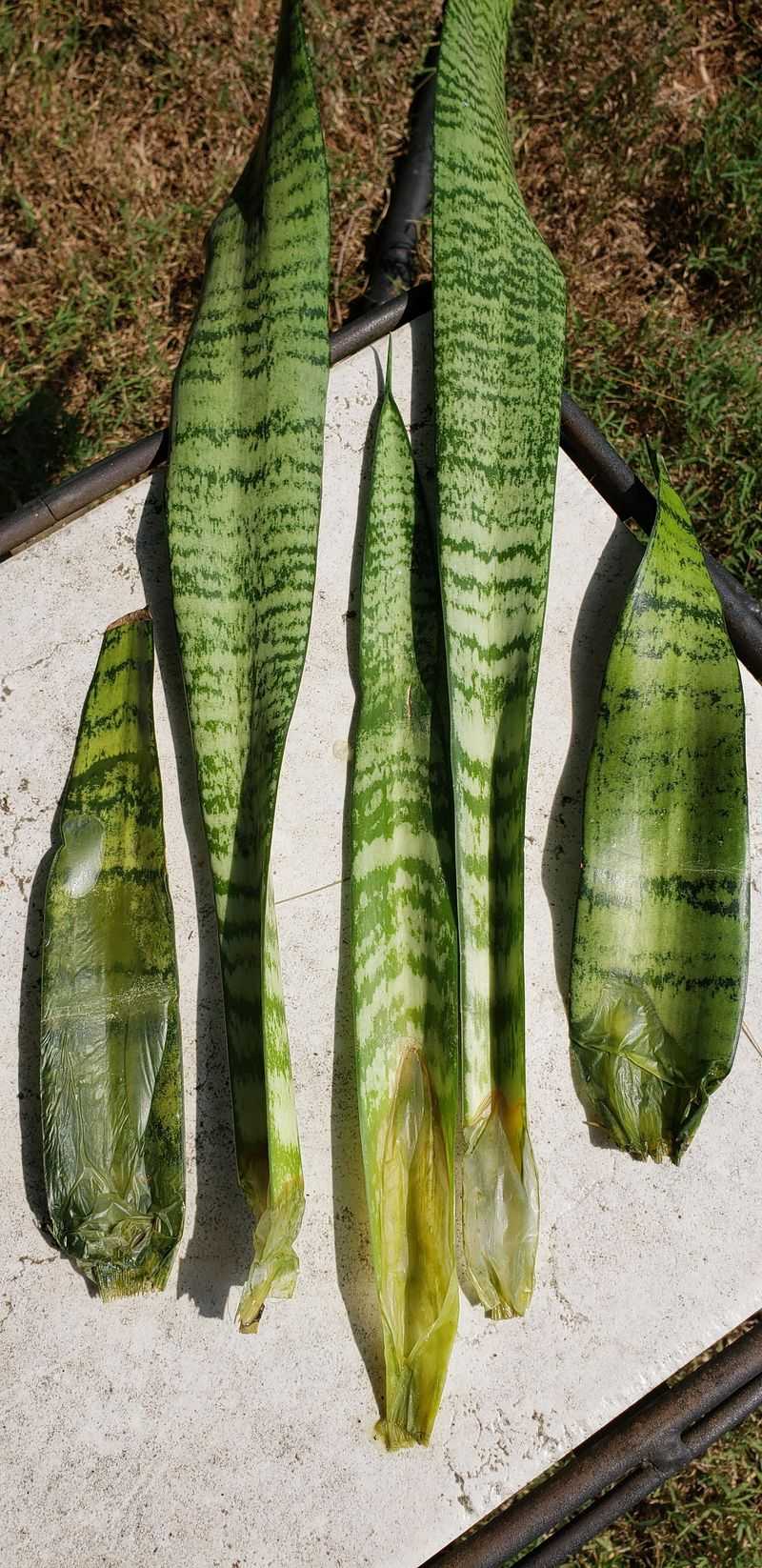
Squeeze gently and trust your fingers. A healthy cutting feels firm, while a struggling one turns soft, translucent, or brown at the base.
Rot is the most common winter problem, and cool rooms make it worse. When temperatures drop, the cutting works slowly, and bacteria get more time to take hold in the water.
Cloudy water or a sour smell is an early warning. Pull the cutting out right away and look closely at the bottom.
If only the lowest part is mushy, there is often still hope. Trim above the soft area with a clean knife until you see firm, healthy tissue. Let the fresh cut callus again for a few days, then return it to clean water.
Wrinkling is a different story. A slightly shriveled leaf often means the cutting is using its stored water to grow roots, which is normal over a long wait.
I usually start more cuttings than I need for this exact reason. If one or two give up, the rest keep the project moving, and nobody feels too disappointed when spring rolls around.
7. Tiny White Snake Plant Roots Take Their Sweet Time
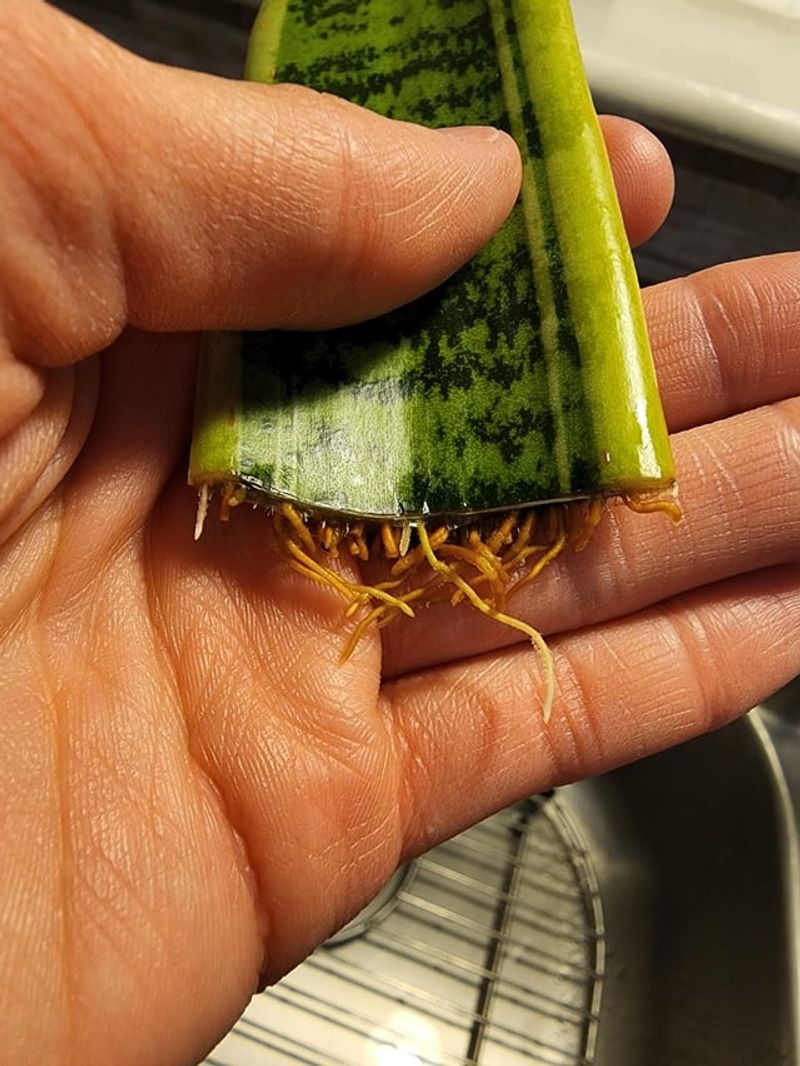
Patience is the real secret ingredient here. Snake plants are slow growers even in July, so winter cuttings move at an especially relaxed pace.
Expect the first small white roots in roughly two to four months, though some cuttings take longer. Tiny bumps or a pale ring near the base usually appear first, a sign that work is happening.
Later, you might spot something exciting. A small rhizome, which looks like a pale, thick shoot, can form at the base and eventually grow into a new baby plant called a pup. That can take several more months.
Resist the urge to pull the cutting out every few days. Constant handling can damage fragile new roots and slow everything down.
A simple log helps a lot. Jot down the date you started, each water change, and when roots appear. It is fun to compare jars and see which window or light did the best job.
Many Michigan growers find that cuttings started in early winter speed up around March. Longer days give them a natural push, so a slow January is often followed by a burst of spring growth.
8. Move Rooted Snake Plant Cuttings Into Gritty Potting Mix
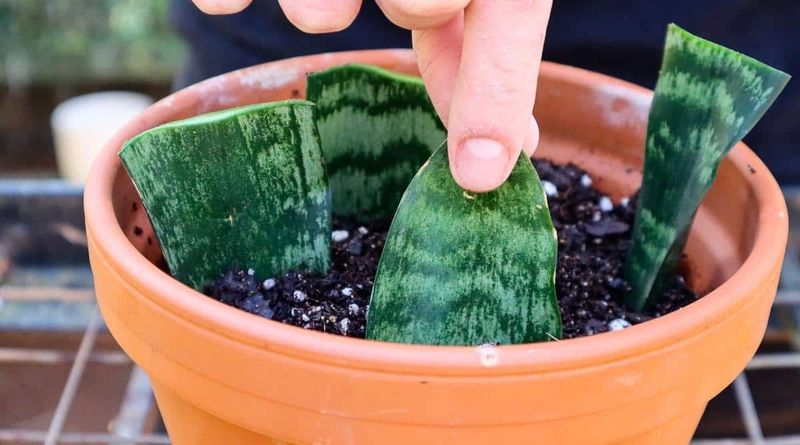
Roots about one to two inches long mean your cutting is ready for soil. Waiting too long can make the switch harder, since water roots are delicate.
Choose a small pot with a drainage hole. Terracotta works nicely because it breathes and helps soil dry out between waterings.
Fill it with a fast-draining cactus or succulent mix, or blend regular potting soil with perlite. Snake plants hate soggy feet, and heavy soil is a common reason young plants struggle.
Plant the cutting just deep enough to stand upright, then firm the soil gently. Water lightly and place it back in bright, indirect light.
Here is where winter care differs. During cold, dim months, water sparingly, often every three to four weeks, and only when the soil is dry. Overwatering is the top cause of snake plant trouble indoors.
Some gardeners skip water rooting entirely and place callused cuttings straight into damp soil. Both methods work, so feel free to try one of each.
By summer, your windowsill experiment could become a sturdy new plant. That is a pretty rewarding result from one leaf and a Michigan winter of patience.