Your Camellias Need This Care Before Thanksgiving Arrives In Virginia
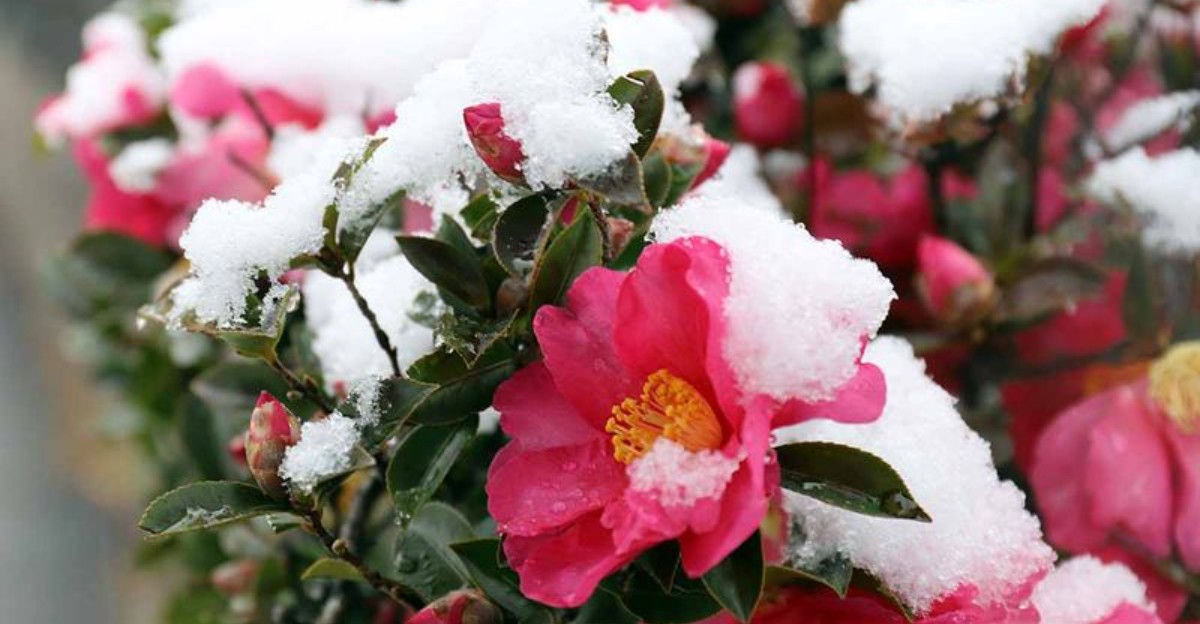
A shrub covered in flower buds can still go thirsty in a soggy-looking November yard. Those fat buds are next spring’s show, and they are already sitting on the branches right now.
Funny thing is, I used to assume evergreens could fend for themselves once fall arrived. Then I watched a lovely shrub drop half its buds before a single flower opened. Looking back, the clue was under the mulch, not on the leaves.
In Virginia, late fall often brings dry spells, gusty winds, and sudden cold snaps. Broad evergreen leaves keep losing water all winter, even when the ground turns cold and stiff. Roots near the surface feel every swing in the weather.
So what can a gardener do in the busy weeks before the turkey hits the table? The answer takes less time than baking a pie, and it costs almost nothing.
Those Camellia Buds Are Counting On You Right Now
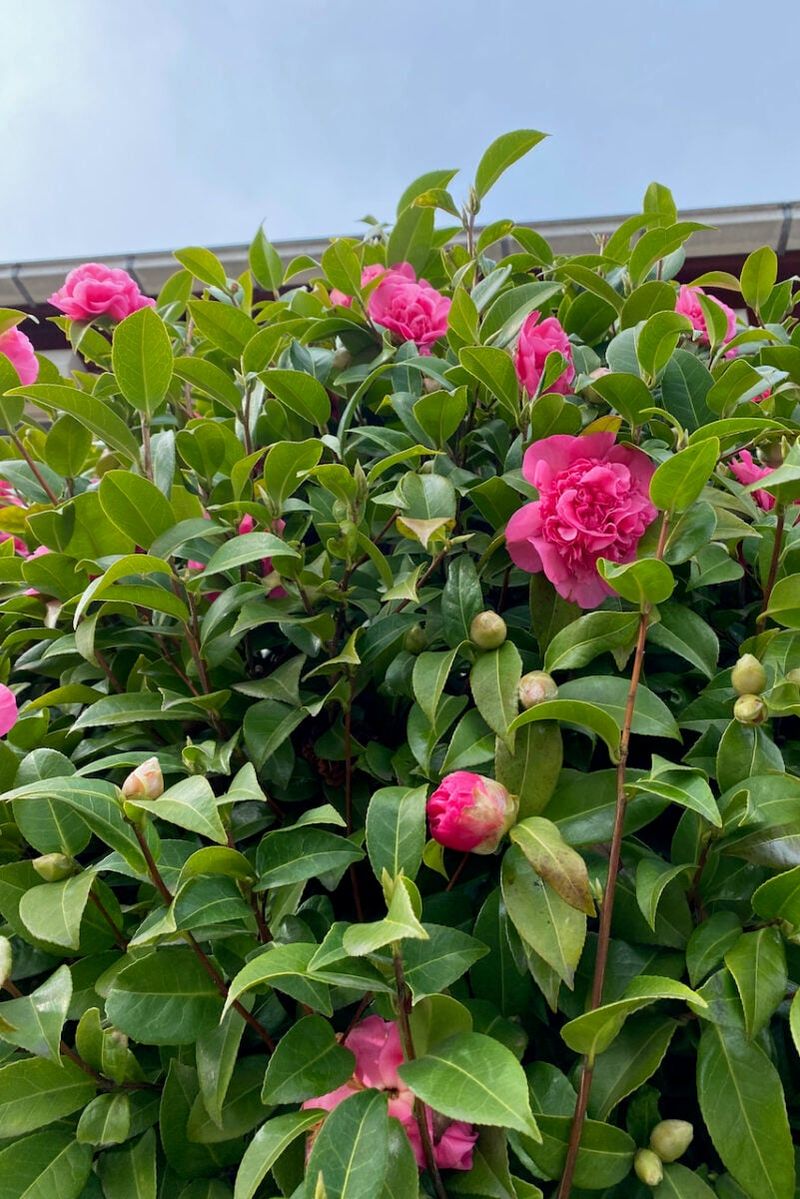
Take a close look at your camellia this week. Those round, firm buds at the branch tips formed back in summer, and they hold every flower you hope to see this winter and spring.
Many gardeners believe a shrub with shiny leaves is doing just fine. The trouble is mostly out of sight.
Evergreen leaves keep releasing water on sunny, windy winter days, and the roots must replace it.
When the soil goes dry in late fall, the plant has very little in reserve. Cold weather then makes things harder, because frozen or chilly soil slows how fast roots can pull up water.
In my own yard, I’ve noticed the first warning sign is often bud drop. Buds turn brown at the edges, loosen, and tumble onto the mulch weeks before opening.
Leaf scorch on the edges can follow after a windy cold snap.
Camellia experts and extension sources point to drought stress as a common cause of bud drop. Cold injury, sudden freezes, and overly wet soil can also play a role, so it’s rarely just one thing.
Still, one factor is easy to control before the holidays arrive. That factor is moisture in the root zone, and it sets up everything else in this article.
A Slow, Deep Soak Around Camellia Roots Is the Big Step
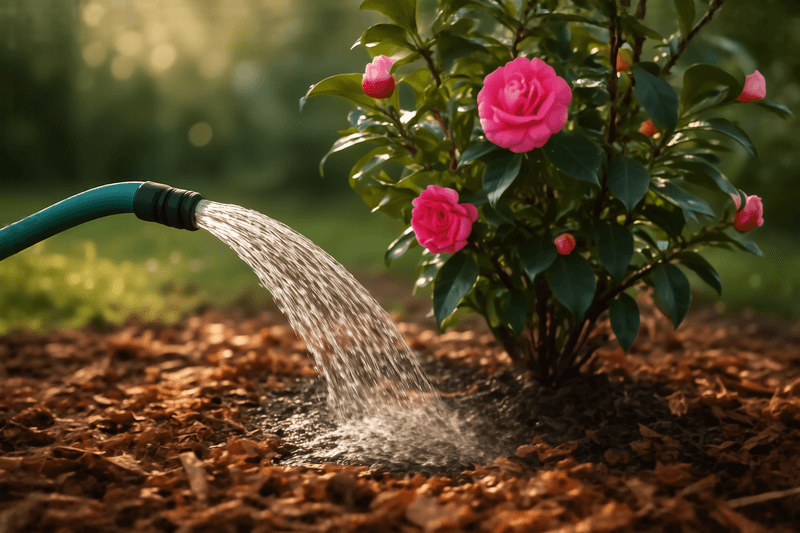
Here’s the step, plain and simple. Give your camellias a deep, thorough watering before Thanksgiving, especially if fall rain has been light.
Deep is the key word. A quick splash from the hose wets the top inch and evaporates fast.
Instead, let a hose trickle slowly at the base for 20 to 30 minutes, or run a soaker hose around the drip line.
For what it’s worth, I check my work with a long screwdriver or trowel. If it slides easily into moist soil 8 to 12 inches down, the roots got a real drink.
If it stops short, I water a little longer.
Soil type changes the math. Clay soil in the Piedmont soaks up water slowly, so water in two sessions with a break between.
Sandy soil near the coast drains fast and may need water more often.
Timing matters too. Water in the morning on a mild day, when temperatures sit above freezing.
That way the moisture moves into the ground instead of sitting as ice.
Newly planted camellias and those in containers need the most attention. Their roots haven’t spread far, so they dry out quicker than older shrubs.
During dry stretches, repeat the soak every week or two until the ground stays cold.
Pine Straw Mulch Keeps That Hard-Earned Moisture in Place
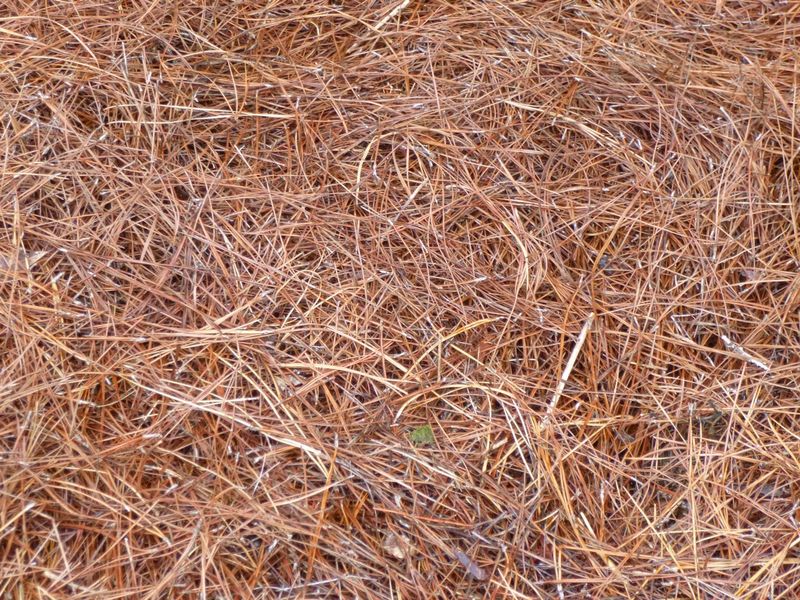
Pine straw is practically a Southern tradition, and camellias love it. Once you finish that deep watering, a fresh layer of mulch acts like a lid on the pot.
Spread 2 to 3 inches of pine straw, shredded bark, or chopped leaves across the root zone. Reach out toward the drip line, which is the edge of the branches.
That covers most of the feeder roots.
Mulch does several jobs at once. It slows evaporation, softens temperature swings in the soil, and cuts down on winter weeds.
As it breaks down, it also adds organic matter that camellias appreciate.
Between you and me, my first mistake was piling mulch right against the trunk. That creates damp bark, a cozy spot for rot and gnawing critters.
Pull mulch back a few inches from the stem so the base can breathe.
Don’t overdo the depth either. A thick, matted layer can block water and air from reaching the roots.
If old mulch has packed down into a crust, fluff it with a rake before adding more.
Pine straw also stays light and airy, so rain slips through easily. Fallen leaves from your own yard work well too, and they come free with every November breeze.
Shallow Camellia Roots Feel Every Swing in Winter Weather
Ever dug near a camellia and hit a mat of fine roots almost right away? That’s no accident.
Camellias have fibrous roots that stay mostly in the upper layers of soil.
Shallow roots come with perks. They grab rainwater quickly and handle the light, acidic soils camellias prefer.
But they also sit closest to the cold air and the drying wind.
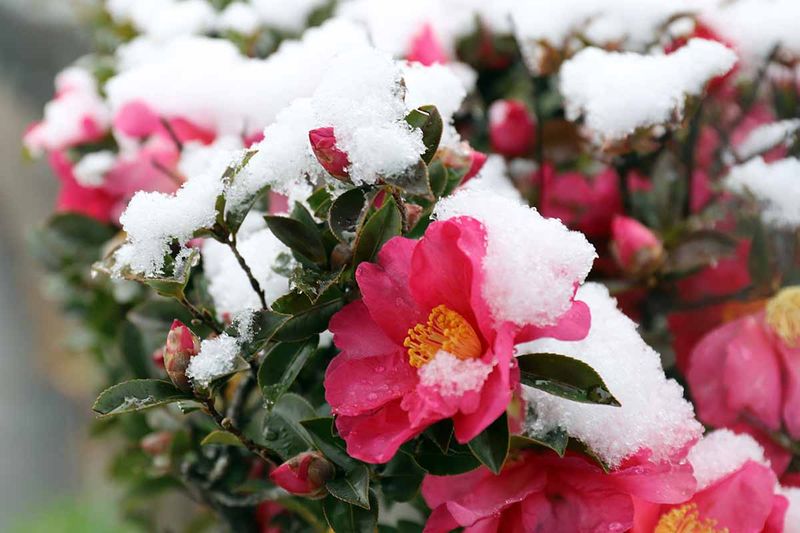
Virginia winters are famous for flip-flopping. One week brings a sunny 60-degree afternoon, and the next brings a hard freeze.
Those swings warm and chill the top few inches of soil over and over.
Moist soil holds heat better than dry soil, which helps buffer those changes. That’s one reason gardeners water before a cold spell, not after.
Dry, fluffy soil lets cold reach roots faster.
Planting depth matters here too. Camellias set too deep often struggle, so the top of the root ball should sit level with the ground or slightly above it.
If you’re planting this fall, keep that in mind.
Let’s just say the roots are doing quiet, hard work all season. Keeping them moist and covered gives the shrub a steady base, so the buds above have a better shot at opening.
Morning Sun and Cold Wind Can Scorch Camellia Leaves
Location can make or break a winter bloomer. A camellia sitting in an open, windy spot faces a much tougher season than one tucked beside a wall.
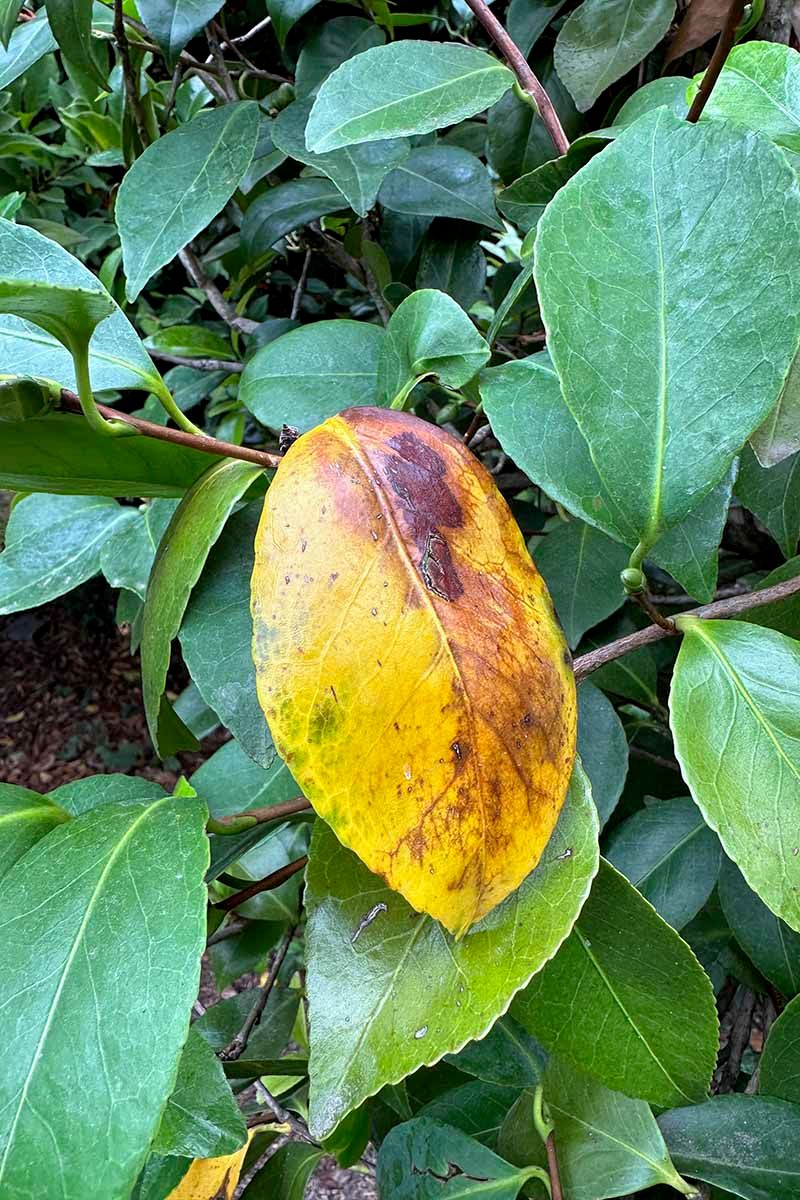
Early morning sun after a freezing night is a common problem. Frozen buds and leaves that warm too quickly can turn brown.
That’s why many experts suggest avoiding east-facing spots in colder parts of the state.
Wind adds its own stress. It pulls moisture from leaves while cold roots struggle to keep up.
You might notice crispy, bronzed patches on the side facing the wind.
If you ask me, the sweet spot is partial shade with shelter. A north or west side of a house, fence, or taller evergreens often works nicely.
High pine shade is a classic choice.
Regions matter here. Coastal areas and Hampton Roads sit in warmer zones, so camellias grow with less fuss.
Northern and western Virginia run colder, so hardy types such as the April series or Ice Angels hybrids are smart picks.
For shrubs already planted in exposed spots, a temporary burlap screen on the windy side can help during harsh stretches. Avoid wrapping plastic directly on the leaves.
Plastic traps heat in the day and can cause more harm than good.
Put Down the Pruners and Fertilizer Until Camellias Finish Blooming
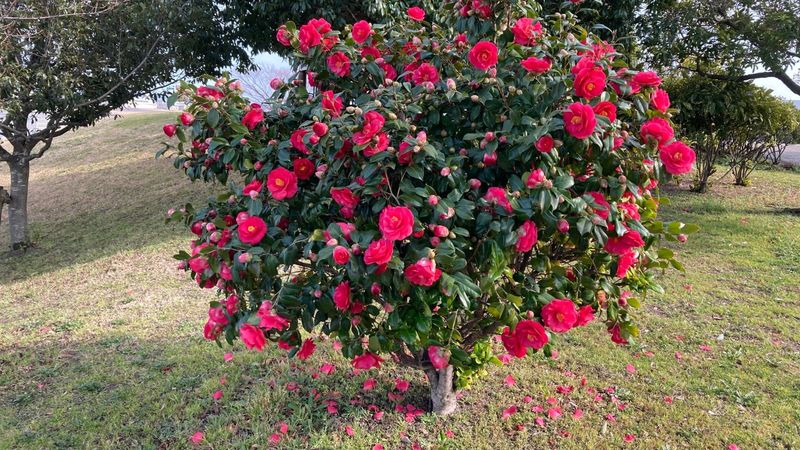
Fall cleanup fever hits a lot of us in November. Before you trim that camellia into a neat shape, pause for a moment.
Cutting branches now removes the buds that already formed for this season. You’d be clipping off flowers before they ever get a chance to open.
Pruning can also spark tender new growth, which handles cold poorly.
The best time to prune is right after flowering ends in spring. That gives the shrub time to grow and set new buds by summer.
Sasanqua types, which bloom in fall, usually get trimmed in late winter or early spring.
Take it from someone who learned the hard way: late fertilizer is just as tricky. A dose of nitrogen in fall can push soft leaves at the worst moment.
Most guides suggest feeding camellias in spring after bloom, using a product made for acid-loving plants.
That doesn’t mean doing nothing at all. Snip out obviously broken or damaged twigs anytime.
Picking up fallen leaves and spent blooms also helps reduce petal blight, a fungal problem that browns flowers quickly.
Small, gentle chores are fine. Big shaping jobs and fertilizer can wait for warmer days.
Watch for Pink and Red Camellia Blooms as Your Reward
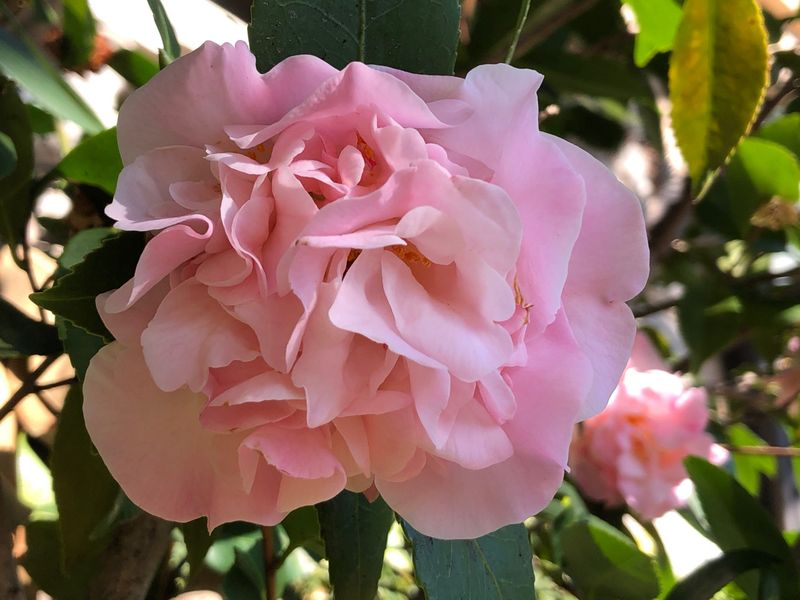
Few sights beat a camellia flower glowing against a gray January sky. It feels like a little gift when most of the garden has gone quiet.
Once Thanksgiving passes, keep an eye on the weather. During long dry stretches without rain, give another slow soak on a mild morning.
A rain gauge or a quick finger test in the soil makes this easy.
A sudden freeze may still brown a few open flowers. Don’t panic.
Many camellias bloom over several weeks, so unopened buds can still put on a show once temperatures settle.
Here’s a fun bit of history. Camellias come from eastern Asia, and Camellia sinensis is the same plant used to make tea.
Their garden cousins became Southern favorites, and many old Virginia estates still grow them.
My garden taught me that small habits add up. A deep watering, a fresh layer of mulch, and patience with the pruners cover most of what these shrubs ask for.
So grab the hose this weekend, before the holiday rush begins. Then sit back, sip something warm, and wait for those buds to open.
Your camellias will thank you with color right when the yard needs it most.