The Dangerous Shrub Turning Up In Maryland Gardens
Ticks carrying Lyme disease love one popular garden shrub so much that researchers counted far more of them in its thickets than in nearby woods. That shrub may be sitting by your front walk right now.
Not going to lie, I planted three of them years ago. They had ruby leaves, tidy shapes, and deer would not touch them. I thought I had found the perfect hedge.
Then little seedlings started popping up along my back fence, under the oaks, and in a shady corner I hadn’t planted at all. Birds had been busy. Across Maryland, the same shrub now crowds stream banks, forest edges, and parks.
Truth is, the clues are easy to spot once you know them. I learned the hard way that pretty and harmless are not the same thing. Do you have a thorny little bush with red berries hanging on all winter?
That Thorny Red-Leaved Hedge By Your Steps Has A Secret
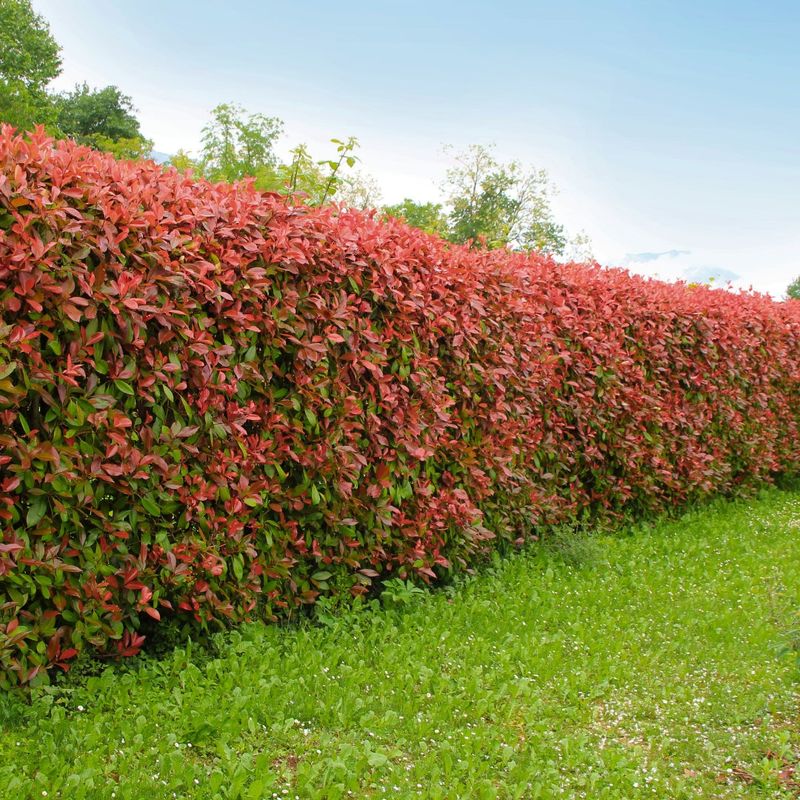
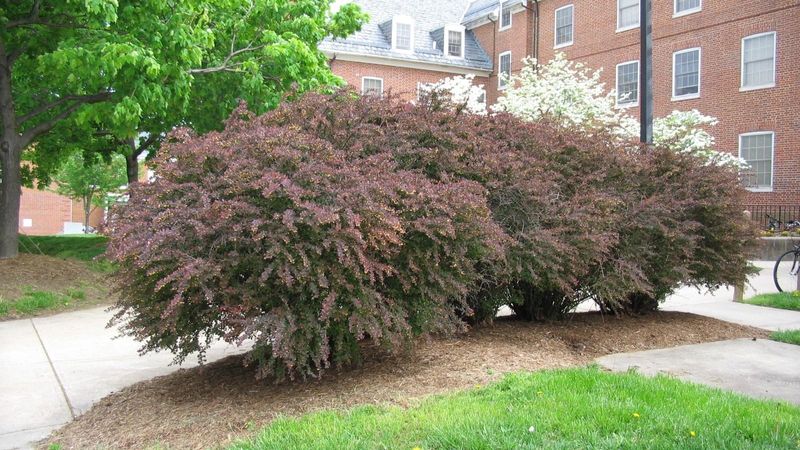
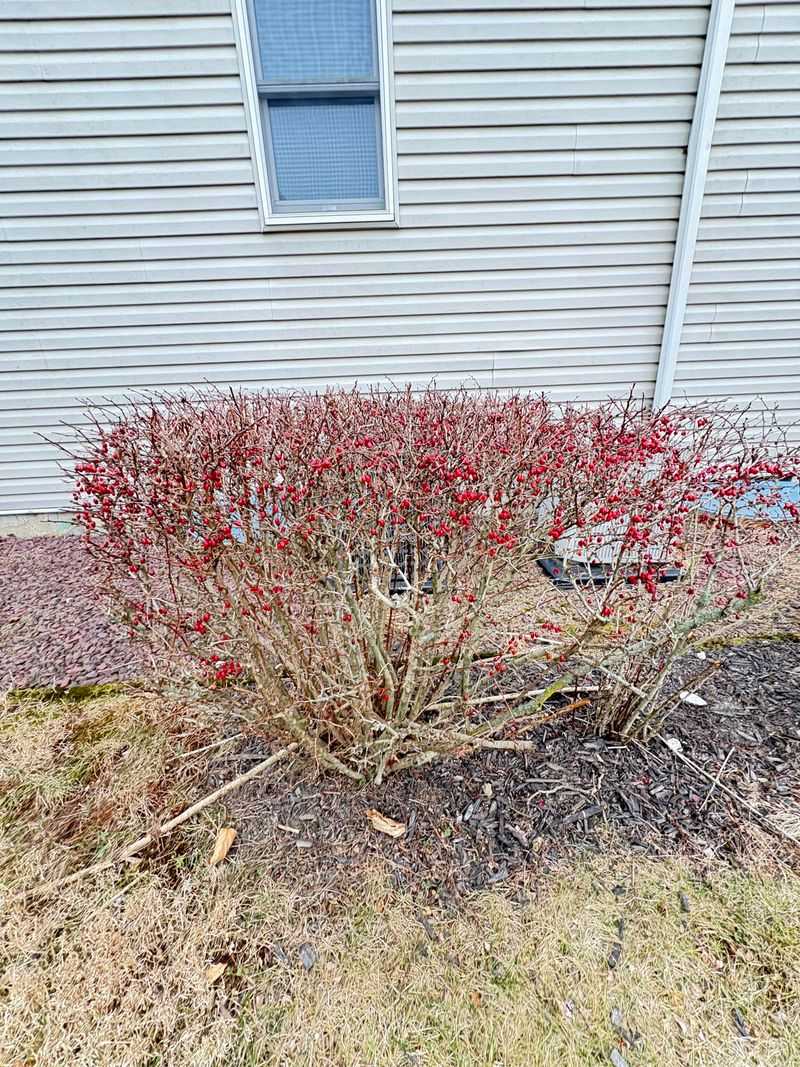
Stroll down almost any older neighborhood street and you will spot one. Japanese barberry was planted for decades along foundations, driveways, and walkways because it looked neat with very little effort.
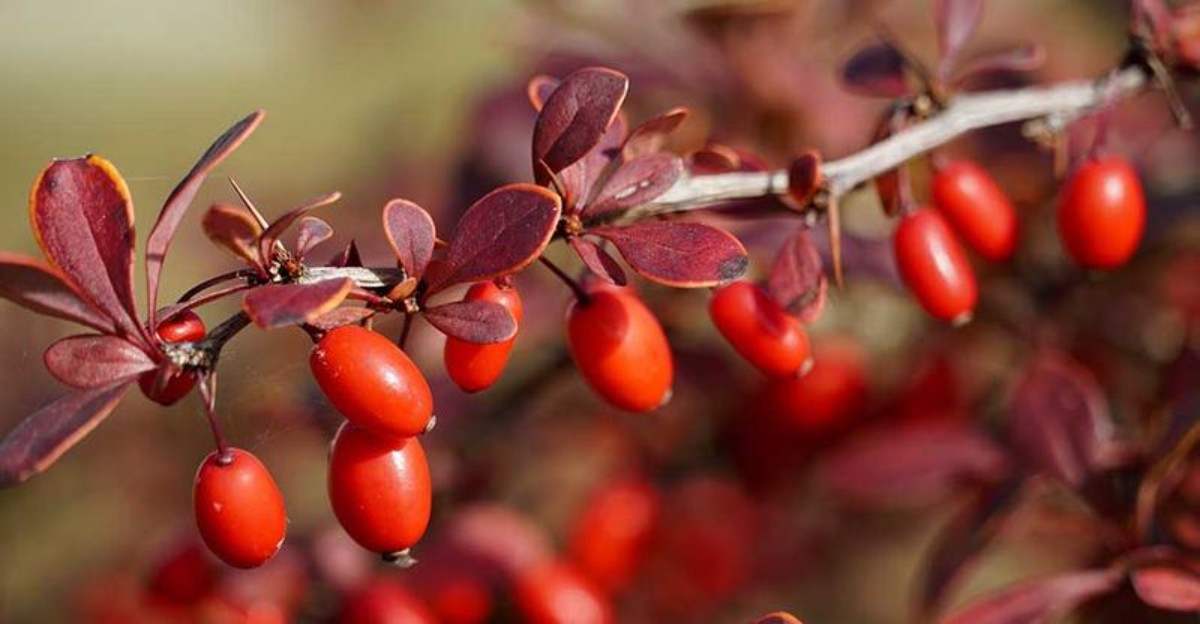
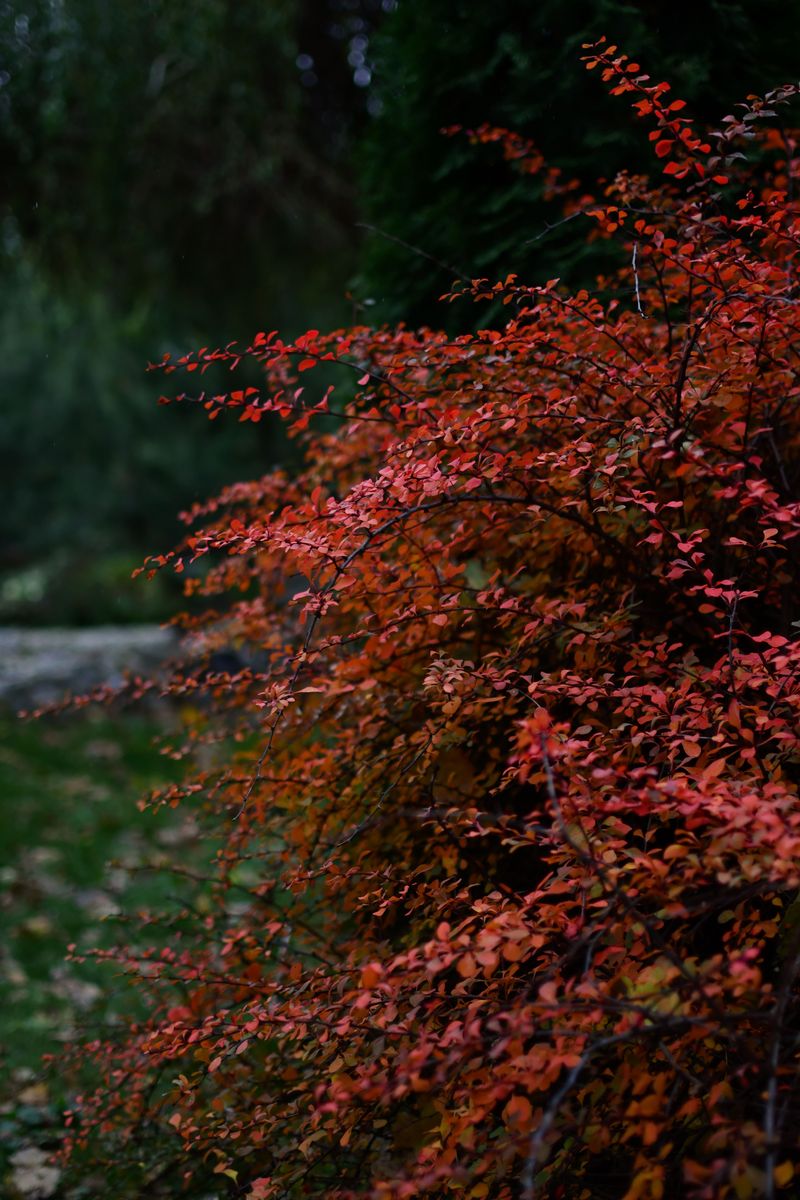
The shrub usually grows 3 to 6 feet tall with small, spoon-shaped leaves clustered along arching stems. Look closely and you will find a sharp spine at nearly every leaf node. In spring, tiny pale yellow flowers dangle under the branches, and by fall, bright red oval berries appear and hang on well into winter.
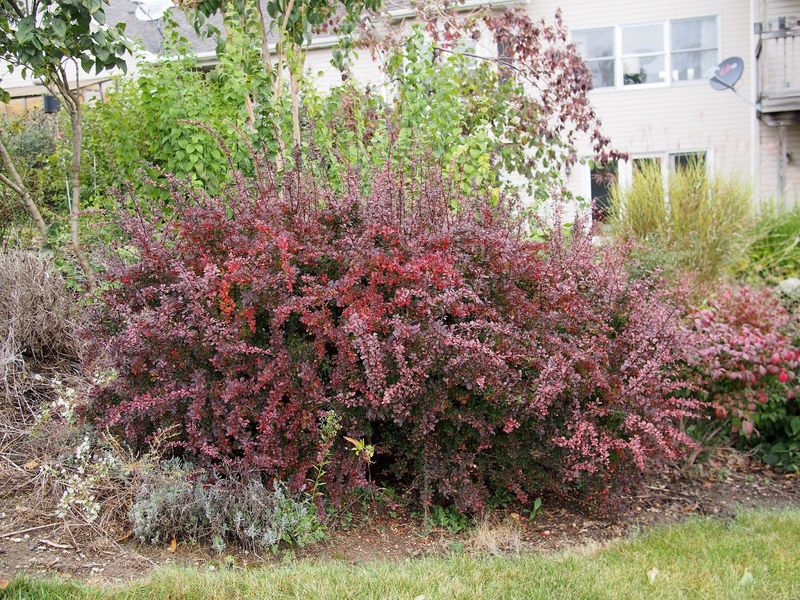
Leaf color depends on the cultivar. Some plants stay green, while popular types like ‘Crimson Pygmy’ glow burgundy or purple all season. Golden forms also show up in plenty of yards.
Fun fact: the plant arrived in the United States in the 1870s. Nurseries later promoted it as a substitute for common barberry, which hosted a wheat rust disease that worried farmers. Nobody guessed the newcomer would wander off and settle into the woods.
Not sure what you have? Scratch a stem or snap a root with your fingernail. The inner wood of barberry is a vivid yellow, which makes it one of the easiest clues to confirm.
Barberry Thickets Make A Cozy Hideout For Blacklegged Ticks
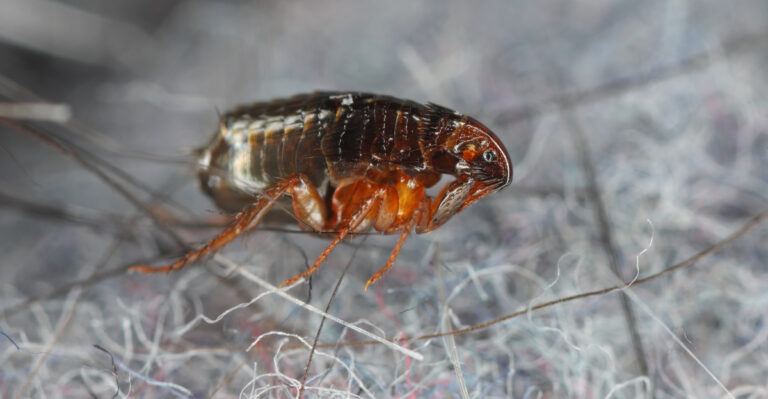
Fair warning, this part made me rethink my front hedge. Scientists at the Connecticut Agricultural Experiment Station studied barberry thickets for years and found blacklegged ticks thriving underneath them.
In dense, unmanaged barberry, they counted roughly 120 Lyme-infected ticks per acre. Where the barberry had been controlled, that number dropped to around 40, and in areas without barberry it was closer to 10.
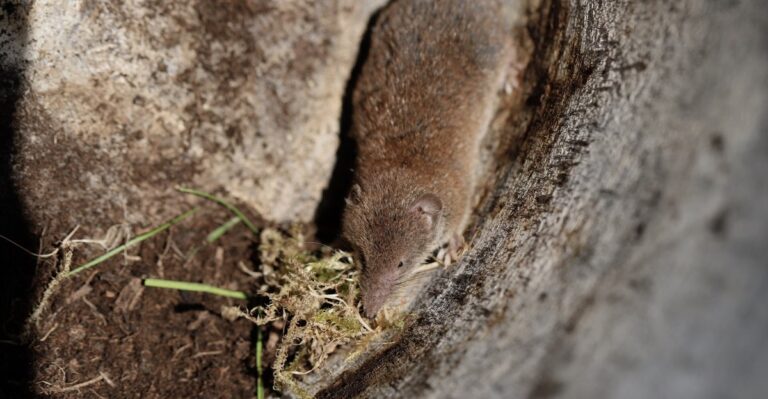
So why do ticks love it so much? The thick, thorny canopy traps humidity near the ground, and ticks dry out quickly in open air. White-footed mice, a major carrier of Lyme bacteria, also shelter in the tangle, which gives young ticks an easy meal.
Lyme disease is common in Maryland, so this matters for families, pets, and anyone who gardens. A trimmed, mulched hedge by your porch is lower risk than a wild thicket at the edge of the woods, but both deserve some attention.
A few simple habits help after working near barberry. Wear light-colored long pants tucked into socks and use an EPA-registered repellent. Once you head inside, check yourself and your dog carefully, and take a quick shower within two hours.
Birds Snacking On Red Barberry Berries Spread The Problem Far And Wide
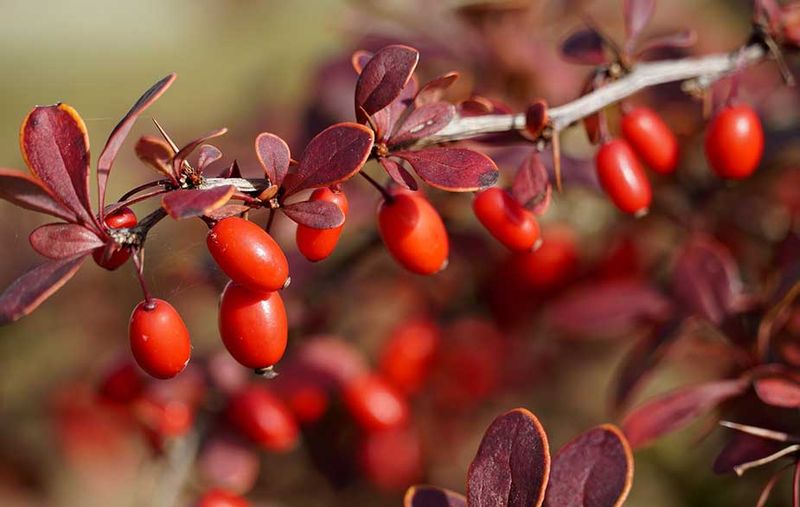
Those cheerful red berries look like a winter snack bar, and birds agree. Robins, wild turkeys, and other wildlife eat the fruit, then drop the seeds far from where the shrub was planted.
That is how a bush beside a front door ends up deep in a state park. Seeds sprout readily, and the young plants handle shade surprisingly well, so they can settle under a forest canopy where many other invaders struggle.
Research also suggests the fruit is not great fuel. Native berries from spicebush and arrowwood viburnum tend to offer more fat, which migrating songbirds need in fall. Barberry fruit is lower in quality, so birds spread it far and wide without getting much of a reward.
Not every cultivar behaves the same way. Breeders have developed some types that produce very few seeds, and a handful have been tested for low fertility. Many common purple and gold varieties, though, still set plenty of fruit.
I’m guilty of admiring those berries on a snowy morning. Now I see each one as a tiny seed packet with wings attached. If your shrub is loaded with fruit, that alone is a solid reason to plan its replacement soon.
Spiny Barberry Walls Are Crowding Out Native Woodland Plants
Deer will nibble almost anything, yet they mostly skip barberry. That single trait gives the shrub a huge edge in the woods.
When deer browse native seedlings like oaks, maples, and wildflowers, they leave barberry standing. Over time, the spiny shrub fills the gaps and forms dense thickets that shade the forest floor. Hikers in many woodlands now push past knee-high walls of thorns where ferns and spring wildflowers once grew.
Barberry also changes the ground beneath it. Studies show heavily infested areas tend to have higher soil pH and more nitrogen, along with shifts in soil microbes and earthworm activity. Those changes can make it harder for native plants to bounce back, even after the shrub is gone.
Timing helps it, too. Barberry often leafs out before many native shrubs in spring and holds its leaves late into fall, soaking up extra sunlight at both ends of the growing season.
In a backyard, the effect is quieter but real. A barberry border offers little to native caterpillars, and those caterpillars feed a huge share of baby songbirds. Swapping it out turns a thorny wall into a buffet for local insects and the birds that rely on them.
Garden Center Barberry Sales Are Facing New Limits In Maryland
Plenty of gardeners are surprised to learn that a plant can be invasive and still sit on a nursery shelf. Laws have been catching up, but slowly.
The Maryland Department of Agriculture now keeps a single Prohibited Invasive Plant List under a revised invasive plant law that took effect in 2024. Listed plants cannot be added to nursery stock after their effective date, and existing stock must be gone once a phase-out period ends.
Japanese barberry has been on regulators’ radar for years, partly because nurseries grow so many cultivars. It joined the prohibited list on January 15, 2026, giving garden centers until January 2027 to clear potted stock and until January 2028 for in-ground plants. Neighboring Pennsylvania has already restricted barberry sales as well.
Rules like these mostly target sellers, not shrubs already growing in your yard. Homeowners generally are not required to pull out an existing plant, though removal is strongly encouraged.
Since details and exemptions can shift, check the current list on the state agriculture department website before you shop. Your local University of Maryland Extension office can also answer questions, and the state’s Invasive Species Council shares free identification guides. A five-minute check now saves you from buying a plant you will later want gone.
Thick Gloves And A Weed Wrench Make Barberry Removal Doable
My first attempt involved garden gloves from the dollar store. Two scratched forearms later, I upgraded to heavy leather gauntlets, and I suggest you start there.
Early spring is a smart time to tackle the job. Barberry leafs out before most other shrubs, so its fresh leaves stand out clearly, and moist soil lets roots slide free more easily.
Small seedlings pull out by hand with a firm tug at the base. For mid-sized plants, a weed wrench or root puller grips the stem and levers the whole root ball out of the ground. A mattock or digging bar works well for stubborn crowns.
Large, older shrubs are tougher. You can cut stems close to the ground and paint the fresh stumps right away with a labeled herbicide such as glyphosate or triclopyr, following every label direction. Skipping chemicals? Plan on cutting the resprouts several times a season for a few years.
Bag any branches carrying berries and put them out with the trash rather than the compost pile. Seeds can survive a backyard heap. Finally, cover the bare spot with mulch or new plantings quickly, so fresh seedlings have less room to sneak in.
Native Chokeberry And Fothergilla Can Steal The Spotlight Instead
I get it, pulling out a shrub you once loved feels a little sad. The upside is that native plants can deliver the same color and tidy shape, plus real value for wildlife.
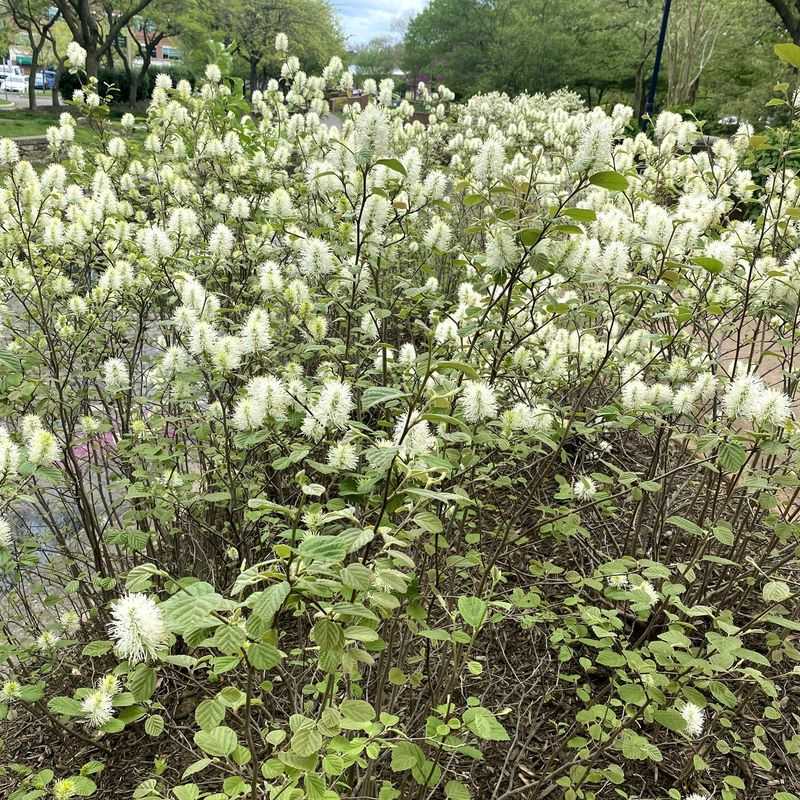
Red chokeberry gives you white spring flowers, glossy red berries, and brilliant fall foliage. Dwarf fothergilla stays compact, offers honey-scented bottlebrush blooms in April, and turns fiery orange, yellow, and red in autumn. Virginia sweetspire handles damp spots and flushes deep crimson in fall.
Want berries that brighten winter? Winterberry holly lights up with red fruit long after its leaves drop, though you will need a male plant nearby for berries. Inkberry, a native evergreen holly, makes a solid low hedge if you liked barberry for structure.
Arrowwood viburnum is another favorite of mine. Its blue fruit feeds migrating birds, and its leaves host native caterpillars that songbirds gather for their nestlings.
Most of these shrubs grow well across USDA zones 6 and 7, which covers much of the state from the western hills to the Eastern Shore. Fall is a great planting window, since cooler air and steady rain help roots settle in. Ask local native plant nurseries for straight species or proven native cultivars.
Stray Barberry Seedlings Keep Popping Up For Years, So Stay Watchful
Removing the big shrubs feels like crossing a finish line. Truth is, it is more like halftime.
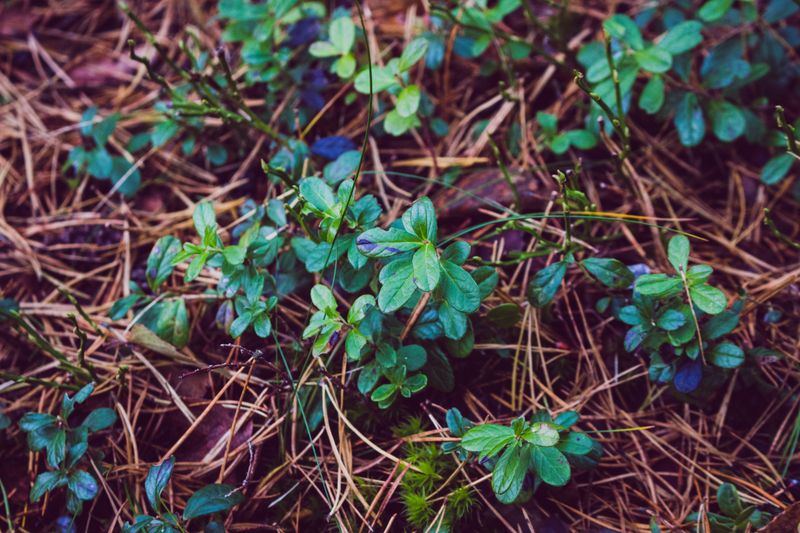
Birds dropped seeds around your property for years, and many of those seeds wait in the soil before sprouting. Expect a scattering of tiny barberry seedlings along fences, under trees, and at the edge of any woods for several seasons after removal.
A quick walk each April makes this easy. Barberry greens up before most native shrubs, so those small leafy sprigs pop out against the brown leaf litter. Pull them while they are pencil-sized and the job takes minutes.
Keep an eye on resprouts, too. Roots left behind often send up new shoots, and catching them early stops a comeback.
Want to help beyond your own fence? Report patches you find in parks or natural areas using the free EDDMapS app, which helps scientists track invasive spread. Many county parks in Maryland run volunteer Weed Warrior programs that train residents to remove invasives safely.
Each barberry you swap for a native shrub means fewer seeds for birds to carry, a less tick-friendly yard, and more food for local wildlife. That small choice adds up across a whole neighborhood.