The Mud-Like Smears Appearing On Maryland Trees Are Worth A Second Look
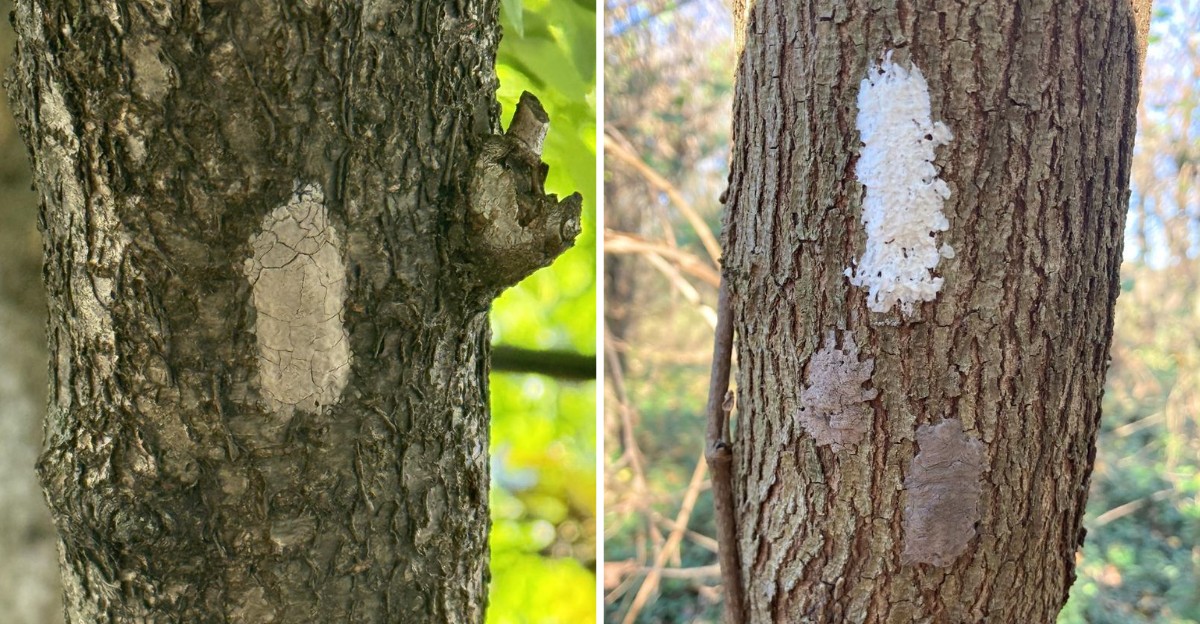
Walking through a Maryland yard this fall, you might notice a gray streak stuck along a tree trunk. It looks like someone flicked wet mud at the bark and simply walked away without apologizing.
Most people walk right past it, assuming rain splashed dirt upward during a passing storm. That smear, though, is far more organized than any puddle splash has any right to be.
Scrape it gently with a fingernail and the surface cracks open like dried putty on a window. Underneath sits something tidy, rows upon rows, arranged with unsettling patience by an unseen visitor.
Maryland yards have been quietly hosting these gray patches on maples, oaks, fences, and grills. So the mud was not mud at all. It just looked like it.
The Truth Behind Those Gray Putty Patches
Nobody expects an insect to leave behind something that resembles a smudge of dried cement. Yet that is exactly what the spotted lanternfly does across Maryland every single autumn.
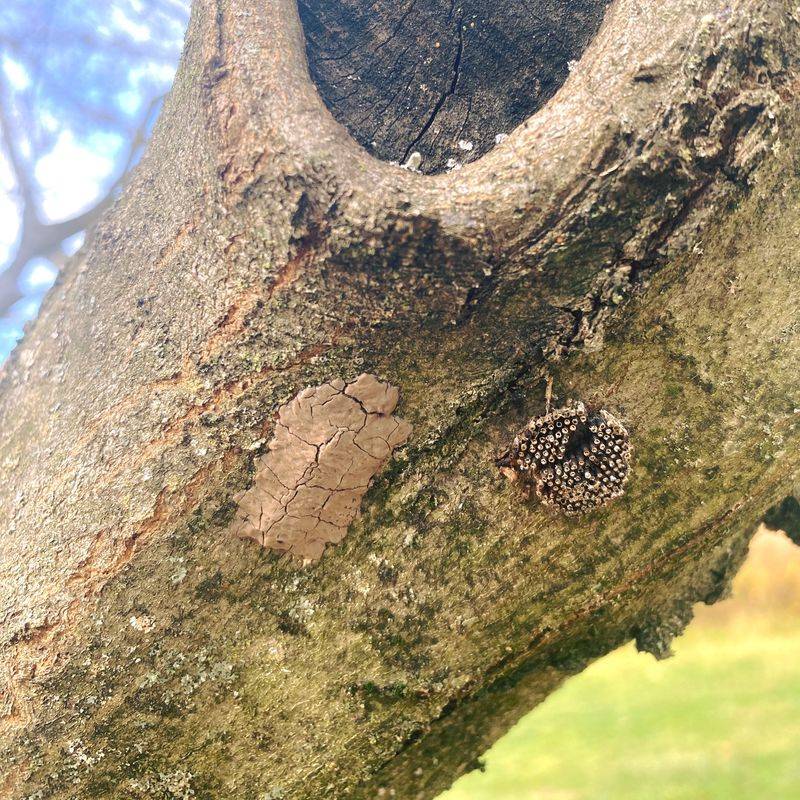
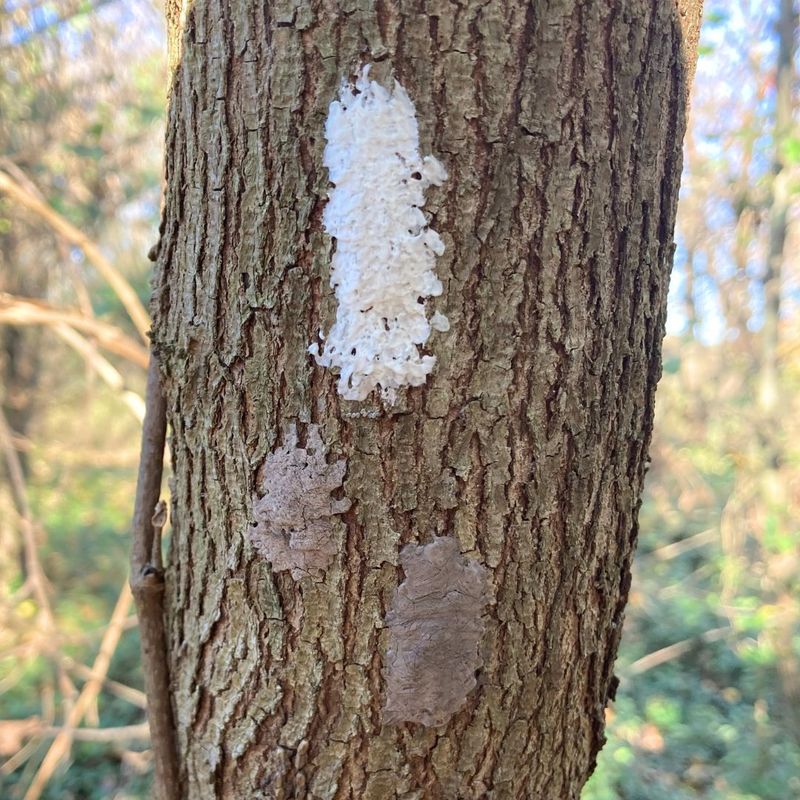
Each female covers her eggs with a waxy coating that hardens into a flat, gray crust. Fresh masses look shiny and pale, almost like wet clay pressed onto bark.
Older masses dry out, crack, and turn the tan color of weathered mud. A single mass can hold thirty to fifty eggs lined up in neat rows.
Do the math and one overlooked patch becomes a small crowd by May. Maryland first confirmed this insect in Cecil County back in 2018, and it spread quickly.
Since then, quarantine zones have expanded to most of Maryland’s counties. Homeowners in Baltimore, Harford, and Frederick counties report smears on trunks every winter.
The coating is not mud, sap, or a fungus, though it fools plenty of people. Touch one and you will feel a slightly gritty surface that flakes under pressure.
Trees are only part of the story, since the eggs land on almost anything flat. Grills, patio furniture, firewood piles, and car bumpers all make acceptable nurseries.
Learning the look takes about ten seconds, and that knowledge pays off for years. Once you spot one, you tend to notice them on every walk around the block.
Neighbors often ask if the smear is harmful to touch, and the answer is no. Bare hands work fine, though gloves keep the sticky wax off your fingers.
Cold Season Timeline For Egg Masses
Timing turns out to be the single biggest advantage a Maryland homeowner has. Egg laying begins in late September and runs through the first hard freezes.
By December, the adults are gone, and only those pale gray patches remain. Cold weather does little to harm them, since the eggs handle Maryland winters easily.
Hatching usually starts in late April or early May, depending on the spring warmth. Tiny black nymphs with white spots crawl out and head straight for tender growth.
That gives you roughly five months of open season, from November into early April. Bare branches during those months make the masses far easier to spot.
Winter light also helps, since low sun angles highlight every bump on a trunk. Walk the yard on a clear January afternoon and the patches practically announce themselves.
Your Maryland Garden Changes Every Week. Your Plan Should Too.
Gardening in Maryland changes quickly throughout the season. Every Friday you’ll receive a simple weekly plan showing exactly what to plant, prune, fertilize, harvest, and protect so you never miss the right timing.
Hatching season changes the whole job, because nymphs scatter into shrubs and garden beds. At that point, removal gets messy and far less satisfying.
Many Maryland extension agents suggest scheduling two sweeps, one in December and one in March. Late arrivals sometimes lay eggs after your first check, so a second pass catches stragglers.
Mark the dates on a calendar beside oil changes and gutter cleaning. Twenty minutes twice a winter beats chasing hoppers around the deck in June.
Weather matters less than you might think, though frozen masses chip off more cleanly. Pick a dry day, grab a flashlight, and start with the trees nearest your house.
Common Mix-Ups With Mud, Lichen, And Bark
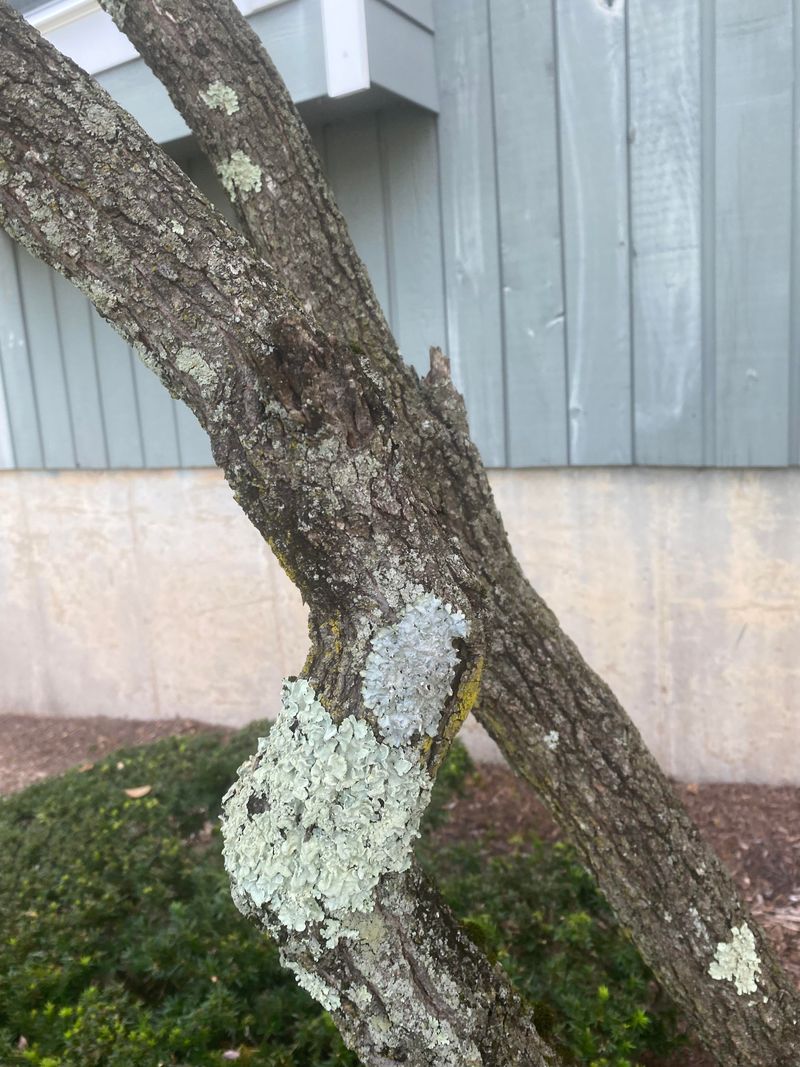
Plenty of folks scrub a perfectly harmless lichen off a maple and feel accomplished. Telling the difference saves effort and protects things that belong on the tree.
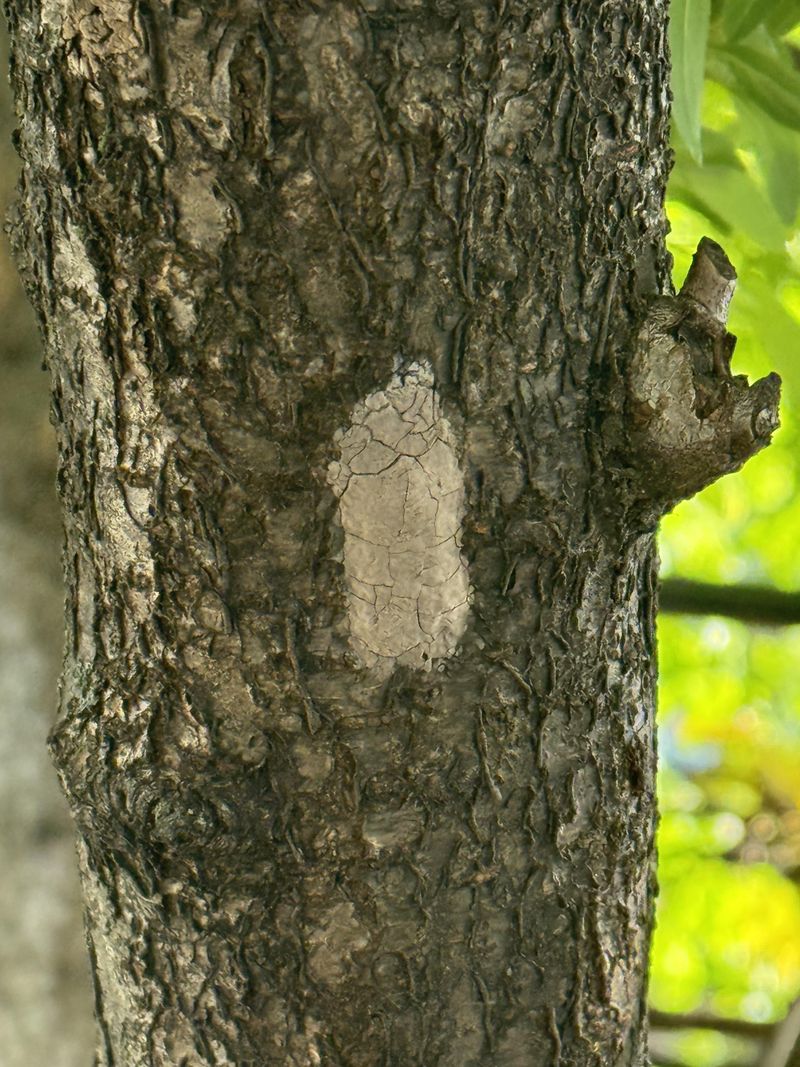
Lichen grows in ruffled, papery circles and often shows a pale green or blue tint. Egg masses stay flat, gray, and roughly rectangular, like a thumbprint of stucco.
Spongy moth egg masses cause the most confusion around Maryland neighborhoods. Those feel fuzzy and tan, almost like a scrap of felt glued to bark.
Lanternfly masses feel smooth at first, then crumbly once winter weather works on them. Mud dauber nests, by contrast, stick out from the surface as tubes.
Real mud splash appears only near the base of a trunk after heavy rain. Lanternfly eggs show up six feet high, on smooth bark, where rain rarely reaches.
Scrape gently with a fingernail before deciding anything, and watch what happens. Crushed eggs release a faint moisture and reveal rows of tan seed-like shapes.
Lichen simply flakes dry, and mud turns to dust without any structure underneath. That quick test settles most arguments in about four seconds.
Photos help too, and the Maryland Department of Agriculture keeps clear comparison images online. Snap a picture with your phone and match it before scraping anything unfamiliar.
When doubt lingers, leave the patch alone and ask a local extension office. Master gardeners answer these questions constantly and enjoy the detective work.
Guessing wrong costs little, but confident identification makes every winter walk more useful. Soon you will read bark the way some people read license plates.
Safe Scraping With A Card And Disinfecting Solution
A gift card, a zip bag, and a disinfecting solution handle the whole job. No sprays, no ladders, and no expensive equipment required for most backyard trees.
Hold the bag or container directly beneath the mass before you touch it. Eggs that tumble into leaf litter can still hatch in spring.
Scrape firmly with the card edge, pressing hard enough to break the waxy seal. A gentle brush leaves the lower layer intact, which defeats the purpose.
Drop the scrapings into an isopropyl solution or hand sanitizer and seal the container. Thirty minutes of soaking finishes the eggs beyond any chance of hatching.
Smashing works too, though it takes real pressure and leaves a smear behind. Many people prefer the solution method because it feels cleaner and more certain.
Keep the card flat against the bark to avoid gouging living tissue underneath. Healthy trees shrug off light scraping, but deep cuts invite other problems.
Check the underside of branches, fence rails, and the shady side of trunks. Females favor smooth, protected surfaces, so flip over anything stored outdoors.
Skip the ladder work and leave high masses to gravity and professionals. A broken ankle costs far more than a few hundred eggs ever will.
Toss the sealed bag in the trash rather than a compost pile. Compost stays warm, and warmth is exactly what those eggs are waiting for.
Wash your hands afterward, mostly because the wax coating feels stubborn and tacky. Then go back tomorrow, because you will find ones you missed.
The Toll On Maples, Grapevines, And Backyard Shade
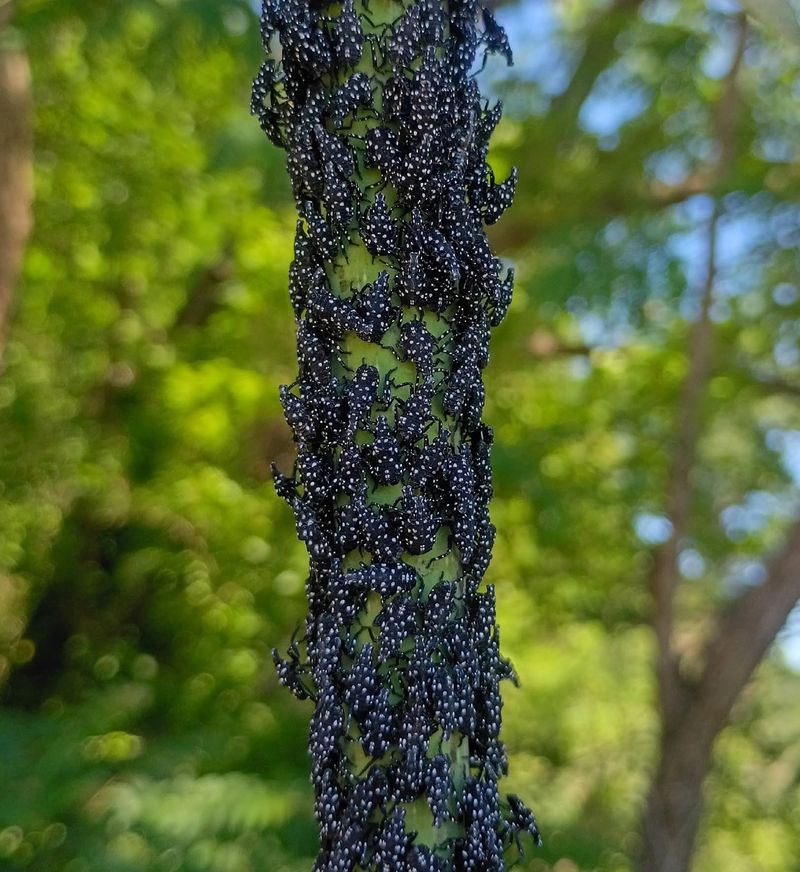
Maryland vineyards have the most to lose, and growers watch these patches closely. Grapevines suffer real harm when large groups feed on them week after week.
The insects pierce stems and drink sap, draining energy the plant needs for fruit. Repeated feeding weakens vines, shrinks harvests, and can leave plants unable to recover.
Shade trees handle the pressure better, though stress still shows in thin canopies. Maples, black walnut, willow, and river birch rank among the favored Maryland targets.
Feeding produces honeydew, a sticky sugar waste that rains down onto everything below. Decks, cars, and patio chairs end up coated in a syrupy film.
Black sooty mold then grows on the honeydew, staining siding and outdoor furniture. Wasps, ants, and bees arrive for the free sugar, which ruins backyard cookouts.
Tree of heaven, an invasive species common along highways, acts as a magnet. Removing those trees from your property reduces the crowd considerably.
Gardens take a hit as well, especially hops, roses, and young fruit trees. Nymphs are not picky and sample dozens of plants before settling down.
One egg mass seems harmless, yet forty hatchlings feed for months on one vine. Multiply that across a neighborhood and the math turns uncomfortable fast.
Property values rarely enter the conversation, but sticky patios do affect summer plans. Scraping in winter keeps July evenings pleasant, which is reason enough.
Growers across the region have spent heavily on control since spotted lanternfly arrived. Backyard effort, multiplied across thousands of homes, genuinely lightens that load.
Smarter Yard Habits And A Quick Report To The State
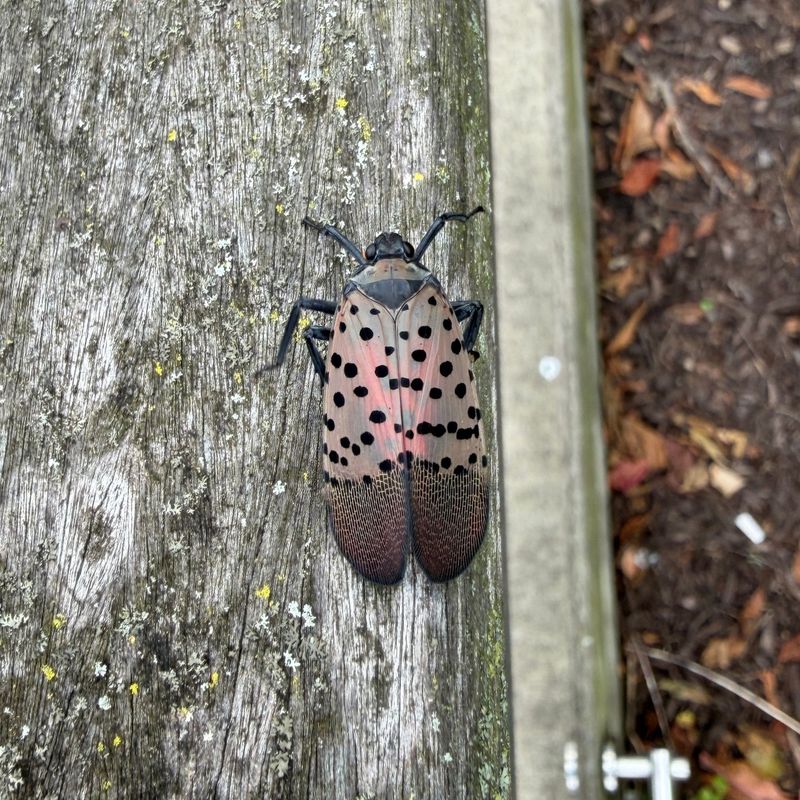
Scraping alone will not solve the problem, though it remains a solid start. A few habits around the yard make next season noticeably calmer.
Check anything that spends the winter outdoors, including trailers, grills, and stacked lumber. Eggs travel on objects far more often than the insects fly long distances.
Moving firewood remains one of the fastest ways to spread the problem statewide. Buy local wood, burn it locally, and leave the pile where it started.
Inspect vehicles before long trips, especially if you park under trees near the quarantine zone. Wheel wells and bumpers collect masses more often than people expect.
Tree of heaven seedlings pop up along fence lines and alleys throughout Maryland. Pulling them young, before roots spread, cuts off a favorite food source.
Sticky bands on trunks catch climbing nymphs, but they also trap birds and squirrels. Cover any band with wire mesh so the wrong visitors stay safe.
Report sightings to the Maryland Department of Agriculture through their online form. Photos and locations help officials track spread and target treatment where it counts.
Talk to neighbors, because one untreated yard supplies the whole block each spring. A group walk in February works better than a solo effort in June.
Expect the routine to become normal, much like raking leaves or salting steps. Maryland winters already involve staring at trees, so you may as well look closely.
Progress shows up slowly, in fewer sticky railings and quieter maple trunks. That payoff arrives months later, which makes winter scraping feel oddly hopeful.