9 Things To Do When A Groundhog Is Digging Holes In Your Maryland Yard
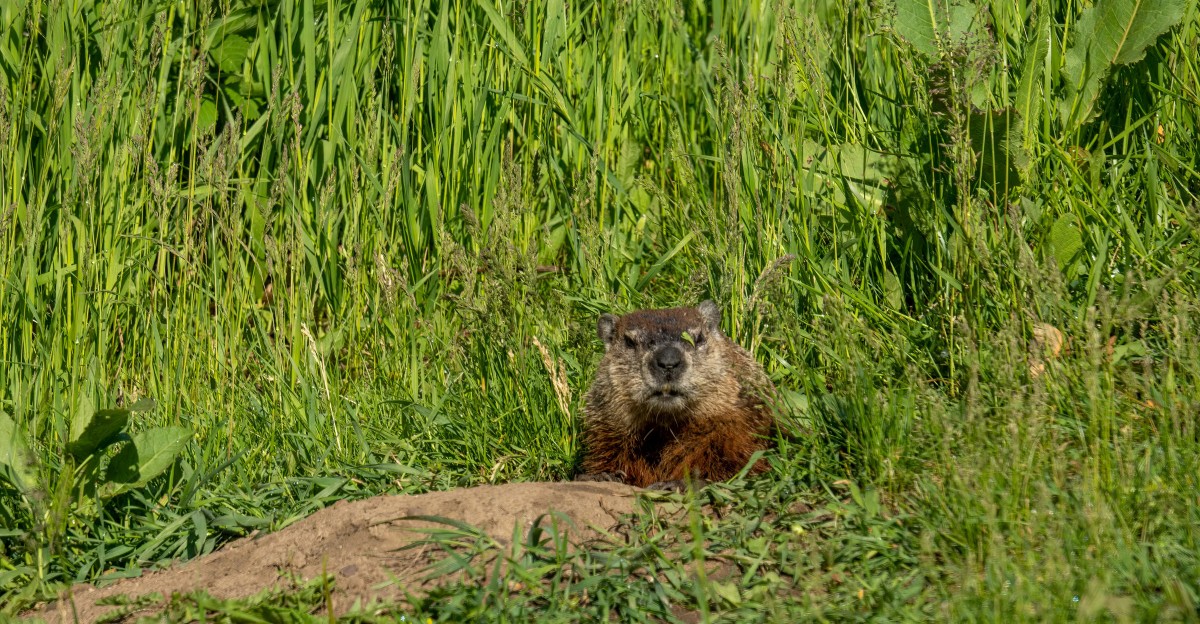
A single burrow under your lawn can stretch about 45 feet long and sink roughly five feet deep. That hidden tunnel system often has two to five separate doors, each one built for a quick escape.
The digger behind it can weigh up to 14 pounds and grow nearly two feet from nose to tail. It climbs trees, swims across water, and sleeps through much of the cold season in Maryland.
I learned the hard way that one round hole beside my shed meant far more trouble underground. Within a week, my bean rows looked trimmed, and a fresh dirt mound appeared near the back porch steps.
You’d think a fence alone would solve everything, but these clever diggers often find a way under. Which tricks actually work in a Maryland yard, and which ones simply waste your weekend and your patience?
1. Spot The Round Groundhog Burrow Holes First
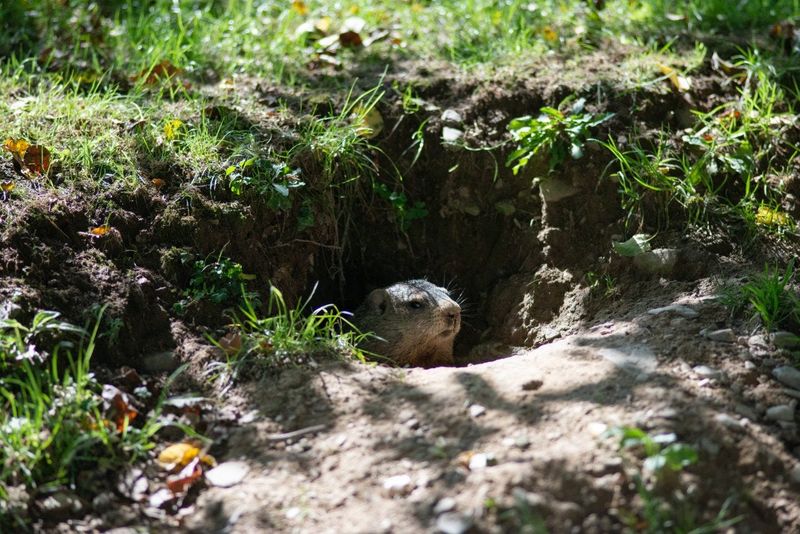
Fresh dirt piled like a little ramp beside a neat hole tells a story worth reading closely. Groundhog doors usually measure ten to twelve inches across, which is much bigger than a chipmunk or mole tunnel.
Walk your yard slowly in the early morning, because these animals often feed then and again in late afternoon. Look along fence lines, under decks, and beside sheds, since they love digging near cover and sturdy structures.
Not going to lie, I first blamed my dog for the mess before spotting the second hidden entrance nearby. Most burrows have two to five openings, and some backup holes sit quietly under shrubs without any dirt mound.
Chewed garden plants offer another strong clue, especially bitten tomatoes or carrot tops cut down to the soil line. Groundhogs mostly eat plants, so damaged clover, beans, lettuce, and flowers can point straight toward the busy culprit.
Grab a notebook or your phone and mark every hole you find before taking any action at all. Knowing the full layout helps you avoid blocking one door while the animal simply uses another one tomorrow morning.
Take a few photos of the holes and mounds so you can track changes over several days. New dirt, flattened grass paths, and fresh tracks show whether the burrow is active or left behind from last season.
2. Watch The Woodchuck Before You Make A Move
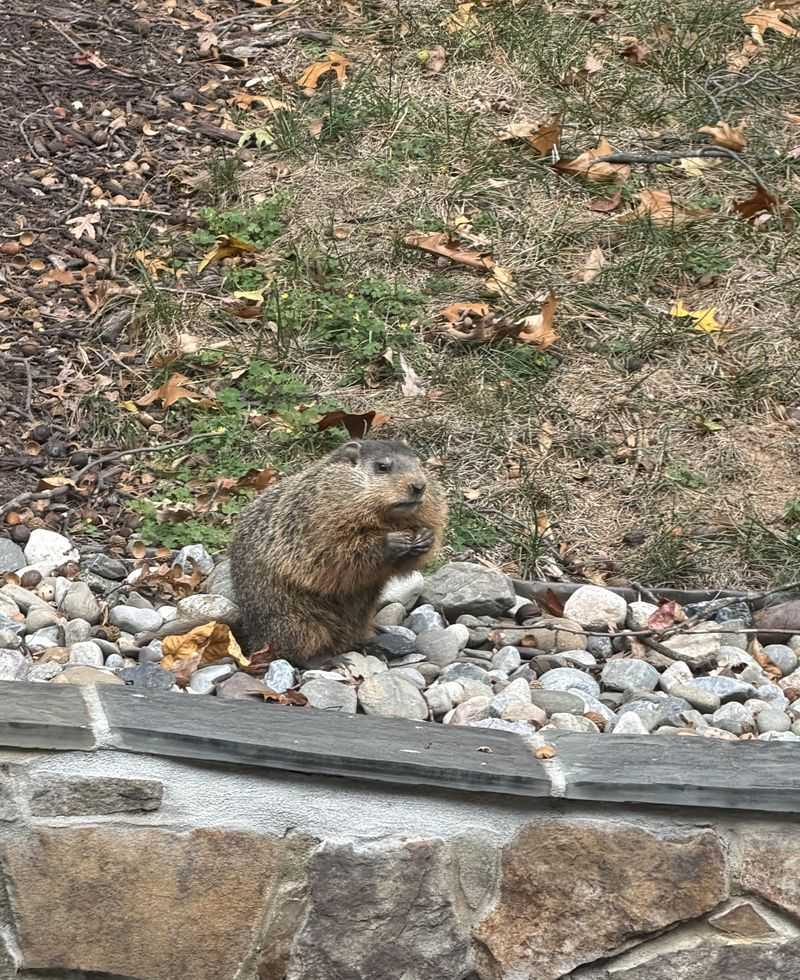
Patience pays off with these furry diggers, because their daily habits reveal exactly where your defenses should go. Spending two or three mornings watching quietly can save you weeks of guessing and many wasted supplies.
Groundhogs usually leave their burrows in early morning and late afternoon to munch on grasses and garden greens. During warm middays, they often bask in the sun near an entrance, keeping a careful eye on danger.
Trust me on this one, a lawn chair and a cup of tea make wildlife watching surprisingly relaxing. I discovered my visitor used a narrow gap under the gate, which explained why my fence repairs kept failing.
Season matters a lot here, since groundhogs hibernate from around late October or November until late February or March. Warm winter days may tempt them out briefly, but steady spring activity usually brings the biggest yard surprises.
Mating happens from early March through April, and young arrive about thirty-two days later in litters of two to six. Babies stay underground at first, then leave in early summer to dig homes of their own nearby.
Knowing this timeline helps you plan humane steps that avoid separating mothers from helpless young in their tunnels. Write down feeding times, favorite plants, and travel paths, then use those notes when choosing your next move.
3. Clear Brush Piles Where Groundhogs Like To Hide
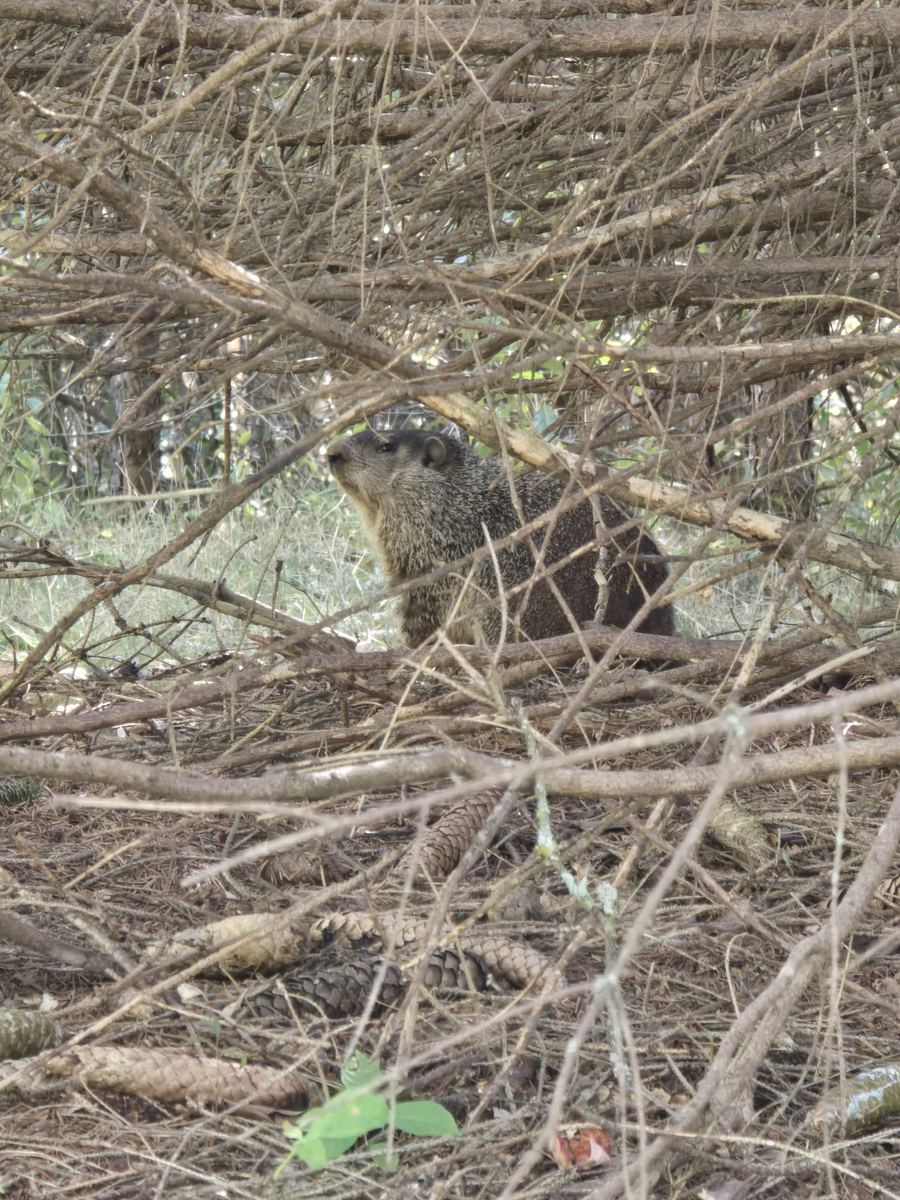
Tall weeds and messy woodpiles feel like a cozy hotel lobby to a groundhog searching for shelter. Cleaning up those hiding spots makes your yard feel exposed, which these cautious animals usually dislike very much.
Start by trimming low shrubs and bushes, especially those growing close to sheds, decks, and garden beds. Remove old lumber, stacked firewood, and forgotten objects that create shady pockets where digging feels safe and private.
I’m the first to admit my compost corner looked like a jungle before my groundhog moved in. Once I tidied the area and mowed regularly, the animal started spending far less time near my vegetable rows.
Fallen fruit acts like an open snack bar, so pick it up often during summer and early fall. Keep trash in tightly sealed containers, because easy meals encourage groundhogs to stay longer and explore more spots.
Cut back overgrown plants along fence lines, since tall growth hides tunnels and gives animals a safe travel path. Short grass lets you spot fresh holes quickly, which helps you respond before the damage spreads much further.
Habitat changes rarely solve the problem alone, but they make every other method work much better and faster. Think of this step as preparing the stage, so fences and repellents have a stronger chance of success.
4. Build A Sturdy Wire Fence Around The Vegetable Garden
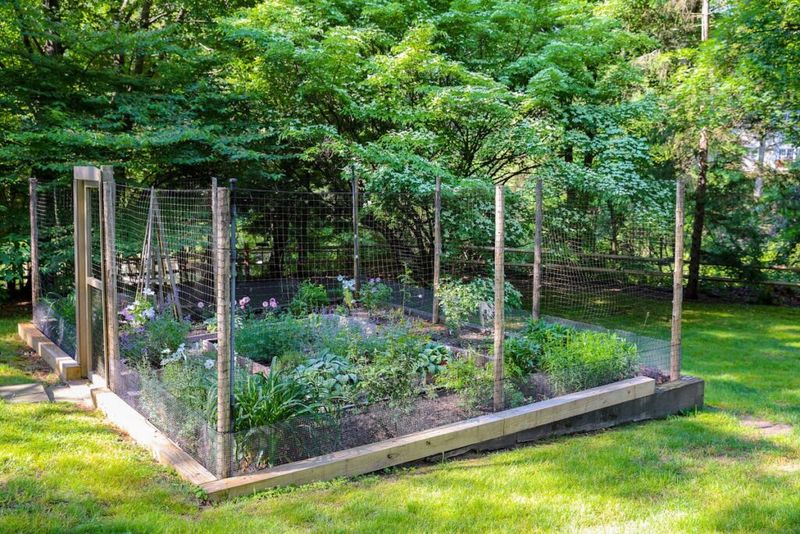
Groundhogs can climb and dig, so a flimsy garden fence often looks like a simple puzzle to them. A well-built barrier, though, remains one of the most dependable ways to protect your tomatoes and beans.
Choose chicken wire or welded wire with openings no larger than three by three inches for strong protection. The fence should stand three to four feet tall, with the top ten to fifteen inches bent outward.
Underground protection matters just as much, because these diggers happily tunnel beneath any barrier that stops at the surface. Bury the wire at least twelve inches deep, then bend the bottom outward in an L-shape for extra strength.
Guilty as charged, my first fence stopped at ground level, and my lettuce disappeared within two nights. After adding the buried footer, the groundhog dug a few frustrated holes and finally wandered off toward the woods.
Some gardeners prefer a floppy top, leaving the upper twelve to eighteen inches loose and unattached to posts. When the animal climbs, the wobbly wire bends backward, making the escape route feel shaky and quite unsafe.
Check the fence weekly for gaps, sagging spots, or fresh digging along the base during the growing season. Small repairs done early keep your harvest safe and spare you from rebuilding large sections later this year.
5. Add A Low Electric Wire For Stubborn Garden Raiders
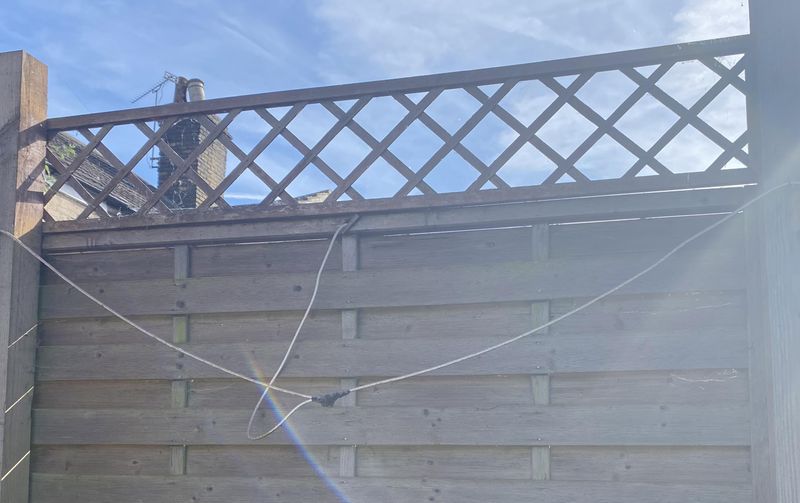
Some groundhogs treat a regular fence like a fun climbing wall, and those bold characters need extra persuasion. A single electric strand gives a quick, startling jolt that teaches them to avoid your garden boundary.
Place one wire about four to five inches above the soil, which matches the height of a groundhog’s nose. Set it four to five inches in front of your main fence, so animals touch it before climbing.
I didn’t expect such a small wire to work, but my clever visitor quit testing the fence quickly. Within a few days, the muddy scratch marks along the base stopped appearing, and my squash finally grew undisturbed.
Use a charger made for garden or livestock fencing, and follow the manufacturer’s directions closely for safe setup. Keep grass trimmed under the wire, since tall weeds touching it can drain power and weaken its effect.
Families with small children or curious pets should think carefully about placement and add warning signs nearby. Turning the charger off during garden work also prevents surprise shocks while you weed, water, or pick vegetables.
Electric wire works best as a partner to a sturdy fence, rather than replacing physical barriers on its own. Together, the two layers give your plants solid protection during the busiest months for hungry groundhogs.
6. Protect Decks And Sheds With Buried Hardware Cloth
Here’s what gets me about groundhogs: they seem to pick the exact spot where repairs cost the most money. Shady spaces under decks, porches, and sheds feel safe, so diggers often settle right beneath your favorite structures.
Extensive tunnels can weaken foundations, sidewalks, patios, and steps over time, which turns a nuisance into a real safety concern. Open holes also create tripping hazards for kids, pets, and anyone walking across the yard after dark.
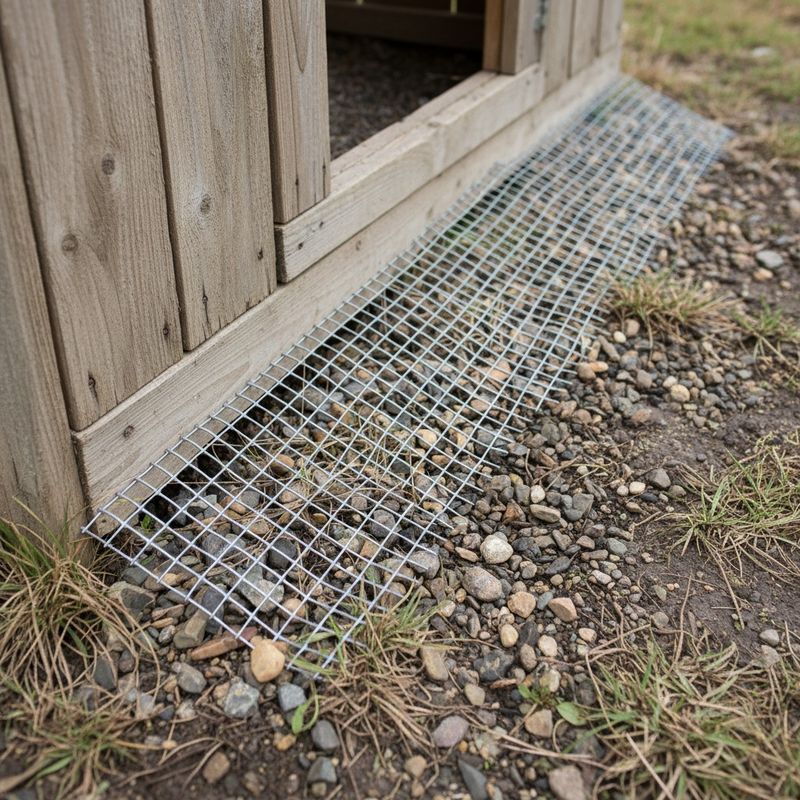
Sturdy hardware cloth buried around the base of these structures blocks new digging before trouble begins. Dig a trench about a foot deep, then bend the bottom of the mesh outward to stop tunneling underneath.
Call me stubborn, but I tried rocks and boards first, and the groundhog simply dug right around them. Galvanized mesh finally ended the problem, and my shed floor stopped sinking at the corner near the old burrow.
Timing matters here, because sealing an active den can trap an animal or babies inside the tunnel system. Confirm nobody is home before closing anything, especially during spring and early summer when young may be underground.
Check other gaps around your home too, including openings near the foundation, crawl spaces, and utility lines. Groundhogs sometimes chew wood or wiring, so sealing entry points early protects both your house and your wallet.
7. Try Smelly Repellents Near The Burrow Entrance
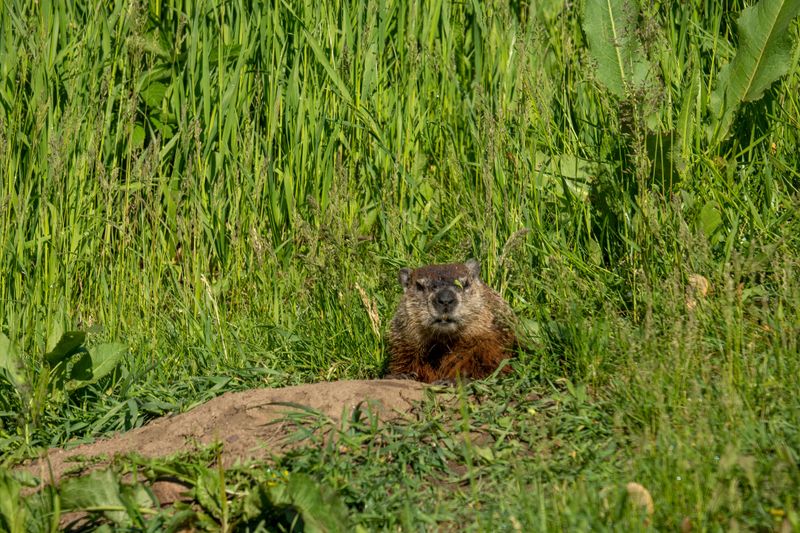
A groundhog’s nose works hard, so strong smells can sometimes convince it to find a quieter neighborhood. Repellents offer a gentle first step, though their success varies widely from one yard to the next.
Common options include castor oil products, cayenne pepper, capsaicin sprays, and predator urine sold at garden stores. Some people place used kitty litter inside a burrow, hoping the scent suggests a hungry cat lives nearby.
I used to think one sprinkle of pepper would do the job, but rain washed it away overnight. Most repellents fade quickly, so plan on reapplying them often, especially after storms or heavy watering in your garden.
Wear gloves when handling hot pepper products, and keep them away from your eyes, kids, and curious pets. Read every label carefully, since some products should not touch edible plants growing in your vegetable beds.
A smart trick involves placing a strong-smelling repellent inside an active burrow, then loosely covering the entrance with soil. Check it for several days, and if the dirt stays undisturbed, the animal has probably moved elsewhere.
Repellents work best as a nudge rather than a lasting fix for a determined digger. Combine them with fencing and habitat cleanup, and your chances of convincing the groundhog to leave improve quite a bit.
8. Follow Maryland Rules Before Setting A Live Trap
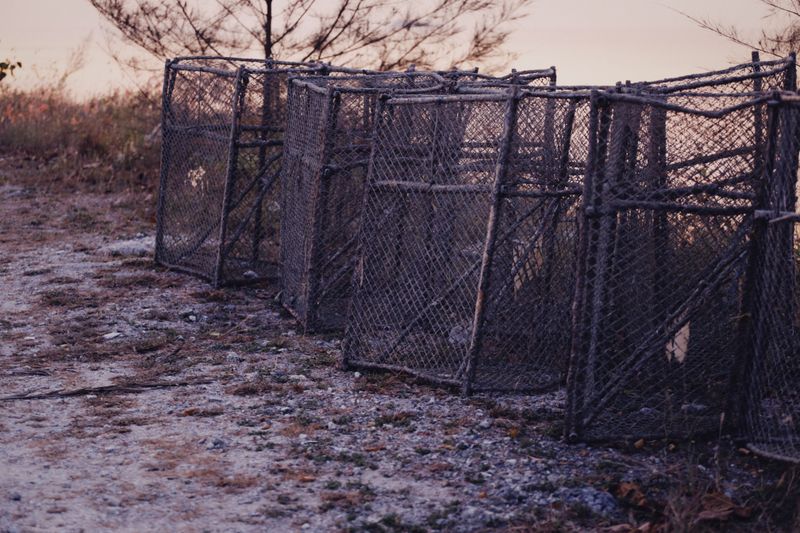
Trapping a groundhog sounds simple until you learn what the law expects after the cage door snaps shut. Maryland classifies groundhogs as unprotected mammals, but rules still apply once you trap one, so call the state’s nuisance wildlife line before setting a cage.
Under state rules, a trapped groundhog may be released on site, relocated under specific conditions, or humanely euthanized. Releasing it elsewhere is allowed only within the same or an adjacent county, and only with written permission from that property’s owner or managing authority.
Fair warning, dropping a groundhog at a park or along a roadside without written permission from the landowner or managing authority breaks Maryland’s rules. I almost made that mistake myself before reading the rules, so check before you load the trap into your car.
Bait a sturdy live trap with fresh fruits and vegetables, such as cantaloupe, apple slices, or crisp lettuce. Place it near an active entrance or along a well-worn path, then check it several times each day.
Timing makes a big difference for humane trapping, since mothers care for helpless babies underground during spring. Trap early in spring before births, or wait until early summer after the young have left to dig new homes.
Handle trapped animals carefully and wear thick gloves, because a stressed groundhog can bite with sharp front teeth. Covering the cage with a towel usually calms it and makes moving the trap safer for everyone.
9. Seal Empty Burrows And Call A Wildlife Pro When Needed
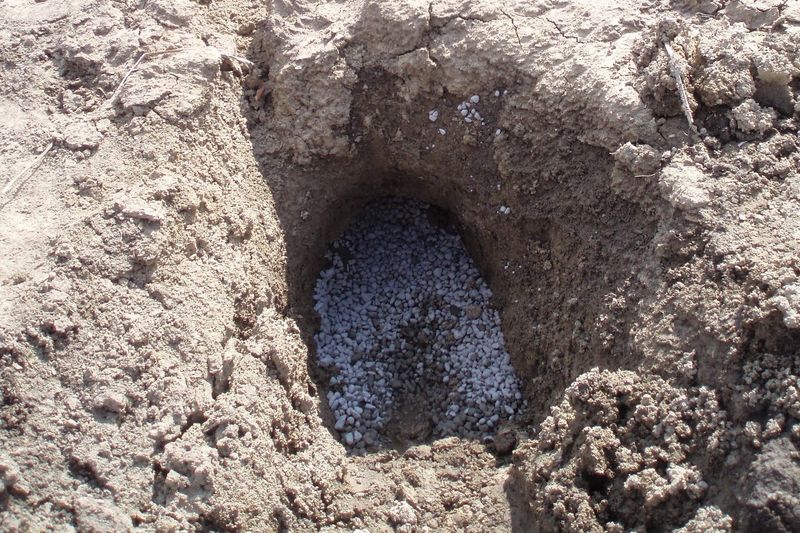
Once your groundhog finally packs up and leaves, those empty tunnels can invite a brand new tenant quickly. Closing them properly keeps skunks, foxes, or another groundhog from moving into a home already built for them.
First, make sure the burrow is truly empty, because filling an occupied tunnel can trap an animal underground. Loosely plug each entrance with soil or crumpled newspaper, then watch for several days to confirm nothing reopens it.
For a lasting fix, bury a three-foot square panel of heavy welded wire centered over each hole. The mesh should have openings no larger than three inches, and it should sit at least one foot deep.
Truth is, some situations feel bigger than a weekend project, especially when burrows sit beneath foundations or porches. Licensed wildlife control operators in Maryland know the legal rules and can handle trapping, removal, and exclusion work safely.
The state Department of Natural Resources runs a nuisance wildlife hotline at 1-877-463-6497 for helpful guidance. Staff can point you toward licensed professionals in your area and answer questions about laws in your county.
Keep an eye out for strange behavior, because groundhogs are mammals and can carry rabies on rare occasions. Any groundhog acting unusually aggressive without reason deserves caution, so stay back and contact local animal control right away.