Why California Gardeners Plant Onions And Shallots In November
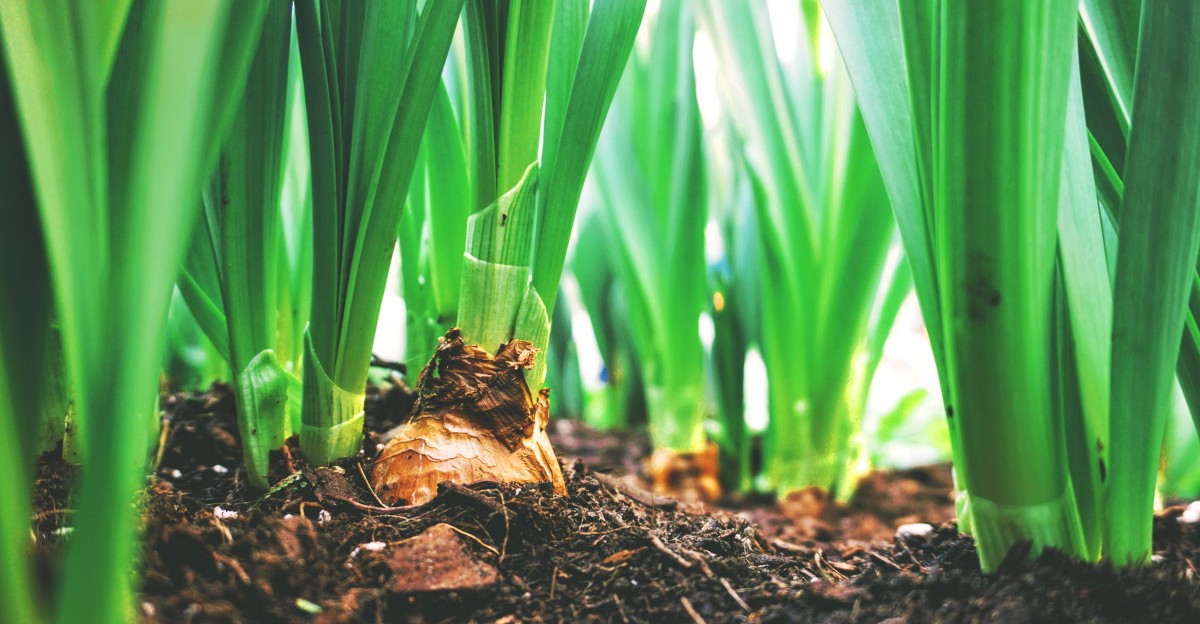
Onions use the length of the day as a signal for when to start forming bulbs, which explains why choosing the right variety matters so much in California.
A plant can grow plenty of healthy green leaves and still produce disappointing little bulbs if its daylight needs don’t match your region.
November offers a useful head start. Cooler soil gives young roots time to settle in, and California’s relatively mild winters allow many varieties to keep growing while other garden beds slow down. That extra time can make a real difference when spring arrives.
I used to think bigger onions came down mostly to rich soil and regular watering. Variety, planting depth, and the timing of those first few weeks matter just as much. Shallots bring another little reward, too, multiplying into clusters from individual bulbs.
A few simple choices now can bring a lovely harvest to your kitchen next year. Wouldn’t that be a satisfying use of a November afternoon?
1. Short Day Onions Match California Daylight
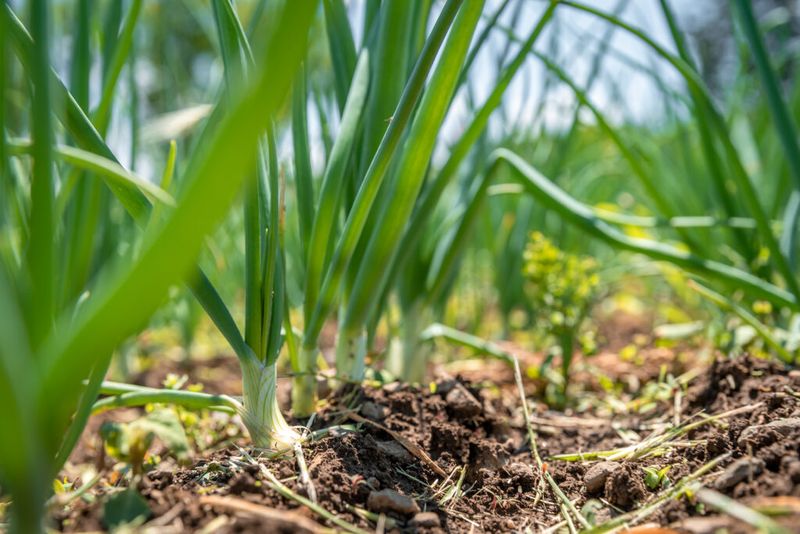
Onions are a bit like tiny calendars, because they wait for a certain number of daylight hours before swelling. Scientists call this day-length sensitivity, and it explains why the wrong variety can leave you with skinny green stalks.
Short-day onions start forming bulbs when days reach roughly 10 to 12 hours of light each spring. Long-day types usually need 14 hours or more, which most of our southern and central regions rarely provide.
I learned this the hard way after planting a northern variety that grew lovely leaves and no real bulbs. You can skip that heartbreak by reading the seed packet or nursery tag before you buy anything.
Reliable short-day choices include Texas Early Grano, Yellow Granex, and red types like Red Creole for warmer gardens. Intermediate-day onions can also work well in Northern areas, so check advice from your county extension office.
Planting in fall gives short-day onions months to build leaves before lengthening spring days trigger bulbing. Each green leaf becomes a ring inside the finished bulb, so more leaves often mean a bigger harvest.
I like how this simple biology turns a winter garden into a quiet onion factory without much fuss. You mostly need patience, steady moisture, and a variety that matches the light where you actually live.
Once you understand the daylight trick, choosing seeds feels less like guessing and more like smart planning. Your kitchen will thank you when those sweet, crisp bulbs finally show up on the cutting board next spring.
2. Cool Soil Helps Onion Transplants Root Deeply
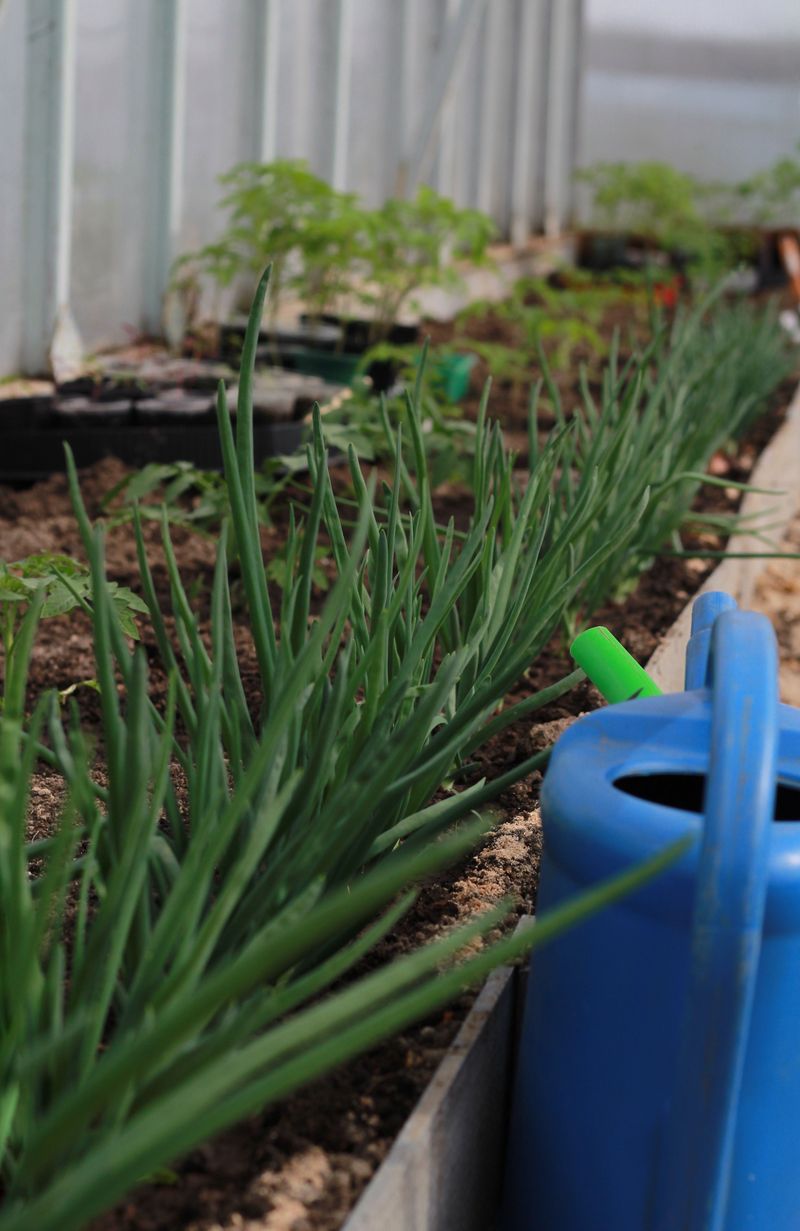
Cool, damp soil in late fall is basically a spa for young onion roots looking to settle in. Warm summer ground can stress tender transplants, while gentler temperatures let them grow without wilting under harsh afternoon sun.
University of California experts suggest planting bulb onions in many valley regions from fall through winter for best results. Earlier plantings usually give the biggest bulbs, because the plants have more time to grow strong leaves first.
When I bring home a bundle of thin transplants, I trim any long, straggly roots to about an inch. Then I set each one about one inch deep and four inches apart in loose, crumbly soil.
You want the white base buried just enough to stand upright without being pushed too deep underground. Planting too deep can lead to long necks and smaller bulbs, which feels disappointing after months of care.
Desert gardeners face a tighter window, so getting plants in early matters even more there than near the coast. Coastal and inland valley gardens often have a little more wiggle room, though earlier still tends to win.
Fall rains usually help with watering, but dry spells happen, so keep an eye on the top inch of soil. A quick finger test tells you more than any schedule, and it takes just a few seconds daily.
Strong roots set up now give the plants a sturdy foundation for the heavy lifting of bulb formation later on.
3. Shallot Bulbs Multiply Into Tasty Clusters
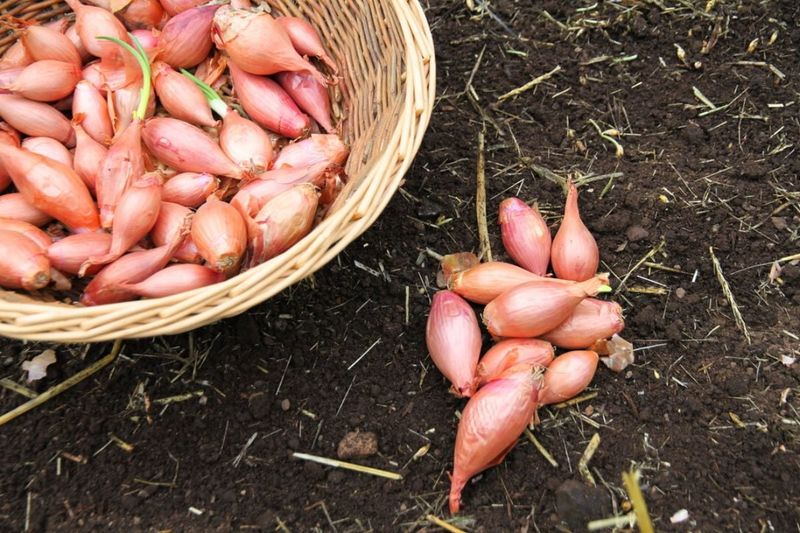
Plant one shallot clove in fall, and you may pull up a cozy cluster of several bulbs by early summer. That clever multiplying habit makes shallots feel like a bonus prize hiding beneath your garden soil.
Shallots belong to the same species as onions, Allium cepa, in a group often called aggregatum. Instead of forming one large bulb, each plant divides into a bunch of smaller, flavorful bulbs huddled together.
Personally, I think shallots taste like a softer, sweeter onion with a gentle hint that reminds some cooks of garlic. They melt beautifully into sauces, and a little homegrown batch goes surprisingly far in everyday recipes.
Set individual bulbs pointy end up, with the tips just peeking above the soil surface, about six inches apart. Leave enough space between rows so you can weed easily without bumping into the growing clusters later.
Buy shallot sets from a trusted garden supplier instead of grocery store bulbs, which may carry diseases or sprouting inhibitors. Clean, healthy planting stock gives your crop a much better shot at thriving through the cool months.
Fall planting lets the roots spread before spring growth kicks into high gear, which supports bigger, fuller clusters. You can also snip a few green tops in late winter for a mild garnish on soups and eggs.
I love saving a few of the best bulbs to replant the following autumn, keeping the cycle going year after year.
4. Rich Loose Soil Grows Plump Onion Bulbs
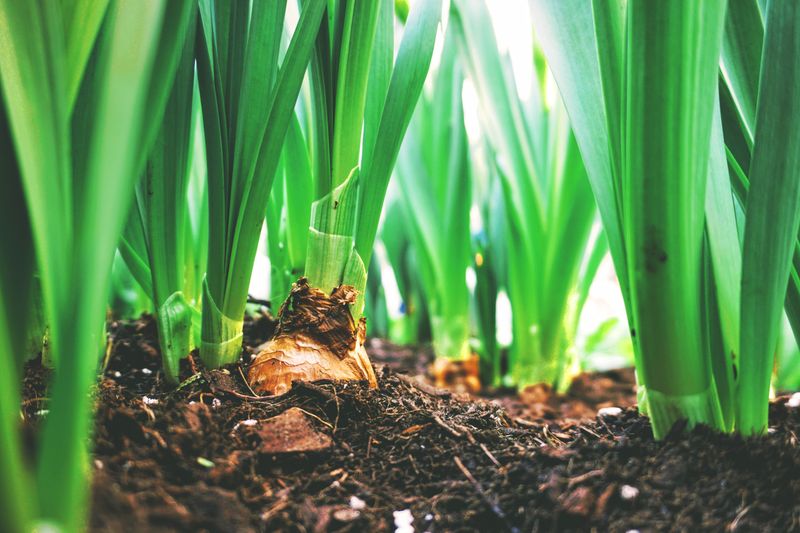
Onions push sideways as they grow, so heavy clay can literally squeeze them into odd, lumpy shapes. Loose soil lets each bulb expand freely, and you will notice the difference when harvest time finally arrives.
Before planting, work two or three inches of compost into the top several inches of your garden bed. This organic matter improves drainage in clay and helps sandy soil hold onto water a little longer.
Both onions and shallots want full sun, ideally at least six hours of direct light each day. A bright spot also helps winter beds dry out between rains, which lowers the risk of rot problems.
I like adding a balanced fertilizer at planting time, then feeding again with some nitrogen during late winter. Onion roots are shallow and short, so they cannot reach far for nutrients the way bigger vegetables can.
Stop feeding once bulbs begin to swell noticeably in spring, because extra nitrogen can delay maturity and weaken storage. You want the plant focusing its energy on the bulb, not on producing more and more floppy leaves.
Raised beds work wonderfully if your native ground drains poorly after heavy winter storms soak through the yard. They warm a bit faster in spring, too, which gives the plants a cheerful boost when growth speeds up.
Good soil prep feels like boring homework, but it quietly pays off with firm, round, handsome bulbs.
5. Mild Winters Let Onion Leaves Keep Growing
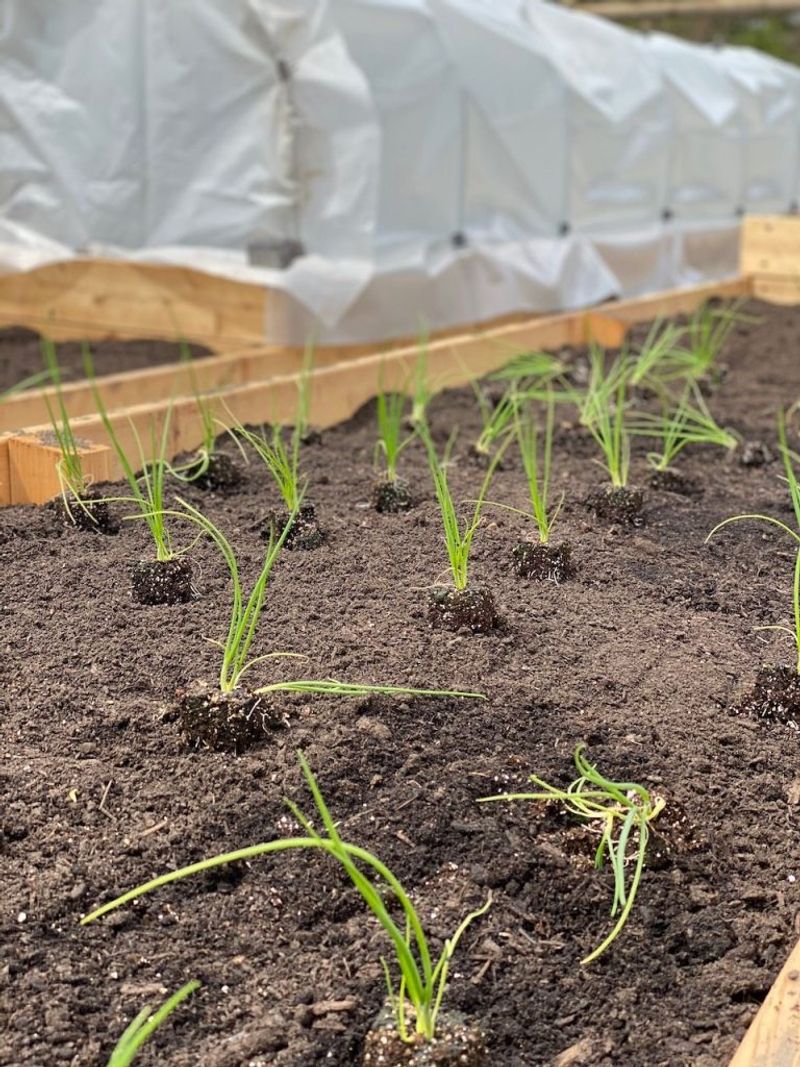
While gardeners in snowy states are flipping through seed catalogs, many of us can watch onion leaves grow outdoors. Our mild winters often allow slow, steady growth that sets the stage for impressive spring bulbs.
Young onions handle cool weather well, and light frosts usually leave established plants looking just fine afterward. That toughness means the leaves can keep stacking up through chilly months instead of sitting idle under snow.
Every healthy leaf matters, because onion bulbs form from the swollen bases of those leaves stacked together. More leaves before bulbing generally means more layers, which translates into a larger, juicier onion at harvest.
I have to admit, walking past a patch of upright green onion tops on a gray morning lifts my mood. It feels like the garden is quietly working overtime while most other beds take a winter break.
Keep weeds pulled during this stretch, because onions have narrow leaves that cannot shade out competitors very well. A thin layer of straw or shredded leaves helps block weeds and keeps the soil a bit more even.
Watch for winter puddles, since soggy ground can lead to rot in both onions and shallots over time. If water lingers after storms, consider raising the bed or adjusting the grade before next season arrives.
Patience during these slow months sets up the satisfying spring growth spurt you will enjoy soon.
6. Steady Watering Prevents Split Shallots And Onions
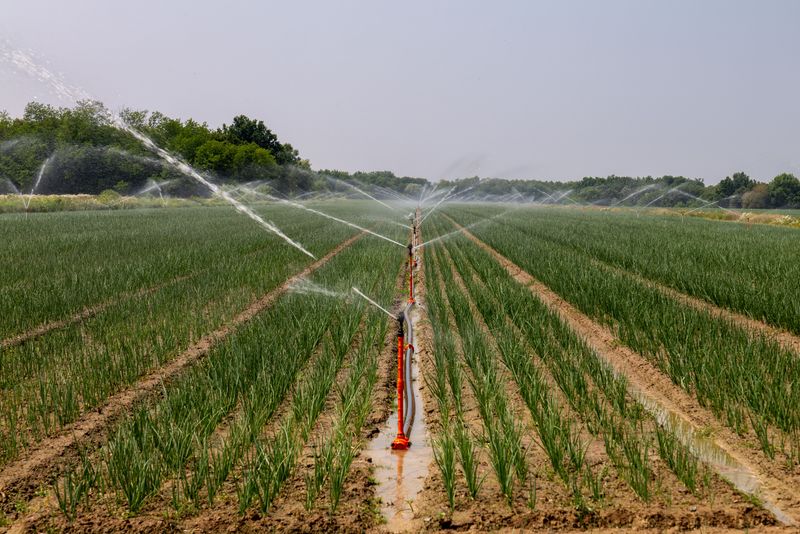
Onions have surprisingly short roots, which means they get thirsty faster than you might expect during dry spells. Most of their roots stay in the upper soil layers, so the surface drying out affects them quickly.
Winter rains may handle much of the watering, but our storms can arrive in bursts with long dry gaps. Check the soil a few inches down, and water deeply whenever it feels dry to your fingertip.
Uneven moisture can lead to split bulbs or doubled bulbs, especially once spring warmth pushes rapid growth. I aim for steady, even watering rather than a big flood followed by a long stretch of neglect.
Drip lines or soaker hoses are my favorite tools, since they deliver water straight to the root zone. Keeping leaves dry also helps reduce fungal problems like downy mildew that often show up during humid weather.
Mulch helps hold moisture in the soil, which smooths out the ups and downs between watering days. It also keeps the soil cooler later in spring, giving bulbs a bit more comfortable time to size up.
As harvest approaches and tops begin falling over, you can ease off watering to help bulbs cure. Drier soil at the end encourages tight necks and papery skins, which help onions store well for months.
Paying attention to water may sound simple, yet it often separates average bulbs from truly beautiful ones.
7. Fallen Onion Tops Signal An Early Harvest
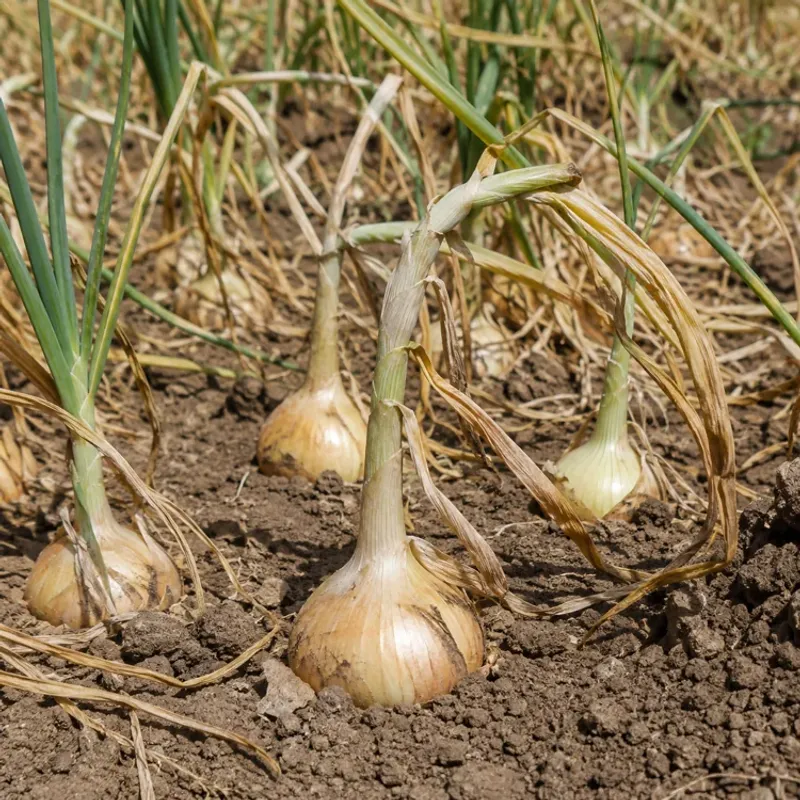
Few garden moments feel better than seeing onion tops flop over on their own one warm spring afternoon. That bending is the plant’s way of saying the bulb is nearly finished and ready for harvest soon.
Short-day onions planted in fall often mature in late spring or early summer, depending on your region. Inland valley gardens tend to finish earlier, while cooler coastal areas may stretch harvest a little later into summer.
Wait until most of the tops have fallen and begun to yellow before pulling the bulbs from the soil. Gently loosen the ground with a fork if needed, so you avoid bruising the tender outer skins.
Shallots follow a similar pattern, with leaves yellowing as clusters mature, usually around early summer for fall plantings. I love brushing the soil off a fresh cluster and admiring those copper skins glowing in the sunlight.
Cure your harvest in a dry, shady, airy spot for about two to three weeks before storing it. Once the necks feel tight and the skins rustle, trim the tops and keep bulbs somewhere cool and ventilated.
Keep in mind that sweet short-day onions usually store for a shorter time than pungent long-day types. Plan to enjoy them fresh in salads and salsas, while shallots often last longer in a cool pantry.
That early harvest makes those patient winter months feel completely worth the wait, with delicious flavor waiting.