That Silver Bug In Your Pennsylvania Bathroom Is Harmless
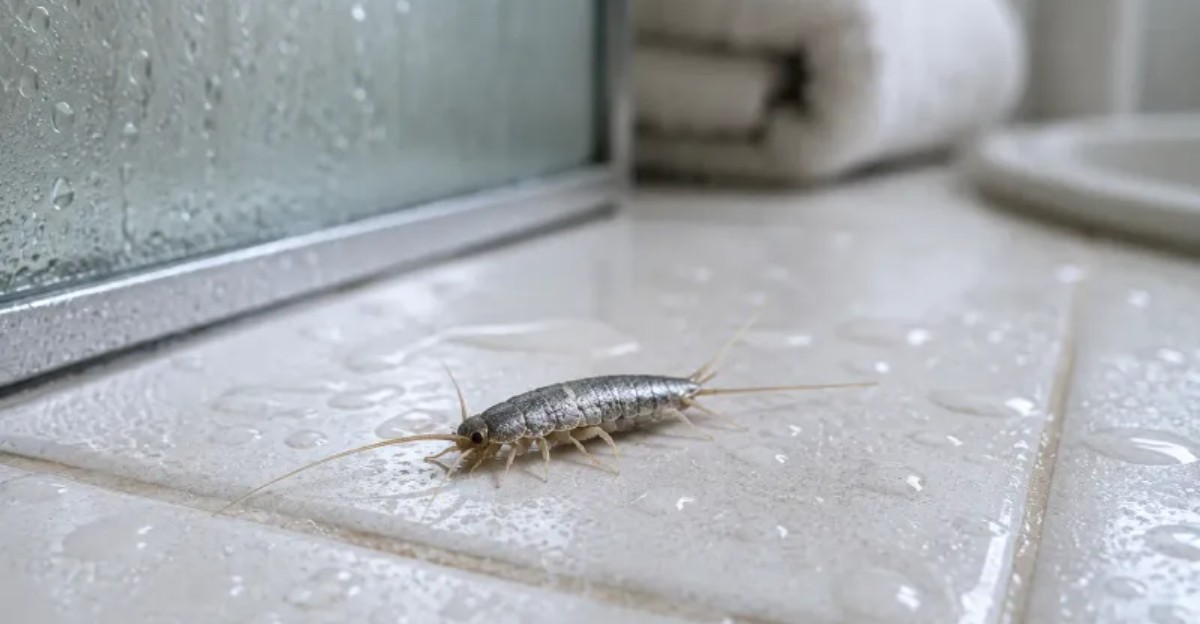
The little creature racing across your bathtub tonight belongs to a lineage older than the dinosaurs.
Its ancestors were scurrying around roughly 400 million years ago, long before flowers or grass existed, and today they still thrive in homes all across Pennsylvania.
I flipped on the light one muggy Pennsylvania night and caught a shiny gray streak sliding under the bath mat. My heart jumped, and my first thought was bites. A little reading later, I felt silly for panicking.
You might notice these speedy visitors mostly after dark, near the tub, sink, or a damp stack of towels. They wiggle like a tiny fish, shimmer like tinfoil, and disappear faster than you can grab a tissue.
They are not interested in you at all. Their real interest sits on your shelves, inside your cabinets, and maybe even in that box of old family photos you tucked away last spring.
That Shiny Wiggling Bathtub Visitor Has a Surprisingly Long Résumé
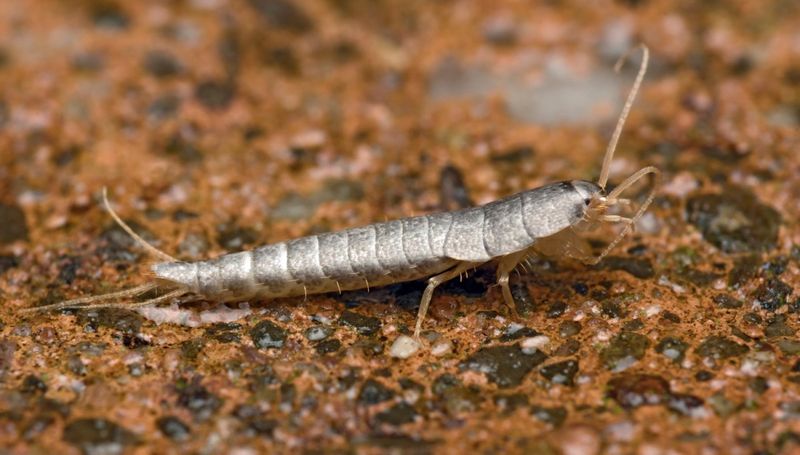
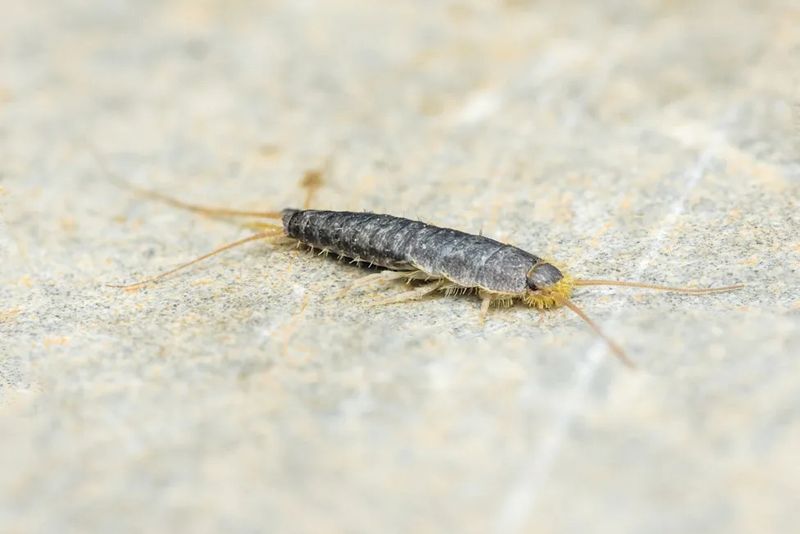
Meet the silverfish, a wingless insect scientists call Lepisma saccharina. Its body is shaped like a skinny teardrop, about half an inch long, and covered in tiny silver scales that catch the light.
Look closely and you will spot two long antennae up front and three bristly tails at the back. That wiggly, side-to-side way it runs is exactly how it earned the fish part of its name.
Silverfish belong to one of the oldest insect groups on Earth. Fossils of their close relatives date back hundreds of millions of years, so they were around well before any dinosaur stomped through ancient forests.
They are also remarkably tough. Penn State Extension and other university sources note that silverfish can live for several years and go months without food, which helps explain how they quietly hang on in older homes.
Many people confuse them with firebrats, a close cousin that prefers hot spots near furnaces and water heaters. Firebrats look more mottled and brownish, while silverfish stay uniformly shiny gray.
Knowing which one you have helps a lot later. Silverfish point you toward damp, cool areas, while firebrats point you toward warm corners like the boiler room or attic.
Silverfish Do Not Bite, Sting, or Spread Disease
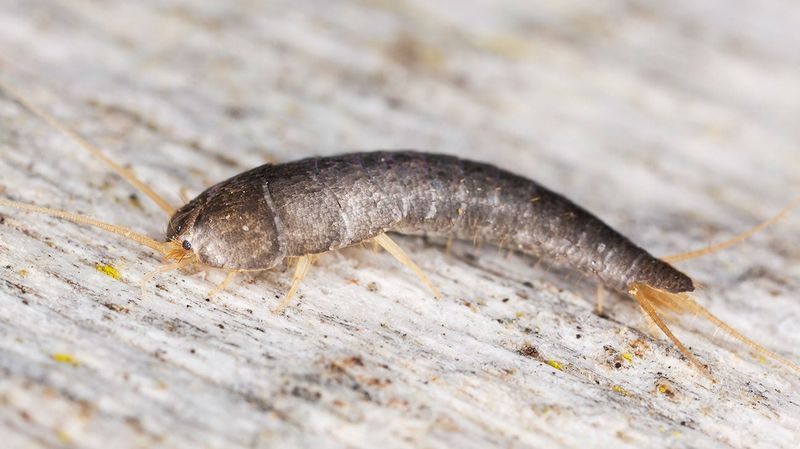
Relax, your toes are safe. Silverfish have tiny chewing mouthparts built for scraping starch off paper, not for piercing skin.
They have no stinger, no venom, and no interest in human blood. Health and university sources agree they are not known to carry or spread disease to people or pets.
So if your cat swats one off the bathroom floor and gobbles it up, there is no reason to panic. The insect is just a crunchy, odd snack with no poison inside.
The only health note worth mentioning involves allergies. Silverfish shed their skins many times during their lives, and those shed skins plus tiny droppings can collect in dusty corners.
For most folks this means nothing at all. A few people with dust allergies or asthma may react to that buildup, much like they react to other household dust.
Regular vacuuming along baseboards and under the sink handles that small concern easily. I keep a crevice tool attached during my weekly bathroom cleanup, and it reaches right into the gaps where shed skins tend to settle.
Bottom line, these shimmery bugs are a nuisance, not a danger. You can take a deep breath and move on to smarter solutions.
Steamy Showers Make Your Bathroom a Silverfish Spa
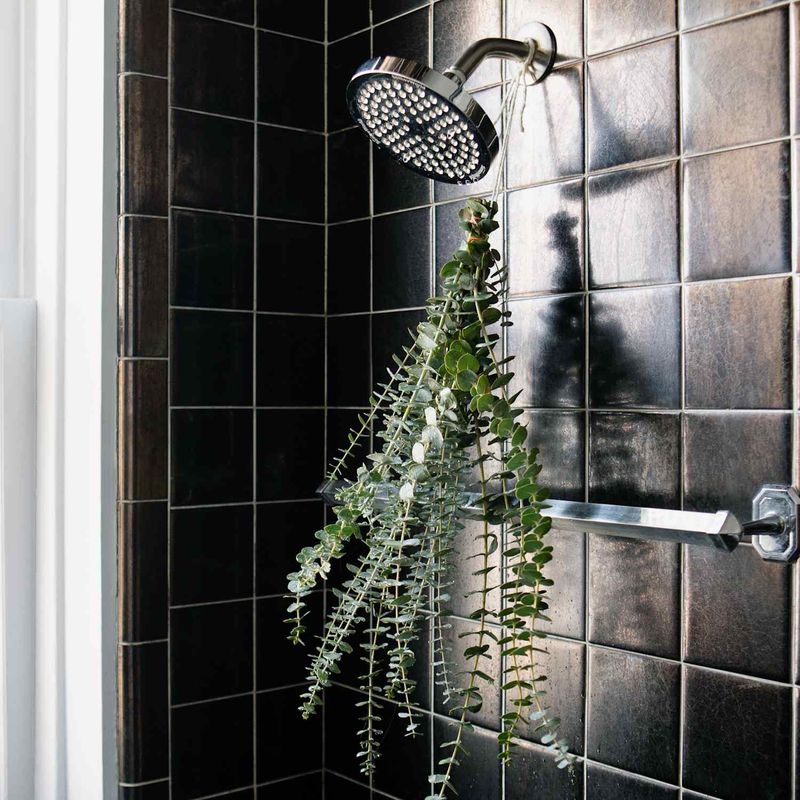
Hot showers feel wonderful, and silverfish agree in their own way. Every steamy rinse raises the humidity, and these insects crave damp air to stay alive.
Pest experts report silverfish do best when humidity sits around 75 percent or higher. Pennsylvania summers already bring sticky air, and a bathroom without good airflow can stay humid for hours after everyone is dressed.
Dark hiding spots seal the deal. They tuck themselves behind loose tiles, under sinks, inside wall gaps, and beneath bath mats during the day.
Leaks matter too. A slow drip under the vanity or a sweaty cold water pipe creates a steady little oasis that keeps a colony comfortable year round.
That is why so many people find silverfish stranded in the bathtub. They wander in for moisture, then cannot climb the slick sides back out.
Finding one stuck in the tub is actually a useful clue. It tells you moisture is drawing them in, and moisture is something you can change.
Basements in older Pennsylvania homes often share the same problem. If your bathroom sits above a damp cellar, the insects may be traveling up through pipe openings to reach that extra steam.
Old Books and Cardboard Boxes Are Their Favorite Buffet
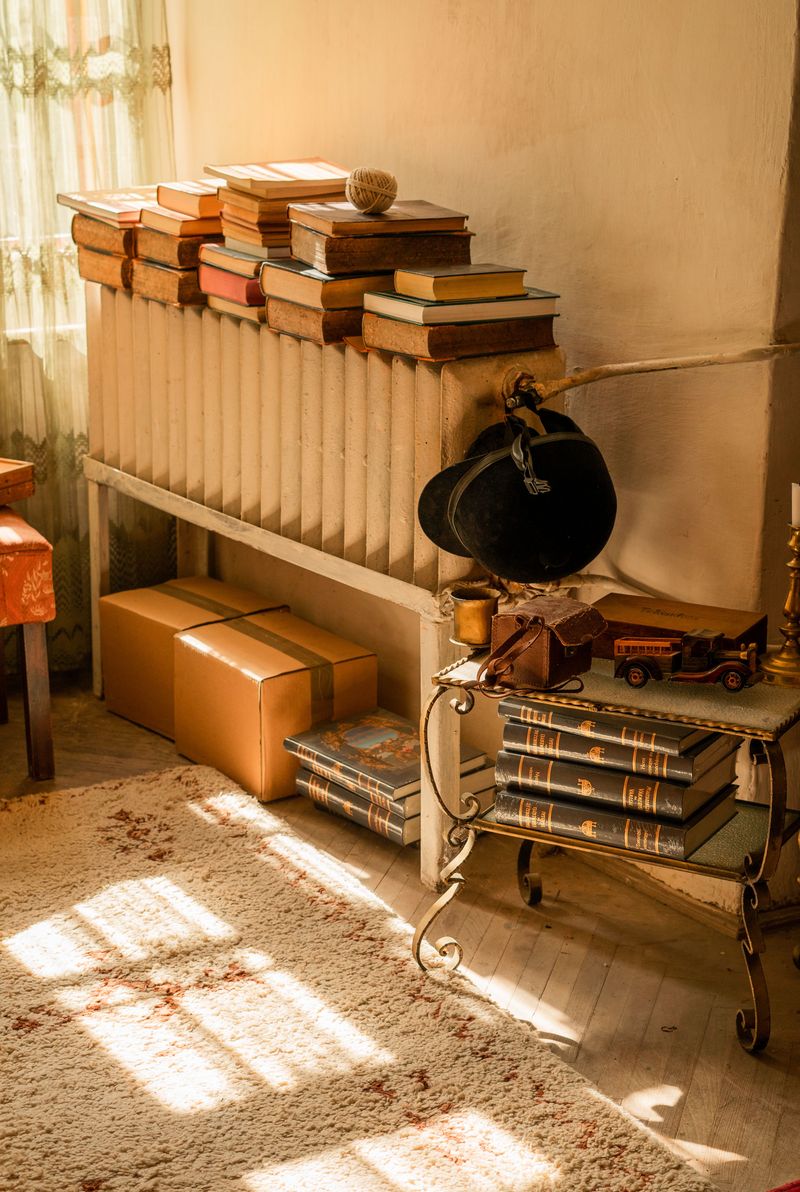
Harmless to you does not mean harmless to your stuff. Silverfish love starch, sugar, and cellulose, and your home is packed with all three.
Paper is a top pick, especially glossy magazines, book bindings, and the glue behind wallpaper. Cardboard boxes in the basement are basically a snack bar with walls.
They also nibble on cotton, linen, and rayon fabrics, plus spilled flour, cereal, and dried pet food. Some even munch on shed skin flakes and hair, which is a little gross but true.
Damage looks like ragged holes, scraped surfaces, or thin, irregular notches along paper edges. Yellowish stains sometimes appear too.
My grandmother’s recipe cards learned this the hard way. They sat in a damp cardboard box for years, and the corners came out looking like lace.
Photographs, wedding albums, old letters, and important documents deserve the most protection. Move them into sealed plastic bins and store them somewhere dry, not in a muggy basement corner.
Food goes into airtight containers as well. Glass jars or snap-lid tubs keep flour and cereal off the menu.
Small changes like these quietly cut off their food supply, and a hungry silverfish is much more likely to wander off.
Pepper-Like Droppings and Shed Skins Give Silverfish Away
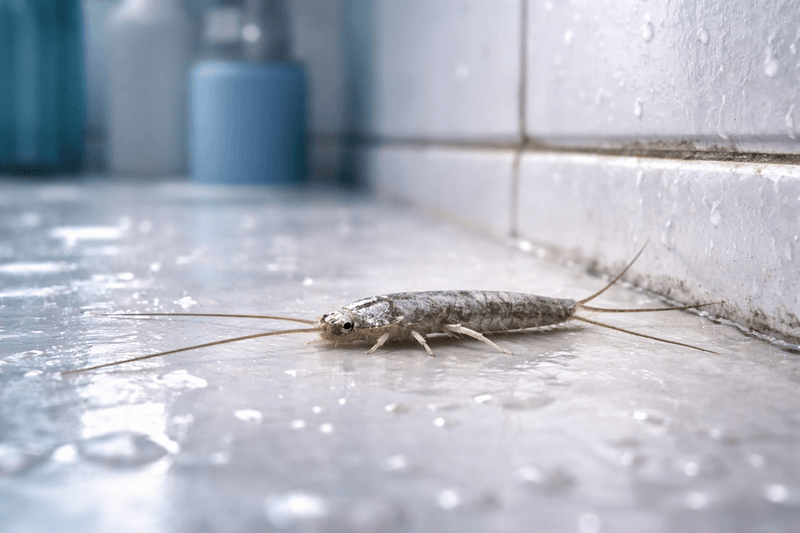
Here is a fun detective job for a rainy evening. Silverfish are night owls, so you rarely catch them out in daylight, but they leave clues everywhere.
First, check for droppings. They look like tiny black or dark pepper flakes scattered along shelves, drawers, and the back corners of cabinets.
Next, look for shed skins. Silverfish molt many times, even as adults, and the leftover skins appear as thin, see-through, silvery shells.
Yellow smudges on paper or fabric can also point to their activity. So can scraped-looking spots on wallpaper near the ceiling or around the tub.
For a quick test, try a simple trap. Wrap a small glass jar in masking tape so they can climb up, then drop a piece of bread inside.
Leave it overnight under the sink. Silverfish crawl in for the snack but cannot escape the smooth glass, so you get an honest count by morning.
Sticky traps from the hardware store work well too. Place them along baseboards and behind the toilet, then check after a few days.
Counting your catch tells you whether you have a couple of strays or a bigger group worth addressing seriously.
An Exhaust Fan and Dehumidifier Send Silverfish Packing
Drying things out is the single best move you can make. Without moisture, silverfish struggle to survive, and they start looking for a better address.
Run your bathroom exhaust fan during every shower and for about 20 to 30 minutes afterward. If you lack a fan, crack a window or leave the door open to let steam escape.
A dehumidifier makes a huge difference in damp basements and windowless bathrooms. Aim to keep indoor humidity below about 50 percent, which most university extension programs recommend for discouraging moisture-loving pests.
A cheap digital hygrometer helps you track progress. I keep one on a bathroom shelf, and it surprised me how long humidity stayed high after a shower.
Fix drips quickly. A leaky faucet, sweating toilet tank, or loose pipe connection feeds silverfish a steady water supply.
Hang towels to dry instead of leaving them in heaps. Wet laundry piles make cozy, damp hideouts.
Pennsylvania humidity peaks in summer, so this matters most from June through September. Winter heating dries homes naturally, but basements can stay damp all year.
Once the air dries out, you will likely see fewer silverfish within a few weeks, no harsh sprays needed.
Sealing Cracks Around Pipes and Baseboards Blocks Their Hideouts
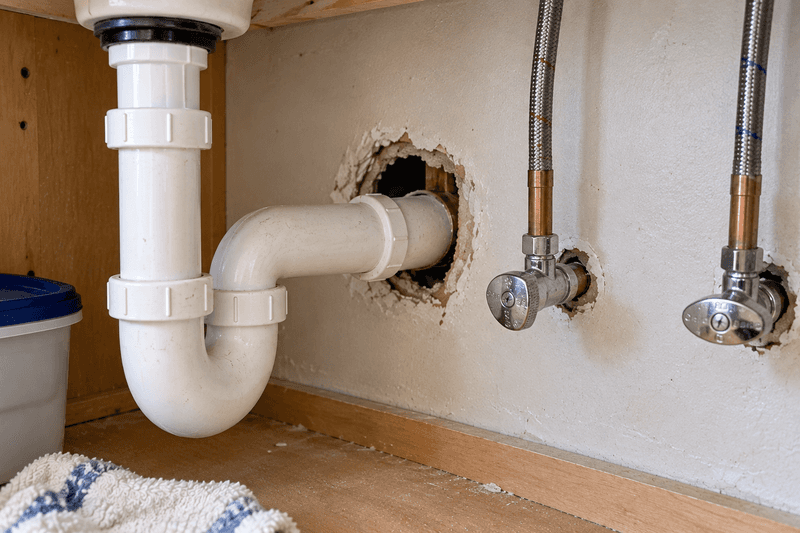
Grab a tube of caulk and make an afternoon of it. Silverfish slip through gaps thinner than a credit card, so sealing those openings removes both hiding spots and travel routes.
Start under the sink where pipes enter the wall. Those openings are often loosely cut and lead straight into damp wall cavities.
Next, run a bead of caulk along baseboards, around the tub, and near loose tiles. Cracked grout deserves attention too, since silverfish happily squeeze behind it.
Clutter counts as a hideout as well. Old magazines, stacked boxes, and piles of paper bags under the sink give them dark, undisturbed shelter.
Keep cabinets tidy and swap cardboard storage for plastic bins. Be careful with secondhand books and moving boxes, because silverfish often hitch rides inside them.
Outdoors, check the foundation for cracks and keep mulch or leaf piles pulled back a few inches from the house. Damp mulch against siding can invite moisture-loving insects closer.
For stubborn cases, boric acid or diatomaceous earth dusted lightly into cracks can help. Use them carefully, follow label directions, and keep them away from kids and pets. Small repairs like these pay off for years.
A Few Silverfish Signal Moisture, Not a Dirty House
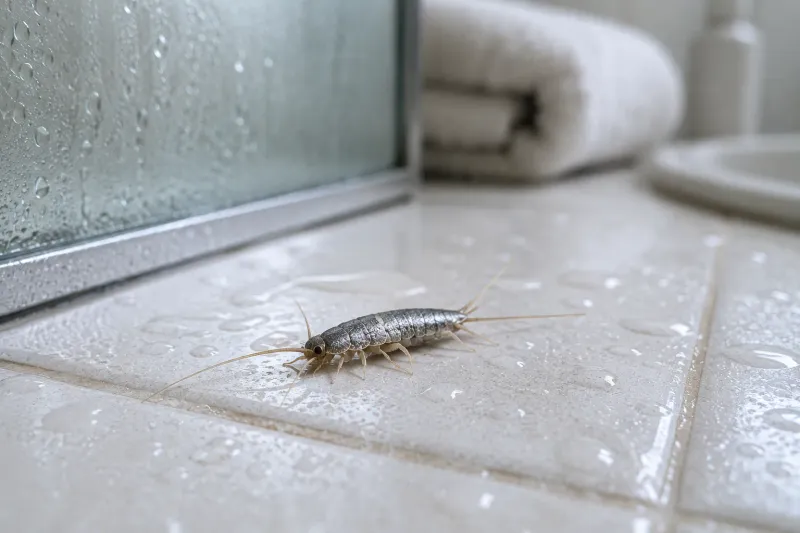
Spotting one silverfish does not mean your house is grimy. Spotless homes get them too, because the real attraction is humidity rather than mess.
Think of them as tiny moisture meters with legs. When they show up, they are telling you something about leaks, ventilation, or damp storage areas.
One or two now and then is normal, especially during muggy Pennsylvania summers. Seeing several every night, or finding damage on books and fabrics, means it is time to tighten things up.
Start with the steps that cost the least. Dry the air, fix drips, seal gaps, and protect your paper and food in sealed containers.
If numbers stay high after a month or two, a licensed pest professional can look for hidden moisture problems inside walls or crawl spaces. Sometimes they uncover a leak you never knew existed.
Honestly, I have grown a little fond of these ancient survivors. They outlasted the dinosaurs, after all, which is pretty impressive for something smaller than a paper clip.
So next time a silver streak zips across your tile, skip the scream. Grab a jar, check your humidity, and give your bathroom the dry, breezy makeover it was asking for.