How to Turn Fallen Leaves Into Free Garden Gold in Ohio
A single mature shade tree can drop a few hundred pounds of leaves in one autumn. Every one of those leaves is packed with minerals the tree pulled up from deep in the soil all summer long.
I used to stuff all of it into paper bags and drag them to the curb. Guilty as charged. My back ached, my weekends vanished, and my garden beds stayed thin and tired.
Truth is, the stuff piling up on your lawn right now is worth real money at the garden center. People pay for bagged mulch, compost, and soil conditioner every spring. Meanwhile, the same raw material lands in Ohio yards for free each October and November.
Then why are so many of us giving it away? And what happens when you finally decide to keep it?
That Pile of Raked Leaves Is Worth More Than It Looks
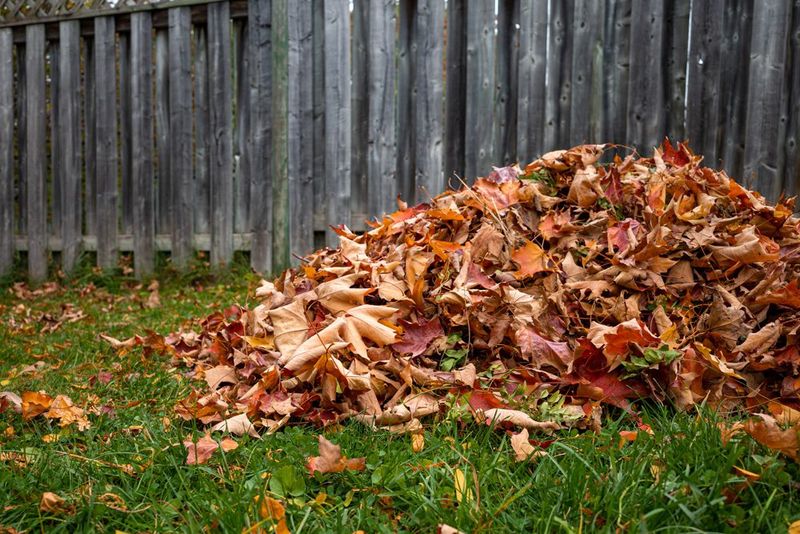
Trees are sneaky little miners. Their roots pull calcium, potassium, magnesium, and other nutrients from the soil, and a good share of those end up stored in the leaves.
When leaves fall and break down, that bounty slowly returns to the ground. In a forest, nobody rakes, and the soil stays dark, loose, and full of life. Your yard can work the same way with a little help.
Leaves add organic matter, which is the secret ingredient most Ohio soils need. Much of the state sits on heavy clay that cracks in summer and stays soggy in spring. Organic matter helps clay drain better and helps sandy spots hold water longer.
There is a wildlife bonus too. Ohio State University Extension and the National Wildlife Federation point out that leaf litter shelters overwintering insects, including many moth and butterfly caterpillars and pupae. Fireflies, ground beetles, and spiders hide there as well, and songbirds count on those insects come spring.
I used to think a tidy, bare yard was the goal. Now I see bare soil in November as a missed opportunity. Keeping leaves on your property saves money on mulch, cuts down on curbside hauling, and feeds the soil you depend on every season.
Run Your Mulching Mower Right Over Those Leaves on the Lawn
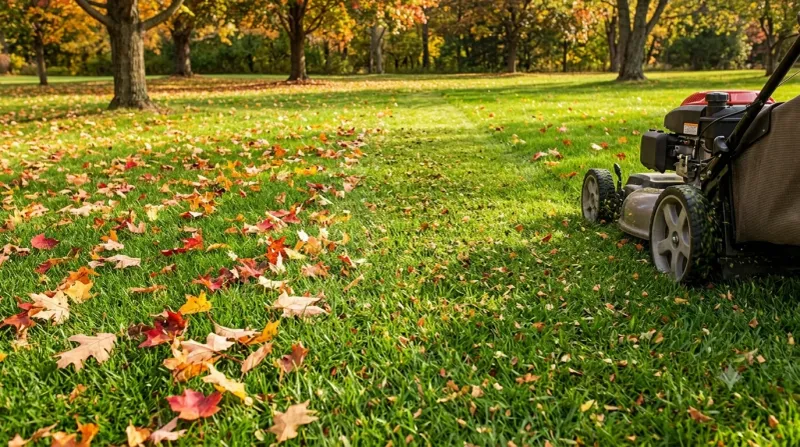
My favorite leaf trick takes about as long as a normal mowing. Set your mower to about three inches, skip the bag, and drive right over dry leaves.
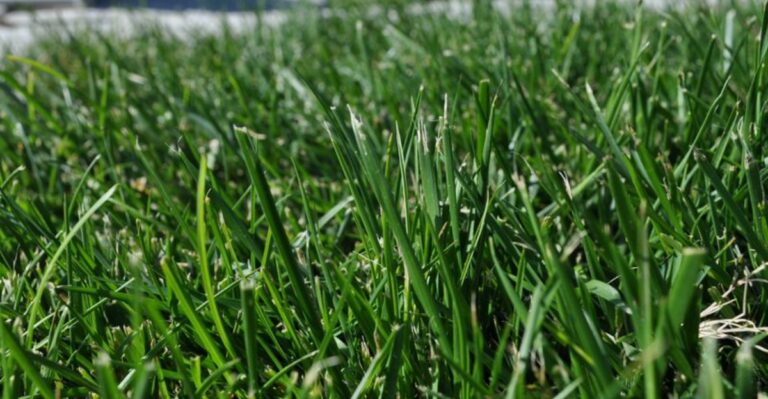
The blades chop leaves into bits about the size of a dime or smaller. Those pieces settle between grass blades, where earthworms and microbes break them down over winter. Research from Michigan State University found that mowed leaves did not hurt turf, and lawns often greened up nicely the next spring.
A few rules keep this working well:
Mow when leaves are dry, since wet leaves clump and clog the deck. Go over thick spots twice, or switch directions on the second pass. After mowing, you should still see plenty of green grass peeking through.
If leaves are piled so deep that the lawn disappears, rake some off first. A heavy, matted layer blocks light and can invite snow mold on cool-season grasses like Kentucky bluegrass and tall fescue.
Most lawns in Ohio can handle a fair amount of chopped leaves each week through the fall. Mowing every few days during peak leaf drop keeps the job light and easy.
Shredded Leaves Make a Cozy Winter Mulch for Perennial Beds
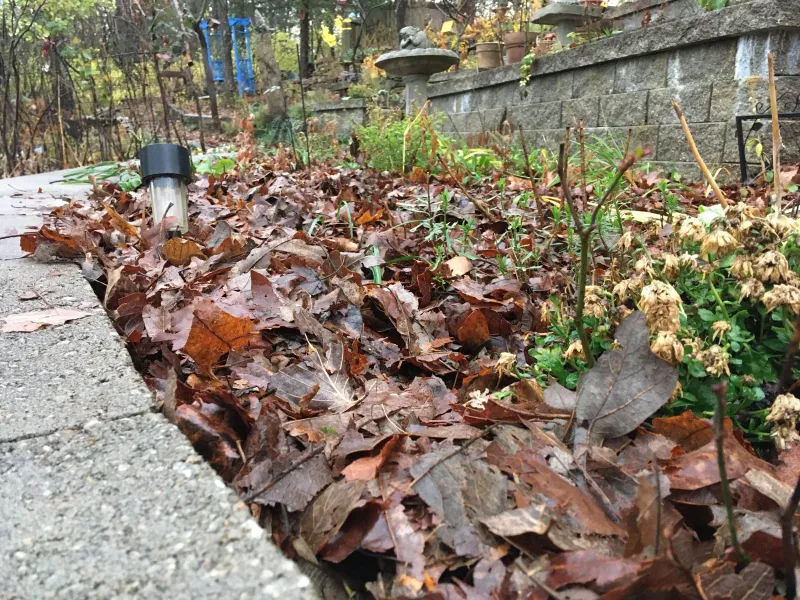
Bagged mulch adds up fast at the store. Shredded leaves do much of the same work for free, and they look natural in any bed.
Spread a layer about two to three inches deep around perennials, shrubs, and young trees. The mulch helps keep soil temperatures steadier through winter. That matters here, because freeze and thaw cycles can push shallow-rooted plants like heuchera right out of the ground.
Shredding is the key. Whole leaves, especially big maple leaves, can mat into a soggy sheet that sheds water and smothers small plants. Run them through a mower or leaf shredder first, and they stay fluffy and breathable.
Fair warning about placement. Keep leaves a few inches away from plant crowns and tree trunks. Mulch piled against bark or stems holds moisture there and can lead to rot or give voles a cozy hiding spot.
Come spring, you have options. Pull the layer back slightly to let soil warm up, or leave it in place to keep suppressing weeds. By midsummer much of it will have melted into the soil, leaving your beds darker and richer.
Brown Leaves Plus Green Clippings Equal Crumbly Compost
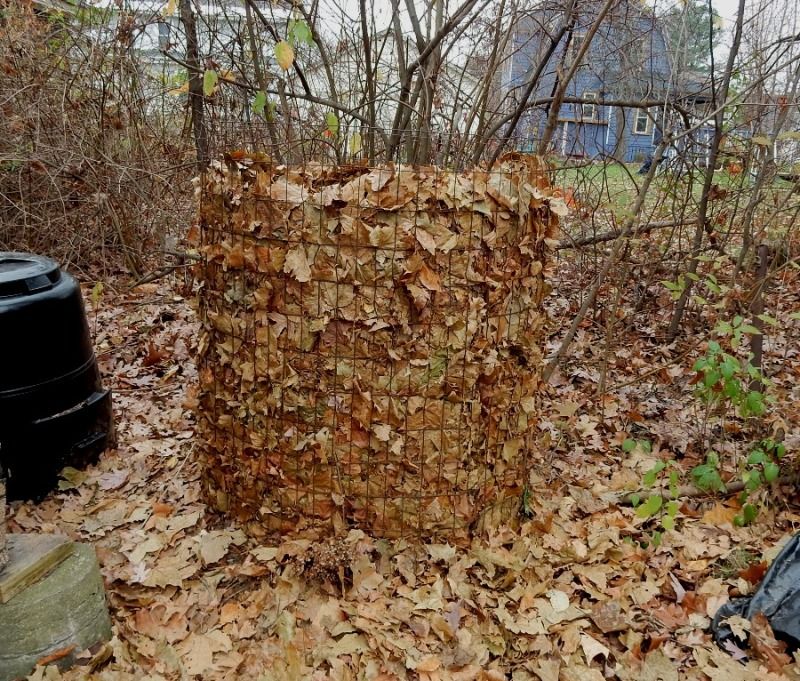
Every compost pile needs a balance of browns and greens. Leaves are the classic brown, rich in carbon and easy to find by the truckload each fall.
Greens supply nitrogen. Think grass clippings, vegetable scraps, coffee grounds, and spent garden plants. Many extension guides suggest roughly two to three parts browns to one part greens by volume. Don’t stress about perfect math, since a compost pile is pretty forgiving.
Shredded leaves break down much faster than whole ones. More surface area gives bacteria and fungi more places to work. Layer them with greens, wet the pile until it feels like a wrung-out sponge, and turn it every few weeks.
Not going to lie, Ohio piles slow way down once winter hits. That is perfectly normal. Microbes pick the pace back up as spring warms, and a well-tended pile can be ready by late spring or summer.
Here is a handy tip for later. Stash a few bags of dry leaves beside your bin. During summer, when you have tons of grass clippings and few browns, those saved leaves keep your pile from turning slimy and smelly.
Leaf Mold Is the Lazy Gardener’s Soil Treasure
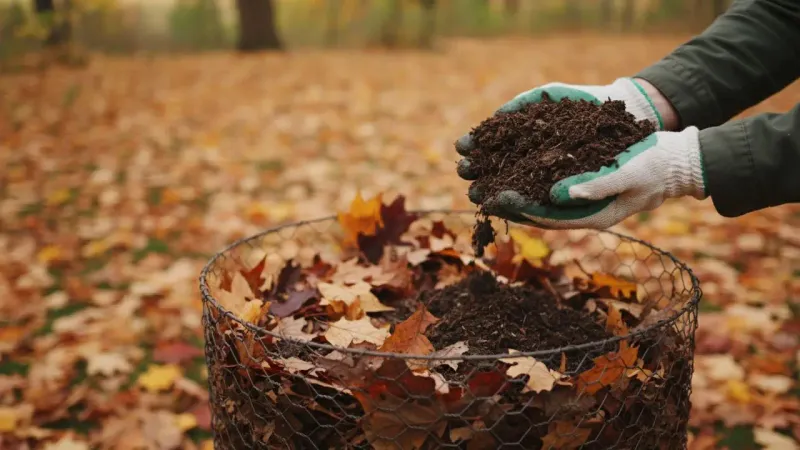
I’m a sucker for any project that mostly takes care of itself. Leaf mold fits the bill perfectly.
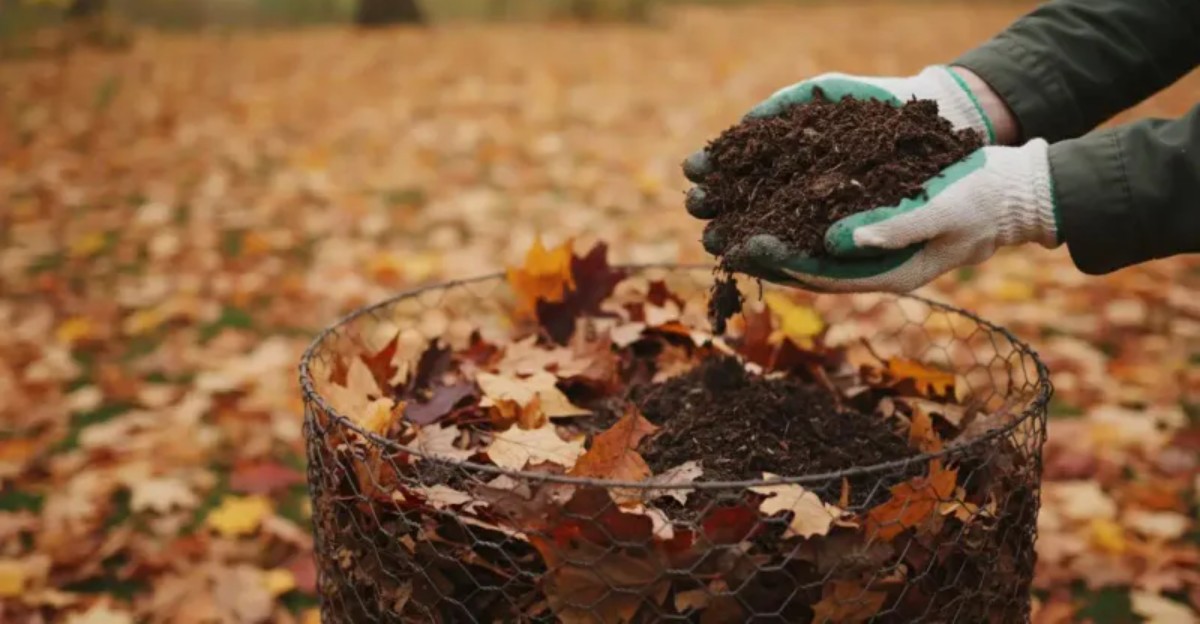
Leaf mold is simply leaves that have slowly broken down, mostly by fungi rather than bacteria. It takes anywhere from about six months to two years, depending on the leaves and how finely they are shredded. The finished product is dark, crumbly, and smells like a forest floor after rain.
Making it is easy. Pile leaves in a corner of the yard, or build a simple ring from wire fencing about three or four feet wide. Some gardeners pack leaves into black plastic bags, poke a few holes, and tuck them behind the garage.
Keep the pile moist, similar to a damp sponge. Dry leaves just sit there doing nothing. A quick check after dry spells helps the fungi keep working.
Leaf mold is not a strong fertilizer, so don’t expect it to feed plants like compost. Its real talent lies in improving soil structure and helping soil hold water. Mix it into seed-starting blends, top-dress vegetable beds, or work it into stubborn clay. Your plants will notice.
Black Walnut and Diseased Leaves Need a Little Extra Care
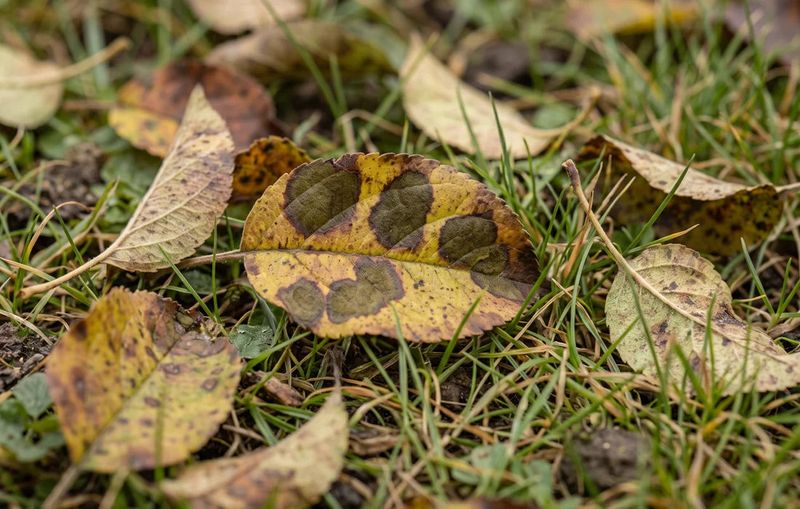
Most fallen leaves are garden friendly, but a couple deserve a second look. Black walnut tops that list, and it grows all over Ohio.
Black walnut trees produce a compound called juglone. It is strongest in the roots, nut hulls, and buds, though leaves contain some too. Tomatoes, peppers, potatoes, and some ornamentals can struggle when exposed to it.
Juglone breaks down with time, air, and moisture. Ohio State and other extension sources suggest composting walnut leaves for several months or longer before using them near sensitive plants. Some cautious gardeners simply keep walnut leaves out of vegetable beds and use them elsewhere.
Diseased leaves are the other concern. Leaves spotted with apple scab, tar spot on maples, or other fungal problems may carry spores into next season. Home compost piles often don’t get hot enough to clear those pathogens reliably. Bag or dispose of those leaves through your local yard waste program instead.
One more myth worth clearing up. Oak leaves are often blamed for making soil too acidic. In reality, their effect on soil pH is small once they break down. They just decay slower, so shred them well and give them time.
Keep Leaves Out of Street Gutters and Storm Drains
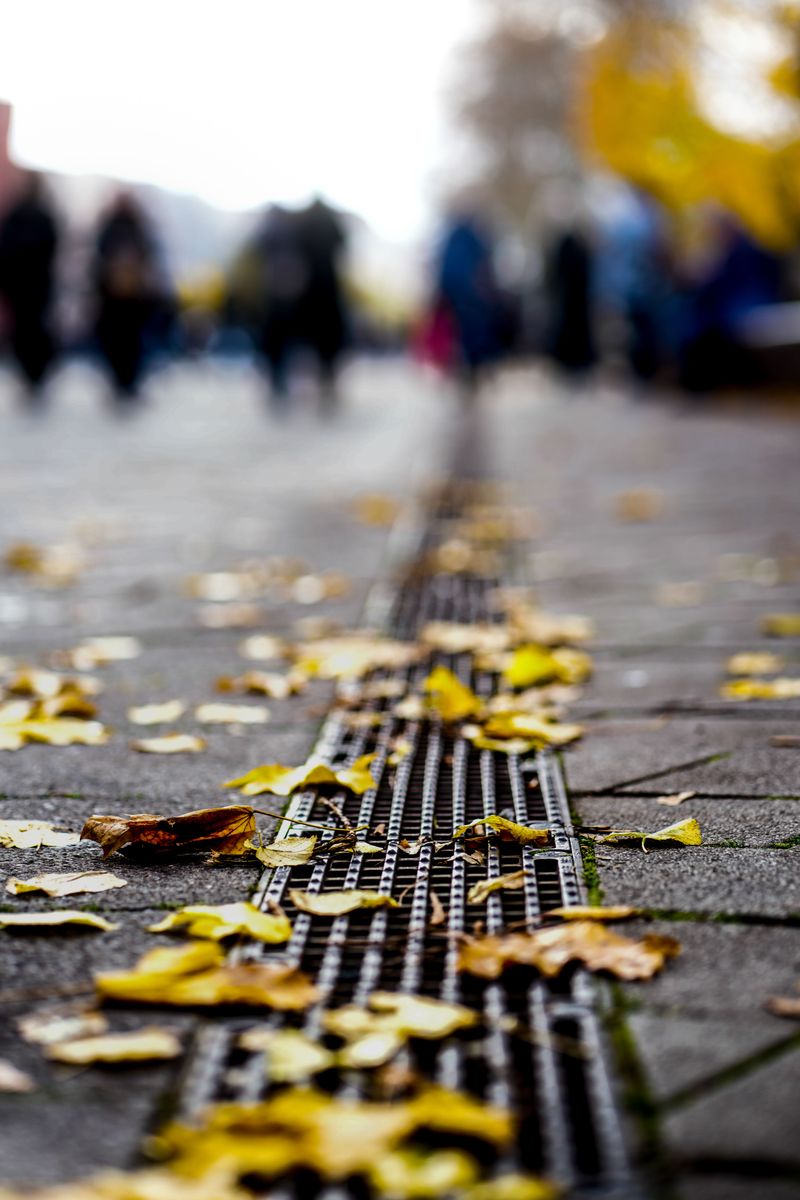
Raking leaves into the street seems harmless. It actually causes headaches for your neighbors and your local streams.
Leaves washed into storm drains can clog grates and lead to street flooding during heavy fall rains. Storm drains in most communities flow straight to nearby creeks and rivers without treatment. As leaves rot in the water, they release phosphorus and nitrogen that can feed algae blooms, a real concern for waterways feeding Lake Erie.
Ohio rules also shape what happens to your leaves. State regulations generally keep yard waste out of landfills, which is why many cities run separate collection or compost programs. Some offer curbside vacuum pickup, while others require paper yard waste bags. Check your city or township website for dates and rules, since they vary widely.
Burning is another thing to skip. Ohio EPA restricts open burning, and many municipalities ban leaf burning outright. Smoke from smoldering leaves irritates lungs and annoys everyone downwind.
Keeping leaves on your own property sidesteps all of this. Mow them, mulch with them, or compost them. If you have more than you can use, offer some to a gardening neighbor. Plenty of folks would happily take free leaves.
Save a Few Bags of Dry Leaves for Next Year’s Garden
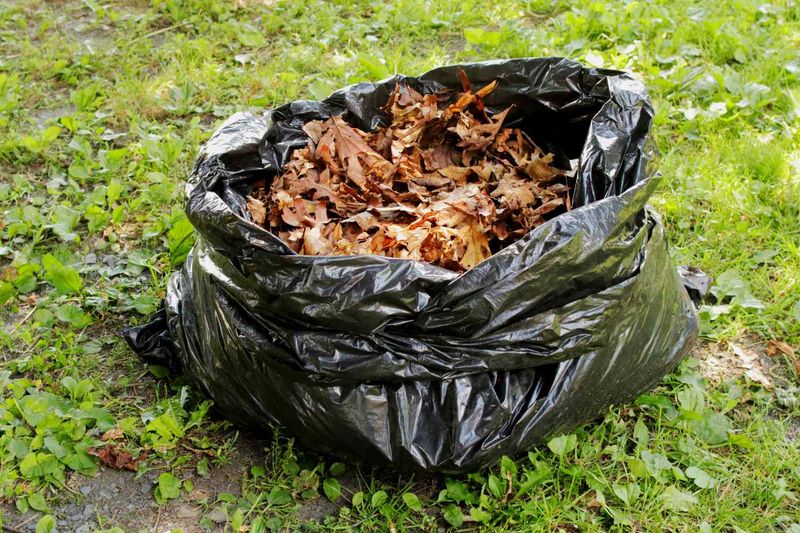
Every fall, I stash a few paper bags of dry, shredded leaves beside the shed. By midsummer, I’m always glad I did.
Those saved leaves turn into a year-round tool. Use them as summer mulch around tomatoes and peppers to keep soil cool and reduce splashing that spreads leaf diseases. Toss handfuls into the compost bin whenever grass clippings pile up.
Leaves also make a great base for new beds. Lay cardboard over grass in fall, then pile shredded leaves and some compost on top. By spring, the grass underneath has mostly broken down, and the soil is soft enough to plant.
Wildlife-friendly gardeners can set aside a quiet corner too. Letting leaves stay under shrubs or along a fence line gives overwintering insects, toads, and other small creatures a safe home. Wait until temperatures stay consistently warmer in spring before tidying those spots.
Start small if this feels new. Mow the lawn leaves, mulch one bed, and fill one compost bin. Next fall, add a leaf mold pile. Within a season or two, your soil will feel darker and looser, and you will never look at a falling leaf the same way.