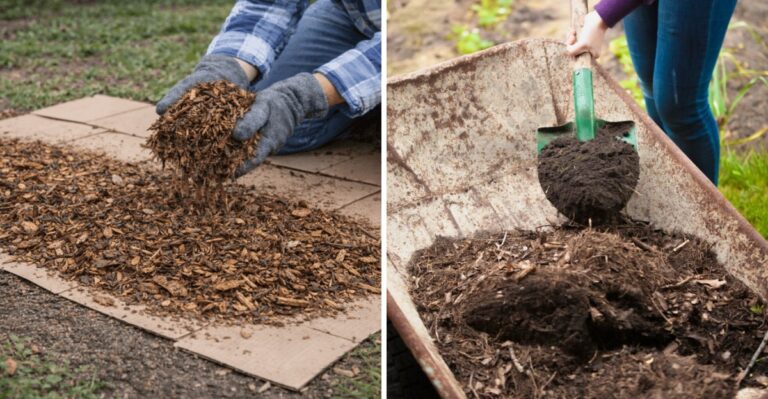
Why Experienced New York Gardeners Make Leaf Mold Alongside Compost, and How Long It Really Takes
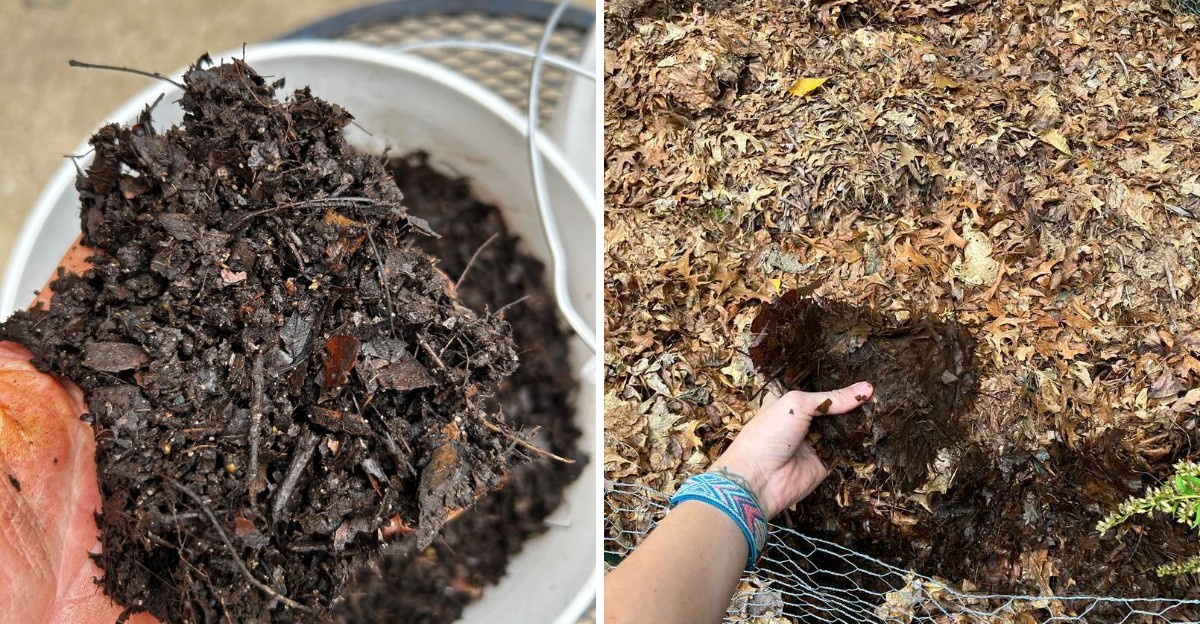
A pile of fallen leaves can soak up several times its own weight in water once it breaks down. Some gardeners say it holds three to five times its weight, which beats most bagged products I have bought.
Truth is, I used to rake every leaf to the curb and then pay for soil amendments in spring. That habit makes me cringe now. The forest had been doing the work for free all along, and fungi were running the whole show.
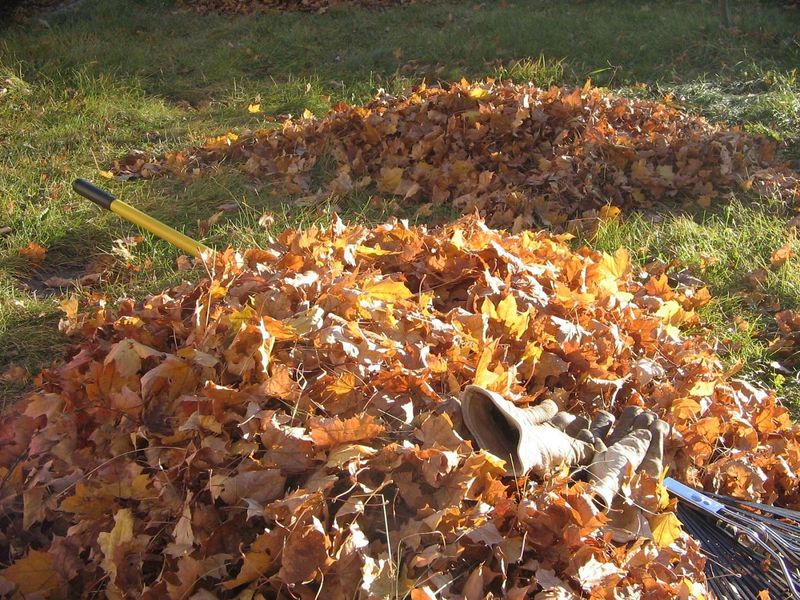
Every fall in New York, millions of oak, maple, and beech leaves land on lawns and sidewalks. Most get bagged and hauled away. A growing number of seasoned gardeners quietly keep theirs, tuck them into a corner, and wait.
The catch is patience, and plenty of it. So how long does that slow, earthy transformation really take, and why do so many skilled growers think it is worth the wait?
That Spongy Forest Floor Under Oak And Maple Trees Holds A Clue
Walk through any patch of woods in the Hudson Valley and your boots sink a little. That soft, springy layer is not just old leaves sitting around. It is leaves that fungi have slowly turned into something dark and crumbly.
Gardeners call it leaf mold. Unlike a compost pile, which leans on bacteria and often heats up, leaf mold breaks down cool and slow. Fungi do most of the heavy lifting, chewing through the tough parts of leaves that bacteria struggle with.
Those tough parts are lignin and cellulose. They are what make a dry oak leaf feel leathery and stiff. Fungi have special enzymes that can unlock them, which is why a pile of only leaves behaves so differently from a mixed compost bin.
Experienced growers noticed something simple. The woods build great soil without anyone turning a pile or adding kitchen scraps. Copying that process at home takes almost no effort.
So the choice is not really about which material is better. It is about what your soil needs most. Compost feeds plants, while leaf mold mainly improves the soil itself, and that difference shapes every other part of this story.
Plan On One To Two Years Before Those Leaves Turn Crumbly
Fair warning, this is not a quick project. Most extension services and experienced gardeners say leaf mold takes about one to two years to finish. Whole, unshredded leaves in a dry spot can stretch that to three years.
The timeline has stages, though, and you can use the material along the way. After roughly six months to a year, you get a coarse, partly broken down product. It works well as a mulch on top of beds.
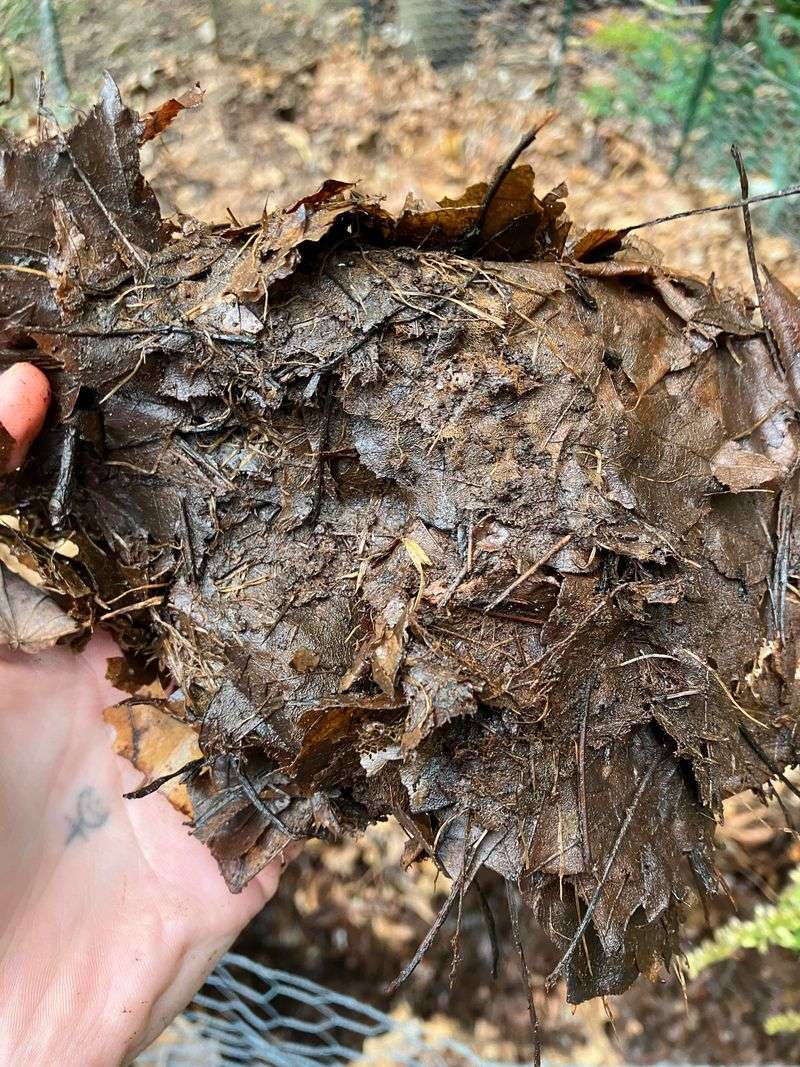
By the second year, the leaves usually look dark brown and fall apart in your hand. The smell is sweet and earthy, like a damp woodland trail. At that point you can dig it into soil or use it in homemade potting mixes.
New York winters slow things down. In much of upstate, piles sit frozen for months, and fungal activity mostly pauses until spring warms the ground.
Gardeners in Long Island and New York City, with milder winters, often see slightly faster results. Upstate growers in colder zones should expect the longer end of the range. Either way, starting a new pile every fall means you eventually have a fresh batch ready each year.
Shred The Leaves With A Mower And Keep The Pile Damp
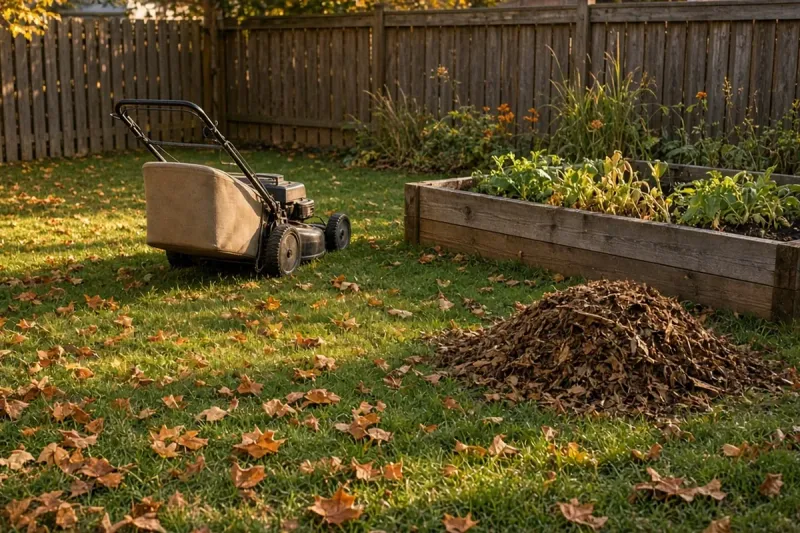
My favorite shortcut costs nothing but a few minutes with the lawn mower. Running over fallen leaves two or three times chops them into small bits. More cut edges give fungi more places to start working.
Shredded leaves can finish in under a year in good conditions. Whole leaves tend to mat together, shed water, and sit there looking the same for ages.
Next, pick a container. A simple ring of wire fencing about three or four feet wide works great. Some folks use sturdy plastic bags with a few holes poked in them, which suits small city yards and balconies.
Moisture matters most. The leaves should feel like a wrung-out sponge, damp but not dripping. Dry leaves barely break down at all, so soak them as you build the pile.
Check on things during dry spells in summer, and add water with a hose if the center feels crispy. Placing the pile in a shady corner helps it hold moisture.
No turning is required, which surprises a lot of people. You can flip it once or twice a year to speed things up, but leaving it alone still works.
Leaf Mold Soaks Up Water Like A Kitchen Sponge
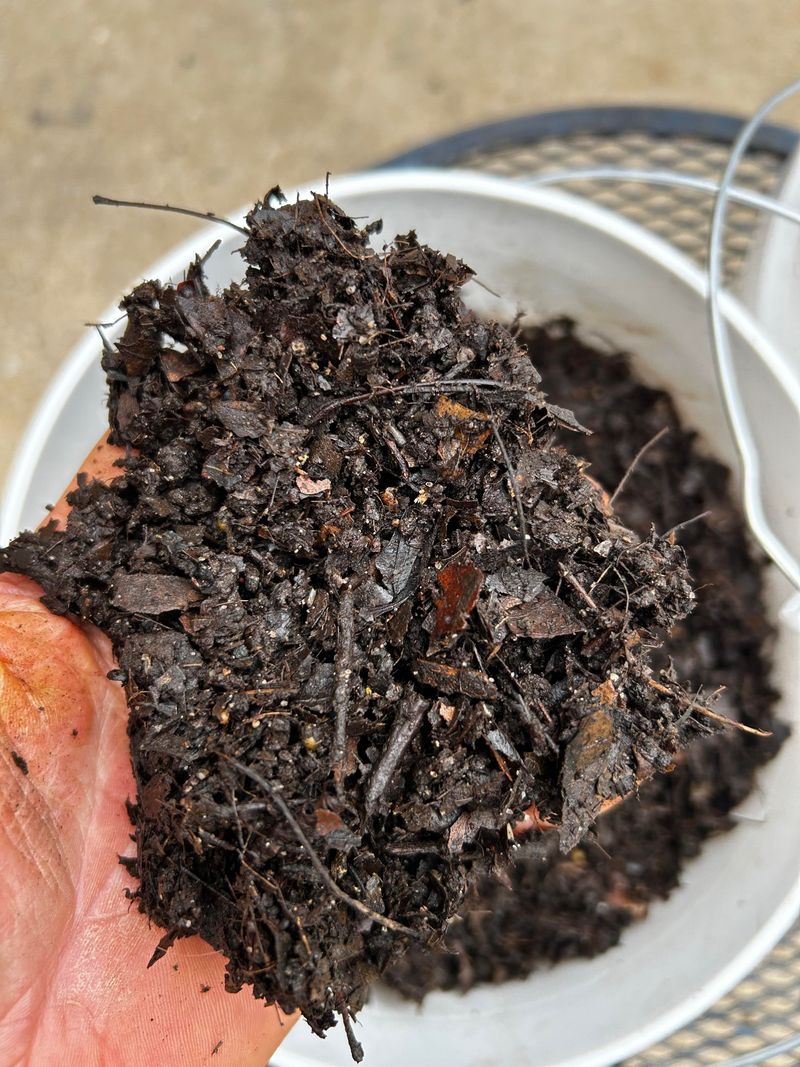
Grab a handful of finished leaf mold after a rain and give it a squeeze. Water seeps out, yet the clump still feels moist. That is the quality gardeners love most.
Many sources report that leaf mold can hold several times its own weight in water. Exact numbers vary by leaf type and how far the material has broken down. Still, the general point holds up, since it improves moisture retention in a big way.
In a hot July, that matters. Beds topped with leaf mold often stay damp longer between waterings, which saves time and lowers your water bill.
Sandy soils on eastern Long Island drain fast and dry out quickly. Mixing in leaf mold helps them hang on to water and gives roots a steadier supply.
Spread an inch or two over beds in fall or spring, keeping it a few inches away from plant stems and tree trunks. As earthworms pull it down, the benefits slowly work their way into the root zone.
It also protects bare soil from heavy rain. Raindrops hit the mulch instead of pounding the surface into a hard crust.
Heavy Clay Soil Loosens Up With Every Layer Of Leaf Mold
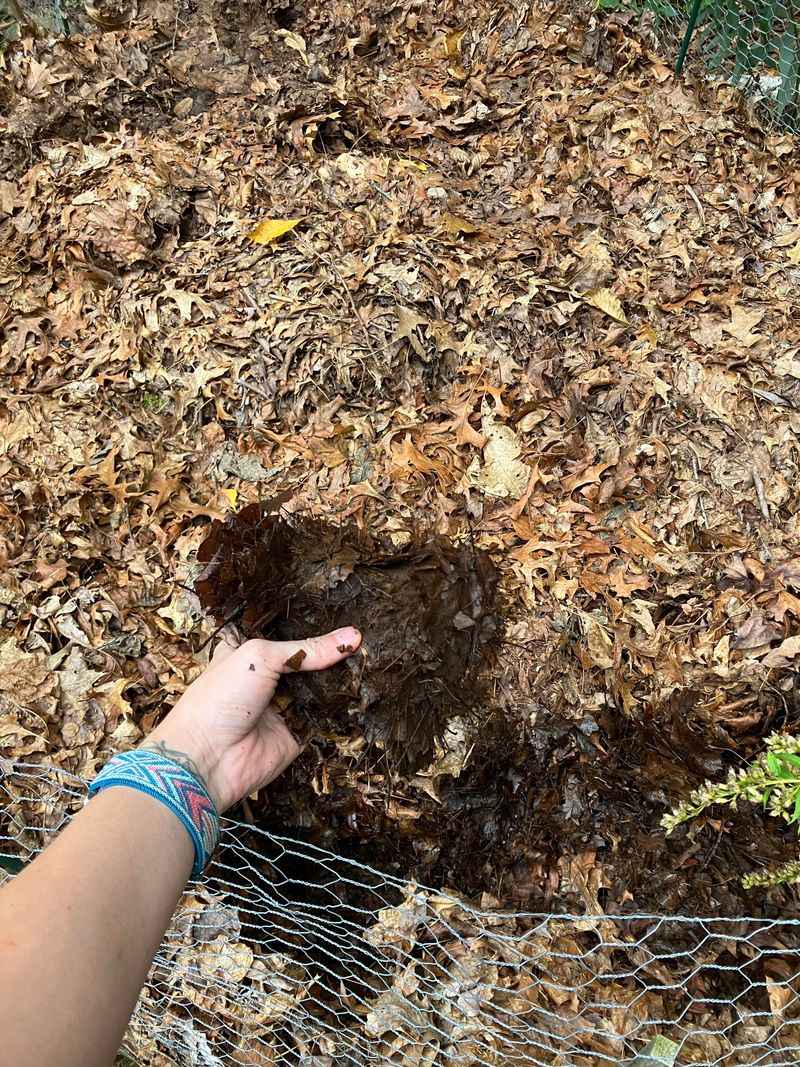
Clay soil can feel like modeling dough in spring and cracked pavement in August. Plenty of upstate yards deal with exactly that problem.
Leaf mold helps clay in a quiet, steady way. Its organic matter helps soil particles clump into crumbs, and the gaps between those crumbs let air and water move through.
Better structure means roots can push deeper. Drainage improves, so plants are less likely to sit in soggy ground after a storm.
Soil life benefits too. Earthworms, beneficial fungi, and countless tiny organisms feed on organic matter. Their tunnels and activity keep improving the soil long after you spread the material.
Compost does some of this as well, so it is fair to say both help. Leaf mold simply leans harder on structure and less on feeding plants.
For the best results, work a couple of inches into the top few inches of a new bed. In established gardens, mulch with it every year and let worms handle the mixing. Over several seasons, many gardeners notice a darker, softer soil that is easier to dig.
Compost Bins Still Earn Their Spot Next To The Leaf Pile
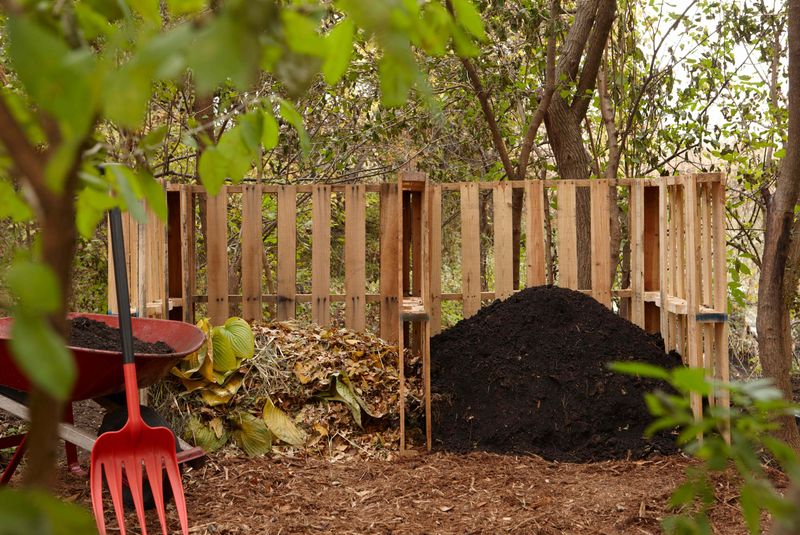
Nobody needs to tear down their compost bin. Most skilled gardeners I know keep both going side by side.
Compost uses a mix of greens and browns, like food scraps, grass clippings, and leaves. Bacteria break it down faster, often in a few months to a year. The result usually carries more nitrogen and other nutrients for plants.
Leaf mold, by contrast, is relatively low in nutrients. It supplies some minerals as it breaks down, but it is not a strong fertilizer.
So the smart move is matching each material to the job. Hungry tomatoes, squash, and annual flowers benefit from compost mixed into planting holes. Woodland gardens, shrubs, and perennial borders love leaf mold as a top layer.
Fine, sifted leaf mold also makes a great base for seed-starting mixes. It holds moisture well and tends to be light and fluffy.
Extra leaves serve both systems. Save a pile for leaf mold, then keep a few bags nearby to add carbon-rich browns to the compost bin when kitchen scraps get too wet and smelly.
Some Leaves Rot Faster Than Thick Oak And Beech Leaves
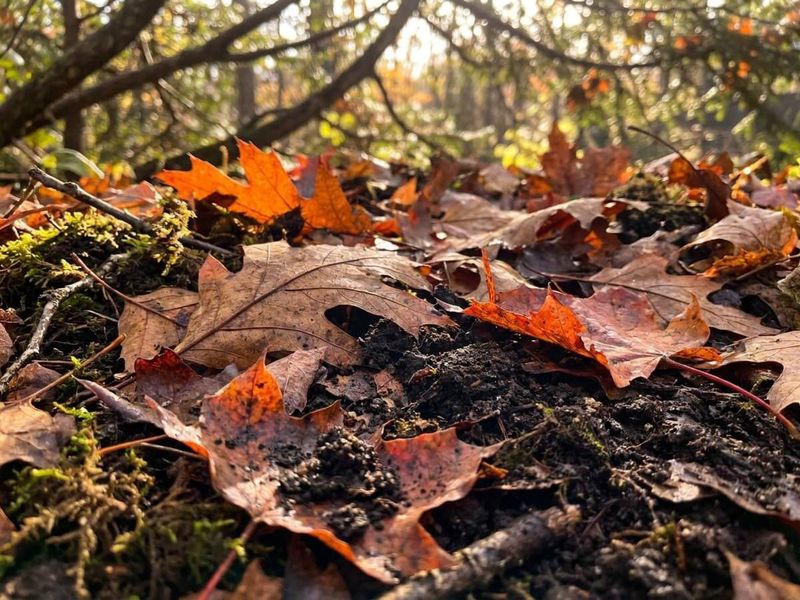
Not every leaf breaks down at the same speed. Maple, birch, and cherry leaves tend to soften fairly quickly. Oak and beech leaves are thicker and waxier, so they often take longer.
Oak leaves have a reputation for making soil acidic. In practice, finished leaf mold usually ends up close to neutral, so most garden plants handle it fine.
Shredding helps the slow ones catch up. Mixing tough oak leaves with softer maple leaves also tends to even out the timeline.
A few leaves deserve caution. Black walnut leaves contain juglone, a compound that can harm sensitive plants like tomatoes. Most experts suggest keeping them out of piles meant for vegetable beds, at least until fully broken down.
Skip leaves from roadsides that may carry salt or litter. Also avoid leaves showing heavy disease if you plan to use the product around the same kind of plant.
Pine needles break down slowly too, but they make a fine mulch on their own. Keep them in a separate pile if you want a smoother, faster batch of leaf mold.
Start A Fresh Leaf Pile This Fall For A Steady Supply
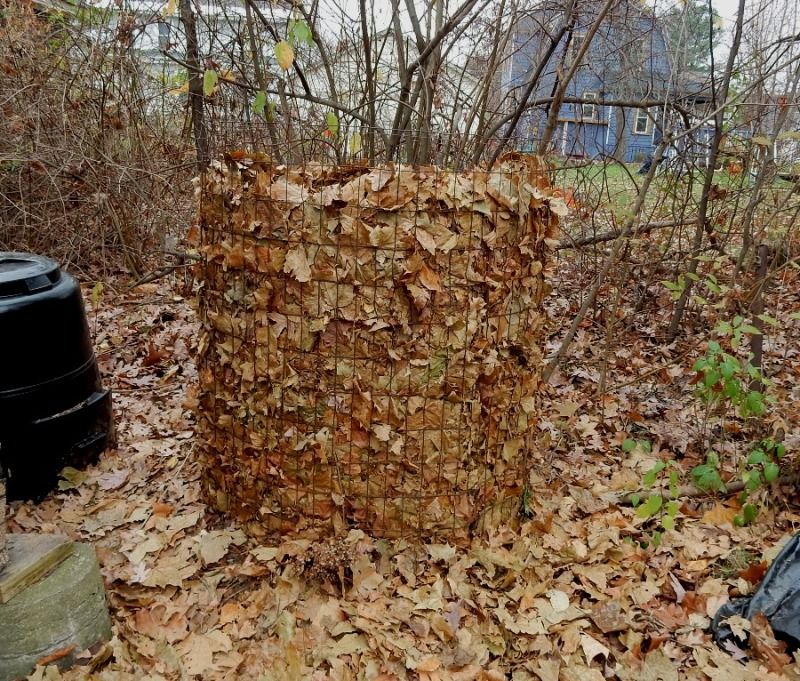
Every October, I build a new pile while last year’s batch keeps working beside it. That rotation is the real secret behind a steady supply.
Set up two or three wire bins in a shady spot. Fill one each fall, label it with the year, and move on. By the third autumn, you will have a finished batch ready for spring beds.
Leave some leaves in place, too. Many pollinators and other insects overwinter in leaf litter, so a loose layer under shrubs and along borders gives them shelter. Cornell and other wildlife groups encourage that approach.
Keep leaves off the lawn in thick mats, since heavy layers can smother grass. Mowing a light covering back into the turf works well instead.
Many New York towns collect yard waste in fall, and some offer free leaf compost or mulch back to residents. Check your local program if you want extra material.
Above all, think long term. Each pile is a small gift to your future garden, and a few minutes of raking now pays off in softer, healthier soil for years.