Bitten By A Copperhead While Raking Leaves In Texas? Here’s What To Do
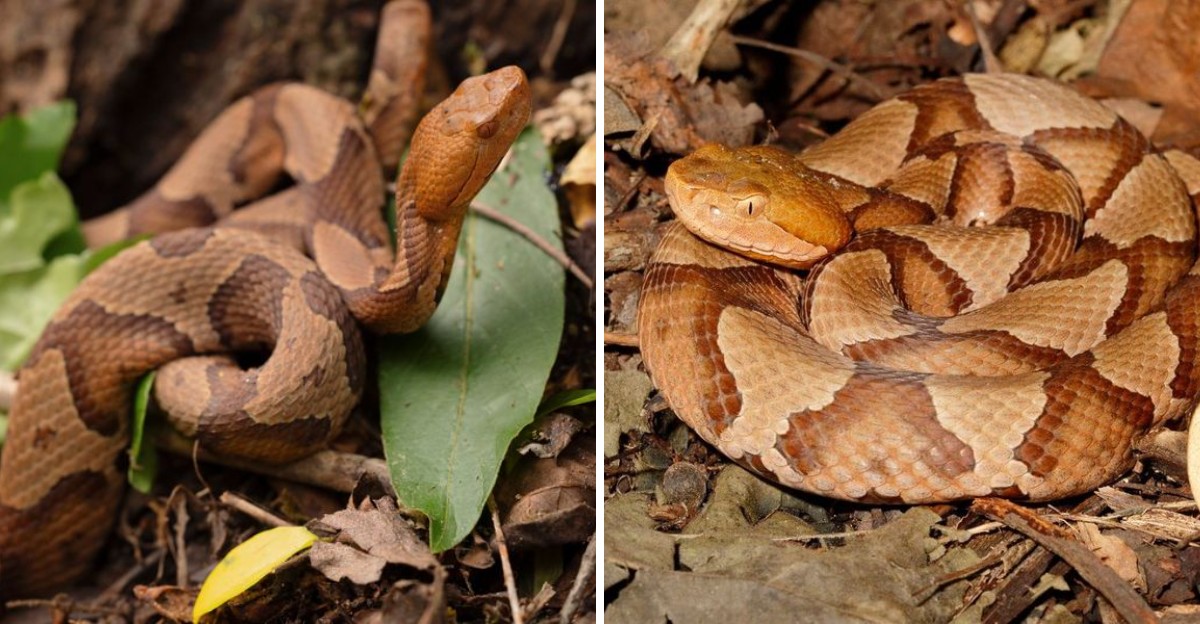
A fresh copperhead baby smells faintly like cucumbers, according to some old-timers, and it comes into the world fully armed with venom. Nobody warned me about that part when I first started fall yard work.
Believe it or not, these snakes give birth to live young in late summer and early fall. That timing puts tiny, well-camouflaged newcomers right in the leaf litter just as we grab our rakes across Texas.
I used to scoop up armloads of leaves with bare hands without a second thought. Now I treat every crunchy pile like a closed gift box, because something might be curled up inside.
You deserve to know what really helps after a bite and what old remedies make things worse. Some of the most famous movie tricks are on the wrong list. So which moves actually matter in those first few minutes?
1. That Coppery Snake Hiding In Your Leaf Pile Has A Good Reason To Be There
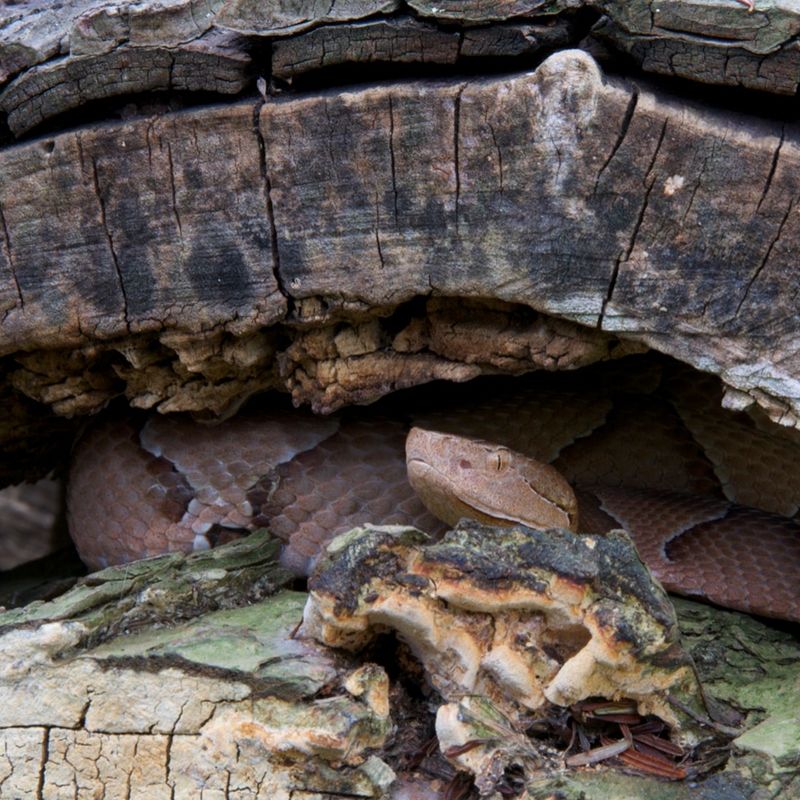
Fall leaves and copperheads go together like peanut butter and jelly. The snake’s tan body and chestnut hourglass bands match oak and pecan leaves almost perfectly.
Texas Parks and Wildlife notes that copperheads rely on camouflage instead of running away.
When something big comes near, they often freeze in place and hope you pass by. That habit works great against hawks, but not against a gardener with a rake.
Autumn brings extra movement, too. Many copperheads travel toward winter shelter spots like rocky ledges and old stumps, and they hunt hard to store energy before cold weather.
Newborn snakes, born in late summer and early fall, also start exploring on their own. Leaf piles offer everything a copperhead wants.
They hold warmth, hide the snake, and attract mice, lizards, frogs, and even cicadas. Your tidy pile next to the fence may look like a cozy hotel from a snake’s point of view.
So the bite usually is not an attack. It is a startled reaction to a hand or foot landing right on top of a hidden animal. Knowing that helps you stay calmer, which matters a lot in the next steps.
2. Call 911 Or Head Straight To The ER After A Copperhead Bite
Here comes the most useful advice in this whole article. Get medical help right away, even if the bite seems minor and the pain feels manageable.
Call 911 or have someone drive you to the nearest emergency room. Do not drive yourself if you can avoid it, since pain, dizziness, or nausea can show up quickly.
You can also call the Texas Poison Center Network at 1-800-222-1222 for expert guidance while you travel.
Copperhead bites are rarely life-threatening for healthy adults. Still, they can cause serious swelling, strong pain, and lasting tissue damage. Kids, older adults, and people with health problems may react more strongly.
About one in four pit viper bites may be a dry bite with little or no venom. Sadly, you cannot tell which kind you got just by looking. Only doctors watching you over several hours can sort that out.
While you wait, try to stay as calm and still as you can. Sit down, breathe slowly, and let someone else handle the car keys and phone calls. A steady heart rate and a quiet body help you get through the next hour more comfortably.
3. Slip Off Rings And Watches Before Your Hand Starts Swelling
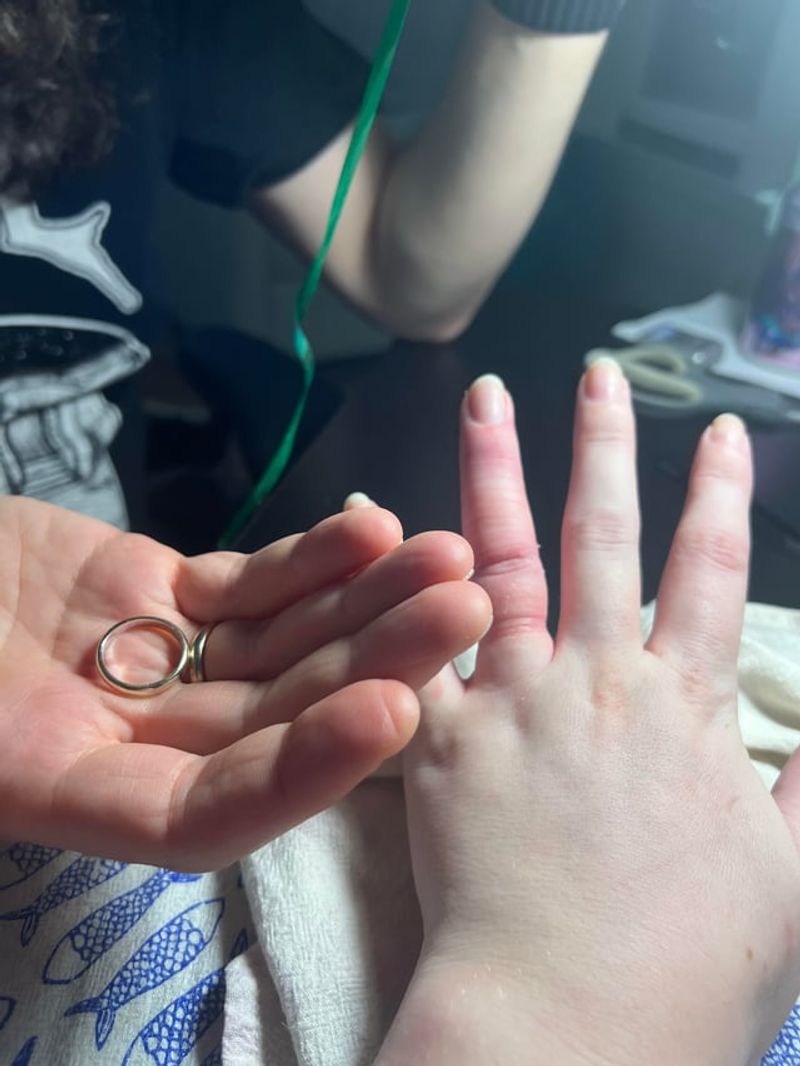
Swelling sneaks up fast. Within minutes of a copperhead bite, fingers and wrists can puff up like rising bread dough.
That is why your first hands-on job is taking off rings, bracelets, watches, and tight sleeves on the bitten arm or leg.
If the bite is on your foot, remove your shoe and sock before the area tightens. Waiting too long can turn a ring into a painful problem that has to be cut off.
Next, gently wash the bite with soap and water if it is handy. Cover it with a clean, dry bandage or cloth. Skip ointments, creams, and home mixtures.
Keep the bitten limb still and resting in a comfortable position, roughly at heart level. Many medical sources, including Mayo Clinic, suggest this middle position instead of raising it high or hanging it low. A pillow or folded jacket works nicely for support.
If you have a pen, mark the edge of the swelling and write down the time. Doctors find this very helpful. It gives them a quick picture of how fast things are changing before you even walk through the door.
4. Skip The Tourniquet And Snake Bite Kit Tricks From Old Westerns
Hollywood cowboys gave us some truly terrible first aid. Cutting an X over the bite and sucking out venom looks dramatic, but it does not help.
Cutting the skin adds a fresh wound and invites infection. Sucking with your mouth or a suction pump removes almost no venom, according to medical research. Those plastic snake bite kits sold in stores fall into the same useless group.
Tourniquets are another big no. A tight band can trap venom in one spot and seriously harm the tissue underneath. Avoid ice packs, too, because cold can make tissue injury worse.
Watch what goes into your body as well. Skip alcohol and caffeine, and avoid aspirin, ibuprofen, and naproxen, which may raise bleeding risk.
If you need something for pain, ask the poison center or your doctor first, as acetaminophen is often considered the safer pick.
Finally, leave the snake alone. Trying to catch or smash it often leads to a second bite. A quick photo from a safe distance is plenty, and doctors usually treat copperhead bites based on your symptoms anyway, not on seeing the snake.
5. What Happens Inside The Hospital After A Pit Viper Bite
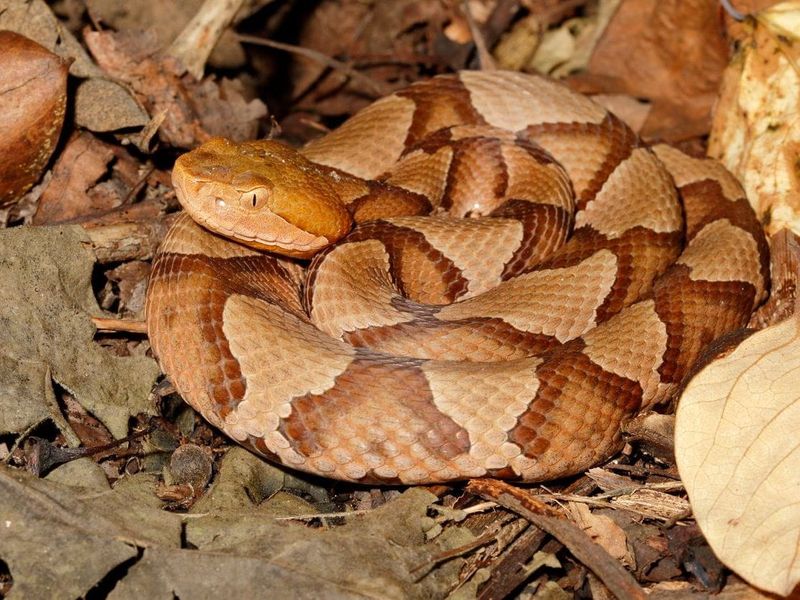
Walking into the ER with a snake bite feels scary, but the staff has seen this before. Texas hospitals treat copperhead bites every year, especially from spring through fall.
First, the team checks your vital signs and looks closely at the bite. Nurses often draw lines on your skin to track how far swelling spreads over time. Blood tests check your clotting and other signs of how the venom is affecting you.
Many people need only careful watching and pain control. Doctors usually keep you for several hours, often around eight, to make sure symptoms stay mild.
If swelling spreads quickly or blood tests look off, you may receive antivenom through an IV. CroFab and Anavip are the two main options used for North American pit vipers.
Studies show antivenom can help copperhead patients recover limb function faster. Fun fact for the curious gardener: CroFab is made using antibodies produced in sheep. It sounds odd, but it works well.
Expect some soreness and swelling for days or even a few weeks afterward. Follow your doctor’s advice about rest, elevation, and checkups. Call back right away if you notice unusual bruising or bleeding.
6. Hourglass Bands Help You Tell A Copperhead From Harmless Lookalikes
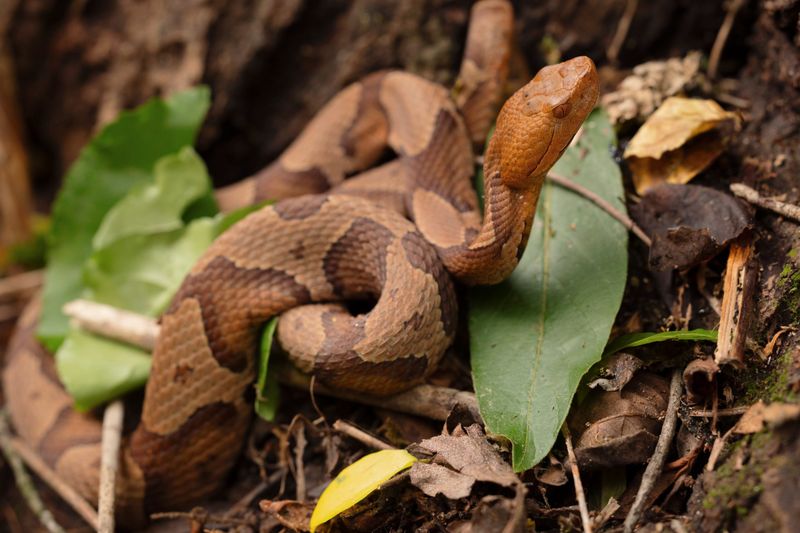
Learning one pattern can save you a lot of worry. Copperheads wear dark hourglass-shaped bands that look wide on the sides and skinny across the back.
Texas is home to several copperhead types, including the Broad-banded, Osage, and Southern varieties, mostly found in the eastern and central parts of the state.
Trans-Pecos copperheads live in scattered spots of far West Texas. Each looks a little different, yet that hourglass shape shows up on nearly all of them.
Other helpful clues include a thick body, a broad triangular head, and cat-like vertical pupils. Babies sport a bright yellow or greenish tail tip. They wiggle it like a worm to lure frogs and lizards close.
Plenty of harmless snakes get mistaken for copperheads. Juvenile rat snakes, hognose snakes, and water snakes often carry blotchy patterns. Those blotches are usually round or squarish instead of hourglass-shaped.
Still, nobody should lean in for a close look. Identifying from a few feet away is wise, and treating any unknown snake with respect keeps you out of trouble.
Snakes that bite deserve medical care no matter which species you think it was.
7. Leather Gloves And A Long-Handled Rake Make Fall Cleanup Safer
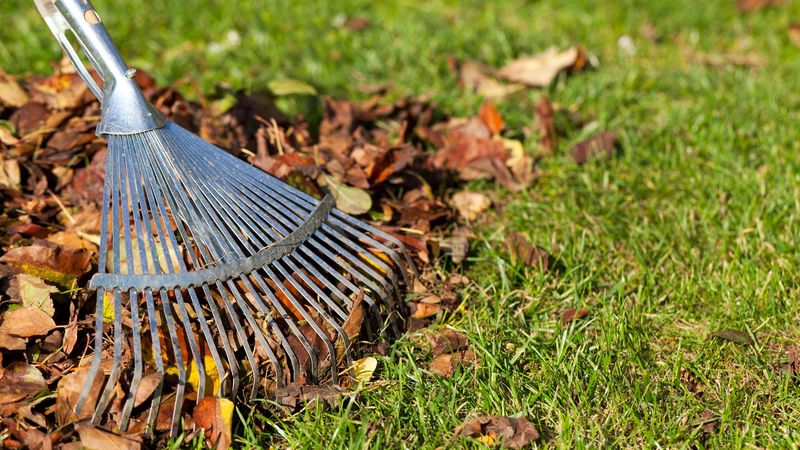
My favorite fall tool upgrade cost less than a pizza. A pair of thick leather gloves now lives in my garden bucket, and I grab them before touching any leaf pile.
Most copperhead bites happen on hands and feet. So cover those first with gloves, sturdy closed shoes or boots, and long pants. Snake gaiters are a smart extra if you clear heavy brush often.
Let the rake do the reaching. A long handle keeps your body farther from whatever might be hiding below. Gently tap or shuffle the leaves before pulling, giving a resting snake a chance to slip away.
Never scoop up a leaf pile with bare arms. Use a tarp, a leaf grabber tool, or a shovel instead. Watch where you step around logs, stones, and fence lines, too.
Timing helps as well. Copperheads in Texas often move around in the evening and at night during warm weather.
Raking in bright daylight and carrying a flashlight for dusk chores lowers your chances of a surprise meeting. Small habits like these quickly become second nature.
8. Rethink Woodpiles And Brush Heaps To Send Copperheads Elsewhere
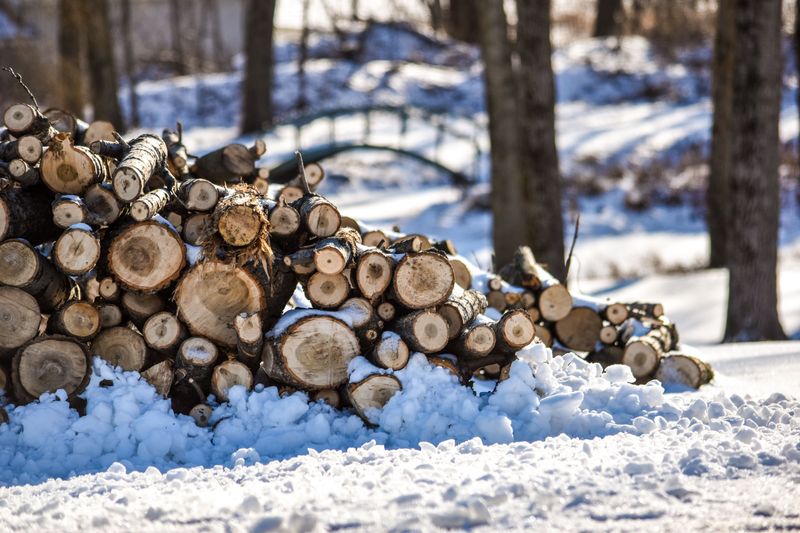
Snakes follow food and shelter. Take those away, and your yard becomes a lot less interesting to a passing copperhead.
Start with the hiding spots. Stack firewood on a raised rack, well away from your house. Clear brush heaps, old boards, and rock piles near paths and play areas.
Keep grass mowed short around patios and doorways.
Next, tackle the snake buffet. Rodents bring copperheads, so store birdseed and pet food in sealed containers and clean up spilled seed under feeders. Fewer mice usually means fewer snakes.
Leaf litter still has value for pollinators and soil. Instead of hauling it away, move it to a compost bin or mulch it into beds far from busy walkways. You keep the garden benefits without piles near the back steps.
Skip mothballs and so-called snake repellents. Texas A&M AgriLife experts say they show little reliable effect. If a copperhead hangs around, call a local wildlife removal service rather than handling it.
Remember that copperheads also eat insects and rodents. With smart habits and a calm plan, you and these quiet neighbors can share the season safely.