Tiny Bulbs Tucked Into Illinois Soil This Week Are Planning A Big Surprise for Spring
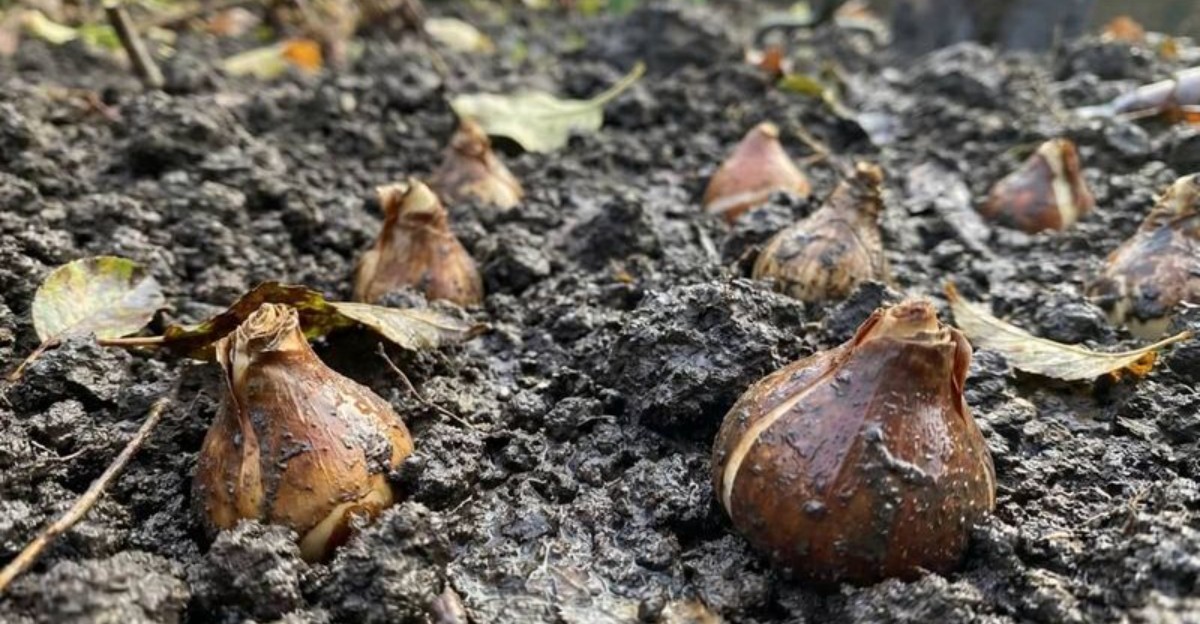
A bulb tucked into cold November dirt starts growing roots almost right away, even while the top of the garden looks frozen and finished. I find that sneaky.
Underneath the soggy leaves, those papery little packages are busy.
They push out fresh white roots, sip water, and wait for a long stretch of winter chill to flip their bloom switch.
I used to think fall planting in Illinois was a gamble against the calendar. After I tested a late batch one year, the flowers showed up right on time. Turns out patience and a shovel beat perfect timing.
You might notice gardeners across Illinois kneeling in chilly beds this week with muddy gloves and big grins.
They know something the rest of the neighborhood will learn in March. Here’s exactly what happens down there, and how to make sure your own surprise shows up.
Those Tucked-In Tulip Bulbs Are Already Busy Underground
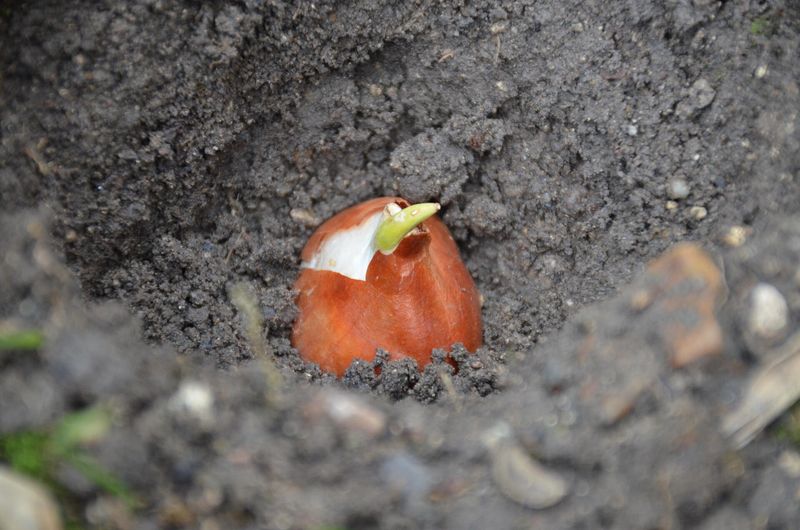
Dig up a bulb two weeks after planting and you will find a surprise. Fine white roots already reach into the soil, even though nothing shows above ground.
Fall planting is not just storage. Bulbs like tulips, daffodils, and crocus use the cool, damp weeks before a hard freeze to build a root system.
Those roots anchor the bulb and pull in water, which matters a lot once spring growth takes off.
The bigger secret is the cold itself. Most spring bulbs need a long chilling period, usually around 12 to 16 weeks below roughly 45 degrees, before they will bloom properly. Gardeners call this vernalization, and it works like a built-in calendar.
Without enough cold, flower stems can stay short or skip blooming. Illinois winters handle this job for you, which is one reason tulips and daffodils do so well here.
Inside each bulb, the flower is already formed in miniature. Slice a large tulip bulb in half and you can spot a tiny bud waiting in the center.
Everything it needs for its first show is packed inside, like a lunchbox ready for spring. Your job is mostly to give it a decent home.
Mid-November Is Still a Fine Window for Planting Daffodils
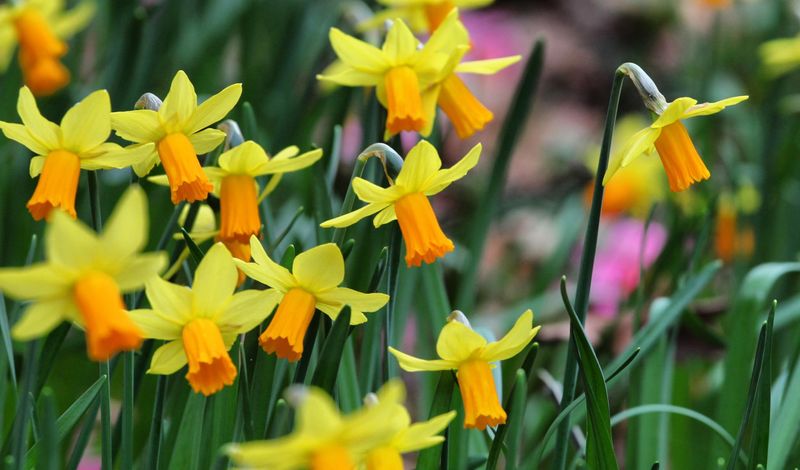
Worried you waited too long? Relax a little. University of Illinois Extension suggests planting spring bulbs from fall until the ground freezes, and mid-November fits that window across much of the state.
The best signal is soil temperature, not the date. Bulbs root well once soil cools to around 50 to 55 degrees.
Northern Illinois, mostly zone 5, usually hits that in October, while southern counties in zones 6 and 7 stay workable longer.
Chicagoland gardeners should move soon, since the ground can firm up by late November or early December. Folks near Carbondale often have extra weeks to spare.
A simple test helps. If your shovel slides into the soil without hitting a frozen crust, you can still plant. Bulbs in the ground almost always beat bulbs left in a bag in the garage.
Late planting does have a small cost. Roots get less time to grow, so first-year flowers may appear a few days later or look slightly smaller. Most catch up by the following season.
One friendly reminder: check bags you bought earlier. Soft, moldy, or shriveled bulbs should go in the trash, not the bed.
Plant Bulbs Pointy End Up and About Three Times Their Height Deep
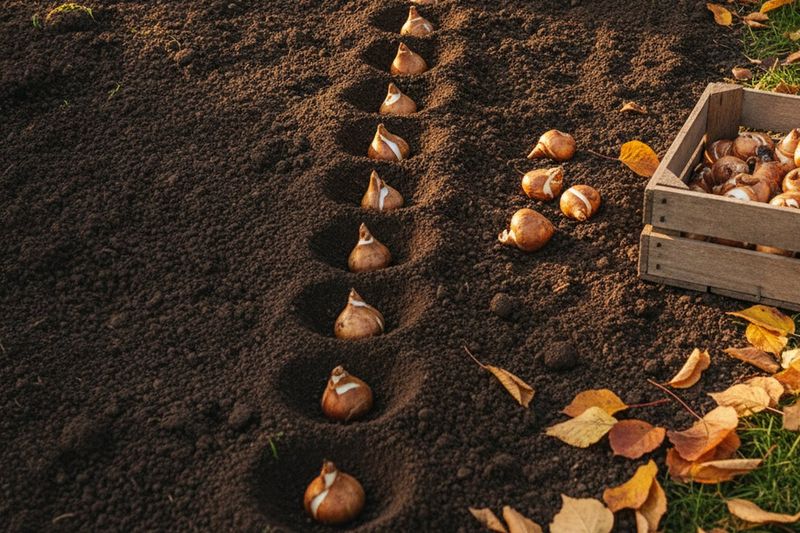
My first bulb mistake was planting them sideways because I could not tell top from bottom. Learn from me: the pointed tip goes up, and the flat, sometimes hairy side goes down.
Depth matters just as much. A handy rule from Extension experts is to plant bulbs about two to three times as deep as they are tall. That puts big tulips and daffodils around 6 to 8 inches deep.
Little guys like crocus, grape hyacinth, and Siberian squill only need around 3 to 4 inches. Measure from the base of the bulb, not the top.
Group them instead of lining them up like soldiers. Clusters of ten or more look far more natural, and they make a bolder splash from across the yard.
Once bulbs are covered, water the bed deeply. Moisture settles the soil around each bulb and nudges those roots into action.
Hold off on mulch until the ground turns cold. Then add 2 to 3 inches of shredded leaves to keep soil temperatures steadier through freeze and thaw cycles.
That blanket helps reduce heaving, when frost pushes bulbs upward. A bulb planter tool saves your wrists if you are planting dozens.
Heavy Clay Soil Can Turn Bulbs Into Mushy Disappointments
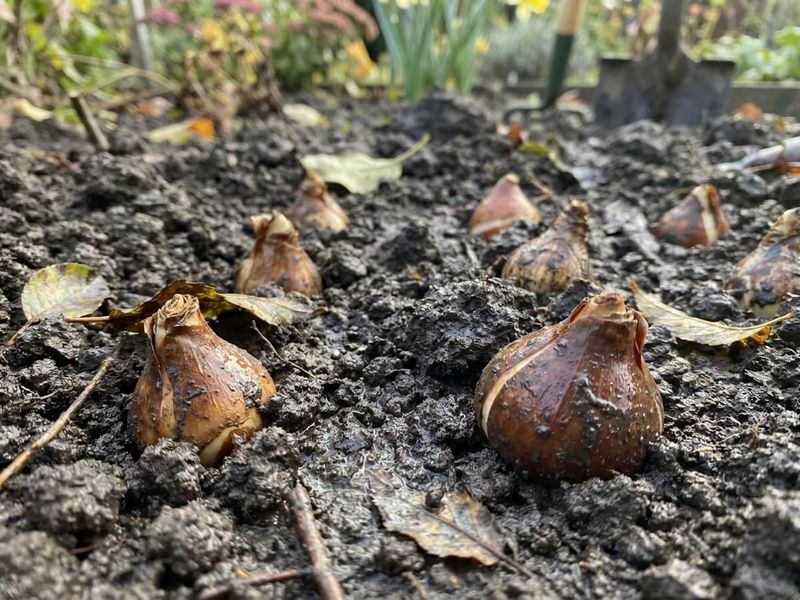
Rot is the quiet villain in many bulb beds. Plenty of Illinois yards sit on heavy clay, and clay holds water like a sponge through soggy winters and early spring rains.
Bulbs sitting in cold, wet pockets can turn soft and moldy before they ever sprout. So picking a well-drained spot is one of the smartest moves you can make.
Try a quick drainage check. Dig a hole about a foot deep, fill it with water, and watch. If water still sits there after several hours, that area needs help or a different plan.
Loosening soil 8 to 12 inches deep and mixing in compost improves structure over time. Raised beds and gentle slopes also shed extra water nicely.
Skip the low corner where puddles form after storms. Bulbs simply don’t like wet feet. Sunlight counts too. Most spring bulbs want around six hours of sun while they grow.
Luckily, they bloom early, often before shade trees leaf out, so spots under oaks and maples can work surprisingly well.
Adding a little bone meal or balanced bulb fertilizer at planting is optional. Healthy soil does most of the heavy lifting.
Snowdrops and Crocus Can Steal the Show Before Tulips Wake Up
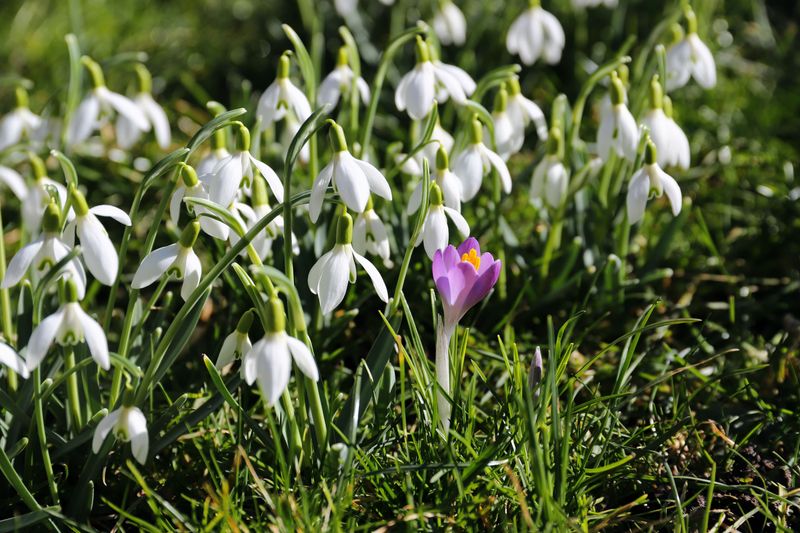
Some of the best spring surprises show up while snow still clings to the yard. Snowdrops can open in late winter, and crocus often follow when March barely feels like spring.
Planning for a long season is half the fun. Mix early, middle, and late bloomers, and your garden can stay colorful for two months or more.
Here is a rough lineup for much of Illinois. Snowdrops and winter aconite start things off. Crocus, Siberian squill, and early daffodils come next in March and early April.
Mid-spring belongs to hyacinths, most daffodils, and many tulips. Late tulips and ornamental alliums with their purple globes carry the color into May.
Timing shifts by region. Southern Illinois often sees flowers a week or two ahead of the northern counties.
A quick note on Siberian squill: it spreads eagerly and has escaped into natural areas in parts of the Midwest. Some gardeners choose glory-of-the-snow carefully or plant native spring flowers instead near woodlands.
Fun fact: winter aconite looks like a tiny yellow buttercup wearing a green ruffled collar. It is easy to miss, yet hard to forget once you notice it.
Squirrels Love Digging Up Fresh Tulip Bulbs
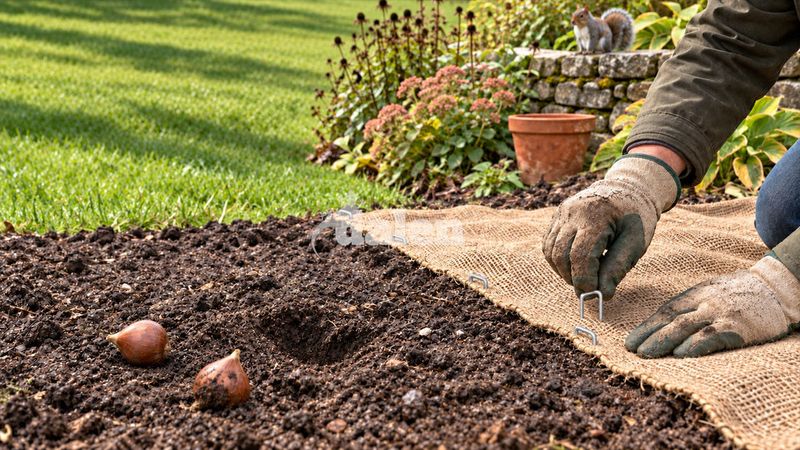
Nothing stings quite like finding empty holes and scattered papery skins the morning after planting. Squirrels watch us work, and loose soil looks like an open snack bar to them.
Tulips and crocus rank high on their menu. Daffodils are a different story, since their bulbs contain bitter compounds most squirrels, deer, and voles avoid.
A physical barrier works best in my experience. Lay chicken wire or hardware cloth over the planted area and pin down the edges. Remove it in late winter so shoots have room to grow.
Cleanup helps too. Toss out bulb skins and wipe away dropped bits, because the smell can draw curious diggers.
Repellent sprays and granules can discourage animals for a while, though rain washes many of them away. Plan on reapplying.
Deer bring a separate challenge in spring, nibbling tulip flowers right before they open. Alliums, daffodils, snowdrops, and grape hyacinths usually get left alone.
Mixing these tougher bulbs around your favorite tulips can make the whole bed less tempting. You still get the colorful tulips, just with some bodyguards standing nearby.
Leave Those Floppy Daffodil Leaves Alone After the Blooms Fade
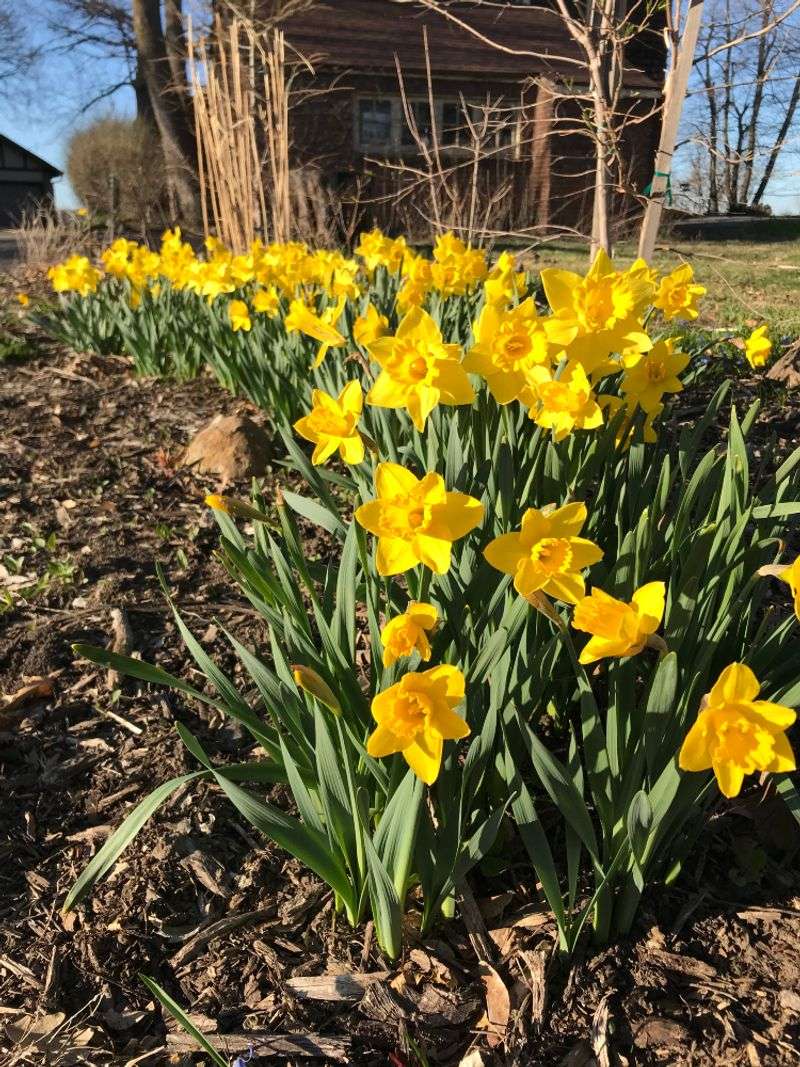
Patience is the hardest bulb skill, honestly. Once the flowers fade, the leaves start looking messy, and the urge to tidy up gets strong.
Resist it. Those green leaves are solar panels, making food that gets stored back in the bulb for next year’s flowers.
Cutting, mowing, or tightly braiding the foliage too early can weaken bulbs. Fewer blooms the next spring are a common result.
Wait until leaves turn mostly yellow and flop over, usually around six weeks after flowering. Then you can trim them away.
Removing spent flower heads is fine, especially on tulips and daffodils. That keeps energy flowing to the bulb instead of seed pods.
Hiding the fading foliage is easier with good neighbors. Hostas, daylilies, and native perennials such as wild geranium leaf out just in time to cover the mess.
A light feeding when shoots first appear can also help. Extension experts often suggest a balanced or bulb-specific fertilizer in early spring rather than heavy doses.
Think of those weeks of untidy leaves as the price of admission. The ticket gets you another show next year.
Daffodils and Grape Hyacinths Can Return for Years With Little Fuss
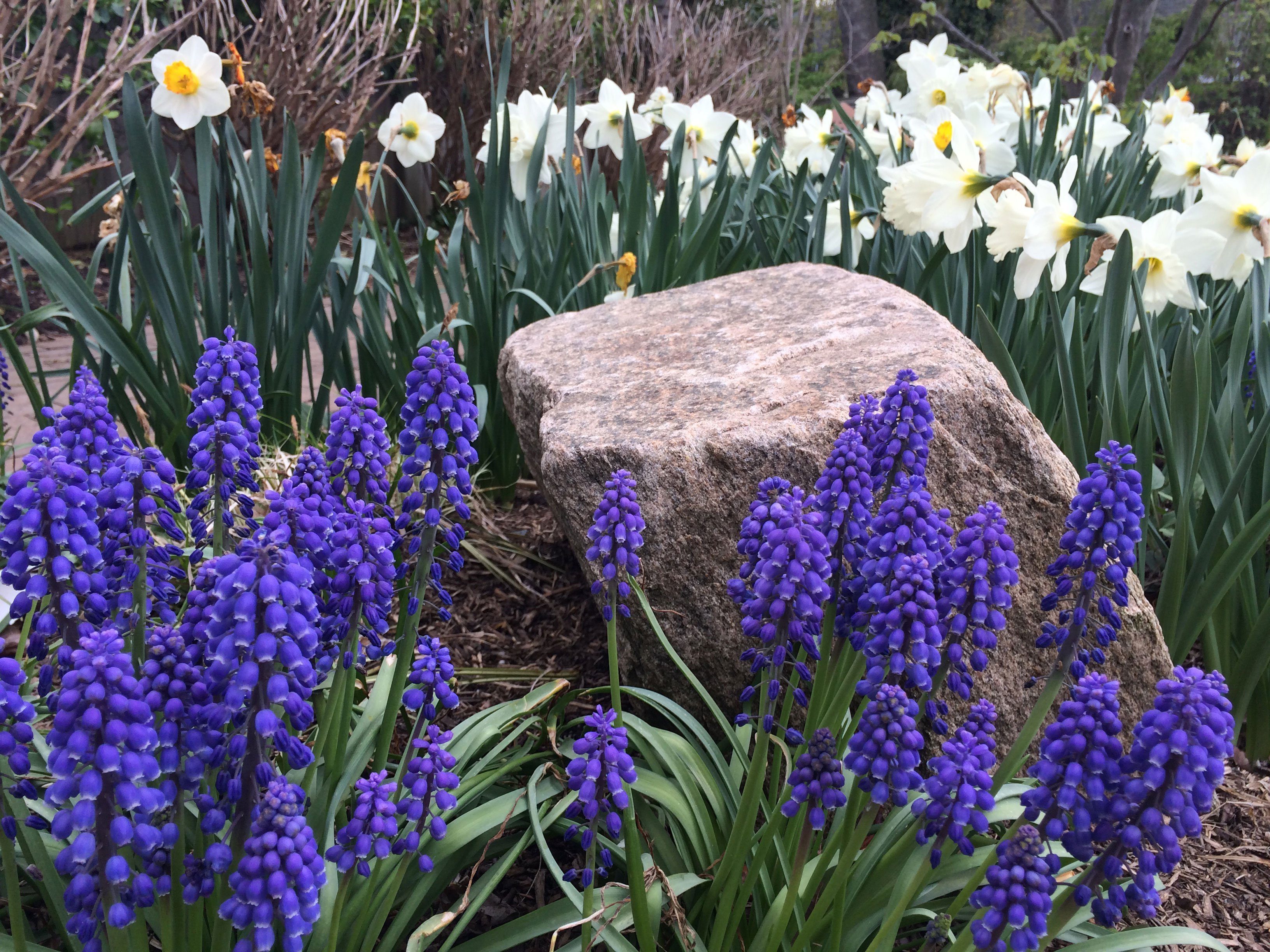
Planting bulbs is a little like planting a savings account. A handful this week can turn into a drift that grows bigger every April.
Not every bulb is a long-term guest, though. Many hybrid tulips put on a stunning first show and then fade over a few years, so plenty of gardeners treat them like annuals.
Daffodils are the champions here. They multiply steadily, shrug off pests, and handle Illinois winters with ease.
Crocus, snowdrops, and grape hyacinths also come back reliably. Species tulips, the smaller wild types, tend to return better than big showy hybrids.
When clumps get crowded and flowers shrink, it is time to divide. Dig them up after the leaves yellow, separate the bulbs, and replant in fall.
Planting crocus in a lawn creates a fun meadow effect. Just delay that first mow until their leaves ripen.
So grab your trowel while the soil is still soft. A few bags tucked in now mean you will spend March watching green tips poke up and feeling pretty proud. That little secret under the leaves is worth every muddy knee.