How a Healthy Florida Lawn Is Supposed to Look Going Into Winter
A brown lawn in January can be a perfectly healthy lawn. Some of the best-kept yards in Florida spend part of winter looking like a shredded wheat cereal box, and their owners are not worried one bit.
Warm-season grasses slow down once soil temperatures fall into the 50s and 60s. Some fade to tan, some just grow sluggish, and a few in the far south barely notice the change.
Where you live matters a lot here.
I used to panic every time my yard lost its summer shine. I’ll take the blame for wasting money on fertilizer that did more harm than good.
You need to know what normal looks like before you start fixing things that are not broken.
Telling a resting lawn from a struggling one is easier than it sounds. The clues are hiding right under your feet.
That Tan St. Augustine Lawn Might Be Doing Just Fine
Grass has a thermostat, and it reacts long before you reach for a sweater. Once soil temperatures slip below about 65 degrees, warm-season turf starts slowing down.
That shift is the main reason your yard changes color.
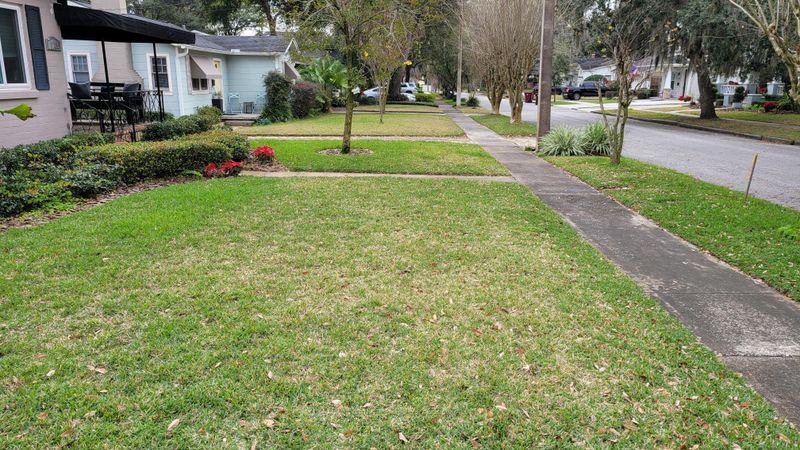
A healthy resting lawn usually looks even. The color is a uniform tan, straw, or dull green from one side to the other.
Blades feel soft when you walk on them, not crunchy or gray.
Patchy trouble is a different story. Sharp-edged circles, slimy blades, or bare spots that pull up easily point to disease, insects, or cold injury.
Those deserve a closer look.
St. Augustine grass, the most common lawn in the state, often just dulls instead of browning fully. Bahia turns a brownish tan.
Zoysia can look mottled with green and brown while it transitions.
I like to think of it as a seasonal coat change. Your turf is pulling energy down into its roots and runners.
That stored fuel powers the spring green-up.
So before you treat anything, step back and look at the big picture. Even color and soft blades usually mean rest.
Spotty damage with clear borders means something needs attention. Telling the two apart saves time, money, and a lot of worry.
Panhandle Lawns Brown Up While Miami Yards Keep Growing
Drive from Pensacola to Homestead in January and you will see three different lawn seasons. The state stretches across USDA zones 8b to 11b.
That range changes everything about winter turf.
Up north, from the Panhandle to Jacksonville, frost is common. Lawns there often go fully dormant and turn brown for weeks.
That is expected, and it is healthy.
Central areas like Orlando and Tampa get milder weather with occasional cold snaps. Grass there usually goes semi-dormant.
Growth slows a lot, color fades, but roots stay active underground.
South of Lake Okeechobee, many lawns stay green most of the winter. They grow more slowly but rarely stop.
A sudden cold front can still cause some browning on the tips.
Your neighbors are your best measuring stick. If every yard on your street looks tan, your lawn is just following the local calendar.
If yours is the only brown one in a green neighborhood, look for another cause.
Microclimates matter too. Lawns near lakes, coasts, or big buildings often stay warmer.
Low spots collect cold air and frost first. Knowing your yard’s quirks helps you read its winter look with more confidence.
Keep That Mower Deck Set High This Winter
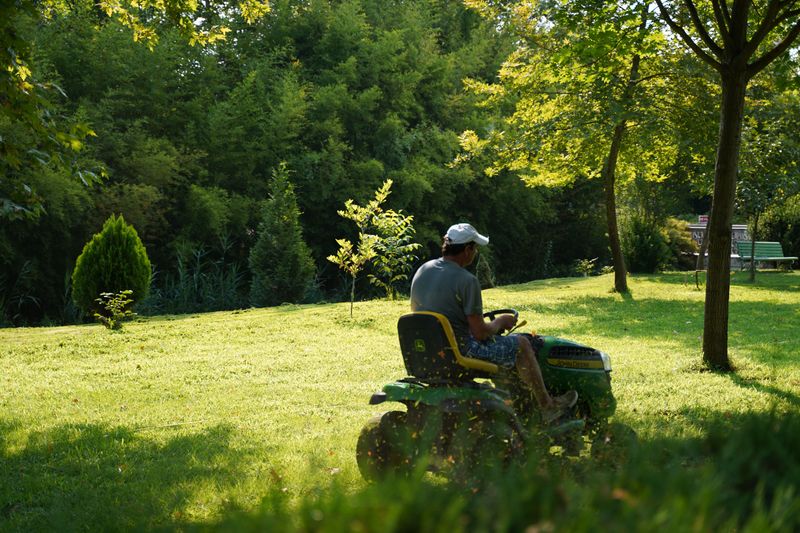
Raise that blade and leave it there. UF/IFAS Extension suggests mowing at the highest recommended height for your grass type, all year long.
Taller blades handle stress, cold, and drought better.
For St. Augustine and Bahia, that means about 3.5 to 4 inches. Zoysia does well at roughly 1.5 to 2 inches.
Centipede prefers 1.5 to 2 inches as well.
You will mow far less often now. In north and central areas, a trim every two to four weeks may be plenty.
South Florida lawns may still need regular cuts, just less frequently than summer.
A sharp blade matters more in cool weather. Dull blades shred grass tips, leaving ragged brown edges that look like disease.
Those torn wounds also heal slowly when growth is sluggish.
Try not to remove more than one third of the blade at once. Scalping a resting lawn exposes runners to cold and invites weeds.
It also leaves the yard looking thin until spring.
Personally, I sharpen my blade every fall. A clean cut on a tall lawn gives you that tidy, even look, even when the color is more tan than green.
Your Sprinkler Schedule Needs a Winter Makeover
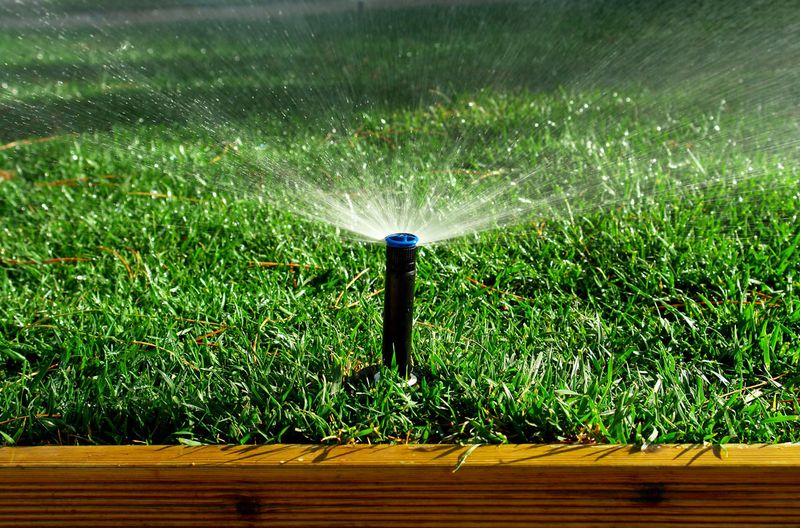
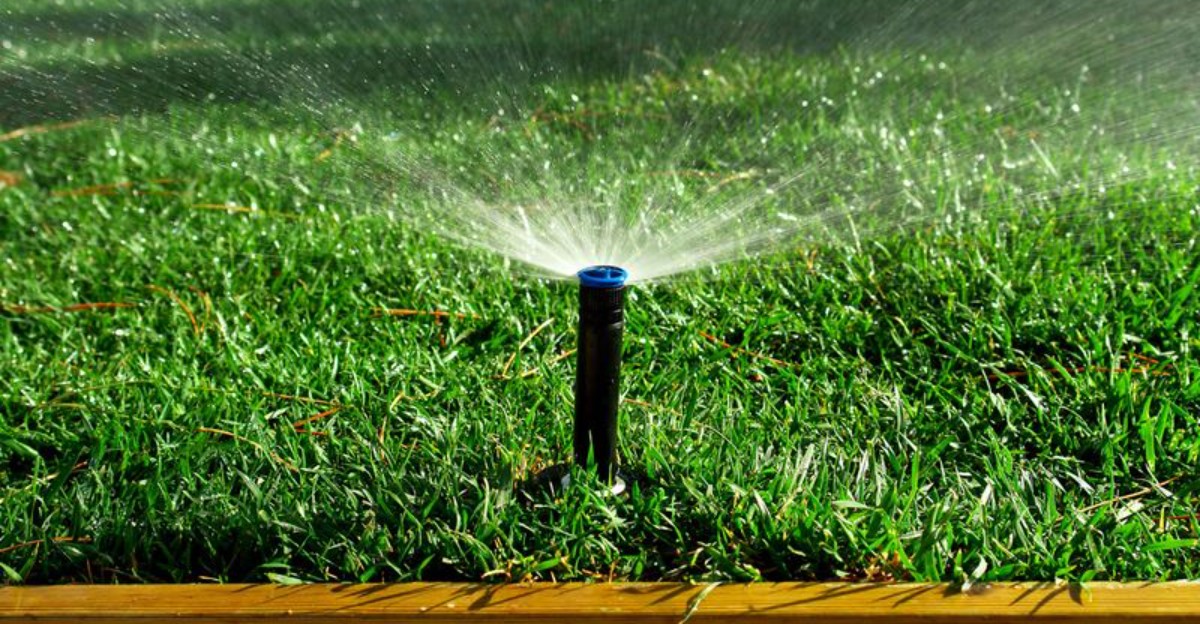
Cooler air, shorter days, and slower growth add up to a much less thirsty season for most lawns. Grass uses much less water in winter.
Yet many irrigation timers stay stuck on summer settings.
UF/IFAS research shows lawns may need water only every 10 to 14 days in central areas during winter, and even less up north. Apply about one half to three quarters of an inch each time.
Skip it entirely after a good rain.
A smarter approach is watering when the lawn asks for it. Look for folded blades, a blue-gray tint, or footprints that stay visible.
Those are the classic signs of thirst.
Overwatering causes more winter trouble than drought. Soggy soil invites fungus, shallow roots, and weeds like dollarweed.
A sour, swampy smell is a strong hint to cut back.
Water early in the morning so blades dry quickly. Evening watering keeps grass wet overnight, which fungus loves.
Also check your local water restrictions. Many water management districts limit lawn irrigation to one day a week once daylight saving time ends.
A rain sensor on your system helps you follow those rules without thinking about it.
Nitrogen Fertilizer Can Backfire on a Resting Lawn
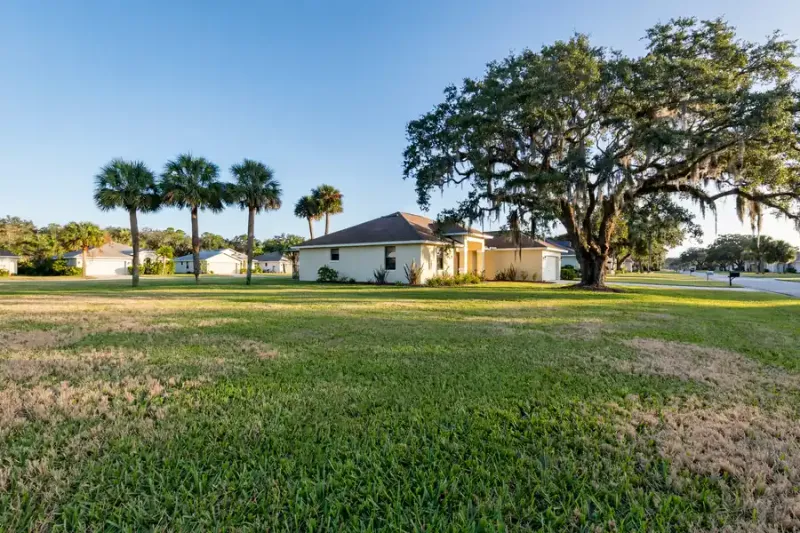
Feeding a sleeping lawn is a bit like waking a toddler at midnight. The result is rarely pretty.
Heavy nitrogen in late fall pushes tender new growth that cold nights can easily injure.
UF/IFAS generally suggests a final fertilizer application around September in north areas and October in central ones. After that, let the grass rest.
South Florida lawns that keep growing may still benefit from a light winter feeding.
Potassium is the nutrient people talk about for fall. It supports root health and stress tolerance.
A soil test from your county extension office tells you whether your yard actually needs it.
Extra fertilizer also tends to feed disease. Large patch, a common winter fungus, often flares up on lawns pushed with too much nitrogen.
You end up paying twice, once for fertilizer and again for repairs.
Rules vary by county and city. Some communities have summer fertilizer blackouts or limits on phosphorus and nitrogen.
Check your local ordinance before buying anything.
I believe the best winter fertilizer plan is patience. A well-fed lawn from earlier in the year has plenty of stored energy.
Spring is the right time to feed again, after green-up begins.
Brown Circles in St. Augustine Grass Point to Large Patch
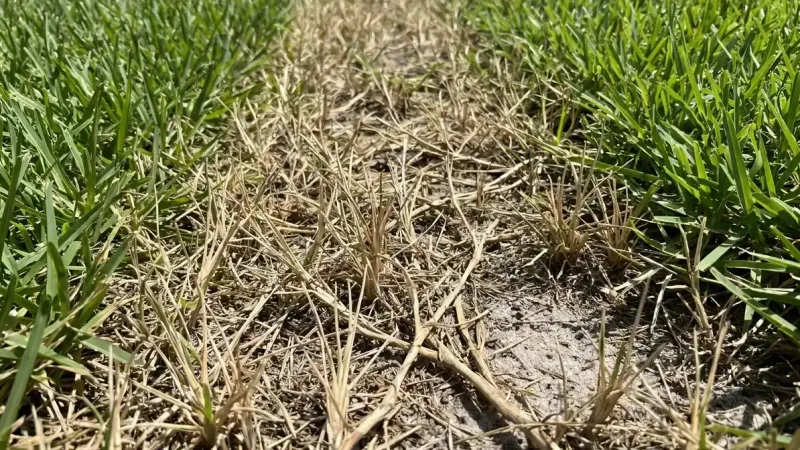
Large patch is the uninvited winter houseguest of many lawns. The fungus thrives when temperatures hover in the 60s and 70s with damp nights.
That describes plenty of Florida winters.
Look for circles of brown or yellow grass, often several feet across. The edges may show an orange or reddish ring.
Blades near the border pull easily from the runners and may look rotted at the base.
Healthy dormant grass looks nothing like this. Resting turf fades evenly.
Disease shows clear borders and spreads outward over time.
Prevention beats treatment. Water only in the morning, cut irrigation back, and avoid late nitrogen.
Improving drainage in low areas helps too.
If patches appear, a labeled fungicide can slow the spread. It will not turn brown blades green again, though.
Recovery comes in spring when the grass grows actively.
Dollar spot is another cool-season fungus. It makes small, silver-dollar sized spots and is often linked to low nitrogen or dry soil.
Mixing the two up can lead to the wrong fix. Your county extension office can identify samples, often for little or no cost.
Chickweed and Clover Love a Slow-Growing Winter Lawn
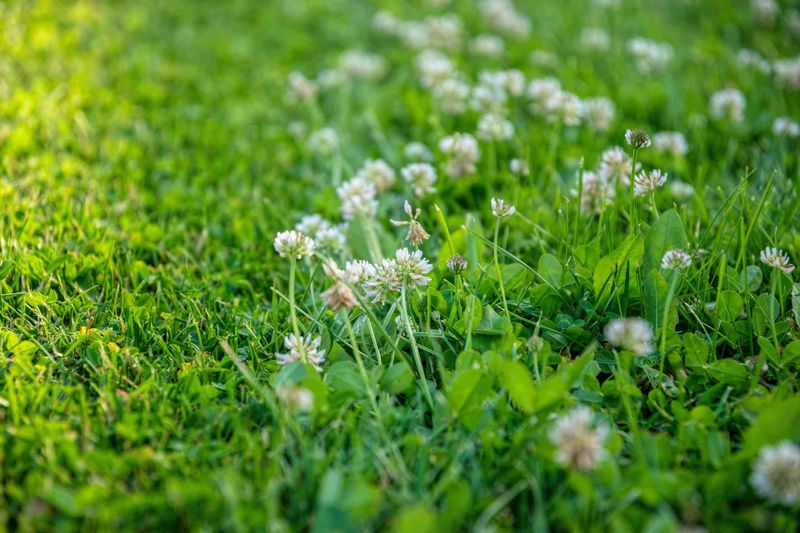
Weeds are opportunists, and winter hands them a golden ticket. Your grass slows down.
Chickweed, henbit, clover, and annual bluegrass move into every gap they find.
A healthy winter lawn still looks mostly like grass. A few weeds here and there are normal.
A carpet of bright green clumps across a tan yard means the turf is too thin or stressed.
Preemergent herbicides stop many winter weeds before they sprout. Timing matters.
Apply in fall when nighttime temperatures drop into the mid-50s to low-60s for several days.
Already have weeds? Hand pulling works well for small patches, especially after rain softens the soil.
Spot treatments with labeled herbicides are another choice.
Read labels carefully. Some products can harm St. Augustine or centipede grass, especially during green-up.
Warm-season turf is sensitive during transitions.
Dollarweed is a clue worth noticing. It loves wet soil, so a dollarweed problem often means you are watering too much.
Cutting back irrigation can reduce it without any spray.
Thick, healthy turf is the strongest weed defense. Every fix you make to mowing, watering, and feeding helps shrink the space weeds can claim.
Ryegrass Overseeding Can Hold You Over Until Spring Green-Up
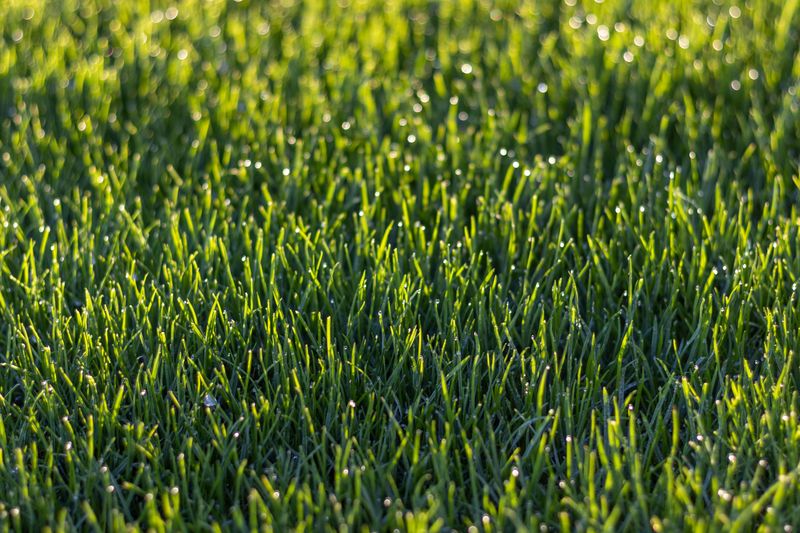
Some folks just want green, and that is fair. Overseeding with annual ryegrass gives you a temporary emerald carpet.
It sprouts quickly and fades out once hot weather arrives.
This trick works best on Bermuda lawns in north and central areas. Seed in fall after temperatures cool.
Ryegrass needs regular watering and mowing, so winter chores increase.
There is a tradeoff. Ryegrass can compete with your permanent grass in spring and slow its comeback.
St. Augustine and centipede lawns are generally poor candidates.
Turf colorants are a low-effort alternative. These grass-safe pigments tint dormant blades green for weeks.
They wash out slowly and do not affect plant health.
Here is my honest takeaway. A healthy Florida lawn heading into winter looks calm, even, and a little quiet.
Tan is fine. Thin, spotty, or soggy is not.
Your next steps are simple. Raise the mower, cut back irrigation, skip late nitrogen, and walk the yard weekly looking for odd patches.
Then plan your first spring feeding once the lawn greens up on its own. Patience now pays off with a thicker, stronger lawn when warm weather returns.