Antlered Neighbors Are Wandering Illinois Roads At Dusk Throughout This Month
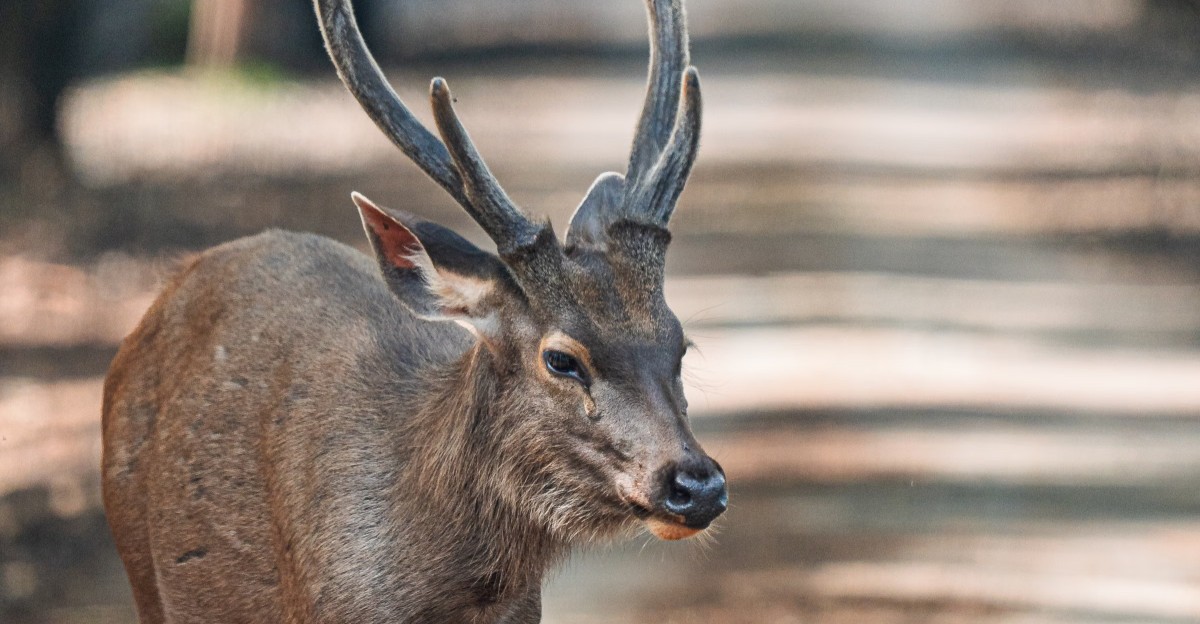
Some of the most cautious animals in the woods turn reckless every November. Antlered males that hid all summer suddenly trot across Illinois highways at sunset with their noses to the ground.
Wildlife biologists have a name for this restless stretch, and Illinois drivers feel it most in the half hour around dusk. The animals are not lost. They are on a mission, and roads just happen to sit in the way.
I keep a flashlight by my back door this time of year. Last week it caught a pair of glowing eyes beside my arborvitae, plus a fresh scrape of shredded bark on a young maple. My heart jumped a little.
You might notice the same clues in your own yard soon. Here is what pulls these shy visitors out of hiding, and how to protect your car and your shrubs before the snow flies.
Those Antlered Shadows at Dusk Have a Seasonal Agenda
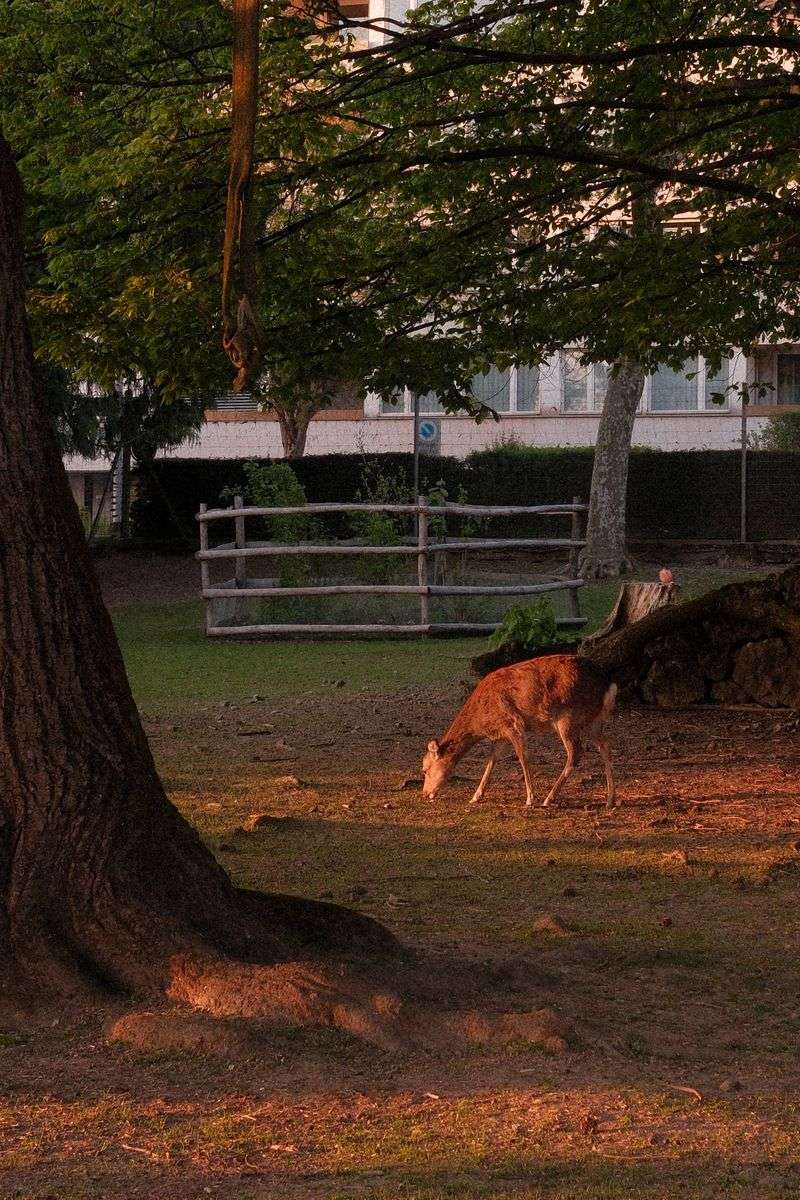
I used to blame the early sunsets for all those near misses, but the calendar and the clock both play a part. Turns out the calendar matters more than the clock. White-tailed deer follow a yearly rhythm, and late fall is when that rhythm speeds up.
Deer are crepuscular, which means they move most at dawn and dusk. In November, those prime hours line up neatly with the evening commute after the clocks fall back. You end up driving home right when the woods empty onto the roads.
So is it truly more than ever? The honest answer is that this is a reliable yearly peak, not proof of a record population boom.
The Illinois Department of Transportation reports that deer crashes climb each fall, with November usually leading the pack.
Habitat matters too. Harvested corn and soybean fields leave less cover, so deer travel farther between woodlots, creek corridors, and suburban greenbelts. Many of those travel routes cross county roads and busy suburban streets.
Hunting seasons add another layer of movement. Archery season stays open through much of the fall, and firearm weekends arrive in late November, which can push deer out of familiar hiding spots.
November Rut Turns Bucks Into Restless Road Crossers
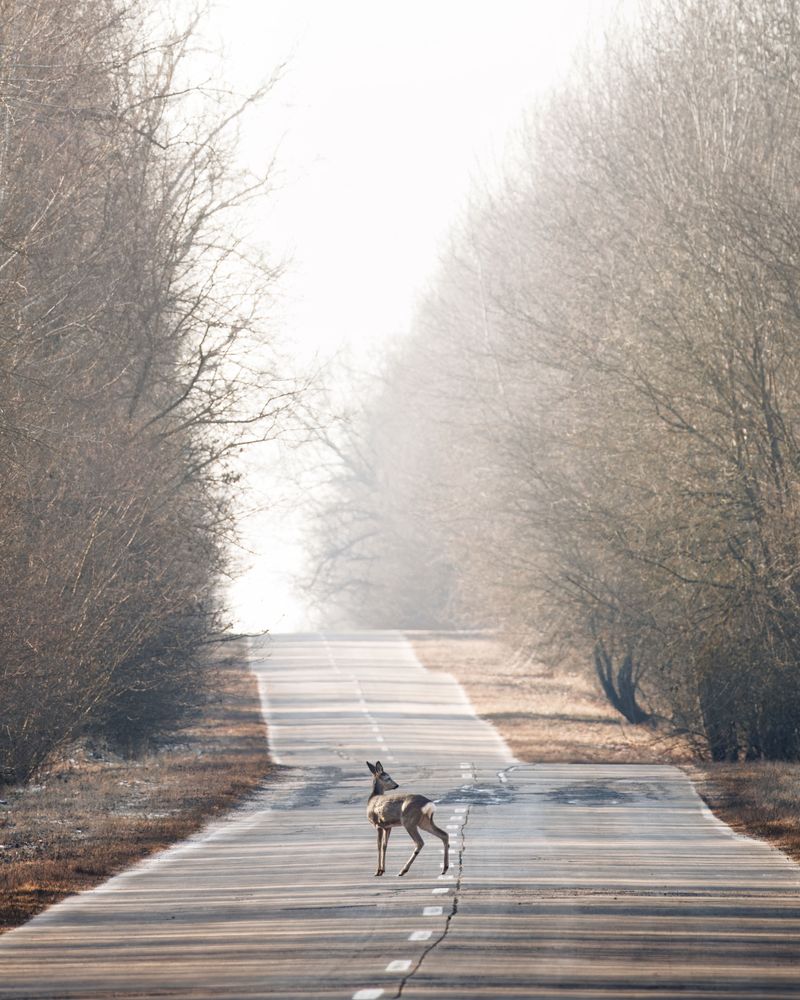
Love makes everyone a little careless, and bucks are no exception. The breeding season, called the rut, peaks across the state from late October into mid-November.
Biologists at the University of Illinois note that bucks roam far beyond their usual home range during this stretch.
A buck that spent summer near one thicket may now travel several miles chasing does. He eats less, loses weight, and pays less attention to danger. Headlights barely register when his mind is elsewhere.
Does move more too, often because persistent bucks chase them across open ground. Young males get pushed around by older rivals, so they wander in search of new territory.
One fun fact keeps me watching the roadside. Bucks grow a fresh set of antlers every year and shed them in winter, usually between January and March.
The polished racks you see now are at their full size and hardness. The takeaway is simple. Those antlered visitors are not confused or starving at this point.
Hormones are steering them, which makes their movements fast, erratic, and harder to predict than in any other month of the year.
Slow Down When One Deer Crosses the Road at Twilight
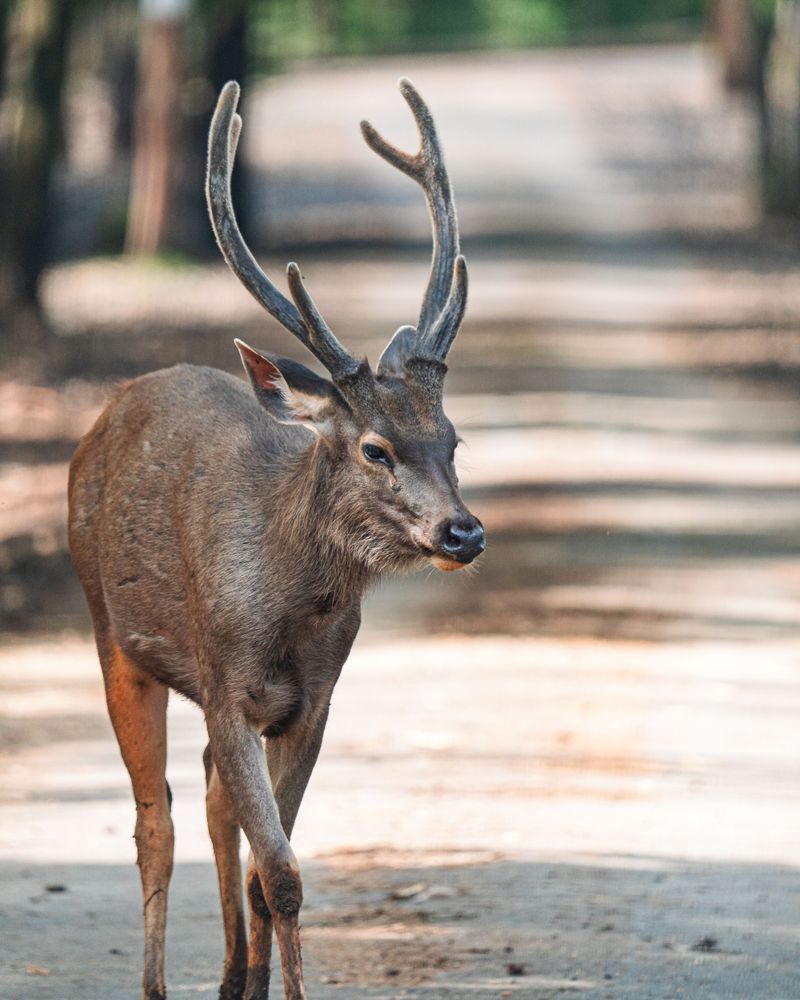
Seen one deer? Ease onto the brakes and wait, because a second or third is often close behind. Does and fawns travel in family groups, and a buck may trail a doe by only a few seconds.
Illinois officials share a few habits that make a real difference. Slow down on wooded and rural stretches between about 5 and 8 p.m.
Use high beams when no traffic is coming, since they catch eye shine sooner, and watch the shoulders as well as the lane ahead.
The hardest advice to follow is this one. If a collision cannot be avoided, brake firmly and stay in your lane rather than swerving. Many serious injuries happen when drivers veer into oncoming traffic or a ditch.
Deer whistles and similar gadgets have shown little proof of working in research, so I rely on attention instead. Wear your seat belt on every trip, even short ones.
If you do strike a deer, pull over safely, turn on hazard lights, and call police if anyone is hurt or the animal blocks traffic. Illinois requires reporting crashes above certain damage amounts, so check with your insurer and local authorities.
Hungry Deer Will Sample Your Evergreen Shrubs This Month
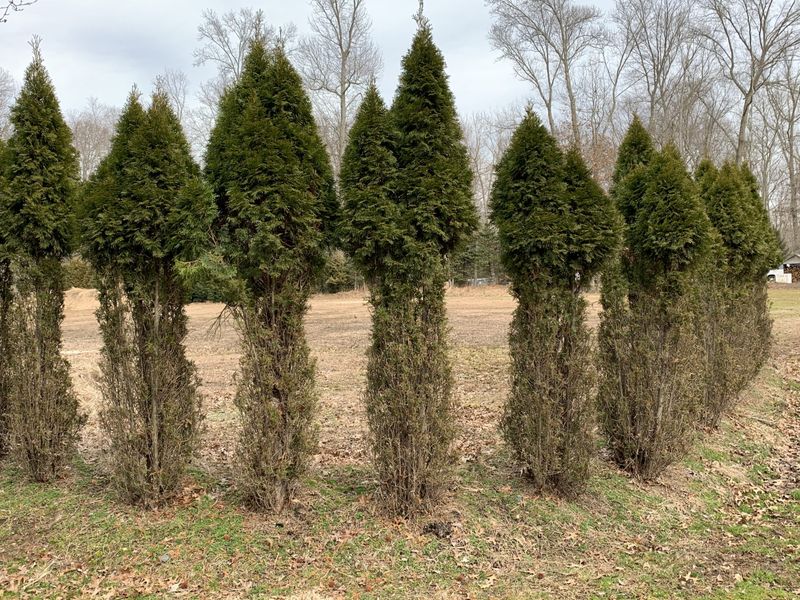
My yews looked fine on Halloween. A week later the bottom two feet were chewed into odd little stubs. Late fall is when garden plants start looking like a buffet to deer.
Acorns and crop leftovers run low as the season goes on, and deer need plenty of energy before winter. Bucks in the rut burn through fat reserves quickly, so they grab easy calories whenever they can.
Yards near woods, ravines, and parks see the heaviest visits. Evergreens take the biggest hit. Arborvitae, yews, rhododendrons, and young fruit trees offer green food after most leaves have fallen.
Leftover hostas and early bulb shoots can also get nibbled. The phrase deer resistant comes with a catch. Plants deer usually skip in summer may get sampled once snow covers everything else.
University of Illinois Extension points out that heavy local populations make browsing worse, no matter what the plant tag says.
Take a quick walk around your yard this week. Note which shrubs sit along obvious deer paths, then plan protection for those first. Ten minutes of scouting now beats replacing a whole hedge in April.
Ragged Leaves and Rubbed Tree Bark Tell You Who Visited
Rabbits are neat eaters compared to deer. A rabbit snips stems at a clean angle, while deer leave ragged, torn edges.
That difference comes from their teeth, since deer have no upper front incisors and must tear food against a tough dental pad.
Look for browse lines, too. Shrubs chewed evenly up to about four to six feet high point straight to deer, because rabbits cannot reach that far.
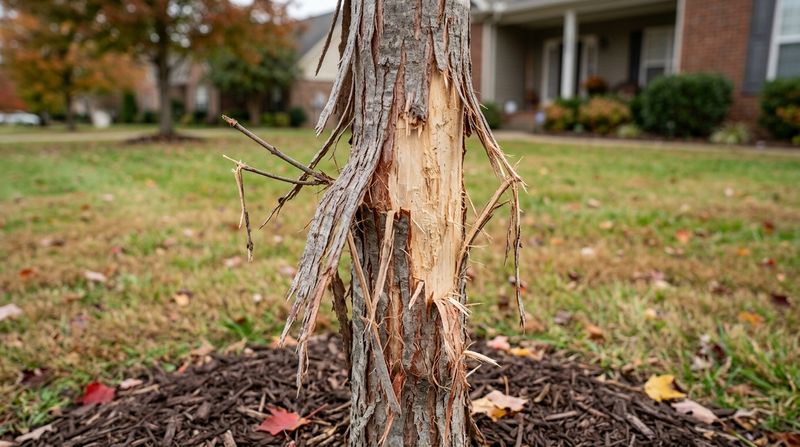
Rubs are another giveaway this month. Bucks scrape their antlers on saplings and small trees to mark territory, peeling bark in long shreds about knee to waist high.
Young trees with smooth bark, like maples and fruit trees, often take the worst of it, and heavy rubbing can girdle a trunk and set the tree back for years.
On the ground, you may spot heart-shaped hoof prints in soft soil or snow. Small piles of oval droppings near a flower bed tell you someone lingered for a snack.
I check my trees after frosty mornings, when tracks show up best. Spotting these clues early lets you wrap a trunk or cage a shrub before one visit turns into nightly raids.
Tall Fencing and Wire Tree Cages Keep Deer Out
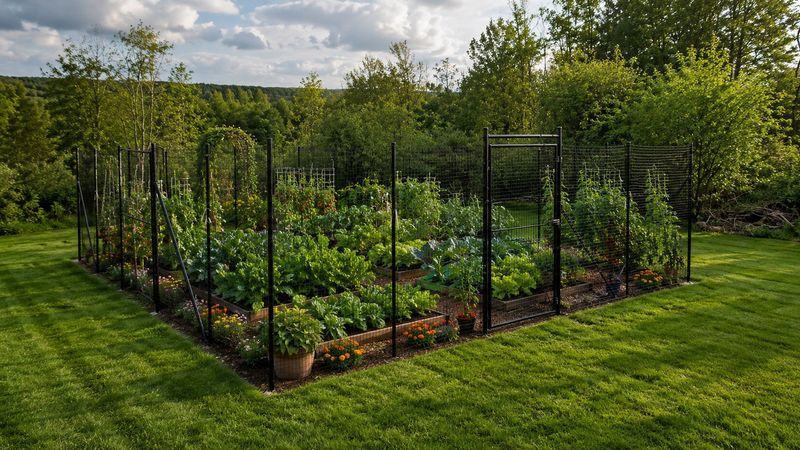
Ask any extension specialist about stopping deer, and fencing tops the list. Physical barriers outperform sprays and gadgets in nearly every study. The catch is height, since a healthy white-tailed deer can clear about eight feet.
For a full vegetable or perennial garden, aim for a fence at least eight feet tall. Polypropylene deer netting costs less than wood or metal and blends into the landscape.
Deer also hesitate to jump into small, tight spaces, so a shorter fence around a narrow bed sometimes works.
Some gardeners try two shorter fences set a few feet apart. Deer struggle to judge the double barrier and often walk away.
Electric fences baited with a dab of peanut butter teach deer to keep their distance, though check local rules before installing one.
For individual trees, wrap trunks with plastic tree guards or circle them with wire cylinders four to five feet tall. Stake the cages firmly so a rubbing buck cannot push them over.
November is a fine time to install guards, since the ground has not frozen solid in most of the state yet. Burlap screens around evergreens add a helpful layer against browsing and drying winter winds.
Egg-Based Repellents and Motion Sprinklers Buy You Time
Rotten egg smell is not my favorite garden perfume, but deer dislike it even more. Research from several universities shows repellents made with putrescent egg solids rank among the most effective sprays.
Products based on dried blood also perform well. Repellents work by smell, taste, or both. Odor-based types protect plants without the deer needing to take a bite first.
Reapply after heavy rain, and spray on dry days when temperatures stay above freezing so the product sticks.
Rotation keeps deer guessing. Switch between two or three products with different active ingredients every few weeks.
Deer are smart and quickly learn that a familiar smell causes no harm. Home remedies get mixed reviews. Bars of soap, human hair, and blood meal may help briefly, yet results vary from yard to yard.
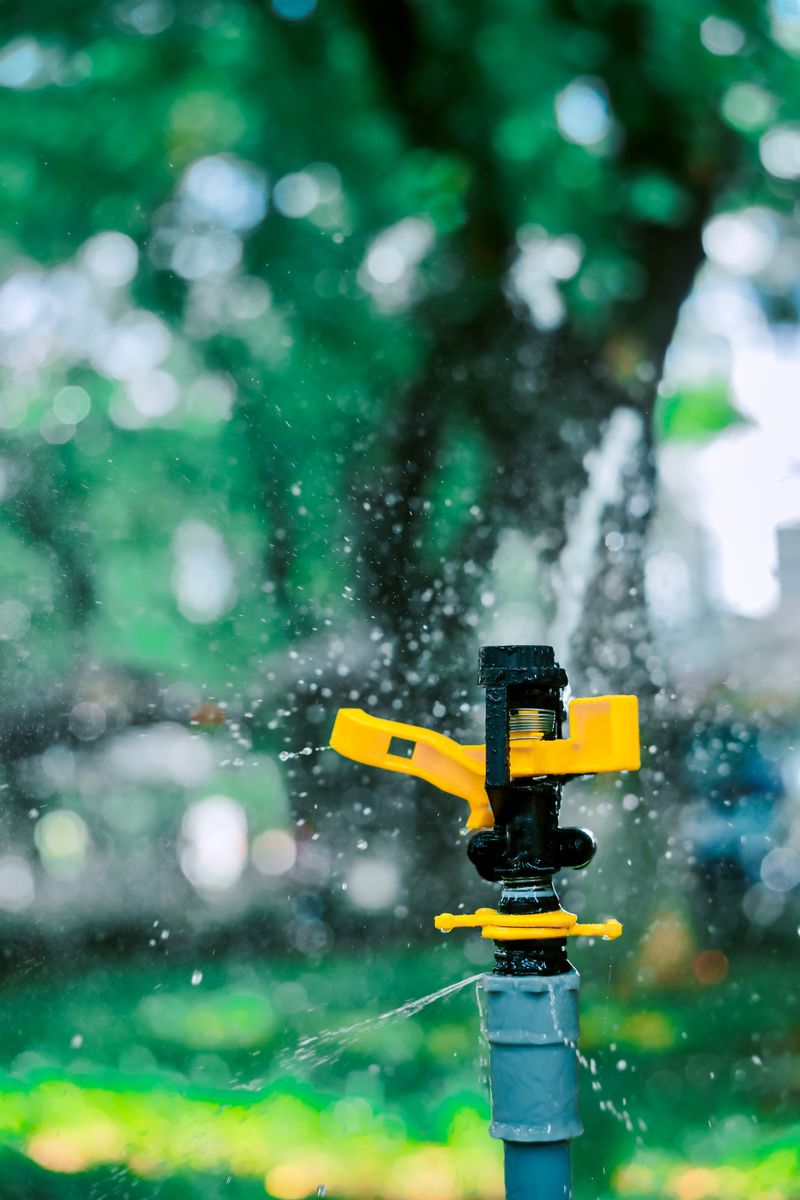
Motion-activated sprinklers give a startling splash that sends deer bounding away, though they get tricky once hoses freeze. Lights and noisemakers work best if you move them every few days.
Treat repellents as a bridge, not a cure. In areas with heavy deer pressure, combine them with cages or fencing for the plants you care about most.
Deer-Resistant Daffodils and Alliums Make Next Season Easier
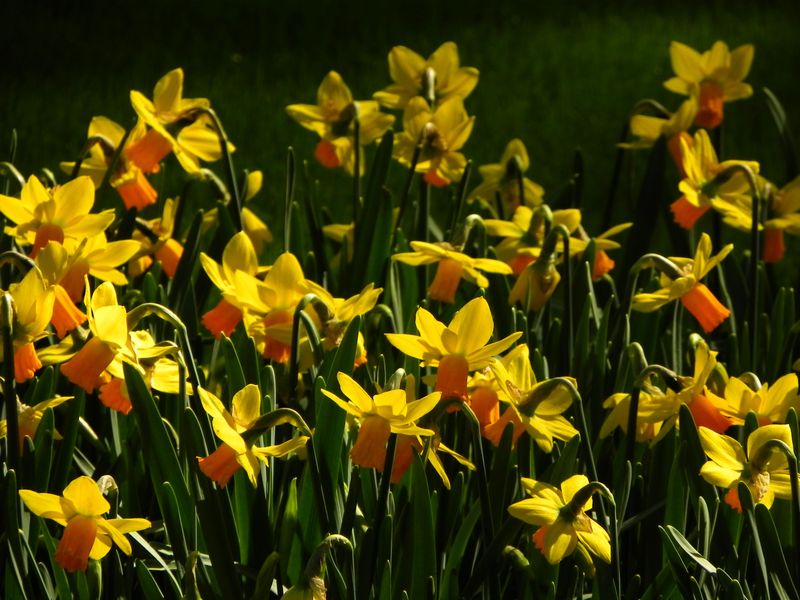
Daffodils might be the most satisfying bulb to plant in deer country. Their bulbs and leaves contain bitter compounds that deer and rodents mostly leave alone.
Even better, early November is still a workable planting window in much of Illinois if the soil has not frozen.
Ornamental alliums bring the same benefit with a strong onion scent. Snowdrops round out a tough spring bulb lineup.
Native perennials help too. Wild ginger, wild bergamot, and many native ferns usually get passed over thanks to strong scents or fuzzy, textured leaves. Butterfly weed and mountain mint are smart picks that also feed pollinators.
No plant is deer-proof. A hungry herd in late winter will test almost anything, so think of these as low-risk choices rather than guarantees.
Place your most tempting plants close to the house, and use tougher ones as a buffer along the yard edges.
Plan for the long game. Pair smart plant choices with guards, repellents, and careful driving at dusk.
Those antlered neighbors will settle down after the rut, and your yard and car can come through the season in good shape.