7 November Rosemary Jobs To Do In Pennsylvania Before Winter
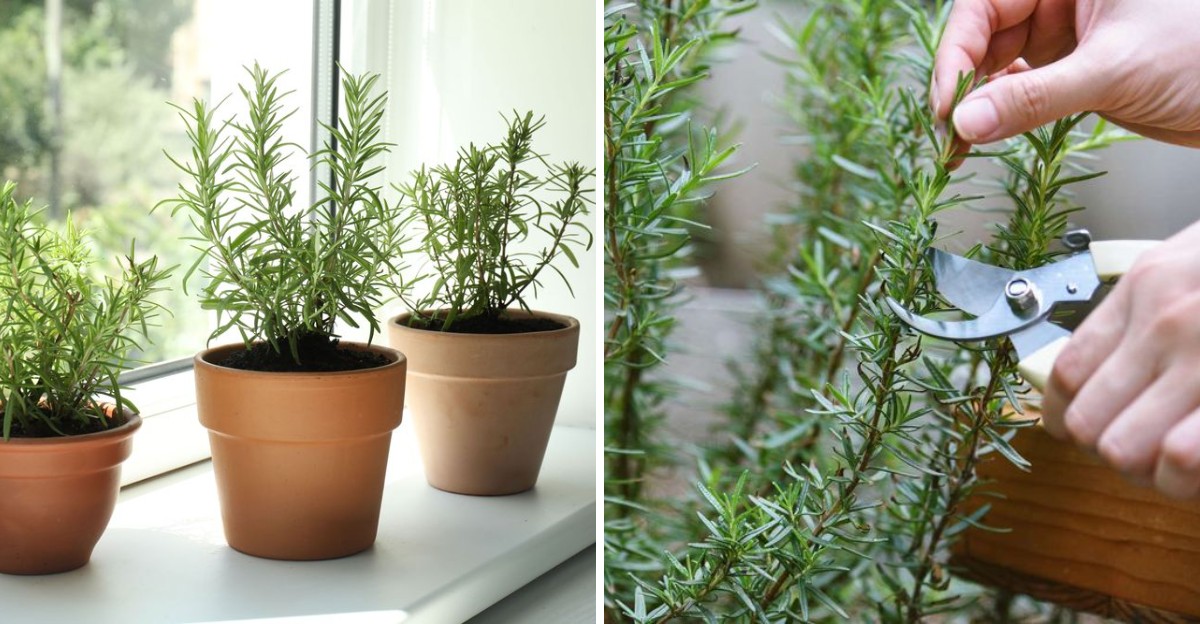
Botanists quietly moved a favorite kitchen herb into the sage family’s main genus back in 2017. Its new name means dew of the sea, a nod to the salty Mediterranean cliffs where it grows wild.
That seaside upbringing explains why the shrub sulks when Pennsylvania winters bring frozen ground and soggy roots. Most common types handle temperatures only to about 10 to 20 degrees Fahrenheit before serious leaf damage appears.
I have to admit my first potted plant sat outside until a hard freeze turned its needles brown. You can skip that heartbreak with a few simple chores while the late autumn days still feel mild.
Gardeners across Pennsylvania have a short window before the real cold settles over the hills and valleys.
1. Know Your Zone Before Rosemary Faces Frost

Every rosemary plant carries a little Mediterranean beach memory, and frozen Pennsylvania soil feels nothing like home to it. Most of the state now falls in USDA zones 5b through 7b, according to the 2023 hardiness map.
Common rosemary usually handles zone 8 winters, so a typical garden here sits a step or two too cold. Personally, I treat every outdoor plant as an experiment unless I know exactly which cultivar sits in the ground.
Cold-tolerant picks like Arp and Madalene Hill are often rated down to zone 6 or 7 with protection. Arp was found in Arp, Texas, which makes its northern toughness a fun bit of garden trivia.
Grab your plant tag now, or check your original receipt if the label vanished during summer weeding. Knowing the variety tells you whether the shrub stays outside or moves into a sunny room soon.
Next, look up your exact zone by entering your ZIP code on the USDA hardiness map website. Southeast cities like Philadelphia often run warmer than the northern mountain counties around Potter and Tioga.
Write your plan on a sticky note and keep it near your gardening gloves for quick reference. A clear decision now saves you from panicked dashes outside when the first frigid forecast suddenly appears.
If you feel unsure about toughness, treat your plant as tender and plan for indoor shelter this season. That cautious choice rarely backfires, and you can test hardier cultivars outside once you feel more confident.
2. Carry Potted Rosemary Inside Before A Hard Frost
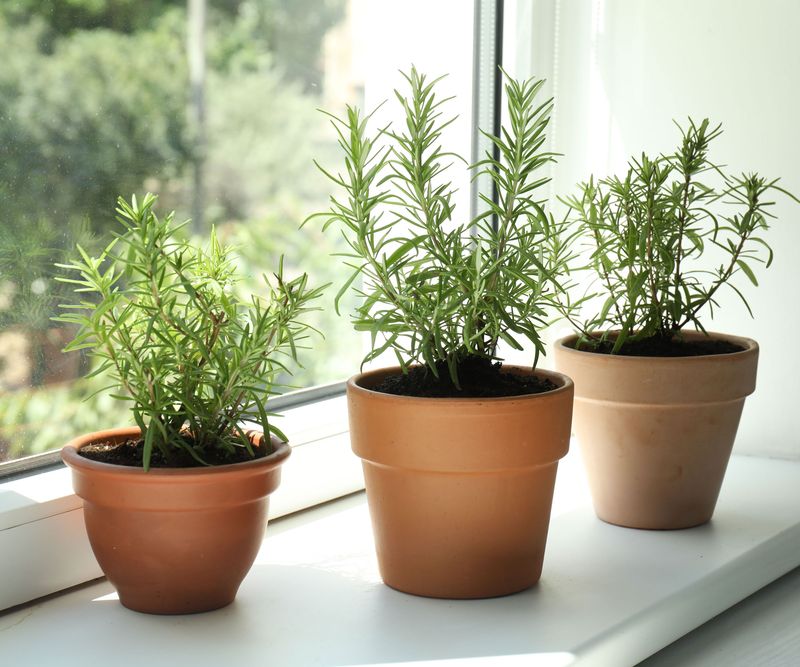
Nothing smells quite like brushing past a pot of rosemary on a chilly morning while carrying it indoors. Container plants freeze faster than garden plants because their roots sit above ground with very little insulation.
Many growers suggest moving pots inside when nights drop steadily into the low forties, before a hard frost.
In much of Pennsylvania, that window often arrives somewhere between late October and the middle of November.
Before the move, hose off the foliage gently and look under the needles for tiny crawling visitors. Trim away brown, brittle twigs so you carry in a clean plant instead of a pest hotel.
Indoors, rosemary loves the brightest spot you have, ideally a south-facing window with several hours of sun. A cool room between about 40 and 60 degrees helps it rest calmly through the darker months.
I keep mine in an unheated sunroom, and it stays surprisingly perky until spring returns to the garden. Warm living rooms with dry furnace air often cause needles to crisp and drop much faster than expected.
Keep the pot several feet away from radiators and heating vents, which dry the soil and foliage quickly. A small fan on low nearby keeps air moving and helps discourage powdery mildew on the leaves.
Some gardeners ease the change by setting pots on a shady porch for a few days first. That gentle transition helps the plant adjust before it meets lower indoor light levels for the winter.
3. Shield Garden Rosemary With Burlap And Mulch
Burlap might look like an old potato sack, but it works wonders around a shrub facing icy winds. Hardier rosemary planted in the ground needs extra help, especially in the colder half of the state.
Winter wind dries evergreen needles while the frozen soil stops roots from replacing that lost moisture. Pound a few stakes around the plant and staple burlap to them, forming a loose windbreak.
Leave the top open or loosely covered so light and air can still reach the foliage on mild days. Plastic sheeting traps moisture and heat, so it often causes more harm than the cold itself.
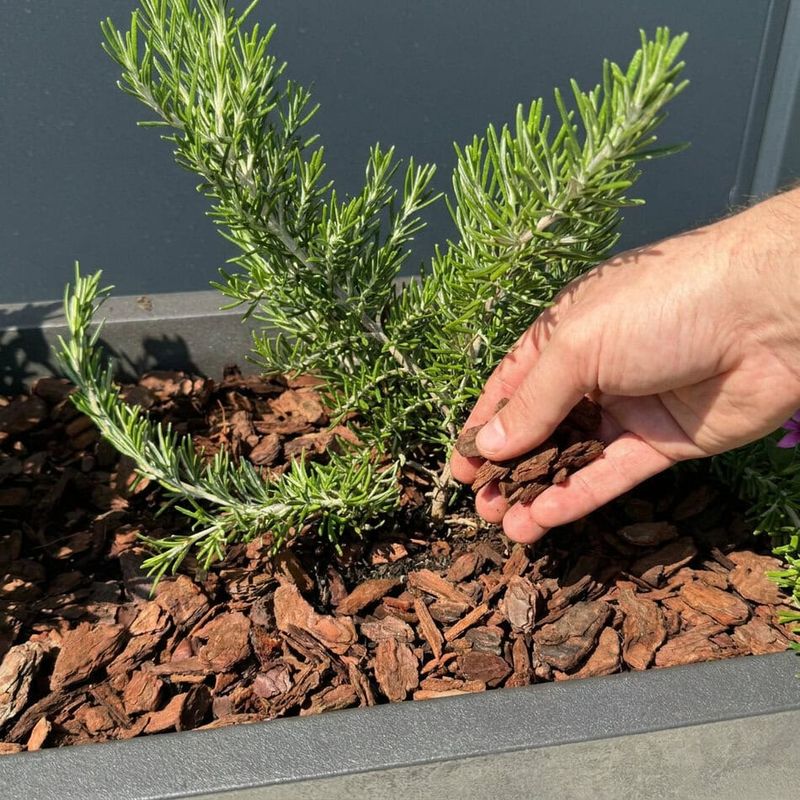
After the ground cools, spread two or three inches of shredded bark or pine needles around the base. Pull the mulch back an inch from the woody stem so the crown stays dry and breathes.
I believe drainage matters even more than mulch, because soggy roots in freezing soil struggle badly. Raised beds and gravelly soil help water drain away before it turns into a block of ice.
A spot beside a south-facing wall adds stored warmth, which can make a surprising difference on frigid nights. Brick and stone soak up sunshine during the day and release it slowly after the sun goes down.
After heavy snow, brush the white load off gently with a broom so branches do not snap. Sweep upward from below instead of whacking the top, since frozen stems break more easily than you think.
4. Snip Fresh Rosemary Sprigs But Skip Heavy Pruning
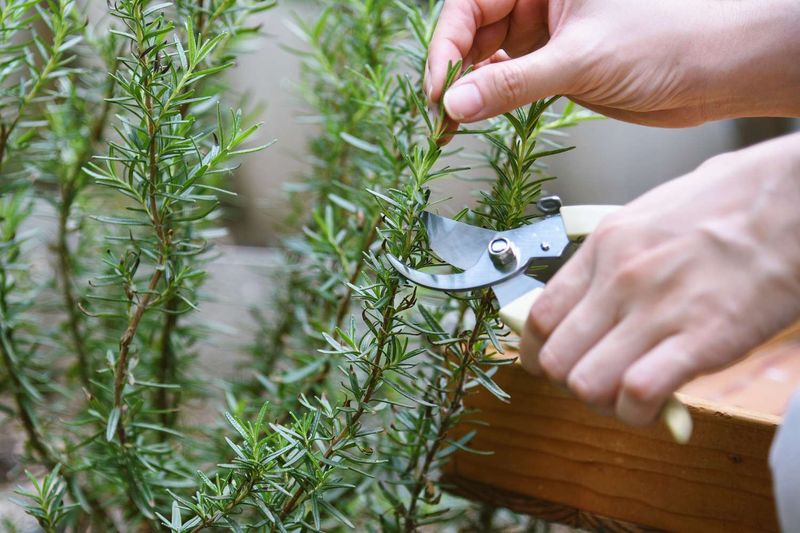
Fresh rosemary on roasted potatoes tastes even better when you snipped it from your own plant minutes earlier. Late fall harvesting is perfectly fine, as long as you keep your clippers light and polite.
Heavy pruning right now pushes out soft new shoots that have no time to toughen before winter. Those tender tips freeze easily, and the damage can travel back into the older stems underneath.
Instead, take just the green, bendy tips that snap cleanly between your fingers or sharp herb snips. Avoid cutting into bare, woody parts, because rosemary rarely sprouts new growth from old leafless wood.
A handy rule says to remove no more than one third of the plant at a time. I usually take far less in November, grabbing only what I need for dinner that evening.
Feel free to clip out broken or browned stems, since removing them keeps the shrub tidy and healthy. Clean your blades with soapy water first so you do not spread disease from one plant to another.
Extra sprigs dry nicely when bundled with string and hung upside down in a warm, airy spot. Once crisp, strip the needles into a jar and enjoy that piney aroma all winter long.
You can also freeze chopped leaves in olive oil inside ice cube trays for quick winter cooking. Drop a cube into soup or sauce, and your kitchen smells like a summer garden again.
5. Ease Up On The Watering Can As Rosemary Rests

Believe it or not, more potted rosemary plants struggle from too much water than from cold in winter. Its roots evolved on rocky, sun-baked hillsides, so a constantly damp pot feels like an unwelcome swamp.
Outdoors, autumn rain usually supplies enough moisture, so you can put the hose away for the season. Check the soil before a deep freeze, and water only if it feels dusty dry several inches down.
Indoors, poke a finger into the pot and wait until the top inch or two feels dry. Then water slowly until a little drains out the bottom, and empty the saucer after about ten minutes.
Clay pots breathe through their sides, which helps soil dry faster than in plastic or glazed containers. I switched my rosemary to terra cotta years ago, and root rot problems mostly disappeared after that.
Watch out for a sneaky clue, because overwatered plants show browning needles that look a lot like thirst.
Many people respond by adding more water, which only makes the soggy root problem worse over time.
A cheap moisture meter takes away the guesswork if your finger test feels confusing at first. Push the probe halfway down the pot and water only when it reads on the dry side.
Rosemary can also struggle when soil dries to dust, so do not swing too far the other way. Finding that happy middle takes a little practice, but your plant will reward you with healthy green growth.
6. Root Rosemary Cuttings On A Bright Windowsill
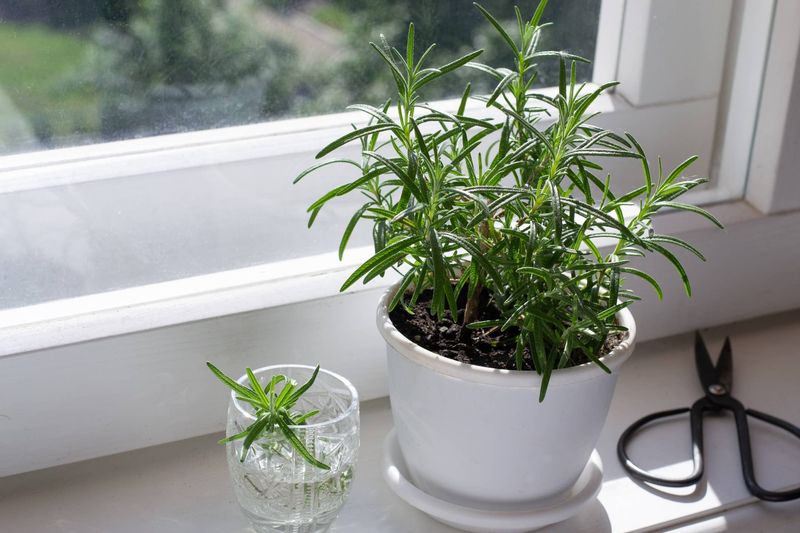
One clipped rosemary stem can quietly grow into a whole new plant while snow piles up outside. Taking cuttings now gives you a free backup in case your main shrub struggles through a harsh winter.
Choose healthy shoots about four to six inches long, ideally from this year’s growth that bends a little. Strip the needles from the lower couple of inches, leaving a fuzzy green tuft at the top.
You can set the stems in a glass of water and change that water every few days. Many gardeners prefer a light, gritty potting mix, since roots grown in soil adjust better once planted.
Dipping the cut ends in rooting hormone may speed things up, though rosemary often roots without it. A seedling heat mat underneath the pots also encourages roots to form faster during cool winter weeks.
Roots often begin appearing within about two to four weeks, which feels pretty quick for a woody herb. A gentle tug that meets resistance tells you the cutting has anchored itself in the soil.
I love lining up a little row of cuttings on the kitchen windowsill and watching them perk up. Each one makes a thoughtful holiday gift for friends who enjoy cooking with fresh herbs at home.
Keep rooted cuttings in their own small pots indoors until spring, giving them bright light and steady care. They can head outside once frost danger passes, usually around mid May in many parts of Pennsylvania.
7. Hunt For Spider Mites And Powdery Mildew On Rosemary
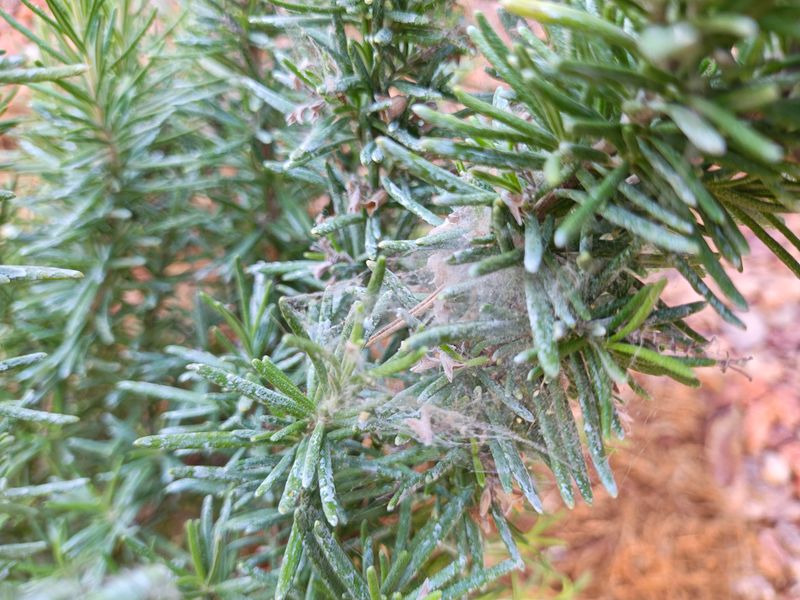
Tiny spider mites can hitch a ride indoors on rosemary and quickly spread to your favorite houseplants. Dry indoor air in winter suits them perfectly, so an early inspection pays off in a big way.
Grab a flashlight and check the undersides of needles, along with the stems where they join the branches. Look for fine webbing, sticky residue, cottony clumps, or tiny specks that move when you tap them.
Aphids and mealybugs also enjoy rosemary, especially once it settles into a cozy indoor spot for winter. A strong rinse in the sink or shower knocks many of these pests off before they multiply.
For stubborn problems, insecticidal soap sprayed on all leaf surfaces usually works well on these soft-bodied insects. Follow the label directions closely, and repeat the treatment weekly until you stop finding new pests.
Powdery mildew shows up as a white, dusty coating, often when air sits still around crowded plants. Space pots apart and keep a gentle breeze moving, since better airflow helps keep that fungus away.
I check my rosemary every time I water, which turns pest scouting into a quick, easy habit. Catching trouble early usually means a simple rinse instead of a long, frustrating struggle later in winter.
Outdoor plants deserve a look too, especially for leaf spots or wilting stems before the snow arrives. A healthy plant heading into winter has a much better chance of greeting spring with fresh growth.