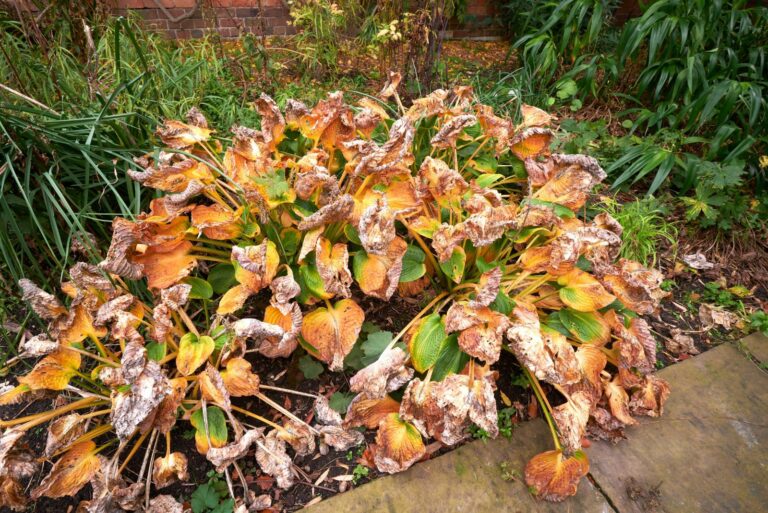
This Fungal Nightmare Is Targeting Pennsylvania Tomatoes At An Alarming Rate
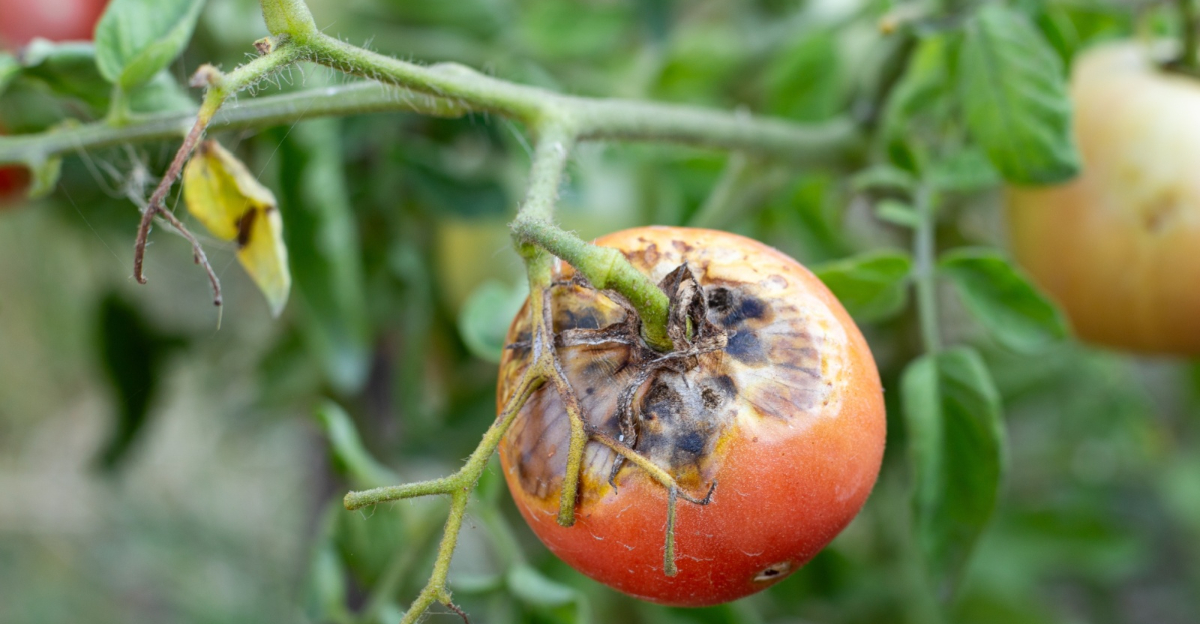
Tomato plants across Pennsylvania are weakening faster than most gardeners realize. Late blight has quietly returned, spreading through home gardens statewide.
Wind carries invisible spores across entire counties within just hours. Rain traps built-up moisture against leaves, helping infection take hold.
Pennsylvania growers are already noticing troubling changes in their rows. Healthy vines can shift in appearance almost overnight without warning.
Nothing about this fungus waits patiently for your permission. Every hour you hesitate gives it more ground to take. Spores hidden deep in wet soil wait quietly for their moment.
Neighbors who felt confident just last week are now seeing changes. Early signs are easy to miss without knowing what to look for. Speed decides whether you protect your harvest or lose it.
Understanding the early warning signs keeps you ahead of trouble. Action taken today can still protect everything you have grown. You do not get to look away from this.
What Late Blight Is And Why It Spreads So Fast
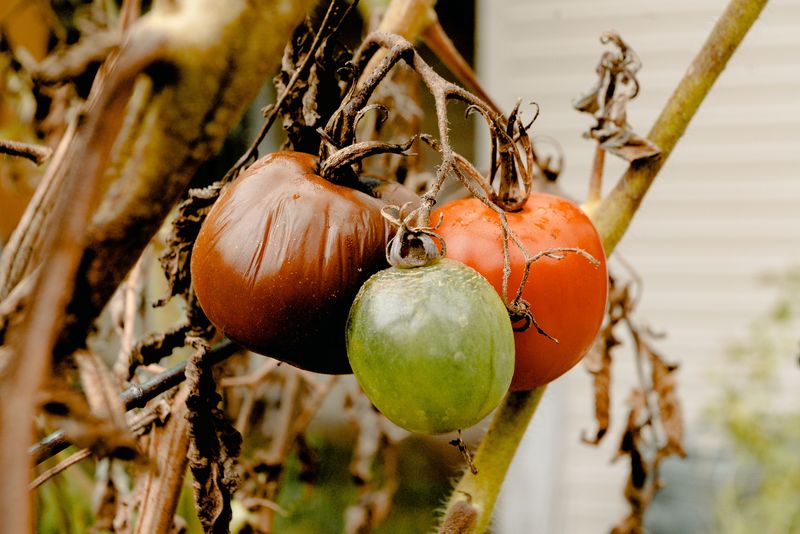
Late blight is not your average garden problem. It is caused by a water mold called Phytophthora infestans, and it spreads aggressively.
Most plant diseases spread slowly, giving you time to react. Late blight does not play by those rules.
Spores launch into the air during wet, cool weather and travel miles before landing on a new host. One infected plant can trigger an outbreak across an entire neighborhood.
The pathogen thrives when temperatures sit between 60 and 70 degrees Fahrenheit. Add rain or heavy morning dew, and conditions become nearly perfect for rapid spread.
Pennsylvania summers offer exactly that kind of weather, especially in July and August. Gardeners often mistake the first signs for normal stress or drought damage.
By the time the true cause is clear, the infection has already jumped to nearby plants. Speed is what makes this disease so hard to control.
Spores germinate within hours of landing on wet leaf tissue. A full plant can show severe symptoms within just a few days of first exposure.
Home gardeners face similar risks on a smaller scale. Dense planting helps the disease move from leaf to leaf with almost no effort.
Commercial growers in Pennsylvania have reported increased late blight pressure in recent seasons, and extension experts recommend continued monitoring across the state.
Understanding how this pathogen works is the first step toward stopping it. Awareness alone can save your entire harvest.
Spotting Early Warning Signs On Tomato Plants
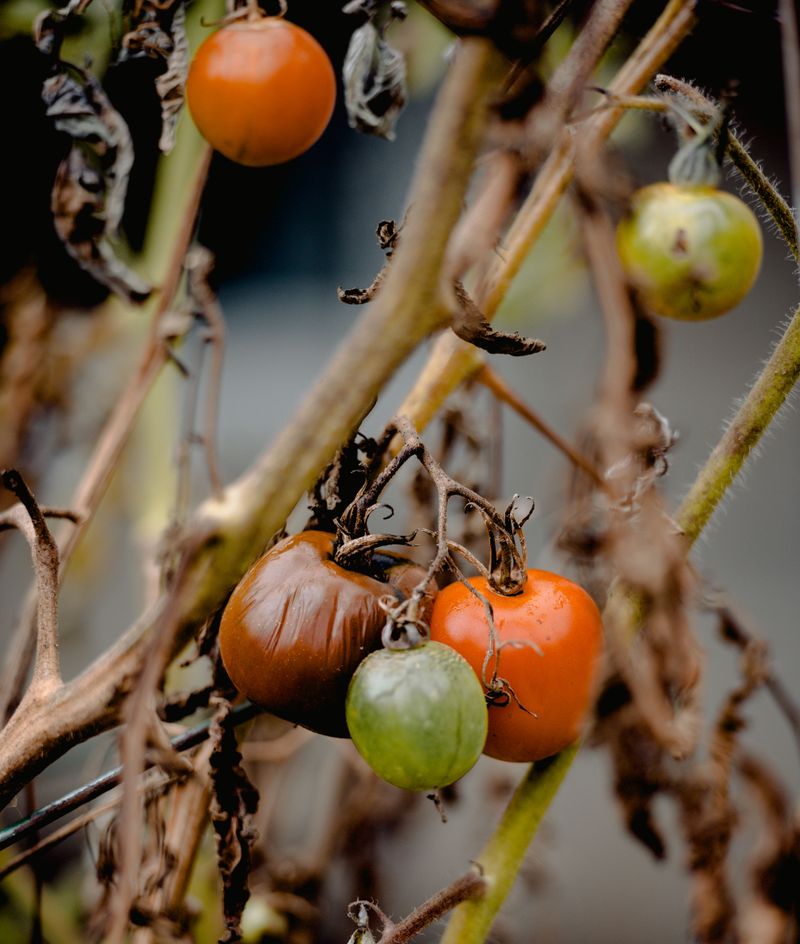
Catching late blight early is the single most powerful thing a gardener can do. The first signs are easy to miss if you do not know what to look for.
Look for water-soaked, greasy-looking spots on the leaves. They often appear first on older leaves near the bottom of the plant.
Those spots quickly shift from pale green to dark brown or black. The edges of each lesion may look slightly lighter, almost like a shadow around the damage.
Flip the leaf over when you spot discoloration. A fuzzy white or gray coating on the underside is a strong signal that late blight is present.
Your Pennsylvania Garden Changes Every Week. Your Plan Should Too.
Gardening in Pennsylvania changes quickly throughout the season. Every Friday you’ll receive a simple weekly plan showing exactly what to plant, prune, fertilize, harvest, and protect so you never miss the right timing.
That white fuzz is actually the spore-producing stage of the pathogen. Each tiny spore is ready to launch and infect a new plant.
Stems are also a target, not just leaves. Dark, sunken streaks running along the stem are a serious red flag.
Fruit can also show symptoms, even when it looks firm from the outside. Brown, firm lesions on green tomatoes indicate the infection has already spread deep.
One key tip is to check your plants every single morning. Early detection gives you a narrow window to act before the outbreak spreads further.
Do not wait for the whole plant to look sick before reacting. By that point, neighboring plants are almost certainly already exposed.
Take photos of suspicious spots and compare them to late blight images from Penn State Extension. Accurate identification leads to faster, smarter action.
Weather Conditions That Trigger An Outbreak
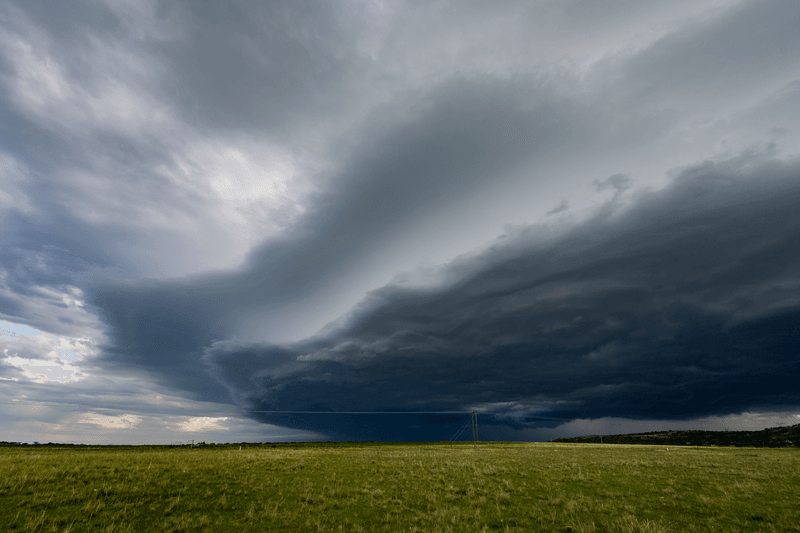
Weather is the engine that drives late blight outbreaks. Without the right conditions, the pathogen struggles to gain any real foothold.
Cool nights around 50 to 60 degrees Fahrenheit are a major trigger. Combine that with daytime highs under 75 degrees and you have a danger zone.
Rainfall is the other critical ingredient. Even a few hours of wet foliage can be enough for spores to germinate and begin infecting tissue.
Fog, heavy dew, and high humidity work just as well as rain. Leaves do not need to be soaked for infection to start.
Pennsylvania’s climate in late summer creates these exact conditions regularly. Gardeners along the ridge-and-valley regions and in the northwest corner face especially high risk.
Tracking a 10-day forecast can give you a meaningful heads-up. When a stretch of cool, rainy days is coming, that is your cue to act preventively.
Applying a protective fungicide before rain hits is far more effective than applying it after. Reactive treatment is always harder than proactive prevention.
Cornell University offers a late blight forecasting system that uses local weather station data to help growers estimate outbreak risk for their specific location.
Even a single warm, sunny stretch can slow the disease significantly. Hot, dry weather above 85 degrees significantly slows spore production.
Knowing your local microclimate matters too. Low-lying areas that collect moisture and stay cool at night are higher-risk spots for any garden.
How Quickly An Infected Garden Can Decline
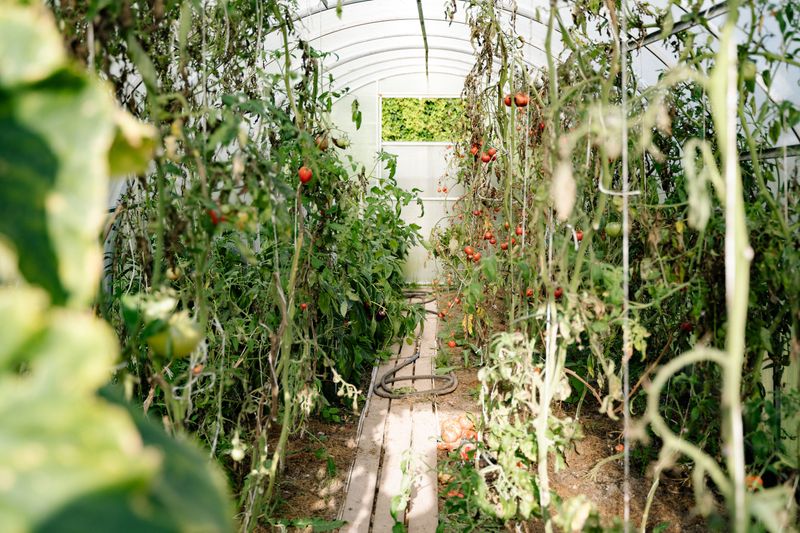
The speed of spread is what separates late blight from other common garden diseases. Under ideal conditions for the pathogen, the disease can severely damage an entire planting within about a week.
Commercial growers in Pennsylvania have lost entire fields in a single week during high-pressure outbreak years. Home gardeners face the same tough odds on a smaller scale.
Once a plant is heavily infected, saving that individual plant becomes very difficult. The focus must shift to protecting what remains.
The disease spreads both through the air and through direct contact between leaves. Rain splash moves spores from soil up onto lower foliage, accelerating the spread.
Infected plants left standing continue releasing spores into the surrounding area. Removing them quickly is one of the most important damage-control steps available.
Even a small community garden can see the disease jump from one plot to another within just a few days. Wind direction and plant density both play a role in how far it travels.
Potato plants in nearby gardens are also at risk since they share the same pathogen. A neighbor’s infected potato patch can be the source of your tomato problem.
Understanding this timeline creates urgency without panic. Acting quickly after confirmed infection significantly improves the outcome.
Every hour you wait is an hour the spores are already moving. Speed is your most valuable tool right now.
Prevention Steps Every Home Gardener Should Take
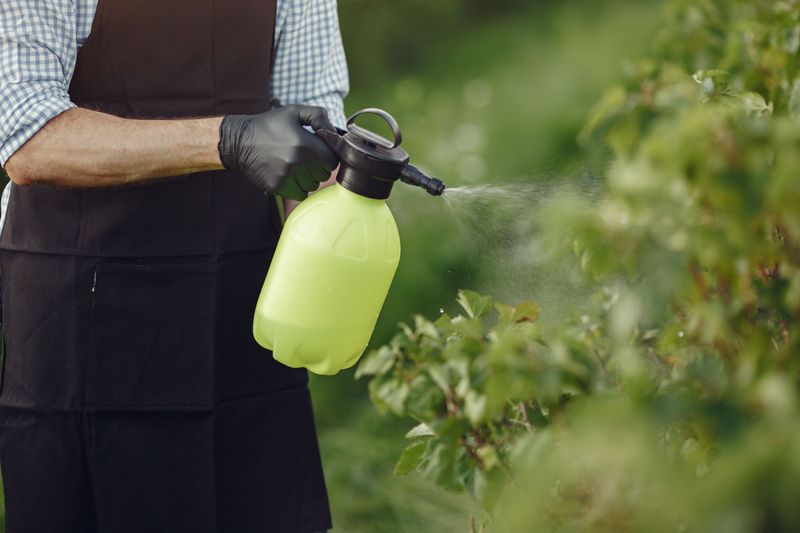
Prevention is where most gardeners succeed or fall short against late blight. A few consistent habits make an enormous difference in protecting your crop.
Start by choosing resistant tomato varieties when buying transplants or seeds. Varieties like Mountain Magic, Defiant, and Iron Lady carry strong resistance to the pathogen.
Plant spacing matters more than most people realize. Wide spacing, at least 24 to 30 inches apart, allows air to flow freely between plants and dry foliage faster.
Always water at the base of the plant, never from above. Wet foliage is an open invitation for spores to settle in and take hold.
Mulching around the base of each plant helps too. A thick layer of straw or wood chips reduces rain splash from the soil onto lower leaves.
Copper-based fungicides are one of the most trusted preventive options for home gardeners. Apply them before rainy stretches begin, not after the infection has already started.
Chlorothalonil is another effective fungicide that is widely available at garden centers. Rotate between product types to reduce the chance of resistance developing.
Remove and bag any infected plant material immediately. Never compost leaves or stems that show signs of blight, as spores can survive in compost piles.
Sanitize your tools after working near any suspect plants. The pathogen can hitch a ride on pruning shears, gloves, and even shoe soles.
Consistent scouting, good airflow, and proactive spraying form a solid three-part defense. Gardeners who follow these steps routinely come out ahead every season.
Responding Fast If Your Tomatoes Are Already Infected
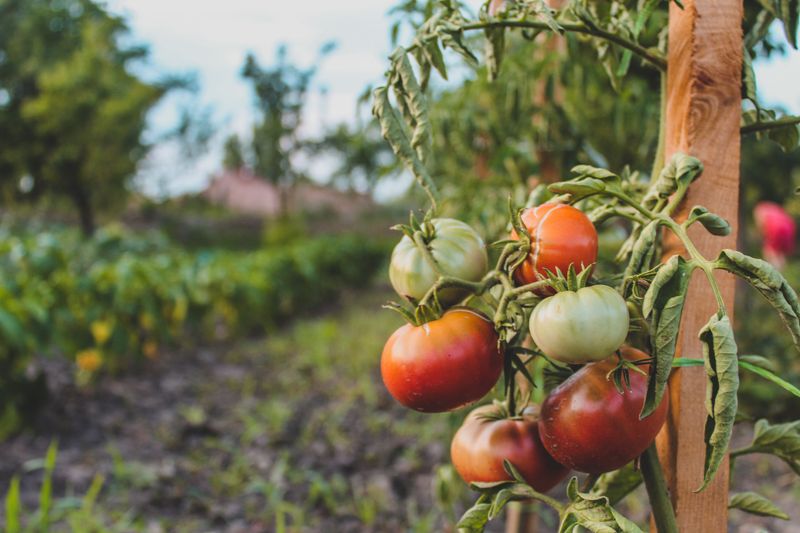
Seeing late blight on your plants is alarming, but it is not time to give up. Fast, decisive action can still save a meaningful portion of your harvest.
Start by confirming the diagnosis before doing anything else. Misidentifying the problem leads to wasted time and wasted money on the wrong treatment.
Once confirmed, remove all visibly infected leaves and stems immediately. Place them directly into sealed plastic bags and put them in the trash, not the compost.
Apply a fungicide labeled for late blight control as soon as possible. Products containing copper, chlorothalonil, or mancozeb are your strongest options at this stage.
Spray the entire plant, including the undersides of leaves, where spores hide. Thorough coverage is essential for the treatment to have any real effect.
Repeat applications every five to seven days, especially if rain follows the first treatment. Rain washes protective coatings off foliage quickly.
Avoid working in the garden when plants are wet. Moving through wet foliage transfers spores to healthy plants on your hands and clothing.
Stake or cage plants to keep foliage off the ground if they have fallen. Ground contact accelerates spread from soil-level spores significantly.
Check neighboring tomato and potato plants for any new symptoms every day. Early intervention on new infections keeps the outbreak from expanding further.
Late blight in Pennsylvania tomatoes is a real and serious risk, but informed gardeners have real options. Acting fast, staying consistent, and refusing to panic will give your garden the best possible chance.