The Pennsylvania Trees That Attract The Most Pests
A shiny green beetle smaller than a penny has spread across all 67 Pennsylvania counties since 2007. Its babies tunnel under bark, and the trees they target can collapse within a handful of summers.
Nobody warned me that some of our most beloved shade trees act like open buffets for hungry insects.
Sap suckers and bark borers seem to know exactly where the tastiest meals grow in our yards.
I used to blame weather for every brown leaf, until I started flipping twigs and peeking under bark. You might notice cottony fluff on twigs or tiny D-shaped holes once you know where to look.
Some of the most targeted trees in Pennsylvania are also the ones we plant most often at home. So which familiar favorites top the list, and which one might be growing in your yard right now?
1. Eastern Hemlock
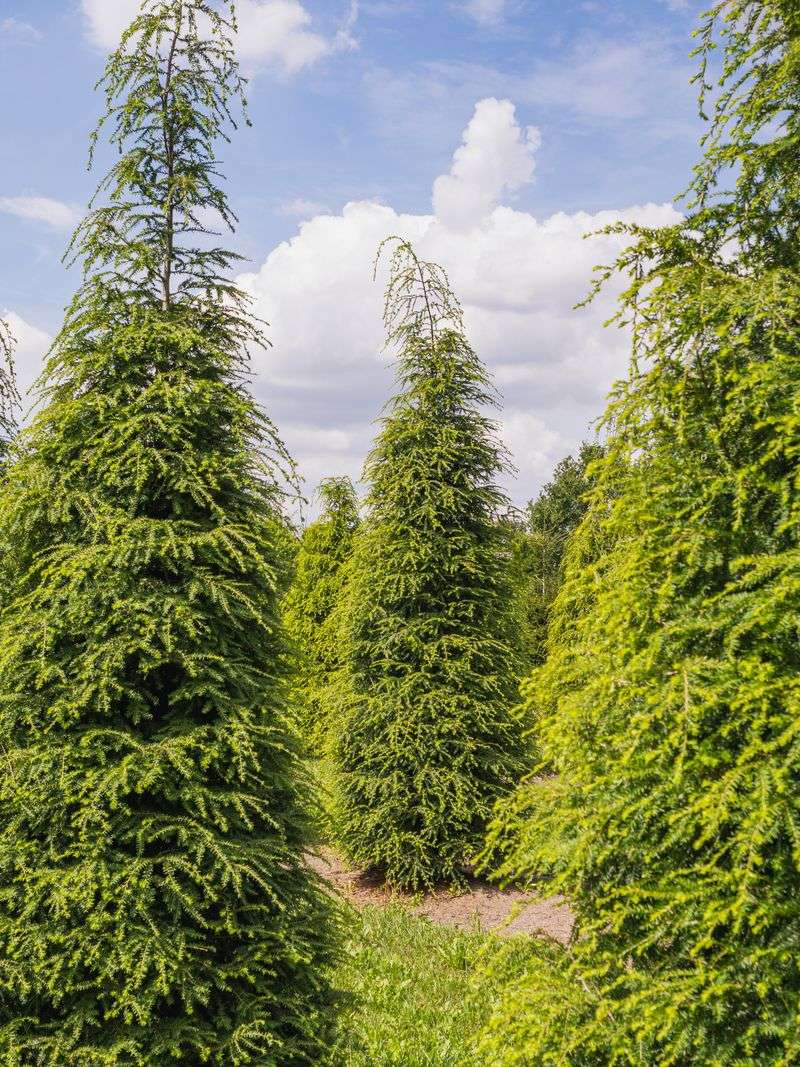
Our official state tree has a tiny stowaway problem that looks like someone dabbed cotton swabs along every twig. Those fluffy white dots belong to the hemlock woolly adelgid, an aphid relative that arrived from Japan.
Each adelgid parks at the base of a needle and sips stored starches the tree needs for new growth. Over several years, needles thin out and branches turn grayish, starting low and creeping upward.
Penn State Extension notes that untreated hemlocks often decline within four to ten years after heavy infestation. Some trees hang on longer, especially in cooler spots, but the trend is rarely in the tree’s favor.
I like checking the undersides of branches between late fall and early spring, when the woolly masses show best.
That window matters because these insects stay active during cold months while most other pests rest.
Elongate hemlock scale is another sap feeder from Asia that often joins the party on stressed trees. You might spot flat, brownish scales on needle undersides alongside yellow banding on the upper surfaces.
Healthy hemlocks fight back better, so water them deeply during dry summers and skip heavy nitrogen fertilizers.
Extra nitrogen fuels soft new shoots, and adelgids seem to settle into that tender growth with real enthusiasm.
Systemic treatments like imidacloprid work well, but a certified arborist should handle larger trees near streams. Personally, I believe saving one shady hemlock is worth the effort for the cool, quiet feeling it brings.
2. Ash
Woodpeckers often discover a sick ash tree before people do, chipping away bark until pale patches appear.
That flaky look, called blonding, usually means emerald ash borer larvae are busy feeding just beneath the surface.
This metallic green beetle from Asia was first confirmed in the state back in 2007, in Butler County. Since then it has spread widely, and nearly every native ash species can become a target.
Larvae carve winding S-shaped tunnels under the bark that block water and nutrients from moving through the trunk. Adults leave behind tiny D-shaped exit holes, roughly an eighth of an inch across, in the bark.
You might notice thinning crowns first, followed by clusters of leafy sprouts popping out along the lower trunk. Those sprouts are a stress signal, almost like the tree trying to restart its leafy factory down low.
Experts report that untreated ash trees rarely survive once the beetle moves into an area for good. Most trees decline within a few years, and weakened wood can become brittle and risky near homes.
Trunk injections with emamectin benzoate can protect valuable ash for two to three years per treatment.
I have to admit, that ongoing cost pushes some homeowners toward removal and replanting with different species.
Please buy firewood close to where you burn it, since hitchhiking larvae travel easily inside cut logs. Good diversity matters too, so consider native swamp white oak or black gum when replacing lost ash.
3. Birch
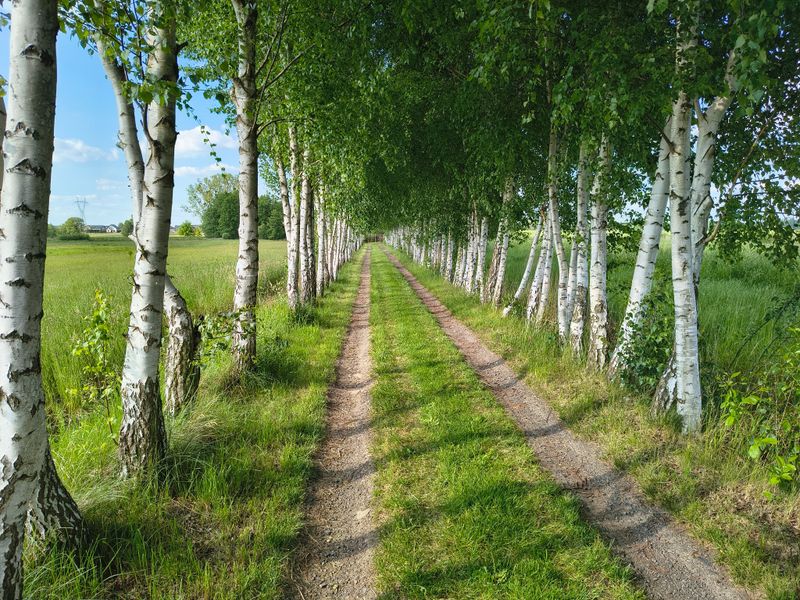
Those chalky white trunks look stunning against a blue sky, yet they also catch the attention of some picky insects.
Paper birch and European white birch rank among the most pest-prone choices for home landscapes.
Bronze birch borer is a native beetle whose larvae tunnel beneath bark and leave lumpy ridges behind. Trouble usually starts at the top of the tree, where thinning branches and yellow leaves appear first.
Look for small D-shaped exit holes on the trunk, a reliable clue this borer has moved in. Stressed trees attract these beetles most, especially birches planted in hot, sunny spots with dry roots.
Birches naturally prefer cool soil, which explains why they struggle on open lawns with baking afternoon sun. Personally, I tuck a thick ring of mulch around the base to keep roots cool and moist.
Birch leafminer adds another headache, since its tiny sawfly larvae feed between upper and lower leaf surfaces.
The result looks like brown, papery blotches, which can make a whole canopy appear scorched by early summer.
Leafminer damage is mostly cosmetic, but repeated defoliation drains energy that a birch needs to resist borers. Keeping trees watered during summer dry spells may be the simplest defense available to home gardeners.
Want a tougher birch that shrugs off most of this drama and still shows off gorgeous peeling bark?
River birch, especially the Heritage cultivar, shows strong resistance to bronze birch borer and handles summer heat well.
4. Oak
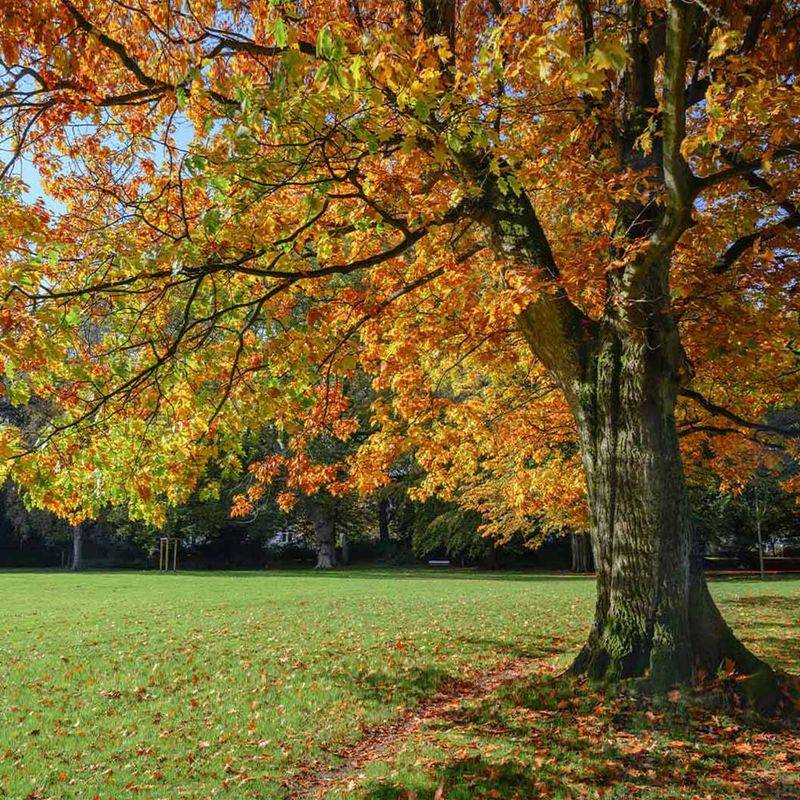
Oaks feed more caterpillar species than almost any other tree, which is wonderful for birds but tricky for Pennsylvania gardeners.
Most of those caterpillars nibble politely, yet one invasive species can strip whole hillsides during outbreak years.
Spongy moth, once known as gypsy moth, ranks oaks among its very favorite foods across much of the region.
Older caterpillars are easy to spot, with hairy bodies and paired blue and red dots running down their backs.
Pennsylvania saw heavy defoliation a few years ago, and many oaks pushed out a second flush of leaves. That regrowth costs stored energy, so repeated stripping during droughts can leave trees weak and declining.
Grab a plastic putty knife between fall and early spring and scrape tan, fuzzy egg masses into soapy water. Wear gloves because those hairs can irritate sensitive skin, and check fences or patio furniture too.
Oak wilt is a fungal disease that clogs water-carrying tissues, and red oaks suffer most dramatically. Leaves on red oaks can wilt and drop within weeks, often while still partly green during summer.
Sap beetles carry spores to fresh wounds, so avoid pruning oaks from April through July whenever possible.
If a cut happens anyway, many experts suggest sealing it with wound paint, which is rarely advised for other trees.
White oaks usually handle oak wilt better, sometimes losing only a few branches each year instead of the whole crown. I truly believe oaks deserve a spot in every big Pennsylvania yard, as long as you keep an eye on them.
5. Eastern White Pine
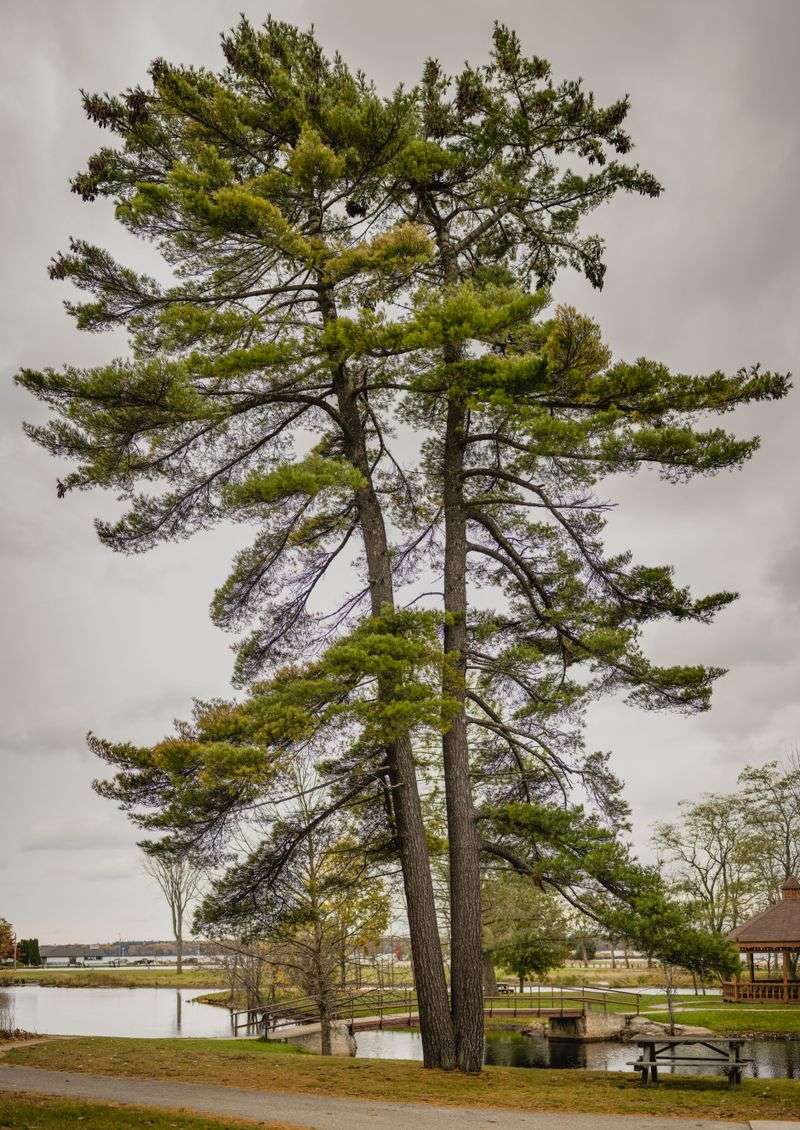
Spot a white pine with its top leader curled like a candy cane, and you have likely found a weevil victim. That droopy shape is called a shepherd’s crook, and it often shows up in late spring or early summer.
White pine weevil is considered the most damaging insect of eastern white pine in North America. Adults lay eggs in last year’s leader, and larvae tunnel downward, cutting off water to the new shoot.
The tree survives, but a side branch usually takes over, leaving a crooked trunk or multiple tops.
Christmas tree growers and timber owners worry most, since repeated attacks ruin straight, valuable trunks over time.
I like clipping wilted leaders in early summer, cutting just below the damage before new adults emerge. Bag those clippings and toss them in the trash rather than leaving them on the ground nearby.
Interestingly, weevils prefer pines growing in full, open sun, so trees with a little side shade suffer less. Young pines between about three and twenty feet tall face the highest risk from these hungry beetles.
European pine sawfly is another visitor, with grayish-green larvae feeding in hungry clusters on older needles. Mugo and Scots pines get hit hardest each spring, though trees usually recover their good looks fairly quickly.
When disturbed, sawfly larvae rear up together and wiggle in unison like a tiny synchronized dance troupe.
You can knock small groups into soapy water by hand, which works beautifully on short ornamental pines.
6. Flowering Dogwood
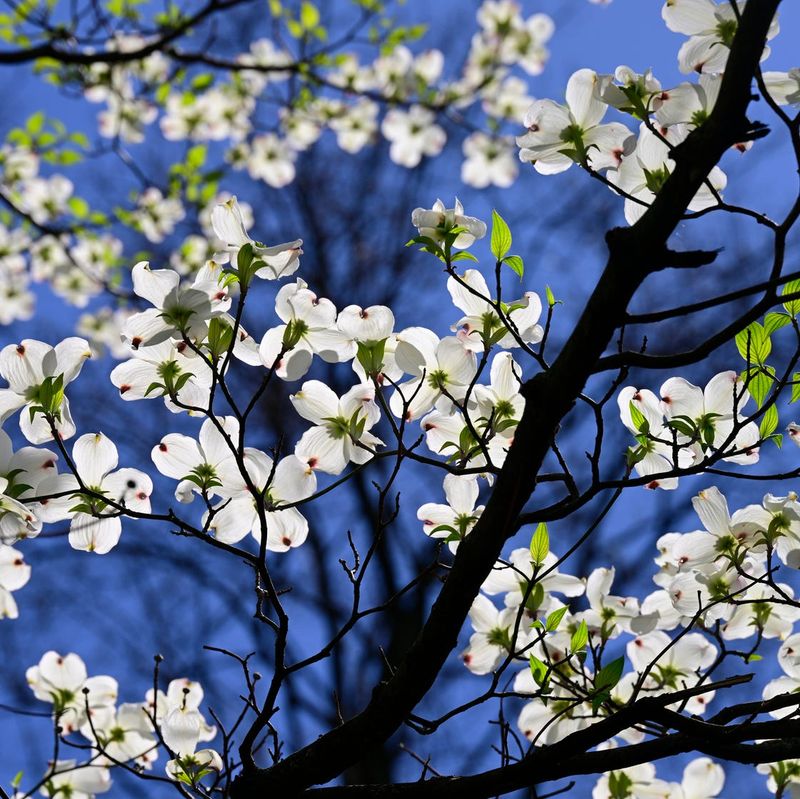
Mower bumps on a dogwood trunk might seem harmless, yet they practically roll out a welcome mat for borers.
Dogwood borer moths lay eggs near bark wounds, and their larvae feed in the soft tissue underneath.
Signs include rough, swollen bark near the base and reddish sawdust-like material spilling from small cracks.
Wide mulch rings keep mowers and string trimmers away, which may be the easiest prevention trick around.
Flowering dogwood also battles dogwood anthracnose, a fungal disease believed to have arrived from overseas decades ago. It causes tan leaf spots with purple edges, then spreads into twigs and forms sunken cankers on branches.
Cool, wet spring weather fuels this fungus, and dogwoods growing in deep shade with poor airflow struggle most. Trees on sunny, breezy sites generally show far fewer problems, which surprised me when I first learned it.
Prune out infected twigs during dry weather and rake fallen leaves to reduce spores hanging around. Watering at the base instead of overhead helps keep foliage dry and less inviting for fungal growth.
Powdery mildew is another common nuisance, coating leaves with a dusty white film by late summer. Some newer cultivars carry better mildew resistance, so check plant tags before buying a new tree.
If problems keep popping up, consider kousa dogwood or the hybrid Stellar series bred for stronger resistance. Kousa is not native, but it is not considered invasive in the region, and it blooms a few weeks later.
7. Maple
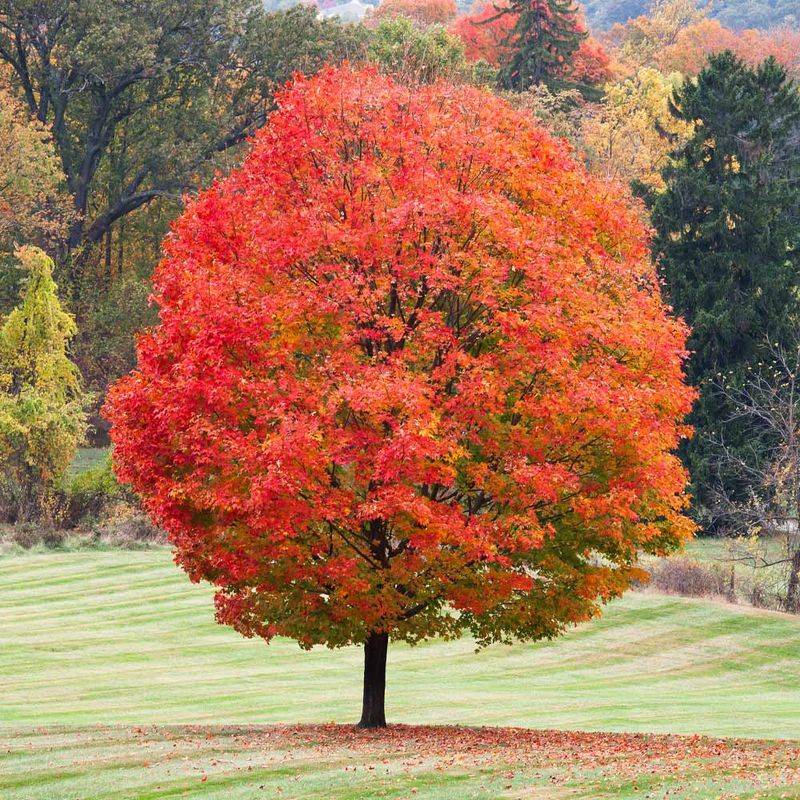
Sticky patio furniture under a maple tree in late summer often has one sneaky culprit hopping overhead.
Spotted lanternflies love red and silver maples, gathering on trunks in noisy clusters as the season winds down.
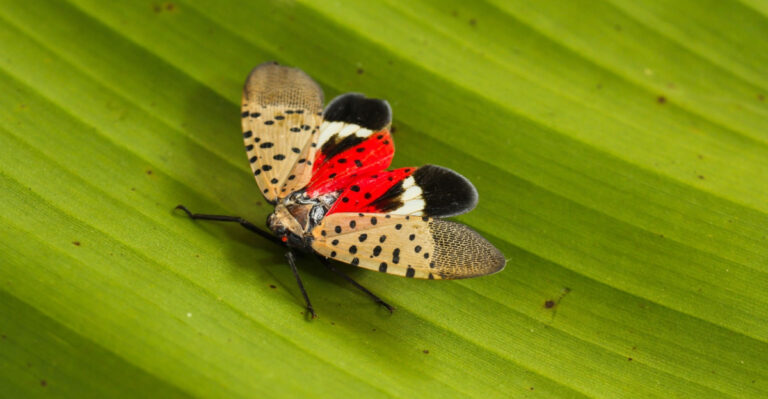
This colorful planthopper from Asia was first found in Berks County in 2014 and has spread widely since. Adults have pale wings with black spots, but they flash bright red underwings when they hop away.
As they sip sap, lanternflies release sugary honeydew that drips onto leaves and parked cars below. Black sooty mold soon grows on that sweet coating, blocking sunlight and turning everything a grimy gray.
Penn State researchers found heavy feeding can significantly reduce growth in young maples, though mature trees usually cope.
Older maples rarely decline from lanternflies alone, which feels like a small win in a frustrating situation.
You need to scrape gray, mud-like egg masses from bark between fall and spring, then seal them in a bag. Circle traps wrapped around trunks catch climbing nymphs without snagging birds the way sticky bands sometimes do.
Asian longhorned beetle is a separate worry, since it targets maples and has caused trouble in nearby states. As of now, it has not been found established here, so sightings deserve a quick report.
Look for shiny black beetles with white spots and very long striped antennae during summer months. A photo sent to the state Department of Agriculture can help catch an outbreak before it gets started.