7 Things To Stop Doing In Your Texas Garden By December
Houston once dropped to a bone-chilling 7 degrees on December 23, 1989, wrecking citrus groves and tropical gardens. That same freeze sent shivers across Texas, reminding gardeners that winter here can bite surprisingly hard and fast.
What I find fascinating is how calm and sunny most December days feel before a cold front barrels through. Temperatures can tumble forty degrees in a single afternoon, catching tender plants and careless habits off guard.
I can see why so many of us keep gardening on autopilot when the weather stays this pleasant. Some routines that worked beautifully in October can quietly cause trouble once real winter chill settles in.
A few small changes now could mean a healthier Texas garden when spring finally rolls around again.
Which habits deserve a break this month, and which ones might surprise you the most?
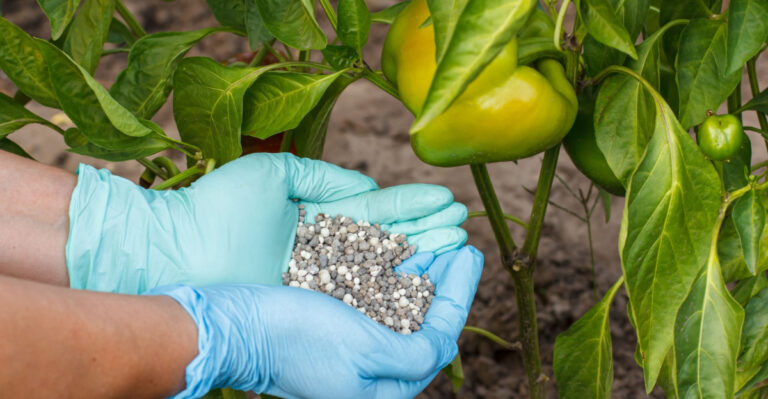
1. Skip The High Nitrogen Lawn Fertilizer
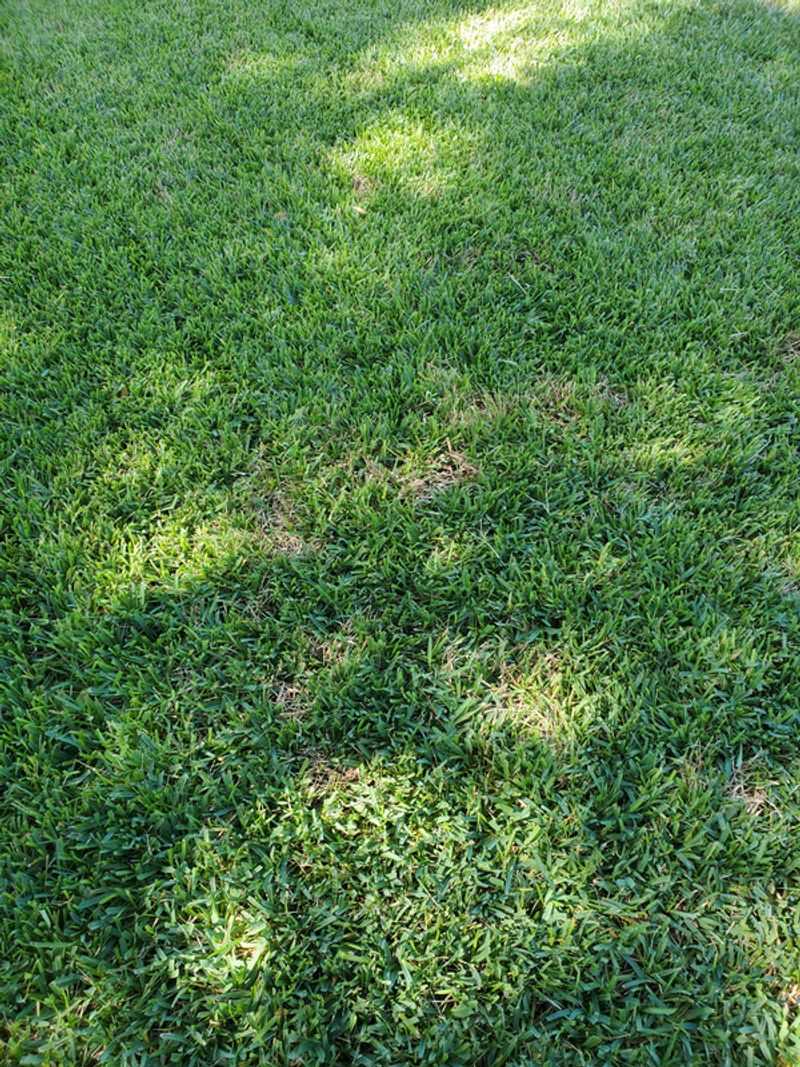
Feeding a sleeping St. Augustine lawn in December is like offering a big breakfast to someone snoring soundly. The grass simply cannot use that nitrogen while it sits brown and dormant through the cold months.
Warm-season grasses like Bermuda and St. Augustine slow way down once soil temperatures cool in late fall. Extra nitrogen now can push soft new blades that frost easily injures, while also inviting brown patch fungus.
I find it frustrating how much fertilizer simply washes away when dormant grass cannot absorb any of it. Winter rains can carry those unused nutrients into storm drains and eventually into local creeks and lakes.
Texas A&M AgriLife experts generally recommend waiting until a few weeks after spring green-up before feeding warm-season lawns. That timing lines up with active root growth, so the grass actually uses what you give it.
Cool-season vegetables are a different story, since broccoli and cabbage keep growing happily through mild winter weather. A light side-dressing for those hungry crops makes sense, as long as you skip the nearby turf.
Potted plants that live indoors over winter also need far less food than they did in summer. Cut back their feeding schedule, or pause it until longer days return and fresh leaves start appearing.
The way I see it, December is a fine month to shelve the spreader and enjoy a break. Your lawn will thank you later with stronger roots and a greener, healthier comeback when spring arrives.
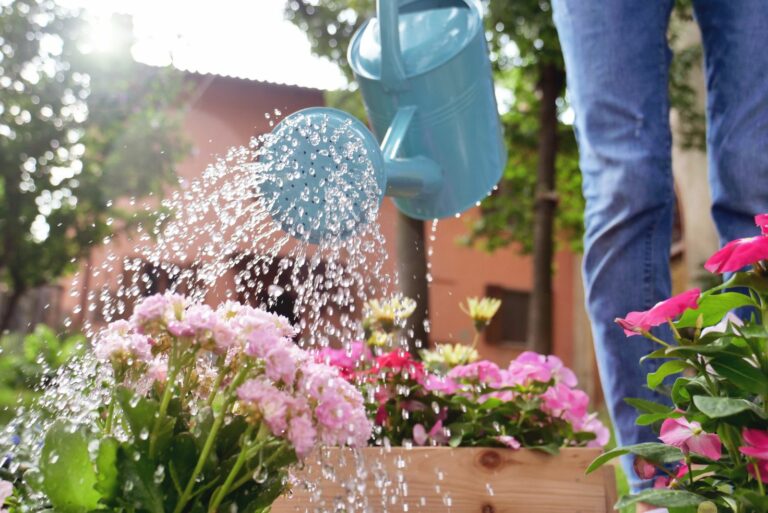
2. Stop Watering Dormant Lawns On A Summer Schedule
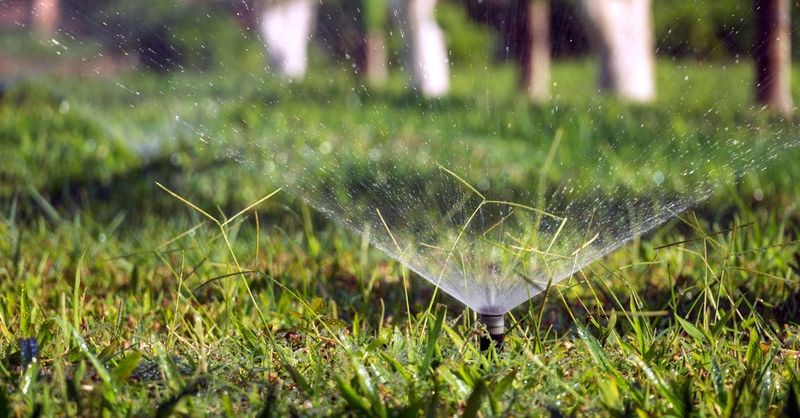
Those automatic sprinklers clicking on at dawn might feel reassuring, but your sleepy lawn barely sips water this month. Shorter days and cooler air mean far less moisture evaporates from the soil and leaves each day.
Soggy ground in winter often causes more trouble for dormant grass and shrubs than mild dryness ever could. Waterlogged roots struggle to breathe, and fungal problems like take-all root rot can creep in quietly.
Many dormant warm-season lawns get by with a deep soaking every two to four weeks when rain stays scarce. Switch your controller to manual mode over winter and water only when conditions truly call for it.
A simple finger test works wonders here, so push a finger or screwdriver a few inches into the soil. If it comes out damp, your plants are fine and the hose can stay coiled for now.
One watering trick before a freeze is worth remembering, because it genuinely helps tender plants get through the cold. Moist soil holds heat better than dry soil, so watering a day or two ahead protects roots.
Just avoid watering right as temperatures drop below freezing, since icy puddles and slick sidewalks create new headaches. Morning watering on a mild day gives the soil plenty of time to absorb moisture before nightfall.
I’m often surprised by how much money a smarter winter watering habit saves on monthly utility bills. Your grass gets healthier roots, and you get a little extra cash for spring seed packets.
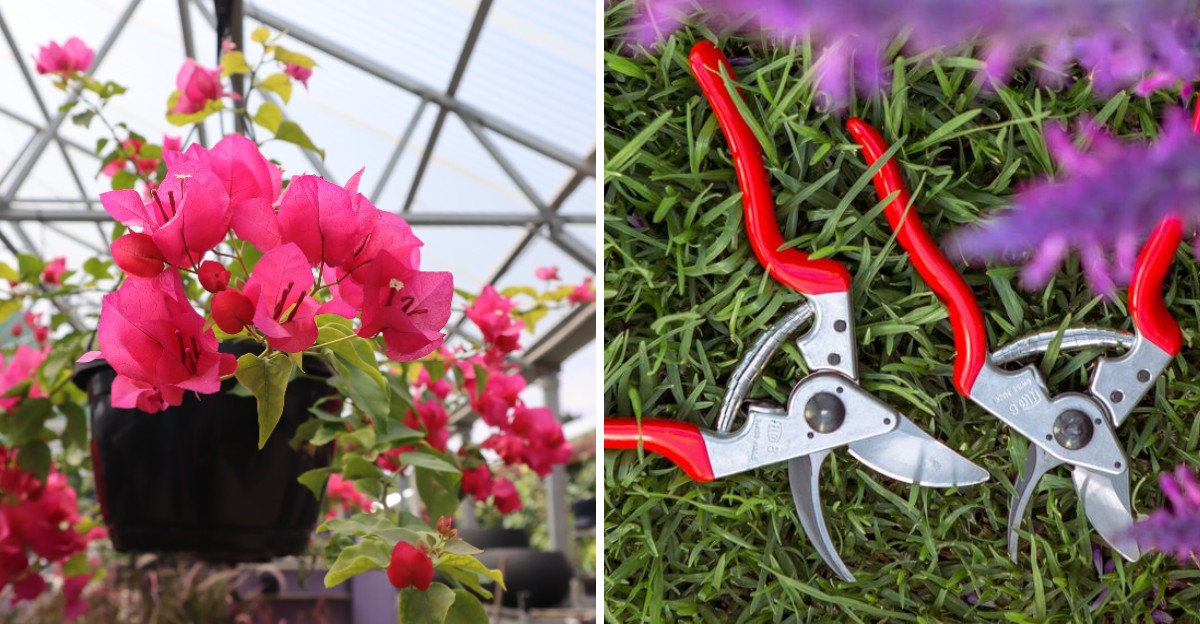
3. Leave Tropical Hibiscus And Bougainvillea At The Nursery
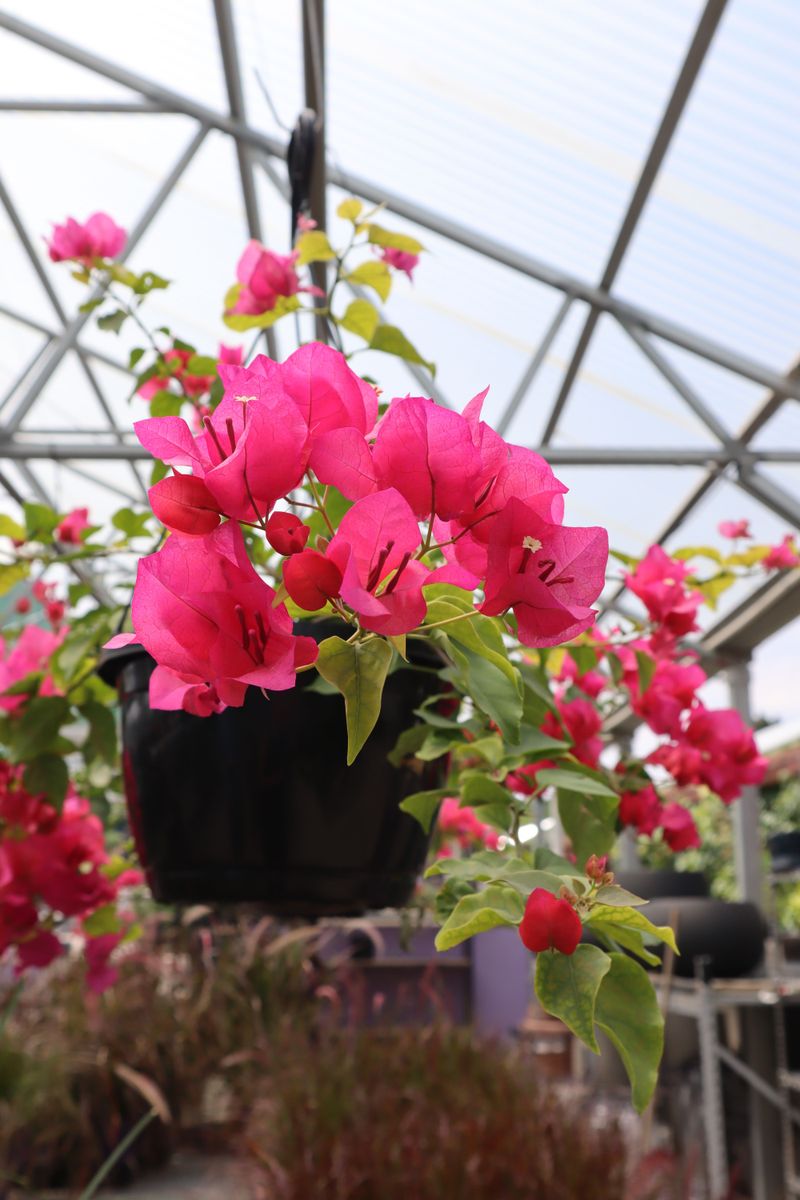
That gorgeous tropical hibiscus on the garden center bench looks tempting, with blooms as big as saucers. One hard freeze though can turn those glossy leaves into limp brown rags in a single night.
Tropical hibiscus and bougainvillea thrive in frost-free climates and struggle when temperatures dip below freezing for several hours. Planting them outside now gives their roots no chance to settle before winter arrives in earnest.
You might be surprised by how far frost reaches, since even Houston and San Antonio see occasional freezes. Most of the state falls within USDA zones 6 through 9, with only the far southern tip reaching zone 10.
Save those warmth-loving beauties for spring, after your local average last frost date has safely passed. Keeping them in containers indoors until then works nicely if you already bought one on impulse.
Cool-season annuals are much happier going into the ground right now, and they bring plenty of cheer. Pansies and violas shrug off chilly nights and keep blooming until warm weather returns in spring.
Snapdragons and ornamental kale also handle the cold well, adding height and texture to bare beds. I love tucking a few snapdragons near the front porch, where their sweet faces greet visitors all winter.
Winter is also prime time for planting hardy trees and shrubs, because cool soil encourages strong root growth. Those roots get settled long before summer heat tests them, which gives new plantings a real advantage.
4. Hold Off On Heavy Pruning Of Shrubs And Perennials
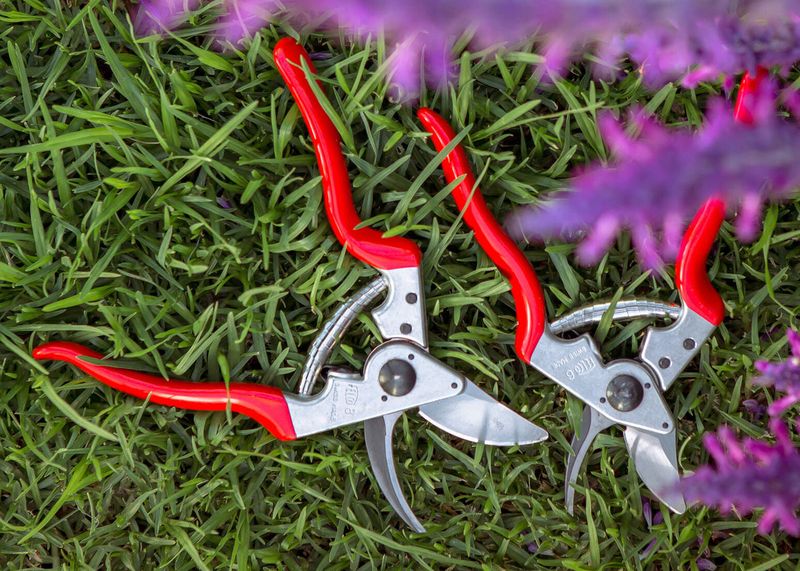
Bare winter branches practically beg for a haircut, and I understand the itch to start snipping away. Heavy pruning in December though can wake plants up at exactly the wrong moment, right before the coldest stretch.
Cutting stimulates fresh shoots, and that tender growth has little time to harden before the next freeze. Damaged new tissue then becomes an easy entry point for disease problems later in the season.
Old stems on cold-tender perennials such as firebush and esperanza actually help shield their crowns from frost. Wait until new growth appears in spring before trimming away any frost-bitten tops that look rough.
Spring bloomers deserve extra patience, since azaleas and spireas have already set their flower buds for the coming year. Prune them now and you’ll snip off the colorful show you’ve been patiently waiting all winter to enjoy.
Roses and crape myrtles do benefit from dormant pruning, but timing still matters for them quite a bit. Texas A&M AgriLife suggests pruning most roses around mid-February, and crape myrtles need only light thinning rather than drastic topping.
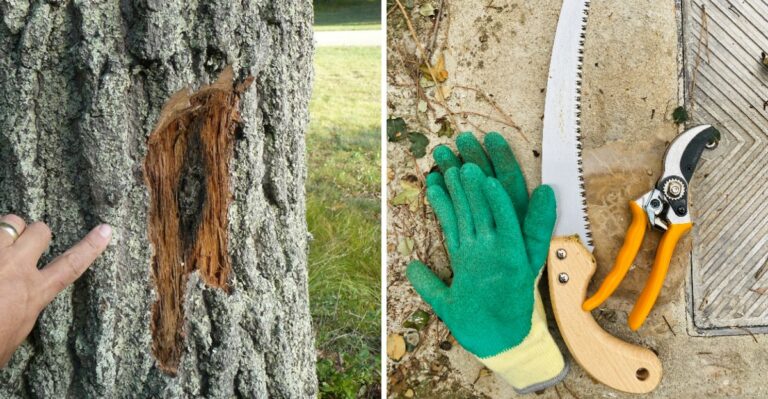
Cleanup cuts are fine any time of year, so remove broken or diseased branches whenever you spot them. Clean, sharp tools make smoother cuts that heal faster and spread fewer problems between plants in your yard.
The way I look at it, December pruning is mostly about careful planning rather than actual cutting. Use these quiet weeks to sketch out what each shrub needs, then act when the timing is right.
5. Stop Letting Thick Oak Leaf Piles Smother Your Lawn
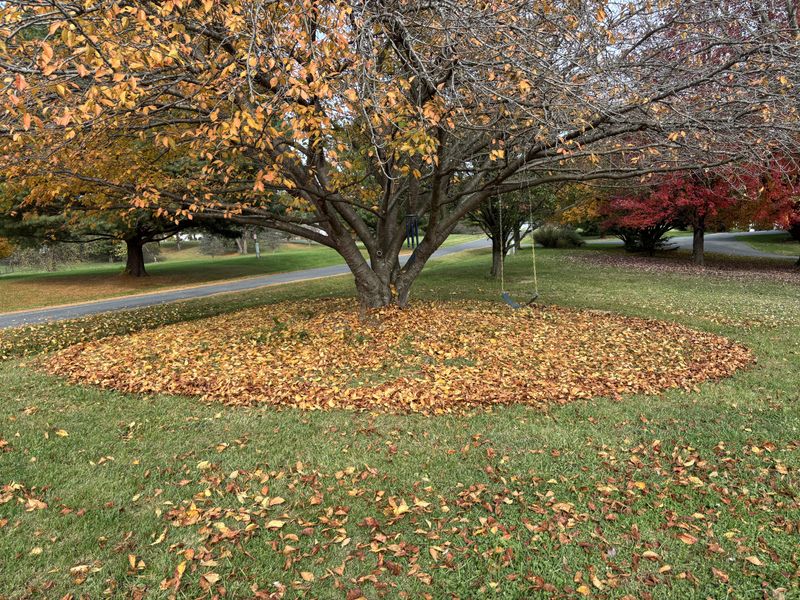
Crunching through a fresh pile of oak leaves ranks among my favorite December pleasures in the yard. Left in a soggy, matted layer on your lawn, though, those same leaves can cause real trouble.
A thick blanket blocks sunlight and traps moisture against the grass blades underneath for weeks at a time. That damp, shady environment invites fungal problems and can leave thin or bare patches when spring arrives.
Raking every single leaf off the property isn’t necessary, and honestly, your back will appreciate hearing that. Running a mulching mower over dry leaves chops them into tiny flakes that settle between grass blades.
Those shredded bits break down over winter and quietly return organic matter to the soil beneath your lawn. Turfgrass research at Michigan State University found that mulching leaves into lawns did not harm the turf.
Extra leaves make wonderful free mulch for flower beds and vegetable gardens once you shred them a bit. A few inches around shrubs insulates roots and helps suppress weeds through the cooler months ahead.
Compost piles also welcome leaves, especially when mixed with green kitchen scraps or fresh grass clippings. Shredded leaves break down much faster than whole ones, so a quick pass with the mower pays off.
What I find delightful is how leaves left in quiet corners shelter overwintering insects like fireflies and native bees. A slightly messier yard can mean a livelier one, with more helpful visitors arriving next spring.
6. Stop Ignoring Exposed Backflow Preventers And Sprinkler Pipes
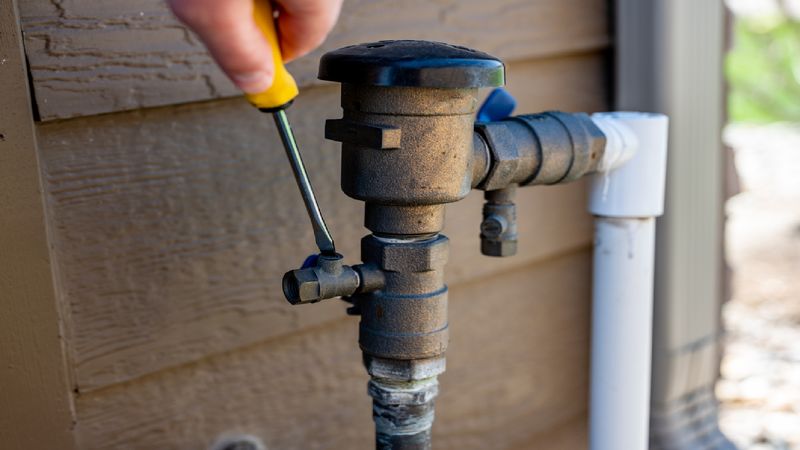
A backflow preventer sticking out of the ground looks harmless, yet it can split wide open during one icy night. Repair bills for cracked irrigation parts often sting far worse than the chilly weather that caused them.
Water expands roughly nine percent as it freezes, pushing hard against valves and pipes from the inside. Above-ground parts take the brunt, since they lack the natural insulation buried pipes receive from surrounding soil.
Start by shutting off the water supply to your irrigation system before a hard freeze arrives. Then open the drain valves or test cocks, following your manufacturer’s directions, to release trapped water.
Wrapping the backflow preventer comes next, and foam pipe insulation or an insulated pouch works nicely. Some folks toss an old blanket over it, then cover that with plastic to keep moisture out.
Your controller deserves attention too, so switch it to off or rain mode during freezing weather. Sprinklers running in subfreezing temperatures can glaze sidewalks and driveways with a slippery layer of ice overnight.
Some cities, including Dallas, prohibit irrigation during freezing conditions, so a quick check of local rules is smart. Fines are possible, and nobody wants a ticket for an accidental ice rink on the street.
I could be wrong, but I’d guess most burst backflow preventers belong to folks who planned to wrap them later. Tackle the job on a mild afternoon this week, and you’ll rest easier when the weather turns.
7. Leave Crowded Daylily Clumps Undivided Until Spring
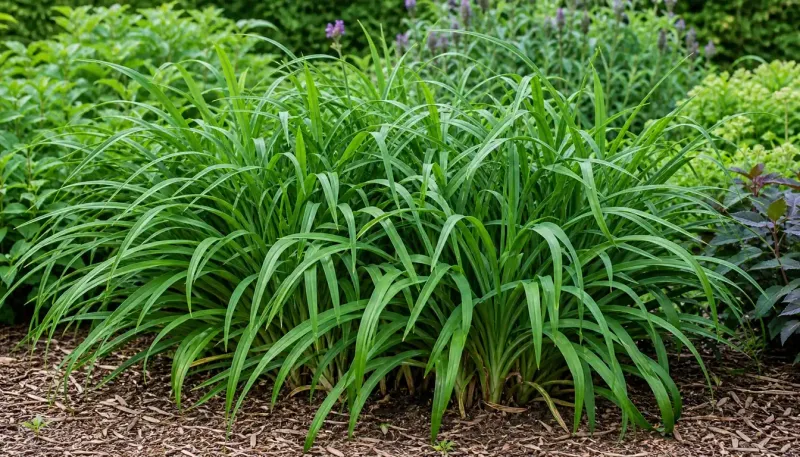
Crowded perennial clumps can look like overstuffed suitcases, bursting at the seams and blooming less each year. Grabbing a spade in December to split them, however, usually sets those plants back more than it helps.
Freshly divided sections need warm soil and active growth to knit new roots into the ground. Cold, wet winter soil slows that process, leaving divisions sitting idle for weeks and prone to rot.
A handy rule of thumb says to divide perennials during the season opposite their bloom time. Spring bloomers get split in fall, while summer and fall bloomers move best in early spring.
In much of Texas, early fall division gives roots several weeks to settle before the first frost. December misses that window, since soil temperatures have already cooled and root growth has slowed considerably.
Daylilies and garden phlox, for example, respond beautifully to division once new shoots poke up in early spring. Those fresh leaves signal that roots are awake and ready to recover quickly from the disruption.
Bearded iris are a slight exception, since they prefer division in late summer, well before winter arrives. If you missed that window, simply wait until next August rather than forcing the job now.
Spend these chilly weeks observing instead, noting which clumps have hollow centers or fewer flowers than before. A quick note in your phone or garden journal makes spring planning so much easier later on.
Patience feels hard when the garden looks scruffy, but resting plants store energy for a stronger comeback. Mark your calendar now, and let those clumps snooze peacefully until warmer soil makes division a safe bet.