Reasons Your Ohio Lawn Stays Patchy Even After Reseeding
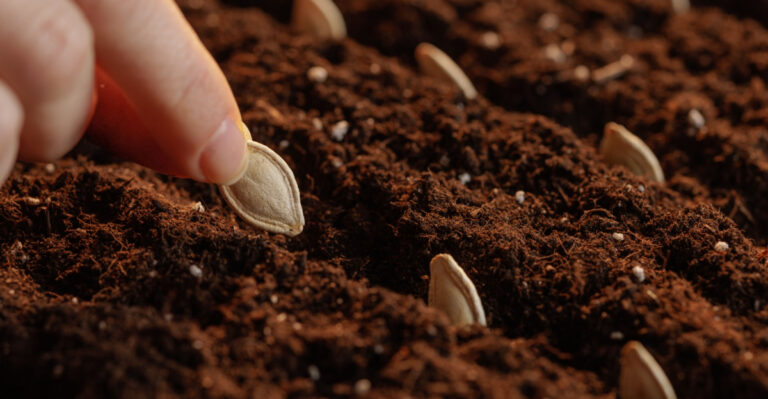
Kentucky bluegrass seed can sit in the soil for nearly a month before a single green blade shows up.
Many impatient homeowners give up early, rake the bare spots again, and toss down even more seed.
Ohio lawns face extra hurdles, since heavy clay soils and wild spring swings test every young root. I have to admit that my own yard once looked like a patchwork quilt for two whole summers.
You might notice the trouble spots follow a pattern, like shady corners or paths where the dog runs. Those clues matter, because a patchy lawn usually has a reason hiding just below the soil surface.
What surprises me most is how fixable many of these problems are once you spot the real cause.
The trick is figuring out what’s been quietly holding your grass back for so many seasons.
1. Spring Seeding Puts Grass Seedlings Up Against Summer Heat
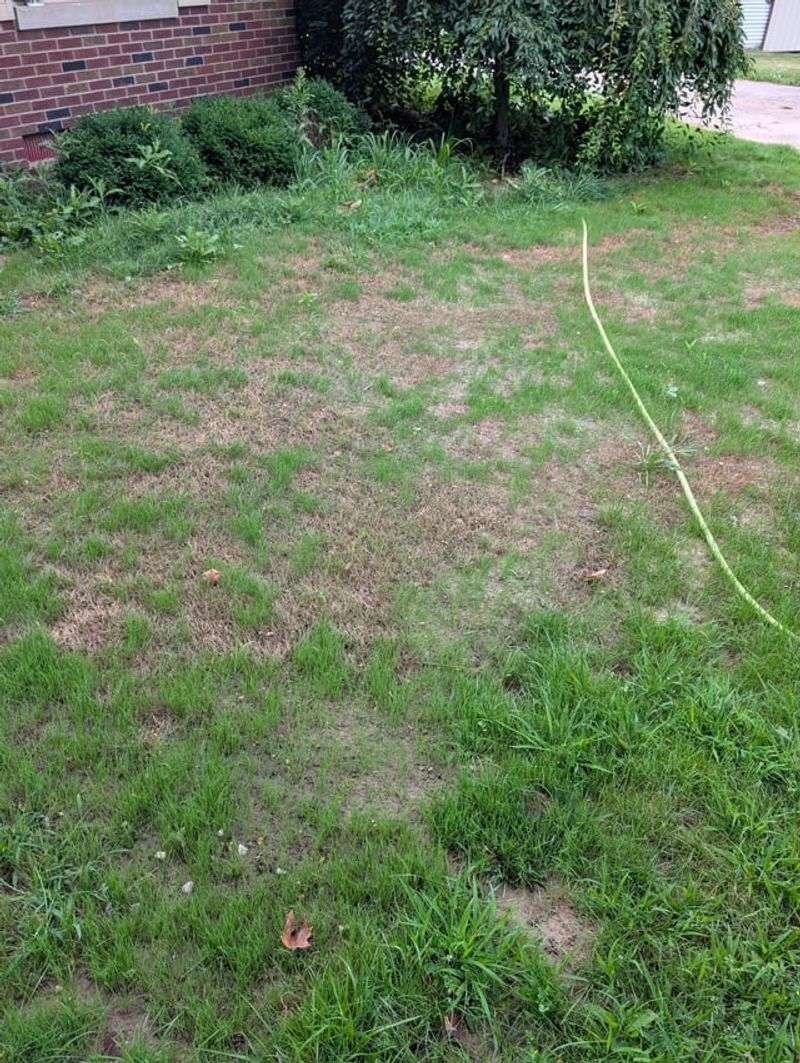
Grass seed scattered in April often looks promising for a few weeks, then fades once July heat arrives.
I learned that lesson the hard way, watching tender green fuzz turn crispy by the Fourth of July.
Ohio State University Extension recommends seeding cool-season lawns from mid-August through mid-September for the strongest results. Warm soil speeds up sprouting during that window, while cooler nights help young roots grow without stress.
Spring seedlings face a tough race, because crabgrass starts sprouting around the same time as your new lawn.
Those shallow young roots also struggle to handle hot, dry weeks before they have time to dig deep.
Waiting too long creates the opposite problem, since late October seed may sprout but lacks time to toughen up. Frost heaving can then push weak seedlings right out of the ground during freeze and thaw cycles.
Personally, I mark my calendar each summer so the job happens right after the hottest stretch fades. That simple habit gives the grass about six to eight weeks of growing before the first hard frost.
Dormant seeding is another option, where seed goes down in late fall or winter after the soil turns cold. The seed sits quietly until spring, though results vary more than with a well-timed late summer planting.
If spring is your only chance, choose quick sprouters like perennial ryegrass and keep the water coming steadily. Then plan a second round of overseeding for late summer to thicken any spots that stayed thin.
2. Hard Packed Clay Soil Keeps New Grass Roots From Spreading
Push a screwdriver into your lawn after a good rain and notice how hard you need to shove. If it barely sinks in, your soil is probably compacted, and new roots are facing the same struggle.
Clay soils are common across much of the state, and their tiny particles pack together tightly under pressure.
Foot traffic and heavy mowers squeeze out the air spaces that roots need for breathing and growing.
Compacted ground also sheds water instead of absorbing it, so puddles linger while the root zone stays dry. Seed sitting on that crusty surface often washes away or dries out before it can anchor itself.
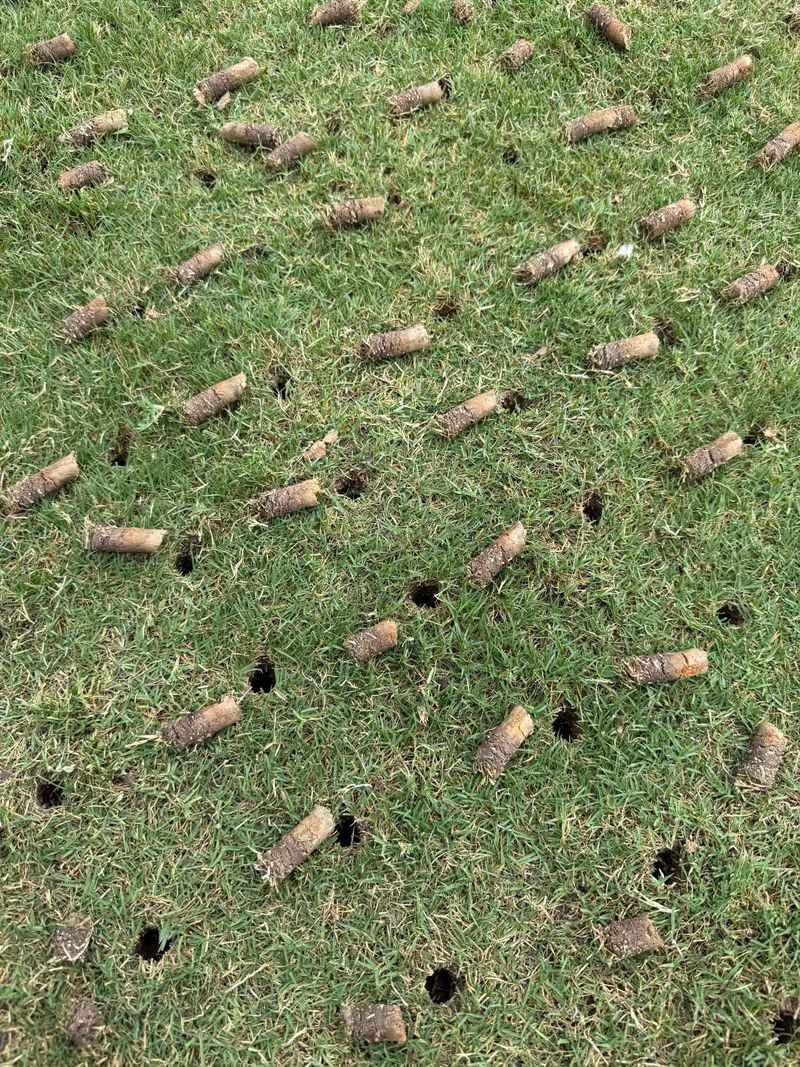
Core aeration is my favorite fix, because the machine pulls out small plugs of soil instead of just poking holes. Those openings let air and water reach deeper, and they create cozy pockets where seed can settle.
Many hardware stores rent core aerators, and the job goes faster when the soil is moist but not soggy. Aerating right before late summer overseeding is a smart combo that saves you an extra weekend of work.
Leave the pulled plugs on the lawn, since they break down within a couple of weeks and return soil. You might find them a little ugly at first, but rain and mowing crumble them surprisingly fast.
Spreading a thin layer of compost after aerating can also improve heavy clay gradually over several seasons.
Patience pays off here, because loose, crumbly soil supports thicker grass that fills bare spots on its own.
3. Soil Test Kits Reveal Acidic Soil Under Thin Grass
Grass can sit in soil packed with nutrients and still go hungry if the pH is out of range. I find that idea fascinating, because the food is right there, yet roots cannot grab it.
Most lawn grasses prefer a pH between about 6.0 and 7.0, which is slightly acidic to neutral.
Outside that range, nutrients like phosphorus become locked up, and seedlings often look pale and weak.
Guessing does not help here, since lime and sulfur do opposite jobs and the wrong one makes things worse. A soil test takes the mystery away and tells you exactly what your lawn actually needs.
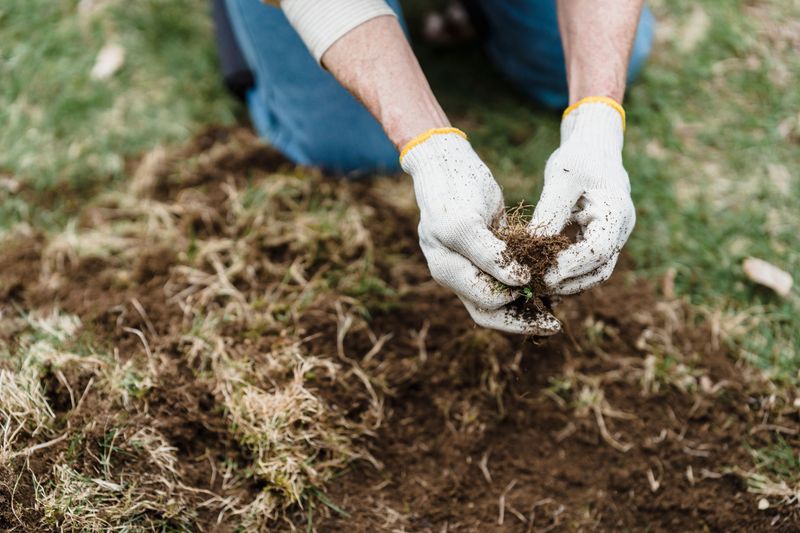
Ohio State Extension offices can point you toward labs that test soil for a modest fee. Collect small samples from several spots about three inches deep, then mix them in a clean bucket.
Results usually show your pH along with key nutrient levels, plus recommendations for how much to apply.
Following those numbers prevents waste, and it protects nearby streams from extra fertilizer runoff after storms.
Acidic soil gets corrected with garden lime, which works slowly and may take months to shift the pH. Fall is a handy time to spread it, since winter freezes and thaws help work it into soil.
Some parts of the state actually have alkaline soil, so a test is the only reliable way to know. Once the balance is right, new seed has a much friendlier home for roots that grow strong.
4. Thirsty Grass Seed Dries Out Between Sprinkler Sessions
A single hot afternoon can ruin a week of patient waiting if freshly sown seed dries out. Swollen seeds that have started sprouting are fragile, and they rarely recover once that surface moisture disappears.
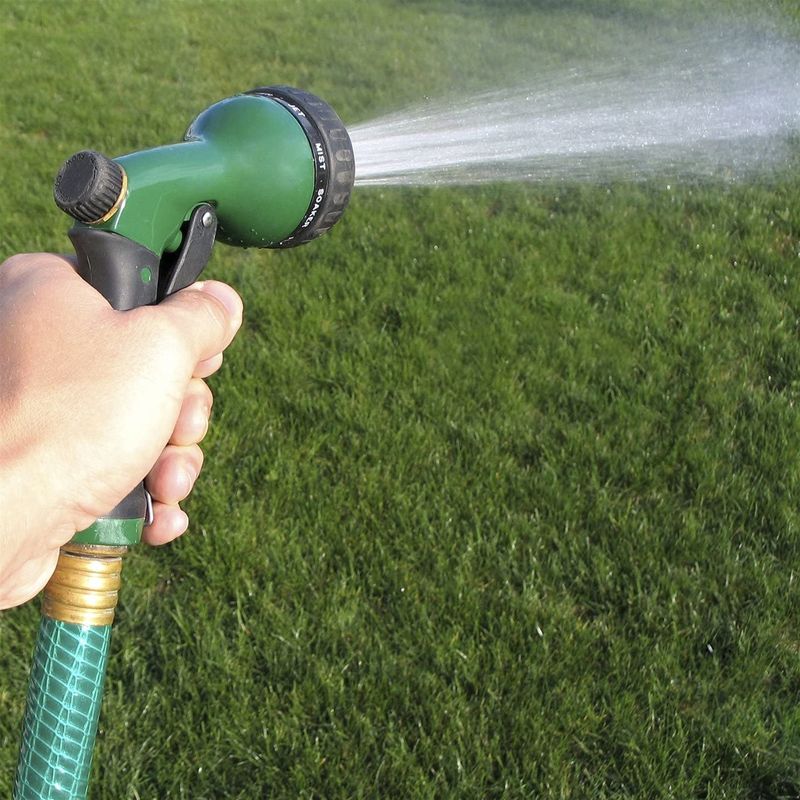
Keep the top inch of soil damp, which usually means light watering once or twice daily, sometimes more.
Hot, windy days may call for an extra quick sprinkle in the afternoon to keep things from crusting.
Too much water causes trouble as well, since puddles can float seed into clumps and leave bare streaks. Soggy soil also encourages fungal problems like damping off, which can topple tiny seedlings near the soil line.
I like using a cheap hose timer, because it remembers the schedule even when my busy week does not. A thin layer of straw or seed starting mulch also helps hold moisture against the sun.
Once seedlings reach about two inches tall, start watering less often but for longer stretches each time. Deeper soaking encourages roots to chase water downward, building tougher grass that handles dry spells better.
Early morning is the best time to run sprinklers, because blades dry quickly as the day warms up. Evening watering leaves grass wet overnight, and that dampness gives disease organisms a comfortable place to grow.
Remember that Kentucky bluegrass can take two to four weeks to germinate, so stopping too soon is common.
Keep watering faithfully until the slow sprouters show up, even if ryegrass in the mix appears much earlier.
5. Grass Seed Stuck On Thick Thatch Misses The Soil
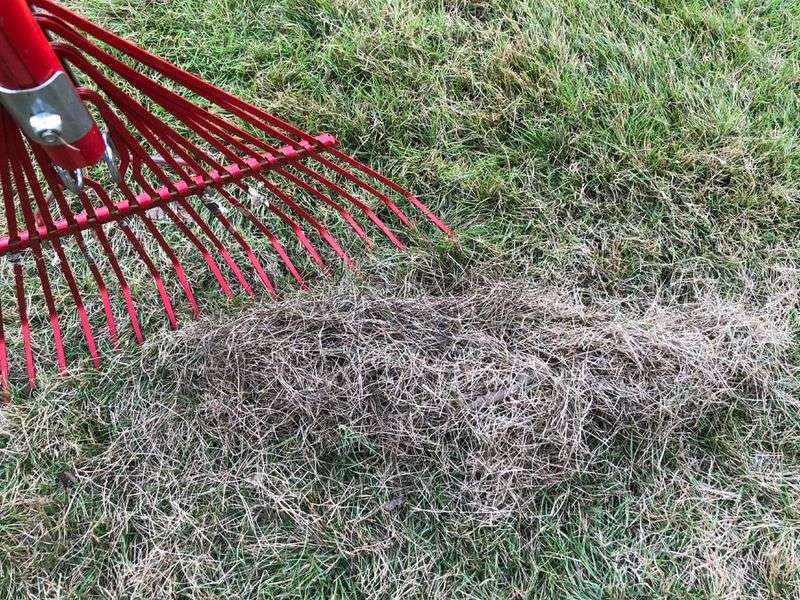
Seed tossed onto a matted lawn is a bit like planting a garden on top of a doormat. Birds certainly appreciate the free buffet, but very few of those seeds will manage to root.
Thatch is the spongy layer of stems and roots between green blades and soil, and some is normal.
Once it grows thicker than about half an inch, though, it blocks seed from making real soil contact.
Seed needs to press firmly against bare dirt so it can soak up moisture steadily and send roots down. Without that contact, sprouts dry out quickly or wither while their tiny roots dangle in loose debris.
Before overseeding, rake out loose thatch and scratch up the surface so seed has somewhere to land. A dethatcher or power rake works well for bigger yards, and many rental shops carry them.
Slit seeders take things further by cutting shallow grooves and dropping seed right into them as you go. I have to admit that using one felt like cheating, because the results looked so much better.
Uneven spreading causes patchiness too, so split your seed in half and walk the lawn in two directions.
That crisscross pattern evens out coverage and helps prevent crowded clumps next to thin, empty stretches of soil.
After spreading, lightly rake or roll the area to press seed into the soil without burying it deeply. Most grass seed should sit no more than about a quarter inch below the surface for good germination.
6. Sun Loving Bluegrass Struggles Beneath Shady Maple Trees
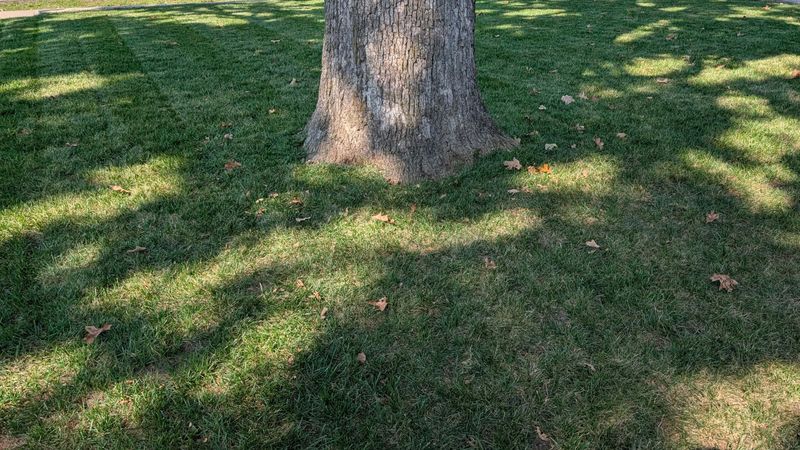
Kentucky bluegrass makes a gorgeous, soft lawn, yet it sulks badly when tree branches block the afternoon sun.
I have watched lovely bluegrass thin out under a maple, while the sunny side of the yard thrived.
Bluegrass generally needs at least six hours of direct sun daily, so shady spots quickly turn thin and bare. Tree roots add pressure as well, since they compete with grass for water and nutrients in the soil.
Fine fescues, such as creeping red fescue and hard fescue, handle shade far better than most lawn grasses. They have narrow, needle-like blades and usually need less fertilizer, which makes them easy to care for.
Turf-type tall fescue is another strong choice for many Ohio yards, especially spots with moderate shade or drought. Deep roots help tall fescue cope with summer heat, and newer varieties look much finer than older types.
Read the seed label before buying, because it lists germination rates and weed seed percentages in plain numbers. Bargain bags sometimes include annual ryegrass, which sprouts fast but fades after one season and leaves gaps.
Mixing seed types for different parts of the yard is smart, since one blend rarely suits every condition. Sunny lawns often do well with bluegrass blends, while shady corners appreciate a fescue-heavy mix instead.
Pruning lower tree limbs can also let more light reach the ground, giving any grass a fairer chance.
For deep shade, consider a native groundcover, because forcing grass there often brings more frustration than green.
7. Hungry White Grubs Chew Grass Roots Below Brown Patches
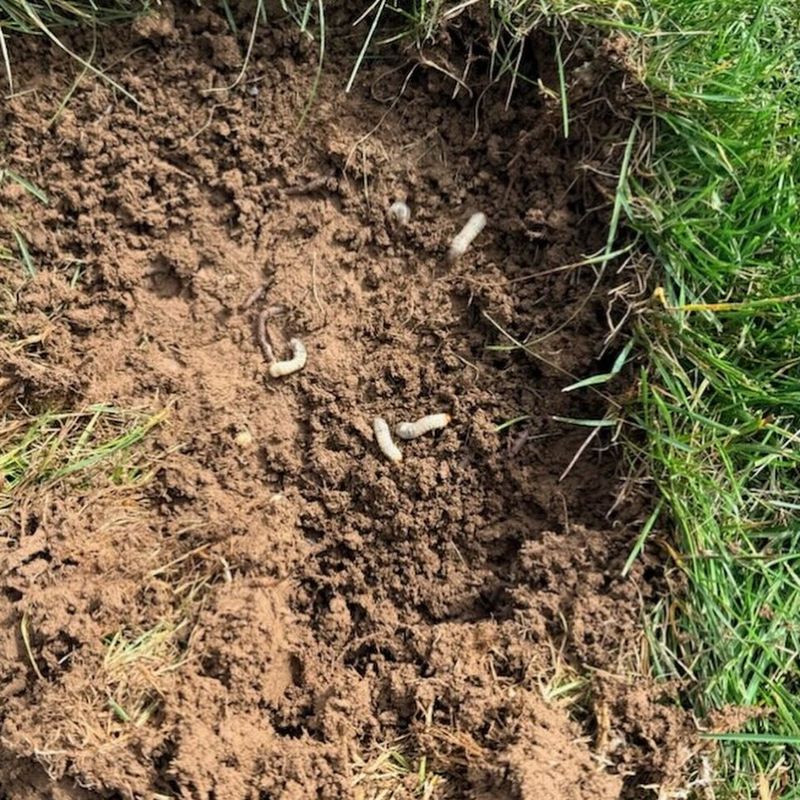
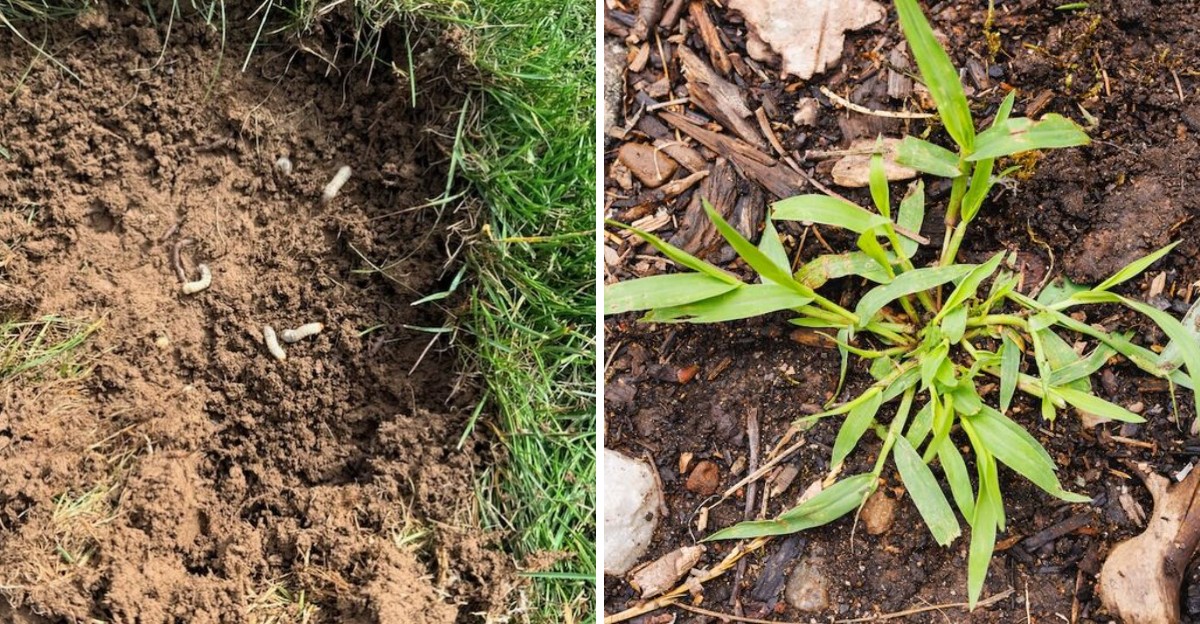
Skunks tearing up your yard at night might actually be doing detective work on your behalf. Those diggers are often hunting white grubs, the C-shaped larvae that feed on grass roots under the surface.
Japanese beetles and masked chafers are common sources of these grubs, which feed heavily in late summer and fall.
Damaged turf loses its anchor, so you can sometimes peel it back like a loose piece of carpet.
Grab a shovel and cut a square foot of sod in a patchy area to check underneath. Many university experts consider around ten grubs per square foot enough to cause visible damage in lawns.
Reseeding over an active infestation rarely works, because the new roots become the next meal on the menu. Treating first, then seeding, saves you money and a lot of disappointment during the following season.
Preventive products are usually applied in early to mid-summer, before young grubs hatch and start feeding.
Curative products work later on larger grubs, but they cannot repair roots that are already chewed away.
Personally, I only treat when I find real grub evidence, since many lawns can tolerate small numbers. Healthy turf with deep roots often hides light feeding, so strong grass becomes your best protection overall.
Read and follow product labels carefully, because some grub controls can harm bees visiting flowering weeds. Mowing clover blooms before treating is a simple step that keeps pollinators safer in your yard.
8. Crabgrass Crowds Out Tender Grass Seedlings In Spring
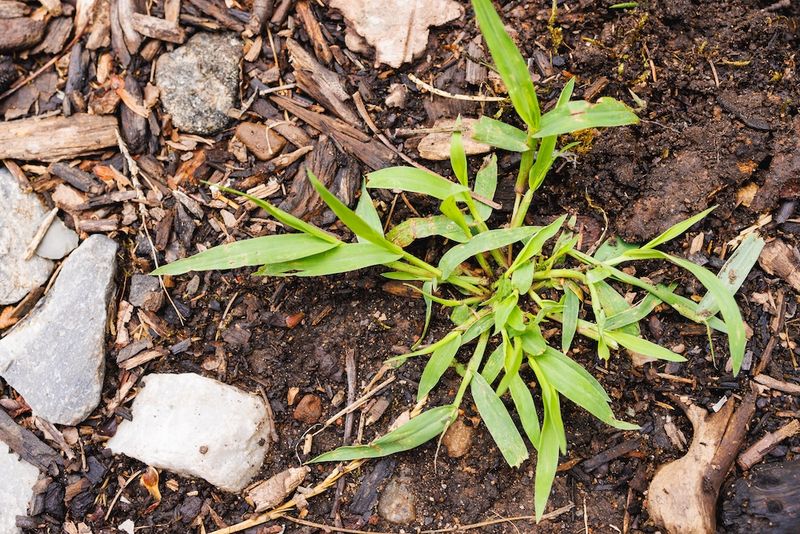
Crabgrass seems to have perfect timing, sprouting right when your new spring seed starts poking through the soil. Those wide, pale green clumps spread fast, and they shade out baby grass before it can fill in.
Weeds love bare ground, so every thin patch in your lawn looks like an open invitation to them.
Tender seedlings struggle to compete for light and water against tough weeds that grow much more quickly.
Most crabgrass preventers also stop grass seed from sprouting, which creates a real puzzle for spring seeders. Products containing mesotrione or siduron are exceptions, since their labels allow use at seeding time in many cases.
Read every label closely, because many broadleaf weed sprays can injure young grass if applied too soon. Waiting until new grass has been mowed a few times is a common recommendation on product labels.
I prefer hand pulling early weeds in seeded patches, especially after a soaking rain loosens the roots.
It feels oddly satisfying, and it protects fragile seedlings without risking chemical damage to the tender grass.
Late summer seeding sidesteps much of this battle, since crabgrass slows down as days shorten and nights cool. Your Ohio grass then gets a head start, growing thick before spring weeds wake up next year.
Mowing new grass at about three inches tall also helps, because taller blades shade the soil surface. Dense, healthy turf is the strongest weed control of all, crowding out invaders with very little help.