Who Is Responsible When a Neighbor’s Tree Falls Into Your Yard in Michigan
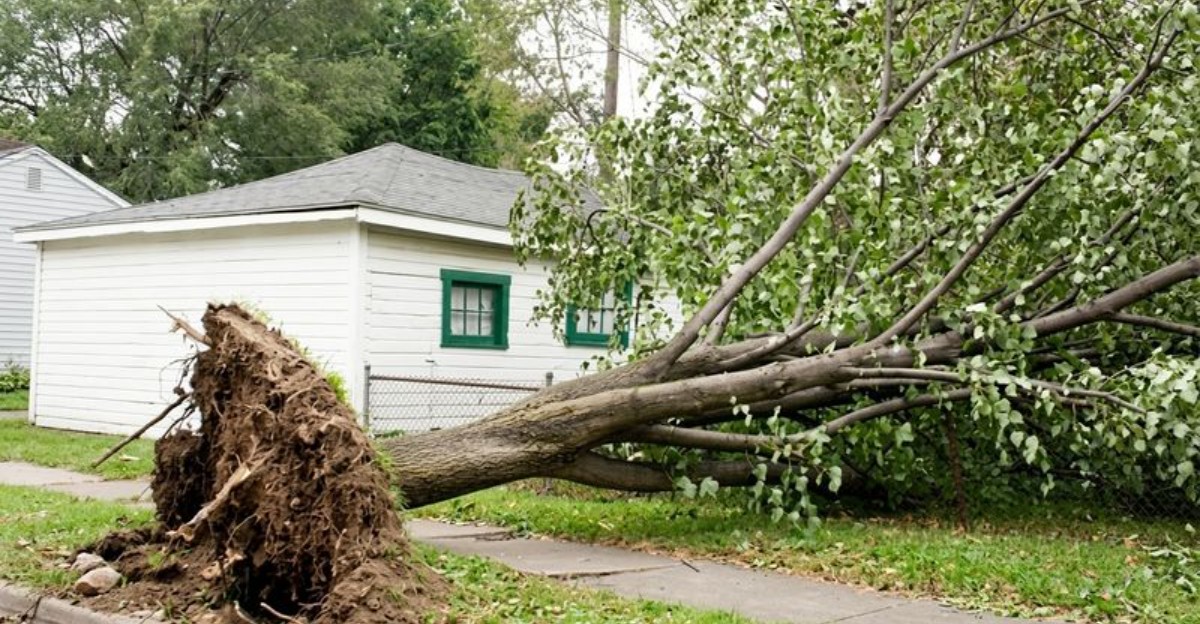
A perfectly healthy tree can crash onto your garage, and the bill may still land on you. I didn’t see that coming the first time a storm rolled through my street.
Truth is, most of us assume the owner of the trunk pays for every branch. Courts and insurers usually look at something else entirely. They ask whether anyone knew, or should have known, that the tree was a hazard.
Here in Michigan, our wild mix of summer thunderstorms, heavy snow, and ice storms keeps tree trouble on the calendar all year. Emerald ash borer has also left plenty of brittle ash trees standing in older neighborhoods. Those weakened giants change the conversation fast.
I’m a sucker for a good backyard puzzle, and this one has real money attached. So who actually pays when the wood comes down on your side of the fence?
A Healthy Oak Toppled by Wind Plays by Different Rules
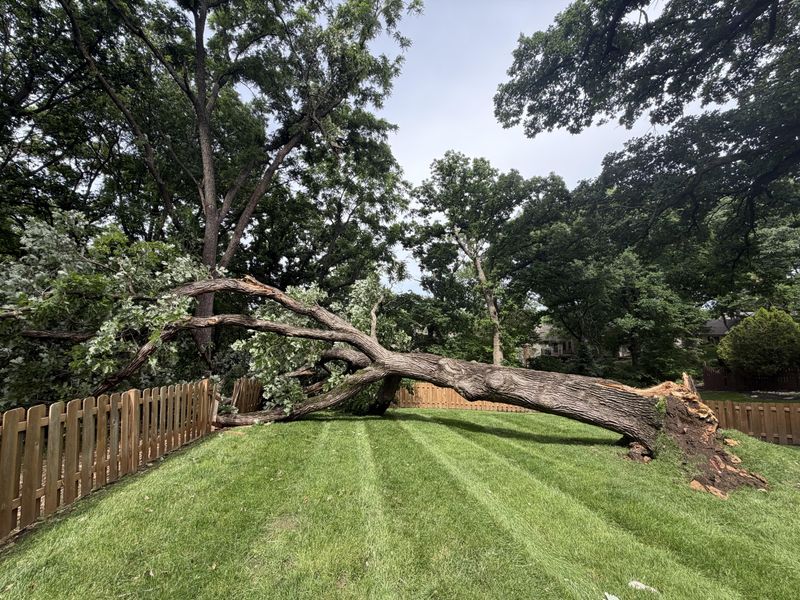
Storm season taught me a humbling lesson about fallen trees. When a sound, healthy tree comes down because of strong wind, heavy snow, or ice, the event is usually treated as an act of nature.
In plain terms, nobody was careless, so nobody is automatically at fault. Your neighbor typically is not liable just because the trunk grew on their side of the line.
That surprises a lot of folks. You might be staring at a giant oak across your patio and feeling sure someone else owes you money.
Insurers and courts generally focus on one key question. Was there a sign of trouble that a reasonable owner should have noticed and fixed?
If the answer is no, the tree simply had bad luck in a bad storm. Michigan sees plenty of those, from spring thunderstorms to wet, heavy snow that snaps limbs in late fall.
So before you march next door with a list of complaints, take a breath. Snap photos of the damage, note the date and the weather, and keep the conversation friendly.
Those records will help you later, whatever direction the claim takes. They also help you stay calm and fair with someone you will see over the fence for years.
Your Own Homeowners Policy Usually Handles the Fallen Tree First
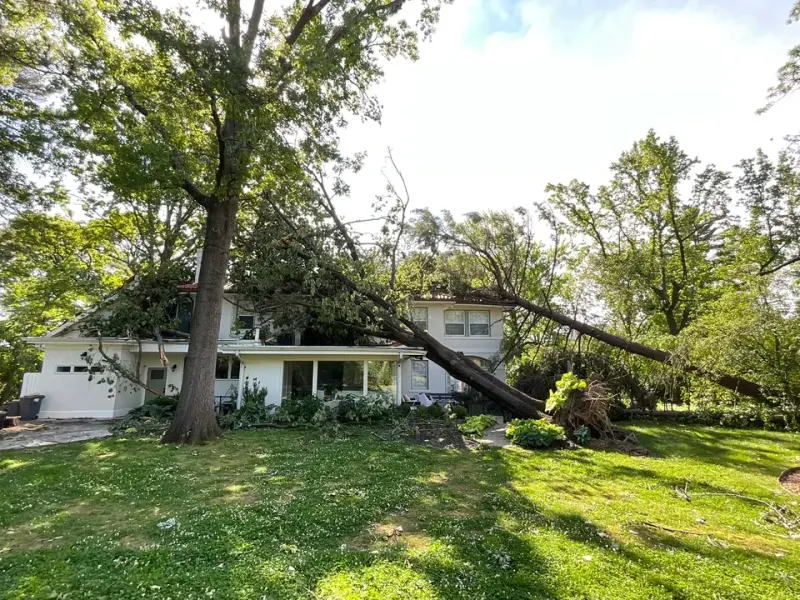
Here is the twist most people miss. When a neighbor’s healthy tree lands on your property, your homeowners insurance is normally the first place to file.
Standard policies often cover damage to your house, garage, shed, or fence from a falling tree caused by wind, hail, or the weight of ice and snow. Your deductible still applies, so check that number before you call.
Many policies also pay to remove the tree if it struck a covered structure or blocks your driveway or a wheelchair ramp. Removal coverage is commonly capped, often around 500 to 1,000 dollars per tree, though limits vary by insurer.
Read your declarations page closely. Some policies are generous, while others keep tree payouts tight.
If your insurer later finds the neighbor was negligent, it may go after the neighbor’s insurance to recover what it paid. That process is called subrogation, and it can sometimes return your deductible to you.
You rarely need to manage that fight yourself. Report the claim quickly, share your photos, and let the adjusters sort out the money trail.
One more tip from experience: get two cleanup estimates before hiring anyone. Storm chasers show up fast after big Michigan wind events.
Rotting Trunks and Leaning Maples Can Shift the Blame Next Door
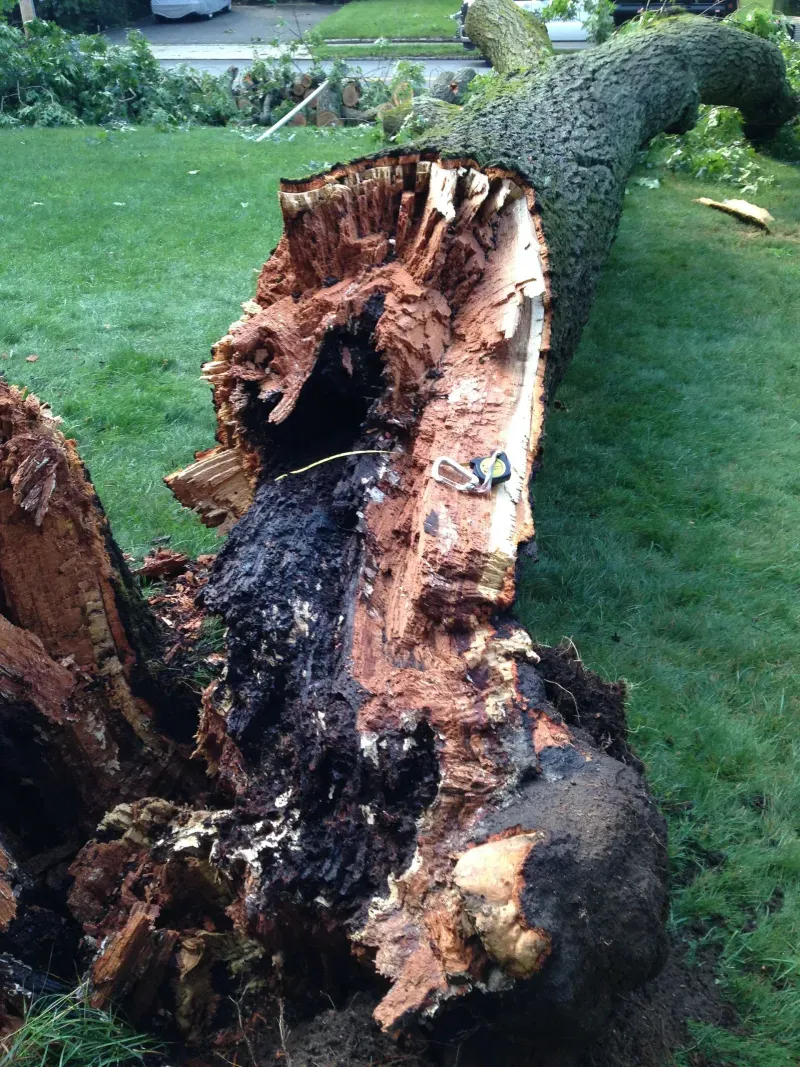
Mushrooms sprouting from a trunk are more than a quirky sight. They can be a big clue in a liability dispute.
The rules change when a tree was clearly in poor shape before it fell. Under general negligence principles followed in Michigan, an owner who knew or reasonably should have known about a hazard can be held responsible for the damage it causes.
Warning signs that often matter include deep cracks, a hollow base, large bare limbs, fungal growth, heavy lean, and lifted soil around the roots. Ash trees hit by emerald ash borer are a common example, since infested ash often turns brittle within a few years.
When negligence is shown, the neighbor’s liability coverage may pay for your repairs. Your own insurer might also pursue them after paying your claim.
Proof is the tricky part. A failing tree that looked fine from the street is harder to blame on anyone.
An arborist’s opinion after the fall can help. Certified arborists can often tell whether rot or decay was present long before the storm arrived.
Save any broken pieces showing internal decay too. That cross section of a mushy trunk may tell the story better than words.
A Dated Letter About That Hazardous-Looking Ash Is Your Best Insurance
Paper trails rarely feel exciting, but they can save you thousands. A written notice is one of the strongest tools a homeowner has.
Once your neighbor receives a clear, dated warning about a hazardous tree, it becomes hard for them to claim they had no idea. That knowledge is what turns bad luck into possible negligence.
Keep the letter polite and specific. Describe the tree, its location, and the problems you see, like split bark, dropping limbs, or woodpecker holes on an ash.
Attach dated photos. If you can, include a short report from an ISA certified arborist.
Send it by certified mail with a return receipt. Keep copies of everything in one folder or a phone album.
I get it, sending a formal letter to someone you wave at every morning feels awkward. Start with a friendly chat first, then follow up in writing so everyone has the same facts.
Many neighbors respond kindly once they understand the risk. Some may not know an arborist can sometimes save a tree with careful pruning instead of full removal.
Either way, the documentation protects you. It also gives your insurer a solid foundation if trouble ever arrives.
Fallen Logs on Open Lawn Often Become Your Weekend Project
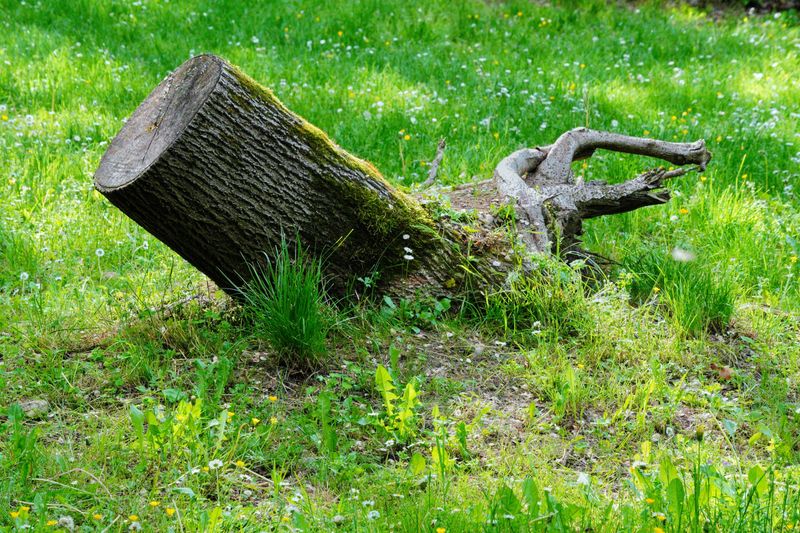
Not every crash comes with an insurance check. When a tree lands in an open lawn or garden bed without hitting a structure, removal is usually not covered.
Many policies only pay for debris removal when the tree damaged something insured or blocks access to the home. A trunk across your grass, flower bed, or vegetable patch typically falls outside that coverage.
Without proof of negligence, the cleanup cost usually lands with you as the owner of the yard where it fell. That can feel unfair, but it reflects how the act of nature idea works.
Fair warning, large trunks are not a beginner chainsaw job. Wood under tension can spring or roll unexpectedly, so hiring an insured tree service is often the safest choice.
There is a bright side for gardeners. Chipped branches make excellent mulch for paths and shrub beds once they age a few months.
Hardwood rounds can become seasoned firewood or rustic edging for raised beds. Just avoid moving ash or oak firewood long distances, since Michigan officials urge buying and burning local to slow pests like emerald ash borer and oak wilt.
A little creativity turns a messy surprise into free garden material.
Boundary Trees Sitting Right on the Property Line Belong to You Both
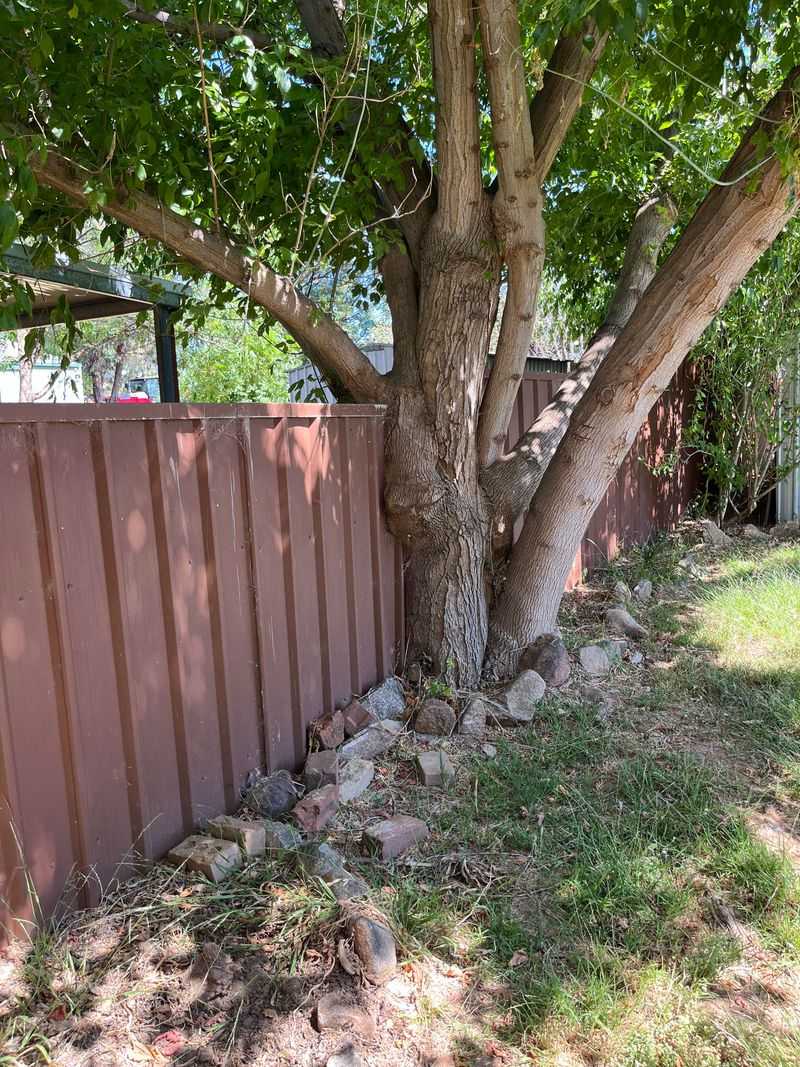
Some trees refuse to pick a side. When the trunk sits right on the boundary, it is generally treated as shared property owned by both neighbors.
That shared ownership brings shared rules. Neither owner should cut down or seriously harm the tree without the other’s agreement.
Not going to lie, I once assumed half a tree meant half the decisions. It doesn’t work that neatly.
Michigan has a timber trespass statute, MCL 600.2919, that can allow damages up to three times the value of trees wrongfully cut on another person’s land. Courts consider the details of each case, but the risk is real.
When a shared tree falls, responsibility can get complicated. Costs are often split, and negligence still matters if one owner ignored known problems.
The smart move is an early conversation. Agree on inspections, pruning schedules, and how you would divide removal costs before anything goes wrong.
If you are unsure where your line runs, a licensed surveyor can mark it. That small expense often prevents big arguments.
Put any agreement in writing. Even a simple signed note helps if one of you later sells the house.
Trimming Overhanging Maple Branches Is Allowed With Limits
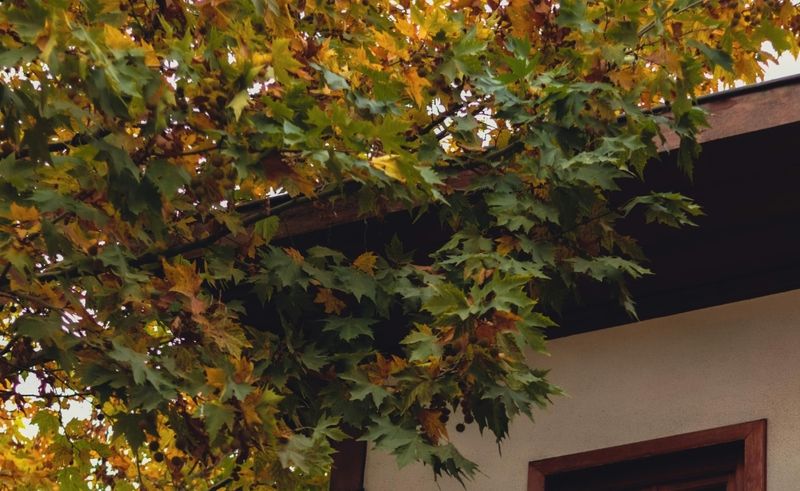
Every fall, maple seeds rain down on my patio from the yard next door. Many homeowners wonder if they can just trim those limbs back.
In general, you may cut branches and roots that cross onto your property, up to the property line. You usually do not need permission, though the work is at your own expense.
Limits matter here. You cannot step onto your neighbor’s land or lean equipment on their side without permission.
You also should not prune so heavily that the tree is seriously harmed or begins to fail. Doing so could make you responsible for its value, and Michigan’s timber trespass law may raise that amount.
Root cutting deserves special care. Severing large roots near the trunk can weaken a tree’s anchor, possibly making a future fall more likely.
Timing helps too. Michigan State University Extension advises against pruning oaks from April through July to reduce oak wilt spread, so dormant season is the safer window.
Talk with your neighbor before trimming, even when you don’t need to. A shared plan, and maybe a shared arborist, keeps both yards happy and the tree healthier.
Photos, Arborists, and a Calm Chat Keep Fallen Tree Fights Small
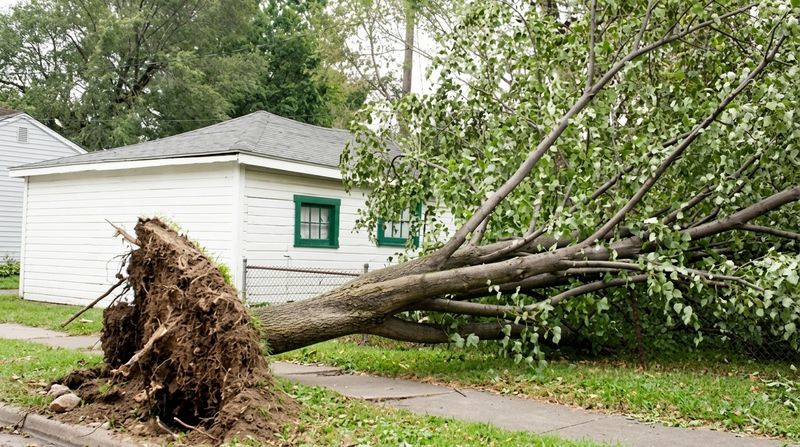
Calm heads save more money than sharp words. That is the biggest lesson I have picked up after watching a few fallen tree disputes unfold.
Start with safety. Stay away from downed power lines and call your utility, such as DTE Energy or Consumers Energy, before touching anything tangled in wires.
Next, document everything. Take wide and close photos, save weather reports for that day, and keep pieces showing rot if decay played a part.
Call your own insurer promptly, even if you believe the neighbor is at fault. Let the adjusters review the facts and pursue the other side if needed.
Then talk with your neighbor in person. Most people feel awful when their tree causes damage and want to help.
If big money or serious negligence is involved, a local real estate or insurance attorney can explain your options. Small claims court in Michigan handles disputes up to 7,000 dollars, which covers many fence and shed repairs.
Looking ahead, schedule an arborist check on large trees near homes every few years. Prevention is cheaper than cleanup, and a healthy tree is one of the best neighbors you can have.