The One Thing Florida Plumeria Owners Need To Do Before November Ends
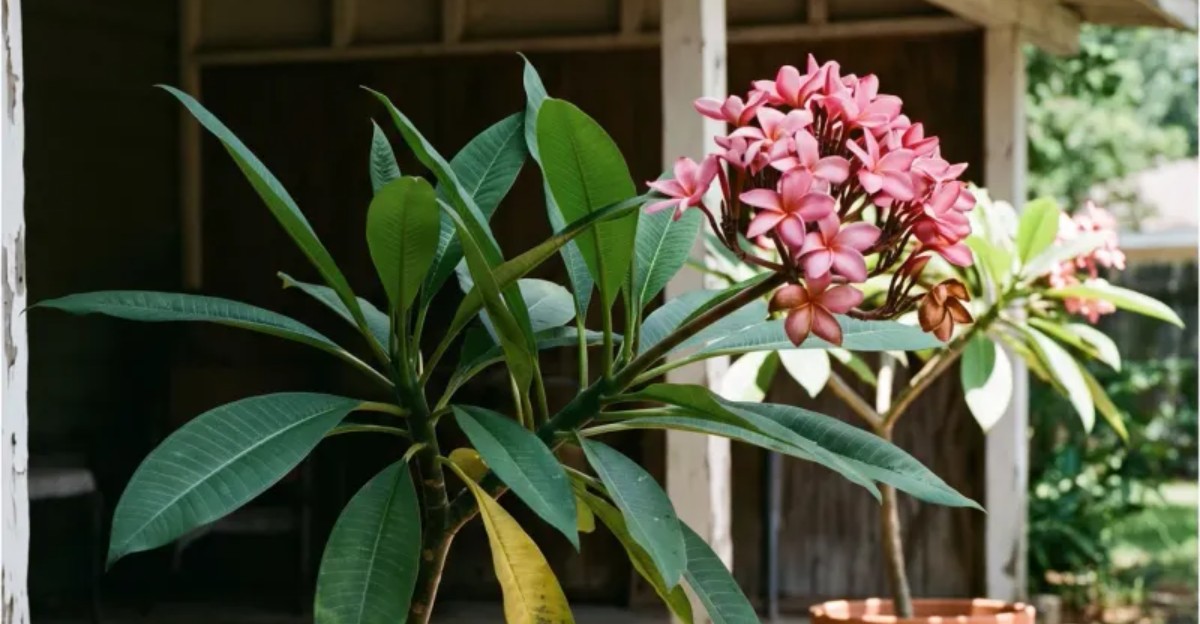
A plant that survives on Hawaiian lava fields can sulk after a single chilly week in Orlando. I still find that funny, and a little humbling.
Those fat, rubbery branches store water like a camel’s hump. The blooms smell like coconut, peach, and gardenia rolled into one sweet cloud.
Night-flying sphinx moths chase that perfume, even though the flowers hold no nectar for them.
Here in Florida, late fall feels like summer’s lazy cousin. You’re still wearing flip-flops, and the patio looks gorgeous.
Yet your favorite tropical tree is quietly reading the calendar better than you are.
I’ll take the blame for one soggy, mushy branch I found last February. It was a hard way to find out what one small task in November could have prevented.
Give this fragrant beauty a little attention before the month runs out, and it will thank you with that sweet cloud next summer.
Those Plumeria Branches Are Already Sensing the Seasonal Shift
Shorter days are the first clue your plumeria picks up on. Even when the afternoon still feels warm, the tree notices that daylight is shrinking and nights are cooling off.
Plumeria come from Mexico, Central America, and the Caribbean, where frost is rare. Once nights slip into the 50s, growth slows down and many plants begin dropping leaves.
Growers call this dormancy, and it works like a long winter nap that saves energy.
The tricky part is that a resting plumeria is more fragile, not less. Its soft, water-filled branches can turn to mush after cold damage.
Freezing temperatures can rupture cells inside those thick stems, and rot often follows a few weeks later.
Florida is a long state, so timing varies a lot. A plumeria in Key West or Miami may keep some leaves all winter.
One in Gainesville, Tallahassee, or Pensacola can face several freezing nights in a normal year.
That is why the one big job before November ends is simple. Get a cold protection plan in place now, before the first chilly forecast surprises you.
A little planning today keeps those fragrant blooms coming back next summer.
Move Potted Plumeria Into a Garage Before the First Cold Snap
Container growers have the easiest win here. Your potted plumeria can simply roll into shelter when the weather turns, and that one move protects it better than almost anything else.
Many experienced growers bring pots indoors once nights are forecast to hit about 40 degrees. A garage, enclosed porch, shed, or spare room works well.
Once the plant has dropped its leaves, it needs very little light while resting.
I like to scout the spot in November, not on the night of a frost warning. Clear some floor space, check that the area stays above 40 degrees, and make sure it stays dry.
A plant dolly or a wheeled caddy makes moving heavy pots much easier on your back.
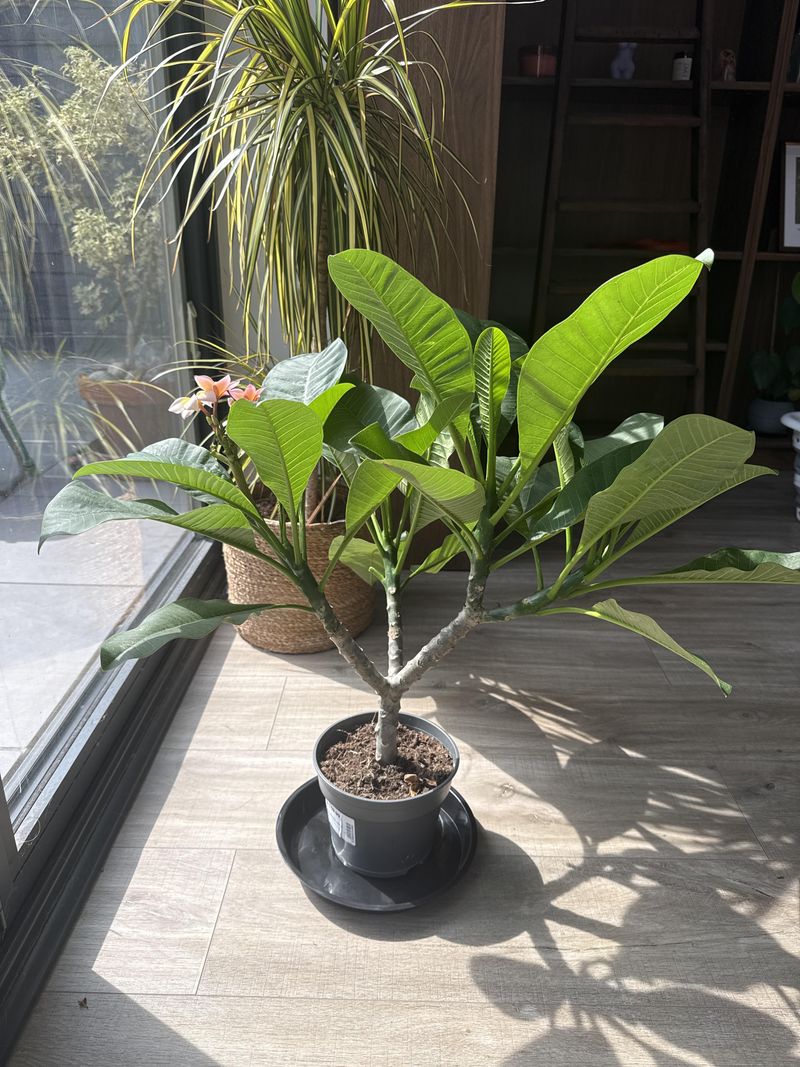
Got a plant that still has green leaves? Put it near a bright window so it can keep using its foliage.
Some leaves will likely drop anyway, and that is normal.
Once warm weather settles back in, usually in March for much of the state, ease the pots back outside. Start them in partial shade for a week so the stems do not sunburn.
Then let them enjoy full sun again.
Frost Cloth Can Shield In-Ground Plumeria Trees on Chilly Nights
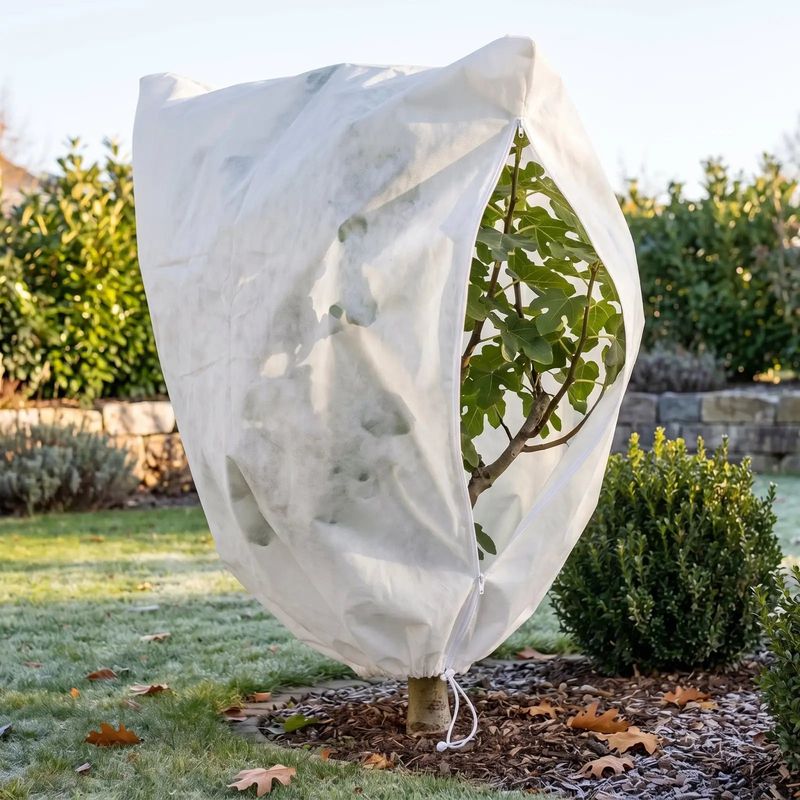
Plumeria planted in the ground can’t hop into the garage, so you bring the shelter to them. Buy frost cloth or gather old sheets and blankets now, while stores still have them in stock.
When a forecast calls for temperatures in the mid-30s or lower, drape the cover over the whole plant. Let it reach all the way to the ground.
Warmth rises from the soil at night, and a cover that touches the ground traps that heat around the branches.
Skip plastic sheeting that touches the stems directly. It can transfer cold right into the tissue.
If plastic is all you have, put a cloth layer underneath it.
Some Florida gardeners string old-style incandescent holiday lights under the cover for extra warmth. Those bulbs give off a little heat, while LED lights mostly do not.
Use outdoor-rated lights and keep them from touching the fabric.
Pull the covers off the next morning once temperatures climb. Leaving them on during a sunny day can overheat the plant underneath.
Keep everything folded nearby, since cold fronts often arrive in pairs.
Soggy Soil Is a Bigger Winter Threat to Plumeria Than You Expect
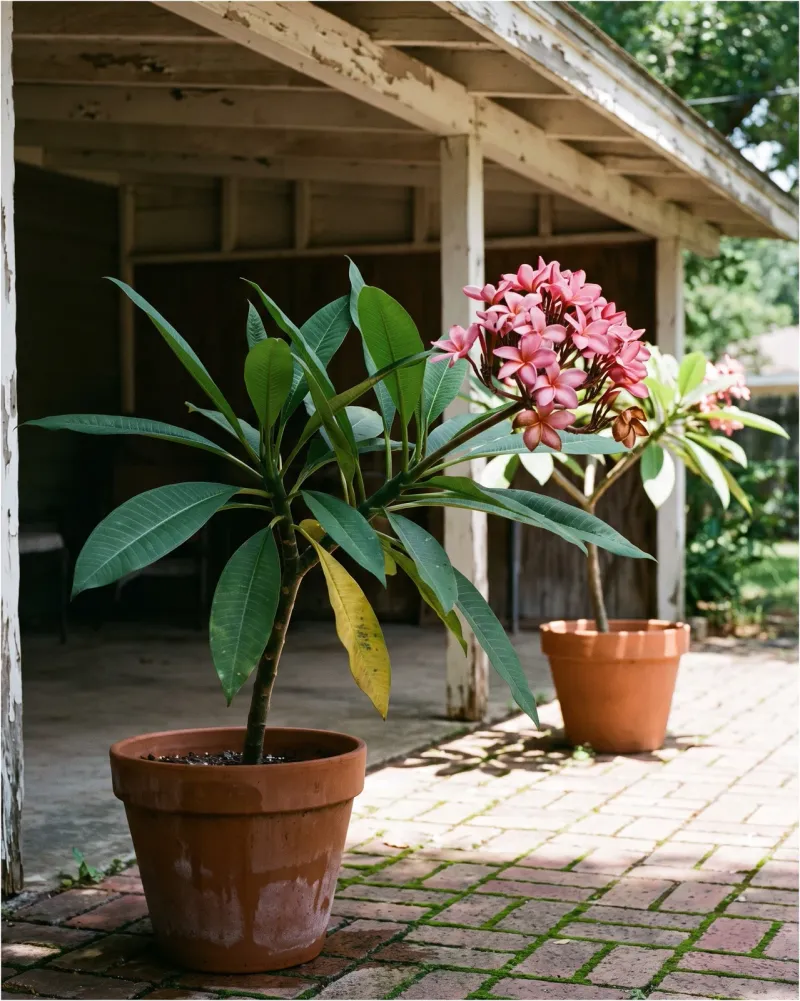
Here’s a twist that surprises many new growers. Cold rarely acts alone, and wet roots during chilly weather are one of the most common reasons dormant plumeria rot.
A resting plumeria uses very little water. Those thick branches already hold a good supply.
When cool soil stays damp for days, roots can’t breathe well, and rot starts creeping up into the stem.
Most plumeria growers cut way back on water once leaves drop. Potted plants in a garage often need only an occasional light drink, especially if branches start to look wrinkled.
In-ground trees usually get plenty from winter rain, so turn off irrigation zones that hit them.
Give stems a gentle squeeze now and then. Firm is what you want.
A soft, squishy tip or a dark patch near the soil line is a warning sign that something is wrong.
Drainage matters as well. A gritty mix with perlite or pine bark helps water escape fast.
If your pot sits in a saucer, empty it after rain or watering so the bottom roots don’t sit in a puddle.
Put the Plumeria Fertilizer Away Until Spring Growth Returns
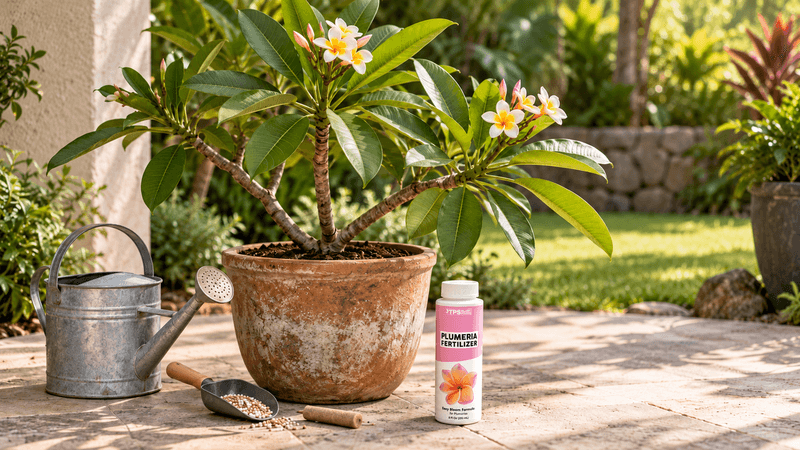
Feeding your plumeria in late fall is a bit like serving a big dinner right before bedtime. The plant just doesn’t need it, and it can cause trouble.
Fertilizer, especially the nitrogen-rich kind, pushes out fresh, tender growth. Soft new tips are the first part of a plumeria to suffer when cold air arrives.
Many growers stop feeding in early fall, giving the plant time to slow down and toughen up naturally.
If you are still feeding as November winds down, stop now. Store the bag somewhere dry so it is ready next season.
Also watch for slow-release pellets still sitting on top of the soil in pots.
Fun fact for the curious. Plumeria fans often reach for blends with higher phosphorus during the growing season, hoping for more flower clusters.
That strategy makes sense in summer, when the plant can actually use it.
Restart feeding in spring, once you see new leaves unfolding and nights stay warm. A gentle, balanced dose first helps the plant wake up.
Then shift to your bloom formula as summer approaches and flower buds form.
Check Plumeria Leaves for Spider Mites and Scale Before Storage
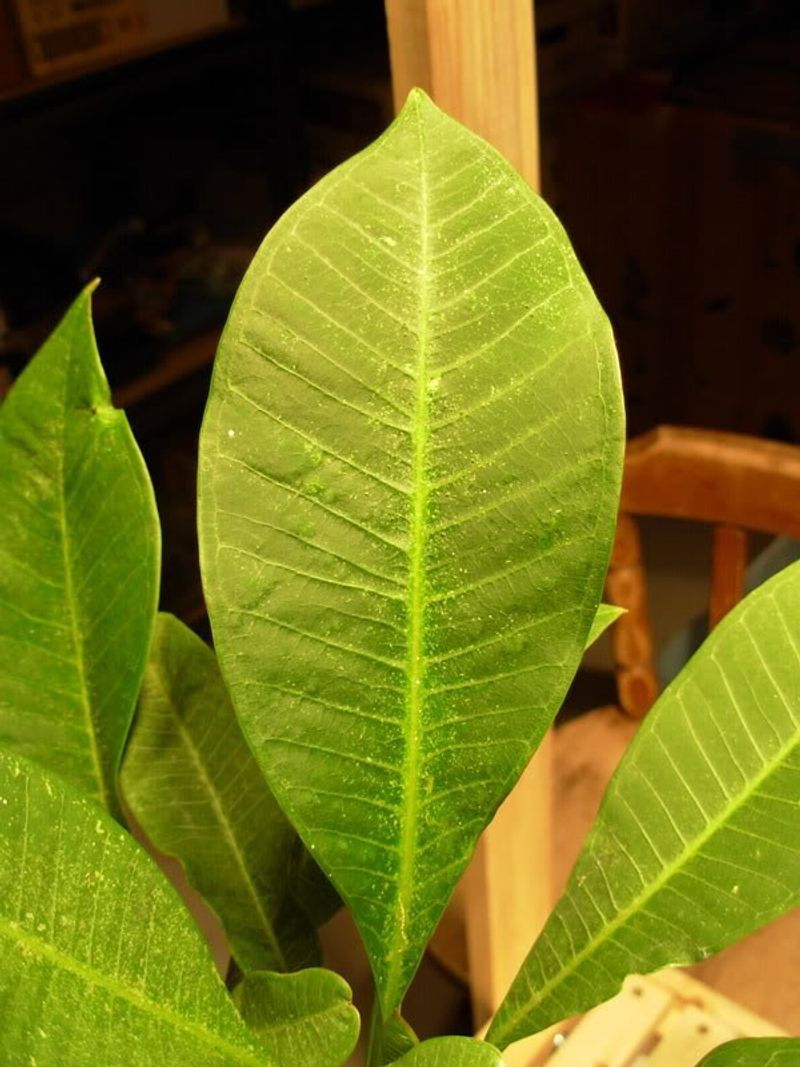
A garage can turn into a cozy hideout for pests that ride in on your plants. Spend ten minutes on a quick inspection before anything goes inside.
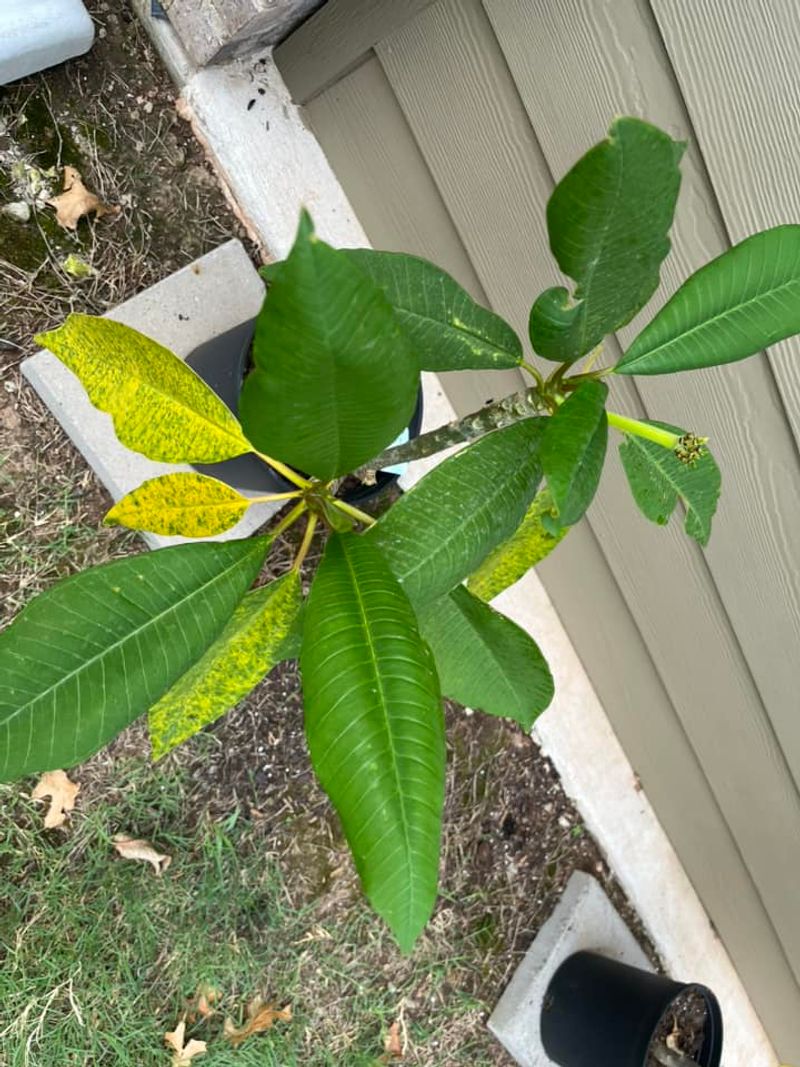
Flip over a few leaves and look closely. Tiny speckles and fine webbing point to spider mites.
White cottony clumps are often mealybugs, and small bumps stuck to stems may be scale insects.
Plumeria rust is another common visitor in Florida. It shows up as orange, powdery spots on leaf undersides.
Since the leaves will drop soon anyway, rake up and bag fallen foliage rather than leaving it on the ground or in the pot.
For light pest problems, a strong spray of water knocks many critters off. Insecticidal soap or horticultural oil can handle the rest when used as the label directs.
Avoid spraying oils during hot, sunny afternoons.
Wipe pots clean and check the drainage holes too. Ants and other small hitchhikers sometimes nest there.
Starting the rest period with a clean plant means fewer headaches when spring arrives and the leaves come back.
A Thick Ring of Mulch Keeps Plumeria Roots Cozier
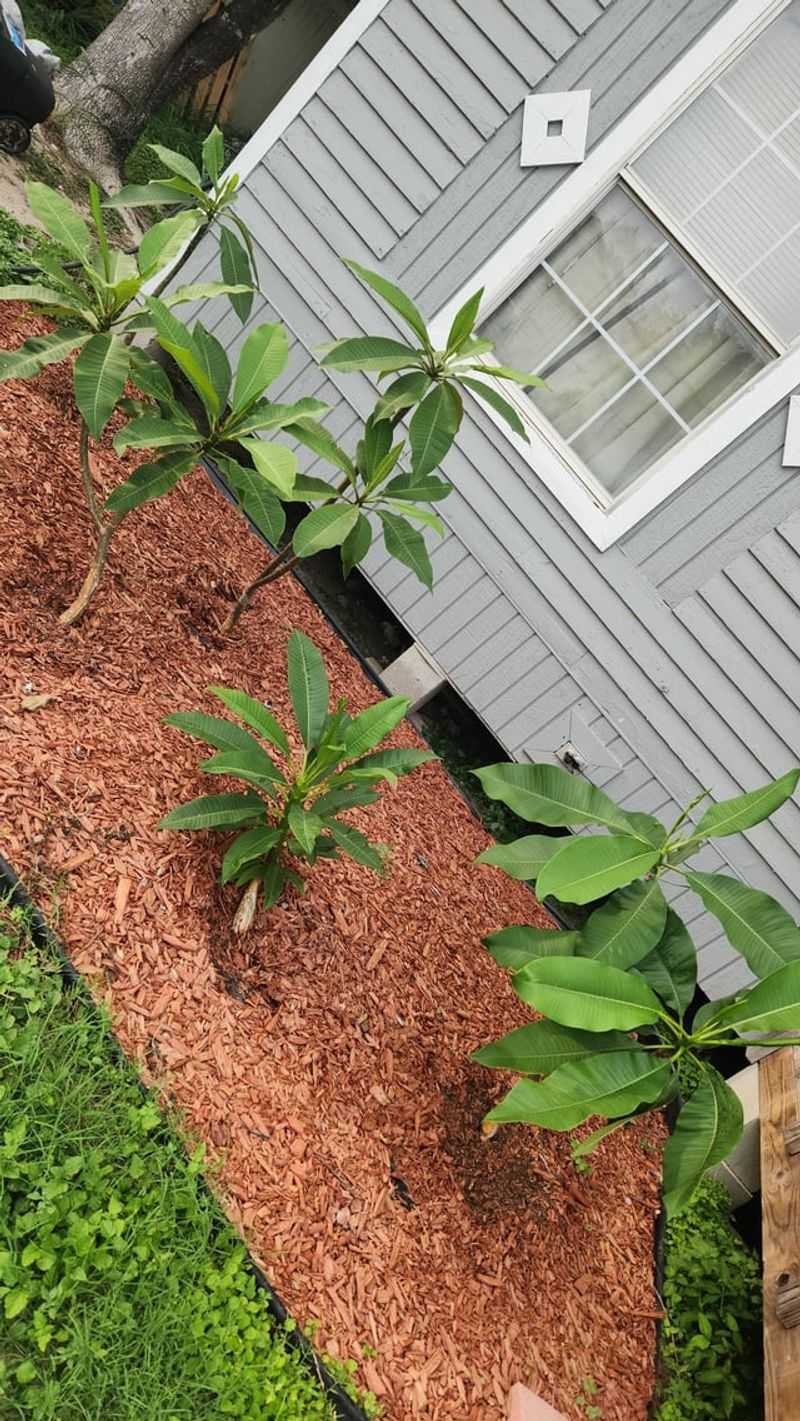
Mulch is the cozy blanket your in-ground plumeria will appreciate. It helps hold soil warmth around the roots during cool snaps and keeps temperatures steadier from night to day.
Spread about two to three inches of pine bark, pine straw, or shredded leaves around the base. Extend it out toward the edge of the branches if you can.
That covers more of the root zone.
Keep the mulch a few inches away from the trunk itself. Piling it against the stem traps moisture right where plumeria are most prone to rot.
Think donut, not volcano.
University of Florida experts often suggest avoiding cypress mulch, since harvesting it can affect wetland forests. Pine bark and pine straw are easy to find across the state and work nicely.
Leaves from your own yard are free and do the job well.
Planting location helps too. A spot on the south side of a house, near a wall or patio, can stay a few degrees warmer on cold nights.
Keep that in mind if you are planning to add another plumeria later.
Spring Leaf Buds on Your Plumeria Will Show How Well You Did
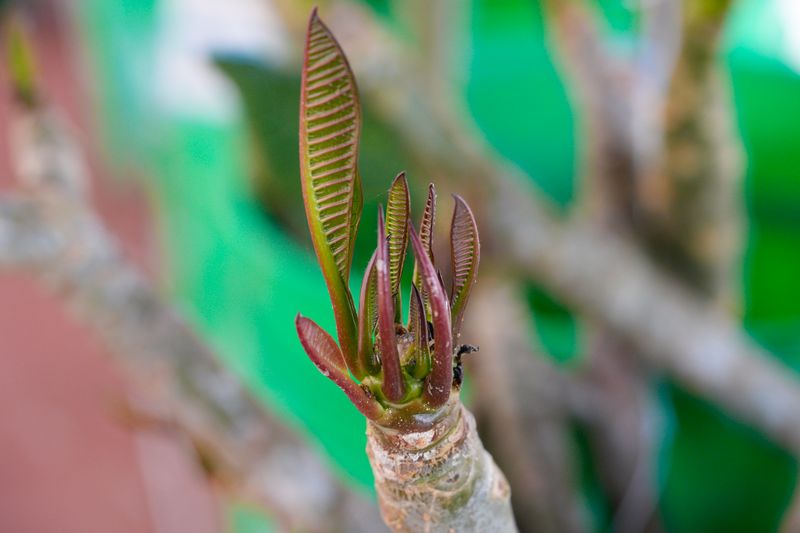
Few things feel better than spotting those first green leaf tips poking out of bare plumeria branches in spring. That moment is your report card for all the work you did back in November.
Healthy branches will feel firm and smooth. If one turns soft or black after a cold spell, wait until warm weather settles in before cutting.
Then trim back to firm, healthy tissue using clean, sharp pruners.
Here’s a bonus most folks love. Those trimmed pieces can become new plants.
Let cuttings dry for a week or two until the cut end seals, then plant them in a fast-draining mix.
Keep a simple notebook or phone note this winter. Jot down cold nights, when you covered plants, and when pots moved inside.
Next fall, you will know exactly what your yard needs.
Before November slips away, do just one thing. Choose your shelter spot, buy your covers, and set a weather alert on your phone.
Once that plan is ready, you can relax and look forward to another season of sweet tropical fragrance.