Your North Carolina Winterberry Holly May Have No Berries Because One Important Plant Is Missing
Some shrubs can bloom every single spring and still refuse to make one berry, no matter how much you pamper them.
I learned that the hard way with a bare shrub by my back steps. It flowered, it looked healthy, and it gave me nothing but brown twigs by December.
Here’s what gets me. The problem often has nothing to do with water, fertilizer, or your gardening skills. Plenty of North Carolina gardeners fight this exact puzzle every winter and blame themselves for it.
The real fix might be standing in a nursery pot right now, looking plain and forgettable. Would you believe the missing piece is a plant that will not grow a single berry of its own?
Those Bare Winterberry Branches Have A Hidden Partner Problem
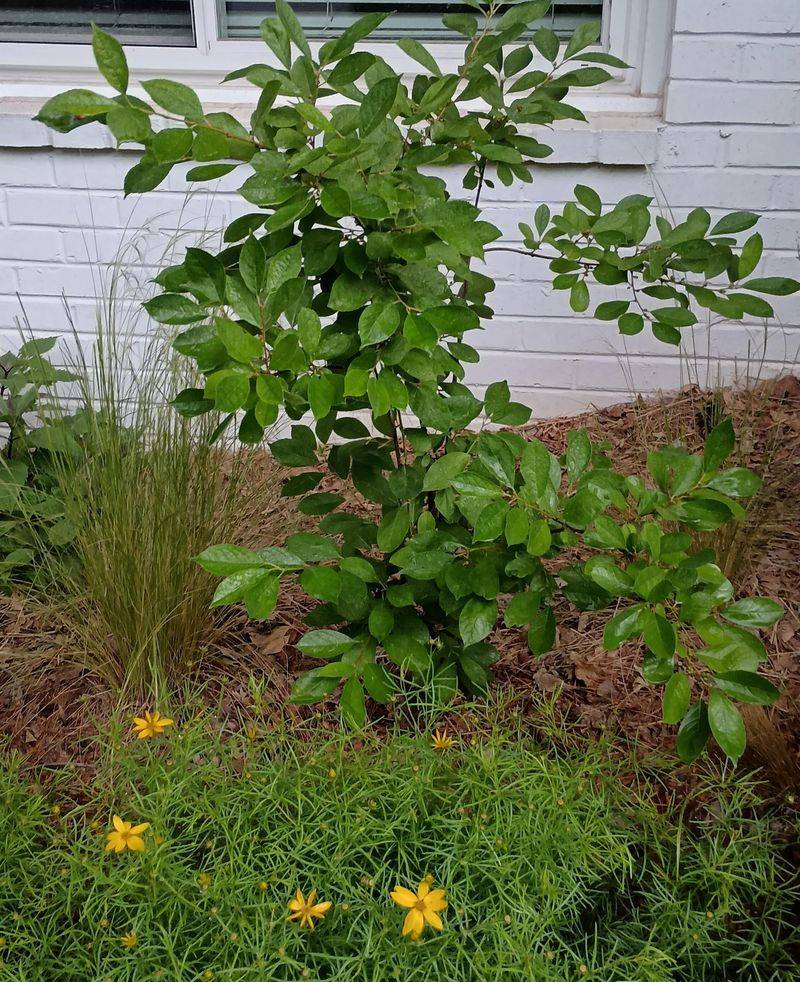
My first winterberry taught me a humbling lesson. It grew fast, flowered like a champ, and still looked like a pile of sticks every December.
Winterberry holly, or Ilex verticillata, plays by unusual rules. Each shrub is either male or female, which botanists call dioecious. Only the females grow those glossy red berries that make winter gardens glow.
That means half of the shrubs out there will not produce fruit at all. A male plant blooms and makes pollen, and that is the full extent of its job.
So when your shrub stays bare, the first question to ask is simple. Is there any male winterberry growing close enough to share pollen?
Most nurseries sell named female cultivars because buyers want the berries. Many people bring home one gorgeous female and assume the job is done. Without a partner, her flowers drop off and leave nothing behind.
Wild winterberries in swamps and stream banks rarely have this trouble. They grow in mixed groups, so males and females usually stand side by side.
Backyards are different. One lonely shrub by the porch may sit miles from the nearest wild male, waiting on pollen that rarely arrives.
A Male Winterberry Shrub Is The Plant You Are Probably Missing

Bees do the matchmaking here, and they need a short commute. A male winterberry should grow within roughly 40 to 50 feet of your female shrub, though some sources stretch that to about 100 feet.
The male will not give you a single berry. Still, he is the reason your female can load up with fruit every fall.
One male can usually pollinate several females. Many growers say one male covers three to six females, and some report even more when the plants sit close together.
Fair warning, the male does not have to be the star of your yard. You can tuck him behind the female, at the back of a border, or even in a damp corner nearby.
Some gardeners plant both shrubs in the same hole so the branches mingle. That trick saves space and keeps the pollen source right where bees are already buzzing.
Planting time matters too. Fall and early spring are great windows for setting out shrubs in the state, since cooler air helps roots settle in before summer heat.
Buy the male with a label you can trust. Unlabeled plants are a gamble, and you could end up with two females.
Matching Bloom Times Is Where Jim Dandy And Southern Gentleman Come In
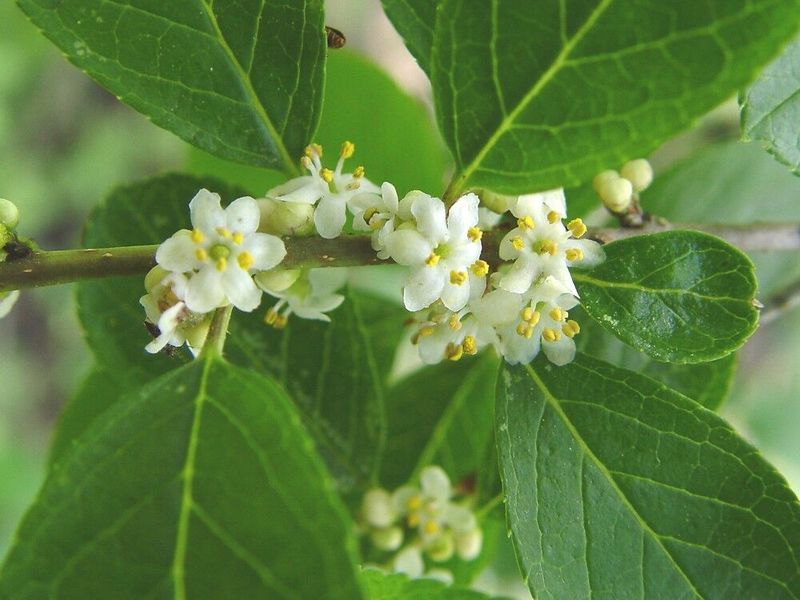
Here is a twist that tripped me up once. A male winterberry growing right next door is useless if it blooms at the wrong time.
Winterberry cultivars fall into early-blooming and late-blooming groups. The male has to shed pollen while the female flowers are open, or the timing simply misses.
For early bloomers, ‘Jim Dandy’ is the classic male partner. He pairs with females such as ‘Red Sprite’, ‘Berry Nice’, ‘Berry Heavy’, and ‘Afterglow’.
For later bloomers, look for ‘Southern Gentleman’. He matches females like ‘Winter Red’, ‘Winter Gold’, ‘Cacapon’, and ‘Sparkleberry’.
The North Carolina Extension Gardener Plant Toolbox lists both of these males as pollinizers. That makes them easy, trusted choices for local gardens.
Some newer series come with their own matched males. ‘Mr. Poppins’ was bred to pollinate ‘Berry Poppins’, which takes the guesswork away.
My best advice is to read the tag before you buy. Most nursery labels name the right partner, and staff can help if the tag is vague.
Snap a photo of your female plant’s label too. You will thank yourself later when you head out shopping for her match.
Peek At The Tiny Winterberry Flowers To Tell Boys From Girls
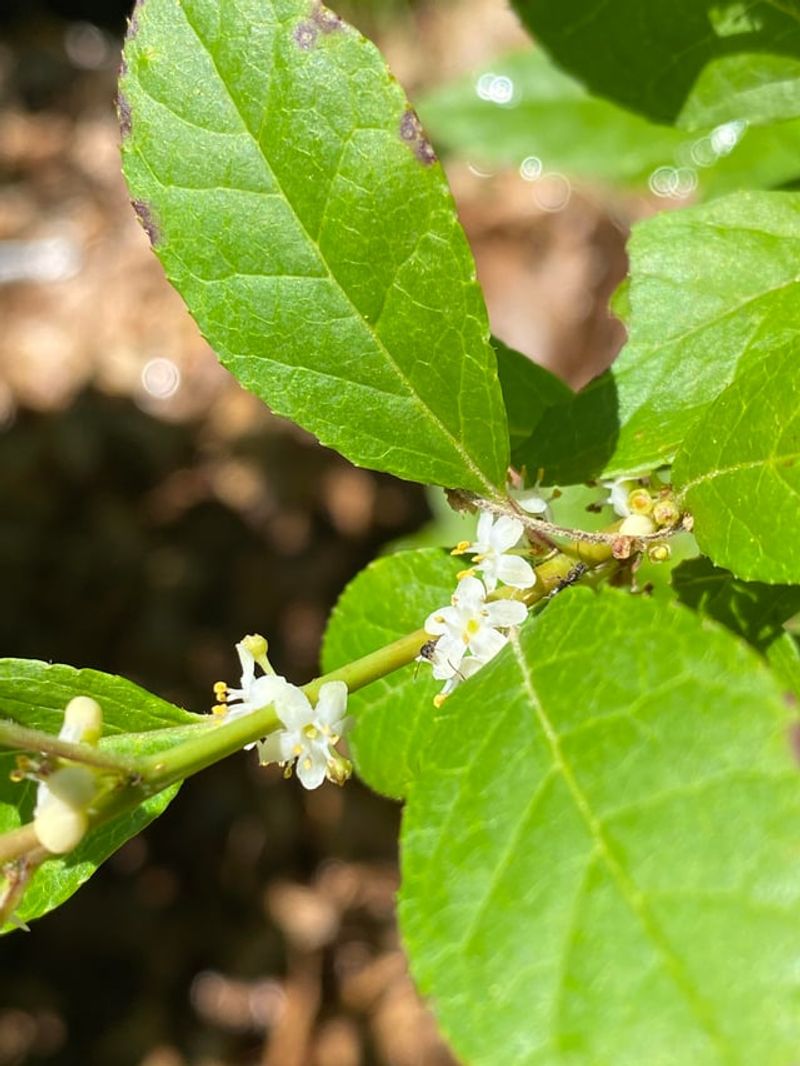
Grab a magnifying glass in late spring. Your winterberry flowers hold the answer, and they only show it for a few weeks.
In warmer parts of the state, bloom often arrives around late May or early June. The flowers are small and white, so you need to look closely.
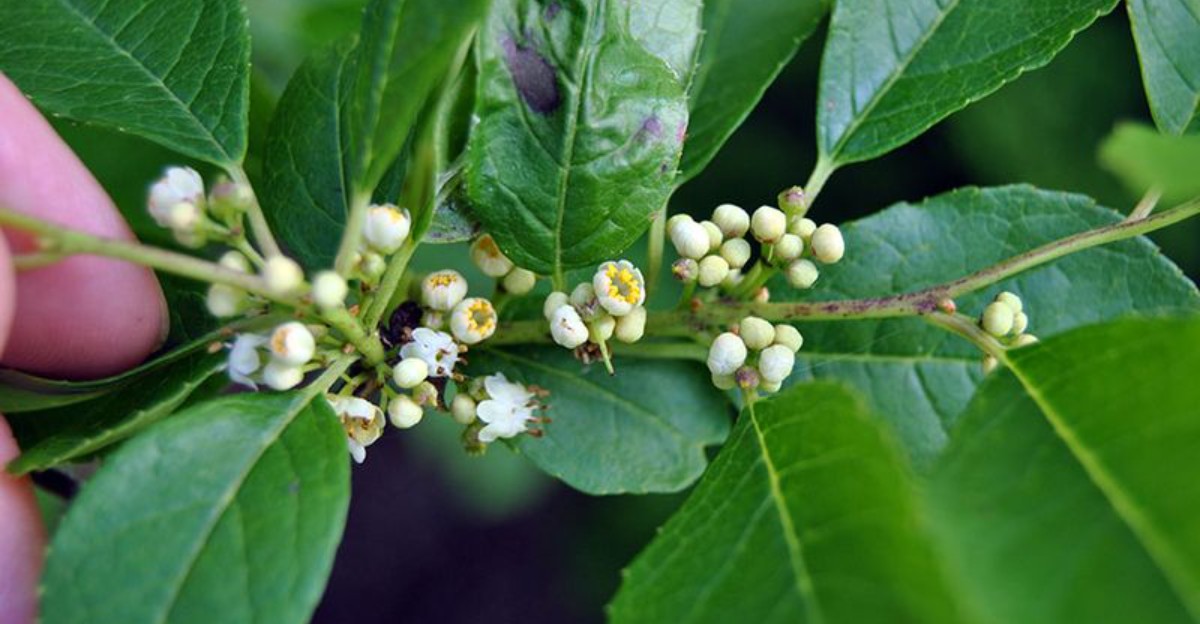
Female flowers have a raised green bump in the center. That little knob is the ovary, and it becomes the berry after pollination.
Females also tend to carry flowers singly or in small groups of one to three along the stems. They look a bit sparse compared to their partners.
Male flowers grow in fuller clusters, often three to ten at a time. Each one shows fluffy yellow anthers dusted with pollen and a sunken center with no green knob.
I made a habit of tying a ribbon on each shrub once I checked it. Pink for females and blue for males made fall shopping much easier.
Leaves and bark will not help you here, since both sexes look nearly identical. Flowers are the clear clue.
If your shrub shows yellow fuzz everywhere, you may own a male. In that case, adding a female is the fix.
Young Winterberry Shrubs Sometimes Just Need More Birthdays
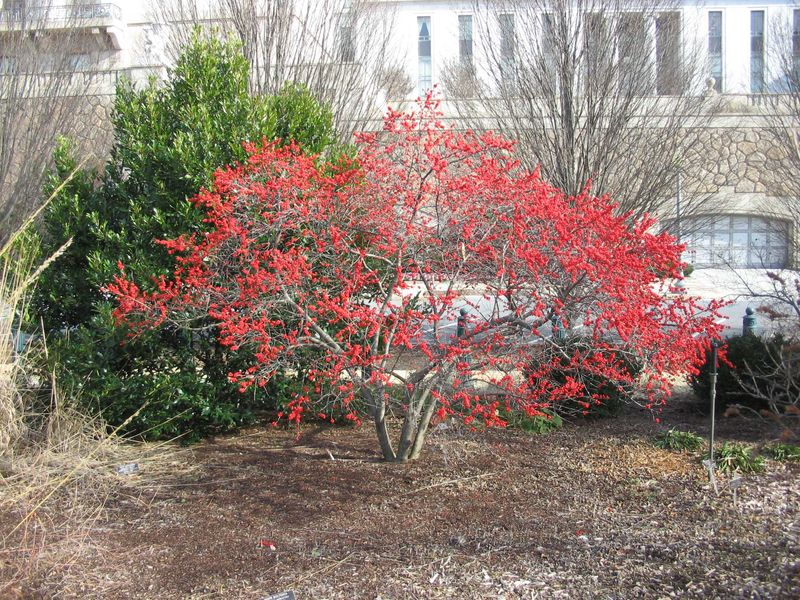
Patience is not my strongest gardening skill. Still, a young winterberry may simply be too young to put on a show.
Shrubs grown from seed can take three to five years, sometimes longer, before they flower and fruit. Plants started from cuttings usually move faster and may bloom within about two years.
Most nursery shrubs come from cuttings, so they often fruit sooner. Even so, a freshly planted shrub may spend its first season focused on roots.
Transplant stress plays a role as well. A shrub that just moved into your yard is busy settling in, and flowers can be light for a year or so.
Watch for steady growth and healthy leaves. Those signs tell you the plant is building the strength it needs for future berries.
Keep the soil evenly moist during the first summers. Winterberry naturally grows near swamps and creeks, so dry spells during establishment can slow it down.
If you have a matched male nearby and the shrub is still young, give it time. Two or three seasons can change everything.
The wait feels long, but the first bright crop makes every slow year worthwhile.
Too Much Shade Can Leave Winterberry Holly Light On Fruit
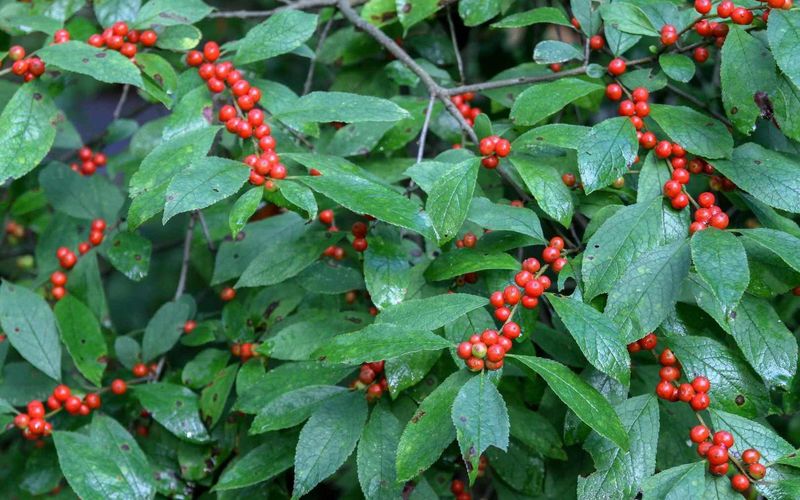
Sunlight is fuel for flowers. A winterberry tucked under a thick canopy may grow leaves happily while making very few blooms.
The shrub tolerates partial shade, which is great for many yards. Still, experts recommend at least four hours of direct sun daily or bright filtered light for strong flowering and fruit.
Fewer flowers mean fewer chances for berries. Deep shade can quietly cut your crop even when a perfect male stands nearby.
Take a slow walk around your shrub at different times of day. Notice when sun actually reaches the branches, since trees and buildings shift shadows as the seasons change.
Thinning a few low tree limbs can let in more light. That small change sometimes brings a noticeable jump in blooms the following spring.
Moving the shrub is another option if shade is heavy. Winterberry transplants best when dormant, so late fall or late winter works well.
Full sun is usually fine in the mountains and piedmont if the soil stays moist. In hot coastal plain summers, a bit of afternoon shade can help.
Balance is the goal. Enough sun for flowers, with enough moisture to keep the roots content.
Spring Pruning Shears Can Snip Off Next Winter’s Red Berries
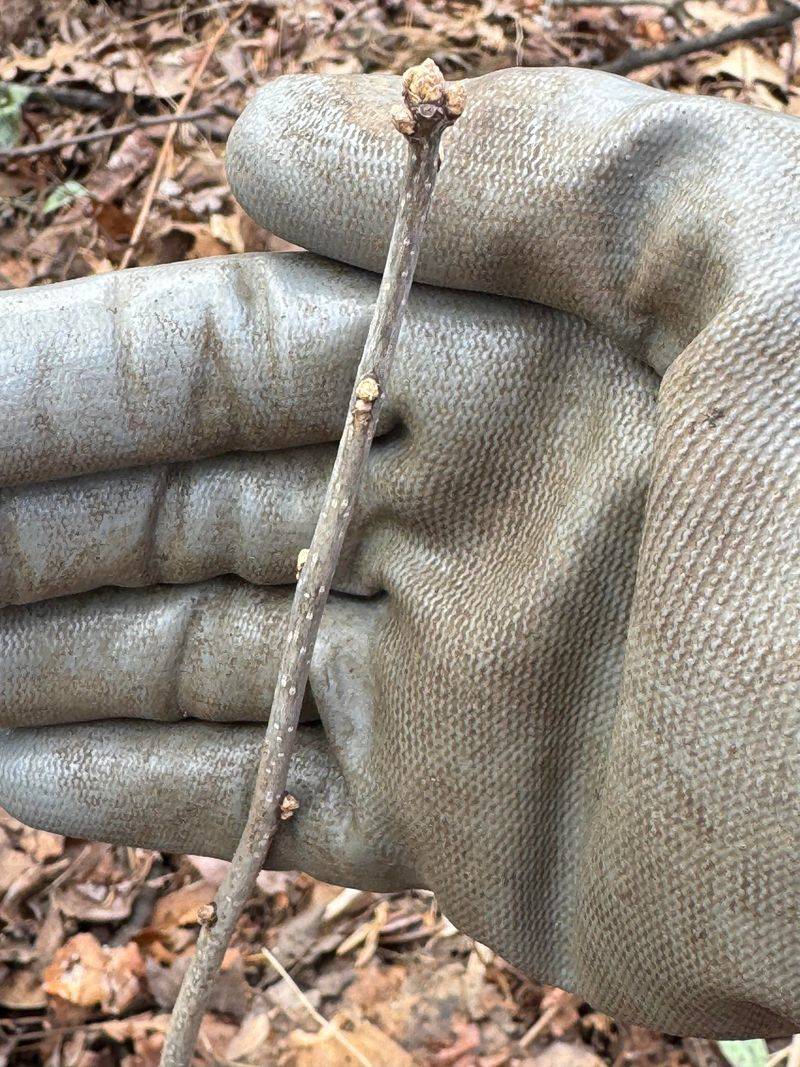
Guilty as charged on this one. I once tidied my winterberry in late spring and wondered why fall looked so empty.
Winterberry flowers on new growth, and spring trimming can remove shoots right when buds are forming. Fewer flowers lead to fewer berries.
The safer window is late winter, once harsh cold has passed but before new growth appears. That timing gives the shrub a full season to produce flowers.
Here is a fun trick many gardeners use. Cut berry-covered branches in December for holiday decorations, which counts as light pruning.
Remove old, crowded stems near the base every few years. That keeps the shrub vigorous and encourages fresh shoots.
Fertilizer mistakes can look similar. Heavy nitrogen, often drifting from lawn feeding, pushes lots of leaves while flowers stay scarce.
Keep lawn fertilizer away from the shrub’s root zone. Winterberry generally does fine without much feeding when soil is decent.
Soil acidity matters too. These shrubs like acidic soil, usually below pH 6.0, and alkaline ground can cause yellow leaves.
A soil test through NC State Extension and the state’s agronomic lab can tell you exactly where you stand.
Plant A Matched Pair And Let Winter Songbirds Enjoy The Show
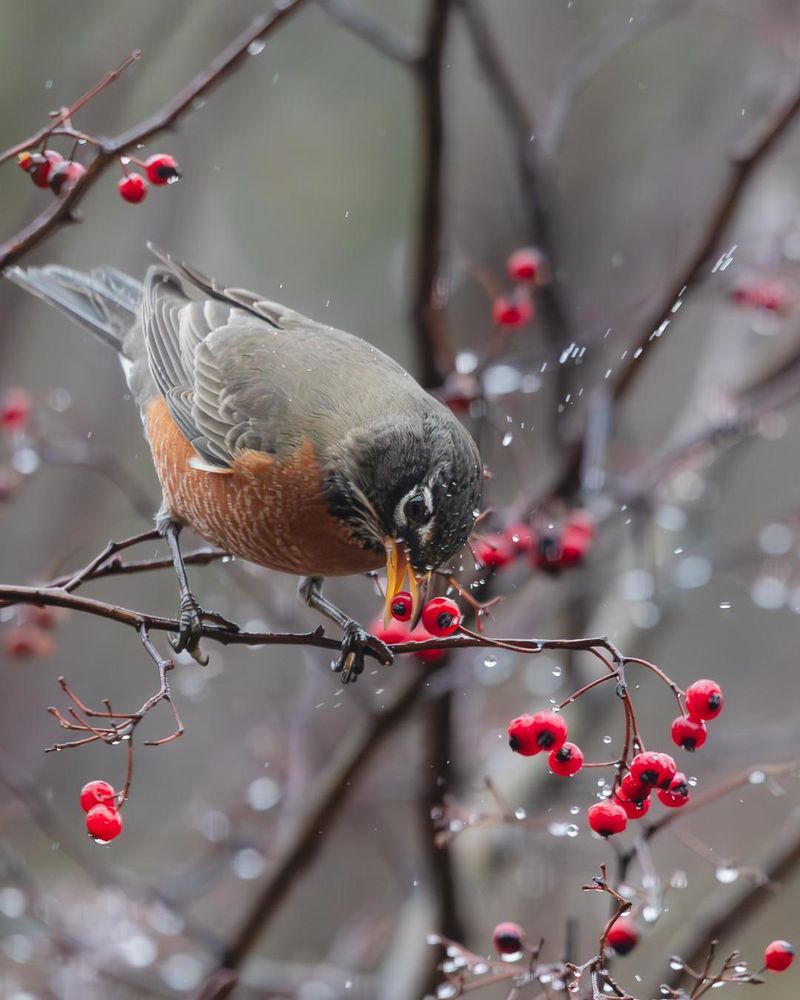
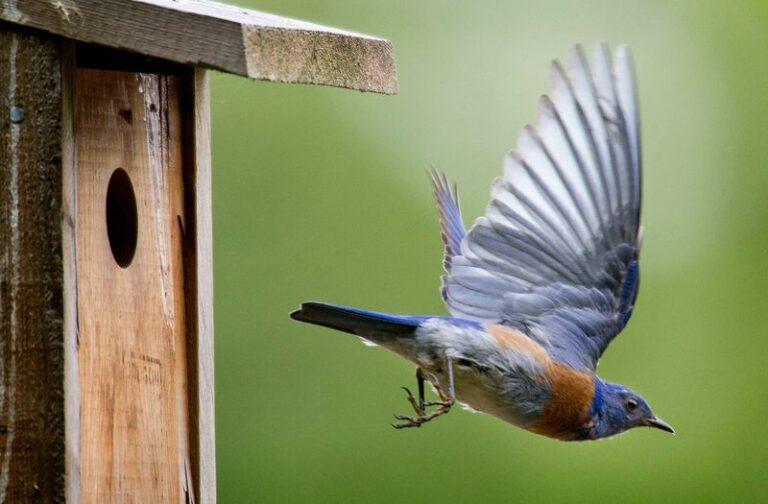
Nothing beats watching a bluebird land on a branch heavy with red fruit. Once your shrub finally produces, the wildlife show begins.
Winterberry berries feed dozens of bird species and some small mammals during cold months. Robins, bluebirds, cedar waxwings, and mockingbirds often visit.
The shrub also hosts caterpillars of the Henry’s elfin butterfly. That makes it a smart native pick for pollinator gardens too.
Deer will eat the foliage, so young plants in areas with heavy deer pressure may need protection, but the shrub’s love of damp soil makes it handy for rain gardens and low spots.
Weather can still affect your crop now and then. A late frost during bloom or a long, chilly, rainy stretch can damage flowers or keep bees inside.
Dry soil in summer can also cause young fruit to drop early. A deep watering during droughts helps hold the crop.
Your next step is simple. Check bloom time on your female’s tag, then buy the matching male and plant him within about 50 feet.
Give both shrubs sun, moist acidic soil, and smart pruning. Your bare branches may turn into the brightest spot on the block.