Why Missouri Soil Gets So Compacted And How To Fix It This Fall Without Harming Roots
Gardening in Missouri feels like a coin toss. Flip heads, and your soil crumbles perfectly between your fingers. Flip tails, and you are working with something better suited to a construction site.
The state’s clay-heavy ground looks fine on the surface but stays firm about six inches down. Roots reach that invisible wall and slow their growth.
Water pools instead of soaking through, and by November, thin or yellowed lawn patches still have not bounced back.
Autumn rains, freeze-thaw cycles, and steady foot traffic are a perfect recipe for compaction. Most homeowners do not catch the problem until it has been quietly building for months.
The good news is that November is a kind time to act. The growing season is winding down, the soil is often still workable before a hard freeze, and the care you give now settles in over winter.
Fixing compacted soil in Missouri without disturbing the roots below is within reach. Know your soil, and the whole problem starts to open up.
Clay Particles Pack Tightly By Nature
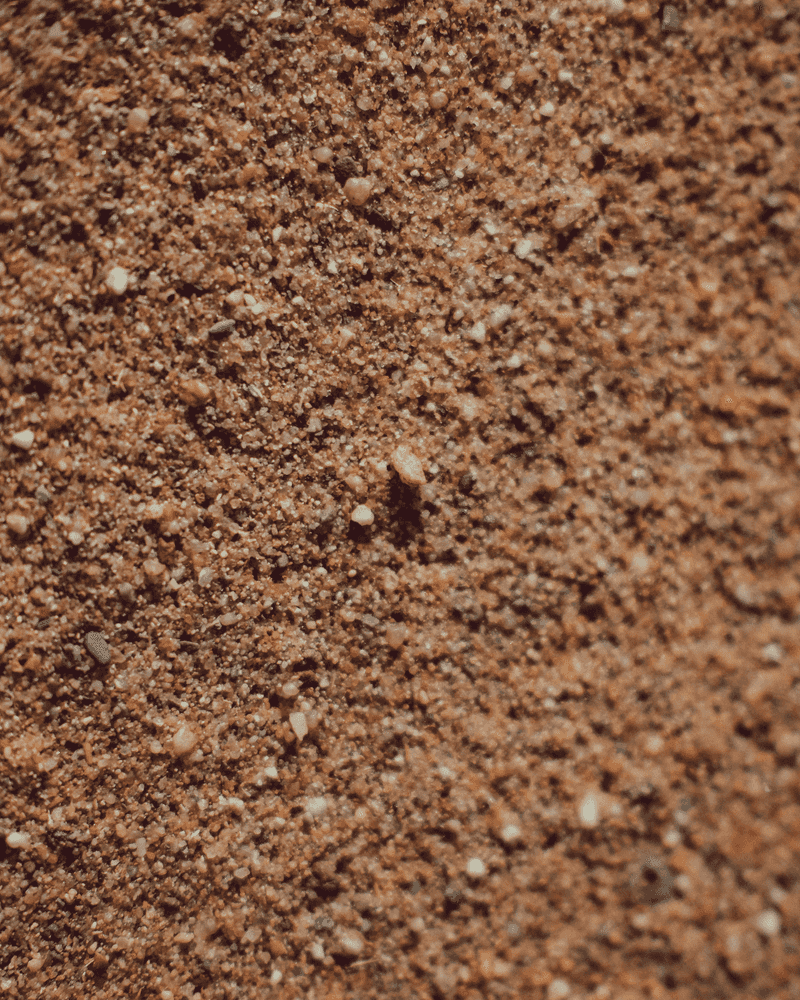
Much of Missouri sits on clay-rich soil. Clay particles are tiny and flat, a bit like microscopic plates stacked together.
When they are wet, they slide close and leave very little room for air or water. When they dry, they draw together and firm up into a dense mass.
Because the particles are so small, clay holds a great deal of water but releases it slowly. That is why puddles linger after a November rain and why the soil can feel heavy underfoot in one week and hard as a brick the next.
Clay is not a flaw. It holds nutrients well and supports healthy plants when its structure is open.
The challenge is that clay will not stay open on its own. Each season it settles a little more, and without help the pore spaces that roots depend on keep shrinking.
Knowing this changes how you approach the work. Instead of trying to replace your soil, you are helping it keep small channels open.
Gentle, steady additions of organic matter, which the later sections cover, do exactly that. Think of November as a chance to give the clay some breathing room before winter arrives.
Dry Autumn Days Firm Up The Surface

Even in November, a few sunny, breezy days can draw moisture out of the top layer of soil quickly. As the water leaves, the particles that were loosely spaced move closer together and form a firm crust.
That crust acts a bit like a lid. Rain tends to run across it instead of soaking in, and oxygen has a harder time reaching the roots below. Roots then stay shallow, because the deeper layers feel too tight to explore.
This time of year, the effects are easy to spot. You may notice bare patches that shed water, lawn areas that look thin, or beds where a trowel needs extra pressure to go in. These are signs that the surface layer has firmed up and has not had a chance to relax.
The cooler days of fall are kind to soil. Temperatures are mild, moisture lingers longer, and the surface softens after autumn rains. This makes November a good moment to start loosening things gently.
Bare soil is the most affected, so keeping a cover on it matters. A layer of mulch or a living cover crop shields the surface from wind and drying sun, and you can set that up now so the soil is protected through winter and well before spring.
Foot Traffic And Equipment Press Soil Together

Every step on soil adds a little pressure. When people, pets, mowers, and wheelbarrows follow the same path again and again, those small pressures add up.
The particles move closer, the spaces between them close, and water has nowhere to go but across the surface.
Autumn brings extra traffic. Leaf raking, gutter cleaning, holiday preparations, and garden cleanup all send people across lawns and beds when the soil is damp and soft.
Damp clay is especially easy to press down, so a few busy weekends can undo a lot of good work.
Roots beneath a well-worn strip feel the squeeze. Growth slows, branching becomes limited, and the plant has a smaller area to draw from.
A few simple habits help. Use stepping stones or a mulched path through areas you visit often.
Rake leaves from a board or a path instead of walking across wet beds. Keep wheelbarrow routes consistent so only one narrow strip takes the pressure.
If you already have a worn area, November is a fine time to loosen it with a broadfork. Press the tines in, rock the handle gently, and lift without turning the soil. That opens space while leaving roots in place.
Wet And Dry Cycles Tighten The Soil
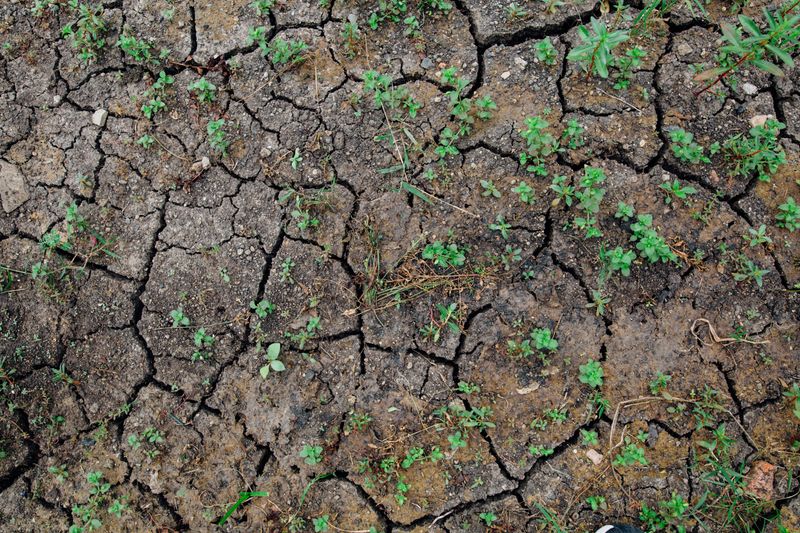
Missouri weather swings between soaking rains and dry stretches, and clay soil responds to each swing. It swells as it takes on water, then shrinks as it dries. Each round leaves the particles a little closer than before.
You can picture a sponge that is wet and dried again and again. After enough rounds, it loses some of its softness and stops absorbing as easily.
Soil goes through something similar, and over several seasons a dense layer can form a few inches below the surface.
This layer is sometimes called a hardpan. Roots can still grow through it, but they have to work harder, and many simply stay above it. That is one reason plants can look stressed even when you water regularly.
Fall offers a chance to soften these swings. Autumn rains are usually gentler and more even than spring storms, so the soil moves through moisture changes more gradually.
That makes it a comfortable time for adding organic matter, which helps the soil hold a steadier level of moisture.
Mulch is especially useful here. A layer two to three inches deep slows both drying and soaking, so the ground experiences fewer extremes. Applying it in November prepares the soil for the swings that winter and spring will bring.
Freeze And Thaw Cycles Shift The Ground
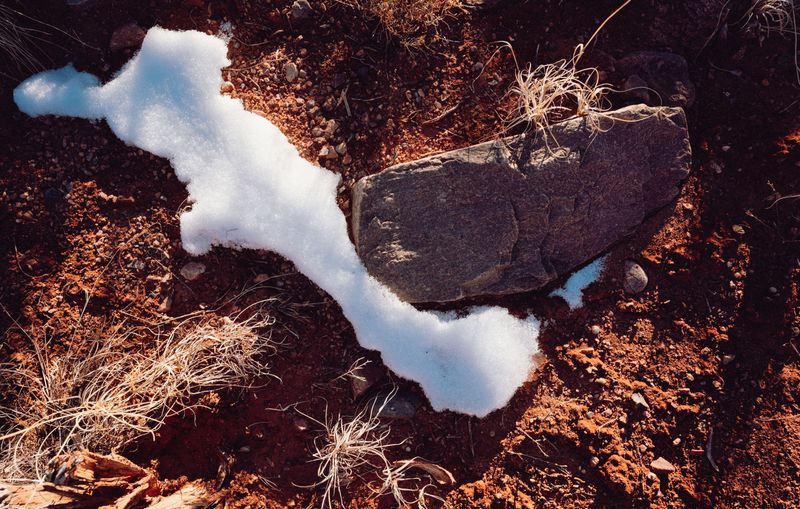
As November moves along, Missouri nights begin to dip below freezing while afternoons stay mild. Soil water freezes overnight, expands, and then thaws by day. This repeated movement lifts and resettles the top layer of soil.
In soil with good structure, freezing can be helpful, since the expanding ice creates small cracks and crumbles.
In soil that is already dense and holding too much water, the effect is less friendly. The surface can heave, then settle into a tighter arrangement once it thaws. Plants with shallow roots may even be nudged upward a little.
This is why the timing of your fall work matters. Soil that has been loosened and topped with compost handles freeze and thaw much better, because the added organic material gives the particles room to move without packing down.
Mulch also acts as a blanket. It keeps the soil temperature steadier, which means fewer freeze and thaw swings at the surface.
Many gardeners wait until after the first hard frost to apply winter mulch, so the ground cools gradually first.
If your soil is frozen solid on a given morning, it is best to let it rest. Working on frozen or partly frozen ground does not open it up and can disturb roots. Aim for the mild days of early and mid November.
Low Organic Matter Leaves Soil Without A Cushion
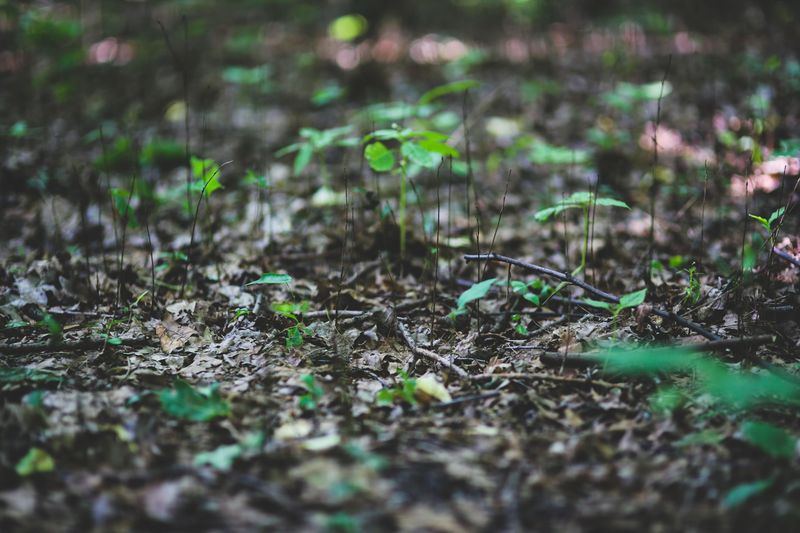
Organic matter is the soil’s natural cushion. Bits of decayed leaves, roots, and compost sit between mineral particles and keep small gaps open.
They also feed the earthworms and microbes that create channels on their own. Many Missouri yards have less organic matter than they could use.
Builders often scrape away topsoil, lawns lose clippings and leaves to bags and curbs, and clay soils break down organic material slowly in the first place. Without a steady supply, the soil gradually becomes denser.
Fall is an excellent season to rebuild that supply, and November has a built-in resource: leaves.
Shredding leaves with a mower and leaving them on lawns or tucking them into beds feeds the soil all winter. By spring, much of the material has softened and started to blend in.
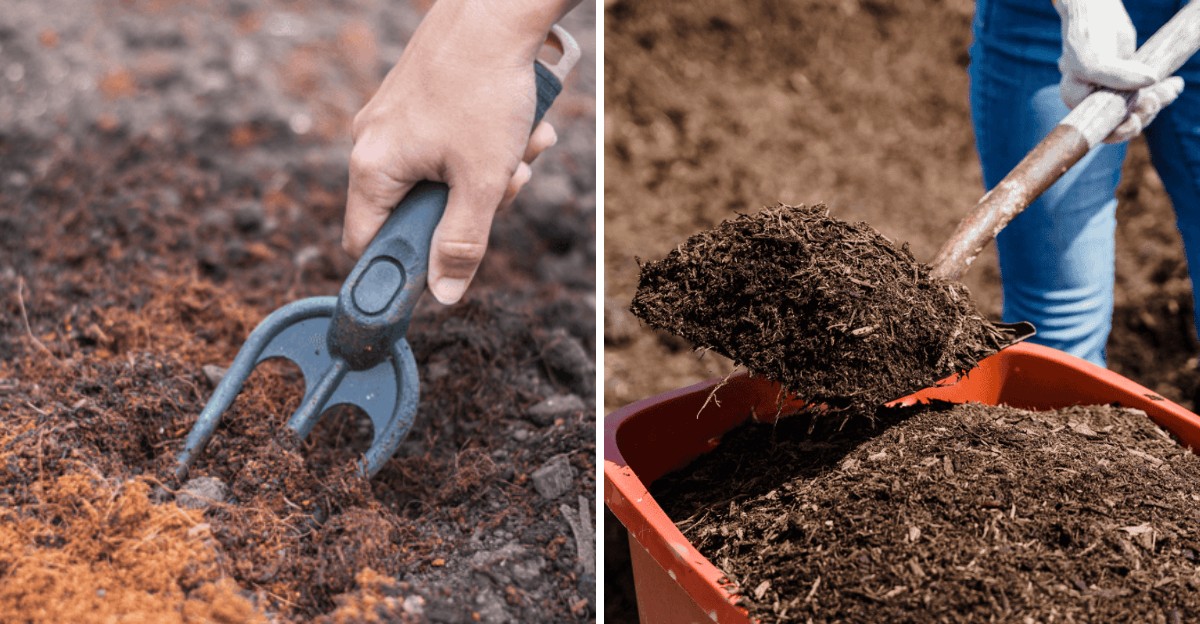
Finished compost is the other key ingredient. It is dark, crumbly, and earthy smelling, and it brings a ready population of helpful microbes. Even a thin layer adds real benefit.
The change is gradual, so patience is part of the plan. Most people notice looser soil after two or three autumns of regular additions.
Each November that you add organic matter, the cushion grows a little deeper, and roots find more room to explore.
Autumn Rains Settle Bare And Worked Soil

Fall rains in Missouri can be steady, and they land hard on bare ground. Raindrops pack the surface, smooth it over, and wash fine particles into small gaps. This forms a thin seal that slows later water from soaking in.
Beds that were cleared after harvest are the most exposed. Without plants or mulch, the soil takes the full force of each shower. Thin lawn areas can face the same issue.
Working the soil when it is too wet adds to the problem. Wet clay smears when it is dug or walked on, forming smooth, tight walls that roots and water struggle to cross. A simple test helps. Squeeze a handful of soil.
If it forms a sticky ribbon, wait a few days. If it holds together and then crumbles when pressed, it is ready.
This is why patience in November pays off. Choose dry, mild days after the soil has had time to drain, and keep tools and feet off saturated ground.
Covering bare soil is the easiest protection. Mulch, shredded leaves, or a cover crop all break the force of raindrops and keep the surface open. Even a light layer makes a difference, and it sets the stage for the fixes described next.
Aerate In Early November When Soil Is Slightly Moist
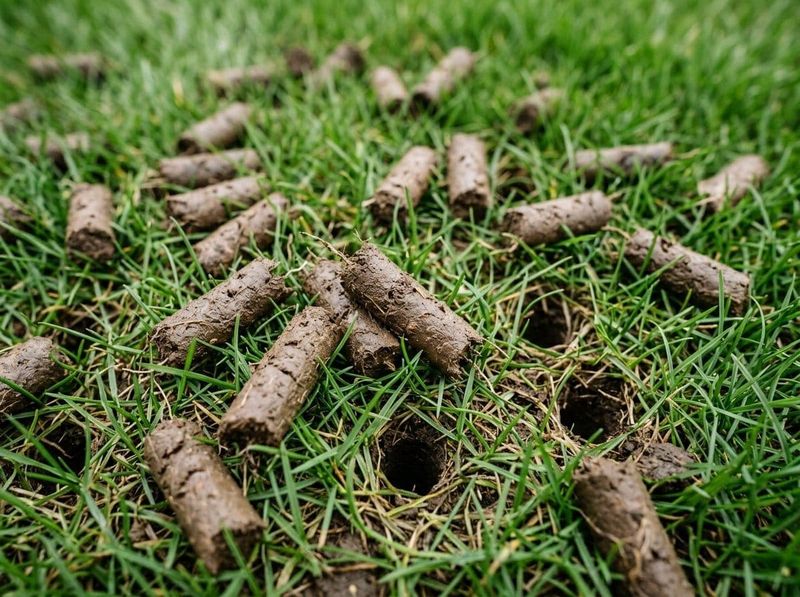
Core aeration is the most helpful first step, and although early fall is the ideal window for cool-season lawns, early November can still work if the soil is workable and slightly moist.
In a good year, the soil is cool, grass is still growing slowly, and autumn moisture has softened the ground without soaking it.
Choose a morning after a light rain or a day after gentle watering. The soil should hold its shape when squeezed and crumble easily when pressed. Dry soil lets tools bounce off, and saturated soil can smear, so this middle point is the goal.
A core aerator works by removing small plugs of soil, leaving open channels for air, water, and roots. Spike tools press soil sideways, so hollow tines are the better choice.
For lawns, a walk-behind core aerator from a local rental shop covers the area in one thoughtful pass. Overlap each row slightly so no strips are skipped.
Near trees and shrubs, a hand-held core tool is gentler. It lets you steer around surface roots and avoid disturbing the zones that support the plant.
In garden beds, a broadfork can loosen the soil without turning it over. Rock it gently and lift, then step back and move along the bed.
Before you begin, mark irrigation lines and shallow cables. Leave the soil plugs on the lawn, since they break down and return organic material naturally.
Top-Dress With Compost And Mulch Through Mid November

Once the soil is aerated, compost is the next helpful step. It falls into the open channels and begins to separate clay particles, building the porous structure roots enjoy.
Doing this in November gives winter moisture and freeze and thaw cycles time to work the material in.
On lawns, spread a thin layer of finished compost, no more than a quarter inch, and rake it lightly in several directions so it settles into the holes.
A thicker layer can cover the grass blades. In garden beds, a layer up to half an inch can be worked in gently by hand or with a light cultivator, taking care around shallow feeder roots.
Choose compost that is dark, crumbly, and earthy smelling, with no recognizable chunks of the original material. If your soil has never been tested, a simple test before adding amendments like gypsum helps you apply only what is needed.
After the first hard frost, which may fall in mid to late November, add a mulch layer of two to three inches over beds, keeping it a few inches back from stems and trunks.
Shredded leaves work nicely and cost nothing. Mulch protects the surface from rain, evens out temperature swings, and slowly feeds the soil beneath.
Plan to repeat this routine each fall for two or three years in heavily compacted areas. The gains build season after season.
Water Deeply, Guide Traffic, And Add A Cover Crop
The final part of your November plan keeps roots comfortable through winter. First, give plants a deep drink before the ground freezes.
Evergreens, shrubs, and young trees especially benefit from moist soil going into the cold months. Soak slowly to a depth of six to eight inches, using a soaker hose or a gentle trickle, and check depth with a long screwdriver.
It will slide easily through moist soil and stop where the water ended. Deep watering encourages roots to travel downward through loosened layers.
Second, guide traffic. Mark your paths with stepping stones, bark chips, or boards so winter activity stays off the areas you just improved. Soil that has been opened up is most tender while it settles.
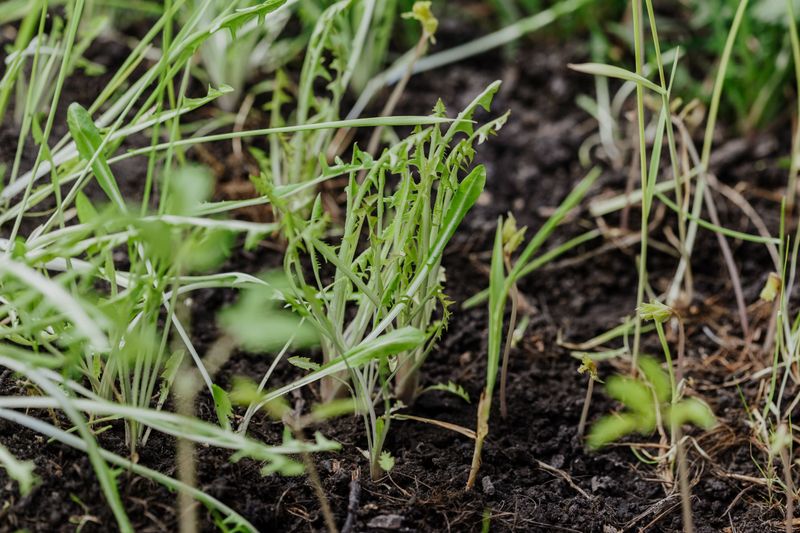
Third, consider a cover crop for beds you will not use until spring. Winter rye is one of the few cover crops that can still be sown in early November in much of Missouri, though earlier sowing establishes better, and its roots help protect the soil through the cold months.
Sow it as soon as the beds are ready, rake it in lightly, and water it in. In spring, cut it down and turn the material into the soil gently.
Together, these steps leave your yard rested, protected, and ready for roots to stretch out come spring.