8 Lowcountry Native Plants Worth Adding To Texas Yards
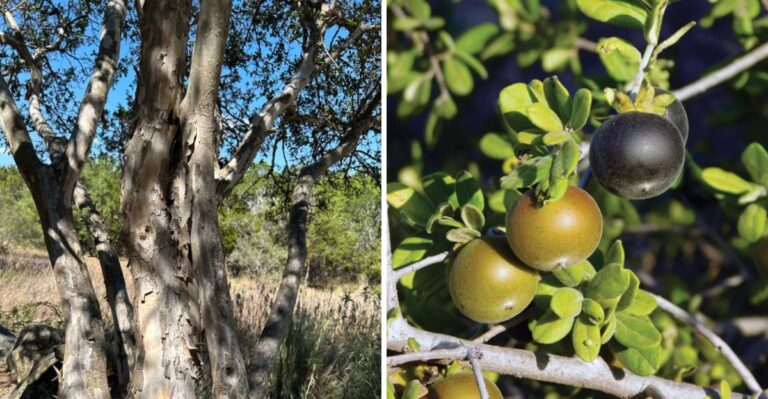
Coastal Carolina families once brewed a caffeinated tea from a scrubby native shrub growing beside their marshy roads. That same shrub grows wild across East Texas, and most folks walk past it without a second glance.
The humid Low Country and our Gulf Coast share far more plants than most garden centers bother to mention. Both regions enjoy steamy summers and sandy coastal soils, so dozens of native species happily call each place home.
I used to chase fussy exotic plants until one hot August left my flower beds looking tired and crispy. Personally, I now trust tough natives that shrug off sticky humidity while feeding the pollinators buzzing around my porch.
You might be surprised how many Carolina favorites already feel right at home in Texas soil. Which of these eight Southern charmers will earn a sunny spot in your yard this year?
1. American Beautyberry
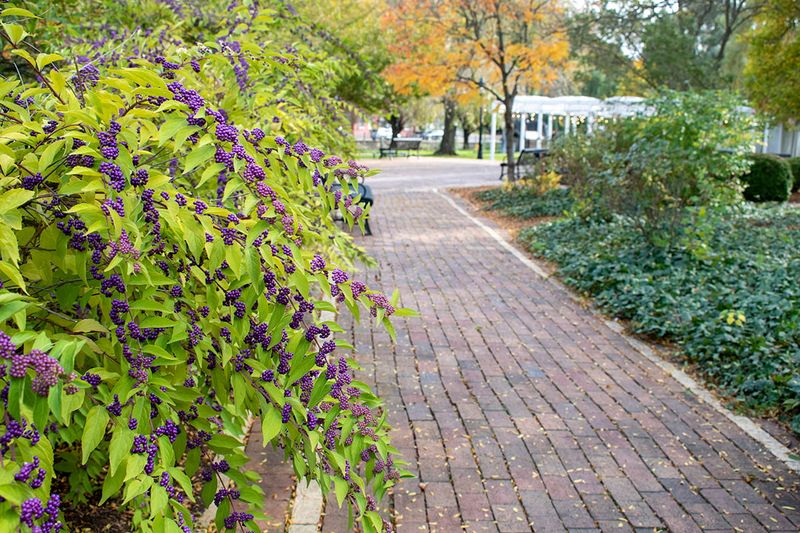
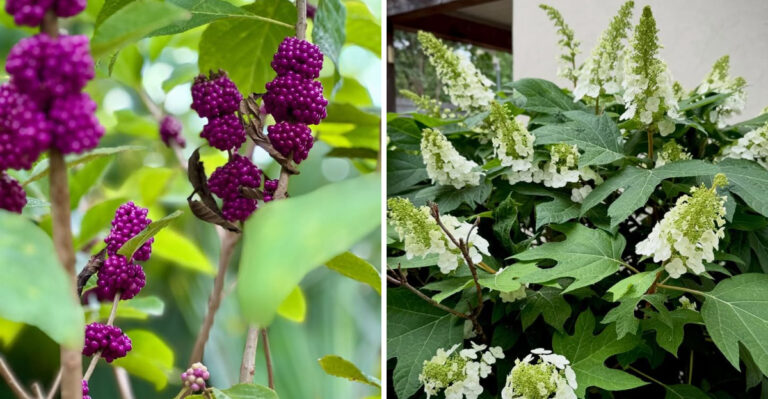
Purple berries this bright look almost fake, like someone strung tiny beads along every branch overnight. American beautyberry, or Callicarpa americana, grows wild from the Carolina coast all the way into eastern Texas woodlands.
I love how the berry clusters wrap around the stems in tight rings, stacked like little candy necklaces. Mockingbirds and cardinals pick through them for weeks, so your shrub doubles as a busy backyard bird feeder.
Believe it or not, old Southern families rubbed the crushed leaves on their skin to keep biting bugs away. USDA researchers later found a natural compound in those leaves that does push back mosquitoes in lab tests.
Most shrubs reach three to six feet tall, with loose arching branches that soften fences and shady corners nicely. Small pink flowers show up in late spring, but honestly, the berries steal the show by late summer.
Plant it in morning sun with afternoon shade, which often gives you the fullest berry crop and greener leaves. Once roots settle in, it handles dry spells well, though a deep soak during long droughts helps.
You need to prune it hard in late winter, cutting stems down to about a foot above the ground. Flowers form on new growth, so this tough haircut actually rewards you with more berries the following fall.
Personally, I tuck a few near my kitchen window just for the birds. Watching a cardinal gobble purple berries on a chilly morning beats any television show I could possibly find.
2. Carolina Jessamine
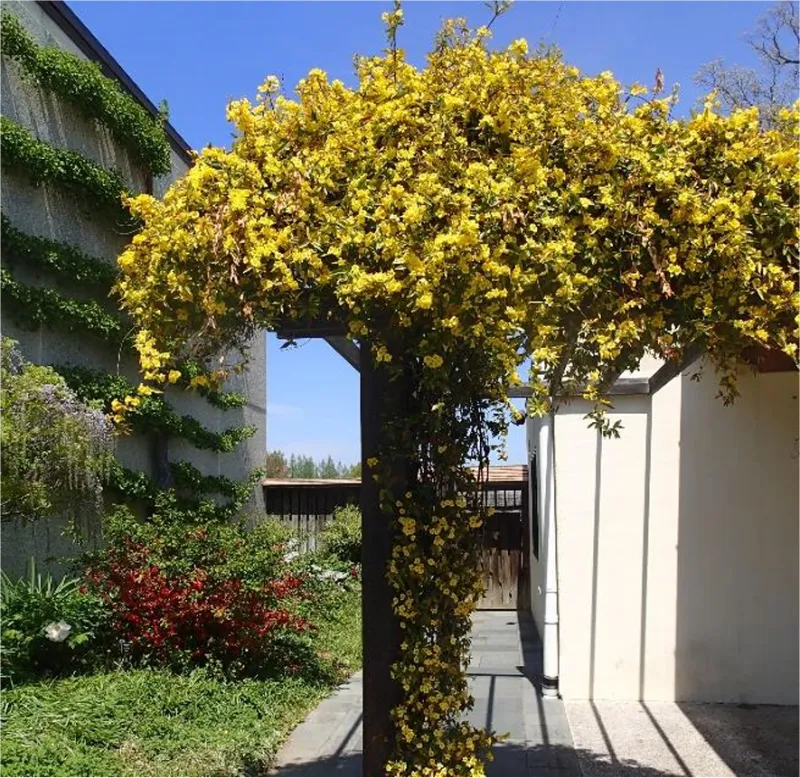
South Carolina loved this golden vine so much that lawmakers named it the official state flower back in 1924. Carolina jessamine, Gelsemium sempervirens, also scrambles through pine forests and fence rows across East Texas.
Nobody warned me how early it blooms, often waking up in late winter while everything else still looks gray. Those bright yellow trumpets carry a soft, sweet scent that drifts across the yard on mild afternoons.
Glossy leaves stay green through most winters, though cold snaps can tint them a pretty bronze color. You get a living screen that hides chain link fences or bare walls without needing much fuss at all.
Give the vine a sturdy trellis, arbor, or mailbox post, since it twines upward and can stretch twenty feet. Full sun brings the heaviest flower show, but it still blooms fairly well in light, dappled shade.
Every part of this plant is poisonous if eaten, including the nectar, so plan carefully around curious kids. Keep it away from pet play areas and wash your hands after pruning or pulling tangled stems.
Trim right after flowering finishes in spring, since next year’s buds form on growth made during summer. A light shaping keeps it tidy, while heavy cutting in fall can reduce your blooms the following season.
I truly believe it is one of the most cheerful sights of the cool season. Grab one this fall, and you will have sunshine climbing your fence long before spring officially arrives.
3. Coral Honeysuckle
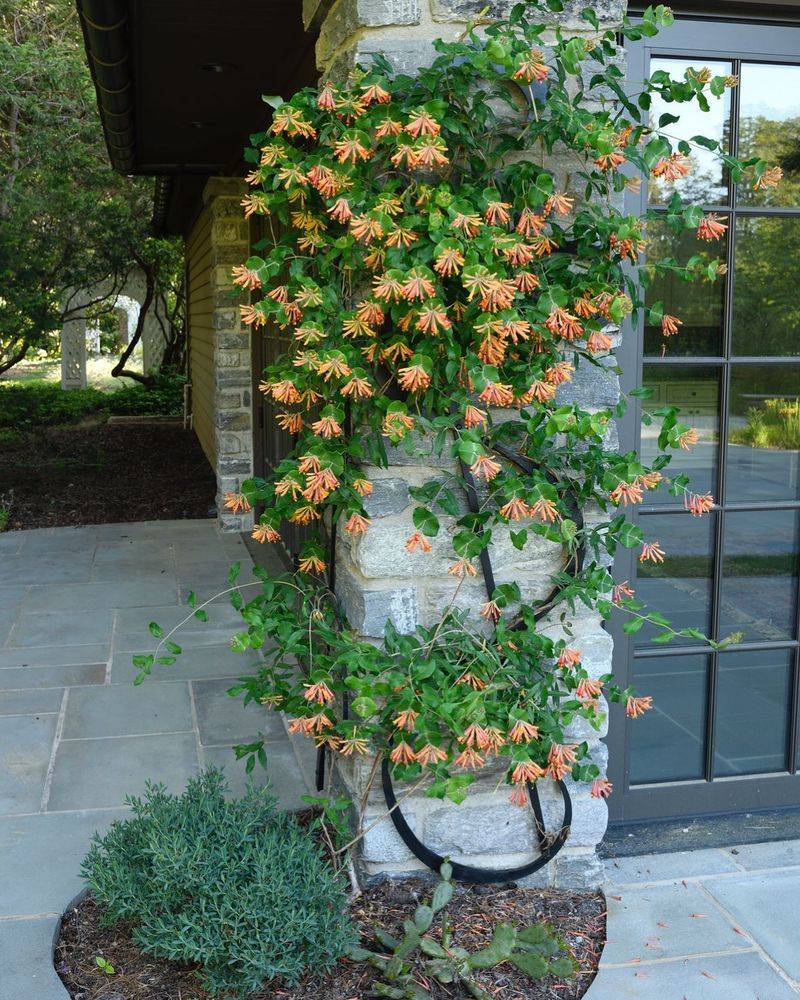
Hummingbirds treat this vine like their favorite roadside diner, zipping in for red tubular flowers again and again.
Coral honeysuckle, Lonicera sempervirens, is the polite native cousin of that aggressive Japanese honeysuckle many gardeners fight.
I have to admit, I hesitated at first because the name made me nervous about runaway vines. To my surprise, this species behaves nicely, climbing its support without smothering nearby trees or creeping across the lawn.
Clusters of scarlet flowers with sunny yellow throats appear in spring, then pop up off and on through summer. They lack the heavy perfume of the invasive type, but the hummingbird traffic more than makes up for it.
Plant it in full sun for the most blooms, although morning sun with afternoon shade works fine too. Well-drained soil keeps roots happy, and the vine handles both sandy and clay soils after its first year.
Good airflow matters because crowded vines in muggy weather can develop powdery mildew on their leaves. Space it a few inches from walls, and thin tangled stems after the spring flush finishes.
Later in the season, small red berries form and quickly disappear into the beaks of hungry songbirds. Leaves often stay green through mild Gulf Coast winters, giving you color when most vines look bare.
Personally, I keep mine on an arbor right beside the porch swing for front-row hummingbird viewing. You’ll wonder why you didn’t try this sooner once those tiny birds start buzzing past your ears.
4. Gulf Muhly
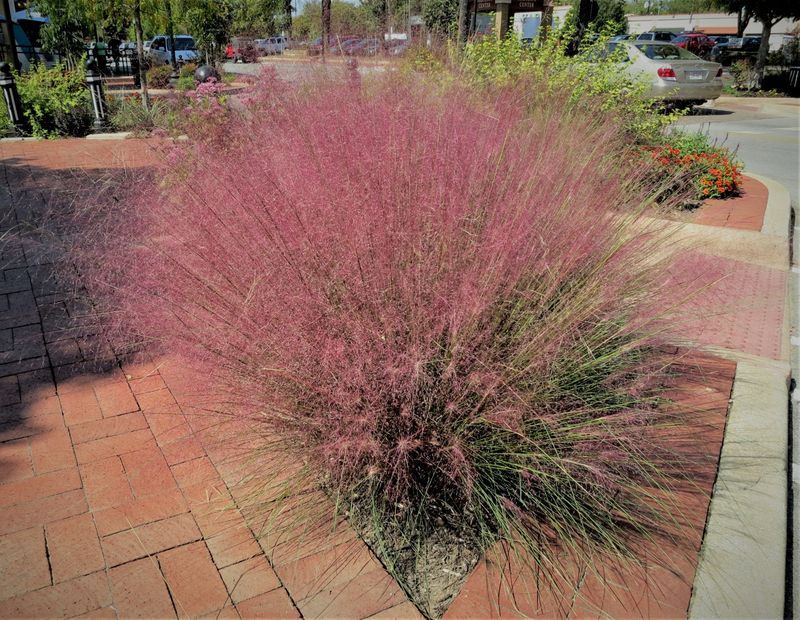
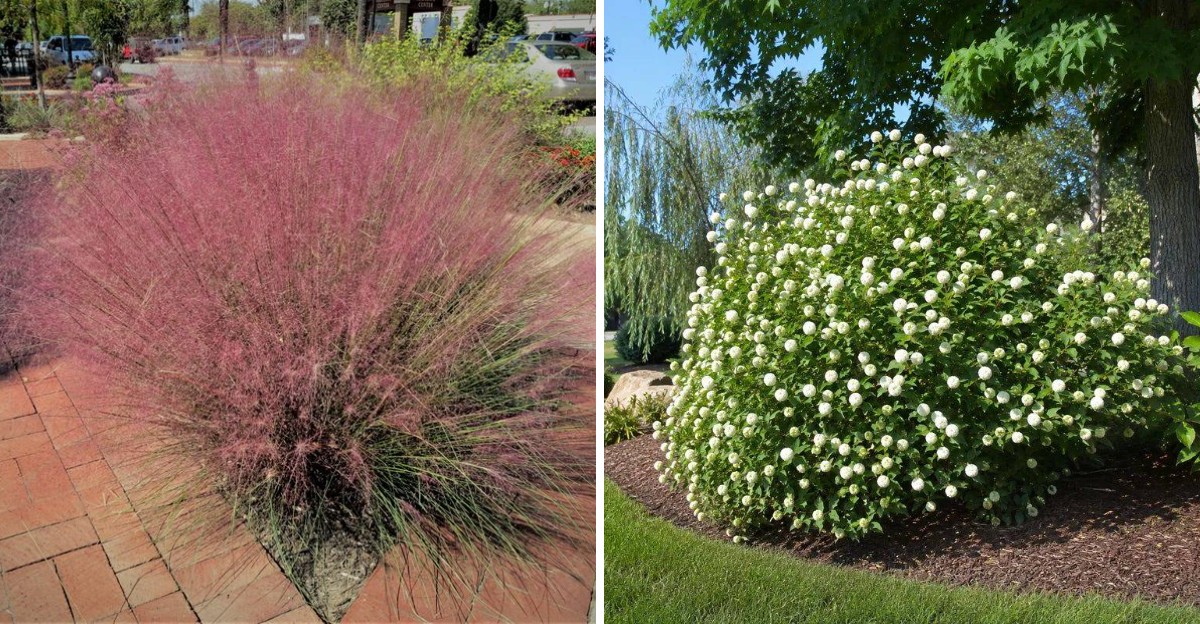
Drive through Charleston in autumn, and you will spot fluffy pink clouds hovering along sidewalks and parking lots.
Those dreamy clouds are Gulf muhly, Muhlenbergia capillaris, a native grass that also grows wild in Texas prairies.
For most of the year, it looks like a tidy green mound of thin, wiry leaves. Then in fall, the clumps burst into airy pink plumes that glow like cotton candy in low sunlight.
Take a closer look on a breezy afternoon, and the whole planting seems to shimmer and sway. I love planting it where the setting sun shines from behind, because the color practically lights up.
Each clump usually reaches two to three feet tall and about as wide when fully grown. Plant several together in a drift, since one lonely clump does not create that famous rosy haze.
Full sun and well-drained soil keep this grass healthy, while soggy ground can cause the crown to rot. Once established, it handles heat and drought impressively well, needing only occasional water during brutal summer stretches.
Cut the old foliage down to a few inches in late winter before fresh green blades appear. That single chore keeps clumps neat, and you can skip fertilizer since lean soil suits it just fine.
Here’s a fun twist for small spaces: muhly works beautifully in large containers on a sunny patio. You get the same pink show without digging up a single square foot of your lawn.
5. Yaupon Holly
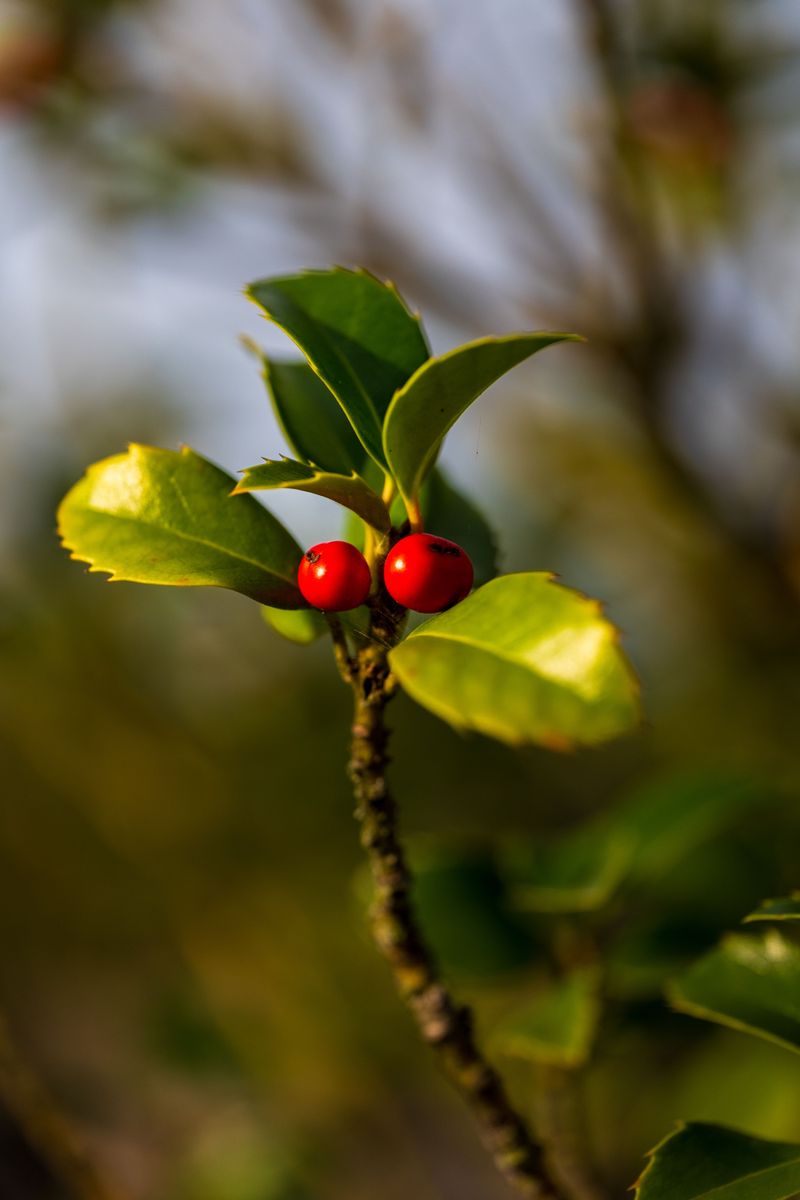
Yaupon holly is believed to be the only naturally caffeinated plant native to North America, and people still brew it.
Native peoples and early coastal settlers sipped yaupon tea long before imported coffee became common.
The scientific name, Ilex vomitoria, sounds alarming, but it comes from a ceremonial drink rather than the leaves themselves. Small companies along the Gulf Coast now sell yaupon tea, and I find it smooth and gently earthy.
In the yard, yaupon is a tough evergreen with tiny glossy leaves that stay green all year. Wild forms grow into small trees around fifteen to twenty feet, while dwarf types stay compact and round.
Only female plants produce the bright red berries, so buy a labeled female for that winter color. A male yaupon nearby, even in a neighbor’s yard, helps those berries form reliably each fall.
Few shrubs handle such a wide range of conditions, from sandy coastal ground to heavy clay soil. It tolerates salt spray, drought, and partial shade, which makes it handy for tough spots near driveways.
You can shear dwarf yaupon into a neat hedge, a smart swap for thirsty, non-native boxwood. Songbirds gobble the berries through winter, and spring flowers bring small native bees buzzing around the branches.
Believe it or not, I harvested a few young leaves once and roasted them in my oven. Brewing a cup from my own hedge felt delightfully old-fashioned, and the gentle caffeine boost was a bonus.
6. Virginia Sweetspire
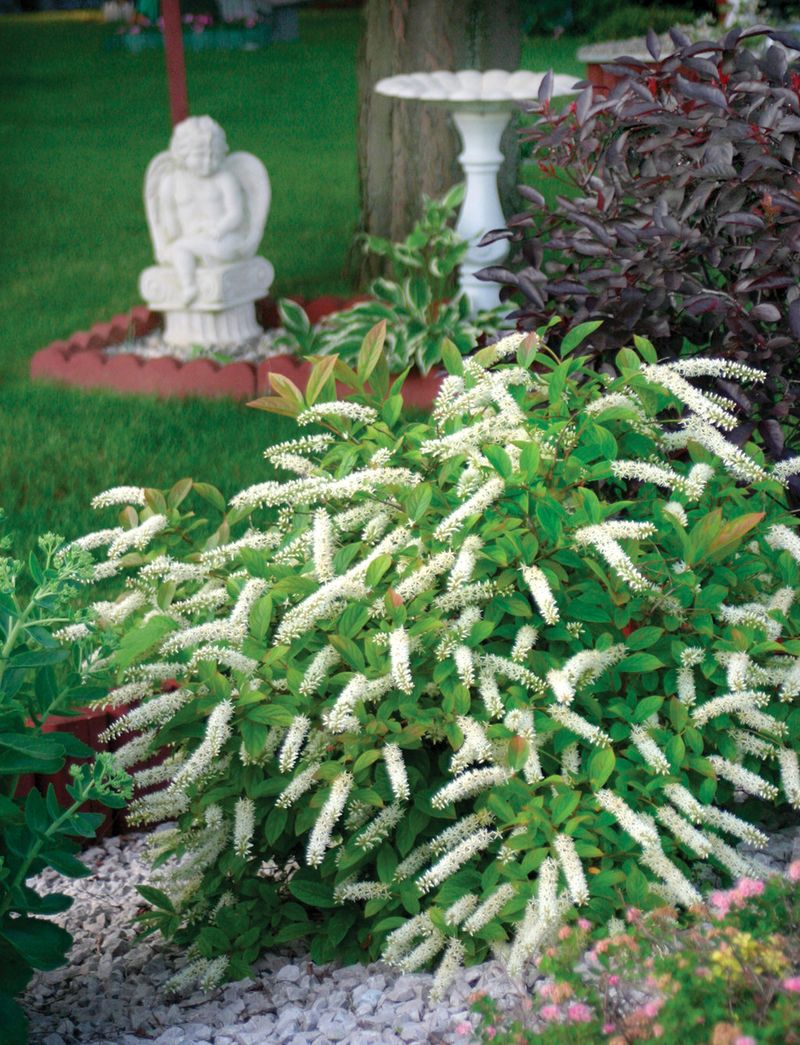
Soggy corners that drown most shrubs barely bother Virginia sweetspire, which naturally grows along creeks and swampy woods. Itea virginica stretches from the Carolina lowlands into the piney forests of East Texas.
In late spring, arching branches dangle fragrant white flower spikes shaped like fuzzy little bottle brushes. The blooms open slowly from base to tip, so the sweet honey scent lingers for several weeks.
What surprises me most is the fall show, when leaves turn rich shades of crimson and burgundy. Leaves often hang on well into winter here in the South, giving you color after other shrubs drop theirs.
Most plants reach three to six feet tall, and they slowly spread by underground suckers over time. That spreading habit helps hold soil on slopes and fills rain gardens with a soft, natural look.
Plant sweetspire in partial shade with moist, slightly acidic soil for the happiest growth and flowers. Full sun works too if you water regularly, since dry summer heat can scorch the edges of leaves.
Bees and butterflies visit the flowers eagerly, making it a helpful plant for supporting local pollinators. Trim right after blooming if needed, because next year’s flower buds form on this season’s growth.
I once tucked one beside a leaky downspout, mostly as an experiment, and expected very little from it. Three years later, that shrub became my favorite spot in the whole yard for spring fragrance.
7. Buttonbush
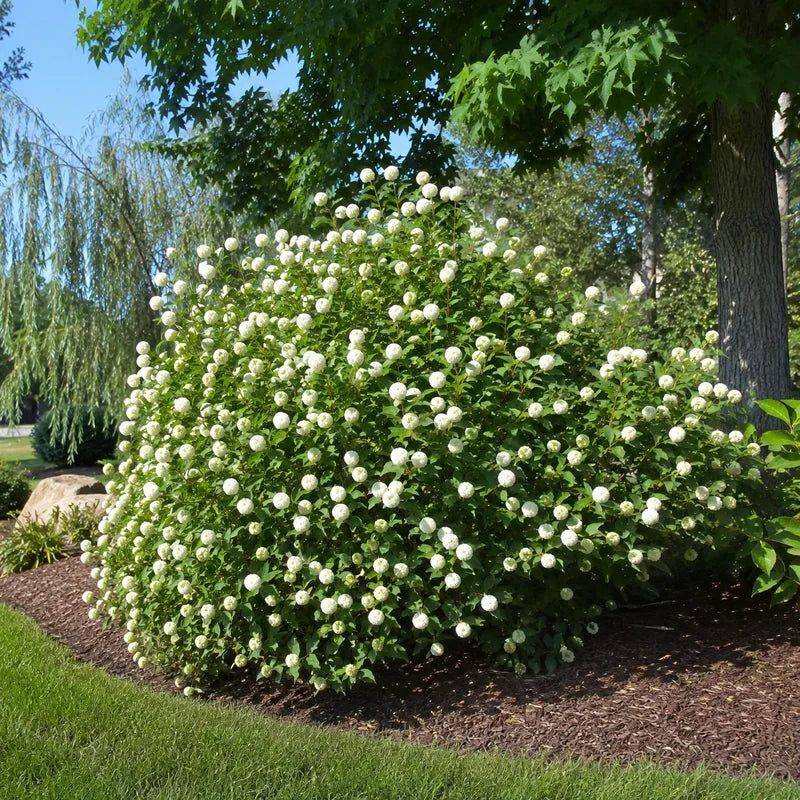
Those round white blooms look like tiny pincushions or fireworks frozen in midair above the leaves. Buttonbush, Cephalanthus occidentalis, grows along ponds and marsh edges from the Low Country to the Texas coast.
Butterflies swarm the fragrant flower balls during summer, especially swallowtails that seem to linger for hours. You might notice bees crowding in too, since each sphere packs dozens of tiny nectar-filled tubes.
Wet feet rarely bother this shrub, which tolerates shallow standing water and occasional flooding after heavy storms. I truly believe it solves that muddy low spot many yards hide behind the shed or fence.
Most plants grow six to twelve feet tall with loose, spreading branches and glossy green leaves. Give it full sun or light shade, and keep soil moist during its first summer in the ground.
After flowering, the blooms turn into hard brown balls packed with seeds that ducks and other birds eat. Leaving those seed heads standing through winter adds texture and gives wildlife a reliable snack.
Foliage contains compounds that are toxic to livestock, so avoid planting it inside horse or cattle pastures. Most homeowners never face this issue, but rural gardeners should place it outside grazing areas.
Prune old stems in late winter if the shrub gets leggy, since flowers form on fresh growth. Personally, I think a buttonbush beside a backyard pond turns an ordinary puddle into a buzzing wildlife hangout.
8. Black-Eyed Susan
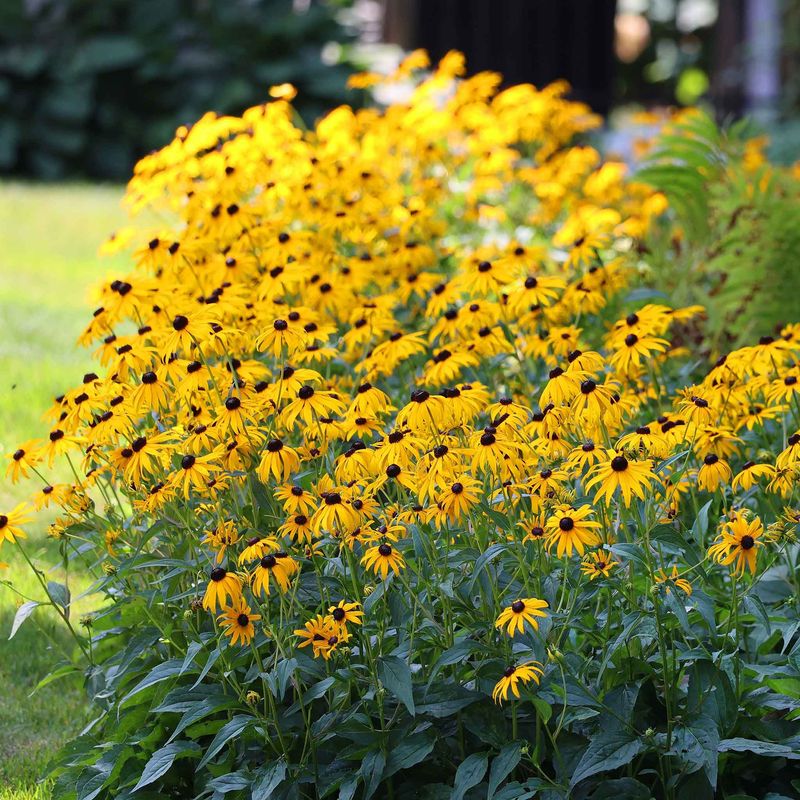
Few wildflowers feel as friendly as a black-eyed Susan grinning up at you from a sunny ditch. Rudbeckia hirta grows wild across most of the country, including Carolina fields and Texas roadsides.
Golden petals circle a dark chocolate center, creating that classic daisy look kids love to draw. Blooms often begin in late spring and keep coming well into summer, especially when you snip faded flowers.
Here’s a fun twist: many plants act as annuals or short-lived perennials, yet they reseed themselves easily. Let a few seed heads ripen, and fresh seedlings will pop up nearby the following year.
Plant them in full sun with well-drained soil, and skip heavy fertilizer that makes stems flop over. Once settled, they handle heat and short dry spells nicely, needing only occasional deep watering.
Butterflies and native bees visit the flowers often, while goldfinches pick at the seeds later in the season. Deer usually avoid the fuzzy, rough leaves, which helps rural gardeners who battle hungry browsers.
Scatter seeds in fall for the best results, since winter chill helps them sprout the following spring. Young transplants from local nurseries also work well when planted during mild weather in early spring.
I love mixing them with Gulf muhly and purple coneflowers for a casual cottage meadow look. Grab your gloves and a packet of seeds, because this cheerful flower forgives nearly every beginner mistake.