9 Ways to Keep a Live Christmas Tree From Drying Out in an Ohio Home

A freshly cut fir can gulp more than a gallon of water during its first day inside your house. I had no clue about that thirst until my stand ran dry by breakfast one December morning.
Cut trunks also seal themselves with sticky sap within hours, which can block water from reaching the needles. That tiny sap plug explains why some trees look tired and crispy long before the big holidays arrive.
Ohio winters make things trickier, since home furnaces run for weeks and pull moisture out of indoor air. I love a cozy living room, but your tree feels that warmth very differently than you do.
I’ll defend this to the end: a fragrant evergreen deserves better than a pile of brown needles under the presents. With a few easy daily habits, your tree can stay soft and green long after the last gift is unwrapped.
1. Pick A Fir With Flexible Green Needles
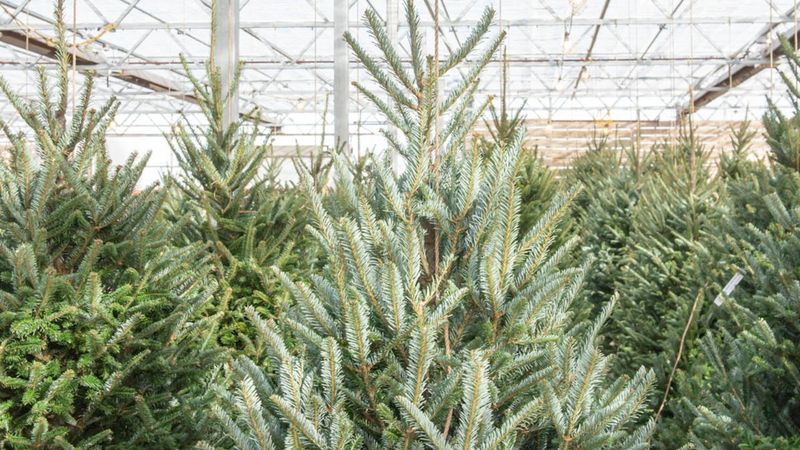
Run your fingers along a fir branch at the lot, and you will learn plenty in seconds. Fresh needles bend like soft rubber, while tired ones snap or shower down onto your boots.
I like giving the tree a gentle shake or tapping the trunk lightly against the frozen ground. A few brown inner needles falling is normal, but lots of green ones dropping is a warning.
Color tells a story too, so look for rich green shades without dull gray patches or brittle tips. Pre-cut trees may have sat on a lot for weeks, so freshness checks matter even more there.
Sticky sap on the cut end is another hopeful sign that the tree still has moisture inside. You can also ask the seller when the trees arrived, since honest growers happily share that detail.
Species matters as well, because some firs hold their needles far longer than others once indoors. Fraser fir and Canaan fir both earn praise from Ohio growers for excellent needle retention in warm homes.
Personally, I prefer cutting my own tree at a local farm, because I know exactly how fresh it is. Choose-and-cut farms across the state usually open around Thanksgiving weekend, so plan an early family trip.
A fresh start makes every other tip on this list work better, so take your time choosing. Your future self, sweeping fewer needles in January, will thank you for that extra minute of checking.
2. Saw A Fresh Slice Off The Trunk Bottom
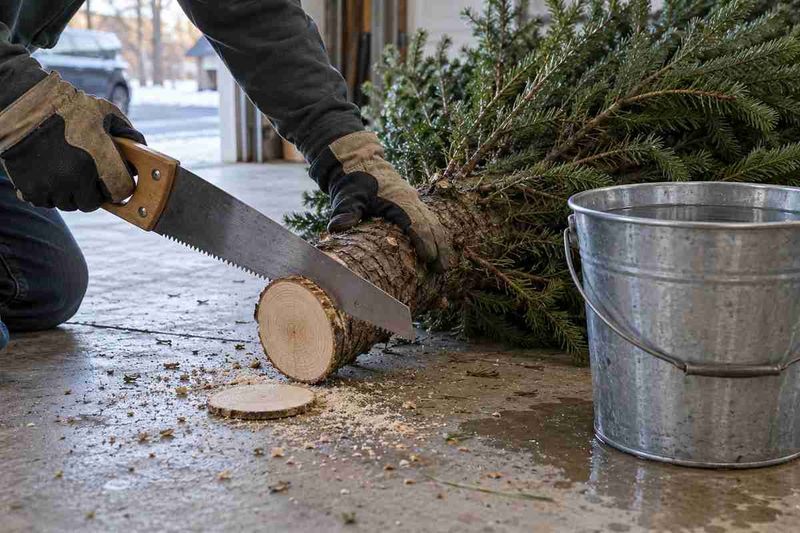
Sap works like nature’s bandage, sealing a cut trunk within hours of the tree leaving its field. That seal protects a growing tree outdoors, but it becomes a roadblock once the tree sits in your stand.
The fix is wonderfully simple, and I find it oddly satisfying every single year in my garage. Saw off about half an inch to one inch from the bottom of the trunk before setup.
Keep that cut straight across rather than angled, since a flat base sits better and drinks evenly. A V-shaped notch or drilled hole sounds clever, yet experts say those tricks do not improve water uptake.
Timing matters more than most people realize, so plan your sawing for just before the tree goes up. Many growers suggest getting the trunk into water within a few hours, and certainly within eight.
If the tree must wait outside in the cold, stand it in a bucket of water meanwhile. An unheated garage or shady porch keeps it calm until you are ready for the big moment.
Some lots will trim the trunk for you, which is handy if you live just a few minutes away. Long drives home give the sap extra time to seal again, so a second cut at home helps.
A basic pruning saw handles most trunks easily, and a helper holding the tree keeps things steady. Brush away the sawdust afterward, then get that freshly opened trunk into water without dawdling too long.
3. Top Off The Tree Stand Water Every Day
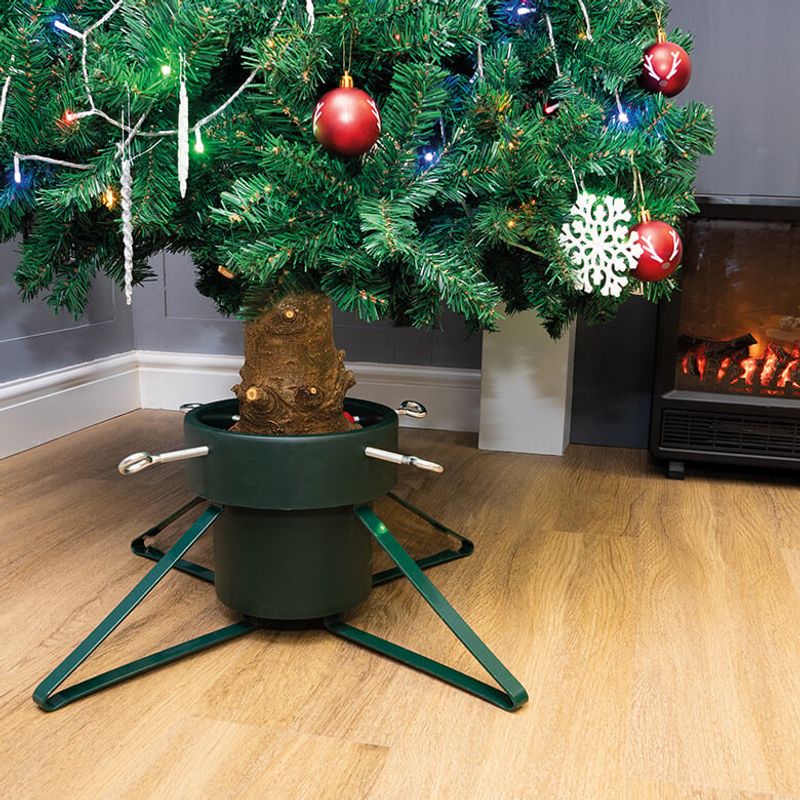
My first real tree drank so fast that I honestly thought the stand had sprung a leak. Nothing was broken, because a freshly cut tree can easily soak up a gallon or more on day one.
After that first big gulp, expect roughly one quart of water daily for each inch of trunk width. A trunk measuring five inches across might need over a gallon each day during the first week.
Checking the water every morning is the single habit that matters most, so make it part of your routine. I keep a small watering can right beside the coffee maker so I rarely forget to look.
The base of the trunk must stay underwater, because even a short dry spell lets fresh sap seal it again. Once that happens, the tree often stops drinking, and you may need to cut the trunk again.
Plain tap water works perfectly well, and it does not need to be warm or specially filtered first. A long-spouted watering can or a turkey baster helps you reach the stand under low branches.
Kids love being the official tree waterer, and giving them the job adds a second pair of eyes. Just remind them to pour slowly, since a tree skirt soaks up spills faster than you would expect.
Water use usually slows after the first week, yet daily checks still pay off until the tree comes down. A steadily drinking tree is a happy tree, and its scent will reward you every evening.
4. Choose A Tree Stand With A Big Water Bowl

Those cute little stands sold beside the checkout line often hold barely enough water for a single afternoon. I learned that lesson the hard way, crawling under prickly branches with a pitcher twice a day.
Tree experts suggest a stand holding at least one quart of water for every inch of trunk diameter. So a six-inch trunk calls for a reservoir of six quarts, which is a gallon and a half.
Measure your trunk before shopping, or bring a tape measure to the farm when you pick your tree. Bigger reservoirs mean fewer refills, and they give you a safety cushion on busy holiday mornings.
Fit matters just as much as size, so pick a stand that grips the trunk without trimming. Shaving off bark to squeeze into a small stand removes the outer layers that help move water upward.
Sturdy screws or a spring clamp should hold the tree upright, with the base resting in deep water. A wobbly tree tips easily, and spilled water on hardwood floors is nobody’s idea of holiday fun.
Some stands include a water level gauge or a tall fill tube, and I find both features wonderfully handy. They save your back and make it easier to spot a low reservoir before the trunk dries.
Set a waterproof tray or mat under the stand too, because small drips can stain floors over weeks. A good stand often lasts for many seasons, so spending a bit more feels like a smart investment.
5. Keep The Tree Away From Fireplaces And Heat Vents

Fireplaces look magical beside a decorated fir, yet that crackling glow quietly bakes needles hour after hour. I have to admit I once chose the photo-ready spot, and my tree paid for it quickly.
Heat speeds up moisture loss from needles, so the tree drinks faster and dries out sooner overall. Fire safety groups also recommend keeping trees at least three feet from any heat source in the room.
Floor vents are sneaky troublemakers, especially in Ohio homes where forced-air furnaces run almost nonstop in December. Warm air blowing straight at branches acts like a hair dryer aimed at your tree all day.
Before choosing a spot, walk around the room and feel for warm drafts with the back of your hand. Radiators and space heaters count too, so give them plenty of breathing room from your branches.
Sunny windows feel cheerful, but strong afternoon sun through glass can warm one side of the tree surprisingly fast. Pulling a sheer curtain during the brightest hours keeps the view while softening that heat nicely.
If a vent sits right where the tree must go, a magnetic vent cover or deflector can help. Just make sure the room still gets enough warmth for your family to stay comfortable on frosty nights.
Cooler corners near interior walls often make the best homes for a living centerpiece this time of year. Your tree may not star in the fireplace photo, but it will look fresher for far longer.
6. Turn Down The Thermostat Near Your Tree

Your thermostat secretly controls how thirsty your tree gets, and a few degrees can make a noticeable difference. Cooler rooms slow down water loss through the needles, so the tree stays plump and fragrant longer.
Many tree farms suggest keeping the room somewhere around sixty-five to seventy-two degrees whenever possible during the holidays. On the lower end of that range, you will likely notice the water level dropping a little slower.
Personally, I love an excuse to grab my fuzziest sweater and thick wool socks for evening movie nights. Bundling up a little lets you nudge the heat down without anyone grumbling about chilly toes.
Overnight is the easiest window, since everyone is tucked under blankets and nobody notices a cooler living room. Dropping the temperature while you are at work or school helps the tree for several extra hours.
A programmable or smart thermostat makes this effortless, and it may trim your heating bill a bit too. Northeast Ohio’s lake-effect cold snaps can push furnaces hard, so a smart schedule keeps indoor temperatures balanced.
If one room in your house runs cooler than the rest, consider setting up the tree there instead. Formal living rooms and front sitting areas often stay a few degrees chillier than busy kitchens.
A cheap digital thermometer near the tree tells you exactly what temperature it experiences each day. You might notice that spot runs warmer than the hallway thermostat suggests, which is useful to know.
7. Run A Humidifier Beside The Christmas Tree
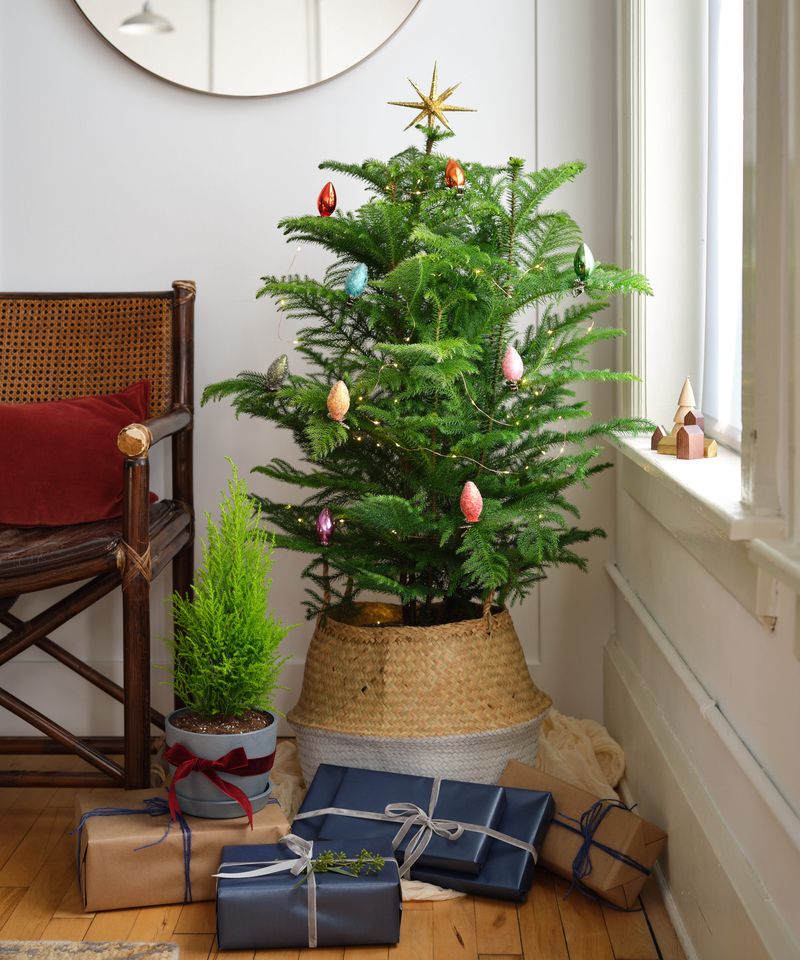
Static shocks from the doorknob are a clue that your indoor air has turned desert dry this winter. If your skin feels tight and itchy, your tree is probably feeling that very same thirsty pull.
Cold outdoor air holds little moisture, and heating it indoors drops the relative humidity even further. Ohio homes running furnaces all season can dip well below comfortable humidity levels by midwinter and stay there.
Dry air pulls moisture from needles faster, which means more drinking and a quicker slide toward crispy branches. A room humidifier set somewhere between forty and sixty percent humidity can noticeably slow that process down.
I keep mine a few feet from the tree, aimed into open air rather than straight at the ornaments. Mist landing directly on electric lights or paper decorations is something you definitely want to avoid.
Too much humidity brings its own trouble, including foggy windows and possible mold on cold walls. An inexpensive hygrometer helps you find that happy middle ground without guessing each and every chilly morning.
Without a humidifier, a few shallow bowls of water tucked near the tree can add a little moisture. Houseplants grouped nearby also release some humidity, and they look lovely beside a freshly decorated fir.
Clean the humidifier tank every few days, since standing water can grow bacteria you would rather not breathe. Your skin and your sinuses will appreciate the extra moisture just as much as your tree does.
8. Skip The Sugar And Aspirin In Tree Water
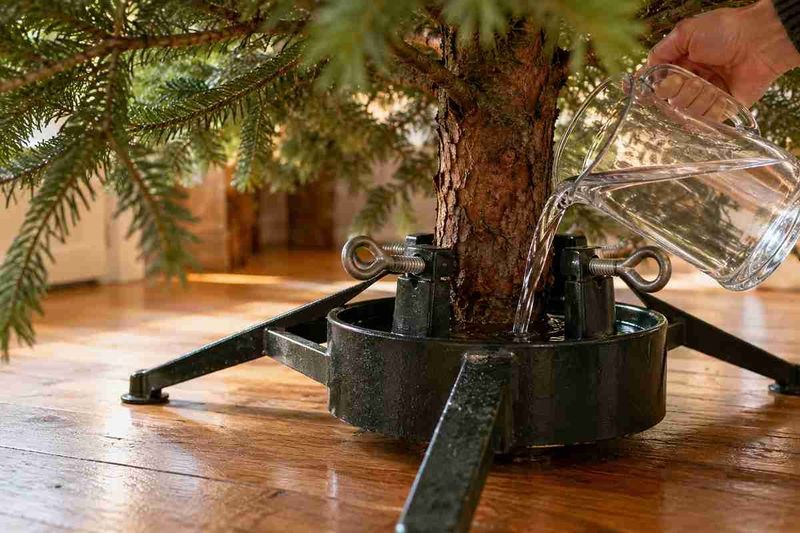
Aspirin, sugar, bleach, and even soda have all been poured into tree stands by hopeful families. I tried the sugar trick once myself, and all I got was a sticky stand that needed scrubbing.
Research from university extension programs keeps pointing to the same answer, and it is refreshingly boring. Plain tap water keeps a cut tree fresh as well as, or better than, any fancy homemade mixture.
Some additives can actually backfire, slowing water uptake or causing needles to drop sooner than anyone expected. Commercial tree preservatives often promise miracles, yet studies have not shown meaningful benefits over plain water alone.
What really matters is that the trunk keeps touching water, because a fresh supply beats any secret recipe. Your money is better spent on a bigger stand than on a bottle of mystery tree food.
Pets add another reason to skip additives, since curious dogs and cats often lap from tree stands. Bleach and aspirin in that water could upset a pet’s stomach, so plain water feels much safer.
A stand cover or tree skirt tucked snugly around the base also discourages furry visitors from drinking. Kids find it easier to top off plain water, too, since there is nothing to measure or mix.
I love that the best tree tonic is already flowing from my kitchen faucet, no shopping trip needed. Save the sugar for holiday cookies, and let your evergreen enjoy simple, clean water every single day.
9. Swap Old Bulbs For Cool LED Tree Lights

Old-fashioned incandescent bulbs glow with a warm nostalgia, and they also give off plenty of actual warmth. Touch one after an evening of twinkling, and you will feel why needles nearby can dry faster.
Most of the energy in an incandescent bulb turns into heat rather than light, which surprises many people. LED strands use far less electricity and stay cool enough to touch comfortably, even after hours.
Cooler bulbs mean less drying around each branch, so your tree holds its moisture a bit longer. They also lower fire risk, which matters a lot when a cut tree sits in your living room for weeks.
I resisted switching for years because early LEDs looked harsh and icy blue to my picky eyes. Modern warm white strands glow soft and golden, and honestly I cannot tell the difference anymore at all.
Whatever lights you choose, inspect each strand for frayed wires or cracked sockets before hanging it up. Look for a safety certification label, and follow the package directions about connecting strands end to end.
Turn the lights off whenever you leave the house or head to bed, even with cool LEDs. A simple plug-in timer handles that job for you, and it keeps the evening glow on schedule.
Many Ohio families keep trees up past New Year’s Day, so cooler lights help them finish strong. When the season wraps up, check with your city about curbside tree recycling or local drop-off sites.