8 Strong Scents That Draw Coyotes To Your Ohio Yard
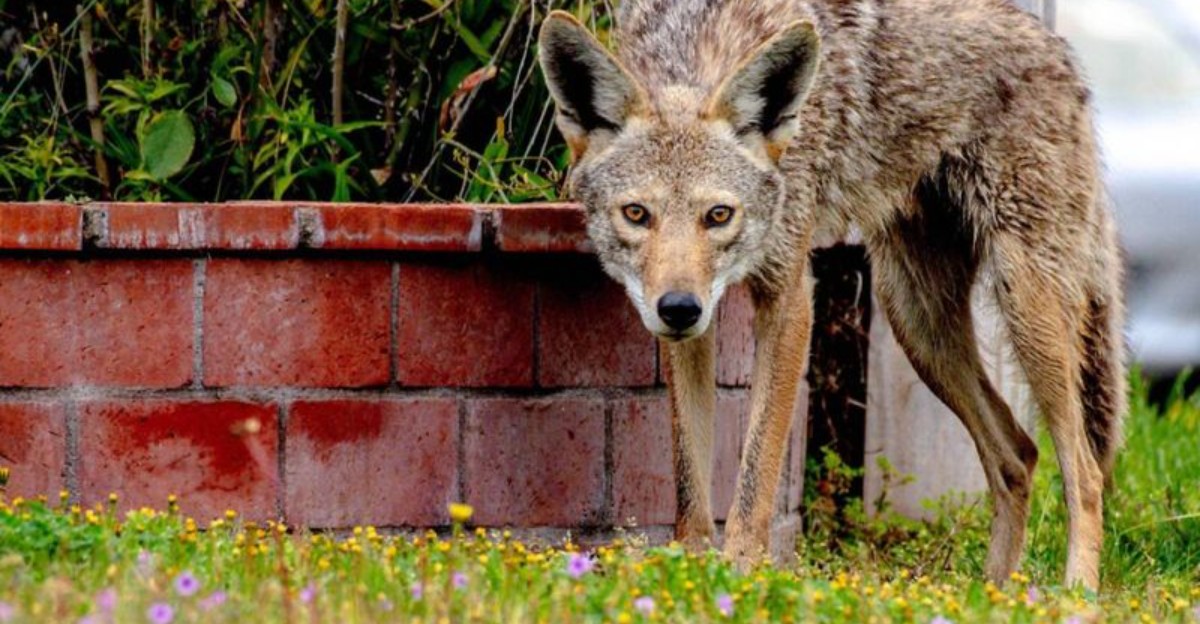
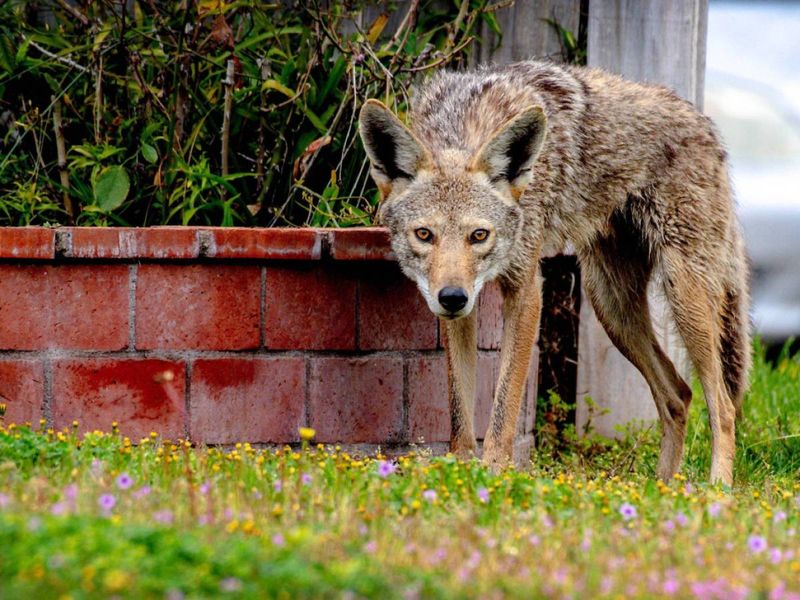
A wild dog that barely existed in Ohio a century ago now trots through every one of Ohio’s 88 counties. Sightings began around 1919, and today these clever wanderers turn up in city parks and quiet suburban backyards alike.
Their noses are far sharper than ours, picking up faint smells that drift across lawns on a light breeze. Wildlife experts agree that food odors are the main reason these animals wander close to our homes at night.
I’ll take the blame for my own garden once sending out a few smelly invitations I never meant to mail. You might notice some of the same habits in your yard, especially after a busy weekend outdoors.
What surprises me most is how ordinary these scents are, since many come from things we do every day. Your backyard might be ringing a dinner bell every night without you ever hearing a thing.
1. Overflowing Garbage Cans With Loose Lids

Trash night smells a lot like a restaurant menu to a hungry coyote cruising your street after dark. Even a closed bag leaks odors from chicken bones and greasy wrappers, and those odors travel surprisingly far.
Coyotes are opportunists, which means they grab whatever meal takes the least effort to find and eat. Personally, I think of an unlatched trash can as a free sample table set up right beside my driveway.
Ohio wildlife officials list garbage among the top attractants that pull these animals into neighborhoods and suburbs. Once a coyote finds an easy meal, it often returns to that same spot night after night.
You can break that habit by switching to sturdy cans with tight lids that lock or clip shut. Bungee cords work in a pinch, though heavy plastic bins with latching lids hold up better over time.
Try to set your trash out on the morning of pickup instead of the evening before collection day. That small timing change cuts down the hours your garbage sits at the curb sending smells into the night.
Rinse cans now and then with soapy water, because old drips and smears keep smelling long after emptying. A quick scrub on a sunny afternoon also helps keep raccoons and opossums from poking around the bins.
Store bins inside a garage or shed if you have room, especially during warm weather when odors grow stronger. I like knowing my trash is tucked away, and the local wildlife seems to lose interest pretty quickly.
2. Pet Food Bowls Left On The Porch
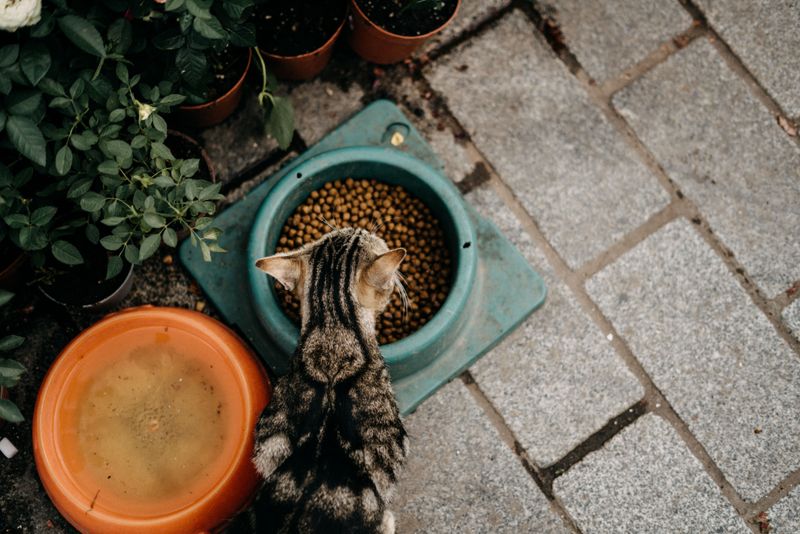
Kibble left on the back porch is basically a five-star snack bar for any coyote passing through. Those crunchy bits pack plenty of fat and protein, and their meaty smell lingers well after the bowl empties.
I once left a bowl out for our barn cat without thinking about who else might stop by. Trail cameras in many suburbs show coyotes and raccoons taking turns at unattended pet dishes overnight.
Feeding pets indoors is the simplest fix, and it costs nothing except a little floor space in the kitchen. If outdoor feeding is a must, pick up the bowl as soon as your pet finishes eating.
Wash the dish too, since crumbs and grease stuck to the bottom can still pull in curious noses. Store bags of kibble in a locked bin or indoors so the scent does not drift from your garage.
There is also a bigger reason to care, because a coyote drawn by food may notice your pets too. Small dogs and cats can look a lot like rabbits to a predator that hunts by sight and smell.
The Ohio Department of Natural Resources suggests keeping small pets supervised outdoors, especially at dusk and dawn. Those twilight hours are when many coyotes become most active and start checking yards for easy food.
You need to think of every leftover crumb as a possible invitation, not just a harmless little mess. Pull those bowls inside each evening, and your porch goes back to being a quiet spot for your family.
3. Fallen Apples Rotting Under Fruit Trees
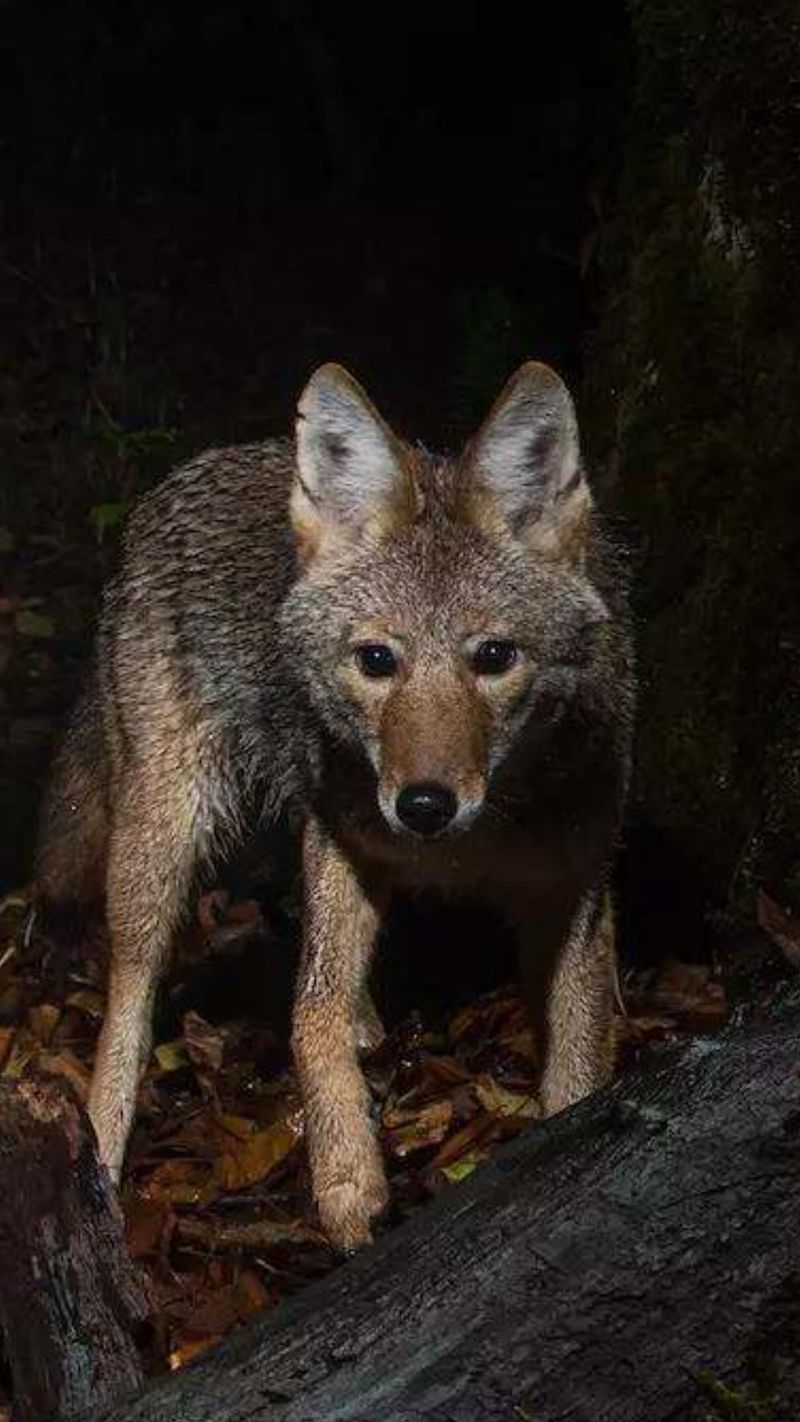
Coyotes have a surprising sweet tooth, and a carpet of mushy apples under your tree is hard to resist. That sugary, fermented smell drifts across the yard on warm evenings, letting every nose nearby know dessert is served.
Many people picture coyotes as pure meat eaters, but they happily munch berries and soft apples in late summer. Researchers studying their diets often find fruit seeds in droppings, especially when orchards and wild cherries ripen.
I have to admit I let pears pile up one year, and the nightly visitors told the story. Fresh tracks in the soft dirt each morning made it clear something larger than squirrels was feasting.
Fallen fruit also attracts mice and voles, and those little rodents add a second reason for coyotes to visit. So one rotting pile can serve both a sweet snack and a hunting opportunity in the very same spot.
Pick ripe fruit promptly, and walk under your trees every day or two to gather anything that drops. A simple rake and bucket make the job quick, and the cleanup keeps wasps from swarming the mess.
Bagged fruit should go into a sealed trash can rather than an open compost heap at the yard’s edge. If your trees produce more than you can use, many food pantries happily accept fresh backyard fruit.
Berry bushes and mulberry trees deserve the same attention, since their dropped fruit stains the ground and draws visitors. A tidy orchard floor keeps your harvest for your table instead of feeding hungry wanderers overnight.
4. Spilled Birdseed Beneath Backyard Feeders
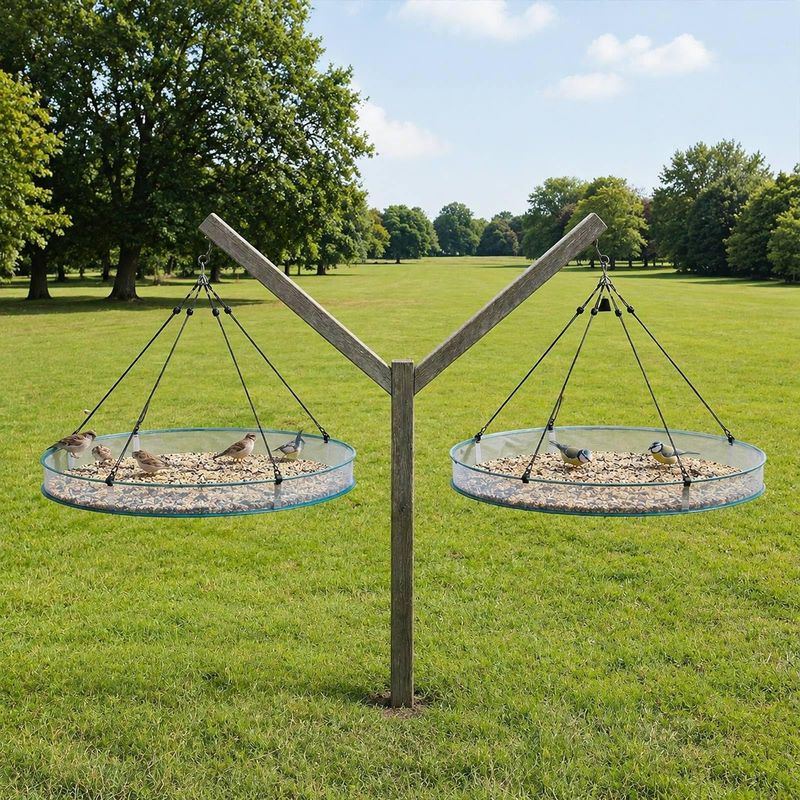
Coyotes rarely care much about sunflower seeds, yet a messy bird feeder can still lure them straight into your yard. The real draw is the crowd of hungry rodents that gathers each night to clean up the spilled seed.
Mice and voles make up a large share of a coyote’s diet, so a feeder becomes a hunting ground. I love watching cardinals at my feeder, but I was surprised to learn what happened beneath it after dark.
Squirrels and rabbits also pile in for the leftovers, adding even more tempting prey to the scene. Each animal leaves its own trail of scent, and a coyote’s sharp nose reads those trails like a map.
Seed catcher trays fastened under the feeder help catch dropped hulls before they reach the grass below. Choosing no-mess blends, like hulled sunflower hearts, cuts down on the shells and waste that pile up quickly.
Rake or sweep beneath your feeders every few days, especially during the winter months when feeding is heaviest. A shop vacuum works wonders on patios, and it saves your knees from plenty of bending and scooping.
Keep bags of seed in metal cans with snug lids, because rodents chew through plastic and paper easily. Storing seed in a garage or shed also keeps those tempting smells from spreading around your property.
Some homeowners take feeders down for a few weeks if coyotes start showing up regularly in the neighborhood. Birds adjust quickly and return once the feeders go back up, so a short break causes little harm.
5. Greasy Grill Drippings After A Cookout
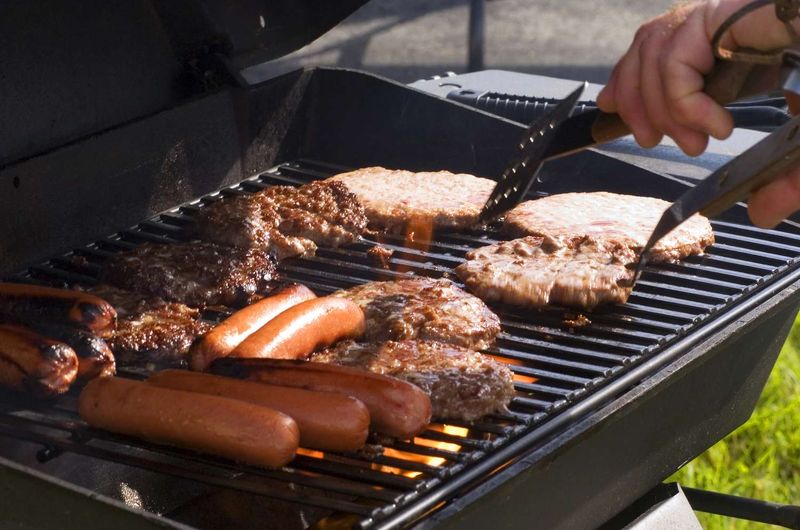
Burgers sizzling on a summer evening smell amazing to you, and they smell even better to a coyote. Long after the party ends, grease in the drip tray keeps sending out a rich, smoky signal.
Fat and meat odors are among the strongest smells for wild canines, which explains why trappers use them as bait. A grill left uncovered overnight can draw a curious visitor sniffing around the patio before sunrise.
Personally, I learned this lesson when I found greasy paw prints across my grill cover one morning. Nothing was damaged, but it was clear that someone had spent a while investigating the drip pan.
Burn off the grates for a few minutes after cooking to char away leftover bits of meat and fat. Then scrape them with a grill brush, and empty or replace the grease tray once it cools down.
Bones and scraps from the cookout should go straight into a sealed bag inside a locked trash can. Tossing a rib bone into the bushes may seem harmless, but it teaches wildlife that your yard serves dinner.
Wipe down picnic tables and patio floors too, since spilled marinade and dropped hot dogs leave strong odors. A bucket of warm soapy water and a stiff brush handle most spills in just a few minutes.
Covering your grill with a fitted lid adds one more barrier between curious noses and lingering grease smells. You can still enjoy plenty of backyard cookouts all season long without accidentally inviting any uninvited guests afterward.
6. Rabbits And Mice Hiding In Brushy Corners
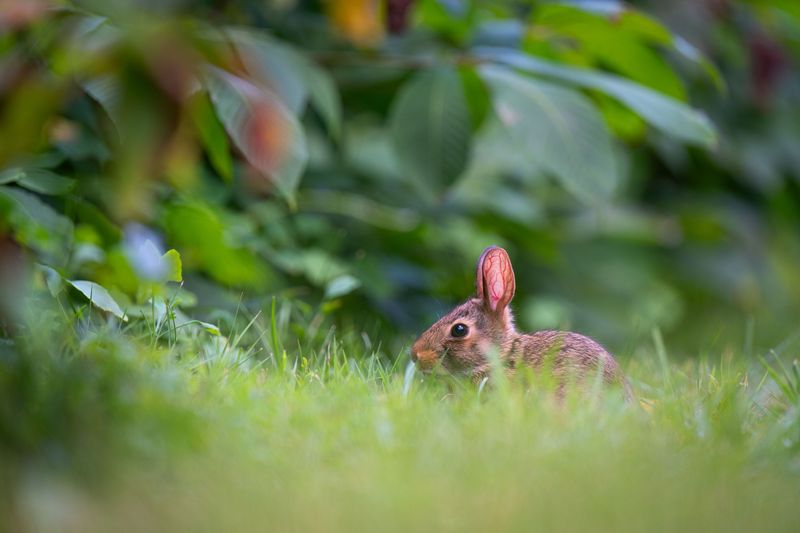
Sometimes the smell pulling a coyote into your yard has nothing to do with people at all. Rabbits nesting under your shrubs and mice tunneling through the brush leave scent trails that coyotes follow eagerly.
Small mammals make up the bulk of a coyote’s natural diet across much of the Midwest. Ohio’s suburbs often hold plenty of cottontails, and coyotes have learned that neighborhoods can offer easy hunting.
Hunters even use rabbit-scented lures and distress calls because the smell and sound of prey work so well. I find it fascinating that a creature so wary of people will still follow a whiff of bunny.
You can make your yard less inviting by trimming dense brush where rabbits and rodents like to hide. Tall weeds along fence lines and stacked lumber piles also give small animals perfect shelter for raising young.
Woodpiles work best raised off the ground on a rack and placed away from your house walls. That simple move leaves fewer cozy gaps for mice and chipmunks to move in and multiply.
Seal openings under decks and sheds with sturdy hardware cloth, burying the bottom edge a few inches deep. Rabbits love those dark hideaways, and closing them off reduces the prey scents drifting across your lawn.
Keeping grass mowed and gardens tidy will not chase every rabbit away, but it helps tip the balance. Fewer small critters means fewer reasons for a coyote to linger, and your vegetable patch benefits as well.
7. Dog Waste And Female Dogs In Heat

Your dog’s favorite potty corner works like a message board, and coyotes are eager readers of those posts. Urine and droppings tell passing wildlife that another canine lives here, which can spark curiosity or territorial interest.
Coyotes and dogs are close cousins, so they communicate with many of the same scent signals. A coyote may sniff around simply to learn who has claimed the yard and how big that animal is.
Female dogs in heat release especially strong scents, and male coyotes can pick up on that signal quickly. Wildlife agencies warn that unspayed dogs may attract coyotes during breeding season, which peaks in late winter here.
Spaying or neutering your pet reduces those hormone-driven smells and lowers the chance of a risky encounter. I believe it is one of the kindest choices you can make for both your pet and wildlife.
Scoop poop at least once or twice a week, bagging it tightly before tossing it in the trash. Hosing down favorite pee spots on patios now and then also helps fade the strongest lingering odors.
Stay outside with small dogs during early mornings and late evenings, when coyotes tend to roam the most. A leash and a porch light give you better control and make your yard feel less welcoming to visitors.
Cats belong indoors too, since roaming felines can become targets when coyotes patrol suburban streets after dark. A little extra care keeps your furry family members safe, and everyone sleeps better knowing the yard stays calm.
8. Open Compost Piles With Kitchen Scraps
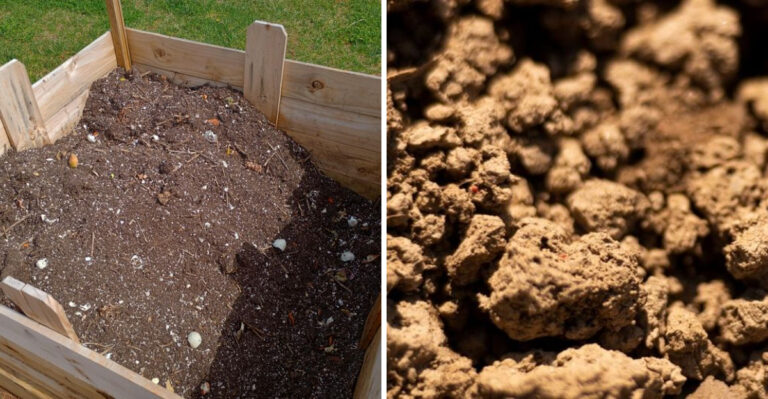
Every gardener loves that rich, earthy smell of good compost, but coyotes sniff out something much more interesting. Kitchen scraps buried in an open heap can smell like a hidden pantry to a hungry nose nearby.
A study in Wisconsin found coyotes visiting backyard compost piles far more often than nearby natural areas. Researchers also noted that coyotes eating human food scraps tended to be in poorer health than others.
Meat and dairy scraps are the biggest troublemakers, since their strong odors carry far as they break down. Leave those items out of your pile, and stick to plant scraps like coffee grounds and fallen leaves.
I like burying fresh scraps in the center of the heap and covering them with dry leaves. That layer of browns traps odors well and also helps the pile break down faster and smell sweeter.
Enclosed bins with lids and solid sides keep curious paws out much better than open piles. Tumblers raised off the ground work nicely too, and they make turning the compost a lot easier.
Wire mesh under a bin stops digging animals, so choose sturdy hardware cloth rather than flimsy chicken wire. Place your compost away from fences and woods, where wildlife naturally travels in search of food and cover.
Turning the pile regularly keeps it hot, and a hot pile breaks down scraps before they get too smelly. Your garden still gets its black gold, and your backyard Ohio wildlife stays wild where it belongs.