8 Things You Should and Shouldn’t Do to Palo Verde Trees Before Winter in Arizona
Some desert trees keep making food from their green bark long after their tiny leaves have dropped to the ground. I still remember scratching one trunk with my thumbnail and finding bright green tissue hiding under the surface.
In Arizona, these trees can shed leaves during drought or chilly weather and keep working quietly through their bark. Their spring flowers turn whole streets yellow, and their twiggy branches shelter nesting verdins and plenty of hungry native bees.
I have to admit, I once babied mine with extra water and fertilizer, and it rewarded me with floppy growth. You might notice the same trouble, because tough desert natives often respond poorly to well-meaning fall attention.
October in Arizona is the perfect window for a few smart moves and a few habits worth dropping. So which chores will your favorite green-barked tree thank you for, and which ones quietly cause harm?
1. Water Your Palo Verde Deeply At The Drip Line
Cooler October mornings feel like a reward after summer, and your palo verde notices the change too. I love how the soil stays damp longer now, which means your hose can finally take a little break.
Established trees usually need a deep soak only every three to four weeks once fall temperatures settle down. Young trees in their first couple of years need more frequent drinks while their roots spread out.
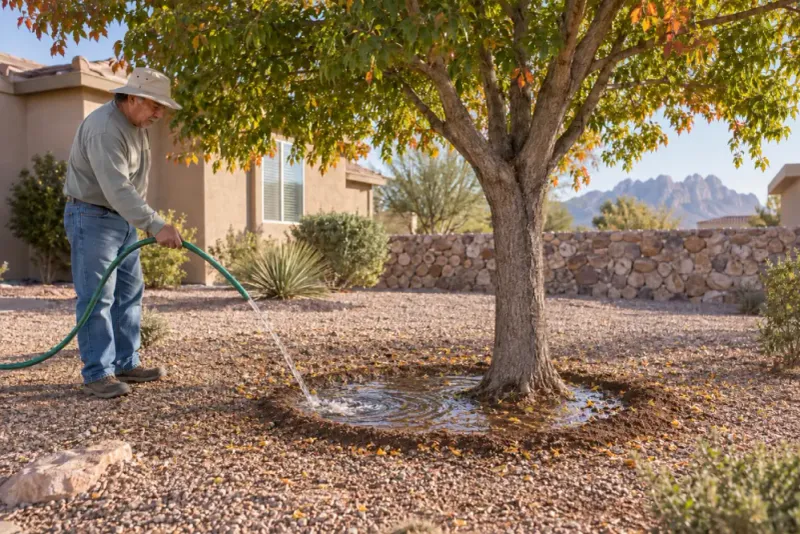
Place the water near the drip line, which is the outer edge of the canopy, instead of hugging the trunk. Feeder roots stretch outward there, and wet soil against the trunk can invite rot and other trouble.
Aim to soak the soil about two to three feet deep, then let it dry before the next round. A long screwdriver or soil probe pushed into the ground shows you how far the water has traveled.
Personally, I check my drip timer every October because summer settings can quietly drown a desert tree by November. Shallow daily sips encourage weak surface roots, while slow deep watering builds a sturdy anchor against strong winter winds.
2. Skip The Fertilizer Bag For Mature Palo Verdes
Desert soil looks pretty lean to most of us, yet palo verdes have thrived in it for thousands of years. Their roots know how to work with rocky, low-nutrient ground better than any bag from the garden center.
Fertilizing a mature tree in fall can push out soft new shoots right before the coldest nights arrive. That tender growth often gets frost damaged, and the tree spends spring energy repairing the harm instead.
Extra nitrogen also tends to create fast, spindly branches that snap easily during wind storms later on. I have seen overfed palo verdes split down the middle after one gusty evening, and it broke my heart.
Young trees still getting settled may benefit from a light feeding, but spring is a much better time. Follow the label carefully and use a gentle hand, because more product rarely translates into a healthier desert tree.
A thin layer of organic mulch or composted wood chips can help soil life without forcing unwanted growth. Keep mulch a few inches away from the trunk so the green bark stays dry and comfortable.
3. Save Big Palo Verde Pruning Cuts For Late Winter
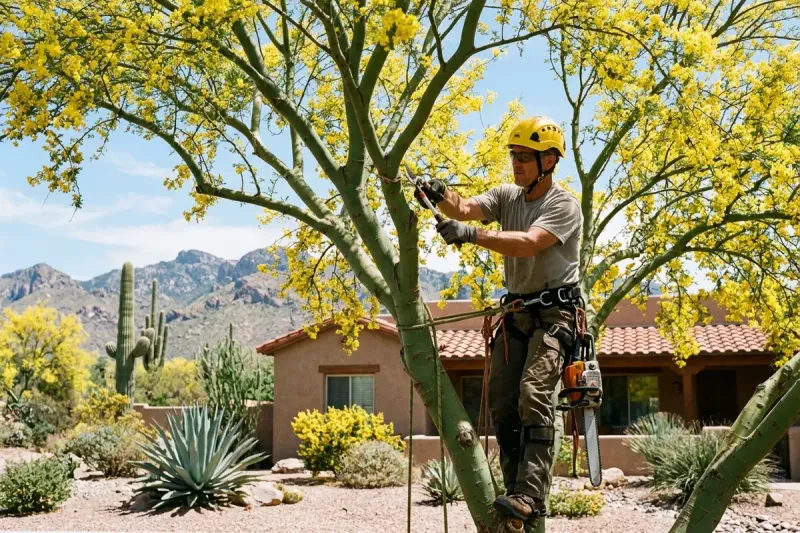
Grabbing the loppers on a pleasant fall weekend is tempting, and I understand that itch completely well myself. Still, palo verdes respond better when major structural work waits until the tree slows down in late winter.
Cutting large limbs now can trigger fresh growth that faces chilly nights before it has a chance to harden. Waiting until roughly January or February lets the tree push healthy shoots once spring warmth returns to the desert.
October is a fine time for small cleanup, though, so do not feel like your tools must sit idle. Snip broken twigs, storm-damaged limbs, and branches rubbing against each other, since those wounds can invite pests and decay.
Make clean cuts just outside the branch collar, the slightly swollen ring where a limb joins the trunk. Leaving that collar intact helps the tree seal the wound naturally, and you avoid ugly stubs that rot later.
Wear thick gloves and long sleeves, because many palo verdes carry sharp little spines along their younger twigs. I learned that lesson the hard way, and my forearms looked like a cat attacked them for a week.
4. Don’t Top Or Shear Your Palo Verde Canopy
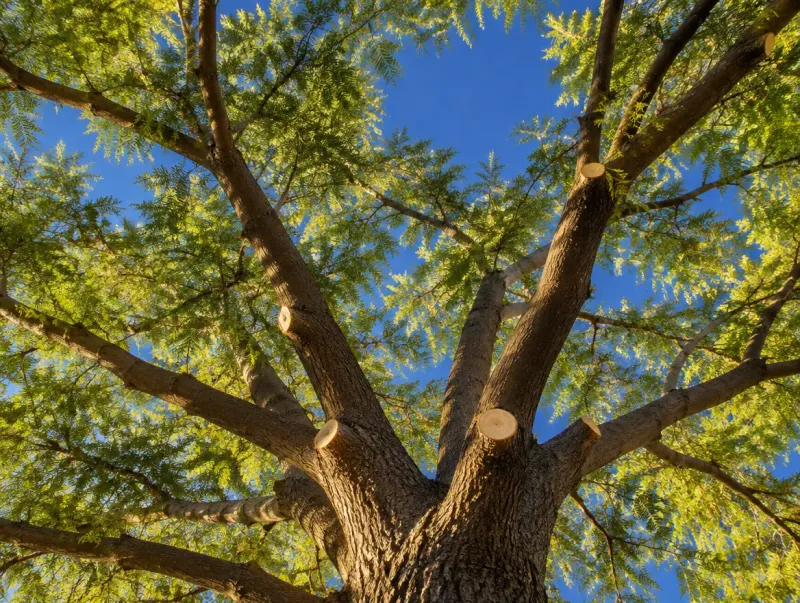
Few things make an arborist wince faster than a palo verde chopped into a lollipop or a stubby flat top. That dramatic haircut might look tidy for a month, yet the long-term damage runs deep inside the tree.
Topping removes main branches down to stubs, which sparks a flush of weak, crowded sprouts that break easily later. Those sprouts attach loosely to the old wood, so wind can rip them away during monsoon storms next summer.
Heavy thinning creates another problem, since green bark suddenly exposed to strong sun can scald and crack. Even in fall, the desert sun hits hard, and sunburned bark becomes an open door for decay organisms.
Most experts suggest removing no more than about a quarter of the canopy in any single year. I prefer taking even less, because a light touch keeps that lovely airy shape that palo verdes wear so naturally.
If a tree seems too big for its spot, consider spreading reduction cuts over several seasons instead. Sometimes the kindest answer is accepting the tree’s size and moving a patio chair rather than the branches.
5. Wrap Young Palo Verde Saplings Before Frost Nights
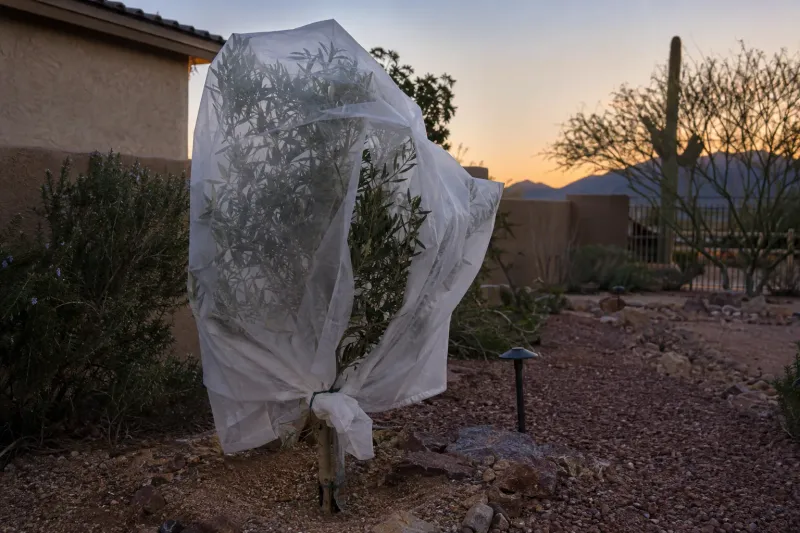
Baby palo verdes have skinny trunks and thin bark, so a hard frost hits them much harder than their grown-up neighbors. A tree planted within the last year or two deserves a little extra attention as winter approaches.
October is the ideal month to gather supplies, since early cold snaps can sneak into higher desert areas quickly. Buy frost cloth or old cotton sheets now, and keep a few sturdy stakes ready in the garage.
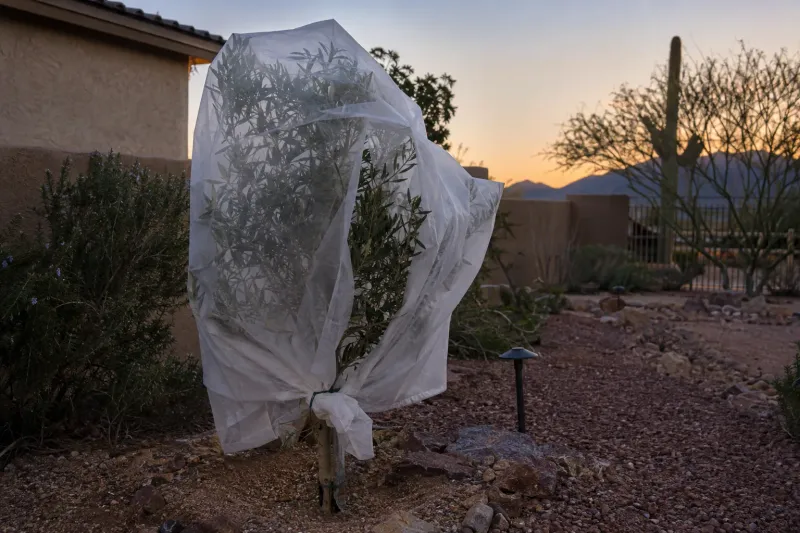
When forecasts dip into the twenties, drape the fabric over the whole sapling and let it reach the ground. Ground contact traps warmth rising from the soil, which matters far more than simply covering the top branches.
Skip plastic sheeting touching the branches, because it can transfer cold directly and actually make frost damage worse. Remove the covers once morning temperatures warm up so the tree gets sunlight and fresh air during the day.
A few inches of mulch over the root zone helps insulate tender roots during chilly stretches as well. I like watching small birds hop through that mulch looking for insects, which feels like a bonus for my effort.
6. Let Mature Palo Verdes Handle Cold On Their Own
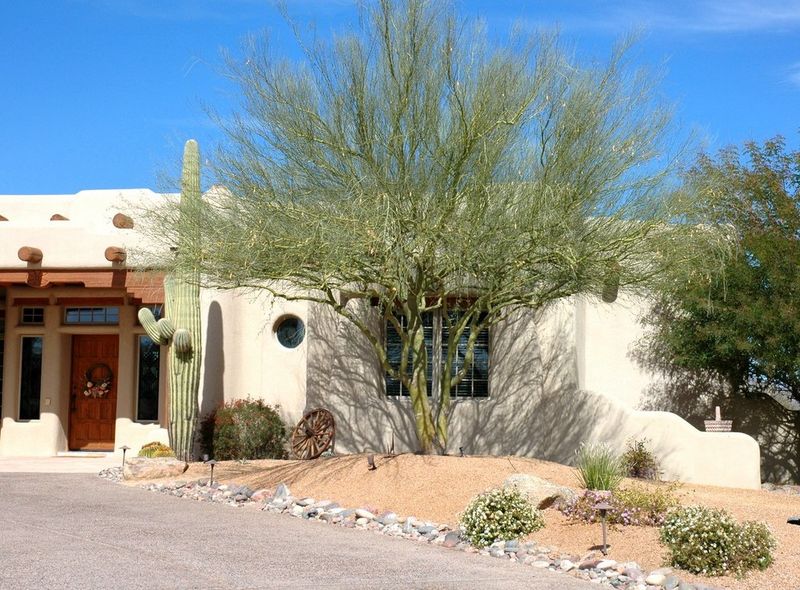
Established palo verdes are seasoned desert veterans, and most shrug off typical low desert winter nights with ease. Blue and foothill palo verdes evolved in the Sonoran Desert, where occasional chilly mornings are simply part of life.
Wrapping a big mature tree in fabric wastes your time and can snap branches under heavy, wet covers. I would rather spend that energy protecting tender citrus or bougainvillea, which tend to complain much louder about frost.
You might notice a mature palo verde dropping leaves as the weather cools, and that behavior is perfectly normal. The green bark keeps carrying on photosynthesis, so the tree stays productive even with bare-looking branches all winter.
Extremely rare hard freezes can still nip twig tips, especially on hybrids planted in colder parts of Arizona. Wait until spring growth appears before trimming any frost-browned tips, since early cuts may remove wood that recovers.
Choosing species suited to your elevation helps a lot, so ask a local nursery about cold tolerance before planting. A well-matched tree rewards you with years of easy care, and that low fuss is exactly why I adore them.
7. Check Palo Verde Branches For Root Borer Damage
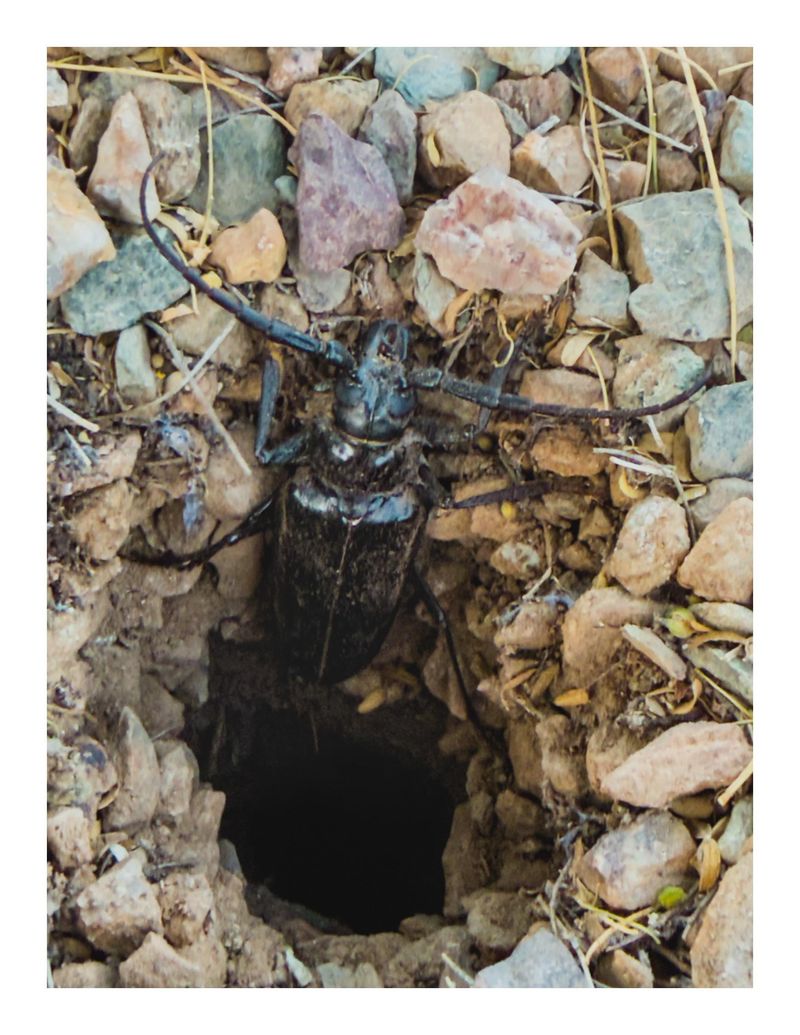
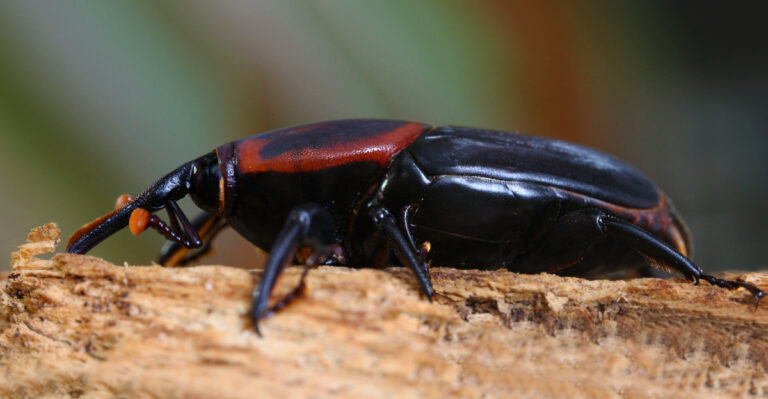
Hidden underground, palo verde root borer larvae can chew on roots for several years before anyone suspects a problem. The adult beetles are huge, sometimes over three inches long, and they startle plenty of folks during summer evenings.
Fall is a smart time for a slow walk around your tree, looking closely at the upper canopy. Sudden branch dieback or yellowing sections can hint at root trouble, though drought stress sometimes produces similar symptoms too.
Look near the base for large oval exit holes in the soil, which adult beetles leave behind after emerging. Spotting a few holes does not mean disaster, but it tells you to keep that tree well watered and healthy.
Stressed trees struggle most with borers, so proper deep watering serves as your best defense against serious decline. Chemical treatments rarely reach these larvae effectively, and many extension experts suggest focusing on overall tree vigor instead.
Witches’ broom, those tight twiggy clusters, comes from tiny mites and is mostly a cosmetic concern for gardeners. I simply prune the clumps during regular cleanup, and the tree carries on without any noticeable fuss at all.
8. Don’t Pile Palo Verde Debris Against Your House Walls

Bark scorpions love tucking themselves into cool, cluttered hiding spots, and stacked brush near your walls looks like a cozy hotel. Clearing that pile keeps fewer spiny visitors from wandering through cracks and into your living room at night.
After any fall trimming, haul cut branches away or chip them for mulch spread well away from the foundation. I also rake fallen pods out of door corners, because tidy edges make scorpion hunting with a blacklight much easier.
Out in the open yard, though, a little natural leaf litter under the canopy supports beneficial insects and lizards. Many lizards happily snack on bugs, so leaving their habitat intact gives you free pest control without lifting a finger.
Palo verdes also attract verdins, which weave round nests in the thorny branches and hunt tiny insects all year. Quail and doves gather the fallen seeds, and I love watching them shuffle beneath the branches on cool mornings.
Balance makes this tree a backyard ally, offering wildlife shelter while keeping your home’s perimeter clean and less inviting. Few desert plants work this hard for so little effort, which is why mine earns a front-row spot every season.