9 Genius Ways to Use Fallen Pine Cones in an Arizona Garden
Arizona holds the largest continuous ponderosa pine forest on Earth, stretching across the Mogollon Rim for hundreds of miles. Every autumn, those towering trees shower the ground with woody treasures that most people simply rake up and toss.
Each ponderosa seed holder takes roughly two seasons to ripen before its scales finally open and release winged seeds. Pinyon pines across the high desert also drop their own stubby version, packed with history and a wonderfully rough texture.
I have to admit that I once bagged dozens of them for the trash without a second thought. You might notice your own yard or favorite trail is littered with the same free supply every single October.
Personally, I now treat every fallen one as a tiny garden helper waiting for a new job in Arizona. So what could a pile of scaly brown castoffs really do for your thirsty beds this fall?
1. Pine Cone Mulch Around Thirsty Shrubs
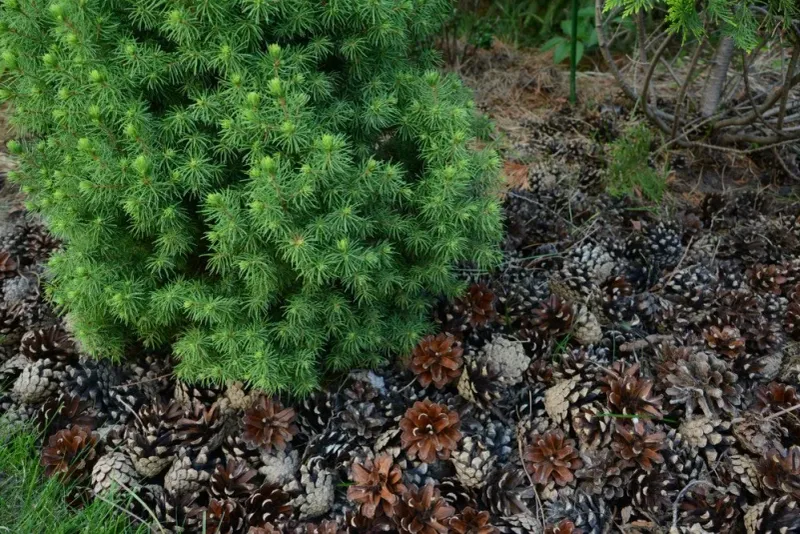
Bare soil in a sunny bed can lose moisture fast, and a scattered layer of cones acts like a lumpy little umbrella. I love how they shade the ground while letting rain and hose water slip right through the gaps.
Spread them two or three inches deep around shrubs, perennials, or young native trees in October. Cooler fall weather is a great time to start, because roots settle in before winter in higher elevations.
The open scales trap pockets of air, which helps buffer roots from sharp swings between warm afternoons and chilly nights. Weed seeds also struggle to reach the soil when a thick woody layer blocks the light they need.
Fire safety matters a lot in pine country, so keep this mulch at least five feet away from your house. Arizona fire experts recommend keeping that zone lean, using gravel or rock right beside walls and decks.
Cones break down slowly, so one good layer can last a few seasons with only light topping up. You get a rustic woodland look that pairs beautifully with manzanita, penstemon, and other tough native plants nearby.
2. Lightweight Pine Cones In Big Container Bottoms
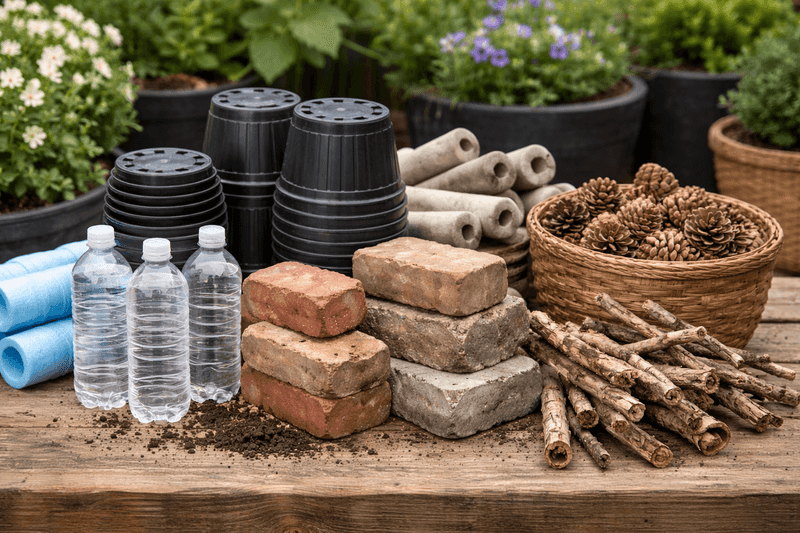
Hauling a giant pot of wet soil across the patio once left my back complaining for days. Tossing a layer of cones into the bottom of deep containers now saves me plenty of potting mix and muscle.
Fill roughly the bottom third of oversized planters with whole cones, then add a sheet of landscape fabric on top. Potting mix goes above that fabric, so soil stays put instead of sifting down into the woody gaps.
Shallow-rooted plants like annual flowers, herbs, and succulents rarely need the full depth of a tall pot anyway. Their roots stay happy in the upper layer while the cones quietly take up space below.
Extension experts note that a coarse layer does not truly improve drainage, since water still collects above it. You still need a working drainage hole, so treat the cones as a filler rather than a soggy-root cure.
October is a smart month to repot cool-season containers with pansies, snapdragons, or ornamental kale. Lighter pots are easier to shift into winter sun or shelter when frost visits on clear, cold nights.
3. Prickly Pine Cones That Keep Cats Out Of Beds
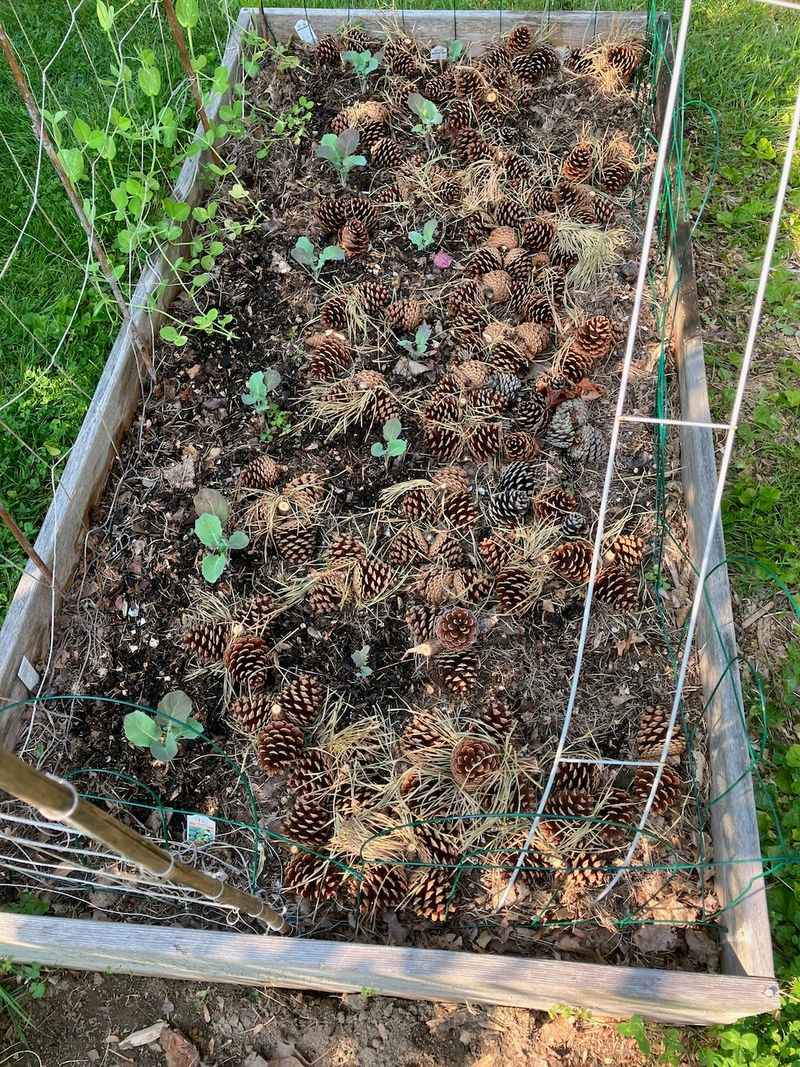
Few things sting quite like finding your freshly seeded bed turned into a neighborhood litter box overnight. Cats love soft, loose soil, and newly raked fall beds look like an open invitation to them.
Many gardeners report that a scattered layer of prickly cones makes digging uncomfortable enough to send cats elsewhere. Their paws seem to dislike the uneven, pointy surface, so they usually move on to smoother ground.
Lay cones closely between seedlings, leaving small gaps where young sprouts can push upward toward the sunlight. Once plants fill in and the soil firms up, you can gather the cones for another job.
Some sources claim slugs and snails avoid crossing them too, though solid research on that idea is limited. I treat it as a possible bonus rather than a dependable plan for protecting tender leafy greens.
Pinyon cones are smaller and stubbier, so they tuck nicely between rows of lettuce or wildflower seedlings. Larger ponderosa cones work better across wider open patches where a curious cat might try settling in.
4. Pine Cone Shelters For Overwintering Ladybugs
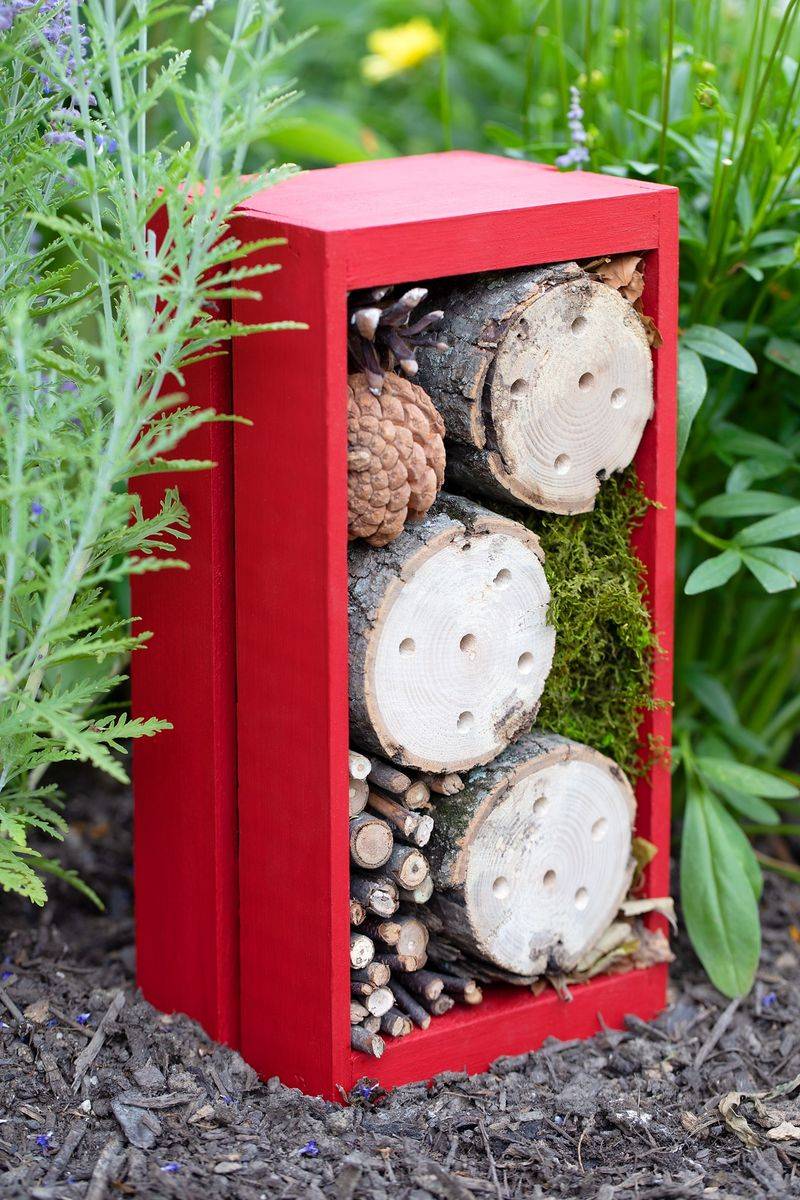
Ladybugs spend colder months huddled in sheltered crevices, and pine cone scales offer countless snug little hideouts. I can’t imagine a cheaper way to invite these hungry aphid hunters to stick around your yard.
Pack cones tightly into an old wooden box, a clay pot on its side, or a sturdy mesh bag. Mix in hollow plant stems and bark pieces so different beneficial insects can find spaces that fit their size.
Hang or set the shelter in a shady, protected spot near plants that attract aphids in spring. October is perfect timing, because many insects start hunting for cozy winter quarters as nights cool down.
Keep the bug house a few feet off the ground and away from your home’s foundation and doors. Scorpions also like dark crevices, so placing shelters away from the house keeps unwanted visitors from wandering indoors.
Lacewings, small solitary bees, and ground beetles may also tuck themselves into the gaps over winter. Next spring, those tenants can help keep sap-sucking pests in check without a single spray bottle in sight.
5. Seed Coated Pine Cone Bird Feeders
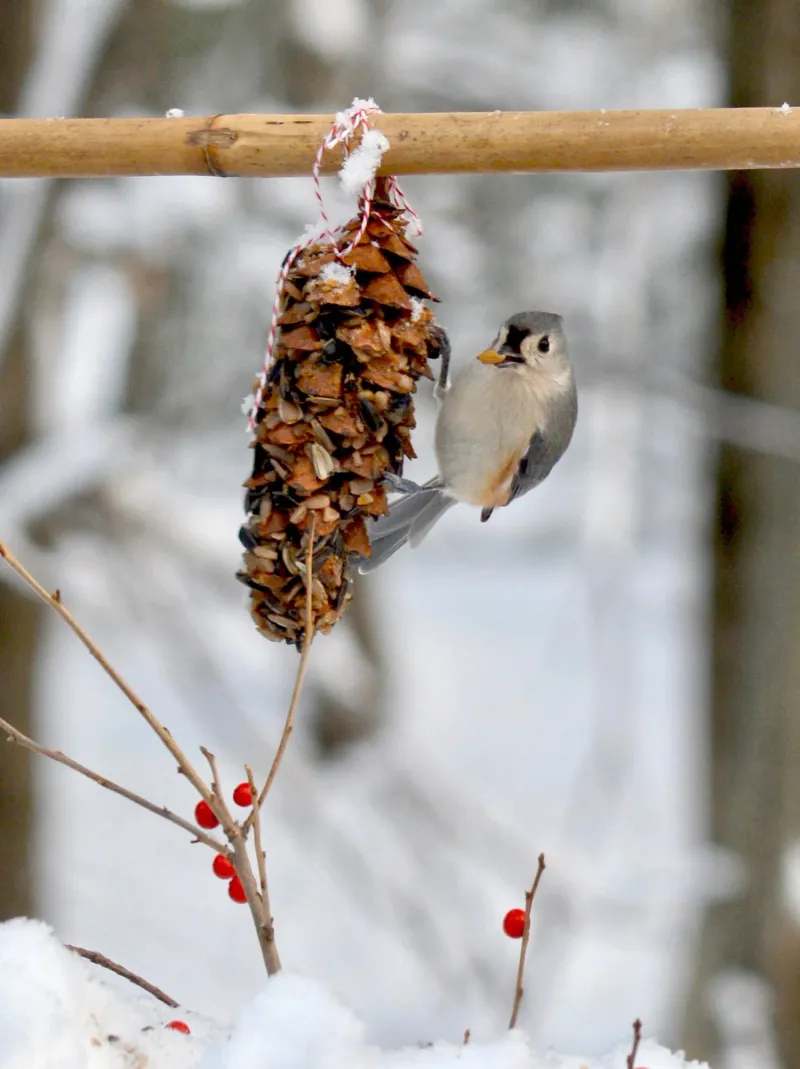
Kids and grownups alike get giddy when the first chickadee lands on a homemade feeder dangling from a branch. Coating a big ponderosa cone in seed turns a free yard scrap into a bustling bird snack bar.
Tie a string around the top, then smear the scales with vegetable shortening or plain suet. Roll it in a mix of black oil sunflower seed and millet until every crevice looks packed with goodies.
Cooler October temperatures help the coating stay firm instead of melting into a greasy puddle on hot afternoons. Lower desert gardeners should hang feeders in shade and refresh them often, since warmth spoils fats quickly.
Juncos, nuthatches, and finches often visit these feeders as fall migration brings new faces into many backyards. Many birds also snap up caterpillars and beetles, so welcoming them adds some natural pest control to your garden.
Hang feeders near a shrub where birds can dart for cover, but away from spots where cats lurk. Clean up spilled seed regularly, because scattered piles can attract rodents and other guests you would rather avoid.
6. Crushed Pine Cones For A Carbon Rich Compost Pile
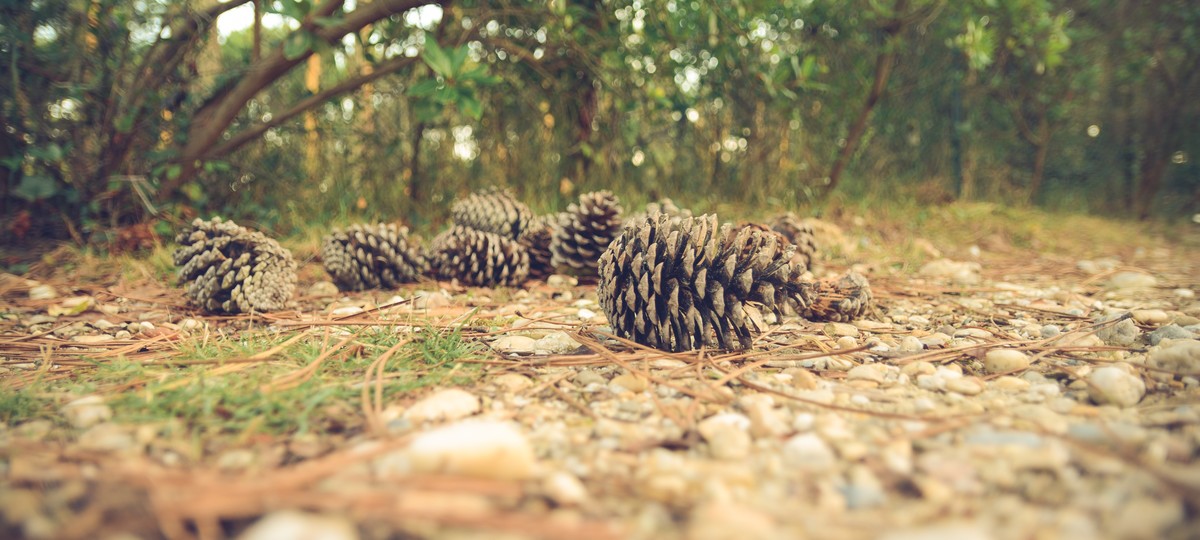
Composting in a dry climate often means juggling too many kitchen scraps and not enough crunchy brown material. Fallen cones solve that problem nicely, since they count as a carbon source in any balanced pile.
Whole cones can take years to break down because their woody scales are tough and full of resin. I like to crush them first with a lawn mower or by stomping them inside a sturdy feed sack.
Smaller pieces give microbes more surface to work on, which speeds things up noticeably in a warm pile. Mix the crushed bits with green materials like coffee grounds, vegetable peels, or fresh grass clippings.
Fall is an easy season to build a fresh pile, since leaves, cones, and garden trimmings all pile up together. Keep the heap about as damp as a wrung-out sponge, because dry piles in the desert stall quickly.
Some people worry that pine material will sour garden soil, but finished compost tends to land near neutral. Any slight acidity fades as the pile matures, so your vegetables and flowers can enjoy the results safely.
7. Rustic Pine Cone Borders Along Garden Beds
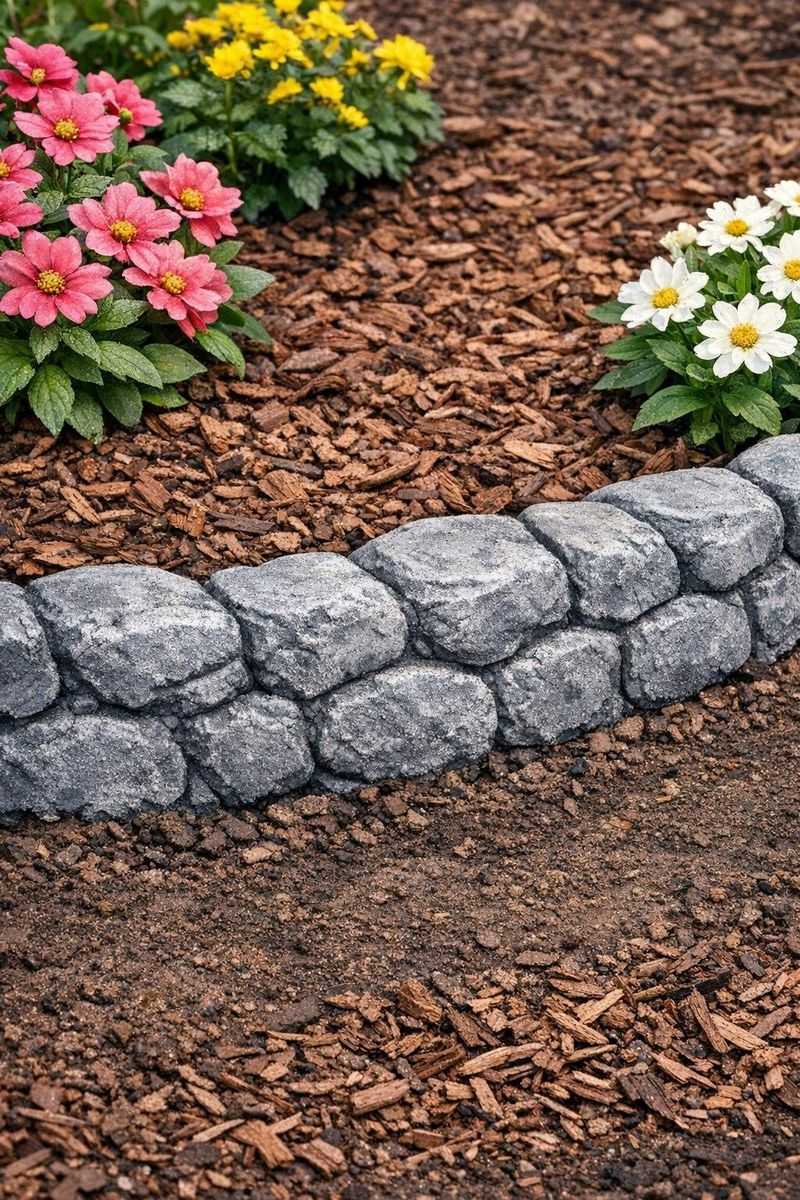
A neat row of cones lining a flower bed looks like something straight out of a mountain cabin postcard. Personally, I find this the most satisfying use, because it costs nothing and looks charming within minutes.
Press large ponderosa cones into the soil side by side, pointing upward so they stand firm along the edge. A shallow trench about two inches deep helps keep them anchored when wind or curious critters come along.
Borders like these help visitors see where paths end and planting beds begin, protecting fragile roots from stray footsteps. Kids especially seem to respect a visible edge, which saves your seedlings from accidental stomping during backyard games.
Fill informal paths between beds with crushed cones layered over a bed of compacted soil or gravel. The crunchy surface gives a woodland feel and helps soak up mud after the occasional winter rainstorm passes through.
Expect to swap out a few cones each year as sun and weather slowly bleach and soften them. Fresh replacements are easy to find in fall, especially if pines grow anywhere near your neighborhood or local park.
8. Pine Cones Slowing Runoff On Sloped Yards

Monsoon storms can carve little gullies into a sloped yard in a single afternoon, carrying topsoil straight downhill. Now that summer rains have passed, October gives you calm weather to prepare those slopes for next year.
A layer of cones mixed with shredded bark or wood chips helps break the force of falling raindrops. Water slows down as it trickles around the lumpy pieces, giving the soil more time to soak it up.
Whole cones alone tend to roll downhill, so blending them with finer mulch helps everything lock together better. On steeper banks, I tuck them behind small rocks or short wooden stakes to hold them in place.
Pair this covering with deep-rooted native plants like deer grass or apache plume for longer lasting stability. Roots do the real heavy lifting on slopes, while the woody mulch protects the surface until plants fill in.
Keep an eye on the area after the first big winter storm, adding more material wherever gaps appear. Little touch-ups now can save you from hauling soil back uphill after next summer’s heavy downpours in Arizona.
9. A Pine Cone Weather Station For Curious Kids
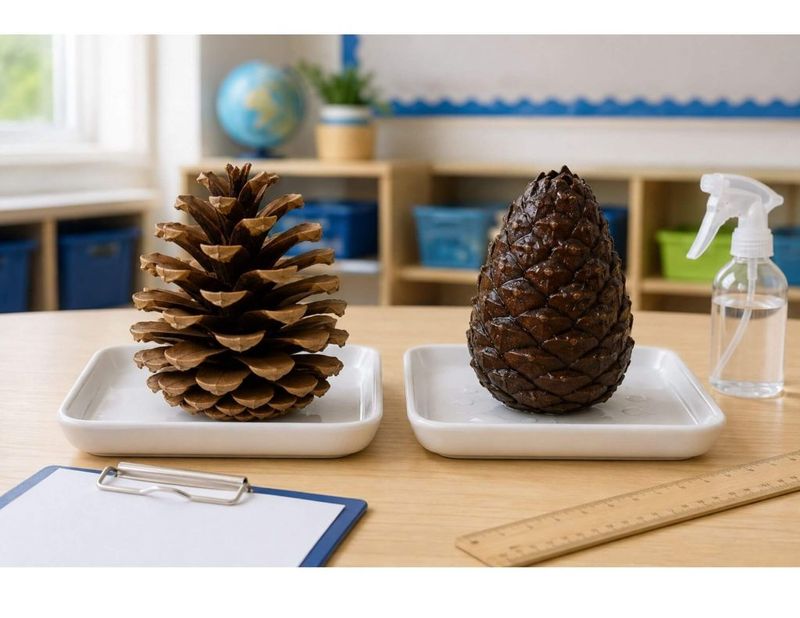
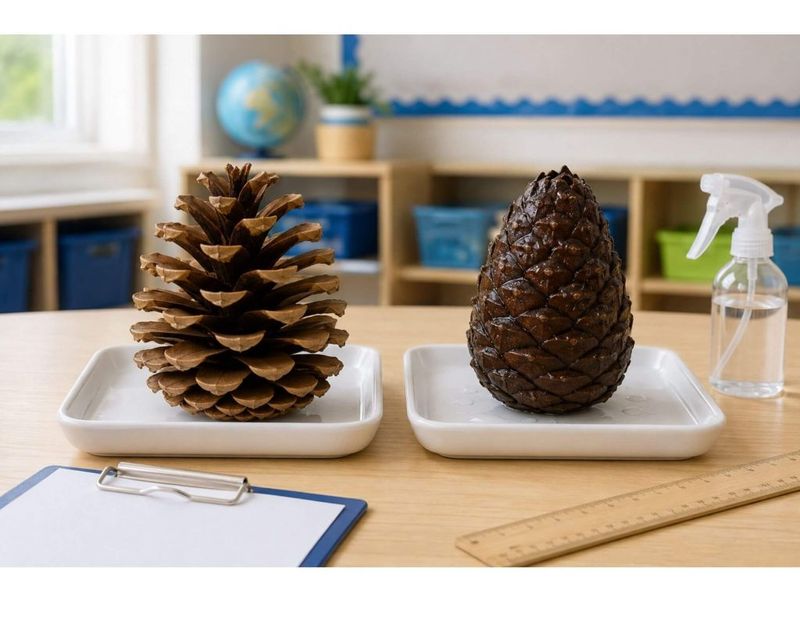
Few gardeners realize a single pine cone can act like a tiny natural humidity gauge sitting on your porch. Its scales open in dry air and slowly close again when moisture creeps in before a storm.
Scientists have studied this motion and found that the scale layers swell differently as they absorb water. Set one cone on a patio table and check it each morning to see how the air is changing.
Kids love this simple experiment, and it turns a backyard walk into a fun lesson about weather patterns. You might notice cones closing during foggy mornings or ahead of rare fall showers rolling into the region.
Arizona air is often bone dry in October, so most cones stay wide open for weeks at a time. That steady dryness makes any sudden closing feel exciting, like a small clue that rain might be coming.
Watching the cone can remind you to check soil moisture, adjust drip timers, or hold off on watering. I love how one humble cone can nudge you toward smarter, more water-wise habits throughout the cooler months.