Your Neighbor’s Yard Floods Yours Every Storm. What New York Law Says About Water Runoff
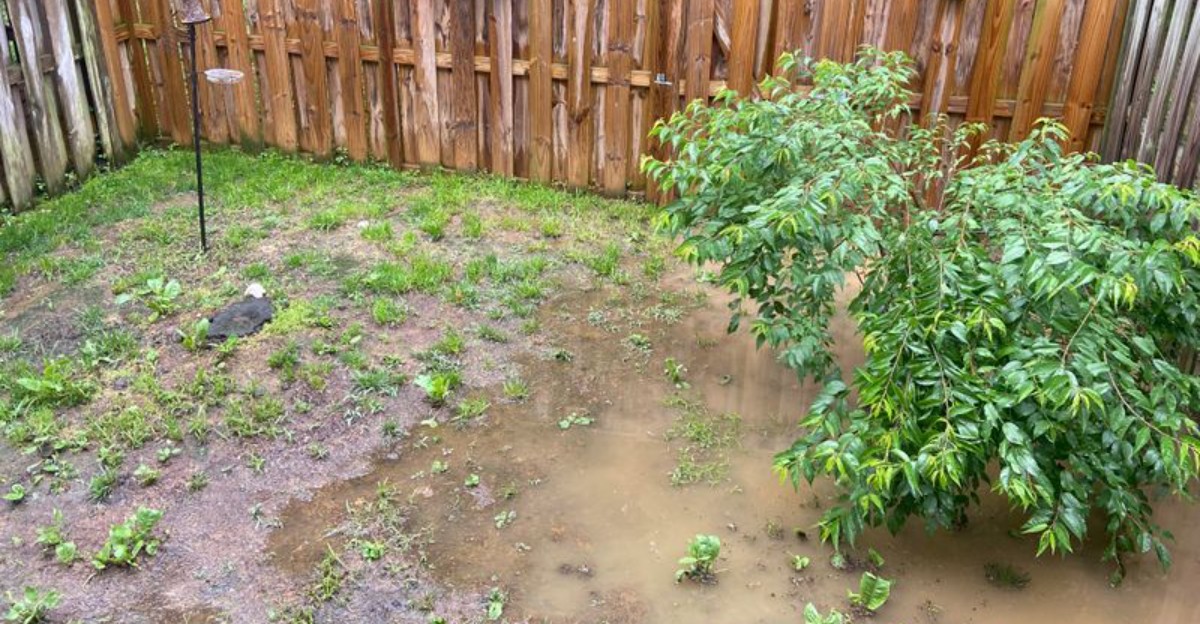
Rain falling naturally on your neighbor’s lawn can soak your tomatoes, and the law may shrug. Pipe that same rain over the fence, and the story changes fast.
In New York, courts care less about where water ends up and more about how it got there. A gutter, a fresh slope of fill dirt, or a new patio can tip the scales.
Take it from someone who once watched mulch float past the kitchen window like tiny brown rafts. Between you and me, I blamed the sky for weeks before I noticed a new downspout aimed right at my beds.
For what it’s worth, most runoff fights start with confusion, not bad intentions. Knowing the rules can turn a soggy standoff into a calm conversation.
So who really owns the problem when the puddle crosses the property line?
That Puddle Along Your Fence Line Has A Legal Backstory
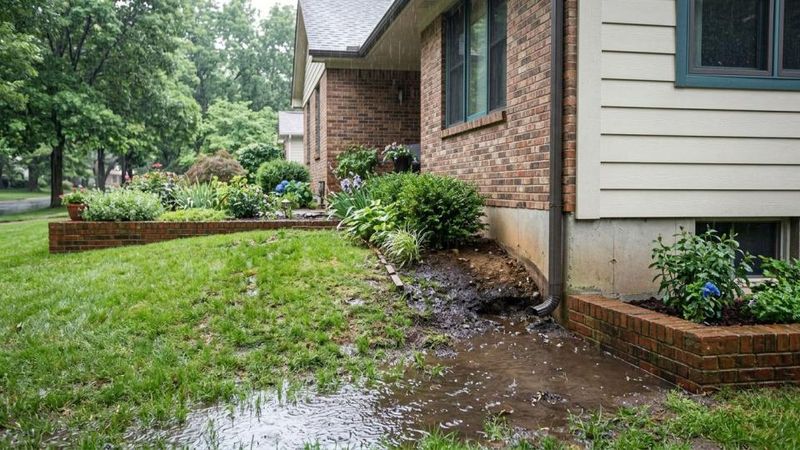
Old law books once called rainwater a common enemy. Under that idea, every landowner could fight surface water however they liked, even if it landed on the folks next door.
New York softened that harsh rule decades ago. Courts here now look mainly at whether a neighbor used pipes, ditches, or other artificial means, or acted in bad faith.
That shift matters for gardeners. It means a soggy bed is not automatically your problem alone, but it also is not automatically your neighbor’s fault.
Here’s what caught my attention when I first read about it. Natural runoff, the kind that flows downhill simply because the land slopes that way, usually creates no liability at all.
If your lot sits lower than the house next door, gravity has been sending water your way since long before either of you moved in. Courts generally treat that as part of owning a downhill property.
The legal story starts when people change things. New grading, paving, drainage pipes, or new structures can shift the flow, and that is where your rights begin to show up.
So before you march over with a soggy shoe in hand, ask one question. Did the water problem appear after something changed next door, or has it been there all along?
New York Courts Ask How Your Neighbor’s Changes Moved the Water
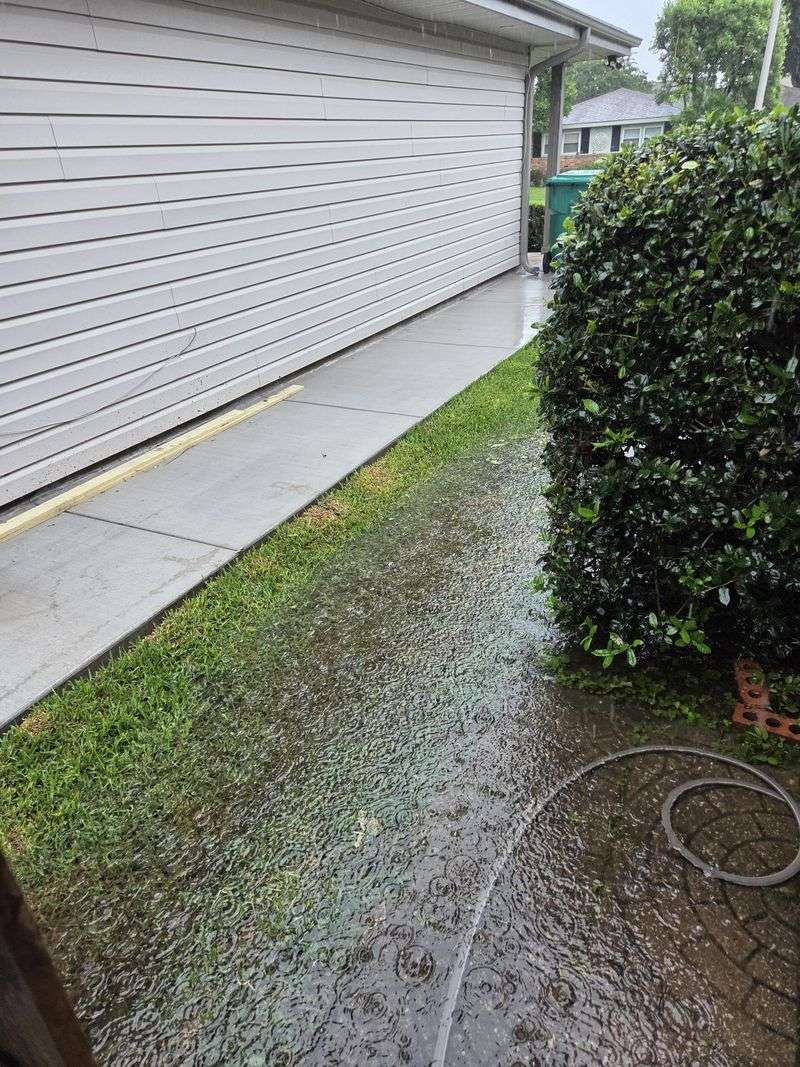
Picture a judge tracing a stream of water back to its source, and you have the right idea. The big question is how that water reached your yard.
Gravity alone rarely creates a legal problem.
In New York, a property owner may improve their land, even if drainage shifts a bit. The catch is that they cannot pipe or channel water onto neighbors, or make changes in bad faith.
Courts look closely at the path the water took. Pipes, ditches, drains, and downspouts that send water next door count as artificial means.
Judges also consider good faith. A new driveway that helps a family park safely may be treated differently than a berm built to push a known water problem into your yard.
Carelessness can matter too. If a neighbor ignored an obvious drainage problem that kept damaging your lot, that may support a negligence claim.
Funny thing is, these rules can still feel fuzzy, and they are. No single fact settles a case, and outcomes depend heavily on the details.
For gardeners, the takeaway is practical. Keep notes on when work happened next door and when your flooding started, because timing often tells the story.
Fresh Grading And New Patios Can Shift The Blame Next Door
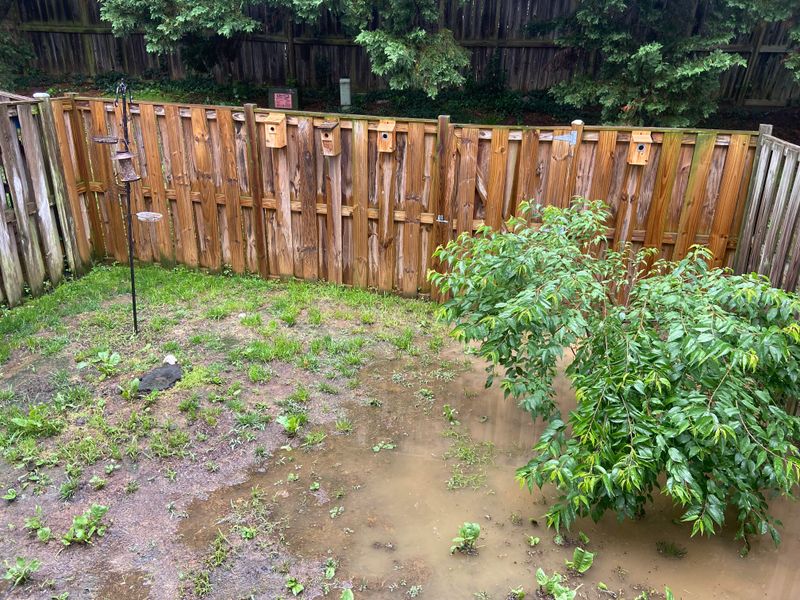
A pile of fill dirt changed everything in one Long Island backyard I heard about. The neighbor raised his lawn about a foot, and suddenly the house next door had a pond every spring.
Stories like that sit at the heart of the state’s runoff law. A neighbor generally escapes responsibility for plain rainfall or the natural shape of the land.
Things look different once someone alters the original condition of their property. New grading, landscaping, hardscaping, or drainage work can change how water moves.
New York appellate courts have said a neighbor may be liable if improvements so changed, channeled, or increased the flow of surface water onto another property that they caused damage. That wording comes up again and again in cases.
Hard surfaces deserve special attention. Patios, driveways, sheds, and additions keep rain from soaking into the ground, so more water runs off and runs off faster.
Between you and me, many homeowners have no idea their new patio might be the culprit. A polite heads-up with photos often does more than an angry letter.
Still, if the flooding clearly began after major work next door, you may have legal options. Write down the date the project ended and compare it to your first big storm afterward.
Downspouts Aimed At Your Garden Count As Artificial Means
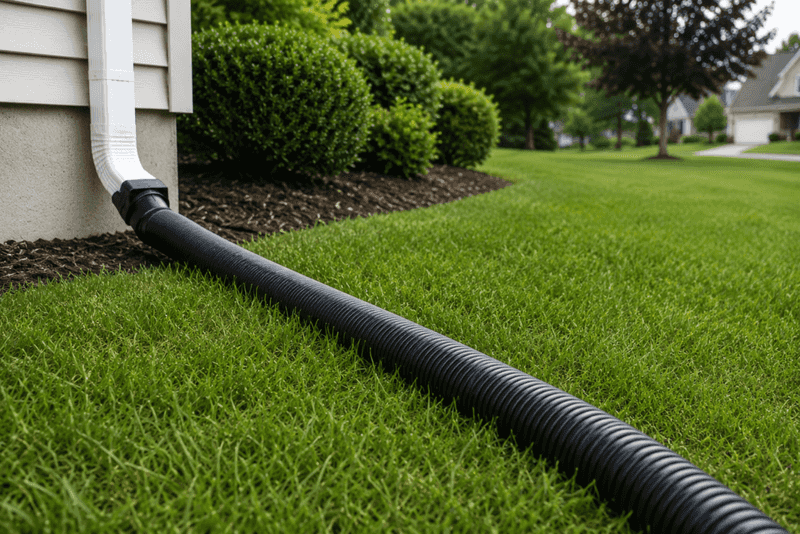
Gutters seem harmless until one drains straight into your lettuce. Courts in New York pay close attention to water moved by artificial means.
That phrase covers more than you might expect. Pipes, ditches, drain tiles, sump pump discharge lines, and downspout extensions all qualify when they channel water onto your land.
The idea is simple enough for any gardener to grasp. Rain trickling downhill on its own is nature, but rain collected and aimed somewhere is a human choice.
Bad faith adds another layer. If a neighbor makes changes mainly to dump a known drainage problem on you, rather than to genuinely improve their place, courts may hold them responsible.
Let’s just say intent can be hard to prove. Most people install drains to protect their own basement, not to harass the folks next door.
Look for clues you can see during a storm. Follow the water back to its source and note whether it starts at a pipe, a gutter, or a trench.
Snap a short video showing the flow crossing the line. Clear footage of a downspout pointed at your yard is often more convincing than any long explanation you could write later.
Clogged Gutters And Broken Drains Can Add Up To Negligence
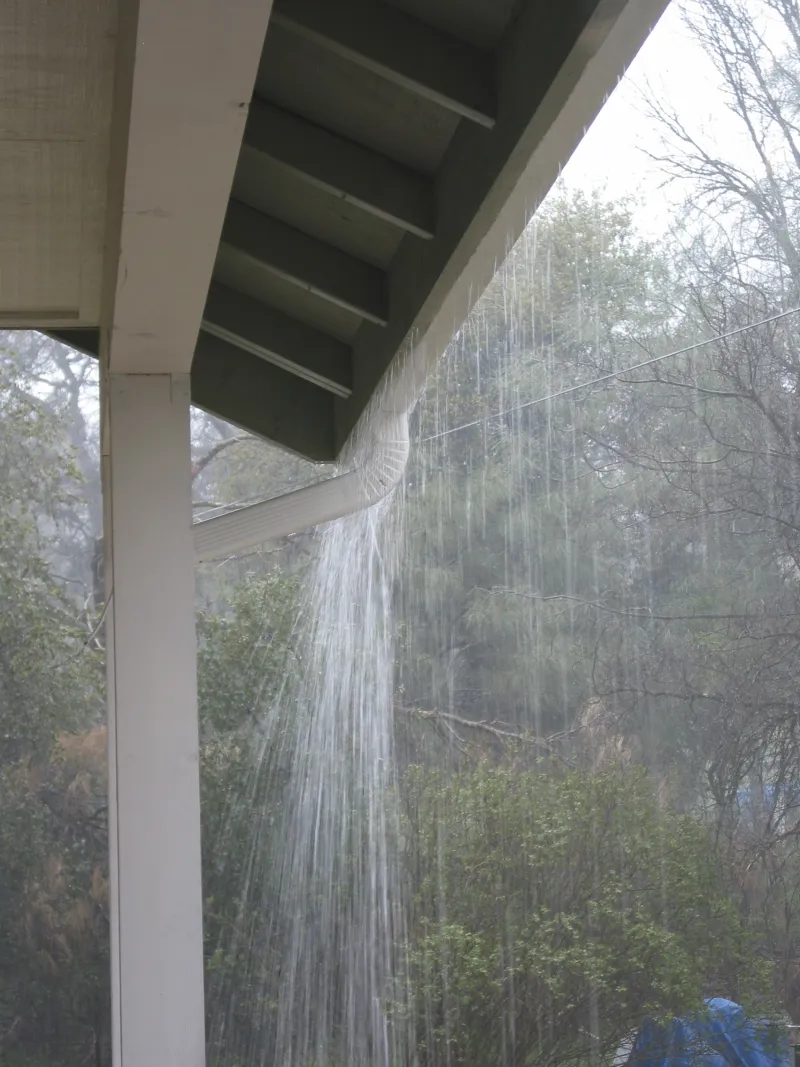
Leaves pile up fast in October. A gutter packed with maple leaves can spill sheets of water exactly where nobody wants it.
Neglect like that may fall under negligence. In legal terms, negligence happens when someone fails to use reasonable care and that failure causes real harm to another person or property.
Drainage cases can involve negligence even without a big construction project. A broken drain line, a cracked retaining wall, or a sump pump hose left aimed at a fence could all play a role.
The key words are reasonable care and substantial harm. A few extra puddles after a record storm rarely meet that bar.
Repeated damage after your neighbor knew about a problem is another matter. If you mentioned a failing drain in writing and nothing changed, that history can matter later.
In my own yard, I learned to check my side of the fence first. My own clogged gutter was adding to the mess, and fixing it cut my puddles in half.
So clean your gutters in late fall and again in spring. Then you can talk with your neighbor knowing your house is not part of the problem.
A Rain Garden On Your Side Might Solve More Than A Lawsuit
Talking beats suing almost every time. A friendly chat over the fence, maybe with photos from the last storm, often fixes more than a lawyer’s letter ever could.
Many neighbors will happily extend a downspout or add a splash block once they see the damage. Keep the tone calm and focused on the water, not on blame.
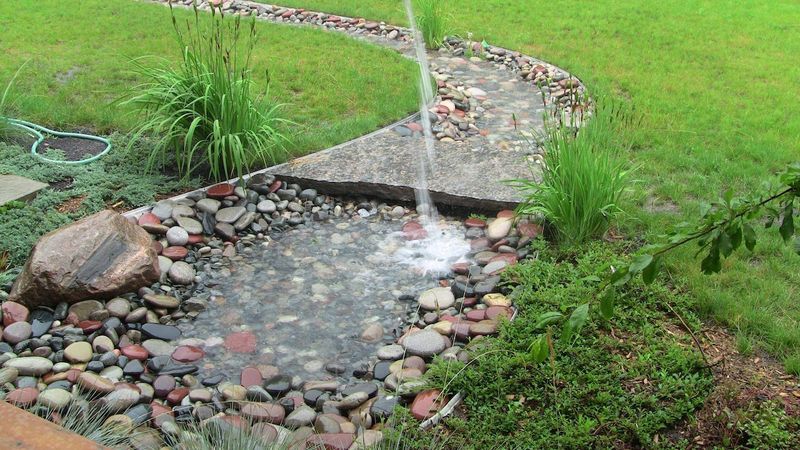
Meanwhile, you can manage water on your own lot. A rain garden is a shallow, planted basin that catches runoff and lets it soak slowly into the soil.
Native plants that handle wet feet work well in New York. Try blue flag iris, swamp milkweed, switchgrass, or red osier dogwood, all of which tolerate soggy spells.
French drains, dry wells, and swales can help too. The DEC and county soil and water conservation districts offer free guides on sizing them correctly.
Don’t make my mistake of building a berm that blocks water. Pushing runoff back onto a neighbor or onto another lot can make you the one causing harm.
A drainage contractor or landscape pro can design a system that sends water to a safe spot. That investment protects your beds and keeps you on solid legal ground.
Town Stormwater Rules And NYC Sewer Codes Add Another Layer
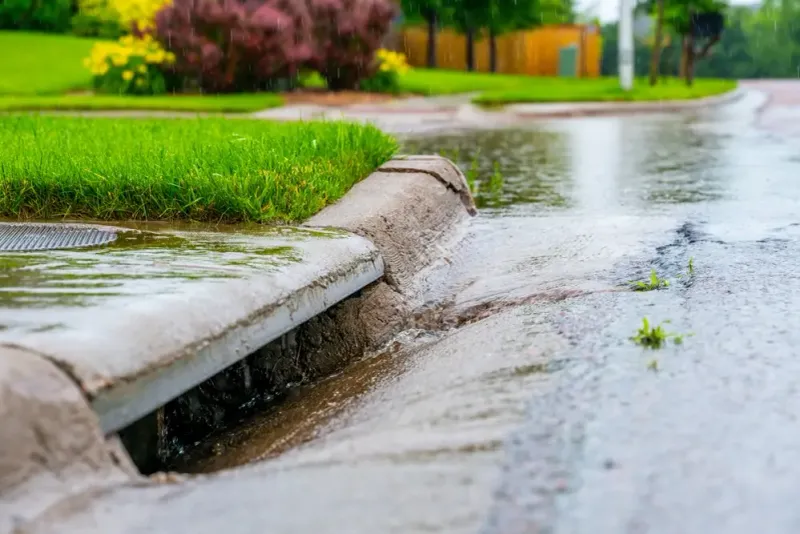
Court cases are only part of the picture. New York also has state and local rules that shape how water leaves a property.
The New York State Department of Environmental Conservation runs a stormwater permit program. Construction projects that disturb one acre or more of land generally need coverage under that permit, along with a plan to control runoff and erosion.
Most backyard projects fall well below an acre. Even so, your town, village, or city may have its own grading permits, drainage rules, or limits on paving.
New York City has extra wrinkles. Plumbing and sewer rules there restrict how roof drains connect, and illegal connections to the sanitary sewer can contribute to backups during heavy rain.
For what it’s worth, a quick call to your building department can be eye-opening. Ask whether a permit was filed for your neighbor’s regrading or addition, since permit records are often public.
If work happened without the right approvals, local code enforcement may step in. That route can be faster and cheaper than going to court.
Municipal rules vary a lot from Buffalo to the Hudson Valley to Long Island. Check your own local code before assuming anything.
Photos Of Flooded Flower Beds Make Your Strongest Next Step
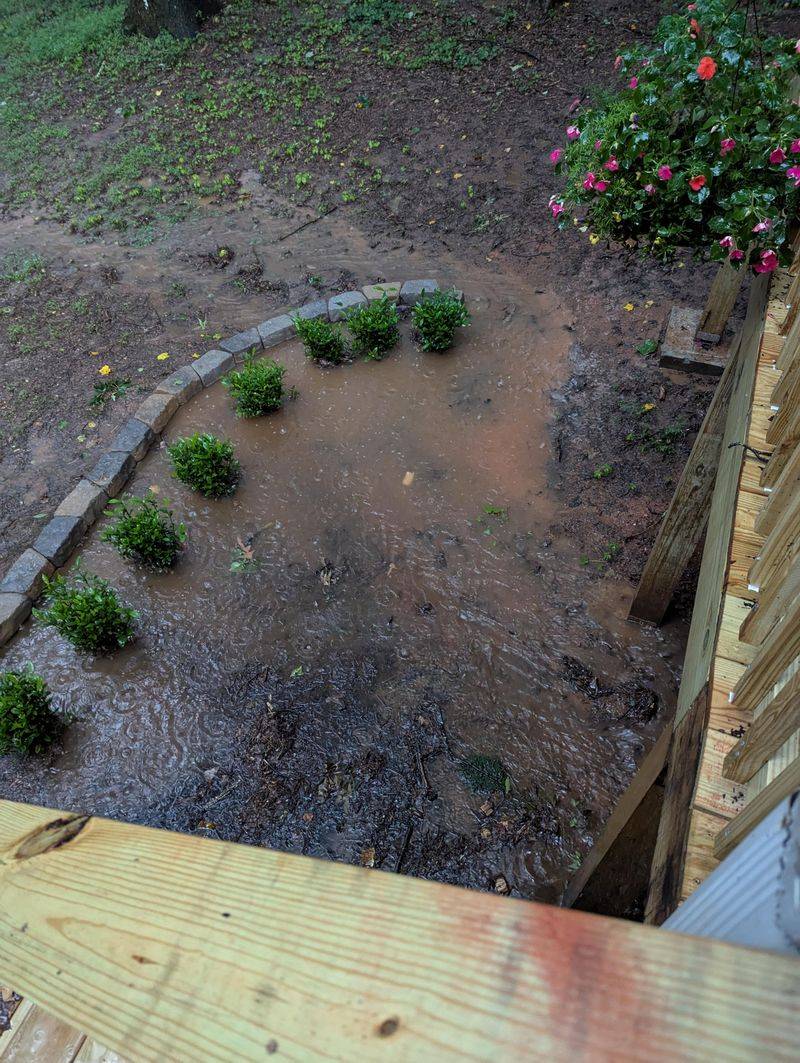
Good records turn a frustrating story into a clear case. Start a simple runoff journal on your phone today.
After each storm, take dated photos and short videos showing where the water comes from and where it pools. Note rainfall totals from a local weather station if you can.
Save receipts for anything you replace. Drowned perennials, rotted fence posts, ruined mulch, and basement cleanup all count as damage worth tracking.
Write down every conversation with your neighbor, even the friendly ones. If you send a request, put it in a polite email or letter so there is a record.
If talks stall, mediation is worth a look. The state has Community Dispute Resolution Centers in every county, offering low-cost help for neighbor conflicts.
Looking back, I should have started documenting sooner. Memories blur fast, but timestamped photos hold up well.
When damage is serious or ongoing, consult a real estate attorney. Time limits apply to property damage claims, so waiting too long could cost you options.
Meanwhile, keep improving drainage on your own side. A healthy garden, a calm neighbor, and a solid paper trail make a far better outcome than a soggy grudge.