7 Places Bats Spend the Winter Around Arizona Homes
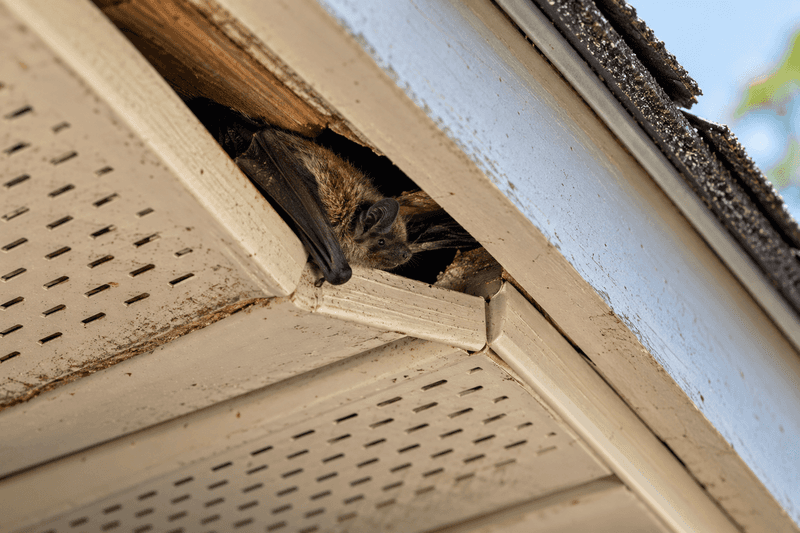
A bat can squeeze through a gap barely wider than a pencil eraser, then vanish into your house for months. I found that detail hard to believe until I read it from wildlife experts.
Arizona hosts 28 bat species, and many fly south once the warm nights fade each fall. Others stay put, tucking themselves into quiet nooks that rarely drop below freezing.
I love how these tiny night flyers spend summer gobbling mosquitoes and moths over our gardens and patios. You might notice fewer evening flights by October, yet some neighbors are simply settling in close by.
Where do they actually go when Arizona nights turn chilly and the insects thin out? You’re in for a surprise, because several favorite hideouts sit just a few feet above your head.
1. Quiet Attic Corners Above Your Ceiling
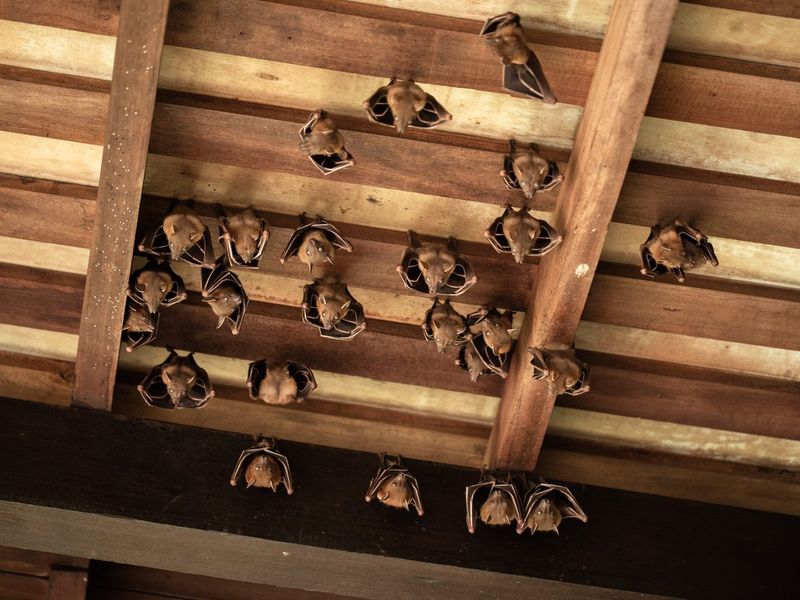
Big brown bats are tough little customers that handle cold snaps better than most of their relatives. Attics suit them nicely because these spaces stay sheltered, undisturbed, and usually above freezing through winter.
Little brown bats also use attics in some regions, though big browns are the attic regulars most homeowners meet. You rarely hear them, since hibernating bats stay quiet and tuck themselves deep into corners.
Personally, I find it charming that a summer mosquito hunter may be napping right above my kitchen. Still, you need to handle that houseguest wisely, because winter is the wrong season for evictions.
Wildlife experts advise against sealing bats inside or disturbing them while they rest through the colder months. Trapped bats can struggle badly, so plan exclusion work with a licensed professional at the right time.
October makes a smart month for a careful, quiet look with a flashlight from the attic hatch. Look for small dark droppings that crumble easily, a common sign that bats have moved in nearby.
2. Snug Wall Voids Inside The House
When a cold front rolls through, attic bats sometimes shuffle deeper into the walls for extra warmth. I think of it as the bat version of pulling a heavy blanket over your head on frosty mornings.
Wall voids trap heat from the living space, which makes them cozy pockets during chilly desert nights. Big brown bats use these hidden cavities often, especially in older homes with gaps near the roofline.
You might hear faint scratching or soft squeaks inside a wall during a mild winter afternoon. Hibernating bats sometimes wake briefly on warmer days to move around or search for a sip of water.
Please resist the urge to spray foam into every crack you discover while bats are tucked inside. Sealing occupied spaces can leave bats stranded, and some may wander indoors looking for a way out.
A better plan involves marking suspected entry points with tape and noting them in a simple notebook. Those notes help a wildlife professional design proper one-way exclusion devices when the timing is right.
3. Shady Eaves And Roofline Overhangs
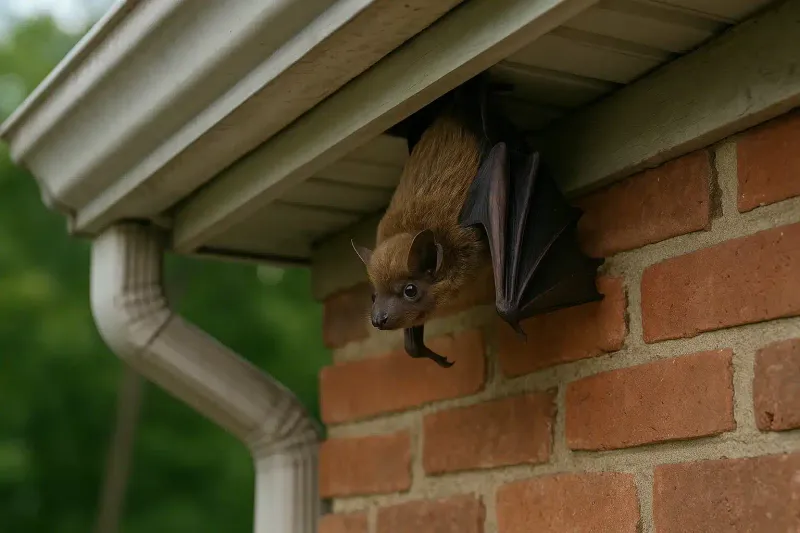
Roof overhangs work like little front porches for bats, offering shade, shelter, and a quick escape route. Southwestern homes with deep eaves give bats protected spots that block wind and sunshine.
Patio awnings and porch covers attract bats for similar reasons, especially where rafters create narrow shadowy pockets. I like how a dusky patio light can reveal a bat swooping toward the eaves after hunting.
These overhangs also act as doorways, since gaps there often lead into attics and larger structural spaces. A bat resting under the eave tonight might slip inside a bigger void by next week.
You can check for staining near the roofline, because bats leave dark smudges from oils on their fur. Droppings scattered on the patio below make another handy clue worth noticing during your October tidying.
Leave those resting spots alone for now and enjoy the free pest patrol they provided all summer. A family of bats can munch through huge numbers of night flying insects buzzing around your yard.
4. Gaps In Soffits And Aging Fascia Boards
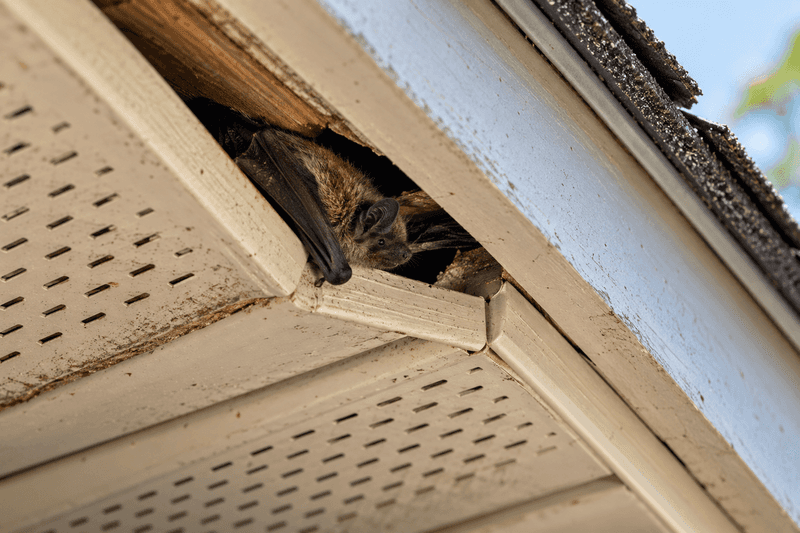
Desert sun bakes wood fascia boards year after year until seams warp and small gaps open up. Bats notice those cracks quickly, because they need only an opening around half an inch wide.
Some species can slip through even tinier gaps, which surprises nearly every homeowner I talk with about this. Soffits rank among the more common winter spots for big brown bats seeking a protected place.
What surprises me most is how ordinary these openings look from the driveway or garden path below. A gap the width of a finger rarely seems important until you watch a bat disappear inside.
October is a fine time for a slow walk around the house with binoculars and a coffee. Scan soffit corners, vent screens, and loose trim where the roofline meets the walls of your home.
Write down what you find, but save repairs for the proper exclusion window recommended by wildlife experts. Arizona Game and Fish offers guidance, and a qualified professional can confirm whether bats are currently home.
5. Openings Around Chimneys And Gable Vents
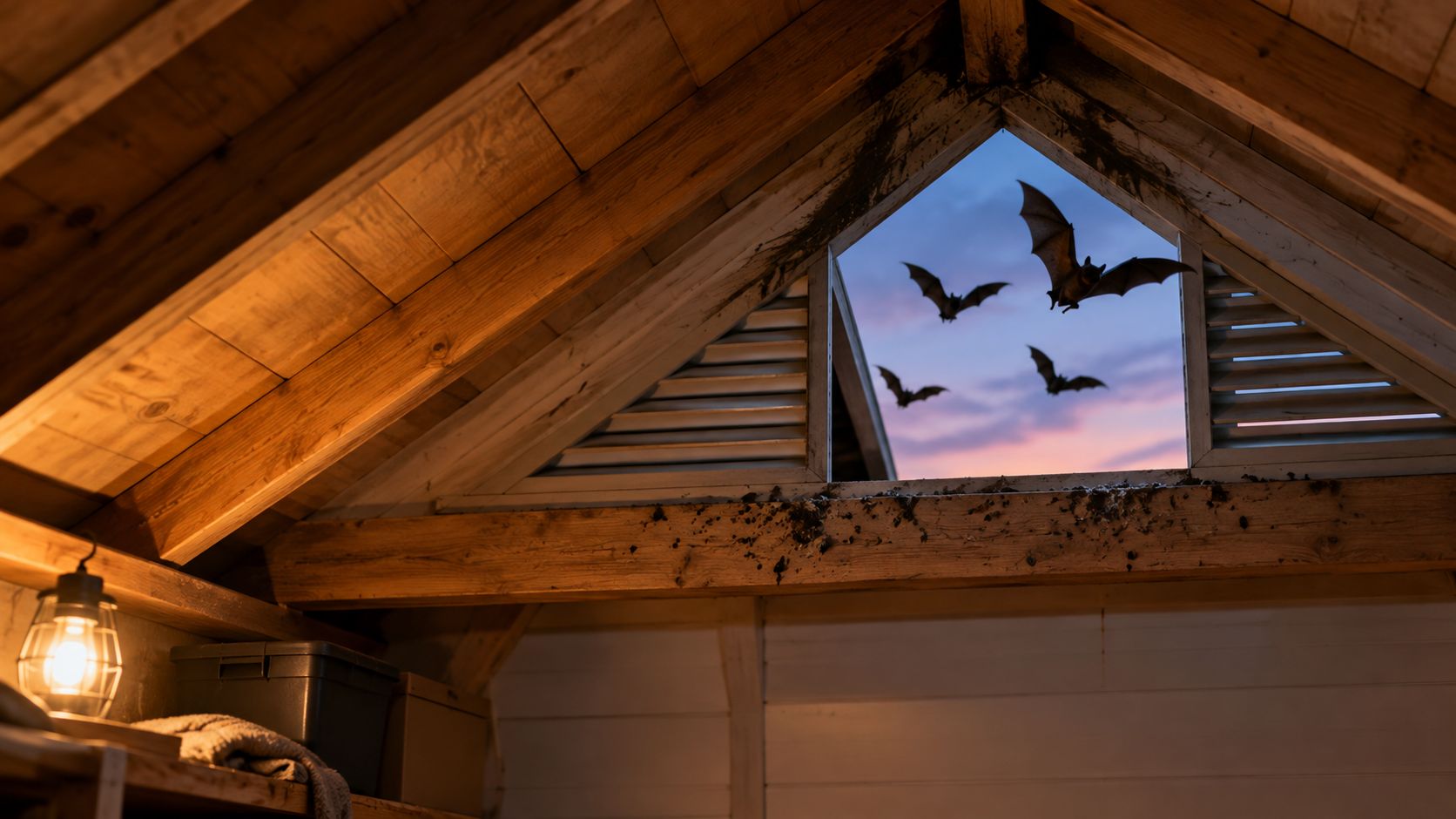
Chimneys feel like an odd bat hangout, yet the seams where brick meets roof can create tidy entrances. Gable vents with torn screens offer bats an equally welcoming doorway into the attic beyond.
I have to admit that gable vents surprised me, since they seem designed only for airflow. Bats see things differently and will happily use any small, sheltered opening leading toward a calm interior.
Once inside, they settle into warm spots near the chimney or deep within insulation and rafters. Those protected corners can make solid places for resting through the cooler months in many parts of the state.
You should check vent screens for holes and look closely where flashing has pulled away from chimneys. A good roofer can repair these spots later, ideally alongside exclusion devices that let bats leave safely.
Please skip lighting the first fall fire before checking whether anything has moved into the flue. A chimney cap installed after bats depart helps keep wildlife from making that cozy column a winter retreat.
6. Narrow Crevices Behind Loose Siding
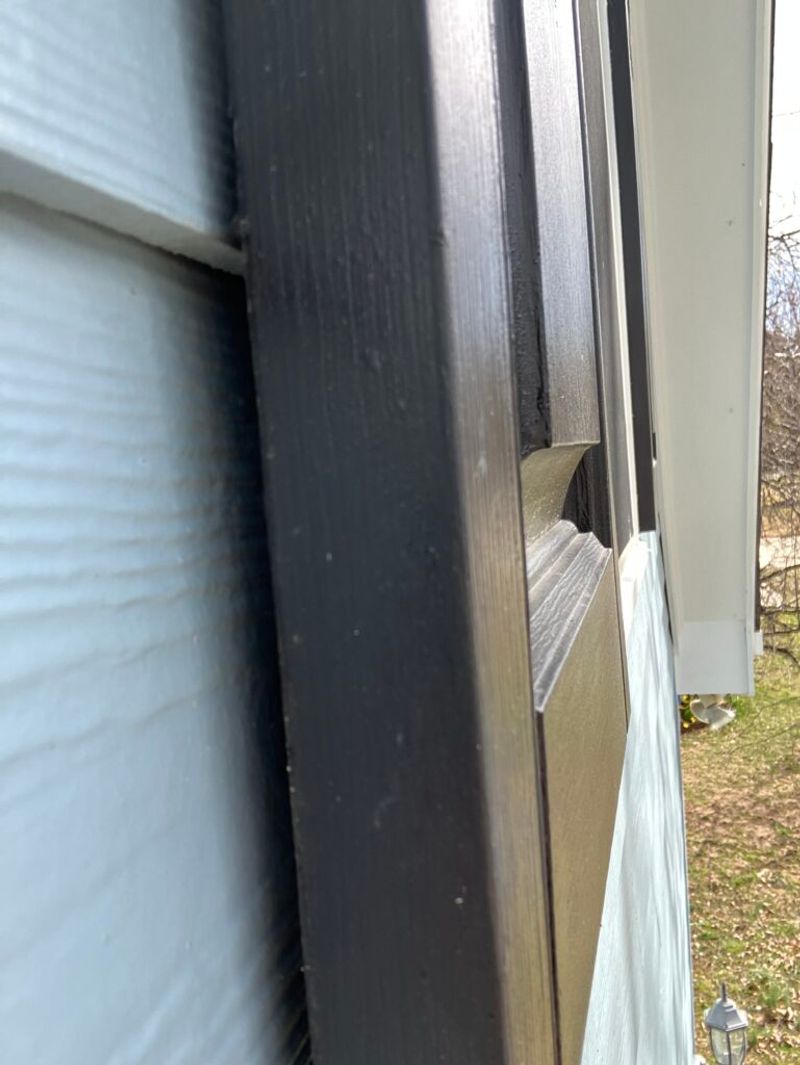
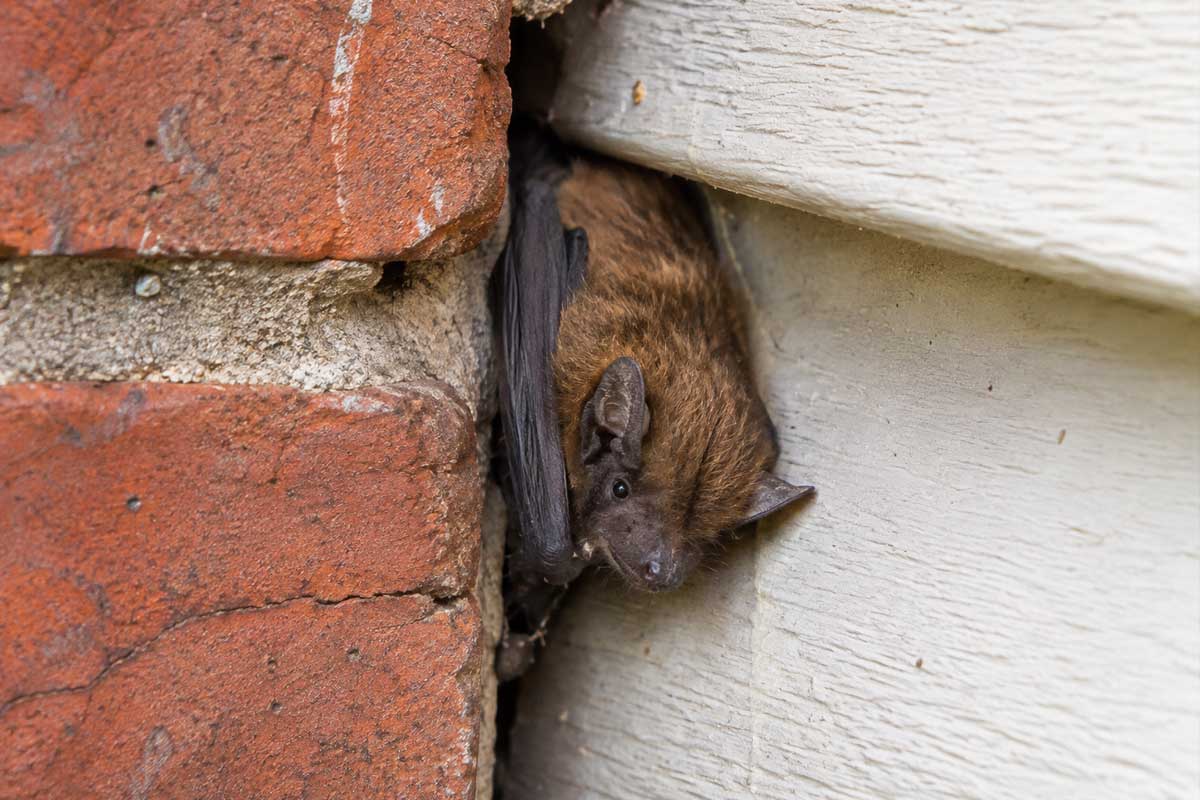
Peeling siding might annoy you, but bats see those narrow crevices as a snug sleeping bag. Tight spaces press against their bodies, which helps them feel secure while they rest through cool days.
Bats often favor slender gaps rather than wide open rooms, so a lifted board works surprisingly well. Species like the hoary bat have been noted roosting in similar tight spots on buildings.
You might notice a tiny face peeking out from behind a warped board on a sunny afternoon. I love those moments because they remind me how much wildlife shares our yards without fanfare.
Loose siding on sheds, garages, and older homes deserves a quick inspection during your fall yard chores. Keep a respectful distance and wear gloves if you need to move anything nearby, since bats should not be handled.
Any bat found on the ground or acting strangely calls for help from local wildlife authorities instead. Bats can carry rabies, so leave contact to trained people and keep curious pets well away.
7. Sturdy Bat Houses Mounted In The Yard
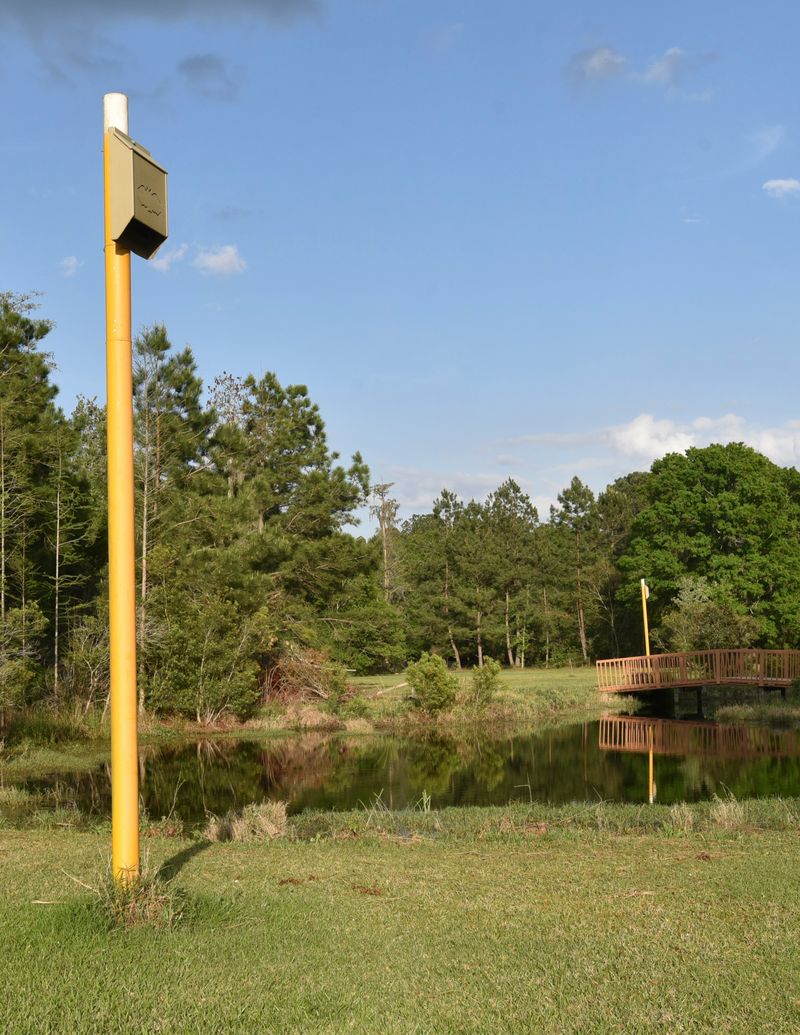
A well-built bat house gives your flying mosquito patrol a home that does not involve your attic. In milder desert regions, these wooden boxes may stay in use well past the summer season.
Big brown bats are among the likelier species to overwinter in bat houses, especially near the southern edge of their range. That makes warmer low desert neighborhoods promising spots for trying one in your own garden.
Size matters here, and experts suggest houses at least three feet tall for steady temperatures inside. Mounting them on a building or sturdy pole works better than hanging boxes from swaying tree branches.
Personally, I think a bat house pairs beautifully with native plants that draw night flying insects at dusk. Desert willow and evening primrose bring moths, which give hungry bats a reason to visit your yard.
October is a great planning month, since installation now gives bats time to discover the box by spring. Be patient, because bats can take a season or longer before moving into a brand new shelter.