7 Holiday Bulbs Virginians Can Plant Now to Bloom by Christmas
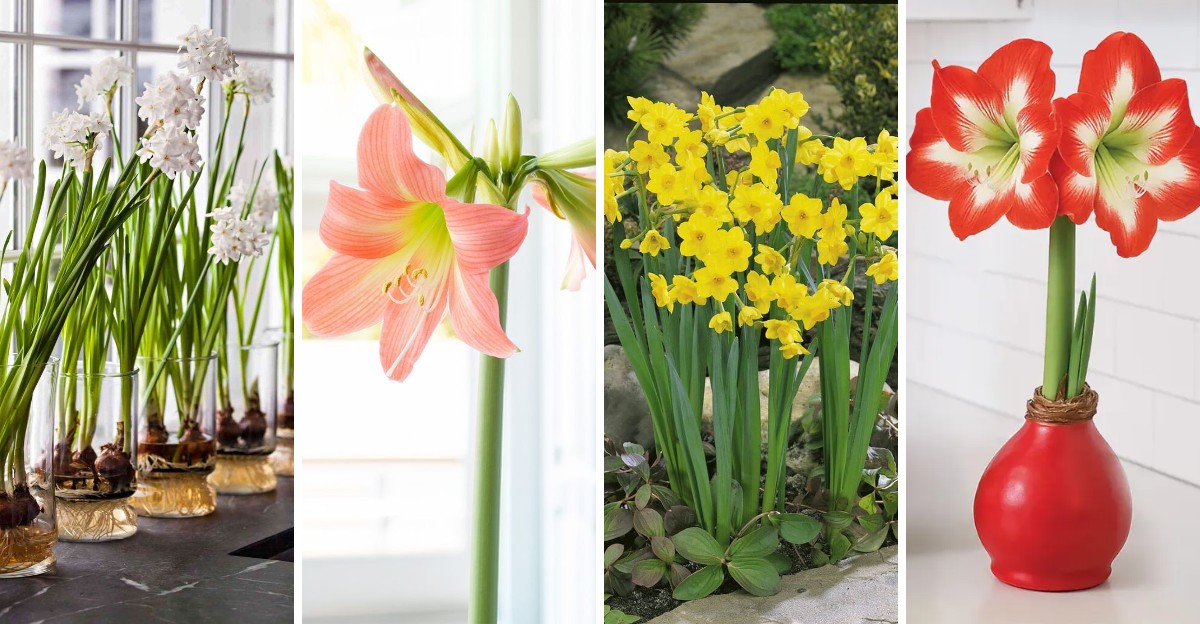
A plain brown bulb on a windowsill can push up a flower stalk two feet tall in about six weeks. That speed matters when Christmas is your deadline and the calendar keeps flipping pages faster than you expected.
Most spring bulbs need ten weeks or more of cold storage before they will bloom indoors. A few tropical and Mediterranean types skip that chilly nap and race straight toward flowers instead.
Take it from someone who once planted tulips in December and got nothing but leaves by Valentine’s Day. Here in Virginia our mild autumns tempt us into waiting a little too long for holiday projects.
For what it’s worth, a few smart picks can still deliver flowers before anyone unwraps a single present. So which sunny Virginia windowsill in your home is ready for a fast and fragrant holiday surprise?
1. Amaryllis
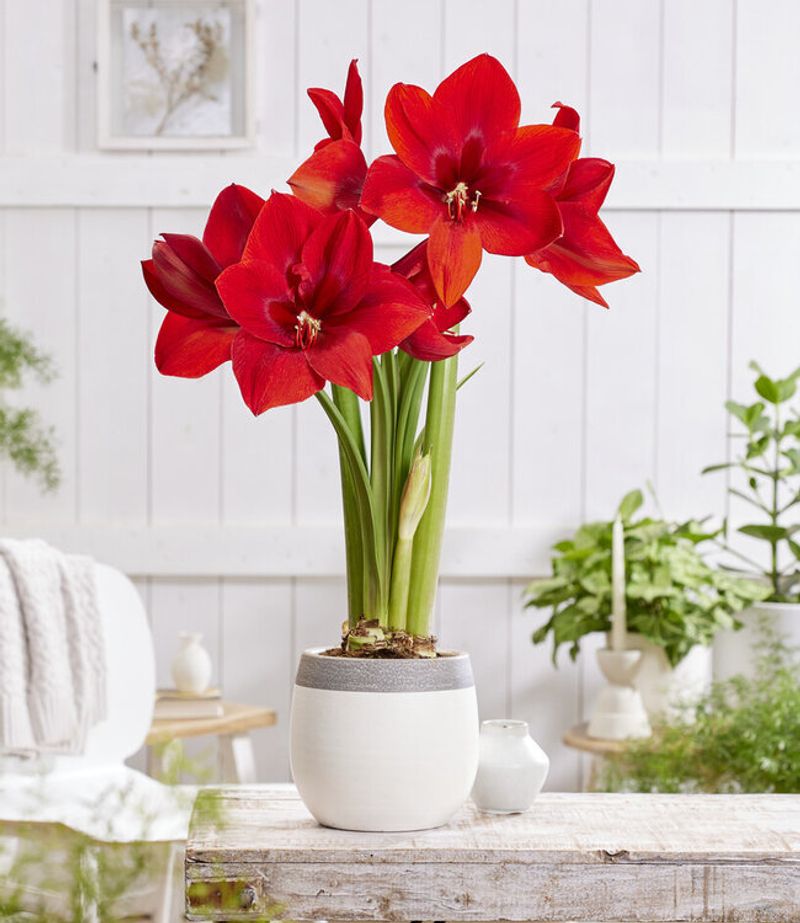
Few things beat watching a fat green bud split open into flowers the size of your outstretched hand. Amaryllis, sold as Hippeastrum, earns its spot as the reliable star of nearly every holiday windowsill I know.
Virginia Cooperative Extension notes these bulbs can bloom in about four to six weeks after potting. Some take closer to ten weeks, so planting soon gives you the best shot at Christmas color.
Pick a pot only one or two inches wider than the bulb, and make sure it drains well. Set the bulb so the top third sits above the soil, then press the mix firmly around it.
Warmth wakes the bulb up, so aim for a spot between 68 and 75 degrees while it sprouts. Water lightly at first, then give more once the flower stalk starts climbing toward the light.
In my own kitchen, stalks leaned like tired commuters until I started giving the pot a quarter turn daily. Bright, filtered light plus that simple turning habit keeps the stems standing straight and proud.
Once the flowers open, move the plant somewhere cooler, around 59 to 65 degrees, and out of harsh sun. That small change can stretch the show for several extra weeks through the New Year.
Colors range from deep red and soft pink to snowy white and striped bicolors. Keep curious cats and dogs away, since amaryllis bulbs and leaves can upset their stomachs if chewed.
2. Paperwhite Narcissus
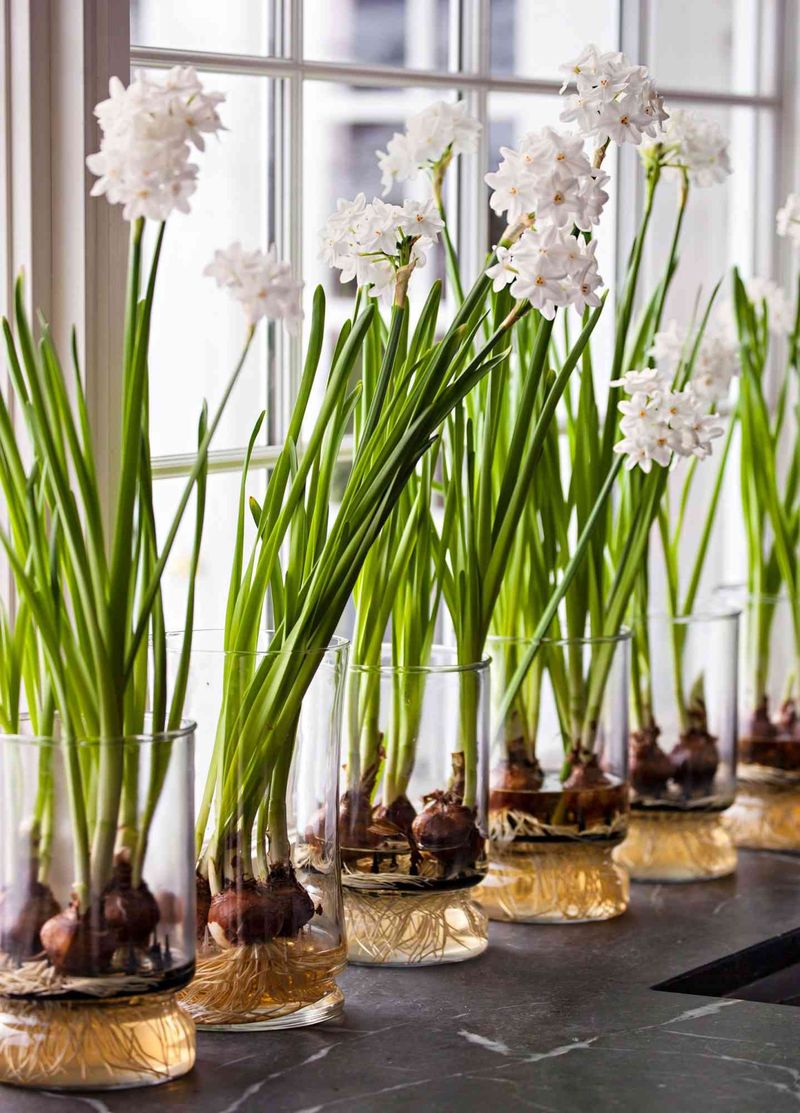
Walk into a room with blooming paperwhites and your nose finds them before your eyes do. Their sweet, musky scent fills a whole house, and some folks adore it while others crack a window.
Narcissus papyraceus comes from the Mediterranean, so it skips the long cold treatment most daffodils demand. Planted now, these bulbs typically flower in about three to six weeks, which lines up nicely with Christmas.
Let’s just say paperwhites are the easiest bulb I have ever grown, no soil required at all. Fill a shallow bowl with pebbles, nestle the bulbs in snugly, and keep their pointed tips facing up.
Add water only to the base of the bulbs so the roots can reach it without the bulbs sitting soaked. Standing water around the bulb itself often leads to rot, so check the level every couple of days.
A cool, bright room keeps growth steady and stems a bit sturdier than a warm, dim corner. Tall stalks tend to flop, so tuck a few twigs or thin stakes around them with soft twine.
Don’t make my mistake of planting every bulb on the same weekend and getting one short burst of flowers. Start a new bowl every two weeks through early December for blooms that roll on past the holidays.
Paperwhites spend so much energy indoors that most gardeners compost them afterward rather than saving them. Keep the bowls away from pets, since narcissus bulbs can cause tummy trouble.
3. Grand Soleil D’Or Narcissus
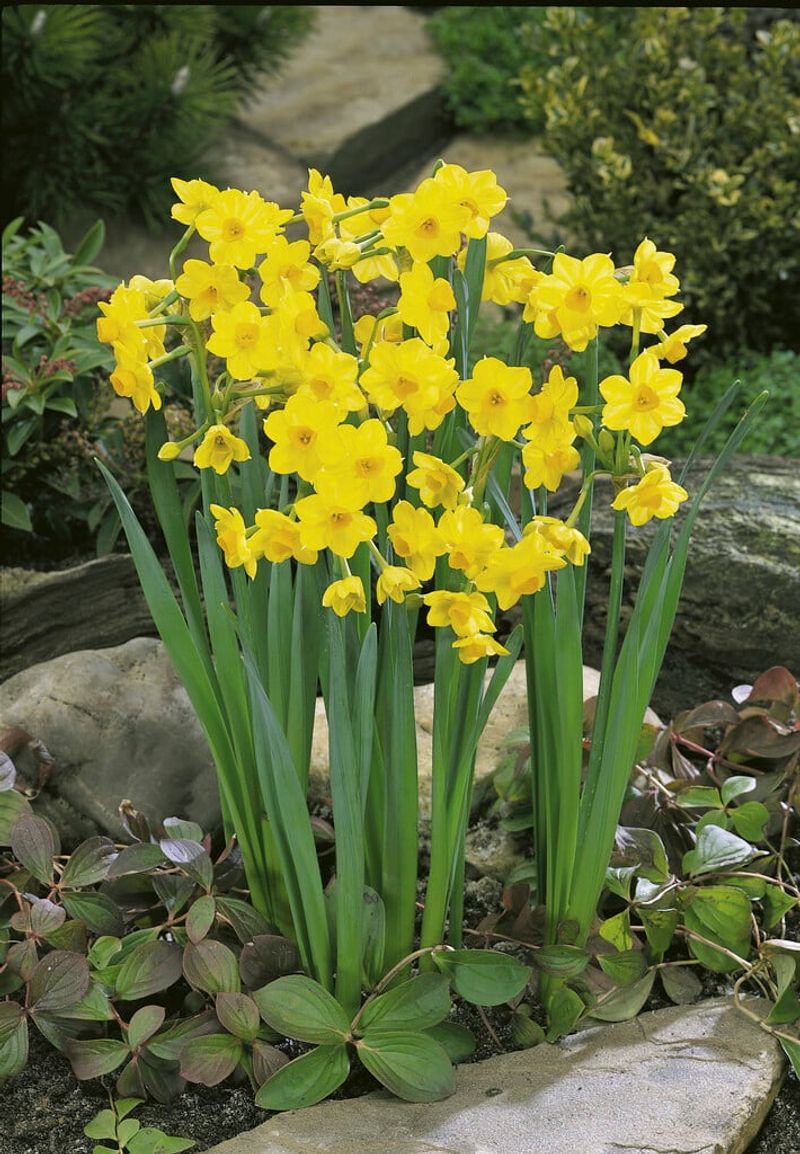
Golden petals wrapped around tiny orange cups make Grand Soleil d’Or look like a bouquet of little suns. The name means great golden sun in French, and the flowers live up to it in a dim December house.
Botanically, this one is a tazetta narcissus, a close cousin of paperwhites with the same easy habit. It needs no chilling period, so you can pot it today and let warmth do the work.
Between you and me, it runs a little slower than paperwhites, often needing around six to eight weeks. Planted right away, you may see flowers by Christmas, though New Year blooms are a real possibility too.
Grow it the same way as paperwhites, in pebbles and water or in a light potting mix that drains well. Keep the water line just below the bulb bottoms so the roots drink while the bulbs stay dry.
Many growers find the fragrance softer and sweeter than the paperwhite perfume that some people find overpowering. If your family wrinkles their noses at paperwhites, this golden option might win everyone over at the dinner table.
Bright light helps keep the stems from stretching, and a cool room around 60 degrees works nicely. Stake taller stems early, since a full head of flowers can tip them over without warning.
Bulbs can be harder to find than paperwhites, so shop specialty bulb sellers soon. Once they bloom, enjoy them inside, then compost the bulbs rather than planting them outdoors in colder zones.
4. Chinese Sacred Lily
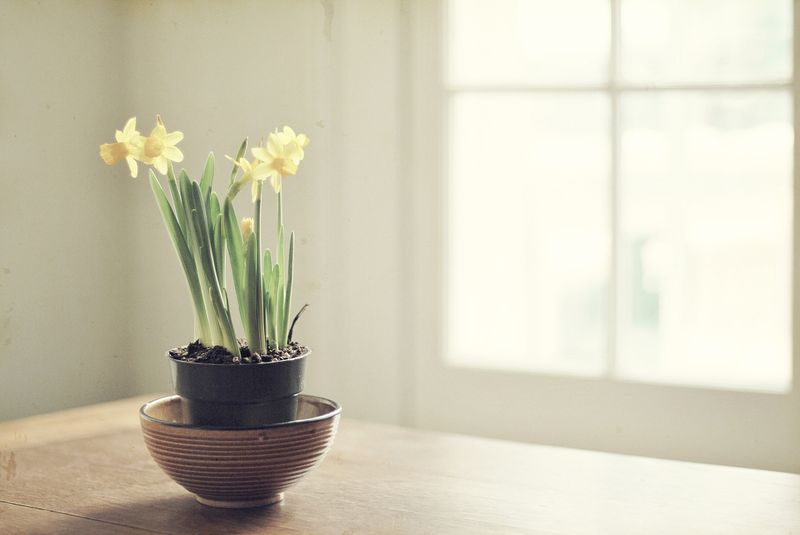
Families in southern China have grown these fragrant narcissus for centuries to welcome good luck at the Lunar New Year. Growers there even carve the bulbs into curly shapes, a craft that turns a simple bulb into living art.
Despite the name, the Chinese sacred lily is a narcissus, usually listed as Narcissus tazetta var. chinensis. Its white petals surround cheerful yellow cups, and each fat bulb often sends up several flower stalks at once.
Like its paperwhite cousins, it skips the cold treatment and grows happily in a dish of water and stones. Most bulbs bloom in about four to six weeks, so planting this week gives you a fair Christmas chance.
Funny thing is, the bulbs look almost too big at first, often lumpy with small side bulbs attached. Leave those offsets in place, since they can add extra flowers and make the arrangement look fuller.
Change the water every few days to keep it fresh and free of cloudy film. A bright spot with cool nights helps stems stay shorter, which matters with a top-heavy bulb in a shallow dish.
Look for bulbs at Asian grocery stores and garden shops, especially in late fall and early winter. Choose firm, heavy bulbs without soft spots, mold, or papery skins that peel away from a mushy center.
The fragrance is strong and sweet, so a single dish can perfume a small room. Keep it on a high shelf if pets roam, since all narcissus bulbs can cause stomach upset.
5. Waxed Amaryllis
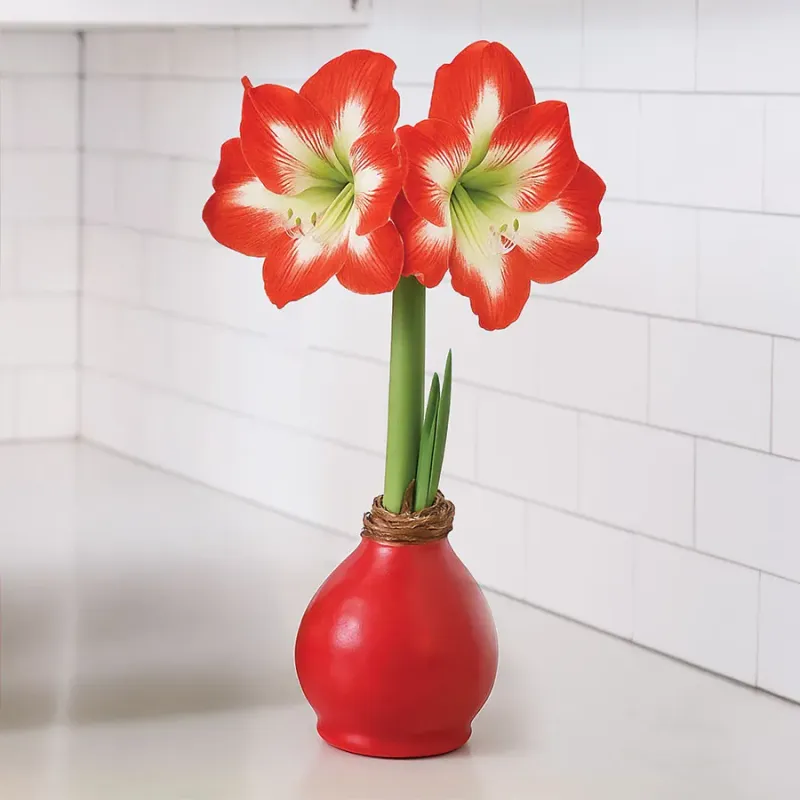
A bulb dipped in shiny red or gold wax looks more like a candle than a plant at first. Then a flower stalk pokes out the top, and suddenly your coffee table has a living decoration.
Waxed amaryllis bulbs come sealed with everything they need stored inside, so you skip the soil and watering. Growers trim the roots, coat the bulb, and the stored food powers the bloom from start to finish.
Most sellers suggest these bulbs flower in about three to six weeks once they sit in a warm room. That quick timeline makes them a handy last-minute choice when November has slipped away faster than planned.
Set the bulb on a stable surface in bright, indirect light, away from heat vents that dry the stalk. Turn it every couple of days so the stem grows straight instead of reaching toward the window.
Looking back, I should have bought two, since one bulb vanished into a neighbor’s kitchen as a hostess gift. Waxed bulbs travel well and need no care instructions, which makes them perfect for teachers or busy relatives.
The tradeoff is that most waxed bulbs bloom only once, since trimmed roots and wax make reviving them tough. Some gardeners peel off the wax and pot them up, but success varies quite a bit.
Look for firm, heavy bulbs with no cracks in the coating when you shop. Like all amaryllis, keep them out of reach of pets that might chew.
6. Prepared Hyacinth
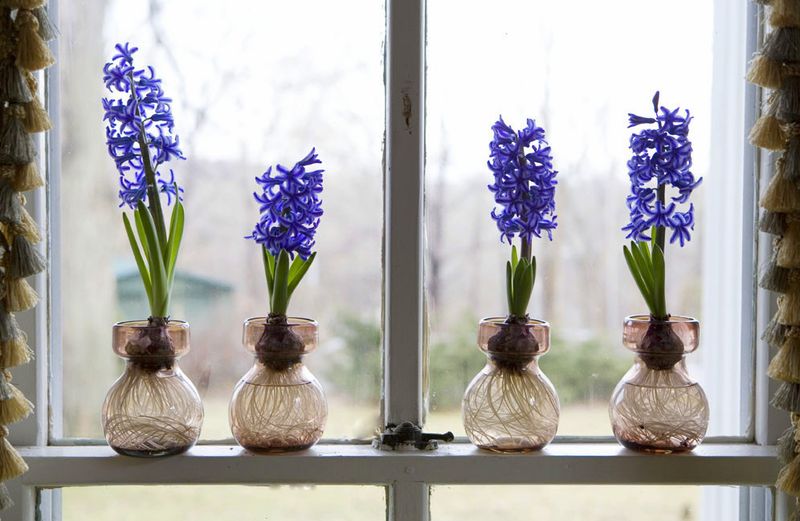
Watching white roots snake through a clear glass vase might be the most satisfying science project in gardening. Prepared hyacinths let you see the whole show, from tangled roots below to a perfumed flower spike above.
Regular hyacinths need many weeks of cold before they bloom indoors, which usually rules out a quick holiday project. Bulbs labeled prepared or pre-cooled have already received that chilling at the grower, saving you most of the wait.
If you ask me, these are the gamble of the list, since timing depends heavily on how much cooling they had. Some pre-cooled bulbs flower in roughly four to six weeks, while others miss Christmas and bloom in January.
Set each bulb in a hyacinth glass so its base sits just above the water, not in it. Keep the glass in a cool, dark spot until roots fill the bottom and a green shoot appears.
Move the glass into brighter light gradually once the shoot reaches a few inches tall. Too much warmth too soon can stunt the flower, so a cool room helps the spike grow tall.
Wear gloves when handling the bulbs, since the papery skins can make some people’s hands itch. Wash your hands afterward, and keep bulbs away from pets and small children who might nibble.
Colors include deep purple, sky blue, soft pink, and pure white, with a scent that fills a hallway. Even if they arrive late, January hyacinths make winter feel shorter.
7. Sonatini Amaryllis
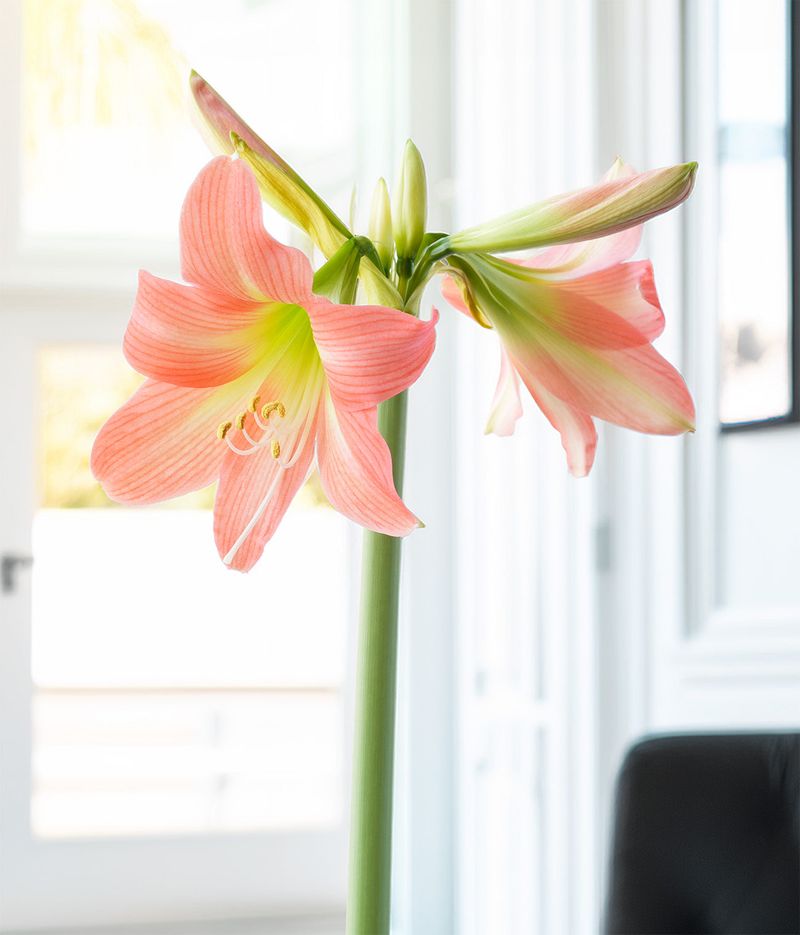
Not every windowsill has room for a giant amaryllis towering two feet tall like a festive street lamp. Sonatini amaryllis brings the same trumpet flowers in a smaller, more graceful package with several slim stems.
Bred in the Netherlands, the Sonatini series produces smaller flowers but often more of them per bulb. Each bulb can send up multiple stalks, giving you a fuller look in a compact container.
My garden taught me that smaller bulbs fit spaces where big ones topple over, like narrow kitchen sills. These also work nicely in mixed holiday containers alongside moss, pinecones, and a little greenery.
Plant them the same way as standard amaryllis, with the top third of the bulb showing above the mix. Use a pot slightly wider than the bulb and water sparingly until fresh green growth appears.
Timing can vary, with many bulbs flowering in roughly six to eight weeks after planting. Potting them right away gives you a decent shot at Christmas color, though some may bloom just after.
Warm temperatures near 70 degrees help speed sprouting, while cooler rooms slow growth and stretch the bloom later. Bright, indirect light keeps the slender stems sturdy and helps the flowers hold their color longer.
Colors include red, pink, white, and soft peach, so you can match almost any holiday theme. After blooming, keep the leaves growing in a sunny spot, and you may coax flowers again next winter.