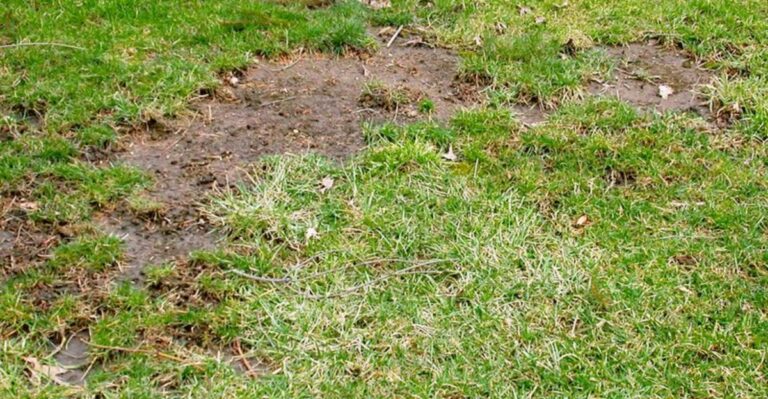
Storm Runoff From Your Neighbor’s Yard Is Flooding Yours. What Virginia Law Allows You to Do
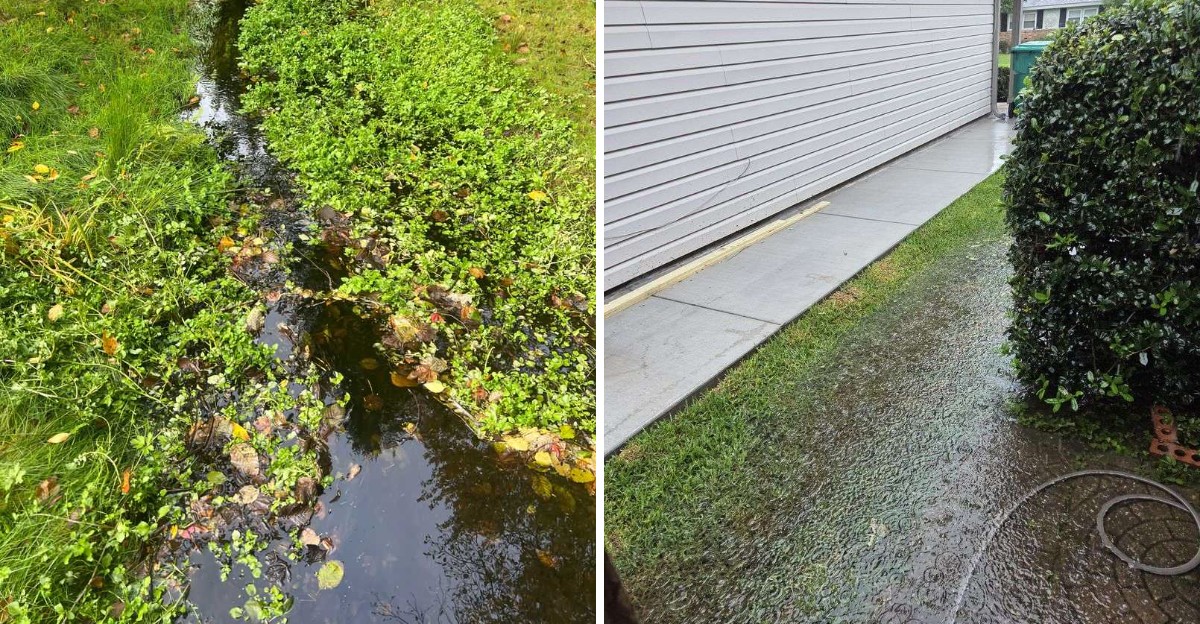
Virginia courts have treated rainwater as a common enemy for well over a century. That phrase comes straight from old case law, and it still shapes what happens when a storm turns your flower bed into a creek.
Take it from someone who once watched mulch float past the tomato cages like tiny rafts. Muddy water from next door feels personal, especially when it carries topsoil, gravel, and lawn clippings onto your hard work.
Funny thing is, the law does not say your neighbor must stop every drop. It also does not let anyone aim a pipe at your garden and shrug it off.
The line sits somewhere in the middle, and where it falls depends on details most homeowners overlook.
So who pays for the washed-out hostas and the soggy basement corner? The answer might surprise you more than the last summer thunderstorm did.
That Muddy Stream Across Your Lawn Follows an Old Legal Rule
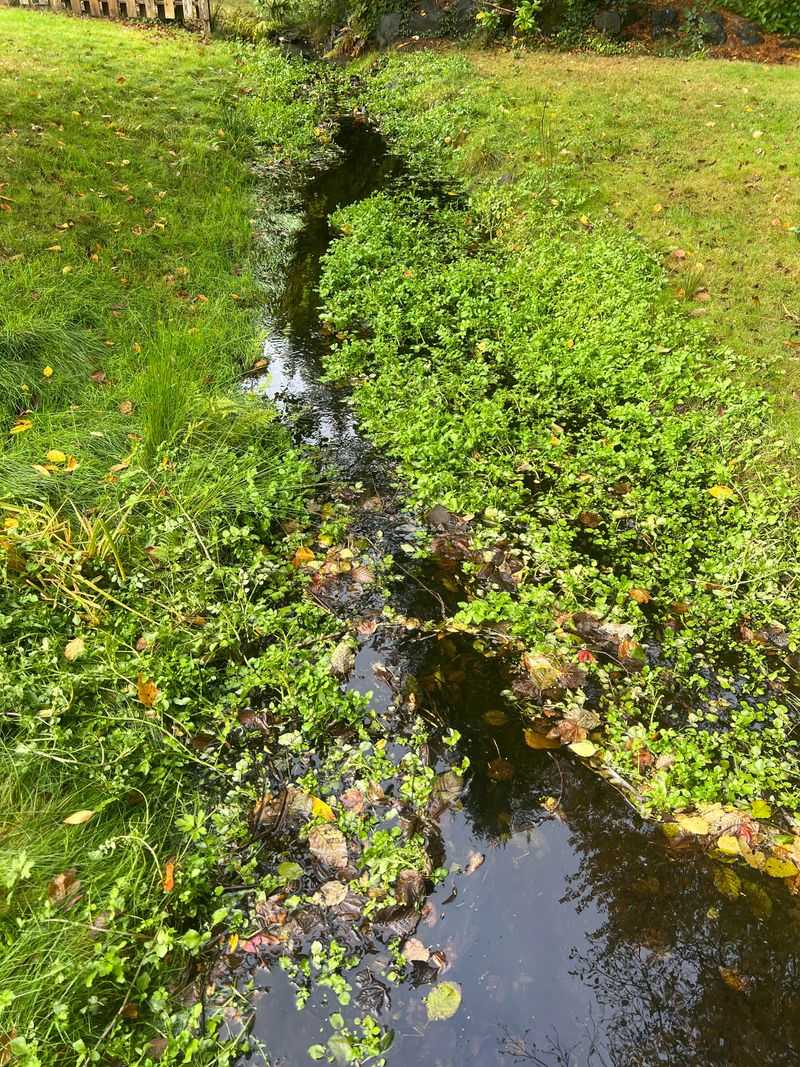
Rain falling on open ground has a special name in Virginia law. Courts call it diffused surface water, meaning water that spreads across land before it reaches a creek or ditch.
For generations, judges here have used what lawyers call the modified common enemy rule. Under it, each property owner may protect their own land from surface water, even if some of that water ends up next door.
That sounds harsh at first, and honestly, it surprised me too.
The word modified matters a lot, though. Virginia courts added limits, so your neighbor cannot act carelessly, needlessly, or in bad faith when handling runoff.
Water that simply rolls downhill the way nature intended usually is not grounds for a lawsuit.
Let me put it in garden terms. If your yard sits lower than the one next door, some runoff is part of living on a slope.
Gravity does the work, and nobody broke a rule.
Things shift when people change the land and make the problem worse. A new patio, a raised lawn, or a buried drain pipe can turn gentle sheet flow into a muddy stream.
So the first question to ask is simple. Did the water pattern change after your neighbor did something, or has it looked like this for years?
That answer shapes everything that follows.
A Drain Pipe Aimed at Your Garden Crosses the Line
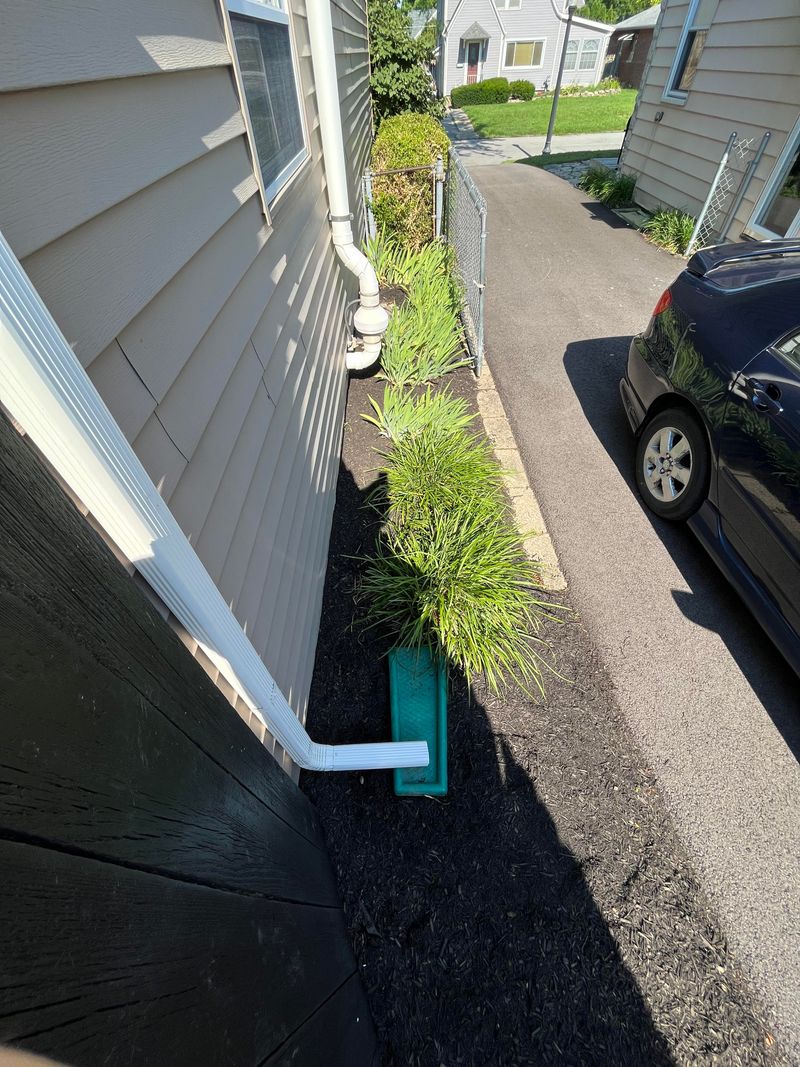
Concentrated flow is where Virginia law gets firm. Your neighbor may not collect surface water into an artificial channel and then dump it onto your property in a damaging volume.
Artificial channels include things like downspout extensions, corrugated drain pipes, culverts, and freshly dug ditches. When water gets gathered and sent in one direction, it hits harder and carves deeper than normal rain.
I once saw a black flex pipe poking through a fence line, pointed right at a row of daylilies. After every storm, that bed looked like a small canyon.
Situations like that are exactly what the courts had in mind.
Spotting this kind of problem is usually easy. Walk the property line after rain and look for pipe ends, trenches, or narrow gullies that start where your neighbor’s yard ends.
Snap photos of any outlet, and note where the water lands on your side. A tape measure in the picture helps show how close the pipe sits to your boundary.
Many of these issues come from simple oversight rather than spite. A contractor may have routed a downspout without thinking about the house below.
Pointing out the pipe calmly can solve the problem faster than any courtroom, and it keeps the peace for future cookouts.
Careless Grading Next Door Can Make Your Neighbor Responsible
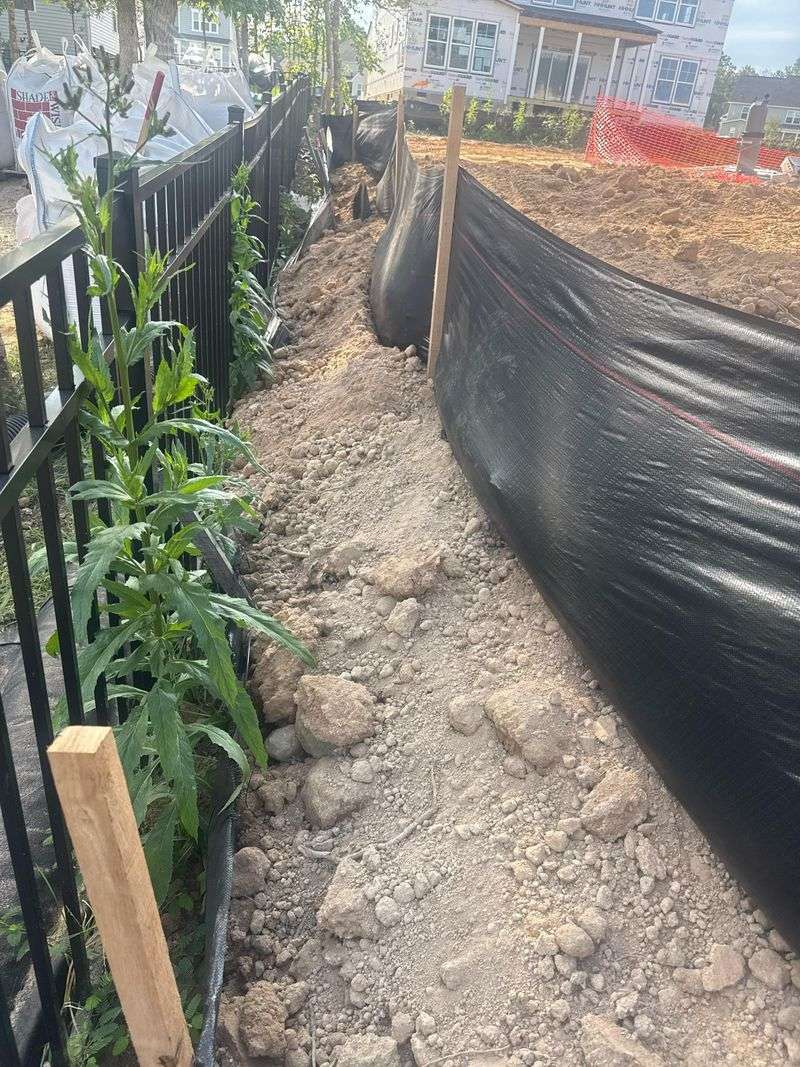
Bulldozers and fresh fill dirt can change a yard in a single weekend. When that work sends extra water onto your property, the question becomes whether your neighbor acted reasonably.
Virginia courts have said landowners must handle surface water in good faith and without needless harm to others. If someone raises their lawn by a foot, strips out shrubs, or blocks a natural swale, liability may follow.
Judges often weigh a few practical points. They look at what was built, whether flooding next door was foreseeable, and whether the work was done carefully and in good faith.
Here is how that plays out in real life. Grading soil gently away from a house foundation is normal and generally allowed.
Building up a whole yard so rain pours into your basement window well is a different story.
Bare soil makes things worse, too. Grass and roots soak up and slow rainfall, while exposed dirt sheds water quickly and carries silt along with it.
If you notice a big landscaping project starting next door, take a few before photos of your own yard. Those pictures can show how things looked before the change, which is valuable proof if trouble starts later.
Photos of Flooded Flower Beds Become Your Strongest Evidence
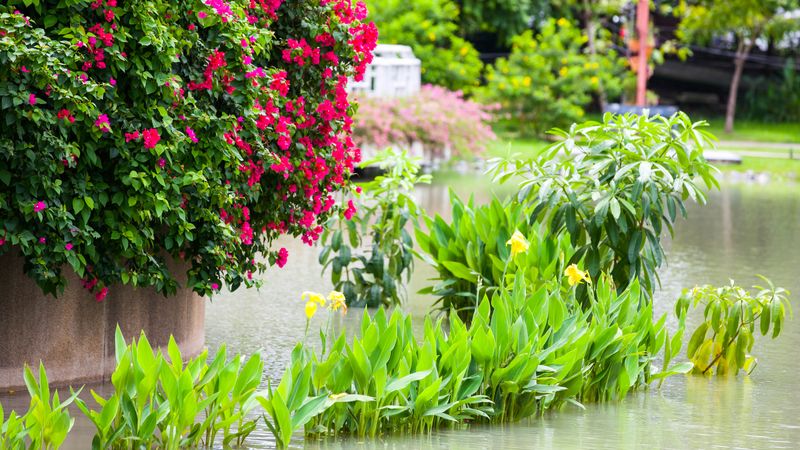
Good records beat good arguments almost every time. Whether you talk to your neighbor, your insurer, or a lawyer, clear evidence carries the most weight.
Start with your phone during an actual storm, if you can do it safely. Video of water flowing from next door into your yard shows direction and force better than any description.
After the rain stops, photograph the aftermath. Capture washed-out mulch, exposed roots, silt piles, standing water, and any damage to fences, walkways, or the foundation.
Keep a simple log as well. Write down the date, rainfall amount, how long water stood, and what got damaged.
Local rainfall totals from the National Weather Service can back up your notes.
Save every receipt related to cleanup. That includes replacement plants, new mulch, gravel, sump pump repairs, and any professional services you hire.
Between you and me, I wish I had started a folder sooner. Memories blur after a few storms, but dated photos stay sharp.
For serious cases, a surveyor or drainage engineer can link the water to specific changes next door. Expert opinions can cost money, yet they often make the difference when the cause is disputed.
Nuisance, Trespass, and Negligence Claims Can Bring Real Repairs
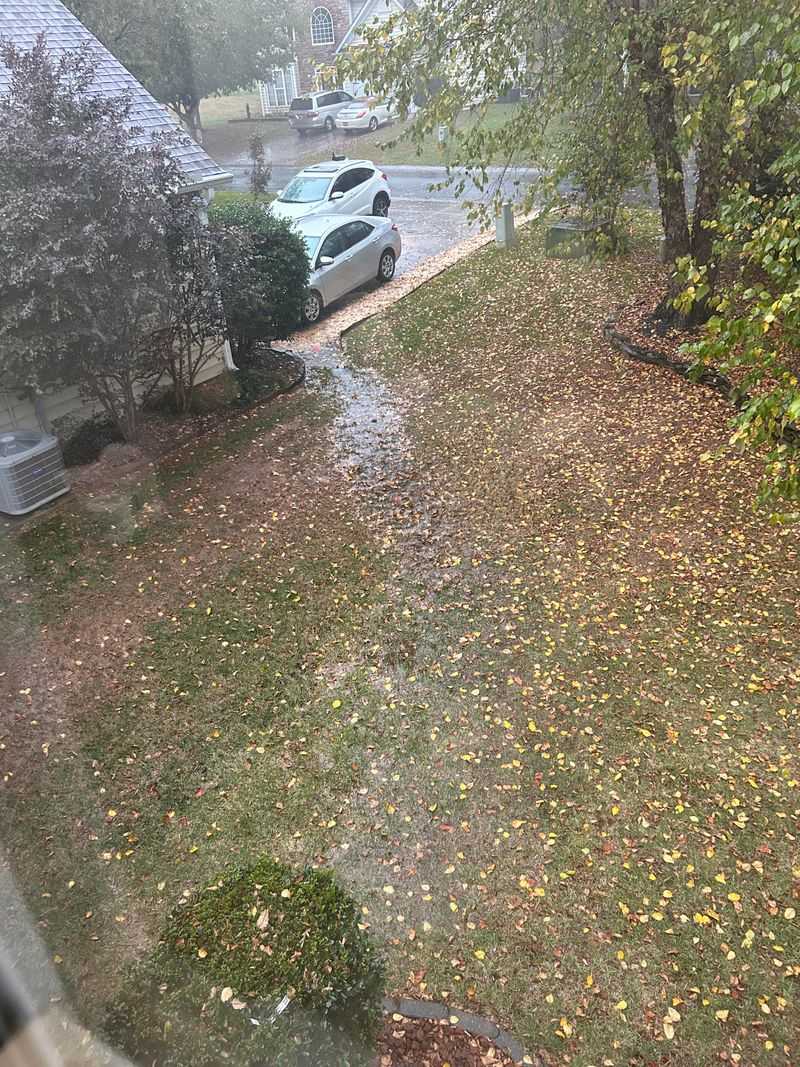
Courtrooms are the last stop, but knowing your options helps you negotiate. Virginia law offers a few legal paths when runoff damage keeps happening.
A nuisance claim argues that your neighbor’s actions substantially and unreasonably interfere with using and enjoying your property. Repeated flooding of a yard or basement can fit that description.
Trespass claims focus on something physically entering your land without permission. Water channeled through a pipe onto your lot may qualify in some situations.
Negligence comes into play when someone fails to use reasonable care. Poorly planned drainage work that floods a neighbor is a common example.
Winning can bring money for repairs, replacement plants, damaged structures, and related costs. Courts can also issue an injunction, which orders the neighbor to stop the harmful activity or fix the drainage setup.
Small damage amounts may fit in general district court, which handles many civil cases with lower dollar limits. Bigger cases go to circuit court, and injunctions typically require circuit court.
Time limits also apply. The state sets deadlines for property damage claims, often five years, so waiting too long could cost you.
A local real estate attorney can confirm which deadline fits your situation and whether your case is strong enough to pursue.
A Friendly Chat Over the Fence Often Fixes More Than Lawyers
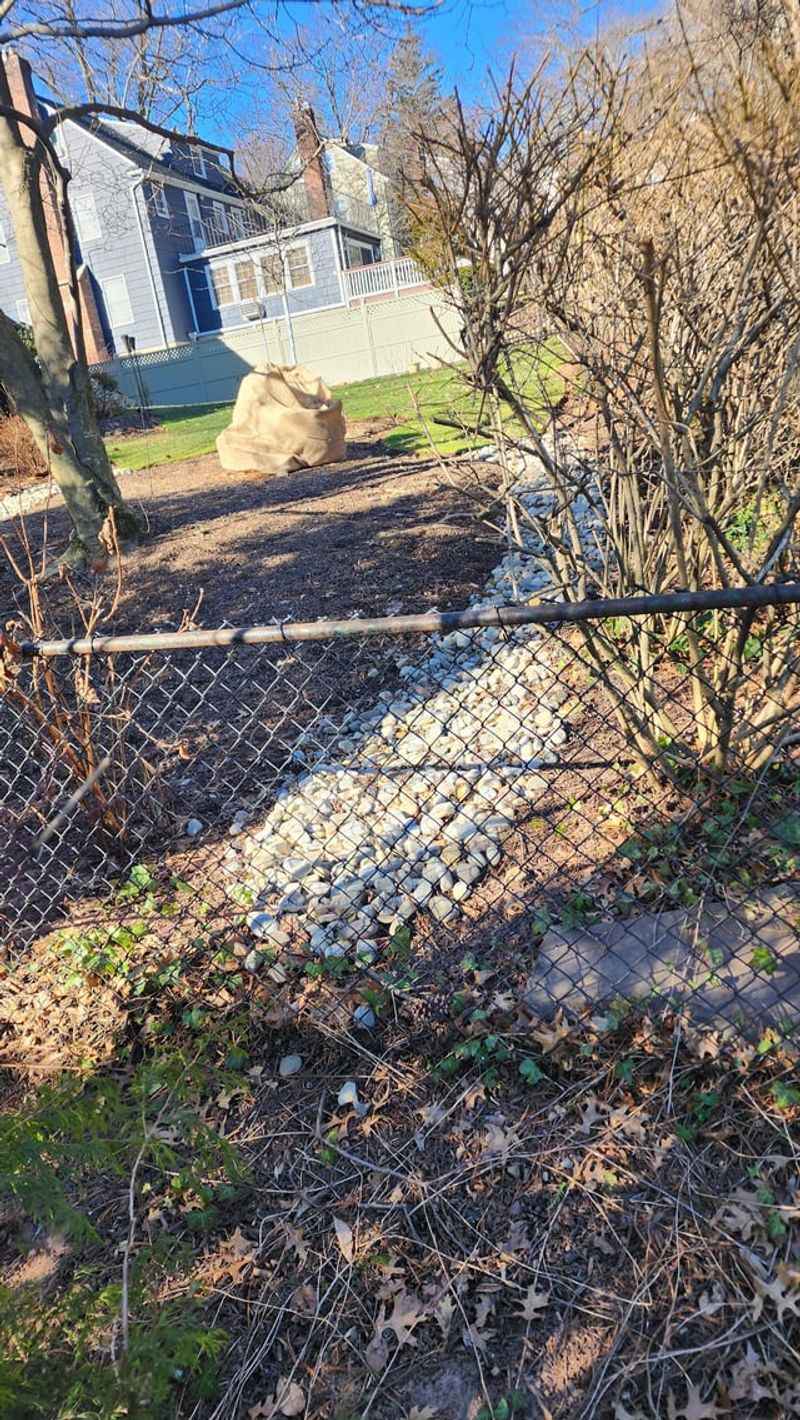
Some of the best drainage fixes I have seen started with a cup of coffee. A calm conversation costs nothing and keeps relationships intact.
Many neighbors have no idea their yard sends water your way. They are indoors during storms, just like you, and rarely watch where runoff travels.
Bring your photos when you talk. Showing the muddy stream and the pipe outlet makes the issue concrete instead of personal.
Suggest solutions rather than demands. Redirecting a downspout, adding a rain barrel, or digging a shared swale might solve everything for a small cost.
Splitting the expense can make a fix easier to accept. Both yards often benefit when water gets handled properly.
If talking stalls, follow up with a polite letter or email. That creates a written record showing you tried to resolve things reasonably.
Community mediation centers operate in many parts of the state. Trained mediators help neighbors reach agreements without the cost and stress of a lawsuit.
For what it is worth, staying friendly pays off later too. You will share that property line for years, and goodwill makes every future project smoother.
A neighbor who feels respected is far more likely to call a contractor than one who feels ambushed.
County Grading Rules and Insurance Policies Deserve a Close Look
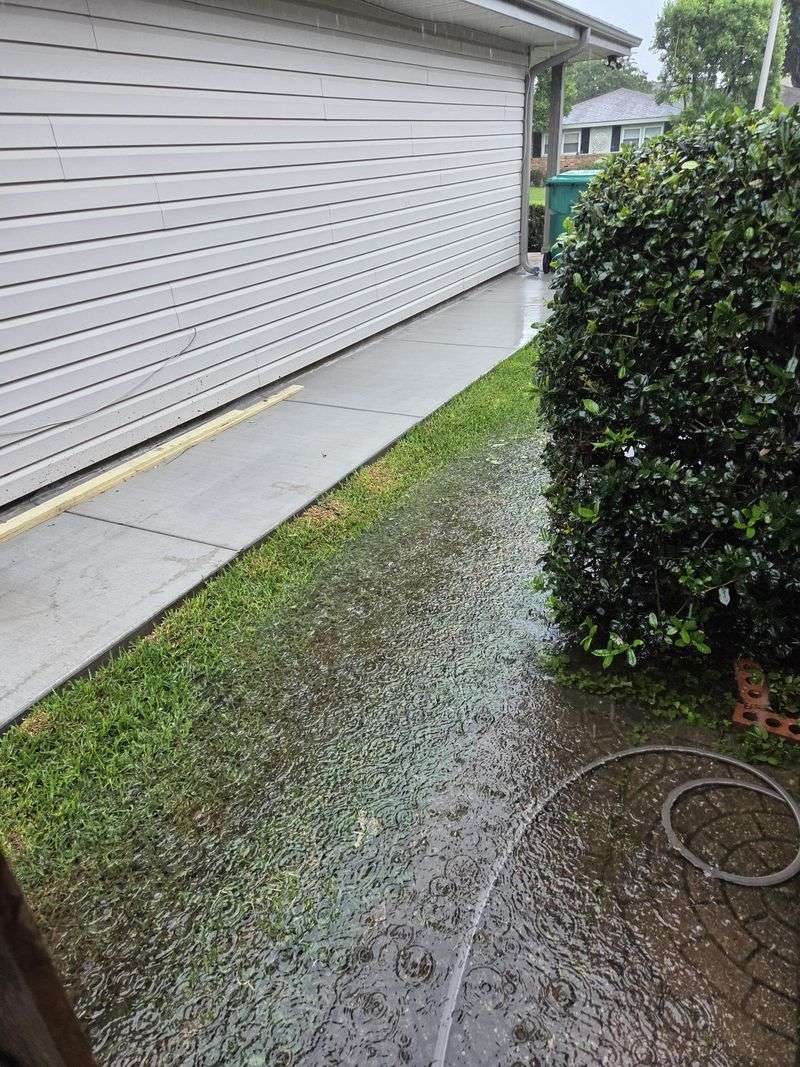
Local offices hold more power over drainage than many people realize. Cities and counties across Virginia enforce stormwater, erosion, and grading rules for construction work.
Larger projects that disturb a lot of soil often need an approved erosion and sediment control plan. Thresholds vary, and some localities apply rules to smaller lots, so call your planning or engineering department.
Ask whether your neighbor pulled permits for recent grading, additions, or pools. If work happened without approval, the locality may require corrections.
Roanoke County and other localities also offer stormwater guidance for residents. Staff can sometimes visit, explain drainage patterns, and point out whether the issue falls under their authority.
Your homeowner’s insurance policy is the next stop. Read the sections on water damage carefully, because many standard policies exclude surface flooding while covering some other water problems.
Flood insurance through the National Flood Insurance Program is separate from regular coverage. It often requires a waiting period, so buying it after a storm will not help with that event.
If your insurer pays a claim, it may seek repayment from the responsible neighbor or their insurer. That process, called subrogation, can save you the trouble of pursuing them yourself.
Rain Gardens and Native Plants Can Soak Up the Overflow
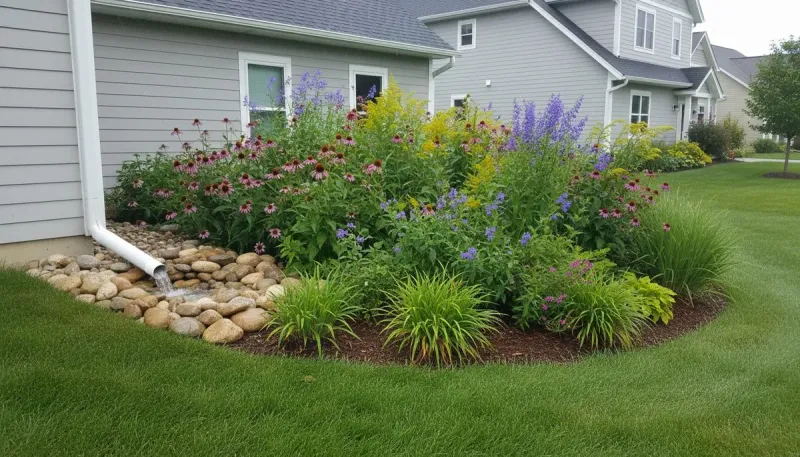
My favorite fix for soggy ground grows flowers. A rain garden is a shallow, planted basin that catches runoff and lets it sink in slowly.
Virginia Cooperative Extension recommends placing rain gardens at least 10 feet from your house foundation. Test drainage first by digging a hole and filling it with water; it should empty within about a day.
Native plants handle the wet-then-dry cycle beautifully. Swamp milkweed, blue flag iris, switchgrass, cardinal flower, and buttonbush are solid choices across much of the state.
Deep roots open channels in the soil, helping water soak down instead of pooling. Pollinators show up as a bonus, and suddenly your problem spot buzzes with life.
Other helpers include a French drain, a gravel swale, or a berm that gently steers water toward a safe spot. Be careful, though, because you also have duties under the same rules.
Do not redirect concentrated water onto another neighbor downhill. That could put you on the wrong side of the law.
Fall and early spring make great planting seasons here, when cooler temperatures help roots settle. Start small, watch how water moves during the next storm, and adjust.
Your yard can turn from swamp to showpiece with patience.