8 Winter Bird Feeder Mistakes Arizona Homeowners Make
A single scoop of moldy seed can make a whole flock of finches sick, and most people never spot the problem until it is too late. Cooler months bring a fresh wave of visitors to Arizona yards, from white-crowned sparrows to hummingbirds that stay through winter.
I love how a busy feeder turns a quiet patio into a front-row seat for desert wildlife. A few small habits, though, can quietly undo all that kindness, so which ones are hiding in your yard?
1. Cheap Milo Mixes Get Tossed On The Ground
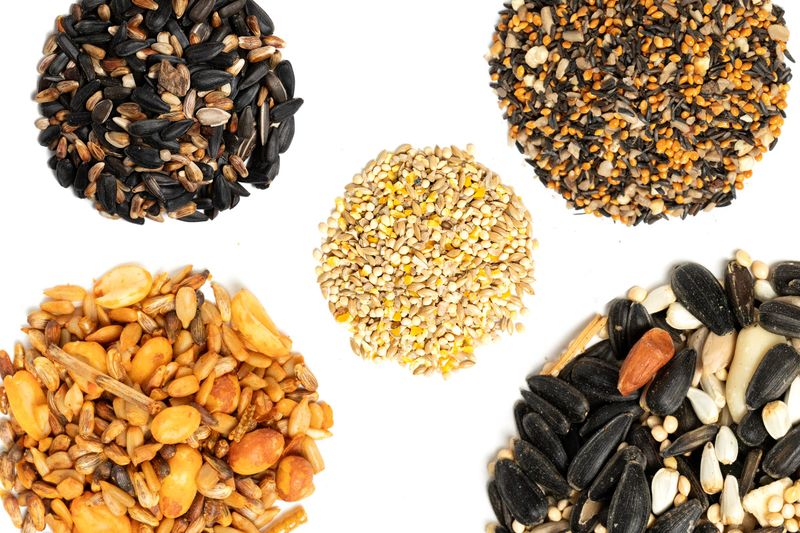
White-crowned sparrows reach many desert yards around October, and they are surprisingly picky about cheap seed. Bargain bags packed with red milo often end up scattered across the gravel instead of inside hungry beaks.
I have to admit my first feeder mix looked like a bargain until the ground turned into a seed carpet. Many feeder birds flick milo and wheat aside to reach the sunflower hearts they actually want.
Black oil sunflower seed is a much smarter base because the thin shells crack easily for small beaks. The oily kernels also pack serious energy, which helps birds stay warm through chilly desert nights.
Lesser goldfinches adore nyjer seed, so a narrow-port thistle feeder keeps them busy and happy all season. Gila woodpeckers may also stop by if you offer shelled peanuts or a small cake of suet.
Read the ingredient list before buying, and skip blends where filler grains appear near the top. October is a perfect month to stock up on quality seed before winter visitors start crowding in.
Personally, I would rather buy a smaller bag of good seed than haul home a giant sack of leftovers. Your birds will empty it faster, and you will rake up far less waste beneath the feeder.
2. Dirty Tube Feeders Spread Finch Disease
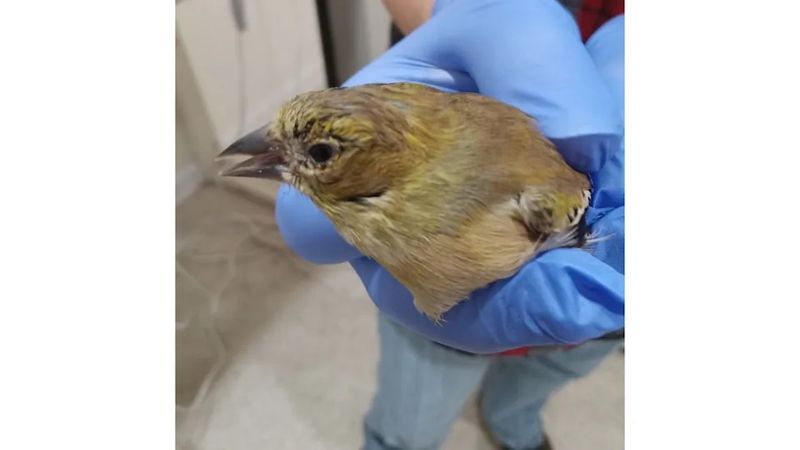
House finches with crusty, swollen eyes are a sad sight, and dirty feeders help that infection travel. The illness, called mycoplasmal conjunctivitis, spreads when sick birds rub against shared feeding ports.
Salmonella is another sneaky problem, and outbreaks have hit finches and pine siskins crowding around grimy feeders. Droppings mixed with old seed create the perfect setting for germs to linger between visits.
Cornell Lab experts suggest cleaning seed feeders about every two weeks, and more often during busy stretches. A solution of one part bleach to nine parts water works well after a good scrub with soapy water.
Rinse every piece thoroughly, then let the feeder dry in the sun before adding fresh seed again. Personally, I keep a second clean feeder ready, so the birds rarely notice a gap in service.
You might notice a lethargic finch sitting puffed up near the feeder for long stretches. Taking feeders down for a week or two lets the birds spread out and lowers the chance of spreading illness.
October is a smart time to give every feeder a deep cleaning before winter crowds arrive. A long-handled bottle brush makes the job surprisingly quick, and the birds will reward you with healthier visits.
3. Stale Hummingbird Nectar Turns Cloudy And Sour
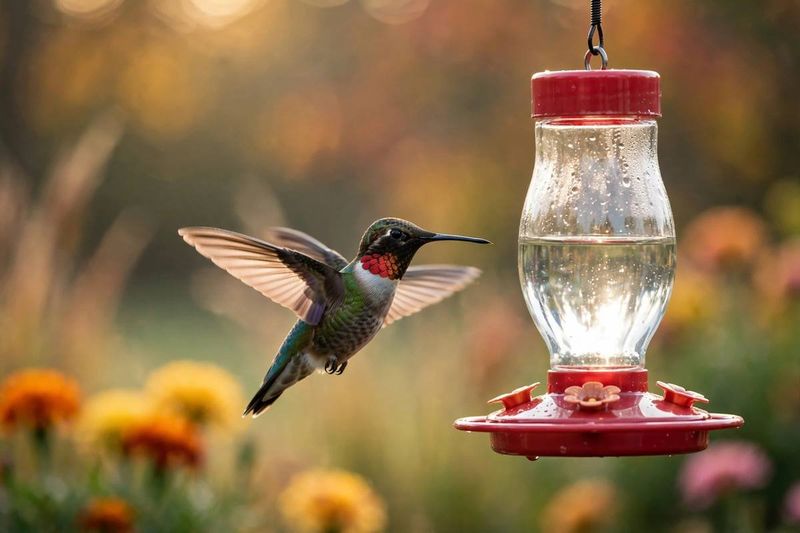
Anna’s hummingbirds stay in many low desert neighborhoods all winter, flashing those rosy throats on cool mornings. Plenty of people pack away their nectar feeders in fall, assuming the tiny birds have headed south.
Leaving a feeder up is wonderful, but forgotten nectar ferments and grows mold faster than most folks expect. Cloudy liquid or black specks inside the ports are clear signs the mix needs dumping right away.
Mix one part plain white sugar with four parts water, and skip the red dye entirely. The feeder’s red parts already attract hummingbirds, so the coloring adds nothing useful for the birds.
Honey and brown sugar are poor substitutes because they can encourage harmful fungal growth in the nectar. I like how simple the homemade recipe is, since it costs pennies and takes minutes to prepare.
Change the nectar every few days during warm spells, and stretch it to about a week when nights turn chilly. Scrub the ports with a small brush, because sticky residue hides mold in hard-to-see corners.
You’re in for a treat when a male Anna’s starts singing his scratchy song beside your patio feeder. That squeaky little tune feels like a reward for keeping the nectar fresh and clean.
4. Empty Birdbaths Leave Desert Birds Thirsty
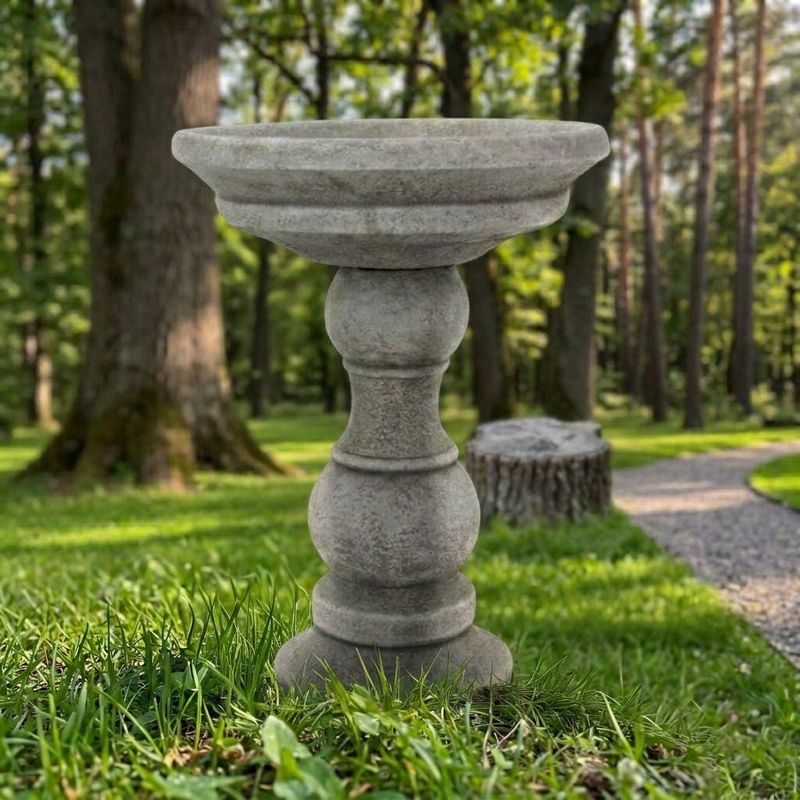
Gambel’s quail will march across an entire yard in a tidy little parade just to reach a dish of water. Water can draw more variety than seed, yet many homeowners let birdbaths sit empty once summer fades.
Desert winters are often dry, and natural water sources can be scarce between rare storms. Birds still need to drink every day, and they also bathe to keep their feathers clean for insulation.
A shallow basin works best, ideally no deeper than about two inches near the edges. I believe a flat rock in the center helps tiny verdins and finches perch safely while they sip.
Refresh the water every day or two, and scrub away algae with a stiff brush each week. Stagnant water can also become a mosquito nursery, so frequent changes help you as much as the birds.
Higher elevation towns like Flagstaff see freezing nights, so a heated birdbath can be a real lifesaver there. In warmer valleys, simply placing the bath in partial shade keeps the water cooler and cleaner.
What surprises me most is how many shy birds appear once water is offered reliably. Curve-billed thrashers and cactus wrens may show up for a drink even if they ignore your seed feeder.
5. Feeders Hung Too Far From Windows Cause Collisions
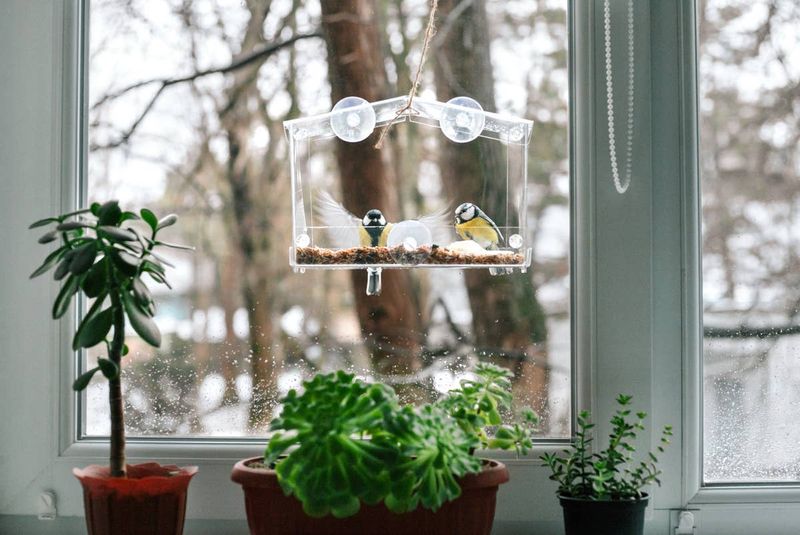
A soft thump against the glass is one of the saddest sounds a bird lover can hear. Window strikes injure huge numbers of birds each year, and feeder placement plays a surprisingly big role.
Cornell Lab guidance suggests hanging feeders within three feet of a window or farther than thirty feet away. Birds leaving a close feeder cannot build up enough speed to cause a serious injury.
Feeders placed somewhere in the middle range put birds in the riskiest zone for hard crashes. Reflections of sky and trees fool them into flying straight toward what looks like open space.
Personally, I love the close option because the view of goldfinches just beyond the glass is spectacular. Window decals spaced a few inches apart or exterior screens can reduce reflections even further.
Cover matters too, so keep feeders roughly ten feet from dense shrubs where cats might hide. A nearby mesquite or palo verde still gives birds a quick escape route when a Cooper’s hawk swoops in.
You might notice birds feel calmer once the setup balances safety with nearby shelter. October is a great moment to move feeders before winter visitors settle into their daily routines.
6. Spilled Seed Draws Javelina And Rodents
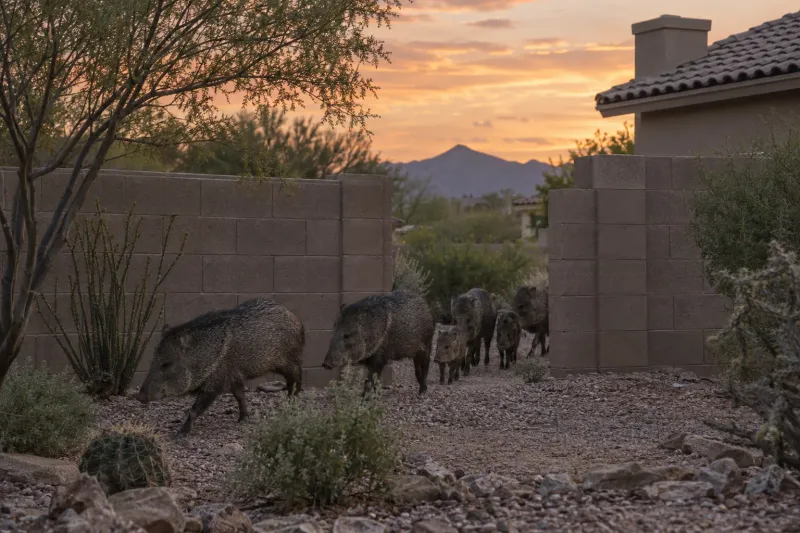
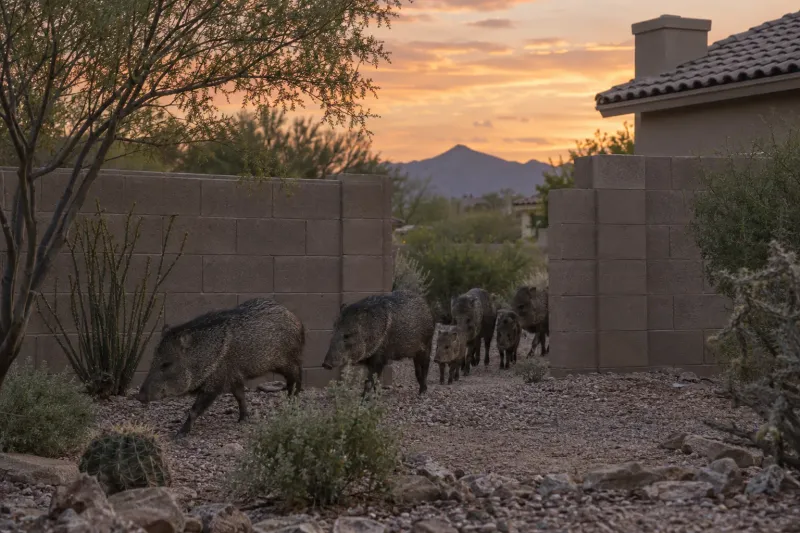
Javelina have an impressive nose for snacks, and a pile of fallen seed can bring a whole herd to your yard. Those bristly visitors may then dig up plants and lose their healthy wariness of people.
Arizona Game and Fish warns that feeding javelina causes problems, and intentionally feeding them is illegal in parts of Maricopa County. Spilled birdseed can count as an open invitation, even when birds are your only intended guests.
Rats and mice also love the leftovers, and rodents can draw snakes closer to your patio. I can’t imagine wanting a rattlesnake lurking near the back door because of a messy feeder.
Rake up hulls and fallen seed regularly, ideally every few days during heavy feeding stretches. A wide catch tray beneath the feeder traps much of the mess before it reaches the ground.
Hulled sunflower chips create far less waste because birds eat the whole kernel without dropping shells. Hanging feeders higher and out of reach also discourages climbers like pack rats and rock squirrels.
You need to think about the ground as part of your feeding station, not an afterthought. Keeping it tidy helps wild animals stay wild while your feathered visitors enjoy a cleaner dining area.
7. Bread Scraps Fill Birds With Empty Calories
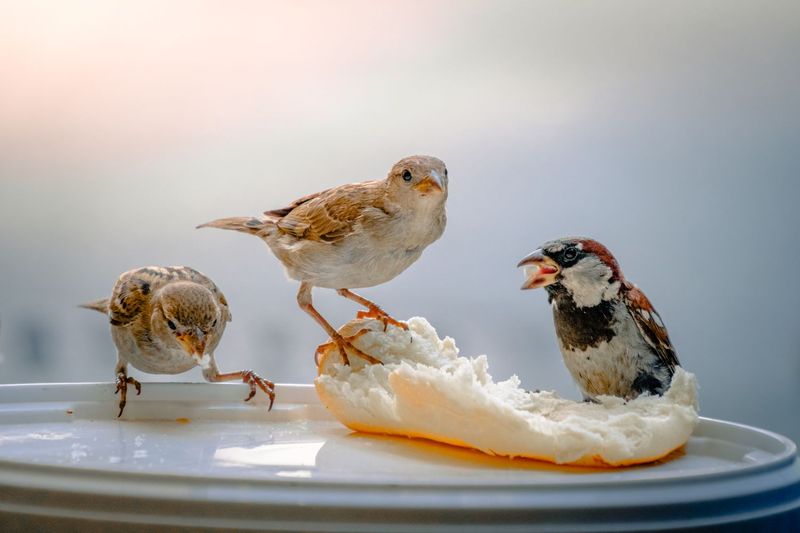
Tossing leftover toast to a crowd of doves feels generous, almost like hosting a tiny backyard brunch. Bread mostly offers starch, though, and it lacks the fats and proteins wild birds truly need.
Birds often gobble whatever is easiest to grab, so they rarely sort healthy food from junk. A belly full of bread can crowd out the richer foods that fuel them through cold nights.
Salty crackers, chips and sweet baked goods bring extra problems that small bodies handle poorly. Moldy bread is even worse, since spoiled crumbs may carry fungi that cause breathing troubles in birds.
I believe the kindest swap is a handful of sunflower seeds or a small piece of plain suet. Fresh fruit slices like orange halves can also attract orioles and other fruit-loving birds in mild spells.
Leftover scraps also lure grackles and pigeons in big numbers, which may push shy songbirds away. Rodents happily join the party too, especially when crumbs sit uneaten on the patio overnight.
Save the kitchen leftovers for your compost pile, where they can help your garden soil instead. Your backyard birds will thank you by returning healthier, busier and far more often all winter.
8. Wet Seed Turns Moldy After Winter Rains
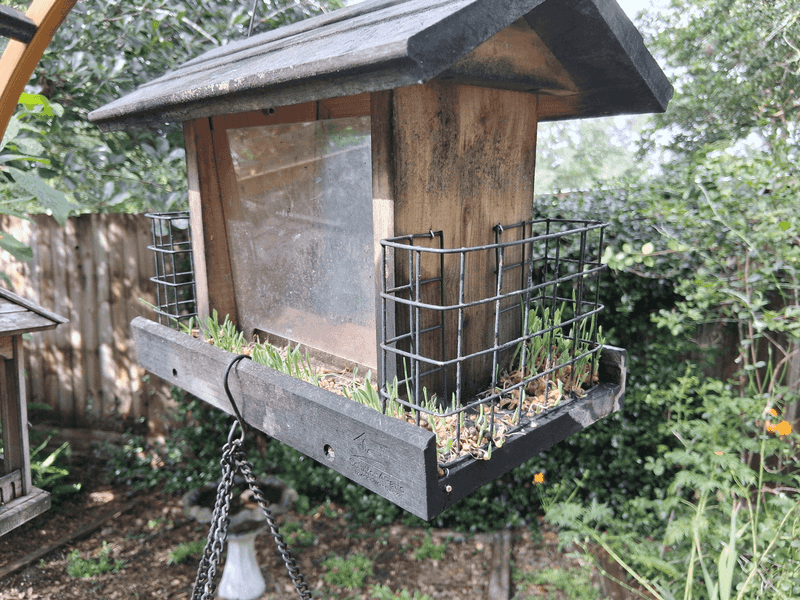
Winter storms in the desert can be short but surprisingly soaking, and feeders often take the hit. Packed seed absorbs moisture quickly, then clumps into a musty brick that birds wisely ignore.
Damp seed can grow molds, and some produce aflatoxins that are harmful to birds even in small amounts. You might notice a sour smell or greenish fuzz inside the tube long before birds stop visiting.
Overfilling a feeder makes the problem worse because older seed sits at the bottom for weeks. I have to admit I learned to fill feeders halfway after scraping out one too many soggy messes.
Feeders with roofs, weather guards and drainage holes keep seed much drier during sudden showers. Tray feeders with mesh bottoms let water drain away instead of pooling around the food.
Check feeders after every rain, and dump any clumped or discolored seed in the trash right away. Store extra birdseed in a sealed metal can in a cool spot to block moisture and pests.
October is the perfect time to inspect feeders for cracks before the winter rain season begins. A few minutes of prep now saves you plenty of wasted seed and keeps your flock healthy.