Native Ground Covers Arizona Residents Are Using Instead Of Bermuda Grass
Lawn care sounds simple until you start adding up how much time it takes over the course of a year. Watering, mowing, edging, fertilizing, and dealing with bare spots can quickly turn a small section of the yard into a regular project.
That is one reason more people are taking a closer look at alternatives that require less effort while still keeping outdoor spaces attractive.
The goal is not always to eliminate greenery. Sometimes it is about finding plants that fit the climate better and do not demand the same level of maintenance.
A landscape can still look full and inviting without relying on a traditional lawn to do all the work.
That idea has gained a lot of attention in recent years as water use and long-term upkeep become bigger considerations.
Arizona residents are increasingly looking beyond Bermuda grass and exploring options that stay attractive in a different way.
Several native ground covers are now becoming popular choices for yards that need beauty, coverage, and a more natural fit for desert conditions.
1. Frogfruit Forms A Dense Living Carpet
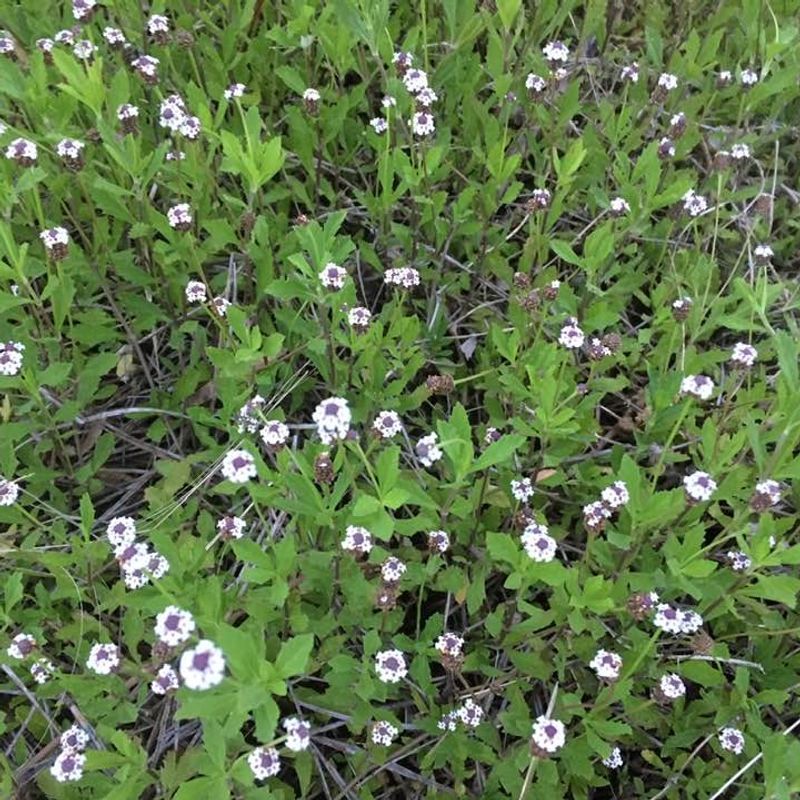
Walk barefoot across a frogfruit lawn and you might not even miss the grass. Phyla nodiflora spreads fast, stays low, and handles foot traffic surprisingly well for a wildflower.
Gardeners in the Sonoran Desert region have started using it as a full lawn replacement, not just a filler.
It blooms with tiny white and lavender flowers that attract bees and butterflies. That pollinator traffic is a bonus most people do not expect from a ground cover.
Once established, it asks for very little in return.
Frogfruit grows best in full sun but tolerates partial shade. It spreads by runners, filling gaps quickly without becoming invasive in most settings.
Planting plugs about 12 inches apart works well for faster coverage.
Water needs are low once roots settle in. During the hottest months, occasional deep watering keeps it looking green.
In cooler months, it may go dormant and turn brown before bouncing back in spring.
One thing to know upfront: frogfruit does not stay green through winter in most low-desert yards. If year-round green coverage matters to you, plan to overseed or pair it with something else.
For summer performance, though, few native plants match its carpet-like density.
It handles compacted soil better than most natives. That makes it useful in high-traffic areas where other plants struggle.
Frogfruit also recovers quickly after being stepped on. New growth spreads from runners, helping worn spots fill back in without much intervention.
For anyone looking to reduce mowing, watering, and maintenance, it offers a practical alternative to traditional turf in warm desert landscapes.
2. Trailing Dalea Spreads Across Dry Soil
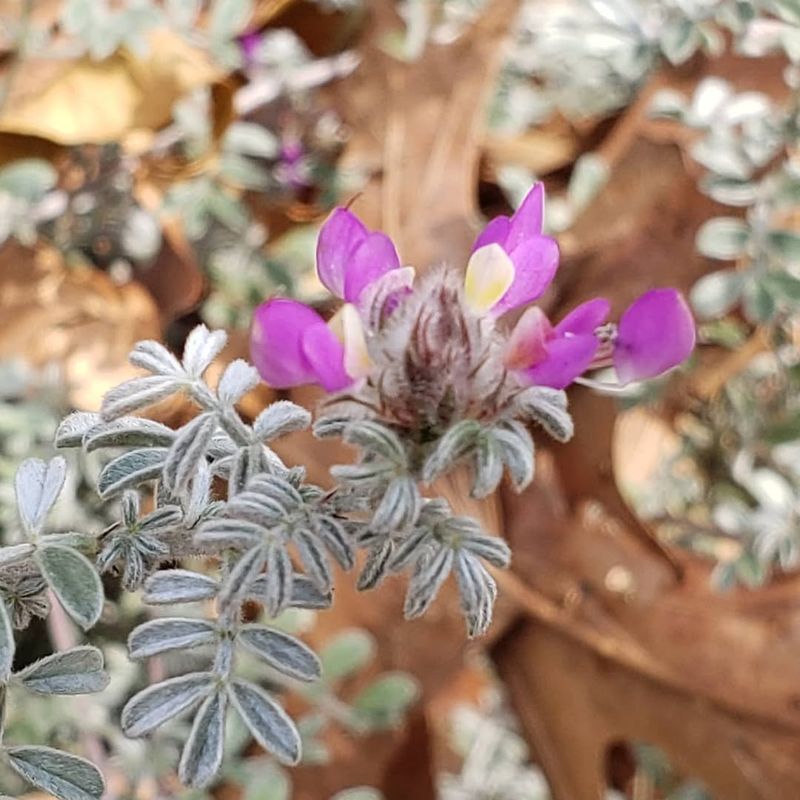
Trailing dalea does not need much encouragement to get moving. Once planted, it sprawls outward steadily, covering bare caliche and rocky ground that would defeat most other plants.
Gardeners in dry desert regions have trusted it for years because it genuinely thrives on neglect.
Dalea greggii grows to about 18 inches tall but spreads several feet wide. Purple flower clusters appear in spring and occasionally in fall.
Your Arizona Garden Changes Every Week. Your Plan Should Too.
Gardening in Arizona changes quickly throughout the season. Every Friday you’ll receive a simple weekly plan showing exactly what to plant, prune, fertilize, harvest, and protect so you never miss the right timing.
Those blooms bring in native bees without requiring any extra effort from you.
Full sun is where this plant performs best. Shade slows its growth and reduces flowering noticeably.
Plant it in spots that bake all afternoon and it will reward you with consistent coverage year after year.
Drainage matters more than soil quality with trailing dalea. Soggy ground is its main weakness.
Raised beds, slopes, and open desert-style landscapes are ideal placements for this tough spreader.
Spacing plants about three feet apart gives each one room to fill out naturally. Closer spacing speeds up coverage but can lead to crowding later on.
Either approach works depending on how quickly you want results.
Watering deeply once or twice a month during summer is usually enough. Established plants handle extended dry spells without showing stress.
Trailing dalea is a solid pick for anyone replacing a thirsty lawn with something built for the actual conditions of a hot, arid yard.
Its sprawling growth also helps reduce erosion on slopes where loose desert soil tends to shift after heavy rain.
A mature planting can cover a surprising amount of ground with very little upkeep.
3. Desert Zinnia Covers Open Ground With Flowers
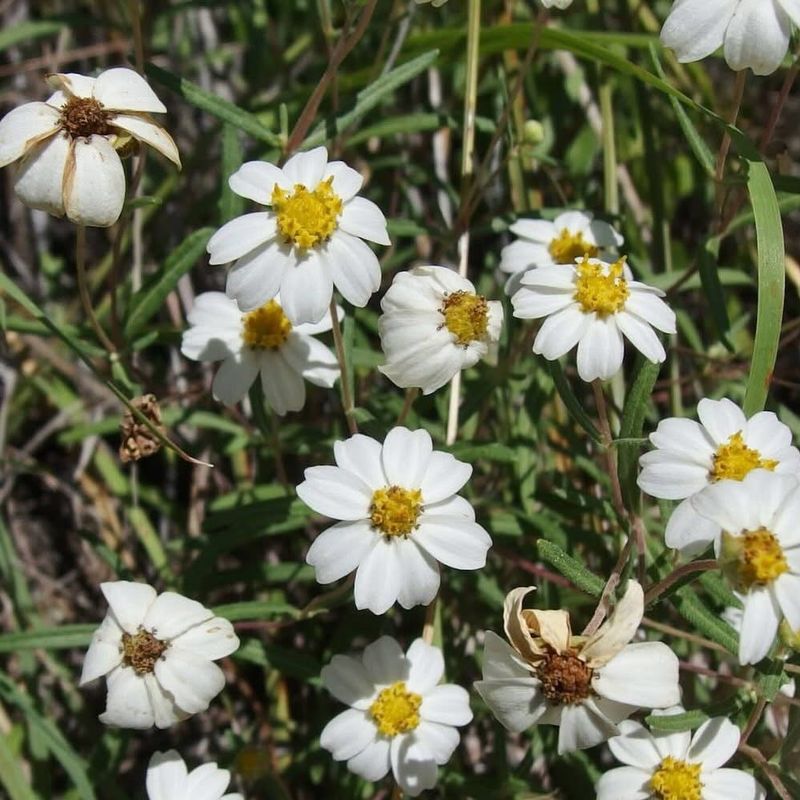
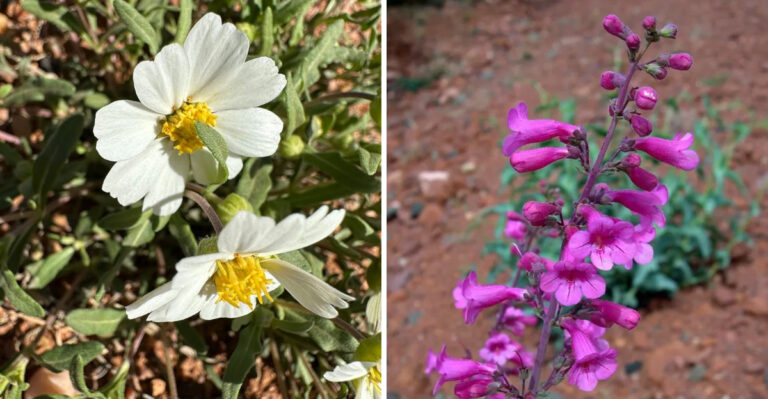
Bright white flowers against sun-baked soil, desert zinnia stops people in their tracks. Zinnia acerosa blooms from spring through fall, putting on a show that lasts far longer than most ornamental plants in the region.
It looks delicate but handles brutal heat without missing a beat.
Plants stay compact, usually under 12 inches tall. That low profile makes them useful along walkways, rock garden edges, and open slopes.
Mass plantings create a striking blanket of white that contrasts beautifully with gravel mulch.
Desert zinnia is native to the Chihuahuan and Sonoran Desert areas. It evolved in exactly the kind of conditions that challenge most ground covers.
Sandy, well-drained soil is ideal, and it resents heavy clay or standing water.
Once established, it requires almost no supplemental irrigation. Rainfall alone often sustains it through summer.
During extreme dry spells, a deep soak every few weeks keeps plants healthy without overdoing it.
Spacing plants 12 to 18 inches apart allows natural spreading while keeping a tidy appearance. Plants self-seed lightly, so new seedlings may appear nearby over time.
That natural spread can fill gaps without any extra planting on your part.
No mowing, no edging, no fertilizing. Desert zinnia asks for very little and gives back a lot visually.
For anyone wanting a flowering ground cover that fits naturally into a desert yard, this plant belongs near the top of the list.
Native bees visit the flowers regularly throughout the growing season, adding even more value beyond the plant’s appearance.
4. Goodding’s Verbena Creates Colorful Ground-Level Growth
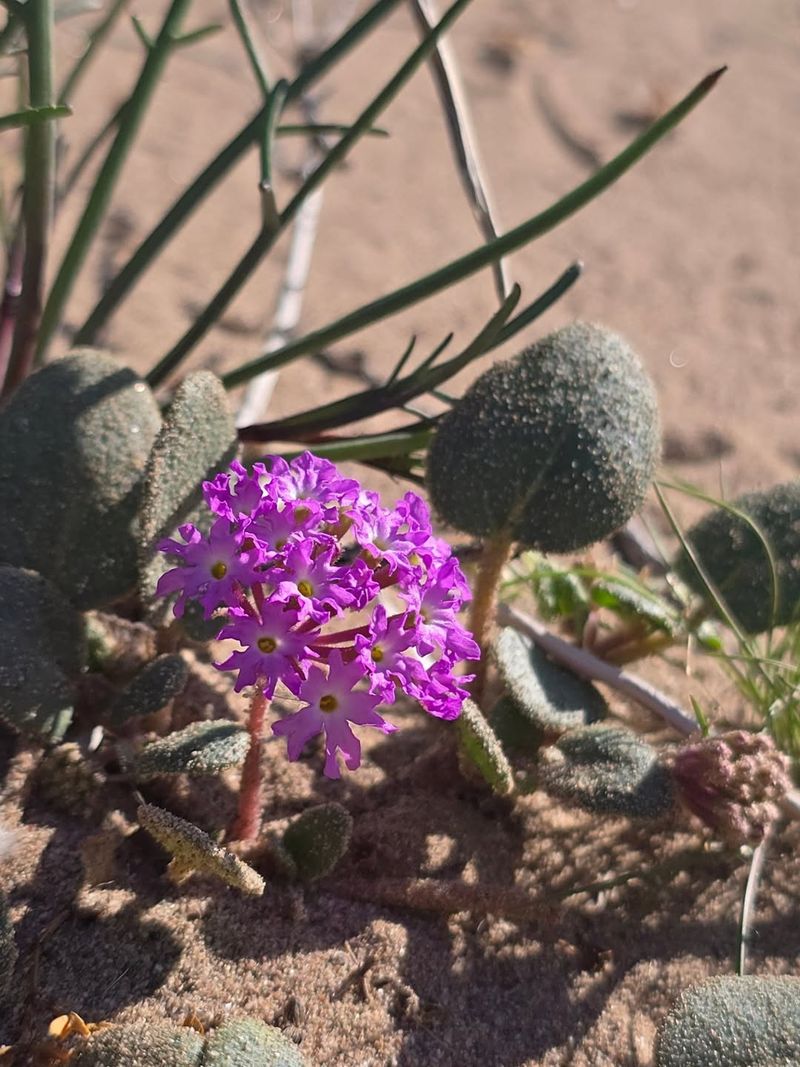
Few native ground covers bloom as boldly or as long as Goodding’s verbena. Clusters of pink to purple flowers appear from late winter and keep going well into summer.
Hummingbirds and butterflies find it irresistible, which makes any yard feel alive in a way that plain grass never does.
Glandularia gooddingii stays low, typically under 12 inches. It spreads outward rather than upward, making it a natural fit for slopes, borders, and open desert-style beds.
Plant density looks impressive within a single growing season.
Full sun brings out the best color and the most vigorous growth. In partial shade, plants still grow but tend to bloom less.
Choose a sunny spot and this verbena will not disappoint.
Soil drainage is critical. Sandy or gravelly soil works best.
Clay-heavy ground holds too much moisture and can cause root problems over time, so amend heavy soils or choose a naturally well-draining planting site.
Watering every one to two weeks during the growing season keeps plants looking their best. Once summer monsoon rains arrive, supplemental irrigation often becomes unnecessary.
Established plants are genuinely drought tolerant, though they appreciate a deep drink during extended dry stretches.
Lightly shearing plants after a heavy bloom cycle encourages fresh growth and more flowers. Avoid cutting back too far into woody stems.
Goodding’s verbena is a high-reward, low-effort ground cover that earns its space in any water-conscious Southwest landscape.
Spring and early summer blooms can cover so much of the foliage that entire plants appear painted in shades of pink and purple from a distance.
5. Prostrate Spiderling Fills Bare Spaces Naturally
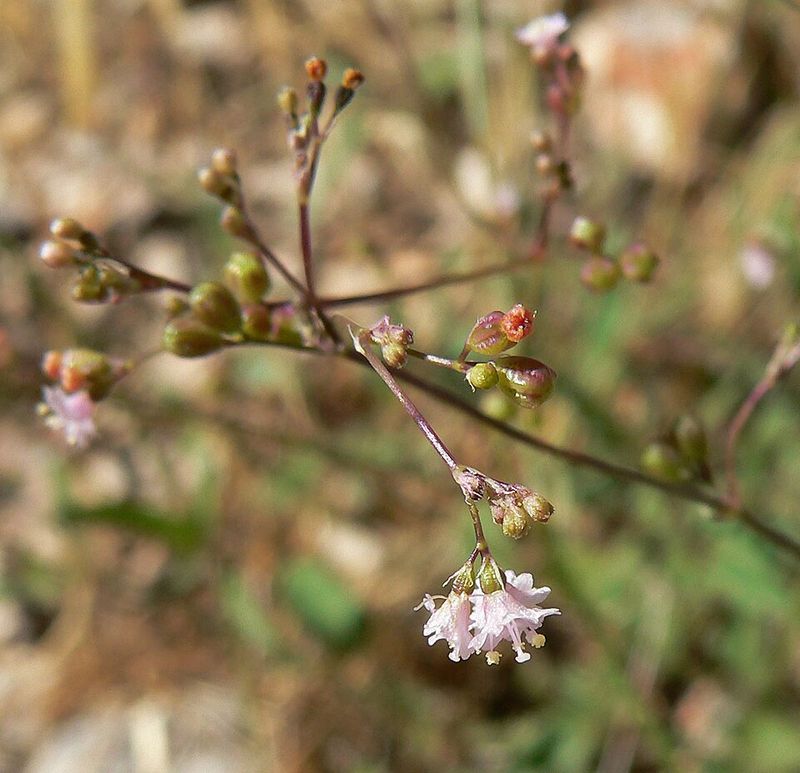
Boerhavia coulteri is not the flashiest plant on this list, but it might be the most honest. Prostrate spiderling shows up in bare, disturbed soil and just starts growing.
No fuss, no special preparation, no coaxing required. That kind of reliability is exactly what a low-maintenance yard needs.
Tiny pink to magenta flowers dot the stems throughout the warm season. Up close, they are actually quite pretty.
From a distance, the plant creates a soft, textured mat that softens harsh gravel or rocky areas without overwhelming the space.
Growth stays flat and close to the ground, rarely exceeding six inches in height. It spreads steadily by seed and by trailing stems.
Over time, it fills gaps between rocks, boulders, and larger shrubs without crowding them out.
Full sun and fast-draining soil suit prostrate spiderling well. It tolerates poor, nutrient-low soil without complaint.
Fertile, moist conditions are not what this plant wants, so resist the urge to over-water or fertilize it.
Established plants handle summer heat and drought with minimal stress. Occasional deep watering during the hottest, driest stretches is enough.
Monsoon rain alone often sustains it through the growing season in most low-desert locations.
Wildlife value is a quiet bonus. Small birds and insects use the plant for shelter and foraging.
Prostrate spiderling is not showy, but it does real work filling bare ground in a way that feels completely natural and unforced.
A patch of prostrate spiderling can also help reduce exposed soil, making desert landscapes look more established and less barren over time.
6. Desert Ruellia Spreads Naturally Through Open Spaces
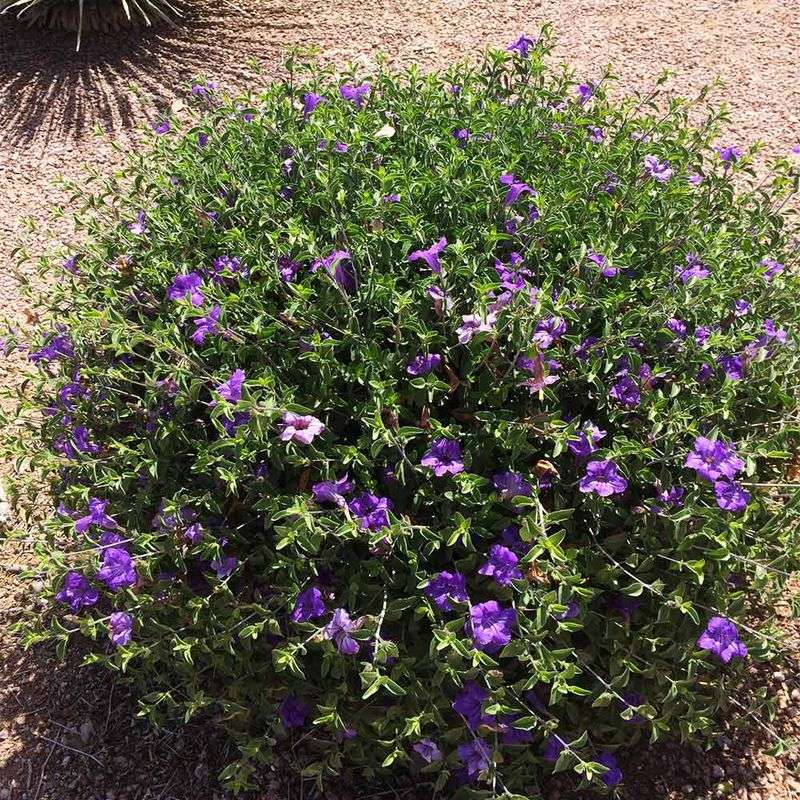
Desert Ruellia is one of the most dependable native plants for covering bare ground in hot, dry landscapes.
This low-growing perennial gradually spreads outward, creating dense patches of green foliage that help reduce exposed soil and soften the appearance of rocky desert yards.
Unlike traditional turf, it accomplishes this with very little supplemental water once established.
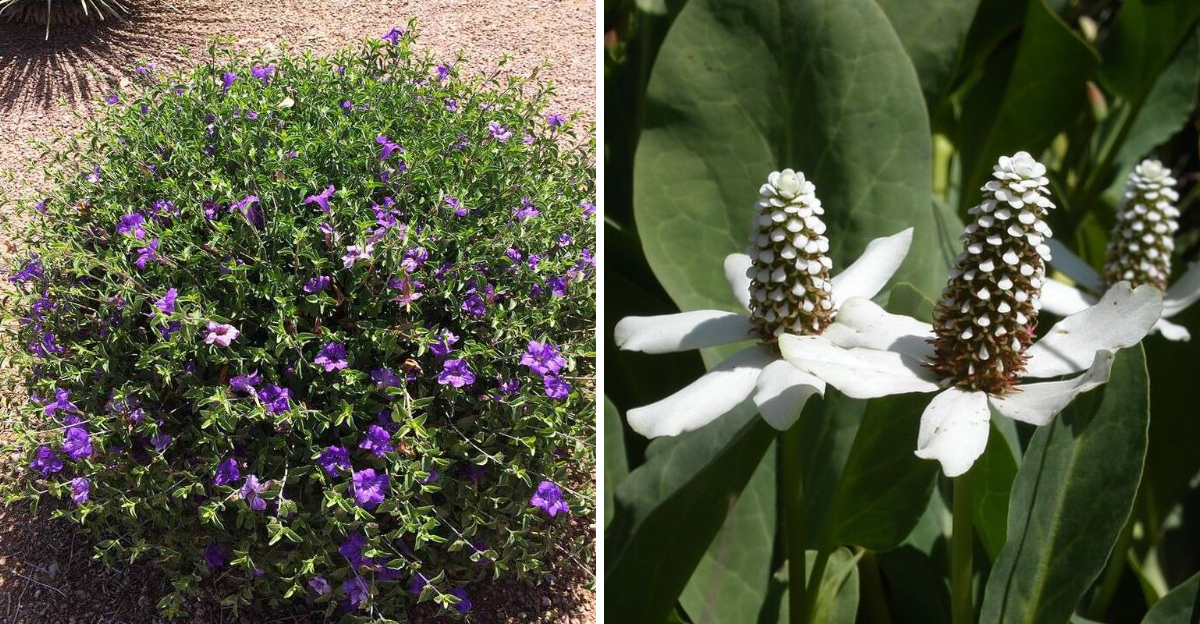
Bright purple trumpet-shaped flowers appear repeatedly during the warm season and attract bees, butterflies, and other pollinators. The colorful blooms stand out against the plant’s green foliage and provide visual interest for months at a time.
Flowering often increases following summer rainfall, adding another seasonal burst of color to the landscape.
Full sun is ideal, although Desert Ruellia tolerates light shade in some locations. Well-drained soil produces the best results, and the plant adapts well to gravelly or rocky conditions commonly found in desert landscapes.
Once established, it handles intense summer heat without significant stress.
Plants spread gradually by underground stems, allowing them to fill gaps between larger shrubs and perennials over time.
This growth habit makes Desert Ruellia especially useful on slopes, around boulders, and in areas where a natural-looking ground cover is preferred over traditional lawn grass.
Minimal maintenance is required beyond occasional cleanup. For homeowners looking to replace thirsty turf with a native alternative, Desert Ruellia offers reliable coverage, seasonal color, and impressive drought tolerance.
Over time, a mature planting can cover a surprising amount of ground while requiring very little ongoing attention.
7. Yerba Mansa Thrives In Moist Areas
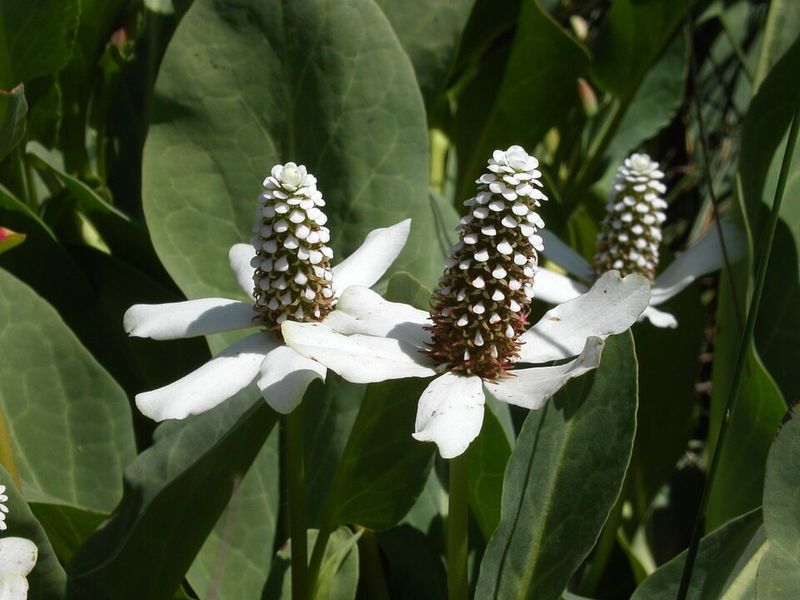
Most native ground covers want dry soil and full sun. Yerba mansa breaks that pattern completely.
Anemopsis californica prefers moist, even wet ground and thrives in spots near irrigation lines, low-lying areas, or shaded garden beds that stay damp longer than the surrounding yard.
White, cone-shaped flowers rise above the foliage in late spring and early summer. They look almost tropical, which surprises people who assume desert natives are always subtle.
The contrast between those blooms and the surrounding landscape is genuinely striking.
Leaves are large and oval-shaped with a pleasant spicy scent when brushed. That fragrance has made yerba mansa a valued medicinal plant among Indigenous communities in the Southwest for generations.
Growing it connects a yard to a long regional history.
Shaded or partially shaded spots near water features, drainage areas, or drip-irrigated beds work perfectly. Full sun can stress the plant if moisture is inconsistent.
Reliable moisture access matters far more than soil type for this species.
Once established in a suitable moist location, yerba mansa spreads by underground rhizomes. Coverage builds steadily over one to two seasons.
Containing its spread occasionally becomes necessary in smaller garden spaces.
Foot traffic tolerance is moderate. It works better as a visual ground cover than a walkable lawn substitute.
For shaded, moist corners of a desert yard where nothing else seems to grow well, yerba mansa fills that role better than almost any other native option available.
Dense colonies can also help stabilize soil around drainage areas, reducing erosion while creating a lush, natural-looking ground cover.