10 Garden Gifts Arizona Gardeners Actually Want This Holiday Season
Ancient farmers in dry lands buried unglazed clay jars beside their crops, and those humble pots still save water today. I love how a gift that old can feel so fresh in a modern desert backyard.
Arizona gardeners face a strange calendar, since our best planting season starts right when other states pack up their tools. That means a holiday gift here gets used within days, not stored away until some distant spring.
Personally, I would rather unwrap something useful than another cute sign that fades in the sun by June. You probably feel the same way if your garden fights heat, hard soil, and thirsty plants.
The gifts below come from real desert needs, and a few of them even invite helpful wildlife into the yard. Which one would make your favorite gardener grin the moment the wrapping paper comes off?
1. Native Wildflower Seed Mix
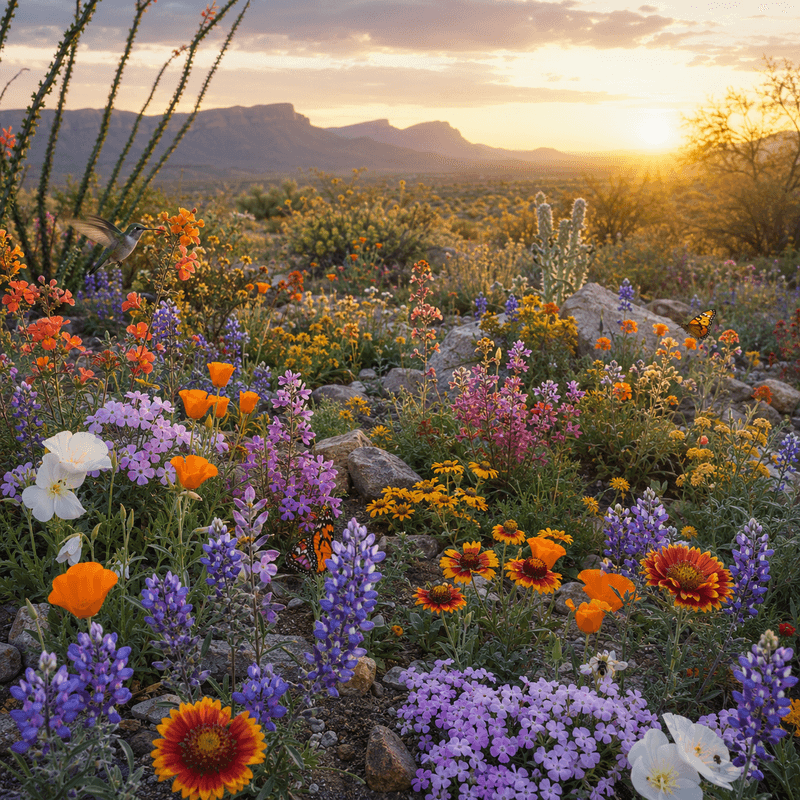
Few gifts arrive in such a tiny packet yet promise a whole spring meadow buzzing with native bees and butterflies. I still smile when I remember my first desert marigold blooms popping up beside a gravel path last March.
Fall is the ideal time to sow these seeds in low desert yards, because cooler soil and winter rains wake them up. You simply rake the ground lightly, scatter the seeds, and press them in with your shoes or hands.
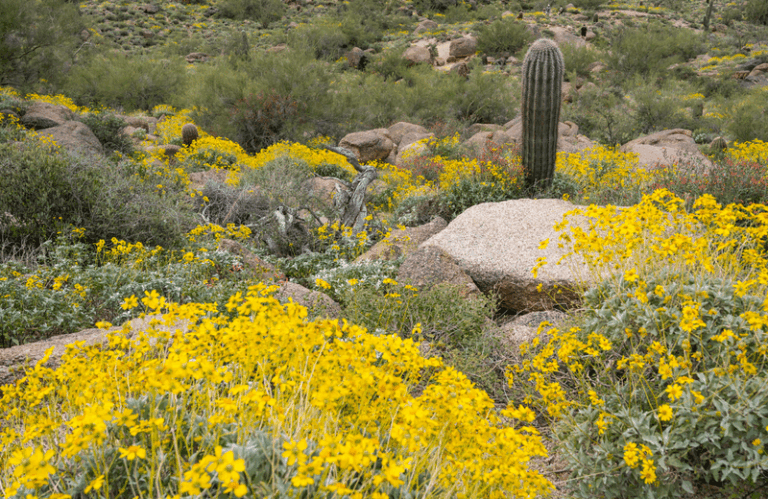
Look for blends labeled for the Southwest, since they skip invasive species and focus on plants adapted to dry heat. Desert marigold, globe mallow, and penstemon show up often, and hummingbirds visit the tubular flowers with real enthusiasm.
Once established, most of these annuals and perennials need little extra water and reseed themselves in friendly spots. Many gardeners also notice more lizards and birds hunting insects among the flowers, which adds lively natural pest control.
Pair the seed packet with a handwritten note about sowing dates, and the gift feels thoughtful and practical together. Your friend gets weeks of color later, plus the fun of watching tiny sprouts appear after the first good rain.
2. Terracotta Olla
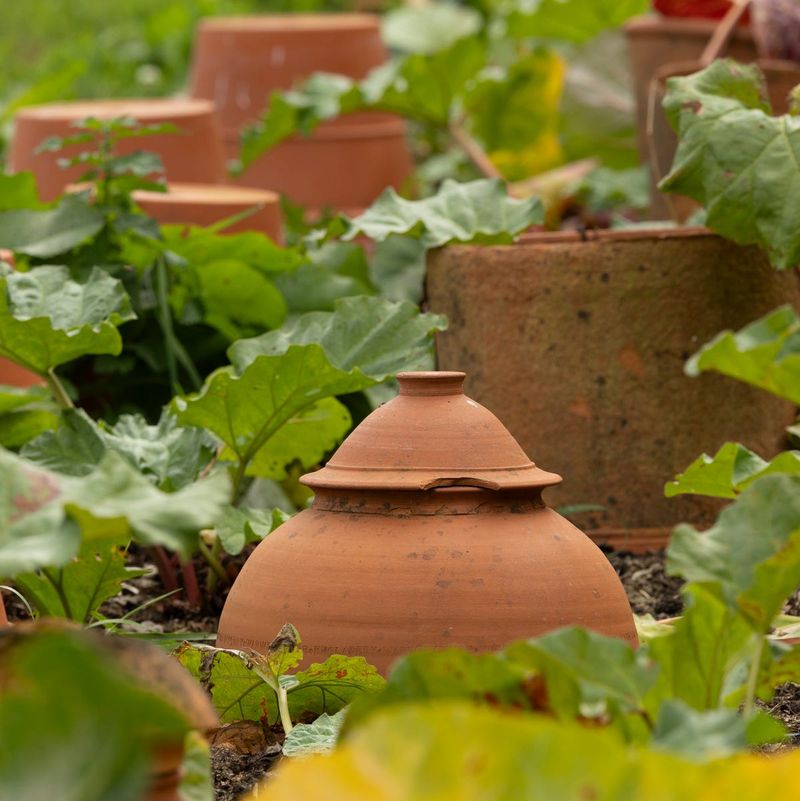
Clay pots buried up to their necks sound like an archaeology find, yet ollas quietly water gardens across modern desert neighborhoods. I have to admit my first olla felt like a magic trick once my tomatoes stopped wilting by afternoon.
Unglazed terracotta walls let water seep slowly into nearby soil, and plant roots gather around the pot to drink. Because the soil surface stays drier, you often see fewer weeds sprouting between rows of vegetables and herbs.
Gardeners report big water savings compared with hand watering, though actual results depend on soil type and pot size. Even so, less evaporation matters in a place where summer afternoons regularly climb well above one hundred degrees.
October is a smart month to bury one, since cool season crops like lettuce, kale, and chard are going in now. Fill the olla every few days, keep a lid on top, and roots will spread steadily toward the moist clay.
Choose a size that matches the bed, and add a small bag of potting mix for a complete gift. Busy friends especially appreciate a watering helper that works quietly while they handle holiday plans and errands.
3. Bypass Pruners
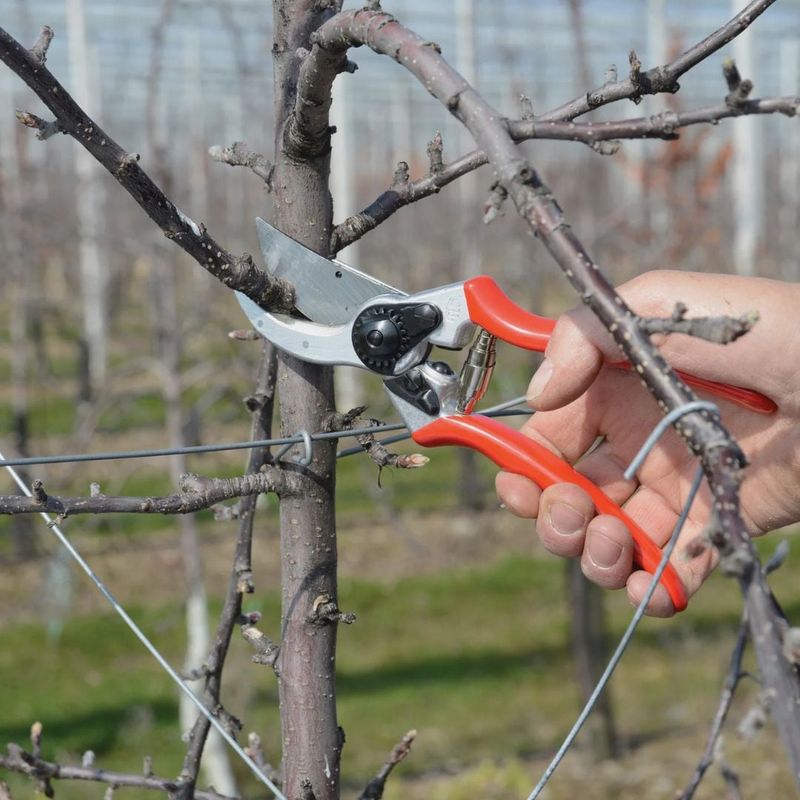
Sharp steel makes a satisfying little snip, and desert gardeners hear that sound often while shaping tough, woody shrubs. Honestly, a cheap pair of pruners crushed so many stems for me that I finally upgraded and never looked back.
Bypass pruners work like scissors, with two curved blades sliding past each other to make clean cuts on living branches. Clean cuts heal faster than crushed ones, which helps shrubs like Texas sage and desert ruellia bounce back after trimming.
Brands such as Felco and Corona earn loyal fans because their hardened blades hold an edge and can be resharpened. Many Felco models also offer replacement parts, so one good pair might serve a gardener for many years.
Fall is a sensible time for light shaping in the low desert, while heavy pruning of frost tender plants waits until late winter. Remind your gift recipient to wipe blades between plants, which reduces the spread of disease from shrub to shrub.
Comfortable grips matter more than people expect, especially for small hands or anyone dealing with sore joints. Tuck in a sharpening tool and a cleaning cloth, and the gift instantly feels like a professional upgrade.
4. Dry Climate Gardening Book
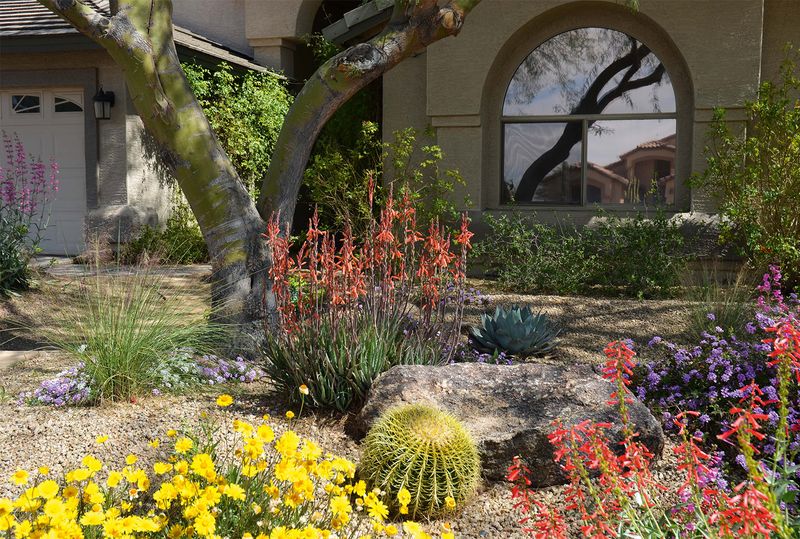
Some of the best desert garden advice comes from a Phoenix horticulturist who goes by the friendly nickname AZ Plant Lady. Noelle Johnson wrote Dry Climate Gardening, and I love how she makes low water landscapes look lush rather than sparse.
Her book covers plant selection, desert soils, spacing, and light needs with clear guidance that newcomers can follow easily. Experienced gardeners still pick up fresh ideas, especially about pruning shrubs naturally instead of shearing them into tight green balls.
Moving here from a rainy state can feel confusing, since planting calendars and watering rules flip upside down. A trusted local guide answers questions before costly mistakes happen, like placing a sun loving shrub in deep afternoon shade.
The pages also encourage gardens that welcome birds, butterflies, and helpful insects instead of treating yards as pure decoration. That wildlife friendly approach suits anyone hoping to invite lizards and birds that snack on pesky insects around the patio.
Books make easy gifts to ship, and they rarely end up forgotten in a closet. Add a sticky note marking your favorite chapter, and your friend will feel like you planned their spring planting together.
5. Chuparosa
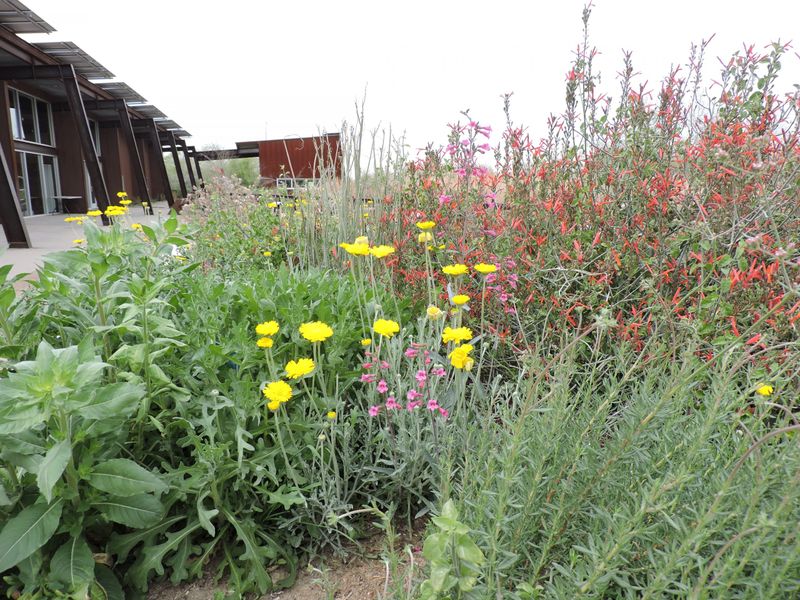
Hummingbirds treat chuparosa like a favorite diner, zipping in all day for nectar from its bright red tubular flowers. The common name even comes from a Spanish word linked to hummingbirds, which fits this native shrub beautifully.
Justicia californica grows naturally in Arizona deserts, reaching roughly five feet tall and spreading wider than that over time. Its blue green stems keep working in drought, even when the small leaves drop off during dry stretches.
Flowers appear heavily from late winter into spring, and some plants bloom on and off through other months too. I can’t imagine a winter garden without that bright splash of red attracting busy birds across chilly mornings.
Plant it in full sun with well drained soil, and give regular water only until roots settle in. Fall planting in the low desert works well, since cooler weather lets roots grow before next summer brings intense heat.
Frost can nip the tips in colder spots, though plants usually regrow from the base after a hard night. A five gallon chuparosa with a bow on the pot makes a lively gift that keeps giving for years.
6. Hummingbird Feeder
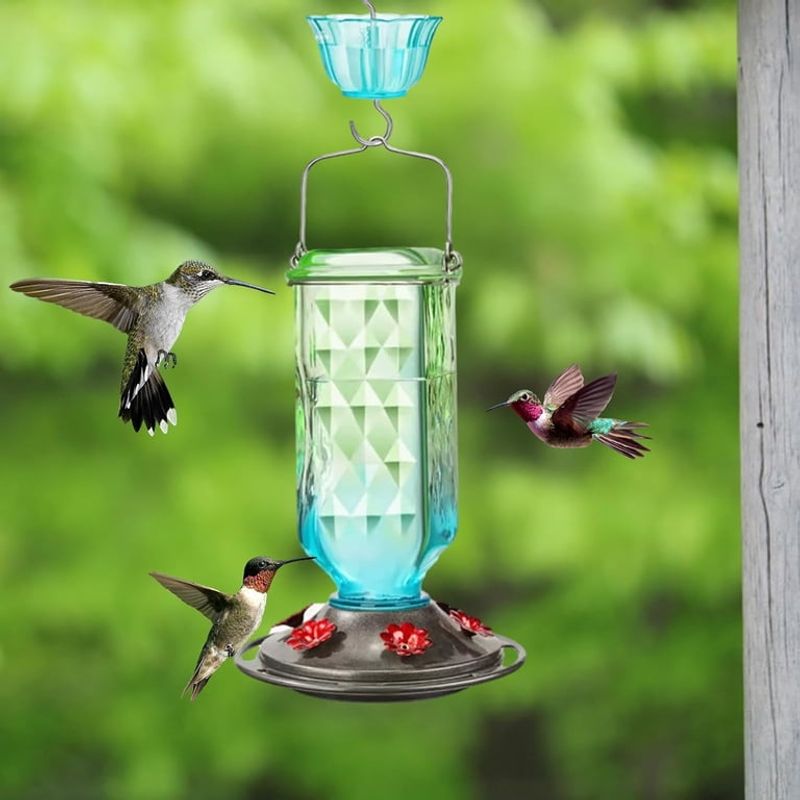
Southeast Arizona attracts birders from around the world, partly because so many hummingbird species pass through its canyons and yards. Even city gardens host Anna’s hummingbirds year round, and you might notice their pink throats flashing in winter sunlight.
A simple feeder brings these tiny acrobats closer to your windows, especially when natural blooms run thin. Fill it with four parts water to one part plain white sugar, and skip red dye since birds respond to the feeder color anyway.
Hot weather spoils nectar quickly, so feeders in warm months need fresh solution and a good cleaning every day or two. Cooler fall and winter days stretch that schedule a bit, though cloudy nectar still means it needs replacing right away.
Look for a model that comes apart easily, because hard to clean feeders often end up ignored. Built in ant moats and drip resistant ports help keep insects away from the sugar water and the surrounding patio.
Hang it in partial shade near a shrub, which gives birds a safe perch between sips. Add a small cleaning brush to the gift, and your friend will thank you every time a hummingbird stops by.
7. Garden Kneeler And Seat
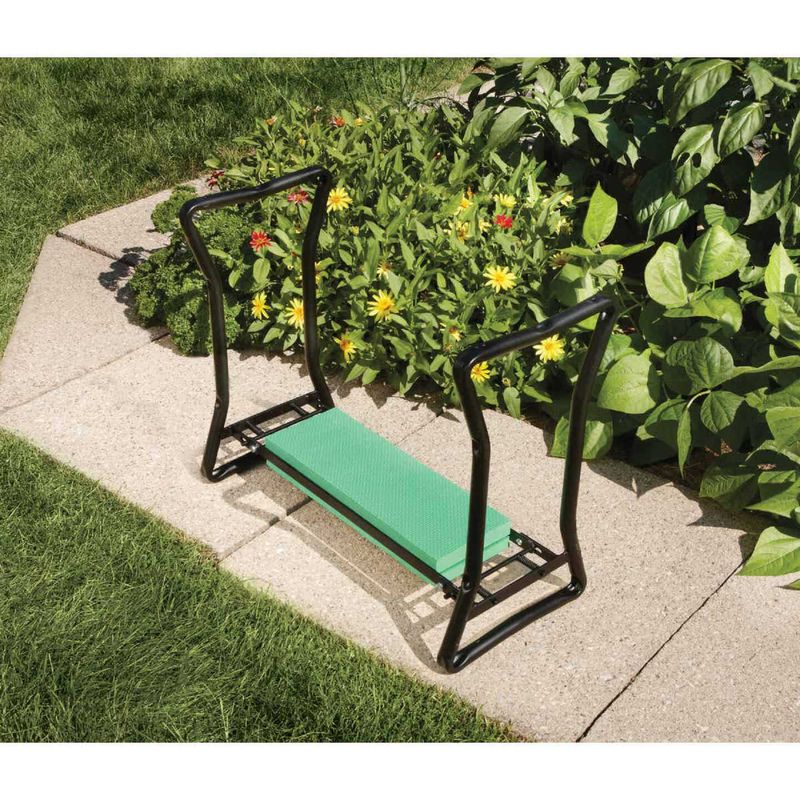
Kneeling on sunbaked gravel teaches a lesson quickly, and most desert gardeners learn it with sore knees. I believe a padded kneeler ranks among the most appreciated gifts, even if it sounds a little boring at first.
Flip it one way and you get a cushioned pad for weeding, then flip it over for a sturdy low bench. Side handles help you lower down and stand back up, which matters for anyone with stiff backs or tired hips.
The padding also creates a barrier between skin and hot ground, since rocks and soil hold warmth long after sunrise. Even October mornings can feel surprisingly warm in lower elevations, so that cushion keeps planting sessions far more pleasant.
Many models fold flat and weigh only a few pounds, making them easy to carry between beds. Some even include tool pouches on the sides, so trowels and gloves stay close instead of disappearing into the mulch.
Choose one with a powder coated frame, because desert sun and occasional sprinkler spray can wear down bare metal. Your favorite gardener will probably use it during the very next weeding session and wonder how they managed without it.
8. Caliche Bar
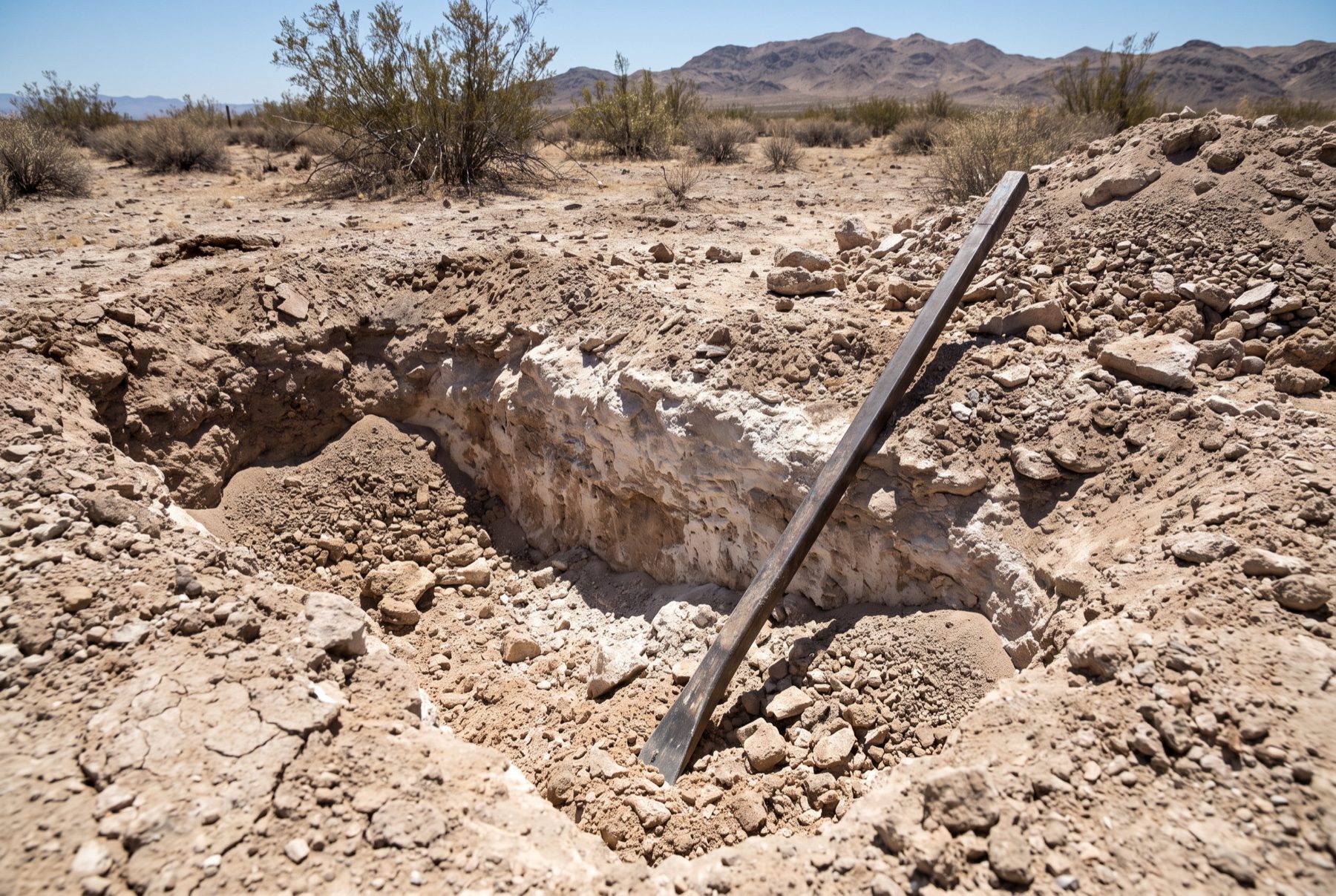
Caliche can feel like hidden concrete, and many new desert gardeners discover it after their shovel bounces back with a clang. This hard layer forms when calcium carbonate cements soil particles together, often just inches below the surface.
A caliche bar is a long, heavy steel rod with a chisel or pointed end built for chipping through that crust. You raise it, let the weight drop, and slowly break the layer into chunks that a shovel can finally lift.
Breaking through matters, because trees and shrubs planted over solid caliche often struggle with poor drainage and shallow roots. Extension experts suggest testing drainage by filling the hole with water and watching how quickly it soaks away.
Fall planting season makes this tool especially timely, since many gardeners are digging new holes for trees and shrubs right now. Pair it with sturdy gloves, and maybe a coupon promising your help, because the work definitely raises a sweat.
It rarely looks glamorous under the tree, though seasoned desert gardeners recognize its value immediately. I have watched friends grin at this gift, knowing it will save hours of frustration during their next planting project.
9. Metal Raised Garden Bed
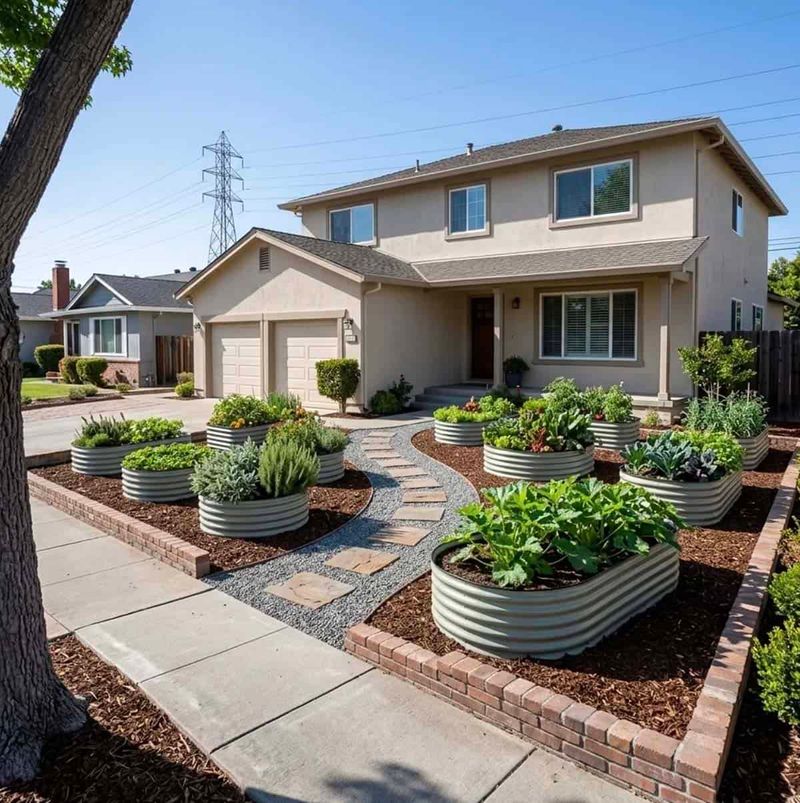
Galvanized steel beds have become a familiar sight in desert backyards, and their tidy silver frames help gardeners skip stubborn native soil entirely. Personally, I grew my best carrots ever in one, since roots finally had loose, rich soil to explore.
Filling a raised bed lets you build a custom mix that drains well yet still holds enough moisture for vegetables. Adding drip lines and a thick layer of mulch helps conserve water, which matters in a region with scarce rainfall.
Metal resists rot and termites better than many wooden options, so these beds often last for many seasons. Their height also eases bending, giving gardeners a comfortable working level for planting seeds and pulling weeds.
October brings prime planting time for cool season crops like spinach, broccoli, and carrots across the low desert. A new bed set up this month could produce fresh salads by early winter, which feels like a delicious holiday surprise.
Shade cloth clips onto many frames later in the year, helping protect plants when summer sun returns. Bundle the bed with a few seed packets, and your friend gets an instant project waiting outside the door.
10. Wide Brimmed Sun Hat
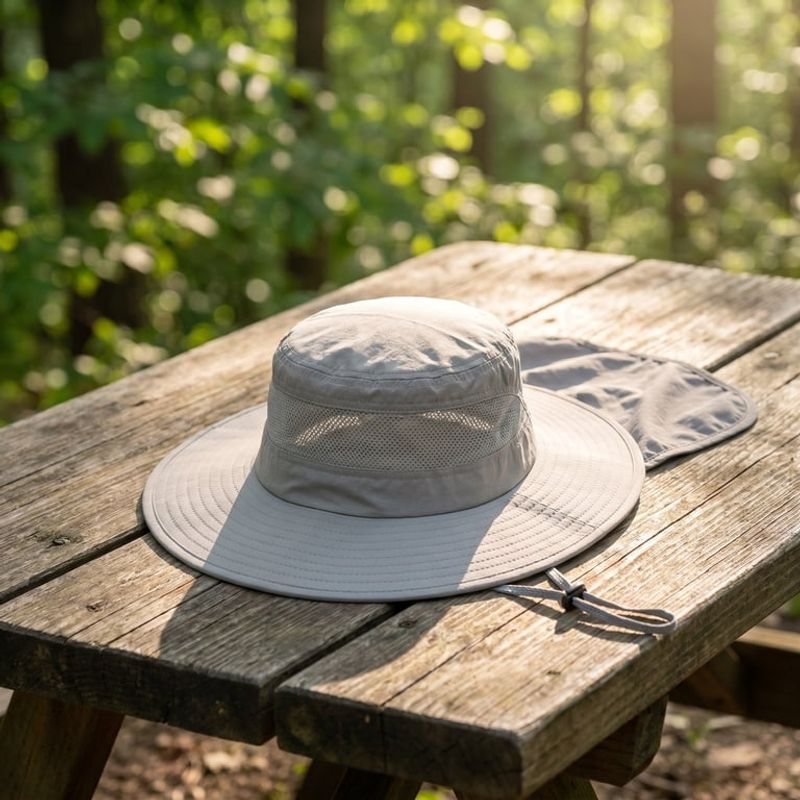
Desert sunshine feels friendly in October, yet UV rays still pack plenty of strength even when temperatures finally ease up. I learned that lesson with a sunburned neck after a cheerful morning of planting that stretched well past lunchtime.
A wide brimmed hat shades the face, ears, and neck, areas that often take the most sun while you work bent over. Hats rated UPF 50 block about ninety eight percent of UV rays, according to commonly cited fabric standards.
Look for mesh vents and a moisture wicking sweatband, because airflow keeps heads cooler during long garden chores. An adjustable chin strap helps too, since gusty desert winds love snatching hats and tossing them across the yard.
Some fabric hats can be soaked in cool water, giving a refreshing chill during warmer afternoons. That trick feels wonderful during spring and late summer, though dermatologists still recommend sunscreen alongside any hat.
Neutral colors match most outdoor outfits, while a brighter shade makes the wearer easy to spot across a big yard. I like how this gift protects the gardener instead of the garden, which shows genuine care for the person behind the plants.