Why Fireplace Ash Can Hurt Many Arizona Gardens
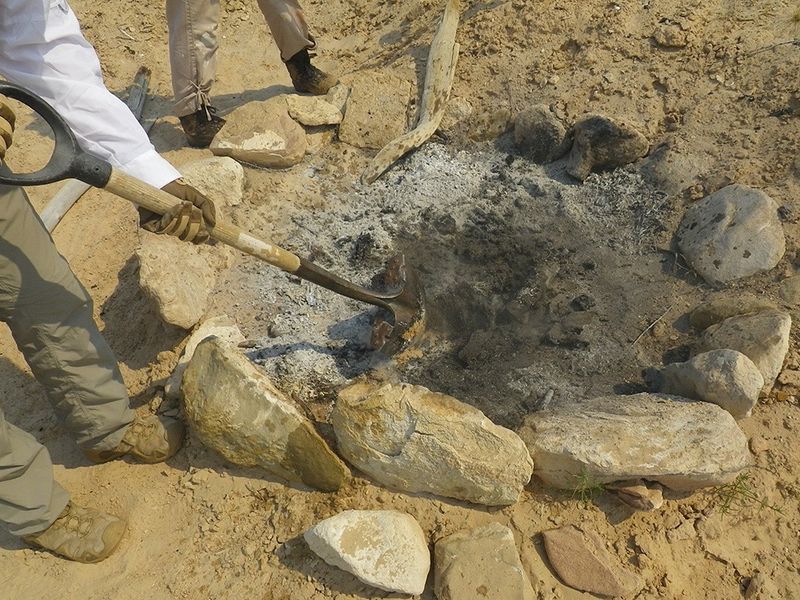
That bucket of cold ash by your hearth is not harmless yard waste. It acts a lot like garden lime, which is a pH-raising material.
In Arizona, most soils already lean alkaline, so tossing ash on a garden bed can be a gamble. Let’s look at when it helps, when it hurts, and how to find out for your own yard.
Wood Ash Acts Like Lime in Soil
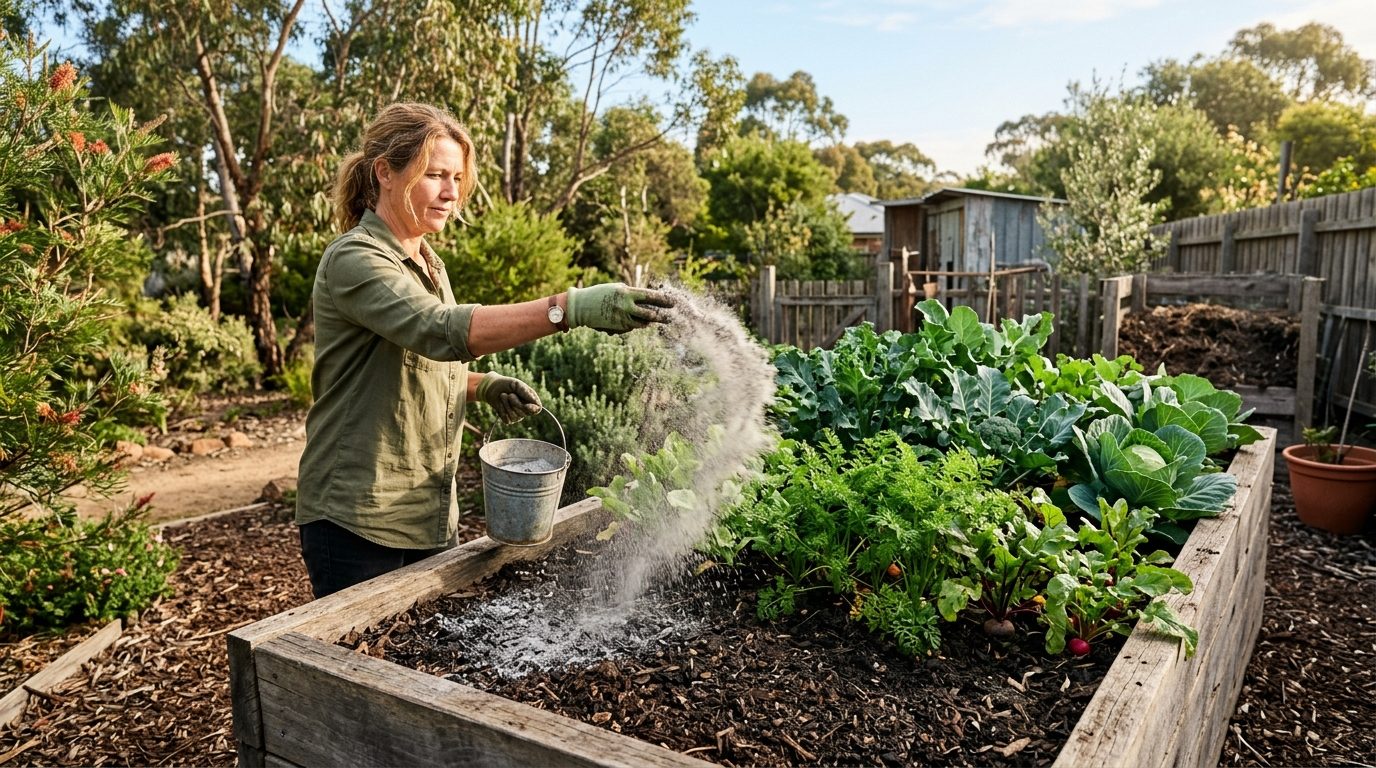
Most of us treat ash as leftover trash. Yet it behaves like an active amendment once it hits the dirt.
Wood ash can raise soil pH, and it can also add potassium, calcium, and soluble salts.
Not every bucket is the same. Oklahoma State University Extension reports big differences among fireplace ash samples, and the type of wood and the burn conditions both play a part.
Ash from a hot oak fire will not match ash from a smoldering pine log.
Ash is also not a complete fertilizer. It does not supply nitrogen, and it will not feed every plant the way a balanced product might.
Think of it as a pH-shifting material with some minerals, not as a free garden boost.
That is why ash should be treated as an ingredient you measure, not cleanup you scatter. The next sections show why that matters so much in desert yards.
Why Many Arizona Soils Start Alkaline
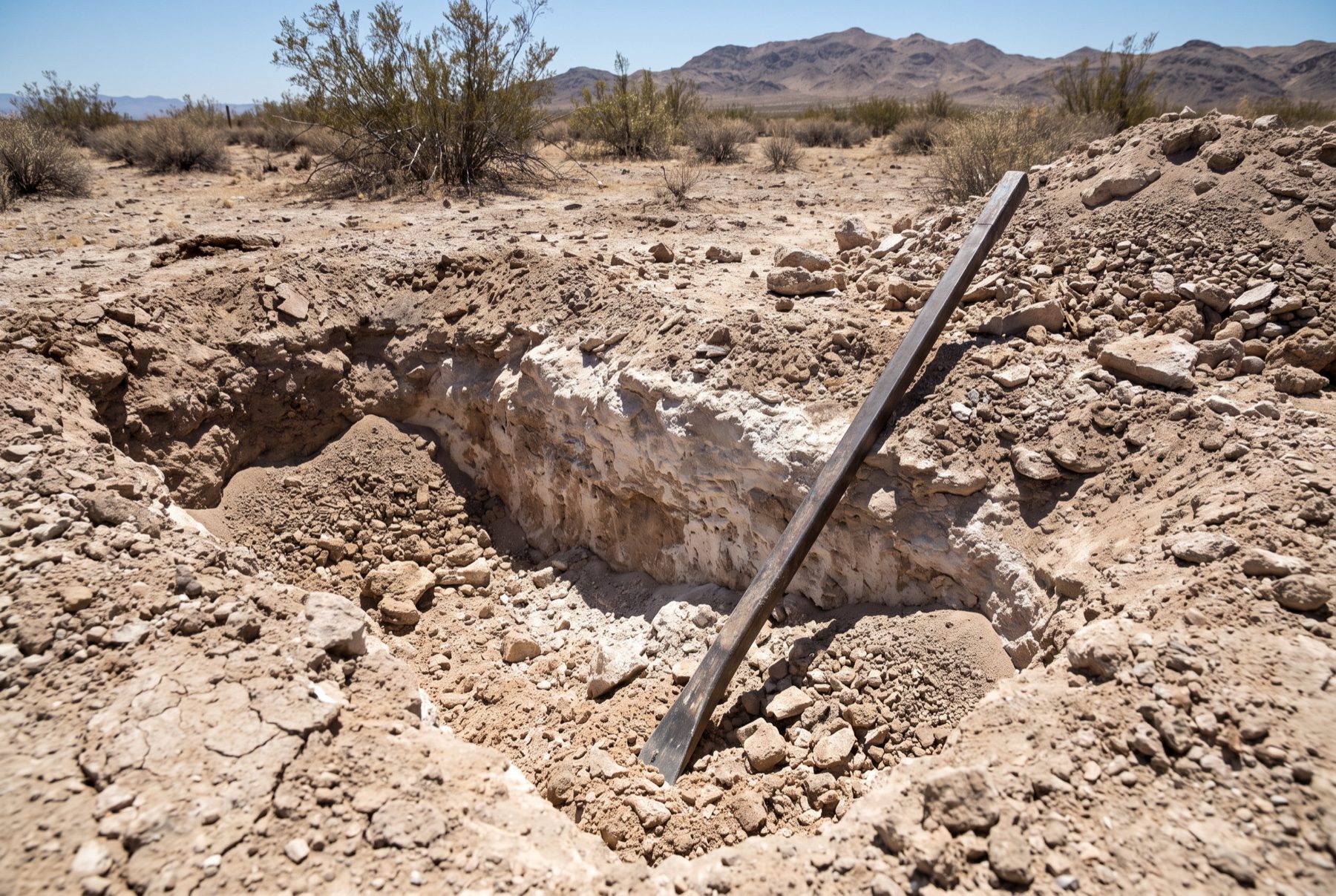
Walk around a Phoenix or Tucson yard and you may spot pale crusts and chalky dirt. That is often a sign of alkaline ground.
University of Arizona Extension reports a pH range of 7 to 8.5 for most Arizona soils.
Most does not mean all. Some Arizona soils are neutral or even acidic, especially in certain higher-elevation spots.
Your yard could be an exception, and only a test can tell you.
Many alkaline soils are also calcareous, which makes them hard to acidify. According to Choosing the Right Plants, native plants are adapted to local conditions, while introduced plants may struggle as pH nears 8.5.
So adding a pH-raising material to unknown soil is a poor default. It is not a guaranteed problem, but it is a guess that can push already high pH higher.
Higher pH Can Limit Iron and Zinc
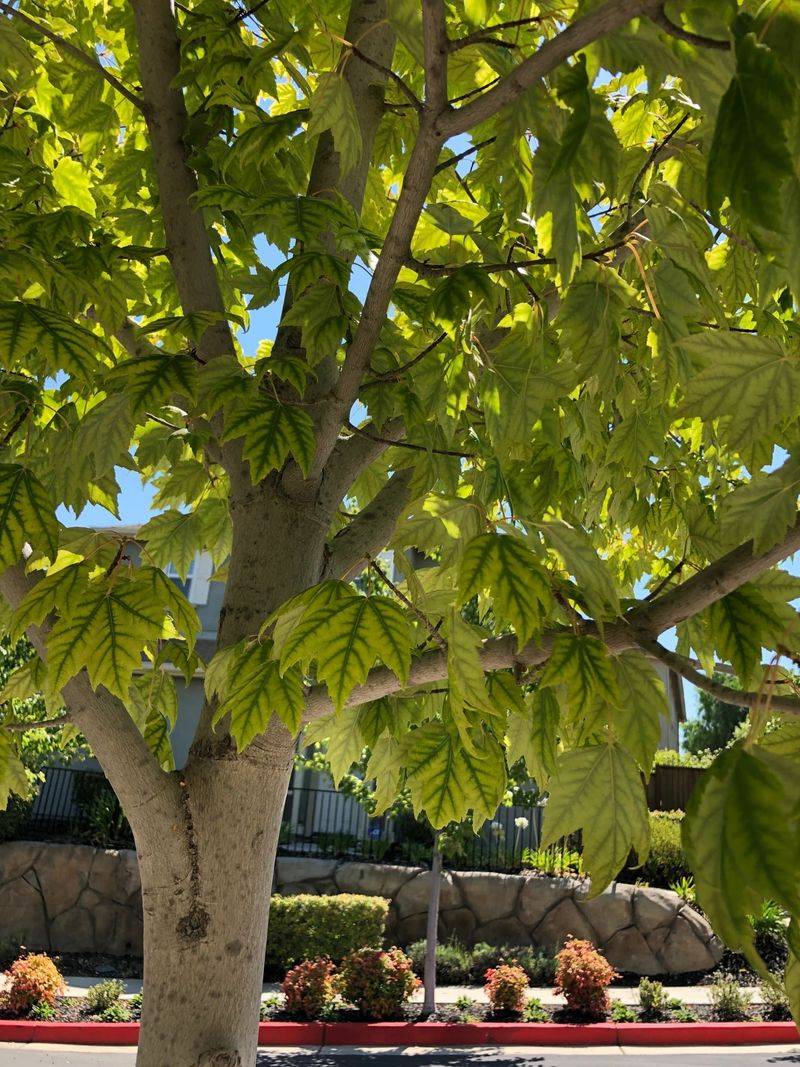
Plants can sit in soil full of nutrients and still go hungry. When pH climbs, some nutrients bind up and become harder for roots to take in.
Arizona Extension names iron and zinc as examples, and it notes that iron deficiency is common in the region.
That is why extra alkalinity deserves caution. Ash may add to a nutrient-availability problem in a yard that is already high in pH.
It will not cause one in every bed or for every plant.
If a leaf looks pale with green veins, do not blame ash right away. Many things can cause that look, including watering habits and root trouble.
A soil test gives you far better clues than guessing.
Alkalinity and Salinity Are Different
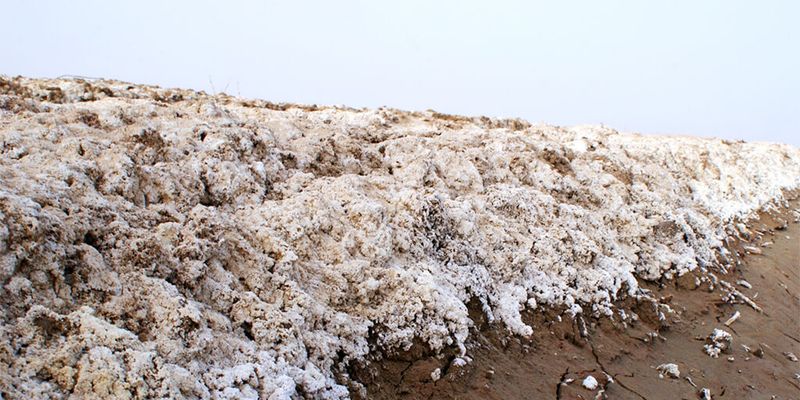
Alkaline and salty sound like twins, but they measure different things. Soil pH tells you how acidic or alkaline the soil is.
Salinity tells you how many soluble salts are present.
According to Arizona Extension, alkaline soils are often salty, though not always. Electrical conductivity, or EC, is the usual way to assess soluble salts separately from pH.
Ash adds another angle. Oklahoma State warns that ash carries soluble salts and advises against applying it directly to plants.
That makes salts a possible extra concern, not a certain outcome. A test that includes EC shows whether your soil has room for more.
Test the Soil Before You Decide
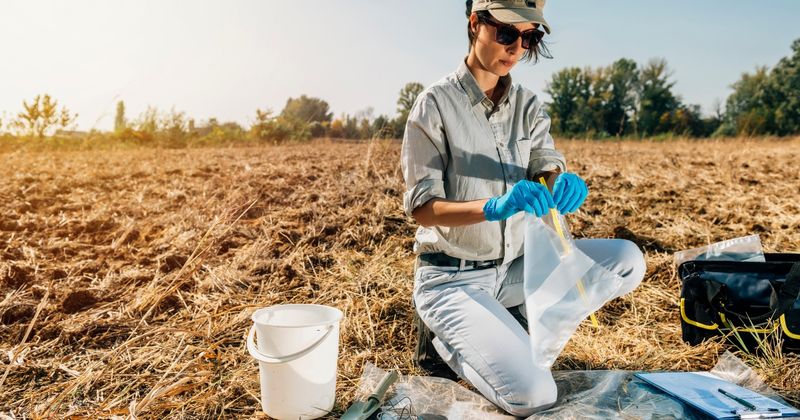
A soil test turns a guess into a plan. Pick one that fits your site and the plants you want to grow.
In Arizona, pH and EC are often useful numbers to request.
The University of Arizona keeps a directory of laboratories that test soil, plants, feed, and water. Check what each lab offers before you send a sample.
Yavapai County runs its own soil test request form. That is a local service, not a statewide program, so check with your own county office.
Take samples from the beds you actually plan to amend. Then follow the lab’s advice for your site rather than a general rule.
No Single Ash Rate Fits Every Garden
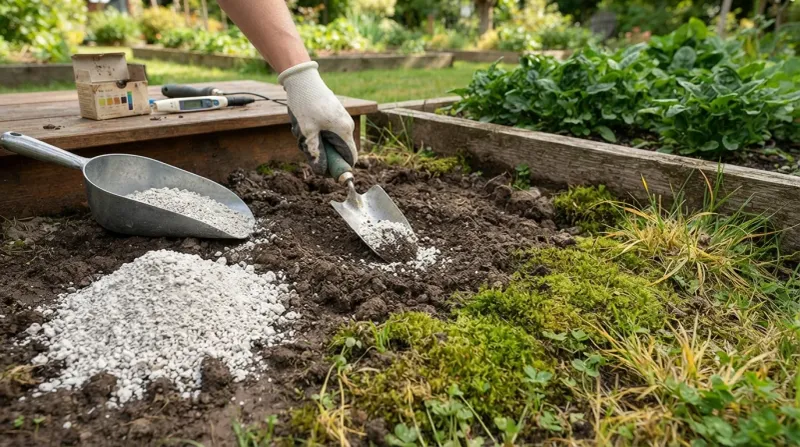
You may find confident rates online, such as so many pounds per square foot. Those numbers often come from other states with different soils.
Copying one into an Arizona yard is risky.
Published extension rates differ. University of Georgia guidance ties rates to soil-test results and to the ash’s measured liming value.
Soil texture, existing chemistry, and ash composition all change the outcome. Iowa State describes ash as roughly 0-1-3 in fertilizer terms, so it is no replacement for a balanced feed.
The practical move is to follow your lab’s advice. Ash will not fix alkaline soil, and it will not automatically improve fertility.
Use Clean Wood and Handle Ash Carefully
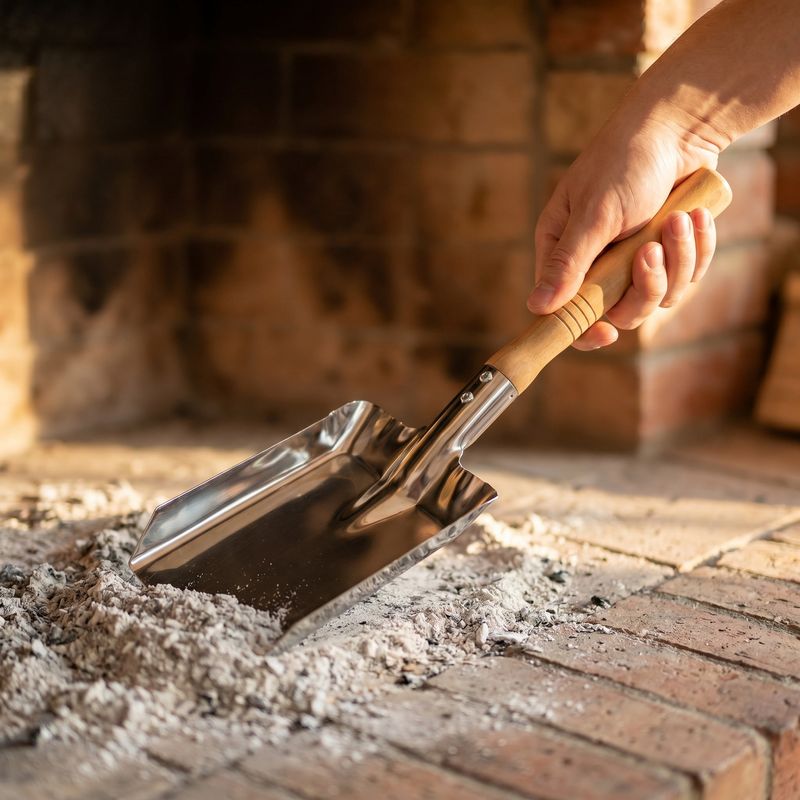
If a test says ash suits your soil, start with the source. Use ash only from clean, untreated wood.
Skip ash from painted or treated wood and from burned garbage.
The National Pesticide Information Center explains why treated wood is a concern. Its preservatives can stay in the ash.
Wear gloves and eye protection, and avoid breathing the fine dust. Let ash cool fully before you move it.
Do not mix ash with ammonium fertilizers like urea or ammonium sulfate. Iowa State Extension warns the high pH can release ammonia gas.
Follow Arizona’s Low-Desert Compost Advice
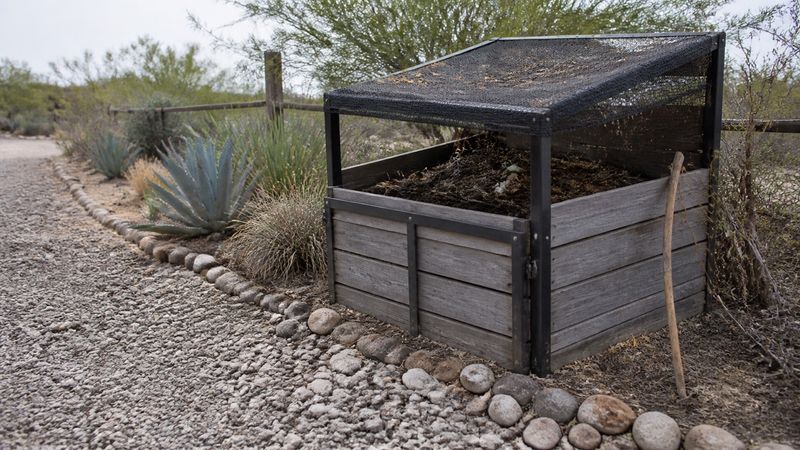
Compost bins tempt people to toss in a little ash. The University of Arizona’s low-desert composting guide says not to add fireplace ash because it raises pH.
That is local guidance for low-desert gardeners. Other extension sources differ.
Iowa State allows small amounts in compost, which suits a different region.
Neither view fits every climate or compost pile. If you garden in the low desert, the Arizona advice is your best starting point.
Test your soil, ask your county Extension office, and skip the default scoop. A bucket of ash is a question to answer, not a habit to repeat.