Could Frost Be Making Arizona Lettuce and Spinach Wilt? How to Check

Limp lettuce on a chilly morning can look alarming. Frost might be the cause, but it is only one possibility.
Wilting leaves can also point to soil moisture or root trouble. A few simple checks can help you sort out what is happening in your own garden.
Could Frost Explain the Wilt?
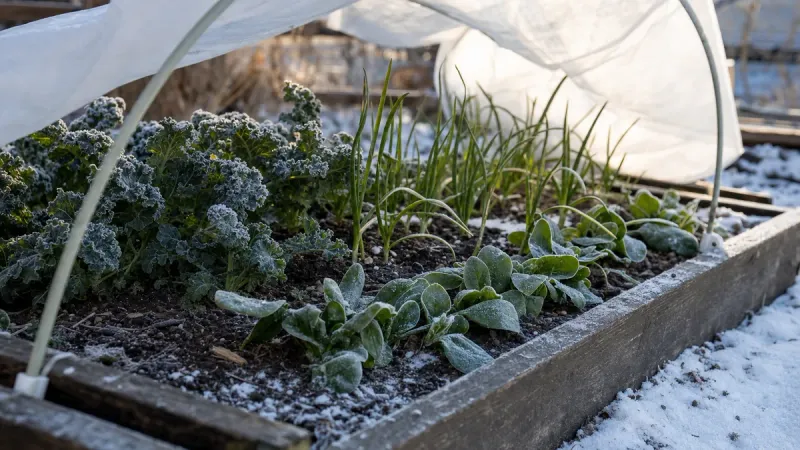
Limp leaves after a cold morning make a lot of gardeners reach for a quick answer. Frost is a fair suspect, but wilt alone does not prove it.
Think of the droopy look as a clue that tells you where to start looking.
Lettuce and spinach are cool-season crops. Arizona Cooperative Extension lists both as frost-tolerant vegetables, though timing and needs vary by location.
Tolerant does not mean frost-proof, and a hard freeze can still injure leaves.
So the question is not whether it was cold. The question is whether frost or a freeze really reached your plants, and whether other causes fit better.
The next sections walk through that check step by step, starting with the air around your plants and moving on to leaves, soil, and roots.
Check Conditions Where the Plants Grow
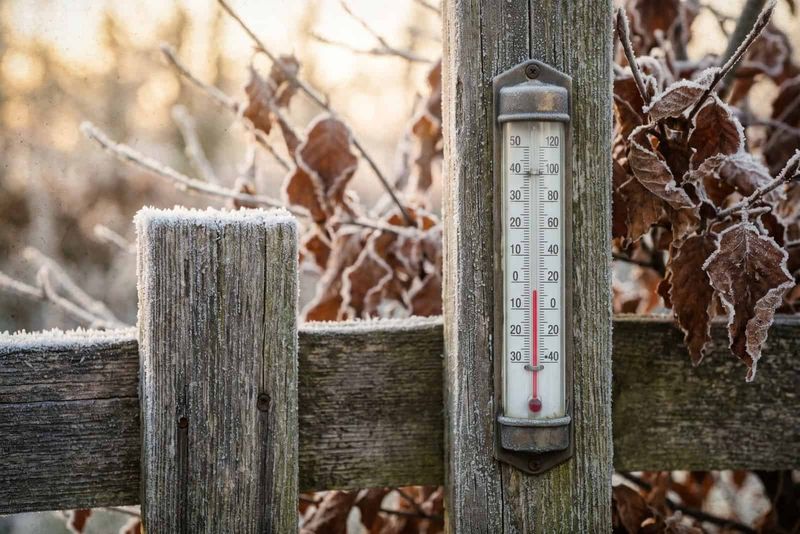
Start with a thermometer placed in the garden, right near the plants. A weather report from a distant station may not match your yard.
University of Arizona frost guidance notes that cold air can settle in low spots and that yard readings can differ from airport readings.
A cold morning, a reported air temperature, visible frost on leaves, and a freeze long enough to injure a plant are four different things. Do not treat them as the same evidence.
Walk your beds and note which corners felt colder.
Risk also depends on the crop, its age, how used to cold it is, and its health. Yuma guidance says lettuce and spinach can survive occasional light frost.
Prescott-area lettuce guidance says established plants tolerate freezing but young ones need protection. That is why no single Arizona temperature rule fits every garden.
Look for Lettuce’s Delayed Frost Clues

Lettuce has a documented frost signature. UC IPM describes frost-injured lettuce as having silvery leaves, with the upper surface separating from the tissue underneath.
Run a finger gently over suspect leaves and look closely at the surface.
Timing matters here. Symptoms may take several days to show up, so a quick look on the cold morning may not settle anything.
Check again over the next few days and keep notes on what changes.
That silvery, lifted look is described for lettuce, and it is not confirmed here as a spinach sign. Do not count on limp leaves bouncing back as the day warms, either.
Some may and some may not.
If frost injury does show up, UC IPM reports no practical control once symptoms have occurred. Watering will not reverse it.
Your best moves are to trim off damaged leaves as they decline and to plan protection for the next cold night.
Check Soil and Roots Before Watering
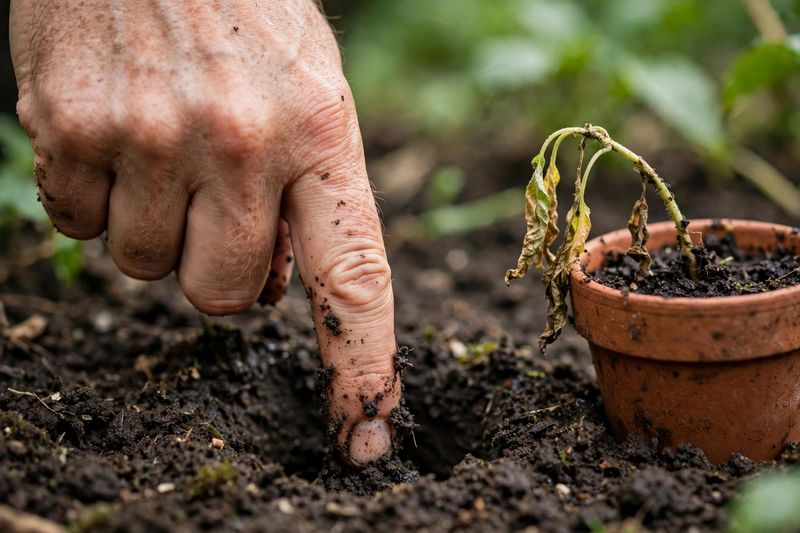
Limp leaves do not automatically mean thirsty plants. Push a finger a couple of inches into the soil first.
Arizona Extension notes vegetables need irrigation, but dry soil is something to confirm before you water.
If the soil is damp and the plants still droop, think about roots. UC IPM spinach guidance warns that excess water can damage roots.
Gently lift one plant and look for roots that are discolored or soft.
Spinach can wilt for other reasons too. University of Minnesota Extension lists root rot and heavy insect feeding among them.
Check leaf undersides for pests as you go.
Other problems, including water stress, can also resemble frost injury. Wilt by itself cannot name the cause, so let soil, roots, and leaves each add a clue before you act.
Protect Plants Before Another Frost

When a frost shows up in the forecast, covering your beds is a practical option. A floating row cover is one choice, and Arizona vegetable gardening material describes it for protecting crops from cold.
Put it on in the evening, before temperatures drop.
For general frost covers, Arizona Extension recommends cloth or paper rather than plastic laid directly on plants. Keep plastic off the foliage.
No cover guarantees protection. How well it works depends on the cover type, how well it is installed, and your conditions, including that cold low corner of the yard.
Check the manufacturer details before trusting any specific temperature claim.
Young plants and sudden cold snaps after warm weather deserve extra attention. Have your covers ready before you need them.
Use the Clues, Not a Temperature Shortcut
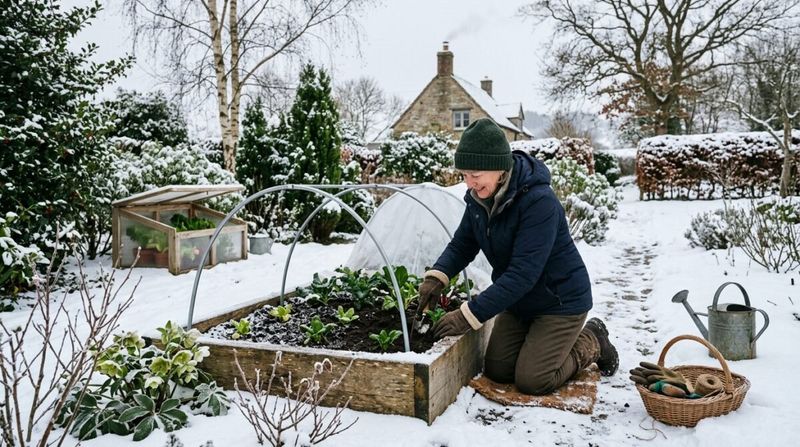
Here is a simple path to follow. Check the temperature near your plants, watch the leaves over the next several days, then test soil moisture and look at the roots.
Keep covers handy for the next forecast frost.
These checks tell you what to investigate next. They do not give a universal injury temperature, and they do not prove cold caused the wilt.
Your garden will tell its own story if you look at the clues.