Creeping Charlie Is Creeping In From Your Ohio Neighbor’s Yard. Here’s How to Stop It at the Property Line
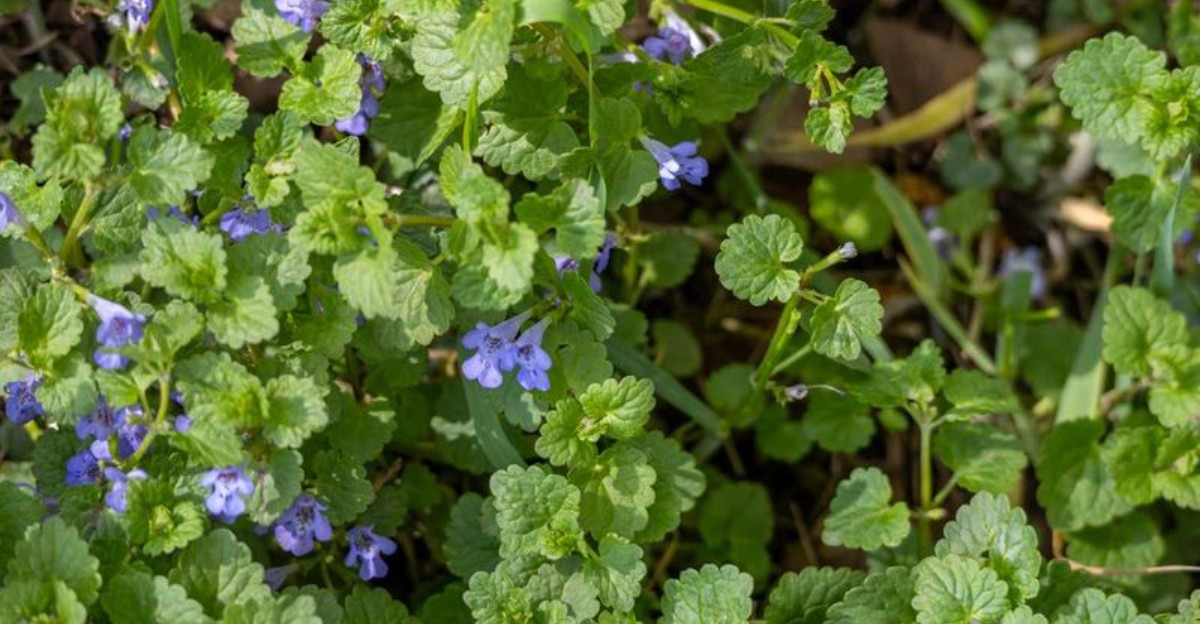
Some people once brewed beer with this lawn invader before hops took over the job. Today it mostly brews trouble along fence lines.
Its leaves smell like mint when you crush them. Its stems root wherever they touch the soil, so one stray strand can start a brand new patch.
I believe the hardest part is watching it slip under the fence from next door. You mow, you pull, and a week later fresh runners are reaching into your Ohio lawn again.
At some point, I quit blaming the neighbor and started studying the plant instead. It has habits, weak spots, and favorite hiding places.
Once you learn them, the property line starts to feel like your side of the story. Learn what this sneaky green runner is after, and your side of the fence can become its least favorite address.
Those Scalloped Minty Leaves Have a Sneaky Travel Plan
Crush one leaf between your fingers and you get a sharp, minty smell. That scent is your first clue, since creeping Charlie, also called ground ivy, belongs to the mint family.
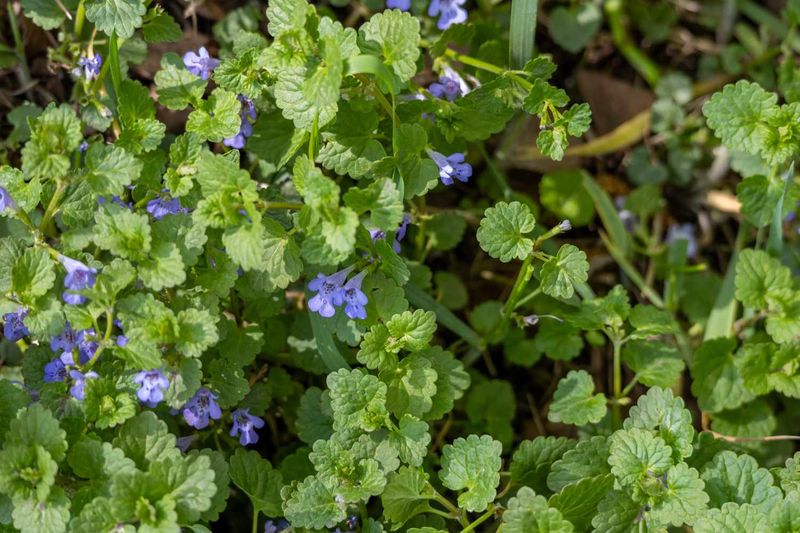
Look closer and you will spot rounded leaves with wavy, scalloped edges. The stems are square, a classic mint trait.
In spring, tiny purple-blue flowers pop up in small clusters.
The real trick is how it travels. Long stems called stolons crawl across the ground, and each node can grow roots when it touches soil.
One strand can quietly set up camp several feet from the parent plant.
Seeds help it spread too, but the runners do most of the work along fence lines. Mowing often chops stems into pieces, and those pieces can root again in damp soil.
That is why a patch next door can feel like it is marching straight at you.
Native to Europe and Asia, it arrived in North America with early settlers who valued it as a medicinal herb. Now it thrives in Ohio’s moist, shady corners.
Knowing how it moves lets you guard the exact spots where it crosses over, instead of fighting the whole yard at once.
A Buried Lawn Edging Strip Stops Runners at the Fence Line
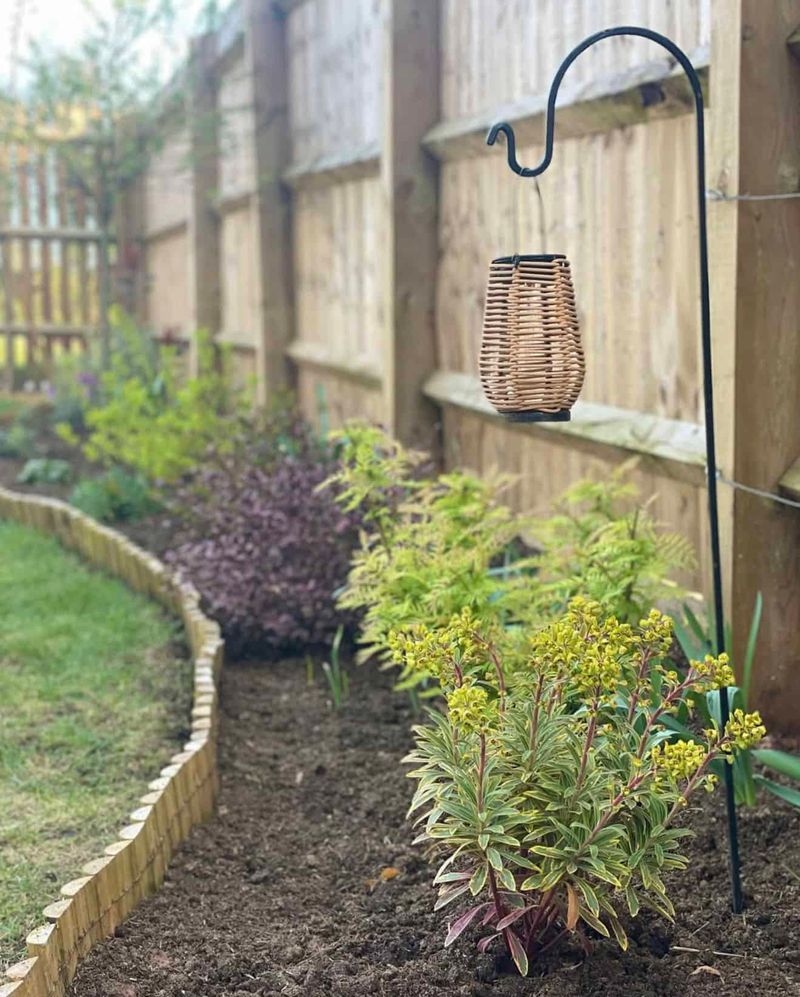
Physical barriers do the heavy lifting right where two yards meet. A sturdy edging strip, set a few inches deep with a little lip above the soil, makes it harder for runners to slide across.
Creeping Charlie spreads mostly on top of the ground, so the visible lip matters. Runners hit the edge and often stall or climb over, which makes them easy to spot and snip.
Metal, heavy plastic, or paver borders all work.
You can also leave a narrow mowing strip of mulch or gravel along the fence. Runners struggle to root in a dry, bare band, and you get a clear zone to watch.
A few tips help:
Check the property line first so the edging sits on your side. Dig after rain when the soil is soft.
Pull out every runner crossing the trench before you set the edging in place.
No barrier is perfect, since a few stems will sneak over the top. Still, a defined edge turns a slow invasion into a weekly two-minute patrol.
I find it oddly satisfying to walk the line with clippers and trim back anything reaching across.
Thick, Tall Turf Grass Crowds Out Ground Ivy Near the Border
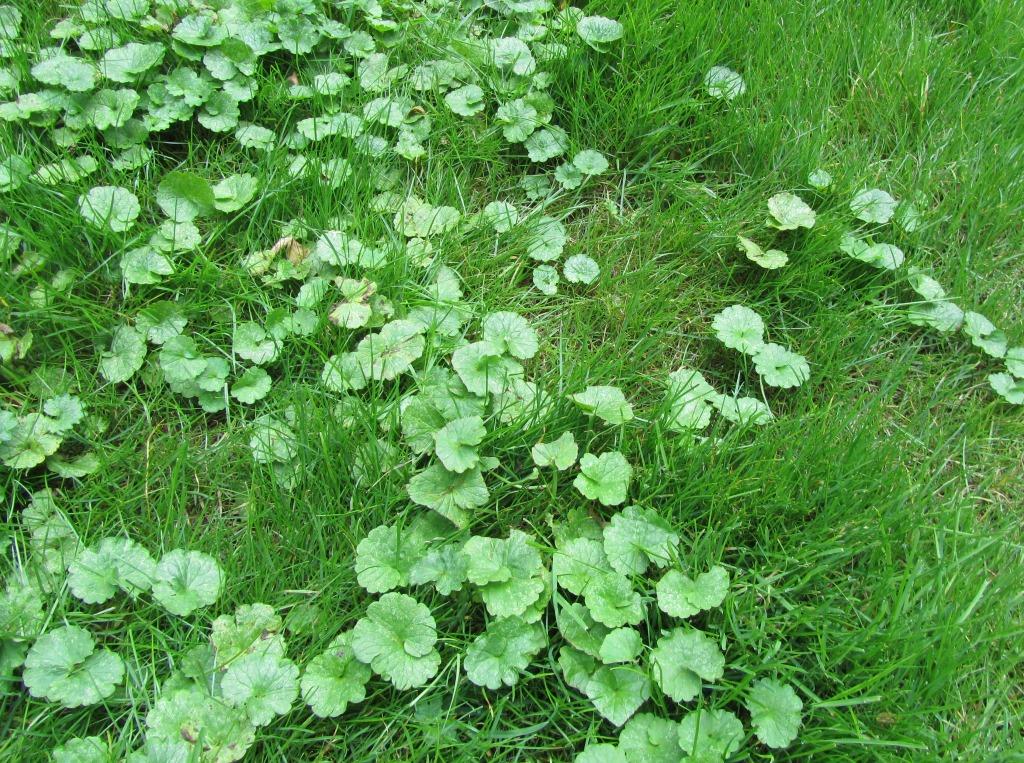
Thin grass is basically an open door. Creeping Charlie loves weak, patchy turf, and university extension experts agree a dense lawn is your strongest long-term shield.
Start with mowing height. Keep your blade around 3 to 3.5 inches so grass shades the soil and grows deeper roots.
Scalping the lawn along the fence gives runners the sunlight and space they want.
Feeding matters too. Ohio lawns of Kentucky bluegrass and tall fescue respond best to fertilizer in fall, with September and late October to early November as key windows.
A lighter spring feeding in May can help as well.
Bare spots near the property line need quick attention. Overseeding in late August through mid-September fills gaps before weeds claim them.
Cool nights and warm soil make this the sweet spot for new grass in most of the state.
Water deeply but less often, roughly an inch per week including rain. Short daily sprinkles keep the surface damp, which ground ivy enjoys more than your grass does.
Picture each grass blade as a tiny fence post. The more you have packed together, the fewer places runners find to put down roots.
Fall Is Prime Time to Spray Creeping Charlie in Ohio
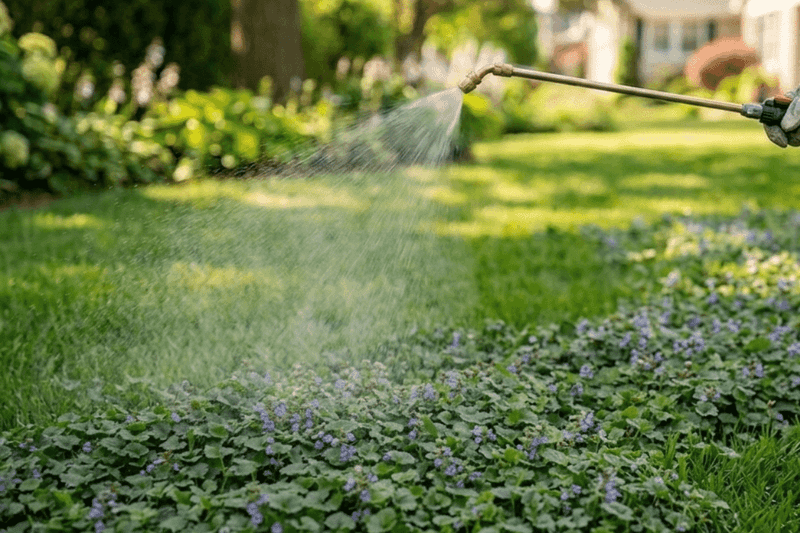
Timing can double your results without changing a single product. Ohio State University Extension and other Midwest programs point to fall as the best season to treat creeping Charlie.
As days cool, perennial weeds move sugars down into their roots for winter storage. A systemic herbicide sprayed then rides along with those sugars, reaching deep into the root system instead of just burning the leaves.
Aim for late September through early November, while the plant is still green and growing. Midwest research also shows a treatment after the first light frost can work well.
Pick a calm day with no rain expected for at least 24 hours.
Spring treatment during flowering can help, especially when the patch is bold and easy to see. Expect it to slow the weed rather than finish the job, so plan a fall follow-up.
Skip spraying during summer heat. Hot, dry weather stresses grass, and some products can drift or vaporize and harm nearby plants.
Mark your calendar now. A couple of well-timed fall treatments along the fence line often beat a whole summer of frustrated spraying.
Triclopyr Products Give Your Weed Sprayer the Best Odds
Creeping Charlie shrugs off plenty of common weed sprays. Its waxy leaves and tough runners make it famously stubborn, so product choice matters.
Extension specialists often recommend herbicides containing triclopyr for the most dependable control in lawns. Combination products with 2,4-D, MCPP, and dicamba can also help, especially with repeat applications.
Liquid sprays tend to work better than granular weed and feed products. Liquids coat the leaves evenly, and you can spot treat only the patches crossing your line instead of the whole yard.
Follow every word on the label, including rate, timing, and safety gear. Expect to repeat treatment, since established patches rarely give up after one round.
About borax, the old home remedy. Research from Iowa State and others found results inconsistent, and boron can build up in soil and harm grass and garden plants.
Most experts now advise against it.
Keep kids and pets off treated areas until the spray dries. A little patience and the right bottle go a long way along that shared border.
Hand Pulling Ground Ivy After Rain Works Better Than You Expect
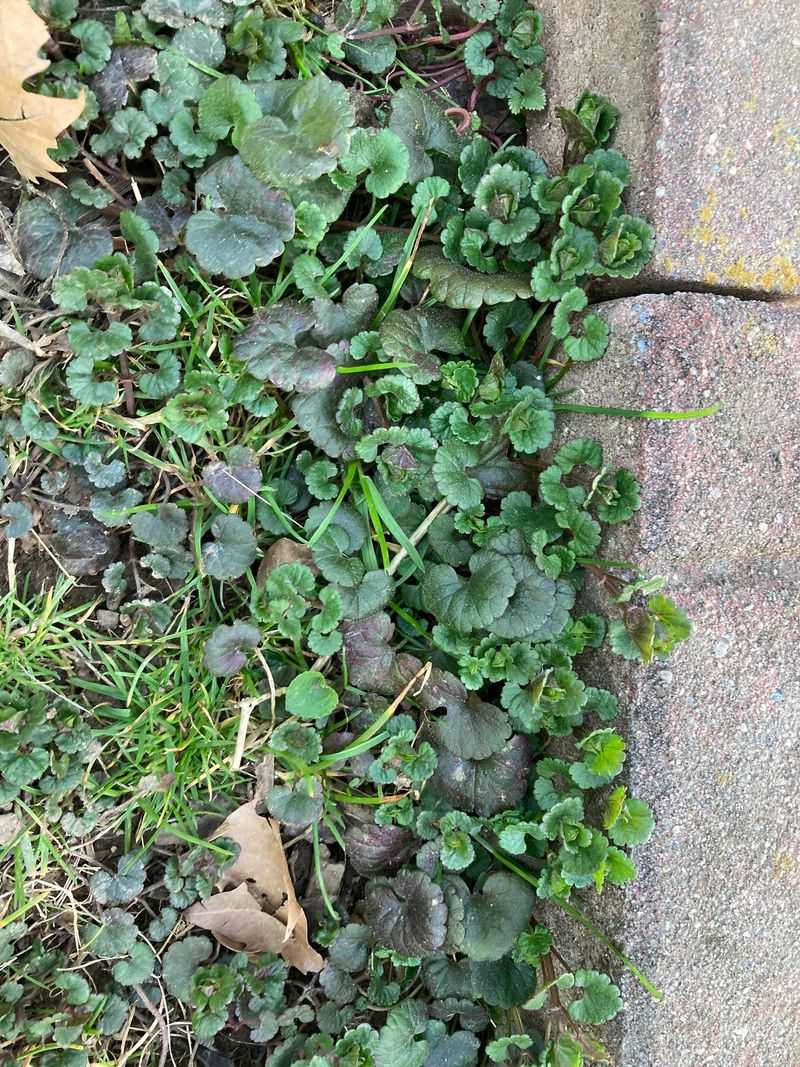
My favorite weeding day comes right after a soaking rain. Soft, moist soil lets creeping Charlie runners slide out with their little roots still attached.
Hand pulling works best on small patches and along fence lines. Grab a runner near its base and pull slowly, following it as it lifts.
Often you can roll up several feet of stem like a garden hose.
Thoroughness is everything. Small stem pieces left behind can root again, so sweep the area with your fingers and collect broken bits.
Bag what you pull and send it out with the trash. Home compost piles rarely get hot enough to stop the stems, and you do not want to spread them across your vegetable beds next year.
For bigger spots in non-lawn areas, smother them. Lay cardboard or a dark tarp extending 6 to 12 inches past the patch and leave it for several weeks.
Then reseed or replant.
Pulling every week sounds tedious, yet it becomes quick once the main patch shrinks. Put on a podcast and enjoy the minty smell while you work.
Shady, Soggy Corners Roll Out the Welcome Mat for Creeping Charlie
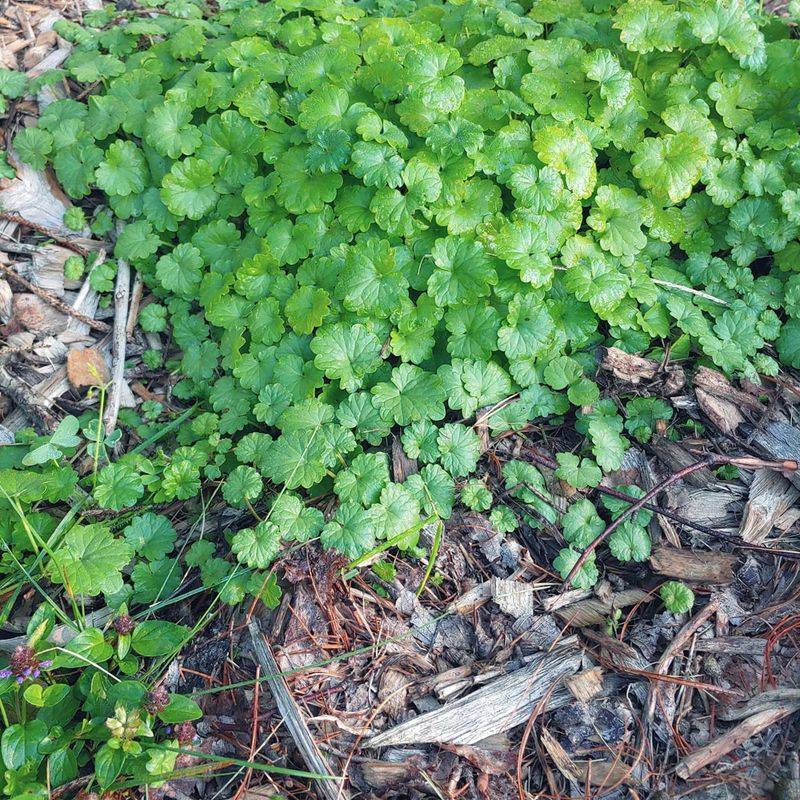
Take a walk along your property line and notice where the invasion is worst. Odds are it is under a tree, beside a shed, or in a low spot that stays wet.
Creeping Charlie thrives in moist shade, while most lawn grasses sulk there. Fixing those conditions tilts the battle toward your turf.
Thin low tree branches to let more sunlight reach the ground. Even a few extra hours of light can help grass fill in.
Hire a certified arborist for big limbs or anything near power lines.
Soggy areas need drainage help. Core aeration loosens compacted Ohio clay, and redirecting downspouts away from the fence line keeps puddles from forming.
Some spots will stay shady no matter what. In those places, try fine fescues, which handle shade better than Kentucky bluegrass.
Or swap lawn for a mulched bed with native shade plants like wild ginger or foamflower.
Changing the setting feels slower than spraying. Over time it reduces the very conditions that keep inviting the weed back from next door.
A Friendly Chat Over the Fence Keeps Ground Ivy From Coming Back
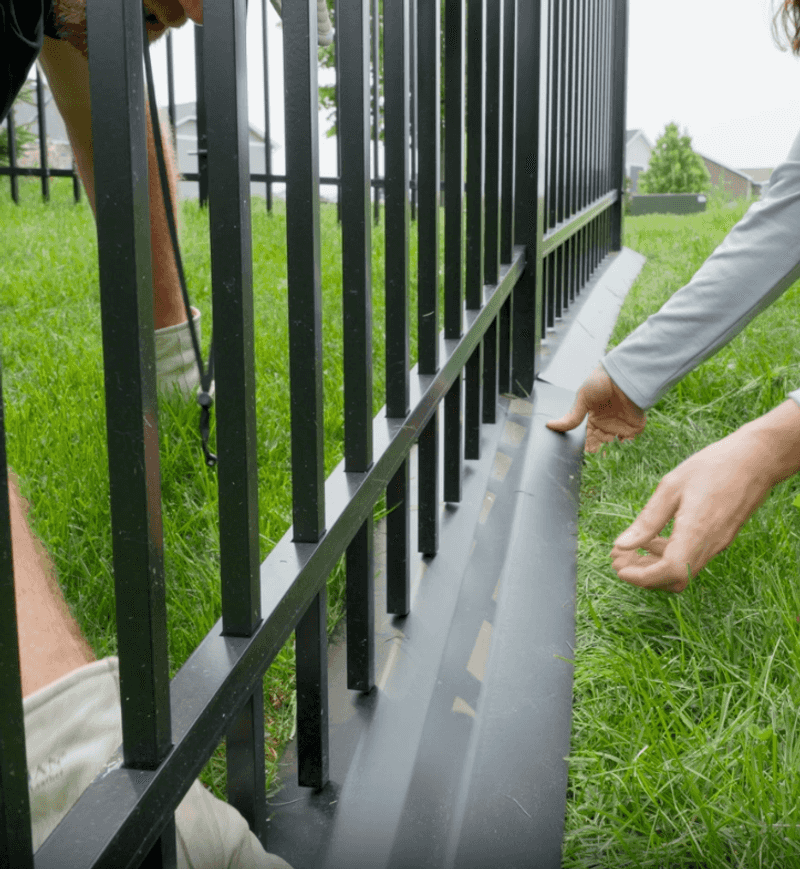
Let’s be honest, the source of the problem lives one yard over. Your neighbor may not even know what creeping Charlie is, or that it is drifting your way.
A relaxed conversation can work wonders. Share what you learned about fall treatments or mowing height, and keep the tone helpful instead of blaming.
Plenty of people welcome the tip once they recognize those minty runners.
Ohio does not list creeping Charlie as a noxious weed, so there is no legal requirement for neighbors to control it. Some local HOA rules or city nuisance codes cover overgrown yards, though cooperation usually gets better results than complaints.
If they are not interested, that is fine. Your edging, dense grass, and fall routine still protect your side.
Build a simple yearly plan:
Walk the fence line monthly from spring through fall. Pull new runners while they are small.
Overseed thin spots in late summer, then spot treat stubborn patches in autumn.
Steady attention beats one big weekend battle. With a firm edge and maybe a cooperative neighbor, your lawn can finally hold its ground.