Why Your Virginia Garden Is Confused – Warm Days in the 60s and Chilly Nights Explained
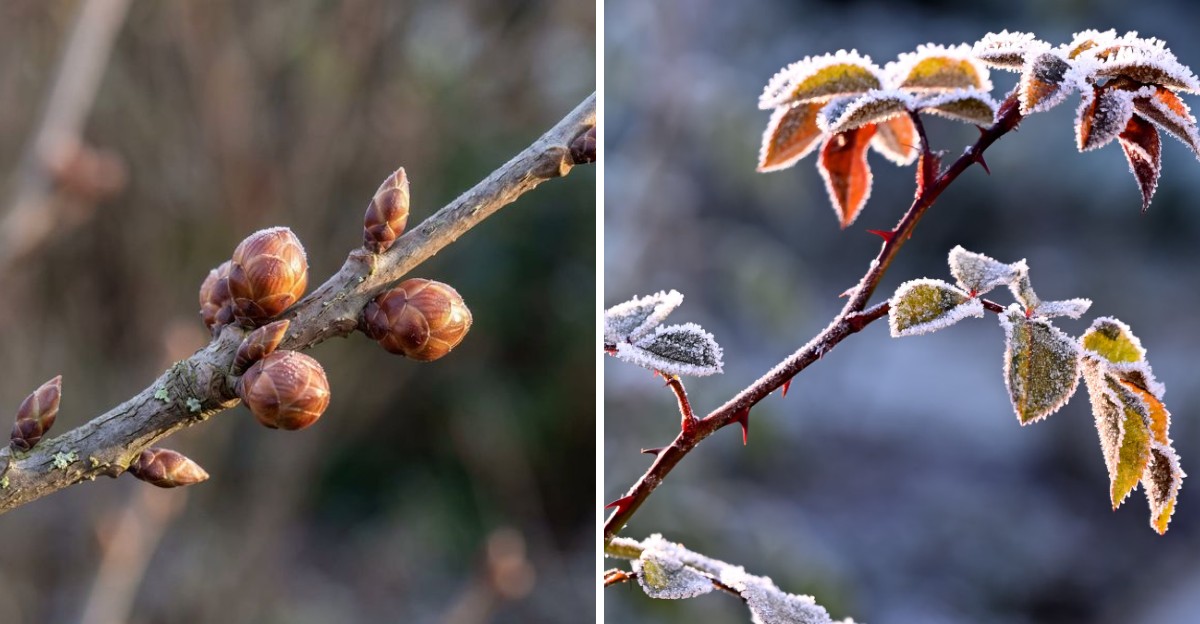
Water swells by about 9 percent when it freezes, and that tiny stretch can burst a plant cell from the inside. I’ve watched that happen on a single February night. The forsythia looked golden at lunch and sad by breakfast.
Virginia winters love this trick. A sunny afternoon in the 60s feels like spring, then the thermometer slides below 32 after dark. Your plants can’t check a weather app, so they read the warmth and start waking up.
Between you and me, I used to blame myself for every brown bud. Looking back, the weather was pulling most of the strings.
So what exactly goes on inside a stem when the sun says go and the night says stop? And why do some shrubs shrug it off while others sulk for weeks?
Early Buds On Your Shrubs Are Reading Mixed Signals
Plants keep a kind of calendar, and it runs on two clues. One is day length, and the other is temperature.
Day length changes on a steady schedule every year. Temperature does not, especially in a Virginia winter that can bounce from cardigan weather to hard frost in the same day.
After enough chilly hours, many trees and shrubs finish their winter rest. From then on, a run of warm afternoons acts like an alarm clock.
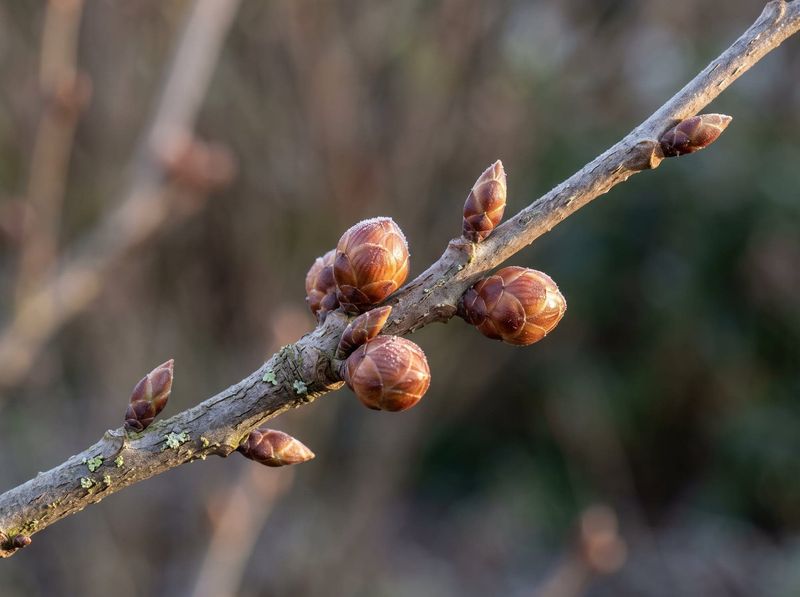
Buds swell, sap moves, and soft new tissue starts forming.
That growth is the real problem. Fresh buds and young leaves are full of water and have little protection, so a night in the 20s hits them hard.
Gardeners often call this a confused garden, and the name fits. The plant is not making a mistake by its own rules.
It simply has no way to know that the warm spell is a short visit, not the start of spring.
In my experience, the plants that jump first are the eager bloomers. Forsythia, flowering cherries, saucer magnolias, and red maples tend to show color while the rest of the yard still looks asleep.
Watch those early risers when the forecast swings. They will tell you how far along your garden thinks it is, and which plants need help first when a cold front rolls in.
Ice Crystals Inside Leaves Cause The Real Trouble
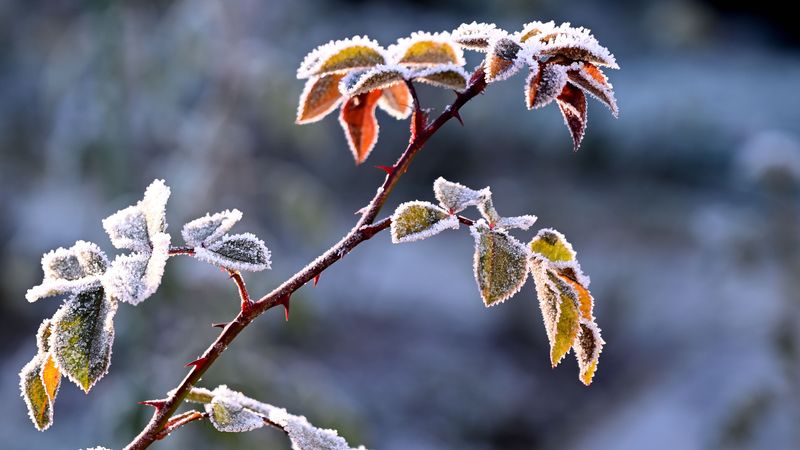
Cold air alone rarely does the harm. Ice is the troublemaker.
When temperatures drop below freezing, ice usually forms first in the tiny spaces between plant cells. That ice pulls water out of the cells, leaving them dried out and stressed, a bit like a raisin shrinking.
If the night gets colder still, ice can form inside the cells themselves. Water expands about 9 percent as it freezes, and that push can tear cell walls and membranes.
Once a membrane breaks, the cell can’t hold its contents in balance anymore.
That explains the mushy, water-soaked look you see the next morning. The tissue was damaged from within, then the sun thawed it out.
Woody plants face an extra wrinkle. Repeated freezing and thawing can trap tiny air bubbles in the xylem, the tubes that carry water up the stem.
Scientists call this embolism, and it can block water flow even after the weather warms.
Here’s a twist I love sharing. The same freeze and thaw rhythm that stresses buds also powers maple sap flow, which is why sugaring season depends on cold nights and mild days.
So the swing itself is not evil. Timing and plant stage decide whether it helps or hurts.
Warm Afternoons Quietly Melt A Plant’s Natural Antifreeze
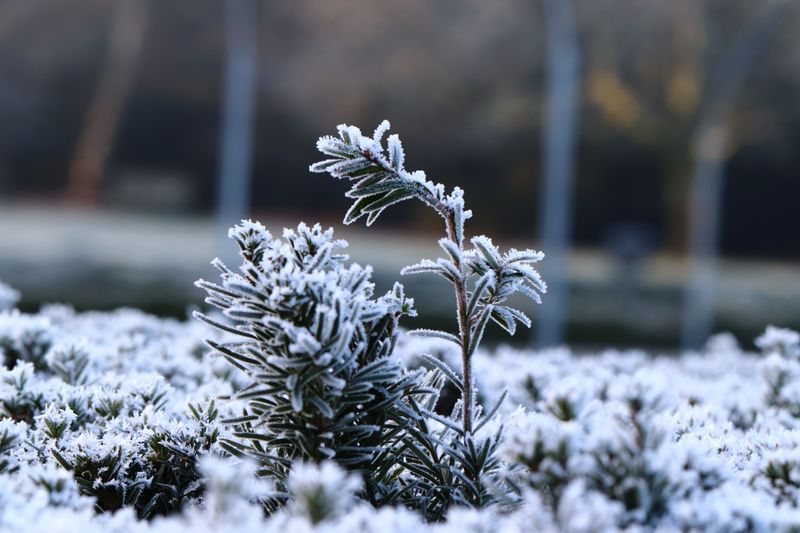
Trees are clever chemists. Each fall, they turn stored starch into sugars and push water out of their cells, which lowers the freezing point and protects tissue through winter.
Gardeners call that toughness cold hardiness. It builds slowly as days shorten and nights cool.
A string of 60-degree days can undo some of that work. Warmth encourages growth, growth uses up sugars and pulls water back in, and the plant becomes less hardy than it was a week earlier.
For what it’s worth, this was the part that surprised me most. A shrub that handled 15 degrees in January might struggle at 25 degrees in March, simply because it relaxed its guard during a warm stretch.
Losing hardiness happens faster than regaining it. A plant can soften in a few warm days, yet it may need a longer cool period to toughen up again.
That uneven speed is why a single cold snap after a mild week often causes more trouble than a steady, freezing January. The thermometer reading matters, but the days leading up to it matter too.
Keep that in mind when a forecast shows a warm weekend followed by a sharp drop. Those are the nights worth preparing for.
Cherry Blossoms And Fruit Trees Take The Hardest Hit
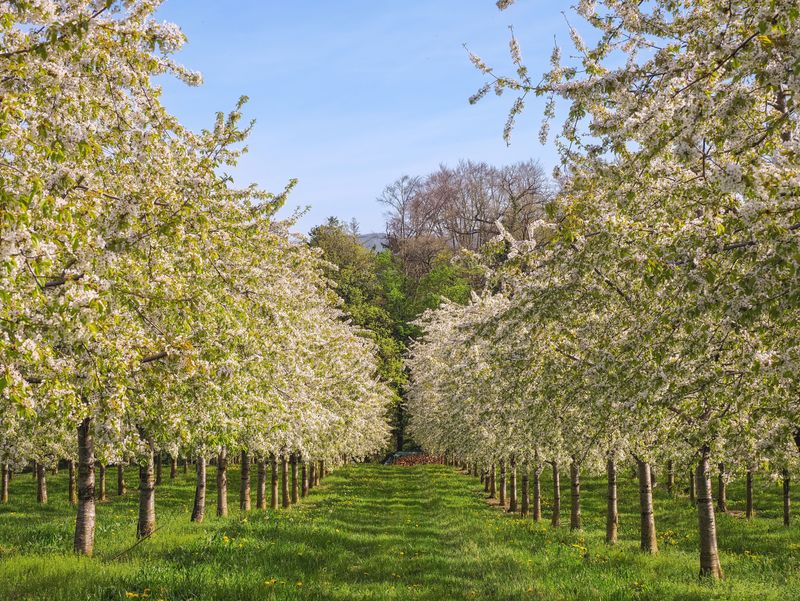
Nothing breaks a gardener’s heart like browned blossoms the morning after a freeze. Open flowers sit at the top of the risk list.
Many flowering trees, including cherries, show damage once temperatures fall below 32 degrees. Losses climb quickly below about 26 to 27 degrees, and cherry blossoms in late bud or full bloom can lose up to 90 percent at 24 degrees.
Fruit growers know this pain well. Unseasonably warm spells followed by sharp cold have caused major losses to Virginia fruit and grain crops, with one recent event estimated between $32.4 million and $105.3 million.
To check your own trees, cut a flower or swollen bud in half with a clean knife. A healthy center looks pale green or white, while a damaged one turns brown or black within a day or two.
Don’t panic if some flowers fail. Trees produce far more blossoms than they need, so even partial survival can still give you a decent crop.
Peaches, apricots, and early plums carry the most risk because they bloom early. Apples and late-blooming varieties tend to slip past the worst cold.
Choosing later bloomers is one of the smartest long-term moves for a frost-prone yard.
Browned Magnolia And Holly Leaves Might Be Winter Burn
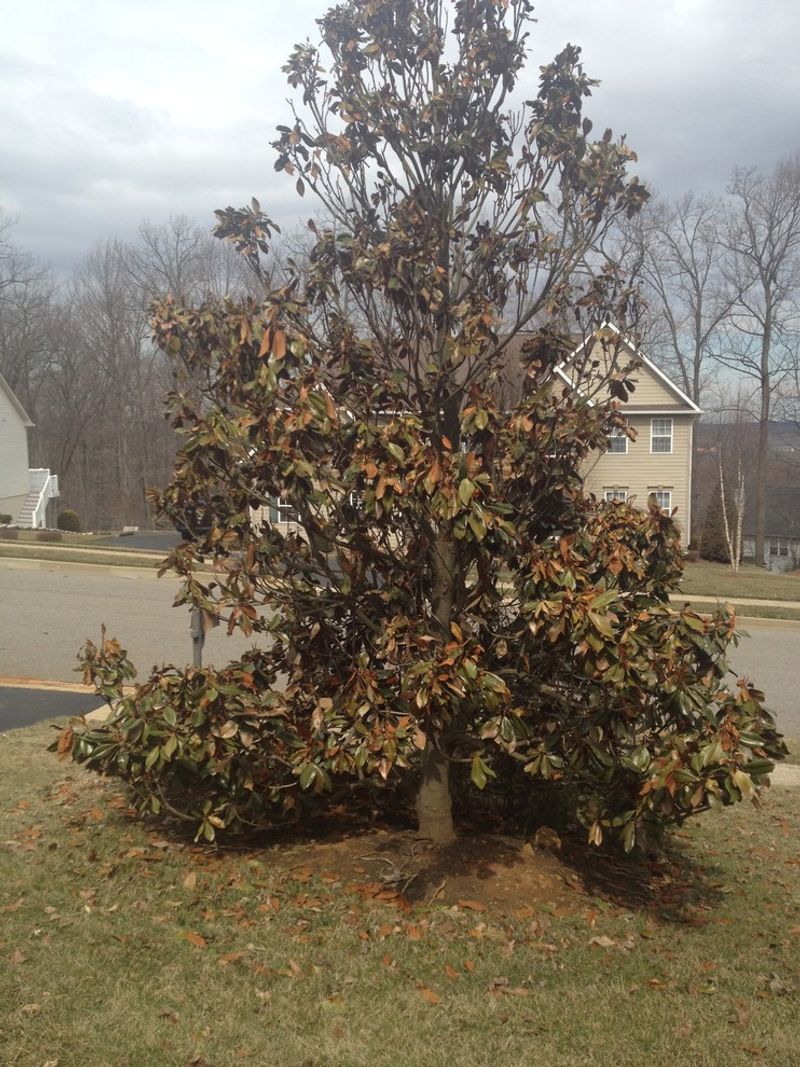
Evergreens play by different rules. Their leaves stay on all winter, and they keep losing water through those leaves on sunny or windy days.
Trouble starts when the ground is frozen. Roots can’t pull up water to replace what the foliage lost, so leaves dry out and turn brown, bronze, or crispy along the edges.
That condition is called winter burn, or desiccation. Large leaves lose more moisture, which puts southern magnolias, rhododendrons, hollies, camellias, boxwoods, and laurels high on the list.
Leyland cypress and junipers show it too. Look for browning on the side facing the wind or the afternoon sun.
Let’s just say I learned this the hard way with a boxwood by my driveway. The south side scorched while the shaded side stayed green.
Watering deeply in late fall, before the ground freezes, helps a lot. Moist soil also holds heat better than dry soil.
An anti-desiccant spray can reduce water loss on broadleaf evergreens. Apply it on a dry, mild day above 40 degrees, following the label.
Don’t rush to cut off brown leaves. Many shrubs push fresh growth in spring, so wait and see which stems leaf out before you prune.
Frost Cloth Over Tender Seedlings Buys Precious Degrees
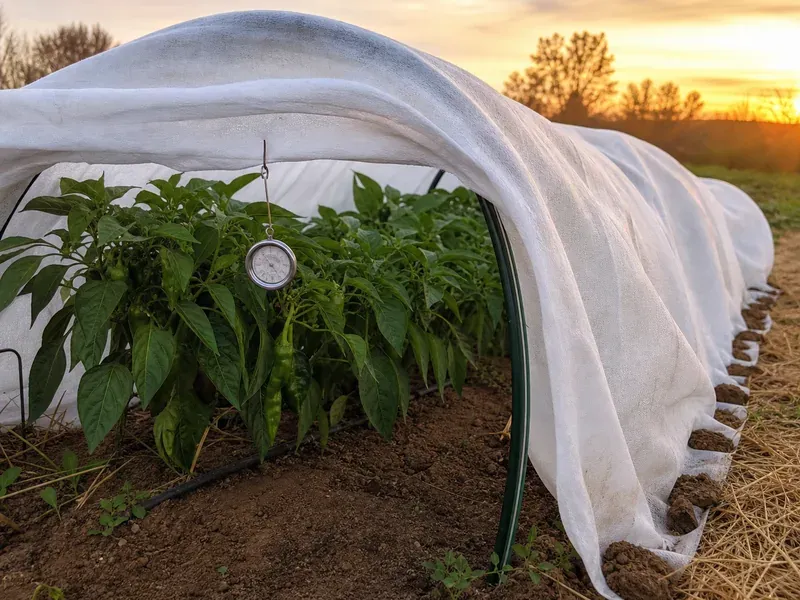
A simple sheet can save a whole bed of seedlings. Covers trap the warmth rising from the soil and usually add about 4 to 6 degrees of protection.
Frost cloth works best, but old blankets, bedsheets, and even upside-down buckets or plastic bins do the job in a pinch. Drape the cover so it reaches the ground, then weigh the edges with bricks or stones.
That ground contact matters more than people expect. The heat comes from the soil, so a cover that flaps in the air protects far less.
Put covers on in the late afternoon before temperatures drop. Pull them off the next morning once things warm up, because plants can overheat under a cover on a sunny 60-degree day.
Avoid thin plastic touching leaves directly. It conducts cold, so add a sheet underneath or use a frame.
Container plants need extra care since their roots sit above ground. Move pots against the house, group them together, wrap them in burlap or bubble wrap, or carry delicate ones into a garage overnight.
Tomatoes, peppers, squash, cucumbers, eggplant, melons, and okra can’t handle frost. Keep them indoors or in the garage until your local last frost date passes.
Mulch And Patience With Your Pruners Protect Roots And Stems
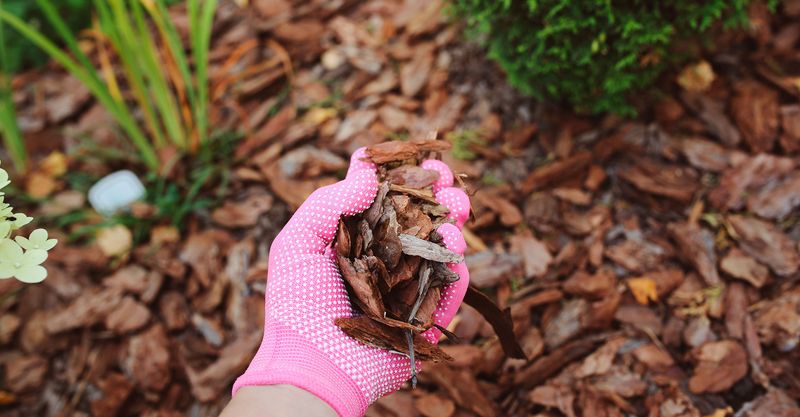
Some of the best freeze protection happens before the forecast turns ugly. Mulch, timing, and restraint go a long way.
A 2 to 4 inch layer of shredded bark, straw, wood chips, or leaves keeps soil temperatures steadier. It slows the wild swings between thawing and freezing, which helps roots and young plantings settle in.
Keep mulch a few inches away from trunks and stems. Piling it up against bark invites rot and gives rodents a cozy hiding spot.
Fertilizer is another quiet trigger. A nitrogen boost in late fall or early spring pushes tender new growth, so hold off until frost risk passes.
Pruning works the same way. Cuts can wake up buds, so skip late fall pruning and wait until plants are truly dormant for winter cleanup.
If cold damage shows up, resist the urge to snip right away. Brown tips can look awful, yet stems underneath might be fine.
Wait for spring growth to show where live wood begins. Then trim back to healthy buds.
Don’t make my old mistake of shearing a hydrangea in March. Some types bloom on last year’s stems, and I cut off a whole summer of flowers.
Picking Plants For Your Hardiness Zone Pays Off Every Spring
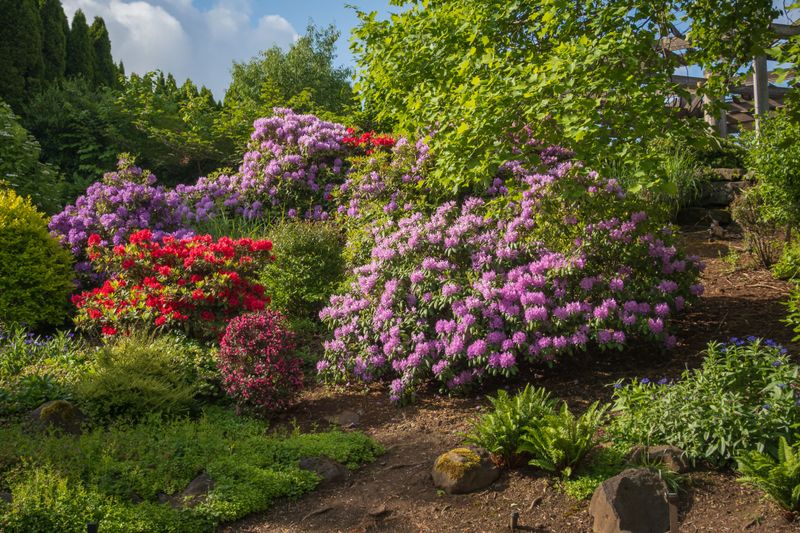
Long-term peace with this weather starts at the garden center. Choosing the right plants matters more than any cover or spray.
Virginia spans USDA hardiness zones from 5b on the coldest mountain ridges to 8b near the coast. Much of the state sits between 6b and 7b, so a plant that thrives in Virginia Beach might struggle near Blacksburg.
Check your zone with the USDA map, then read plant tags carefully. Pick plants rated at least one zone colder than yours if you want a safety margin.
Marginal plants can still work with smart placement. Figs, some crape myrtles, and certain hydrangeas and roses do better near a south-facing wall that holds warmth.
Native shrubs and trees adapted to local swings often handle these surprises with less fuss. Virginia Cooperative Extension offers native plant lists by region.
Watch for low spots too. Cold air sinks and pools at the bottom of slopes, so frost often hits there first.
My garden taught me that every freeze is also a lesson. Jot down which plants bounced back and which ones sulked.
After a few seasons, that notebook becomes your best guide for a yard that rolls with the weather instead of fighting it.