Plant This In Texas Shade Instead Of Grass So Creeping Charlie Can’t Take Over
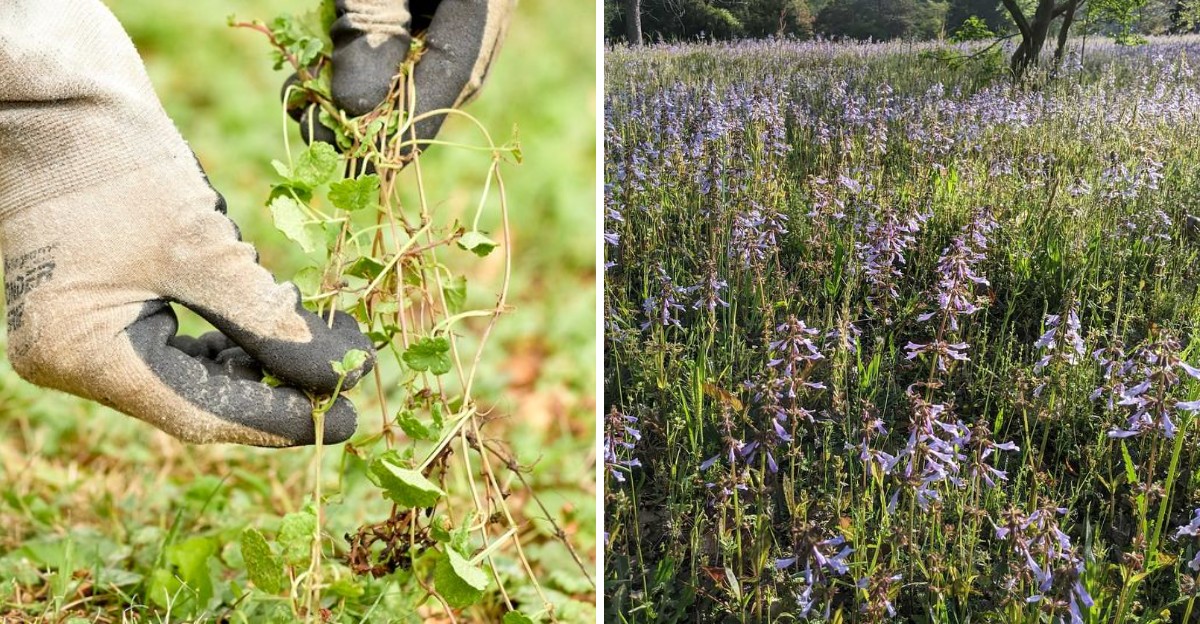
Creeping Charlie is a mint relative that can root at nearly every node it drops onto damp soil. One stray stem can quietly become a whole mat by midsummer.
I used to blame my mower for those thin, patchy spots under the oak. Nobody warned me that the shade itself was rolling out a welcome mat for this square-stemmed sprawler.
Weak turf leaves bare soil, and bare soil is an open invitation. In Texas, St. Augustine is often the most shade-tolerant lawn grass, yet even it fades under heavy tree canopy. So why keep reseeding a spot that keeps letting you down?
Believe it or not, the smartest fix grows low, stays green, and asks very little from you. Some of the best options already grow wild along shady creeks and trails. Ready to see which ones earned a spot in my yard?
That Scalloped Ground Ivy Loves The Same Shade Your Lawn Hates
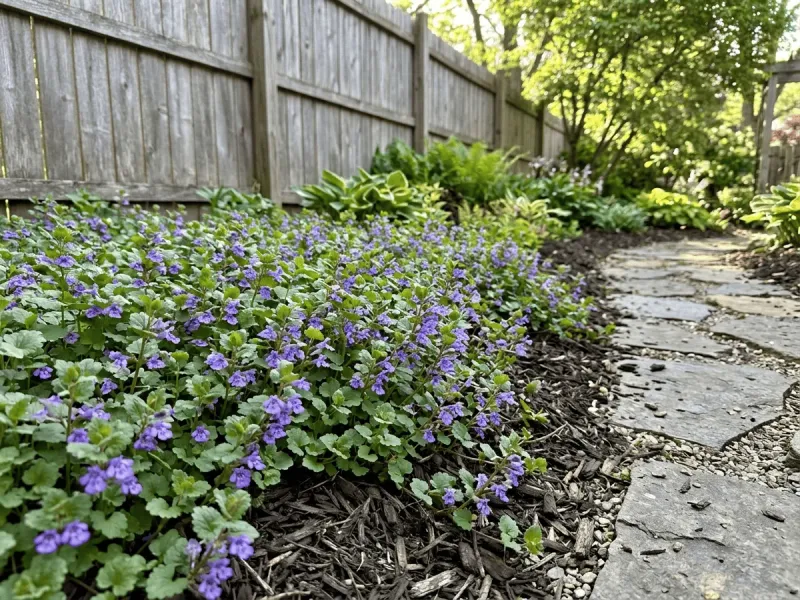
Crush a leaf of Creeping Charlie and you will catch a minty scent. That smell gives away its family tree, since Glechoma hederacea belongs to the mint family. Like many cousins, it spreads with real ambition.
Its square stems creep along the ground and root at the nodes wherever they touch moist soil.
University extension services, including Minnesota Extension, point out that it favors damp, shady spots where turf grass grows thin. In other words, it moves in exactly where your lawn is already weak.
In Texas, those spots usually sit under live oaks, pecans, or along north-facing walls. The grass in these areas struggles for light, so it never forms a thick cover. Bare patches appear, and the ivy slips right in.
Pulling it by hand helps, but bits of stem left behind can sprout again. Herbicides may reduce it for a season, yet the open, shady ground stays the same. Without a change in what grows there, the invader often returns.
That is the real lesson here. The weed is a symptom of a shady spot that grass cannot hold. Fill that space with something that likes shade, and the problem starts to shrink.
Horseherb Rolls Out A Soft Green Carpet Under Texas Trees
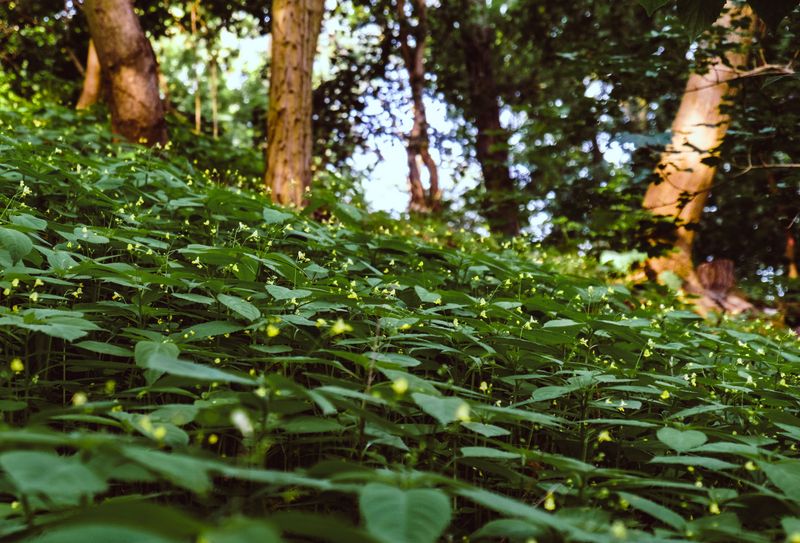
Many Texans spend years trying to pull horseherb before realizing it is doing them a favor. This native, also called straggler daisy, forms a low green mat that handles shade remarkably well.
The Lady Bird Johnson Wildflower Center lists Calyptocarpus vialis as a native that grows in sun or shade.
Its small, fuzzy leaves hug the soil, and tiny yellow flowers pop up from spring into fall. Small bees and butterflies visit those little blooms often.
Here is why it works so well against Creeping Charlie. Horseherb fills bare ground fast, covering the soil before ivy gets a chance. In the dry shade under big trees, it often outperforms grass with less watering.
You can start it from plugs or transplant clumps from a friend who has plenty. Space plugs about a foot apart in spring or early fall. Water them regularly the first few weeks until roots settle in.
Mowing is optional, though a high setting a few times a year keeps it tidy. It can go semi-dormant in a hard freeze in North Texas, then bounce back with warm weather. For a carefree shady patch, it is tough to beat.
Texas Sedge Gives You That Grassy Look Without The Struggle
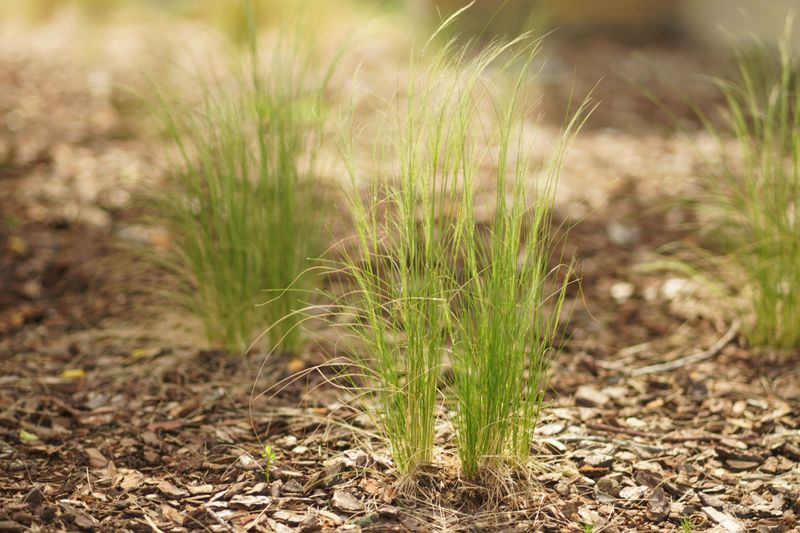
Love the look of a lawn but tired of fighting for it? Native sedges might be your answer. They look like fine grass, yet they belong to a different plant family and handle shade far better.
Texas sedge, Carex texensis, stays short and soft, making a fine-textured carpet in part shade.
Cedar sedge, Carex planostachys, thrives under trees in the Hill Country and handles dry, rocky soil. Eastern woodland sedge, Carex blanda, likes a bit more moisture and works well in East Texas.
These sedges grow in clumps, so plant plugs close together, about 8 to 12 inches apart. Over time they fill in and leave little room for creeping weeds. Fall planting gives roots a cool season to settle in before summer heat.
Once established, many sedges need far less water than turf grass. You can leave them shaggy for a meadow feel or mow them high a few times a year. Either way, they stay green much of the year.
I like how they blur the line between lawn and garden. Neighbors often assume it is just very healthy grass. Only you need to know your shady secret.
Purple-Tinged Lyreleaf Sage Leaves Make A Pretty Living Mulch
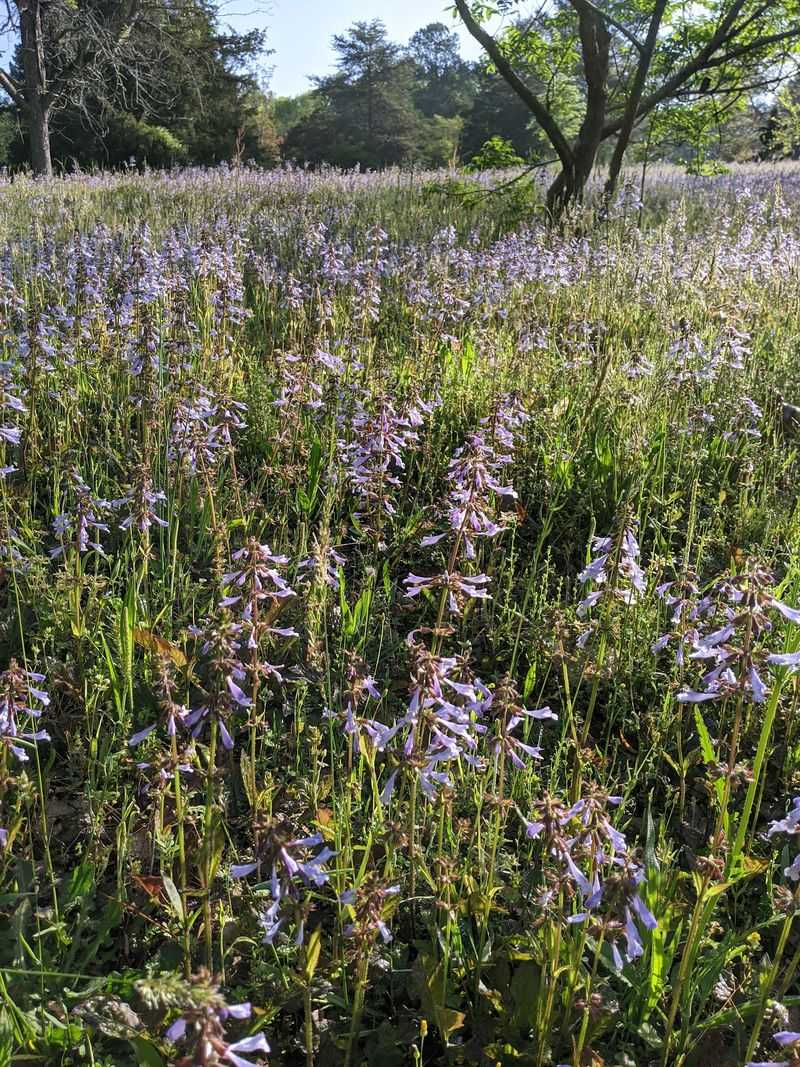
Spring in a shady corner gets a lot more fun with lyreleaf sage around. Salvia lyrata forms flat rosettes of lobed leaves, often washed in burgundy. Then come slender spikes of pale blue to lavender flowers.
This native grows well in part shade across much of eastern and central Texas. Its rosettes stay low and semi-evergreen, so they cover soil through the cooler months. That matters, because Creeping Charlie grows actively in cool, damp weather.
Bees and other early pollinators visit the flowers in spring. After blooming, the plant drops seed and spreads to new spots. In a lawn alternative, that self-sowing habit helps fill gaps naturally.
A quick tip from my own yard: give it room and let some seed ripen before you mow. If you trim right after flowering, keep the blade high so rosettes stay intact. They handle a mow just fine.
It does spread readily, so keep it away from formal beds where you want tidy edges. In a wilder shady patch, though, that eagerness is just what you want. It turns a weedy spot into a cheerful native tapestry.
Frogfruit Brings Butterflies To Lightly Shaded Edges
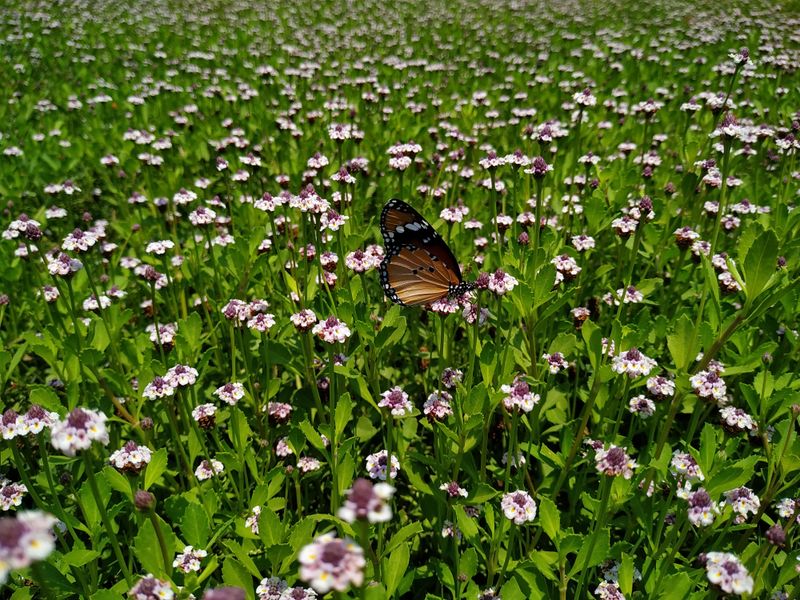
Butterflies seem to have a radar for frogfruit. Phyla nodiflora sends out low stems covered with small leaves and tiny white flower heads with a pink center. It looks a bit like miniature matchsticks scattered across the ground.
This native is a host plant for several butterflies, including the phaon crescent and white peacock, according to the Wildflower Center. Adults sip nectar from the blooms for months. A patch can feel busy with wings on warm afternoons.
Frogfruit grows best in sun to part shade, so save it for spots with dappled light or a few hours of sun. In dense, dark shade it thins out. Put it at the bright edge of your shady area instead.
It tolerates poor soil, some flooding, and light foot traffic. The runners root as they spread, forming a mat that crowds out weeds. In South Texas it often stays green much of the winter.
Plant plugs in spring and water them until runners start moving. After that, it usually needs little help. Combine it with horseherb or sedges for a patchwork that handles every level of light in your yard.
Asiatic Jasmine Covers Deep Shade With Glossy Leaves, With A Caveat
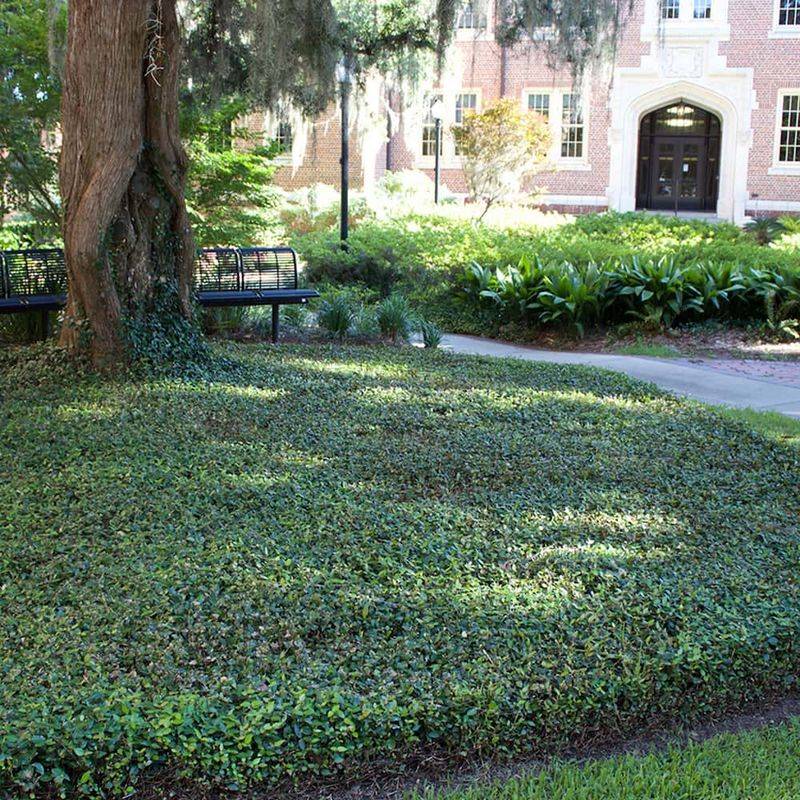
Drive through older Texas neighborhoods and you will spot Asiatic jasmine under big oaks everywhere. Trachelospermum asiaticum forms a thick, glossy, evergreen mat that thrives in deep shade. Few things compete with it once it fills in.
That density is the point. A solid carpet blocks light from reaching the soil, so Creeping Charlie seeds and stems have trouble getting started. It also holds soil on shady slopes where grass leaves bare dirt.
Keep in mind it is not native, and it does not offer much for local wildlife. It can also creep into beds or up tree trunks if you ignore it. Plan to edge it once or twice a year with shears or a string trimmer.
Hard freezes can brown it in North Texas, though it usually regrows from the base in spring. Plant it from 4-inch pots spaced about a foot apart. Expect it to take a couple of seasons to close up.
Personally, I use it only where native options struggled. It is a practical choice for large, dark areas. For smaller spaces, I would try natives first.
Pull The Ivy Runners Before You Plug In New Groundcover
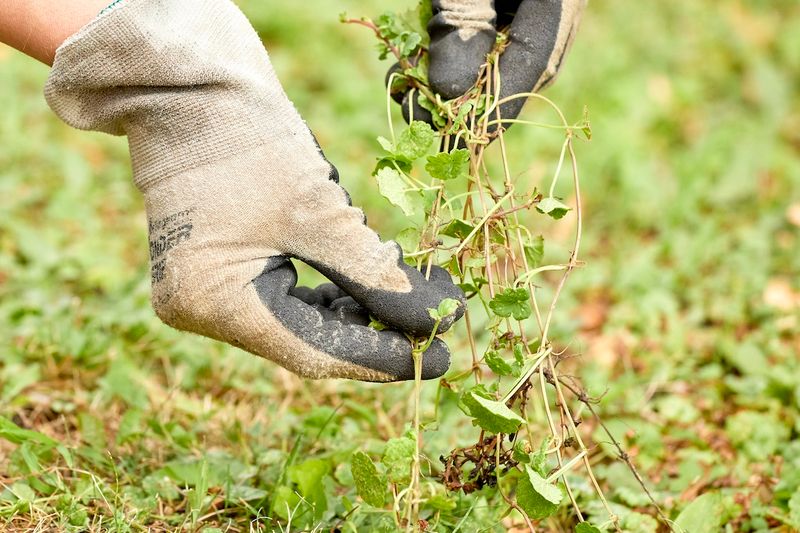
Grab your gloves, because prep work decides whether your new planting wins. Planting right into a mat of Creeping Charlie gives the weed a head start.
Start when the soil is moist, such as after a good rain. The stems slide out more easily, roots and all.
Follow each runner to its rooted nodes and lift them with a hand fork. Bag the pieces instead of leaving them on the ground.
For large patches, some gardeners smother the area with cardboard and a few inches of mulch for several weeks. This method blocks light and weakens what is underneath. Afterward, cut holes and plant your plugs right through.
Timing matters in Texas. Early fall and early spring give new plants mild weather to root in. Midsummer planting under heat stress often fails, even in shade.
Water new plugs deeply but not constantly, since soggy soil favors the ivy. Spread mulch between plants so bare ground stays covered while they grow. Check every week or two and pull any returning sprigs quickly.
A Little More Light Through The Oak Canopy Helps Everything Fill In
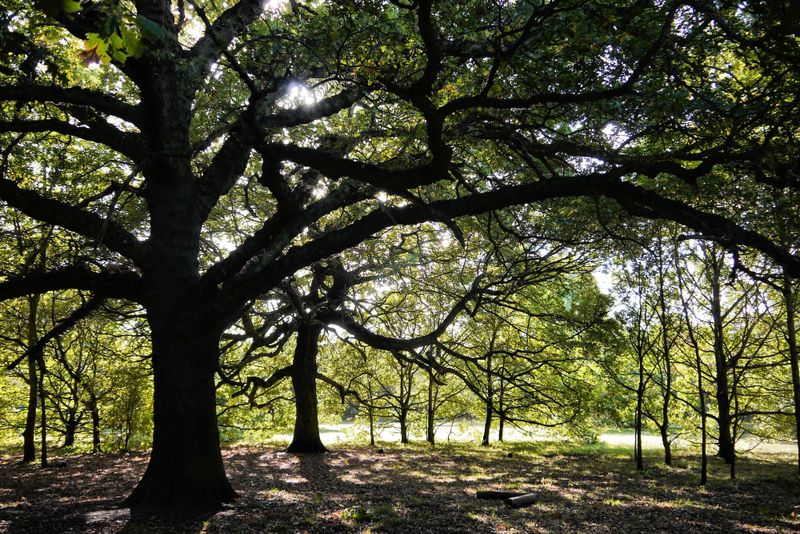
Your new groundcover will do its best work with a bit of support. A few habitat tweaks make the shady spot friendlier to your plants and less friendly to ivy.
Thinning a dense canopy lets filtered light reach the ground. In Texas, avoid pruning oaks from February through June to lower the risk of oak wilt spreading. Paint fresh oak cuts with wound dressing, as Texas A&M Forest Service suggests.
Drainage counts too. Creeping Charlie loves soggy ground, so fix low spots, redirect downspouts, and water less often but more deeply. Drier surface soil favors many Texas natives.
Plant densely and mix species for the best results. Sedges in deeper shade, horseherb and lyreleaf sage in the middle, and frogfruit at the sunny edge create layers. Fewer bare gaps means fewer openings.
Think of it as trading a lawn chore for a living system. In a year or two, the ground should knit together and need only light upkeep. Instead of fighting the shade, you finally get to enjoy it.