This Texas Native Grass Glows Bronze In Winter
A humble prairie grass in Texas turns the color of a new copper penny after frost, and it holds that glow until spring. I used to walk right past it in summer. Back then it looked like a plain blue-green clump.
Then the first cold snap arrived. To my surprise, the whole clump flushed red, orange, and bronze, and the low winter sun lit it up like a lantern.
Believe it or not, this same grass once covered huge stretches of the Great Plains. It fed cattle, sheltered quail, and helped hold prairie soil in place for centuries. Personally, I love a plant with that kind of history.
You don’t need a big yard or fancy skills to grow it. You just need sun, decent drainage, and a little patience. So why does a grass save its best color show for the coldest months?
That Copper Glow in the Winter Prairie Grass Has a Hidden Source
Cold nights flip a switch inside many native grasses. As days shorten and temperatures drop, the green chlorophyll in the leaves breaks down. Once that green fades, other pigments get their turn in the spotlight.
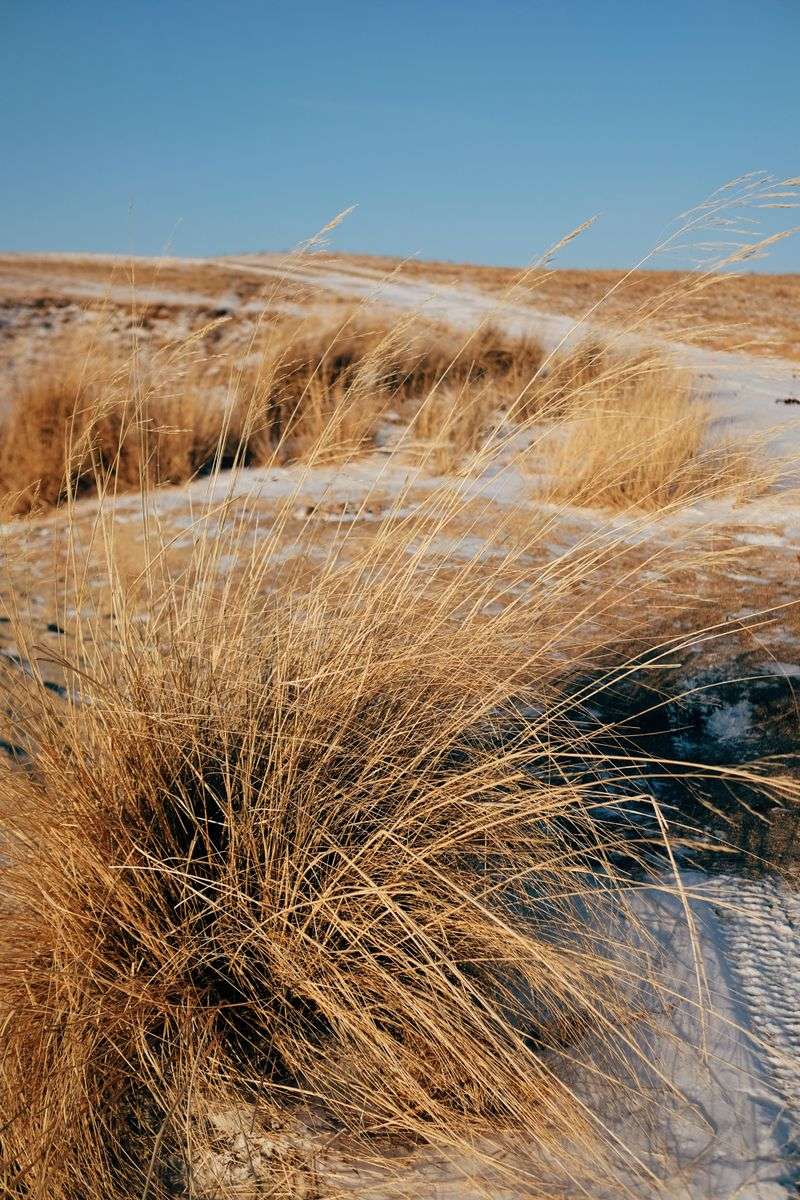
Some of those pigments, called anthocyanins, give leaves a red or purple tint. Combine them with the tan of drying blades, and you get that warm bronze, rust, and copper mix. Cool, sunny autumn weather often makes the color richer.
Here is what I find fascinating. The grass is not suffering when it changes color. It is simply going dormant, pulling energy down into its deep roots for safekeeping until spring.
That means the stems you see in January are mostly dry, but the plant below ground is very much alive.
Roots on this kind of prairie grass can reach several feet deep. That hidden network is part of why it handles tough weather so well.
So when you spot that glowing clump on a gray morning, you are looking at a smart survival plan. The plant is resting, the leaves are showing off, and the roots are waiting.
You get a winter light show without lifting a finger. Who knew dormancy could look this cheerful?
Little Bluestem Is the Bronze Beauty Behind the Show
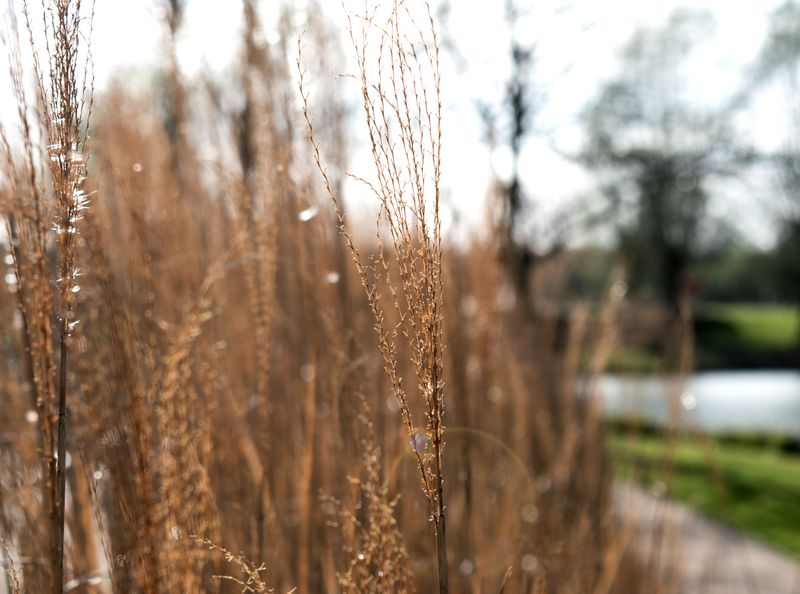
Meet the star by name: Little Bluestem, known to botanists as Schizachyrium scoparium. It is a warm-season bunchgrass, which means it grows hard in summer heat and rests in winter.
According to the Lady Bird Johnson Wildflower Center, it grows naturally across much of Texas.
You can find it in the Blackland Prairie, the Cross Timbers, the Edwards Plateau, and many other regions.
It also grows across most of North America, from Canada down into Mexico. Few native grasses are this widespread or this easy to recognize.
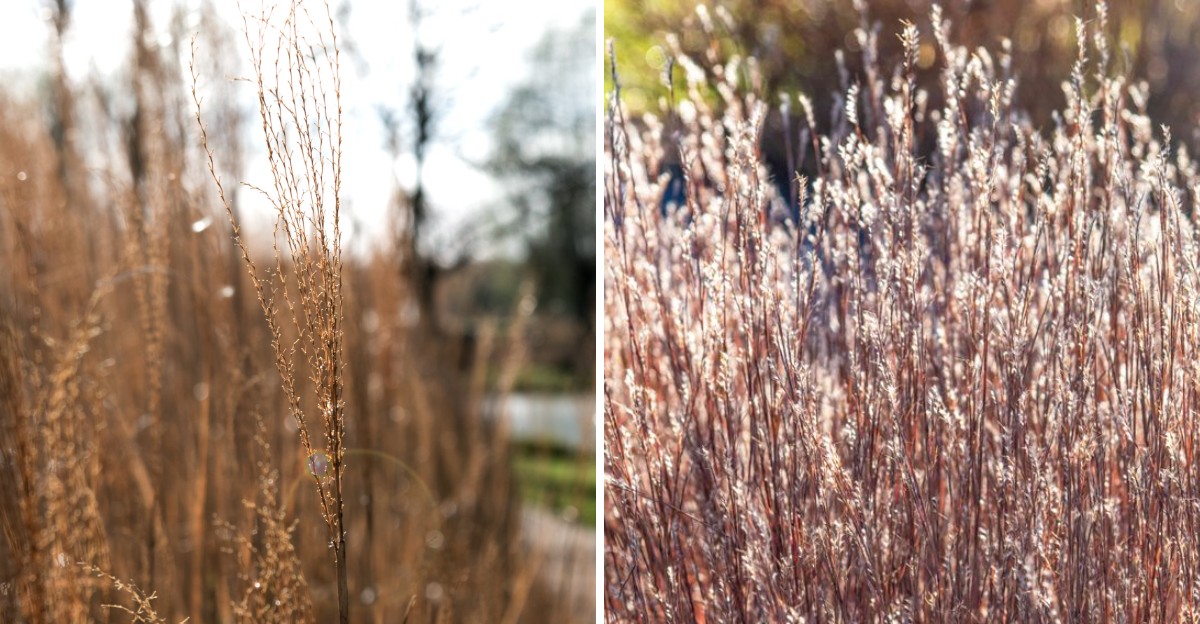
In summer, the blades look blue-green, sometimes almost silvery. By fall, they shift to mahogany, orange, and copper. Through winter, those tones mellow into a soft bronze that lasts until you trim it.
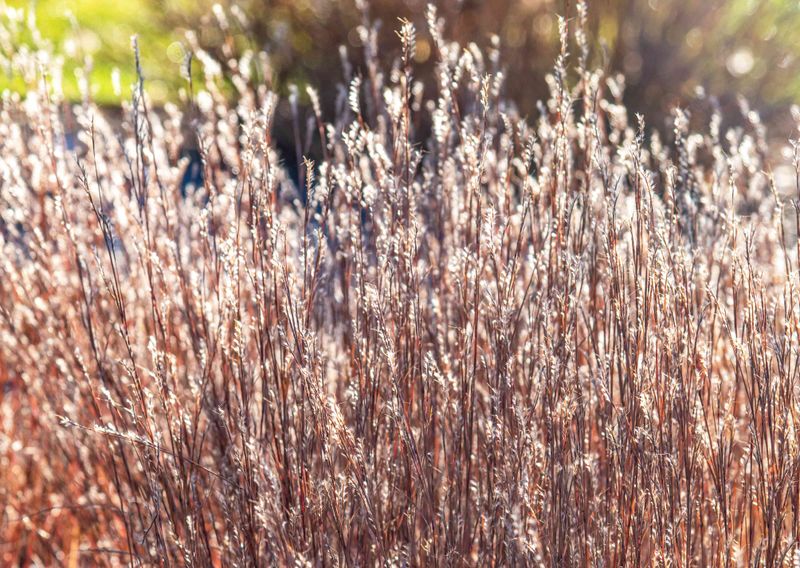
Fluffy, silvery seed tufts appear in fall too. When the sun hits them from behind, the whole plant seems to sparkle. I like to plant it where morning or evening light shines through.
Fun fact: Little Bluestem is the official state grass of Kansas and Nebraska. Texans have their own state grass, sideoats grama, but Little Bluestem easily earns a spot in our yards too. It’s a prairie classic with serious curb appeal.
Sunny Spots With Good Drainage Make Bluestem Happiest
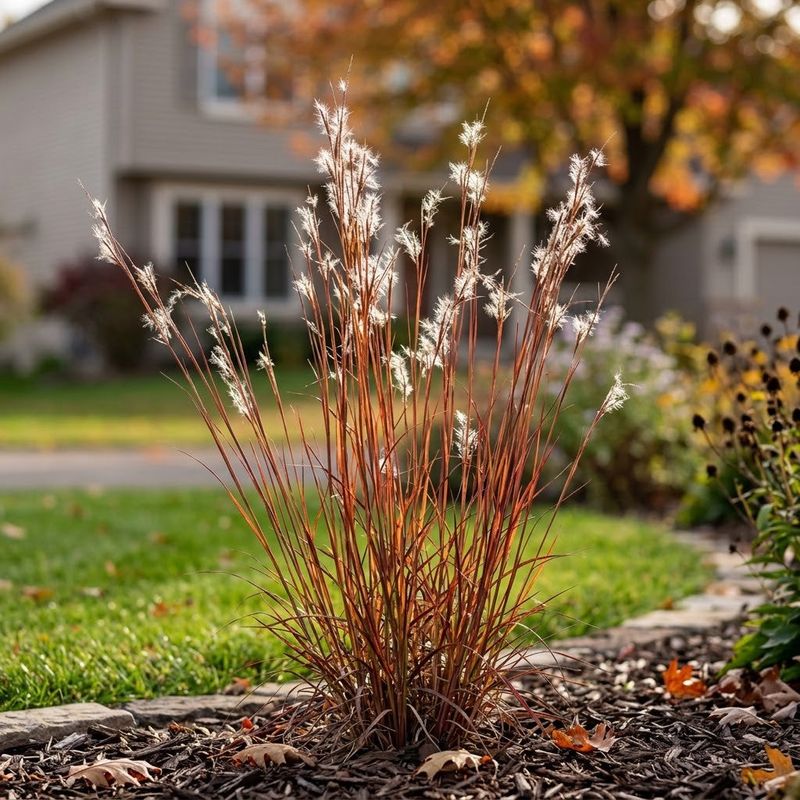
Give this grass sunshine, and it will reward you. Little Bluestem prefers full sun, ideally six or more hours a day. In too much shade, it gets floppy and the winter color looks dull.
Soil is the next big deal. The plant tolerates sand, loam, limestone, and even clay, as long as water drains away. Soggy ground is its biggest enemy, since wet roots can rot over time.
Texas A&M AgriLife and the Texas SmartScape program both list it as drought tolerant once established.
That makes it a great fit for water-wise gardens across much of the state. After the first year, many plantings get by on rainfall alone in central and north Texas.
In the drier west, an occasional deep soak during long summer droughts helps. Along the humid Gulf Coast, focus on drainage, such as a slight slope or a raised bed. Each region has quirks, but the basic needs stay simple.
Skip the fertilizer bag. Rich soil and extra nitrogen often make the stems grow tall and flop over.
Lean, ordinary soil keeps the clumps upright and the color strong. In my experience, a little neglect is this grass’s favorite treatment.
Planting Little Bluestem Clumps at the Right Time Pays Off
Grab a shovel in spring or fall. In Texas, nursery plants go in best from late winter through spring, or again in early fall once the worst heat passes. Those windows give roots time to settle before a blazing summer.
Each clump usually grows 2 to 4 feet tall and about 1 to 2 feet wide. Space plants roughly 18 to 24 inches apart for a full, wavy look. Planting closer works if you want a meadow feel faster.
Dig a hole as deep as the root ball and a bit wider. Set the plant at the same level it grew in the pot, not deeper. Backfill with native soil and skip heavy amendments.
Water deeply right after planting. For the first several weeks, keep the soil lightly moist but not soggy. After that, slowly stretch the time between waterings.
Want to start from seed? Sow in late fall or early spring on loose, weed-free soil, pressing seeds lightly into the surface.
Seeds need sunlight and contact with soil, so don’t bury them deep. Expect a slower start, but the patience pays off with sturdy, well-rooted clumps.
Leave Those Bronze Bluestem Stems Standing Until Late Winter
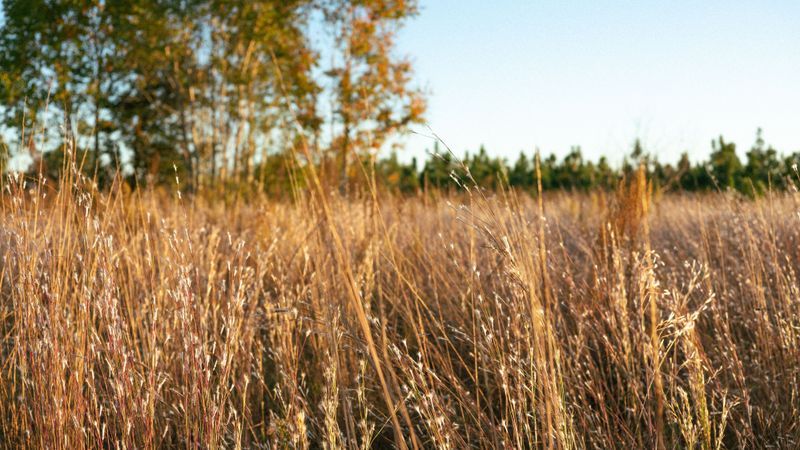
Hold off on the pruners in fall. The bronze color is the whole reason we grow this grass for winter, so trimming early steals the show. The standing stems also shelter insects and give birds something to forage.
The best time to cut back is late winter, usually February in much of Texas. In the warmer south, late January can work. You want to trim before fresh green shoots poke up from the base.
Cut stems down to about 3 to 6 inches tall. Hand pruners work for a few plants, while a hedge trimmer speeds things up for big patches. A trick I love is tying the clump with twine first, so the cuttings come off in one tidy bundle.
Toss the clippings in compost or use them as mulch in another bed. They break down slowly and help hold moisture. Nothing goes to waste.
Some prairie managers use controlled burns to renew big stands. That is not a backyard job, and many towns restrict it.
For home gardens, a simple yearly trim does the trick. Within weeks, fresh blue-green blades will fill in the space.
Songbirds and Skipper Butterflies Love This Prairie Grass
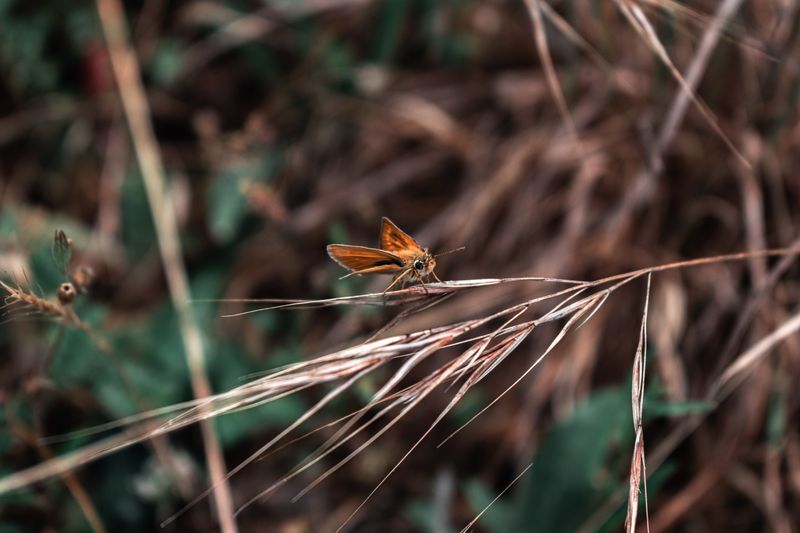
Watch a patch of Little Bluestem on a cold morning, and you may spot tiny visitors. Sparrows, juncos, and other small birds pick at the seed heads through winter. Those fluffy tufts hold food long after most flowers have faded.
The dense clumps also make handy hiding spots. Ground-nesting birds, like bobwhite quail, use bunchgrasses for cover in prairie habitats. Small mammals tuck into the base when weather turns rough.
Butterflies benefit too. Little Bluestem is a larval host plant for several skipper butterflies, including the dusted skipper and the cobweb skipper. Caterpillars feed on the leaves, then grow into quick, darting little butterflies.
Native bees find a home here as well. Some nest in hollow stems or bare ground near grass clumps. That’s one more reason to leave some stems standing until late winter.
Personally, I find this the sweetest part of growing native grasses. You’re not just decorating a yard.
You’re rebuilding a tiny slice of prairie that local wildlife has relied on for thousands of years. Pair it with native flowers, and your garden becomes a busy neighborhood all year.
Some Bluestem Varieties Glow Even Brighter Than Others
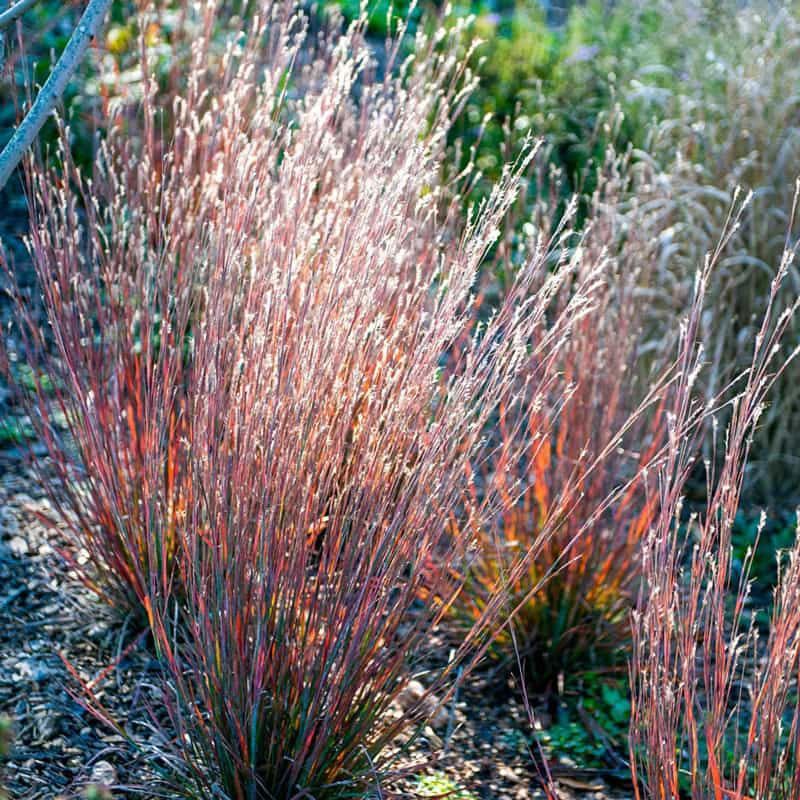
Not every Little Bluestem looks the same. Wild plants vary quite a bit, and growers have selected a few varieties for stronger color or tidier shape. Shopping around can be half the fun.
‘The Blues’ is known for powdery blue summer leaves and burgundy-to-copper fall tones. ‘Blaze’ earns its name with bold red and orange autumn color. ‘Standing Ovation’ was selected for sturdy, upright stems that resist flopping.
There is a catch worth knowing. Some named varieties were developed in cooler northern climates. They may not handle humid Texas heat as gracefully as local seed sources.
Native plant nurseries often sell straight species grown from regional seed. Those plants are adapted to our soils, rainfall, and summer extremes. The Native Plant Society of Texas and local plant sales are good places to look.
My advice is simple. If you love a specific color, try one named variety alongside a few local plants. Watch how they perform over a year or two.
You’ll quickly learn which ones thrive in your corner of the state, and you can expand from there with confidence.
Pair Your Bronze Bluestem With Native Flowers for Year Round Color
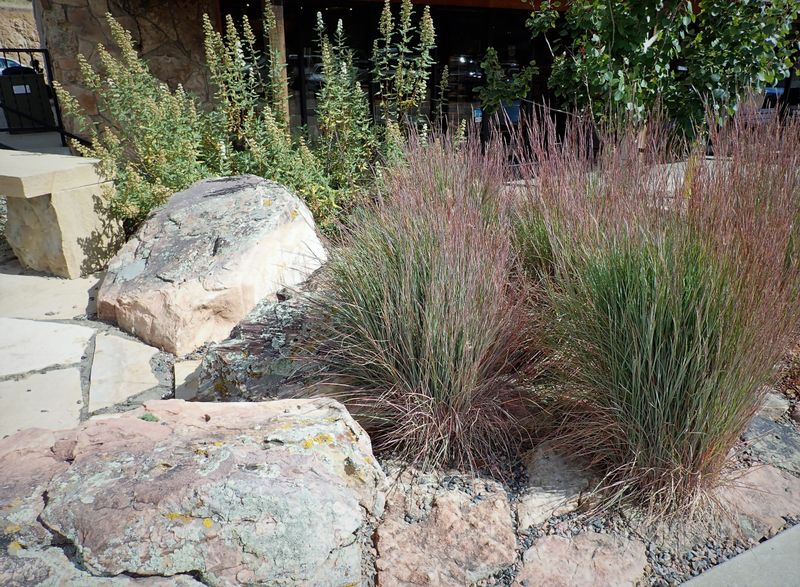
Think of Little Bluestem as the backbone of a native garden. Its fine texture and steady color tie loud flowers together. In winter, it fills the gaps when perennials go quiet.
Try it with purple coneflower, black-eyed Susan, gayfeather, and Mexican hat. Those bloom in spring and summer, then the grass takes over in fall. Leave the coneflower seed heads standing for goldfinches and extra winter texture.
For evergreen contrast, add yaupon holly, Texas sage, or agarita. Their dark or silvery leaves make the bronze grass pop. A few boulders or a gravel path also look striking beside the copper clumps.
Deer usually leave this grass alone, which is a relief in many neighborhoods. It also works on slopes, where its deep roots help slow erosion. Small yards can use just three to five plants as a focal point.
Here’s my favorite takeaway. Plant a small group this spring, keep it watered the first season, and then mostly step back.
Come next winter, step outside on a sunny afternoon. You’ll see why gardeners across the state fall for this glowing prairie grass.