Christmas Cactus Flowers Turning Pink in a Cool Michigan Window? Here’s Why
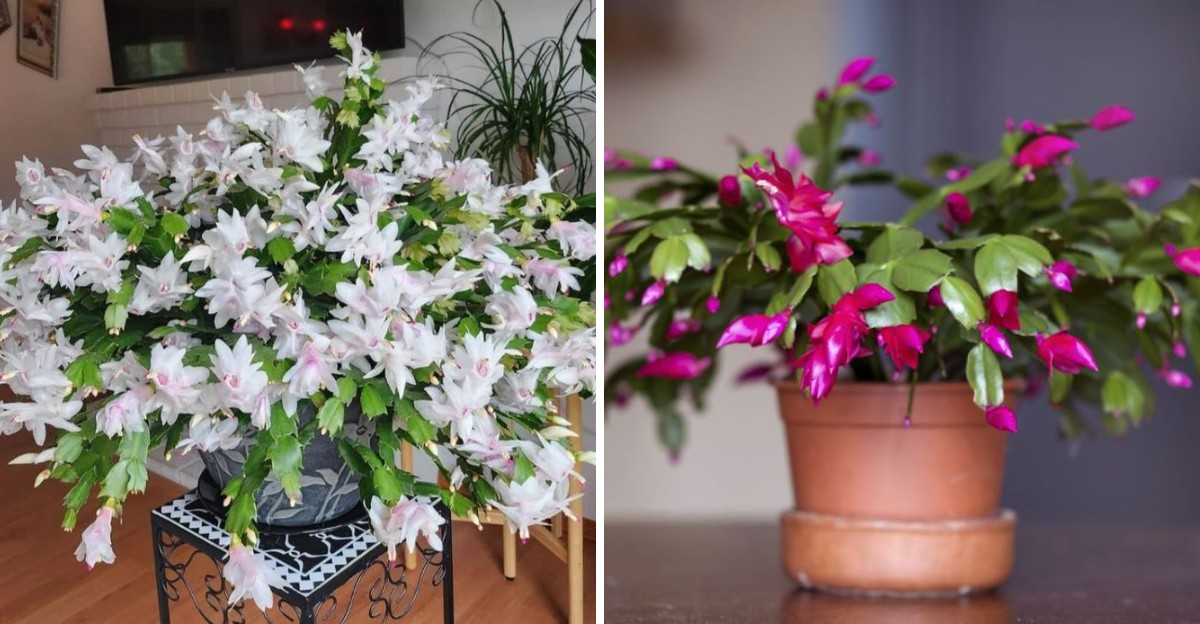
A white flower can blush pink just because the room got chilly. That sounds like a fairy tale, yet growers see it every winter on certain holiday houseplants.
The pink shows up most when nights drop into the 50s. Warm rooms tend to keep those same petals pale and clean. One thing I love about gardening is how often temperature acts like a hidden paintbrush.
Here in Michigan, a frosty windowpane can make a sill noticeably colder than the rest of the house. You may never feel it from the couch. Your plant feels it, though, and its petals keep a quiet record of every cool night.
So is that rosy tint a warning sign or a happy accident? I tend to think it is one of the sweetest surprises a winter windowsill can offer. The real answer has more to do with chemistry than with luck.
1. Those Blushing Christmas Cactus Petals Are Keeping Score Of The Cold
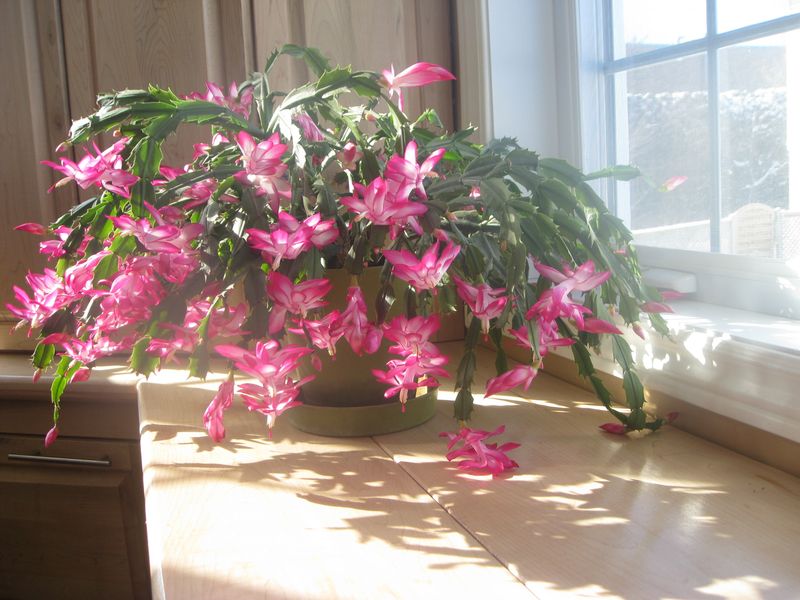
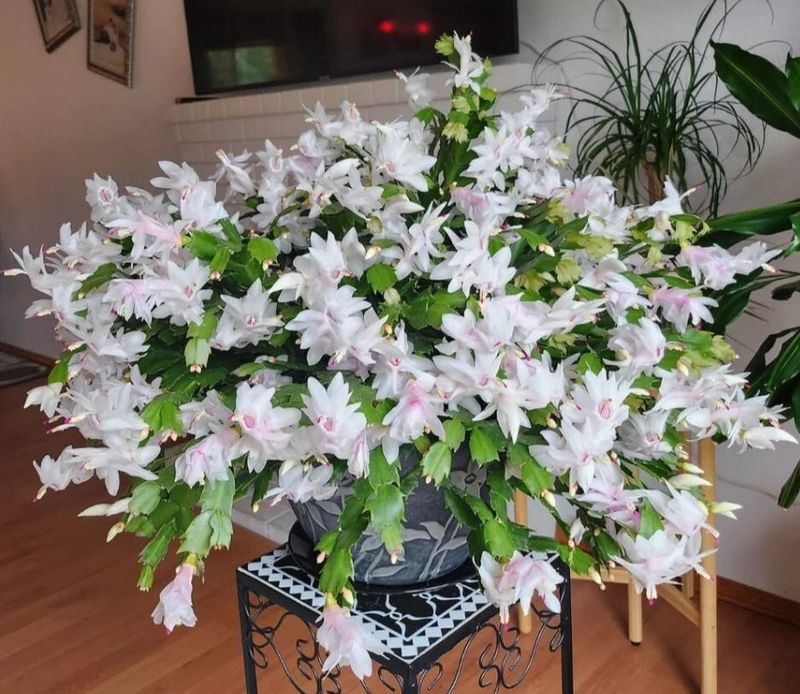
Cold nights leave fingerprints on flowers, and holiday cactus blooms show them better than most. Growers and extension experts have noticed for years that white and pale varieties often develop a pink blush when buds open in cool rooms.
The pigment behind that blush is called anthocyanin. It is the same family of natural colors that turns fall maple leaves red and makes red cabbage purple. Many plants build more anthocyanin when temperatures run low, and holiday cacti follow that pattern.
Research and grower guidance point to nights below roughly 55 to 57 degrees Fahrenheit as the trigger zone. Buds that develop and open in that range are more likely to show pink tones. The same plant in a warm room tends to bloom closer to its true color.
So nothing is wrong with your plant. The petals are reacting to the room they grew up in, much like a cheek flushes on a brisk walk.
Keep in mind that not every variety blushes the same way. Some white types change a lot, while others barely shift. Yellow varieties may pick up a peachy or salmon tint instead of a clear pink.
2. A Frosty Michigan Windowsill Runs Colder Than Your Thermostat Says

Your thermostat might read 68 degrees, but the spot right against the glass tells a different story. Windows lose heat fast, especially older single-pane ones, so the air beside them sinks and cools.
Michigan winters make this effect stronger. January nights across much of the state commonly fall into the teens, and northern areas and the Upper Peninsula get even colder.
On those nights, a windowsill can easily sit 10 degrees or more below the middle of the room.
That cooler pocket lands right in the range that encourages pink pigment. It also explains why two identical plants in the same house can bloom in slightly different shades.
Curious about your own sill? Tuck an inexpensive digital thermometer next to the pot for a few nights. Many gardeners are surprised to find readings in the low 50s by early morning.
One caution matters here. Leaves pressed against icy glass can get chilled, and temperatures near freezing can harm this tropical plant.
A small gap between the foliage and the pane keeps the cool benefits without the risk. Pulling a curtain behind the plant on bitter nights adds another layer of comfort.
3. Cool Fall Nights Help Christmas Cactus Buds Form In The First Place
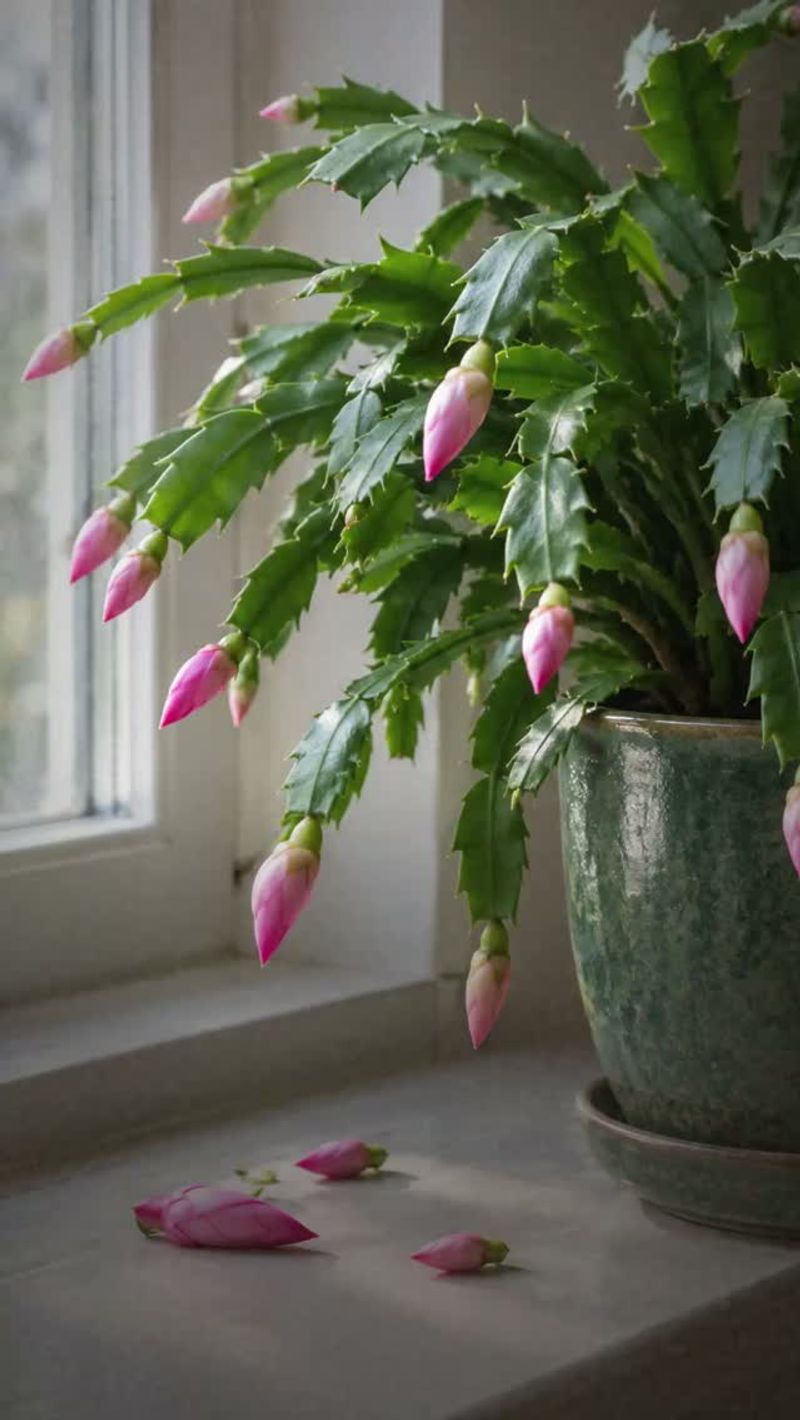
Long before any petals open, the same chill is already doing important work. Holiday cacti set flower buds in response to cool nights, long darkness, or a mix of both.
University extension guidance commonly suggests nights around 50 to 55 degrees Fahrenheit for about six weeks in fall.
At those temperatures, many plants set buds even without special dark treatment. In warmer rooms, they usually need 12 to 14 hours of uninterrupted darkness each night instead.
That is why a cool Michigan window can be such a happy home. It handles bud setting and color at the same time. Lamps left on in the evening can confuse a plant in a warm room, but cool nights help make up for it.
Look for tiny bumps at the tips of the flat stem segments. Those little nubs are your future blooms, and they usually appear several weeks after cool weather begins.
Fun fact: the plant most sold as a Christmas cactus is often a Thanksgiving cactus, Schlumbergera truncata. Its stem segments have pointy, claw-like edges.
True Christmas cacti have rounder, scalloped segments. Both respond to cool nights in a similar way.
4. Moving A Budded Holiday Cactus Can Cost You Those Pink Blooms
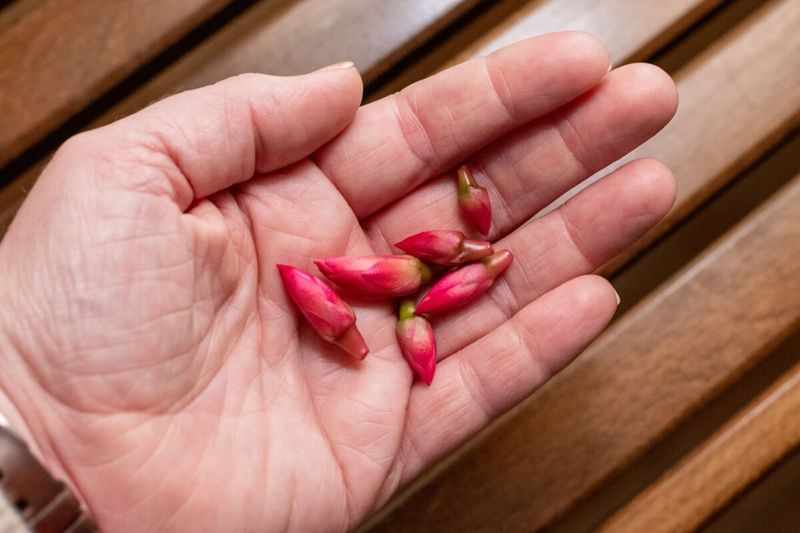
I know how frustrating it can be to watch fat buds tumble off right before they open. Bud drop is one of the most common holiday cactus complaints, and sudden change is usually the cause.
Once buds form, these plants like things steady. A big jump in temperature, a new light direction, or a blast of hot air can make them shed buds quickly. Carrying a plant from a chilly sill to a sunny spot near the furnace vent is a classic mistake.
Picking a spot early helps a lot. If you love the pink tones, choose the cool window in fall and leave the plant there through bloom time. Turning the pot often can also upset developing buds.
Watch out for these common triggers: Drafts from exterior doors that open often. Heat registers, radiators, and fireplaces nearby. Soil that swings from bone dry to soaking wet.
Very low humidity can play a role too. Michigan homes get dry once furnaces run all winter. Setting the pot on a tray of pebbles with a little water underneath adds gentle moisture without soggy roots.
5. Bright Indirect Light Keeps Christmas Cactus Flowers Looking Their Best
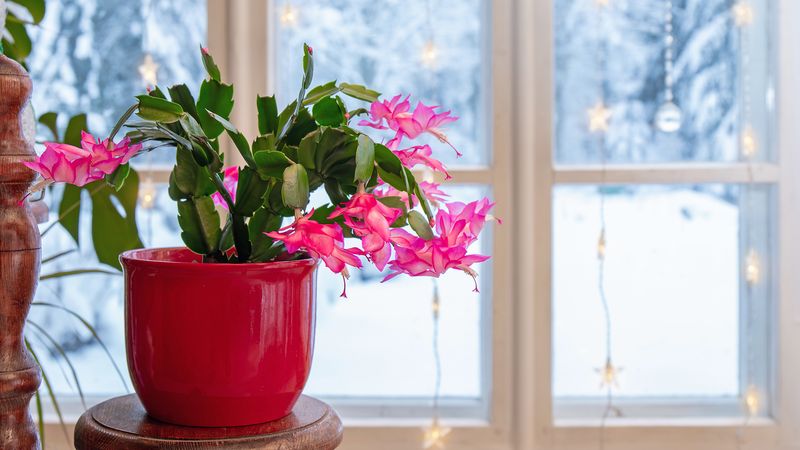
In the wild, holiday cacti grow on tree branches in the coastal mountain forests of Brazil. They are epiphytes, which means they perch on trees instead of rooting in the ground, and they live under dappled shade.
That background explains their love of bright but filtered light. An east or north window works nicely in most homes. Low winter sun in a south window is usually fine too, though summer sun through the same glass can bleach stems.
Stems turning red or purple can signal too much direct sun. Cool temperatures and dry roots can cause that tint as well, so check all three before moving the plant.
Watering takes a light touch. Water when the top inch or so of soil feels dry, then let extra water drain away. Roots sitting in a soggy saucer can rot, and that is a far bigger problem than any color change.
Potting mix matters too. A fast-draining blend, such as regular potting soil mixed with perlite or orchid bark, mimics the airy pockets these plants enjoy on tree branches. Snug pots are fine, since slightly crowded roots often encourage good flowering.
6. Want Pure White Christmas Cactus Blooms Instead? Warm Things Up
Not everyone wants a blush. Some gardeners bought a white variety for snowy elegance and feel a little cheated by the pink.
Temperature is the main lever you can pull. Once buds have formed and are about half an inch long, many growers suggest keeping the plant a bit warmer, around 60 to 65 degrees Fahrenheit at night.
Warmer conditions during bud development tend to keep white petals whiter. Any move should be gentle and early.
Shifting the plant a few feet from the glass usually works better than carrying it across the house. A small change in spot can raise the temperature enough without shocking those buds.
On the flip side, pink lovers can lean into the chill. Keeping nights in the mid-50s while buds open often deepens the blush on white and pale varieties.
Results vary from one cultivar to the next. Some white selections were bred to resist color change, while others turn pink easily. Plant tags rarely mention it, so your own observations become the best guide.
Jot down where the plant sat and how its flowers looked each year. After a season or two, you will know just how to dial in the shade you like.
7. Set Up Your Christmas Cactus Now For Next Winter’s Rosy Show
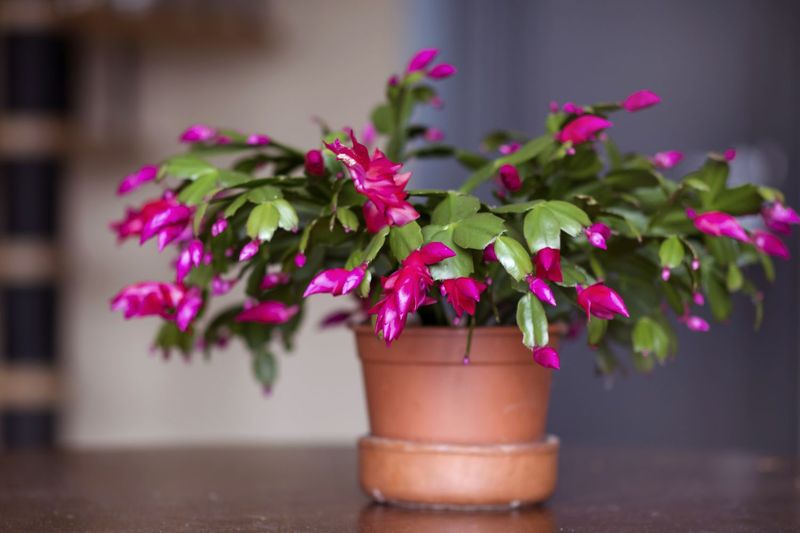
Once the last flower fades, the plant enters a short rest. Give it a few weeks with slightly less water, then pick up regular care as new growth appears in spring.
Late spring is a fine time for light pruning. Twist off a few stem segments to encourage branching, since more stem tips mean more places for buds next fall. Those cuttings root easily in barely moist potting mix, making great gifts.
Feed with a balanced houseplant fertilizer at half strength about once a month from spring through summer. Many guides suggest stopping by late summer so the plant can focus on bud setting.
Plenty of Michigan gardeners move their plants outdoors to a shady porch for summer. That works well, as long as you bring them in before nights drop below about 50 degrees in early fall. Check for hitchhiking pests like mealybugs before coming inside.
Then let the cool window season begin again. Six weeks of chilly nights should bring buds, and the color will follow the temperature.
With a little planning, that pink blush becomes something you can count on, not just a happy accident. Many of these plants live for decades and get handed down through families.