Which Texas Shrubs To Prune In Winter And Which To Leave Alone
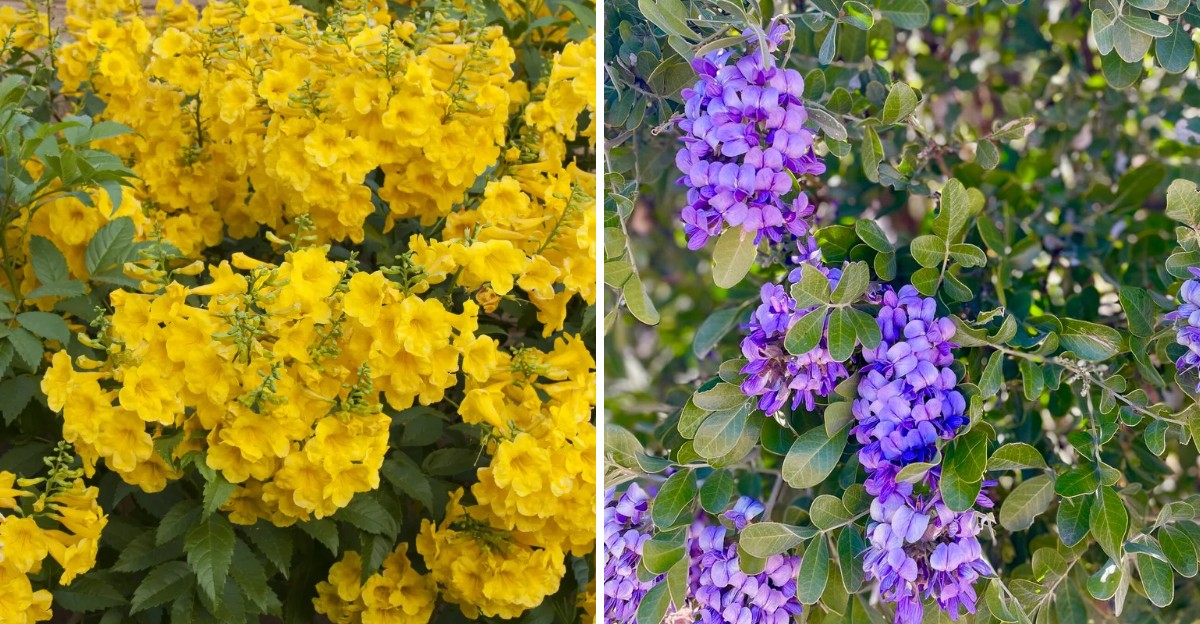
One badly timed winter snip can quietly remove a whole spring of flowers before a single bud opens. Many popular shrubs build next season’s blooms months ahead, tucking those buds onto branches that look bare and boring.
Across Texas, gardeners face a tricky split between plants that flower on fresh growth and plants using older wood. Extension experts point to this difference as the real key for deciding when your pruners should come out.
I have to admit, I once sheared a spring bloomer in January and earned nothing but green leaves. You might notice the same disappointment in your own yard if timing slips past you during those chilly weeks.
Grab your gloves, because a short list can save your Texas garden from a flowerless season next year.
1. Crape Myrtle
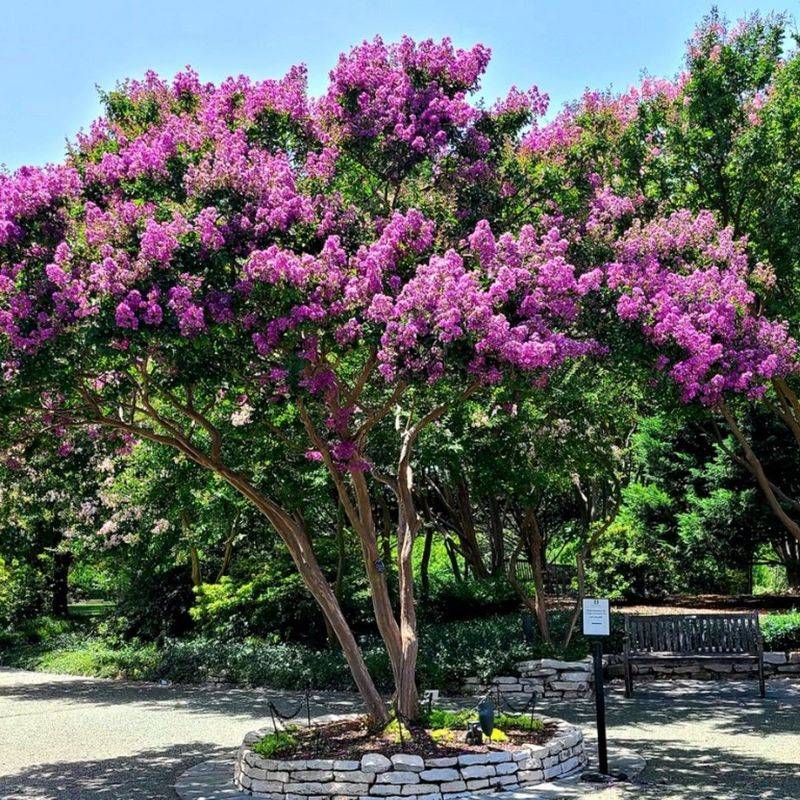
Every February, someone in my neighborhood chops crape myrtles down to ugly knuckles, and I wince every time. Gardeners even have a nickname for that habit, crape murder, and it leaves the trees weaker than before.
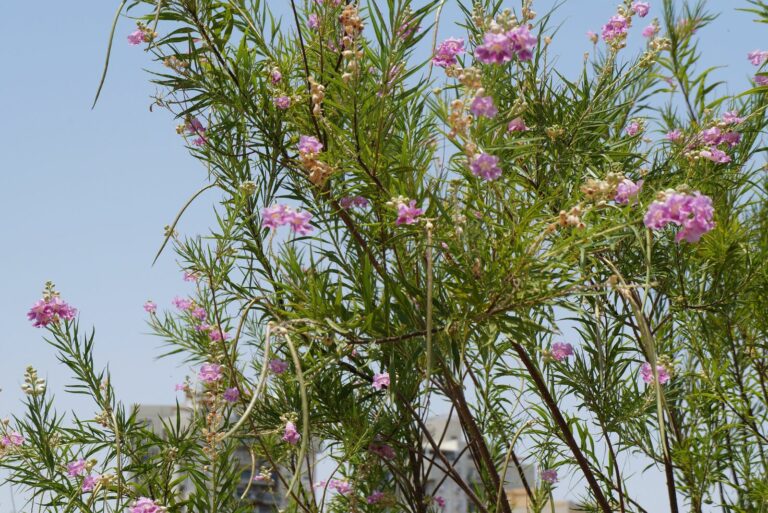
Crape myrtles bloom on new growth, so a late winter trim fits their schedule without stealing any summer color.
Lagerstroemia indica and its hybrids stand bare in winter, which makes every crossing branch easy to spot.
I like to start at the base, snipping away suckers that sprout from the roots around the trunk. Next, remove branches that rub together or grow inward, since they block airflow through the center of the canopy.
Thin twiggy shoots smaller than a pencil, cutting them back to a larger branch or the main trunk. Clean cuts just outside the branch collar heal faster than stubs, which can invite rot and pests later.
Topping a tree forces a cluster of skinny shoots that flop over once heavy flower heads arrive in summer. If your crape myrtle outgrows its spot, choosing a dwarf variety next time beats hacking it back yearly.
Seed pods left from last season can come off now too, though leaving them hurts nothing at all. Personally, I enjoy the peeling cinnamon bark more after thinning, because the smooth trunks finally get to show off.
Step back often while you work, and stop before the tree looks like a bare coat rack. A light hand in February rewards you with graceful branches and plenty of ruffled blooms by midsummer.
2. Rose
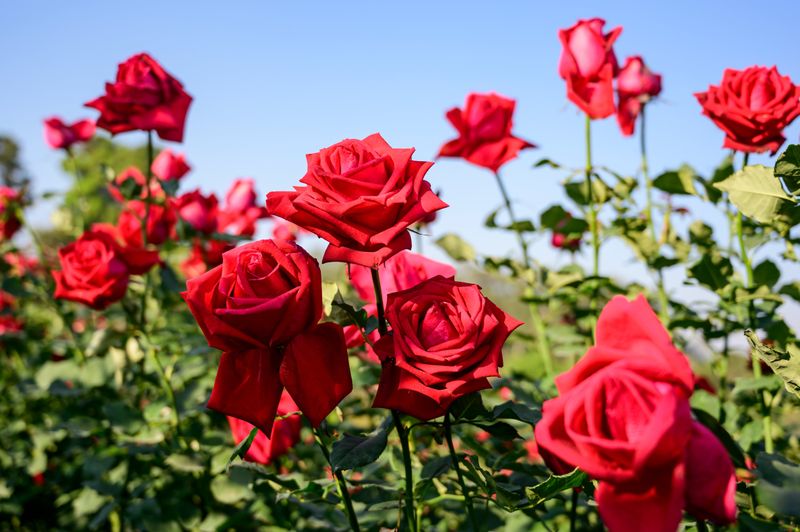
Valentine’s Day carries a second meaning for many southern gardeners, because it marks the classic date for rose pruning. I love grabbing my pruners that week, knowing the bushes will answer with fresh red canes within weeks.
Repeat bloomers like hybrid teas and many shrub roses flower on new growth produced during the current season.
A late winter trim encourages strong canes, and those canes carry the spring flush of blossoms you want.
Start by removing broken or diseased canes, cutting them back to healthy green wood with creamy white centers. Then take out any thin, weak stems that crowd the middle and trap humid air around the leaves.
For hybrid teas, many experts suggest reducing overall height by roughly one-third to one-half before buds swell. Shrub roses such as Knock Out types need less fuss, mostly a trim to shape and refresh them.
Make each cut at a slant about a quarter inch above an outward-facing bud on the cane. That bud becomes the next shoot, so pointing it outward keeps the center open and sunny all season.
Here’s a fun twist, though, because once-blooming climbers and many antique roses follow a different calendar altogether. They flower on older wood, so wait until their spring show finishes before you shape or thin them.
Clean up fallen leaves and old clippings afterward, since they can harbor black spot spores into spring. A fresh layer of mulch finishes the job and helps those pruned bushes wake up feeling pampered.
3. Esperanza
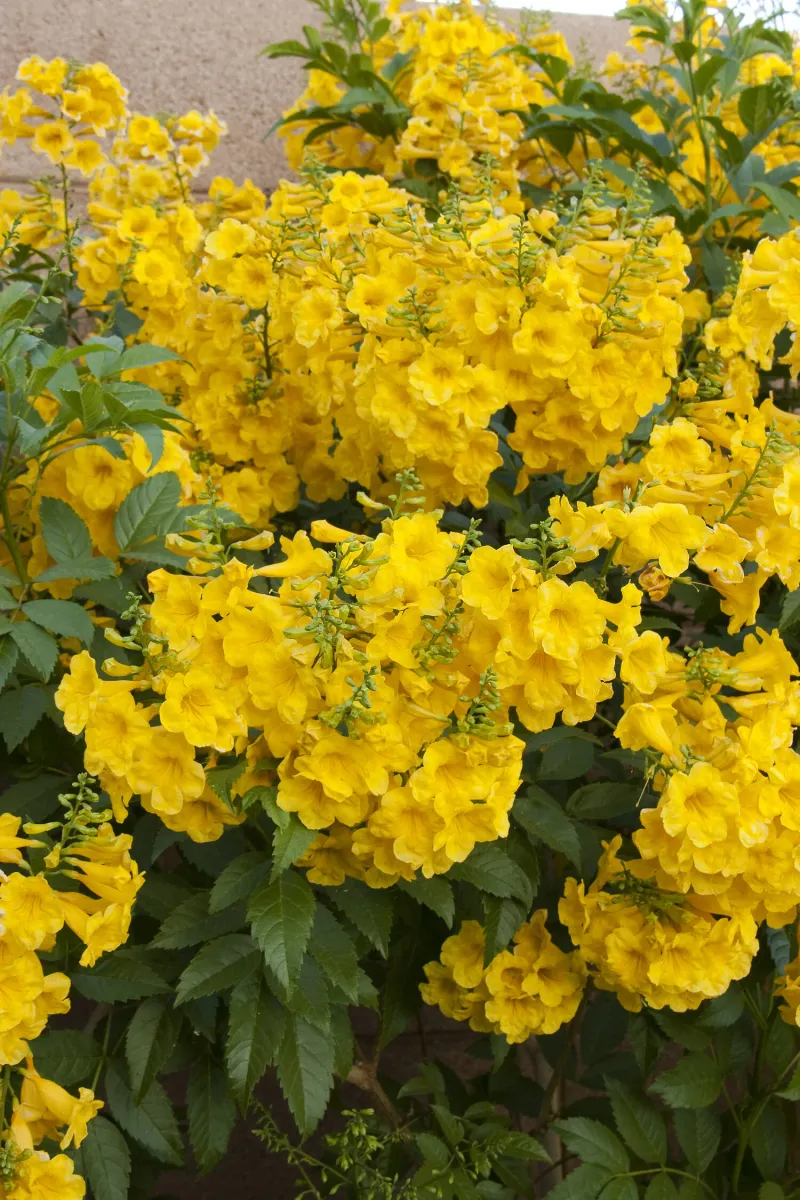
Esperanza’s yellow trumpets look tropical enough for a postcard, yet wild plants grow in the rocky Trans-Pecos region.
Hummingbirds and bees adore those flowers, and I love watching them squabble over the blooms in late summer.
Tecoma stans flowers on new growth, which means a late winter cutback costs you nothing in future color. In central and northern areas, the top often freezes back in winter before resprouting from the roots.
You need to resist tidying those brown stems right away, even when they look scruffy in January. That top growth acts like a blanket, helping shield the crown from hard freezes that may still arrive.
Wait until your average last frost date passes, which ranges from February in the south to April up north. Once new buds swell near the base, you can see exactly where living wood begins and frozen wood ends.
Cut frozen stems back to just above healthy buds, or down near the ground if nothing green remains. A quick scratch test with your thumbnail reveals green tissue under the bark when a stem is still alive.
In frost-free southern gardens, where stems survive winter, a lighter trim keeps the shrub tidy and compact. Removing spent seed pods during summer also nudges esperanza to keep pushing out fresh flower clusters.
Believe it or not, a hard cutback often produces a fuller, rounder plant than leaving old stems alone. By early summer, those fresh shoots usually stand knee high and start ringing with golden bells again.
4. Lantana
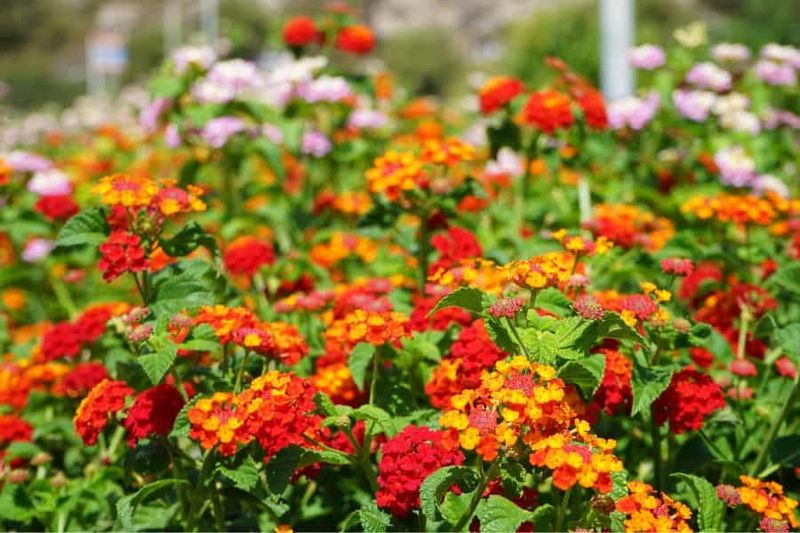
Brush past a lantana on a warm afternoon and you’ll catch that pungent, slightly spicy scent on your sleeves. By winter, though, those mounds of orange and pink often turn into tangles of brittle brown twigs.
Texas lantana, Lantana urticoides, is a tough native that butterflies visit constantly from spring until frost. Like most garden lantanas, it blooms on new wood, so a late winter cutback fits its schedule perfectly.
Leave the twiggy top in place through the coldest weeks, because it helps insulate the crown below. Fallen leaves caught in those branches add even more protection, which feels like a free winter quilt.
Once frost danger passes, cut the stems back to about six to twelve inches above the soil line. Fresh shoots emerge from the woody base quickly, and flowers usually follow within several weeks of warm weather.
Honestly, lantana slips off my radar until spring, and that lazy delay actually works in its favor. Pruning too early can trigger tender sprouts that a surprise March freeze will quickly scorch overnight.
Wear gloves while you work, since lantana leaves can irritate skin and the berries are toxic if eaten. Keep curious pets and small children away from the green fruit that sometimes forms after summer flowering.
Common lantana, Lantana camara, spreads aggressively in some warm regions, so native types make a kinder choice.
Whichever kind you already grow, one bold spring haircut keeps it bushy instead of leggy and sparse.
5. Azalea

Those fat little bumps at the tips of azalea branches this winter are mostly flower buds waiting for spring. Snip them off now, and you’ll trade a pink and purple cloud for plain green shrubs in March.
Spring-blooming azaleas, members of the Rhododendron genus, form next year’s flower buds during summer and early fall. By the time cold weather arrives, every bloom you hope to enjoy is already sitting on old wood.
I can’t imagine sacrificing that show just to tidy a few stray branches during a quiet January afternoon. The best window opens right after flowers fade, usually within a few weeks of the spring display ending.
Aim to finish any shaping by early summer, before the plant starts setting buds for the following year. Pruning later in summer or fall removes those freshly formed buds and leaves you with sparse blooms.
Reblooming types such as Encore azaleas flower again later in the year, yet the same rule mostly applies. Give them a light trim right after their spring bloom, then let them rest without more cutting.
Winter is still useful for one job, though, which is clipping branches broken by ice or heavy winds. Cut those back to healthy wood, and you lose only the few buds that were already damaged.
Azaleas also appreciate acidic soil and dappled shade, which explains why they shine in the eastern Piney Woods. A layer of pine straw mulch keeps roots cool and comfortable while you wait patiently for spring.
6. Texas Mountain Laurel
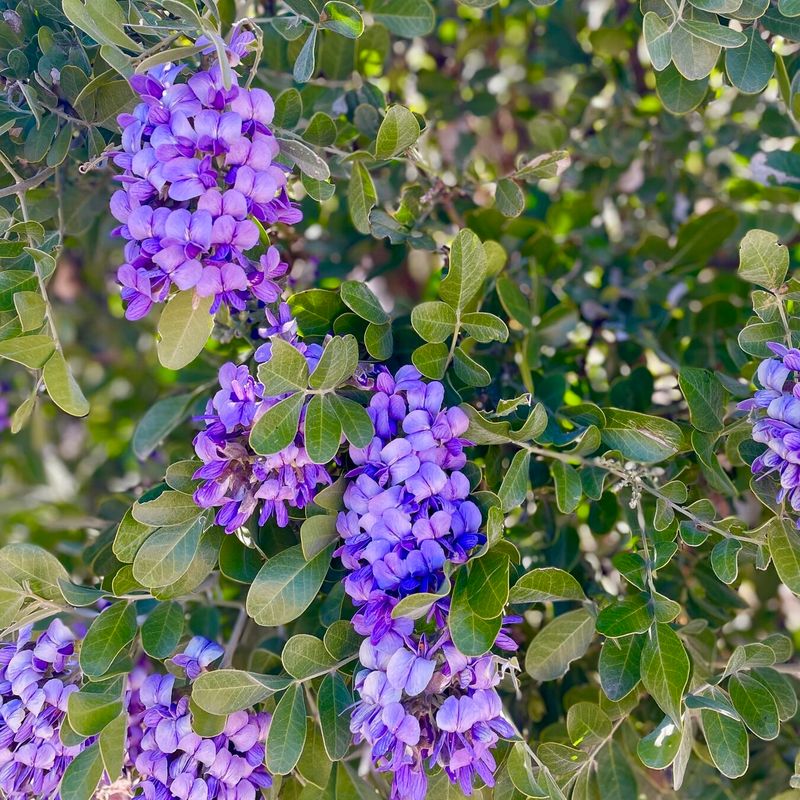
Grape soda is the scent most people compare to mountain laurel blossoms, and the resemblance is uncanny.
Those dangling violet clusters appear in late winter or early spring, perfuming entire streets in the Hill Country.
Botanists recently renamed Texas mountain laurel Dermatophyllum secundiflorum, though many nursery tags still list Sophora secundiflora.
Whatever the label says, the flower buds form during the previous growing season and wait patiently through winter.
Take a closer look in December, and you’ll spot fuzzy, silvery bud clusters already sitting at branch tips. Any winter shaping cuts those clusters away, so this evergreen belongs firmly on the leave-alone list for now.
Personally, I treat mine like a slow, wise elder that rarely needs my help to look good. The shrub grows slowly, often adding only a few inches each year, so heavy pruning sets it back.
When pruning seems necessary, wait until blooms fade and then make small cuts to shape the canopy. Many gardeners lift lower limbs gradually over several years, turning the shrub into a handsome small tree.
Seed pods follow the flowers, and the bright red seeds inside are poisonous if chewed or swallowed. Snipping off pods after flowering protects curious kids and pets, and it doesn’t harm next year’s buds.
This native shrugs off drought and rocky limestone soil like a champion once its roots settle in. Mostly, your only winter job is admiring those silver buds and planning where to sit when they open.
7. Indian Hawthorn
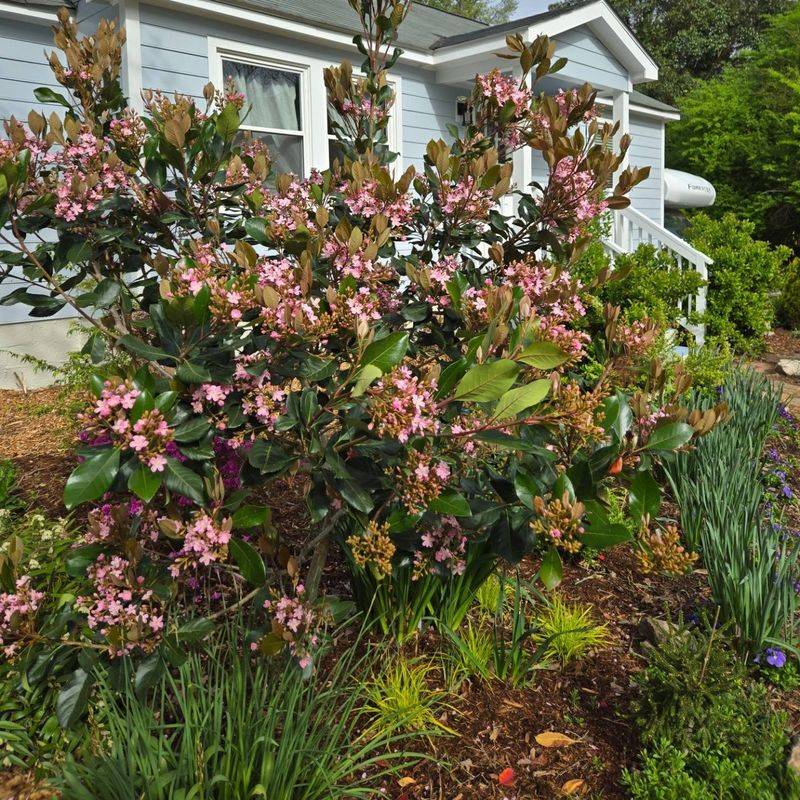
Indian hawthorn might be the most sheared shrub in suburban parking lots, and that habit costs it flowers. Left alone through winter, it covers itself in pale pink or white blossoms that bees adore each spring.
Rhaphiolepis indica sets its flower buds on growth from the previous season, much like spring azaleas do. Shearing in January or February snips those buds away, leaving neat green mounds with few flowers.
To my surprise, this evergreen naturally holds a tidy, rounded shape without much help from anyone at all. Many newer varieties stay compact on their own, so heavy pruning is rarely needed in home gardens.
Wait until the spring blooms fade, then trim stray shoots that poke out beyond the rounded outline. Hand pruners give cleaner results than hedge shears, because each cut lands exactly where you choose to snip.
Thinning a few inner branches also improves airflow, which matters for a common fungal disease called Entomosporium leaf spot.
Look for small red or maroon spots on the leaves, which often spread during cool, wet spring weather.
Rake up and bag fallen spotted leaves, and water at the base instead of sprinkling the foliage. Winter is fine for cutting out a broken branch, but save every bit of shaping for later.
Blue-black berries often follow the flowers, and birds happily pick them off during fall and winter. You’ll love how easy this shrub becomes once you trust its timing and let those buds stay put.