Think Twice Before Removing These 8 Protected Animals In Alabama
One sandy hole at the edge of a yard can shelter more than 350 other kinds of animals. I learned that fact while staring at a mysterious burrow near a friend’s tomato bed in south Alabama.
Some of our quietest neighbors carry federal protection, and moving them without permission can bring serious fines and headaches.
Others are guarded by state rules that many busy homeowners have honestly not heard about before today.
You might notice a shy visitor tucked under the porch steps or hiding along a backyard creek. I skipped the shovel the first time, and that small pause saved me plenty of trouble and worry.
Alabama holds some of the richest wildlife in the country, and a few residents need extra elbow room. So which creatures deserve a second look before you grab the trap or call a removal service?
1. Gopher Tortoise Burrows Shelter A Whole Neighborhood
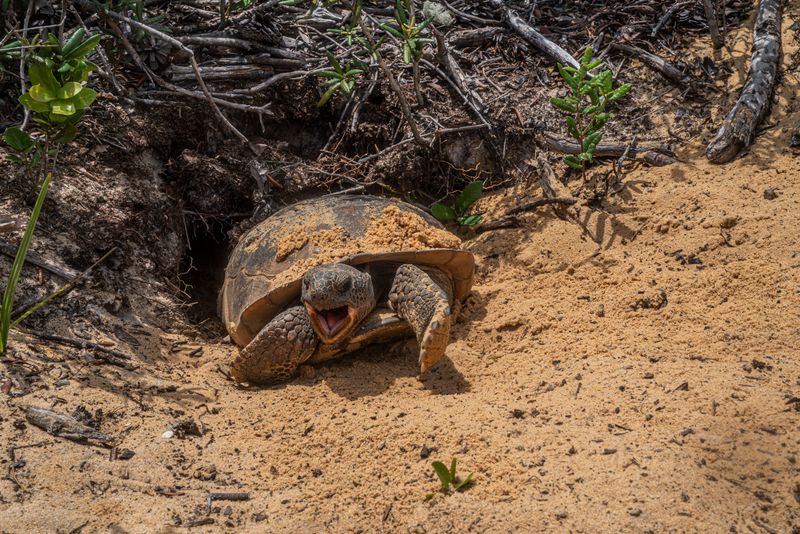
Few backyard diggers work harder than a gopher tortoise shoving sand out of a fresh burrow on a warm morning. I once watched one push a little mound of soil aside with its front legs, like a tiny bulldozer.
Those burrows often run 15 to 20 feet long and can reach about six or more feet deep. Biologists have counted more than 350 other species using them, including gopher frogs and rare indigo snakes.
Gopherus polyphemus carries federal threatened status west of the Mobile and Tombigbee Rivers in the state. East of those rivers, state rules still protect the tortoise, so harming or collecting one is illegal statewide.
Gassing burrows to flush out rattlesnakes was once common, and that practice is now against the law. If you find a burrow near your garden, leave the entrance open and give it plenty of space.
These grazers munch on hundreds of plant species, from tender grasses to fallen fruit like wild blackberries. A sunny, open yard with native groundcover suits them far better than thick shade or heavy mulch.
Adults usually measure 9 to 15 inches long and may live for many decades in the wild. Their slow growth means a single lost adult can set a local population back for years.
Mowing carefully around burrow entrances is one of the kindest habits a southern gardener can build. Raise your mower deck a bit, watch for that telltale apron of sand, and steer politely around it.
2. Red Cockaded Woodpeckers Carve Homes In Living Pines
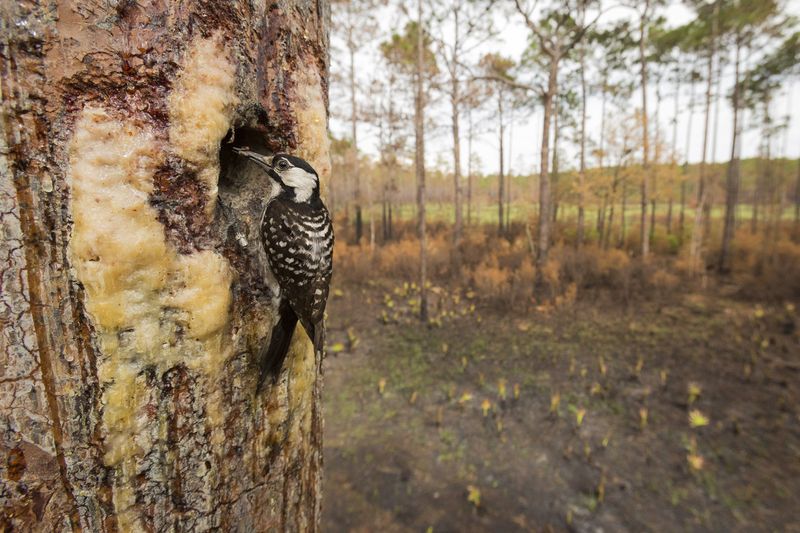
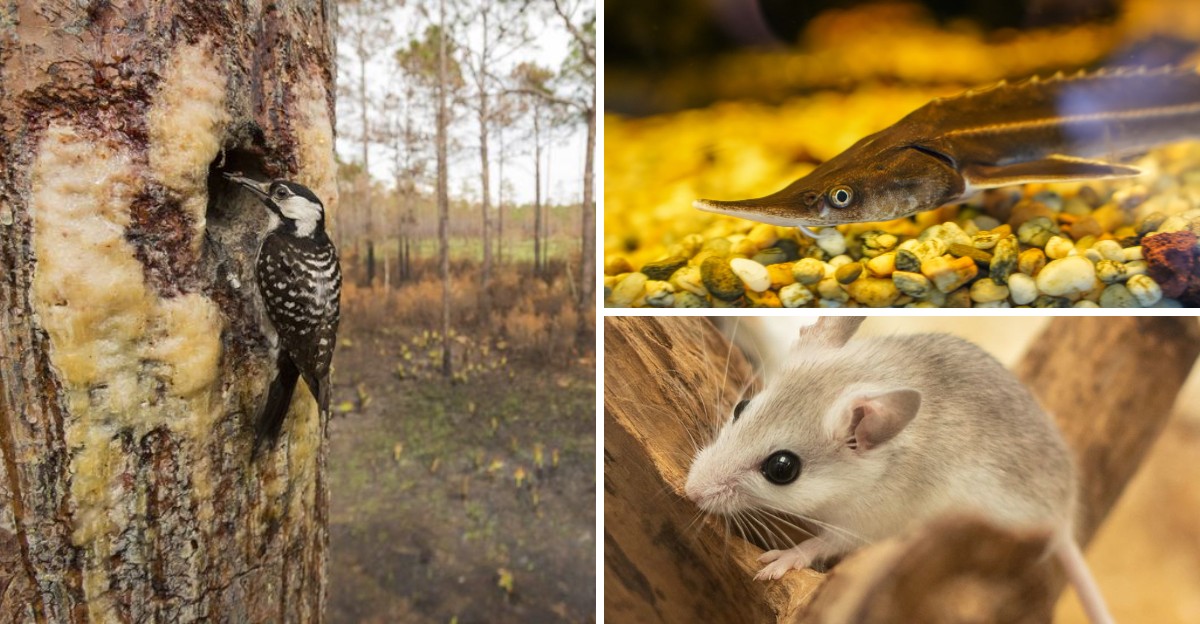
Sticky, glistening sap streaming down a living pine trunk is often the first clue this little woodpecker lives nearby. I spotted those shiny resin wells on a hike once and stood there grinning like I had found treasure.
The red-cockaded woodpecker, Dryobates borealis, measures roughly seven inches long with a black cap and white cheeks. Males wear a tiny red streak behind each eye, so small that most birders struggle to see it.
Unlike most woodpeckers, this species carves its cavities into living pines, especially older longleaf trees with softened heartwood. Digging one cavity can take months or even years, which makes each finished hole incredibly valuable real estate.
Birds peck small wells around the entrance so flowing resin coats the bark and discourages climbing rat snakes. That gooey barrier works surprisingly well, and it gives the trees a candle-like look in afternoon sun.
Family groups share territories year-round, and grown sons often stay home to help raise the next nestlings. Federal officials moved the species from endangered to threatened in 2024, thanks to decades of steady recovery work.
Protection still applies, so cutting a marked cavity tree or disturbing active nests can bring serious legal trouble. Landowners near pine forests sometimes notice white bands painted around cavity trees by local wildlife managers.
If you own pines, keeping the understory open with prescribed fire or careful thinning helps these birds thrive. Leave older trees standing whenever possible, because young pines offer little help to a cavity-carving bird.
3. Gray Bats Pour Out Of Caves At Dusk

Thousands of tiny wings streaming out of a cave mouth at dusk sound like a soft summer rainstorm. I heard that rustle once near the Tennessee River, and the goosebumps lasted the entire drive home.
The gray bat, Myotis grisescens, is a federally endangered species that depends on caves throughout the year. Colonies use warm caves for raising pups in summer and colder caves for hibernation through the winter.
One bat can eat a huge number of flying insects each night, often hunting low over rivers and lakes. Aquatic insects like mayflies rising from the water make up a large share of their nightly menu.
Their fur looks evenly gray across each hair, which helps biologists separate them from similar small brown bats. Bodies measure only a few inches long, yet their wings carry them many miles between roosts each season.
Human visits to caves during hibernation can wake bats and burn through the fat reserves they need. Many important caves now have gates or seasonal closures, and respecting those signs makes a real difference.
Gray bats rarely roost in houses, but other bats sometimes do, and many bat species have legal protection. Before sealing an attic, contact state wildlife officials or a licensed specialist about timing and safe exclusion methods.
Planting native trees along creeks gives foraging bats sheltered flight paths and a richer supply of insects. Cutting back on outdoor pesticides also leaves more natural pest control flying around your garden at night.
4. Alabama Sturgeon Hides In Deep River Channels
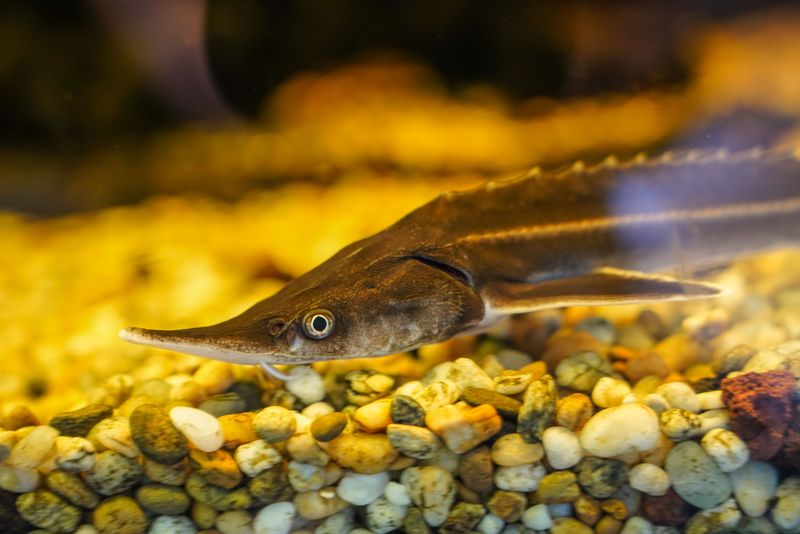
Few fish are rarer than one that biologists have caught only a handful of times in recent decades. The Alabama sturgeon fits that description, and I still get chills reading about the hunt for it.
Scaphirhynchus suttkusi is a small, golden-orange sturgeon with a flat, shovel-shaped snout and bony plates along its body. Adults typically grow to around 30 inches, which is modest for a sturgeon family known for giants.
It lives only in the Mobile River basin, with most records coming from the lower stretches of large rivers. The fish prefers deep, flowing channels with sand and gravel bottoms where it can feel for insect larvae.
Federal officials listed it as endangered in 2000 after dams and channel changes chopped up its river habitat. Researchers have used environmental DNA, tiny traces in water samples, to confirm the species still hangs on.
Most of us will not hook one, but anglers should know what to do if it happens. Release any sturgeon gently and quickly, then report the catch to state wildlife officials with a photo if possible.
Keeping or harming this fish breaks federal law, and penalties can be steep even for honest mistakes. A quick photo and release protects you and gives scientists valuable information about where survivors swim.
Gardeners help from far upstream by limiting fertilizer runoff and keeping soil from washing into nearby ditches. Rain gardens and mulched beds slow stormwater, which means cleaner, clearer water reaching big rivers downstream.
5. Flattened Musk Turtles Squeeze Into Rocky Creek Cracks
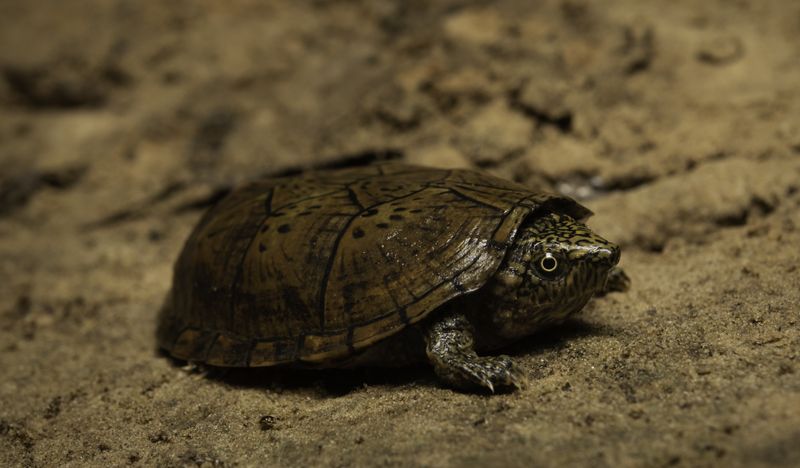
A turtle that looks like someone gently sat on it sounds like a joke, yet it is real. The flattened musk turtle has a low, pancake-like shell that slips easily into narrow rock cracks.
Sternotherus depressus rarely grows beyond about four and a half inches, making it smaller than a typical smartphone. Like other musk turtles, it may release a strong odor when grabbed, so admire it from afar.
This little reptile lives only in the upper Black Warrior River system, a small slice of the state. Clear, rocky streams with plenty of deep crevices give it safe places to rest and hunt.
It feeds mainly on snails and aquatic insects picked carefully from gravel and stones along the stream bottom. Since 1987, the species has held federal threatened status, so collecting or keeping one is illegal.
Silt is a huge problem, because muddy runoff buries the rocks and smothers the snails these turtles eat. Mining and construction runoff have clouded parts of its home streams over the past several decades.
If you garden near a creek in that region, a planted buffer of native shrubs works wonders. Roots hold the bank in place and catch soil long before it slides into the water below.
Please avoid moving any turtle you find into a new stream, even with the kindest intentions in mind. Leaving it where it is lets the local population stay healthy and helps biologists track its range accurately.
6. Eastern Indigo Snakes Glide Back Into Southern Pine Forests
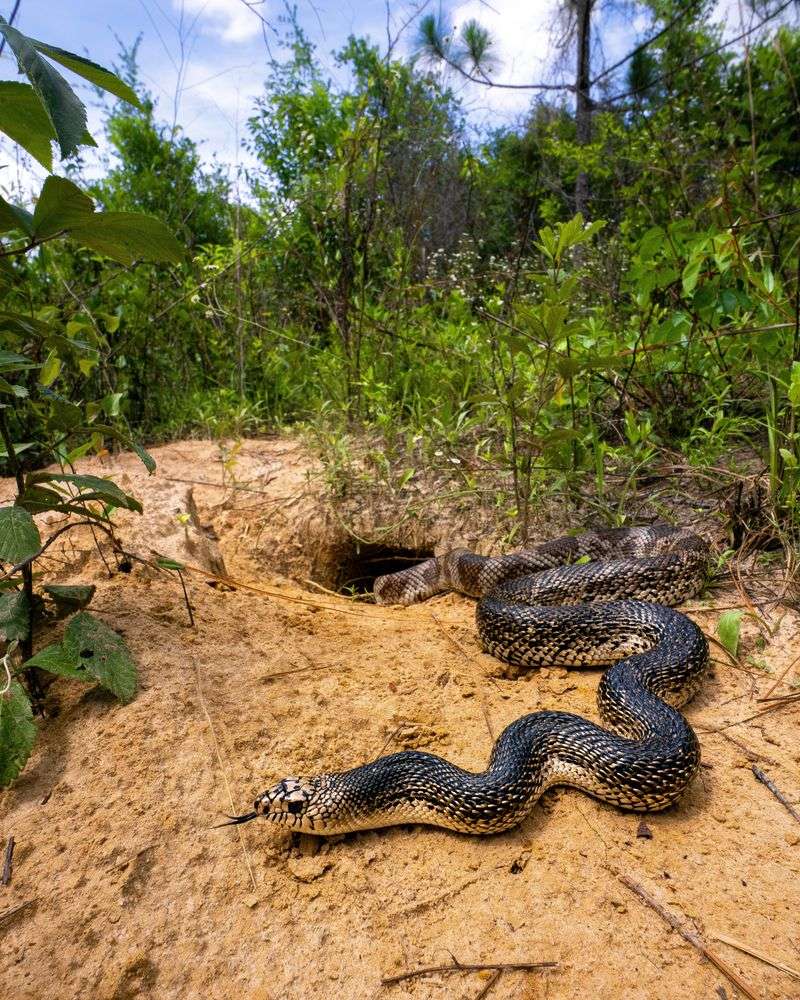
Glossy blue-black scales that flash like oil on water make the eastern indigo snake unforgettable at first sight. I nearly dropped my coffee the first time I saw photos of one stretched across a sandy path.
Drymarchon couperi is the longest native snake in the United States, with some adults topping eight feet. It is nonvenomous and usually calm, though it may hiss or flatten its neck when feeling cornered.
This snake was once gone from the state for decades, sadly disappearing from its southern pine forests. Since 2010, partners have released captive-raised indigos in Conecuh National Forest to rebuild a wild population there.
Federal law lists the species as threatened, so harming or collecting one can lead to serious penalties and fines. Its menu is impressively wide and sometimes even includes venomous snakes like copperheads and young rattlesnakes.
During cold months, indigos often shelter in gopher tortoise burrows, which ties these two protected animals closely together. Protecting tortoise burrows on your land quietly helps the snakes too, even if you rarely see them.
If a large dark snake crosses your yard down south, snap a photo from a safe distance. Report sightings to state wildlife biologists, since every confirmed record helps track how the reintroduction is going.
Longleaf pine plantings and open, sunny groundcover make your property more welcoming to this impressive native hunter. Skip glue traps and loose netting outdoors, because large snakes can tangle in them and get hurt.
7. Alabama Beach Mice Scurry Across Sugar White Dunes
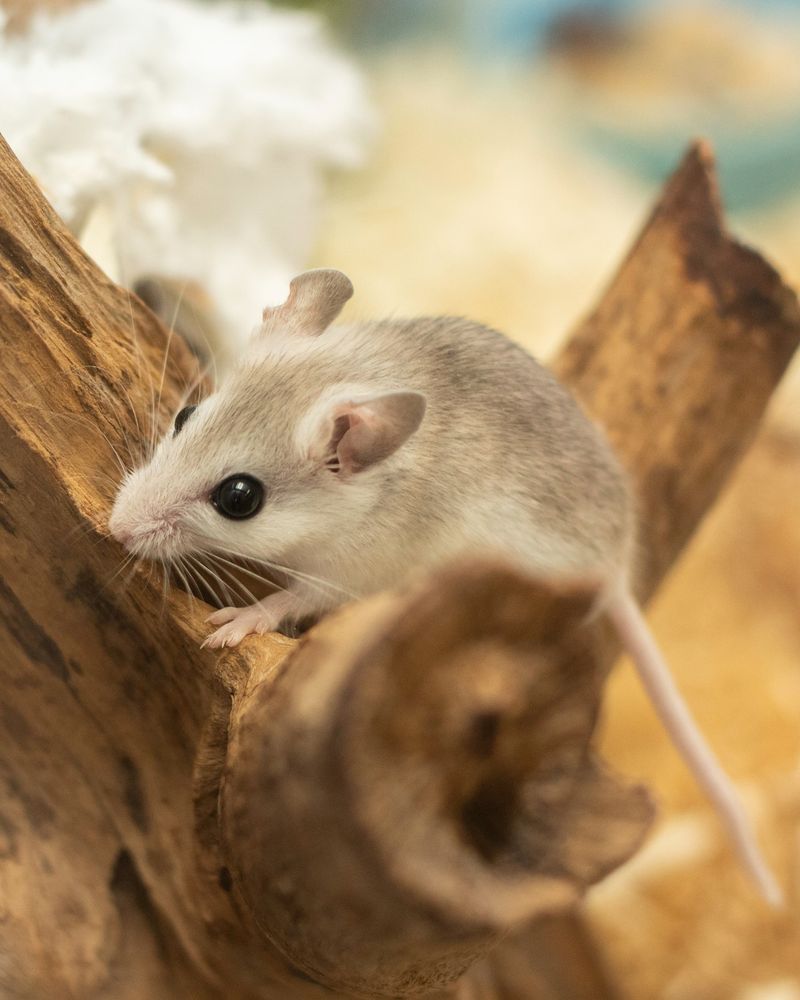
Tiny tracks stitched across a moonlit dune might belong to one of the rarest mice in the country. The Alabama beach mouse is pale as the sugar-white sand, and I find its camouflage downright charming.
Peromyscus polionotus ammobates is a subspecies of oldfield mouse, measuring only about five to six inches including tail. Its sandy back and white belly help it disappear against dunes when owls and foxes go hunting.
This mouse lives along a short stretch of Gulf coast, mostly on the Fort Morgan Peninsula. Bon Secour National Wildlife Refuge protects some of its best remaining dune habitat for visitors to enjoy.
Federal officials listed it as endangered in 1985 after beachfront building and hurricanes shrank its sandy home. Trapping or harming one is illegal, which matters for coastal homeowners dealing with mice near their decks.
Before setting rodent traps or poison near the dunes, talk with wildlife officials about safer, approved options. Free-roaming cats are a major threat, so keeping pets indoors at night gives these mice a better chance.
Each mouse digs a burrow with a nest chamber and an escape tunnel that ends just below the surface. They nibble seeds from sea oats and other dune plants, adding insects when the season provides them.
Stay on boardwalks and avoid trampling dune grasses, since those roots hold the sand that shelters every burrow. Coastal gardeners can plant native dune species like sea oats instead of thirsty lawns near the beach.
8. Eastern Hellbenders Lurk Under Flat Stream Rocks
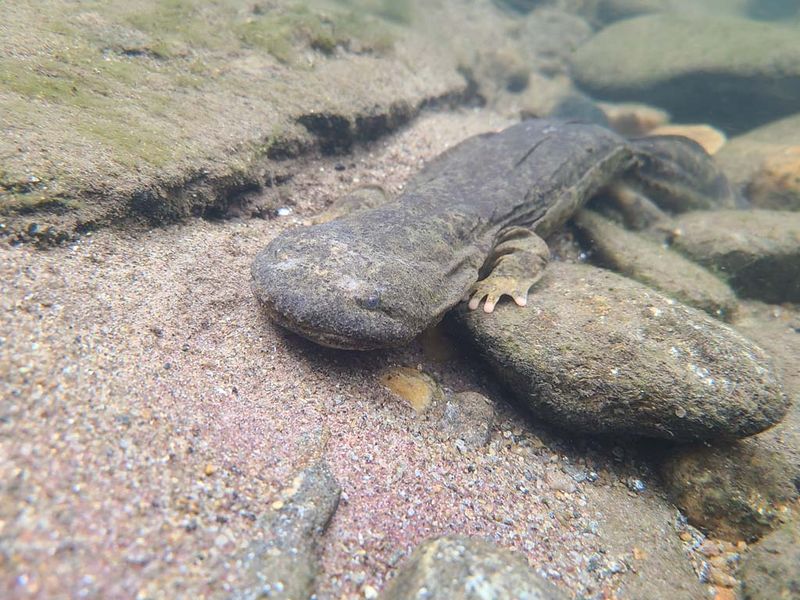
Wrinkly, flat, and nearly two feet long, the eastern hellbender looks like a creature borrowed from a fantasy movie. Locals have called it a snot otter for generations, and honestly, I think the nickname suits it.
Cryptobranchus alleganiensis alleganiensis is North America’s largest salamander, sometimes reaching about 29 inches from nose to tail. It absorbs most of its oxygen through those loose skin folds, which work like a wide, wrinkled sponge.
In this state, hellbenders are very rare and mainly found in a few cool streams draining toward the Tennessee River. State law protects them as a nongame species, so catching or keeping one is not allowed without a permit.
Anglers sometimes hook them by accident, and the best move is cutting the line close and releasing gently. Snap a quick photo first, because sightings help biologists figure out where these salamanders still survive.
Hellbenders hide under large, flat rocks during the day and come out at night to hunt crayfish. Males guard nests beneath those same rocks, so flipping stones in clear streams can disturb a whole generation.
Silt and warming water are major threats, since both lower the oxygen these skin-breathing animals depend on. Muddy runoff also clogs the rocky gaps young hellbenders need for hiding from hungry fish and predators.
Creekside gardeners can help by keeping shady trees along banks and limiting bare soil during heavy rains. Every scoop of soil that stays in your garden means cleaner, cooler water for these wrinkly river giants.