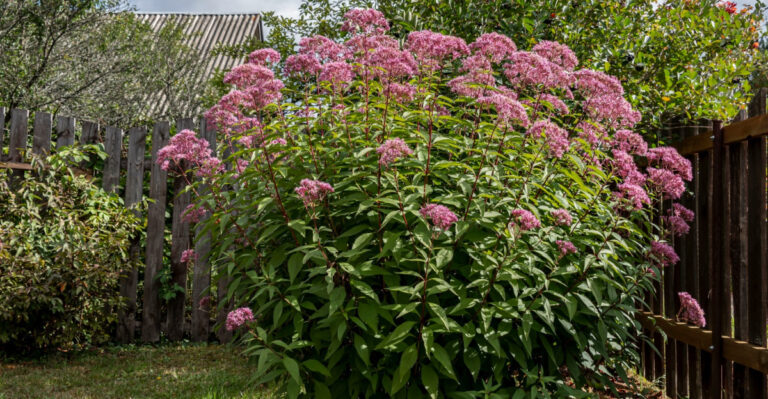
Can Your Ohio Neighbor Make You Trim a Tree That Blocks Their View?
A gorgeous sunset view from your back porch has almost no legal protection in Ohio. Courts here have long treated a pretty view as a nice bonus, not a property right.
That surprised me the first time I heard it. I always assumed a view was part of what you paid for when you bought a house with a hilltop deck or a lake glimpse.
You might be the one with the towering spruce, or the one staring at it. Either way, the rules about branches, roots, and property lines are sharper than most people expect.
Cutting the wrong limb can cost far more than a weekend of yard work.
The final say over a tree tall enough to hide the sky doesn’t always belong to the person who planted it. It often comes down to a few details tucked inside your deed and your town code.
That Blocked Sunset Behind the Neighbor’s Maple Has a Legal Twist
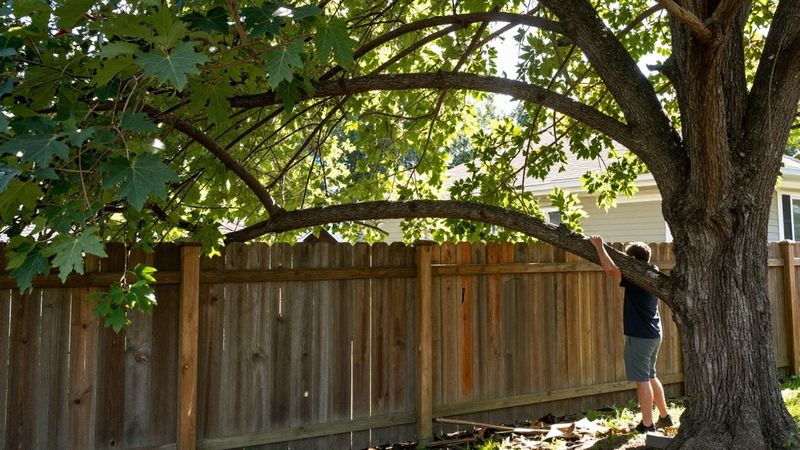
Most folks are shocked to learn that your neighbor can usually say no. In Ohio, there is no general legal right to a view, a breeze, or even sunlight across someone else’s land.
Ohio courts follow a long-standing rule from common law. A property owner can grow trees on their own land, and a neighbor’s view does not limit that choice.
Unless something special applies, a tall maple or pine blocking someone’s sunset is simply part of living next door to another person.
That means if your neighbor knocks on your door and asks you to top your oak for a better lake view, you can politely decline. The reverse is true too.
You can’t force them to shorten their hedge so you can see the fireworks.
A few exceptions exist, and they matter. A written view easement, a deed restriction, a homeowners association covenant, or a city ordinance can change the picture.
We’ll walk through each one below.
Personally, I find this rule oddly calming. Knowing the default answer up front takes some heat out of a tense conversation over the fence, and it helps both sides focus on what’s actually possible instead of what feels fair.
Overhanging Branches on Your Side of the Fence Are Fair Game

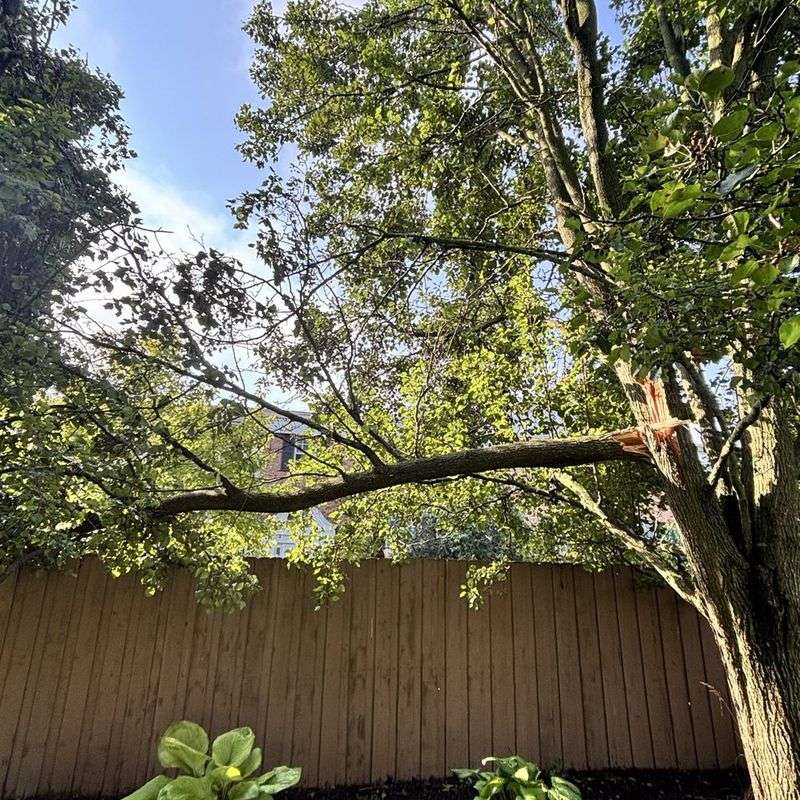
Branches that cross the property line are a different story. Ohio law lets you trim limbs and roots that extend onto your land, right up to the boundary line.
Lawyers call this the self-help remedy. You don’t need your neighbor’s permission, and you don’t need a court order.
However, you will typically pay for the work yourself, since the neighbor isn’t required to cover it for branches that are merely annoying.
A few ground rules keep you out of trouble:
Stay on your own property while you work. Climbing onto their roof or stepping into their yard without permission is trespassing.
Cut only what crosses the line. Reaching past the boundary to take extra wood is not allowed.
Offer the trimmings back, or dispose of them yourself. Tossing a pile of limbs over the fence tends to start a feud fast.
So could trimming help your view? Sometimes, yes.
If the branches hiding your sunset hang over your yard, careful pruning on your side may open things up a bit. I like to give the neighbor a friendly heads-up first.
It costs nothing and often earns goodwill, or even an offer to split the bill with a certified arborist.
Heavy-Handed Pruning Can Trigger Triple Damages in Ohio
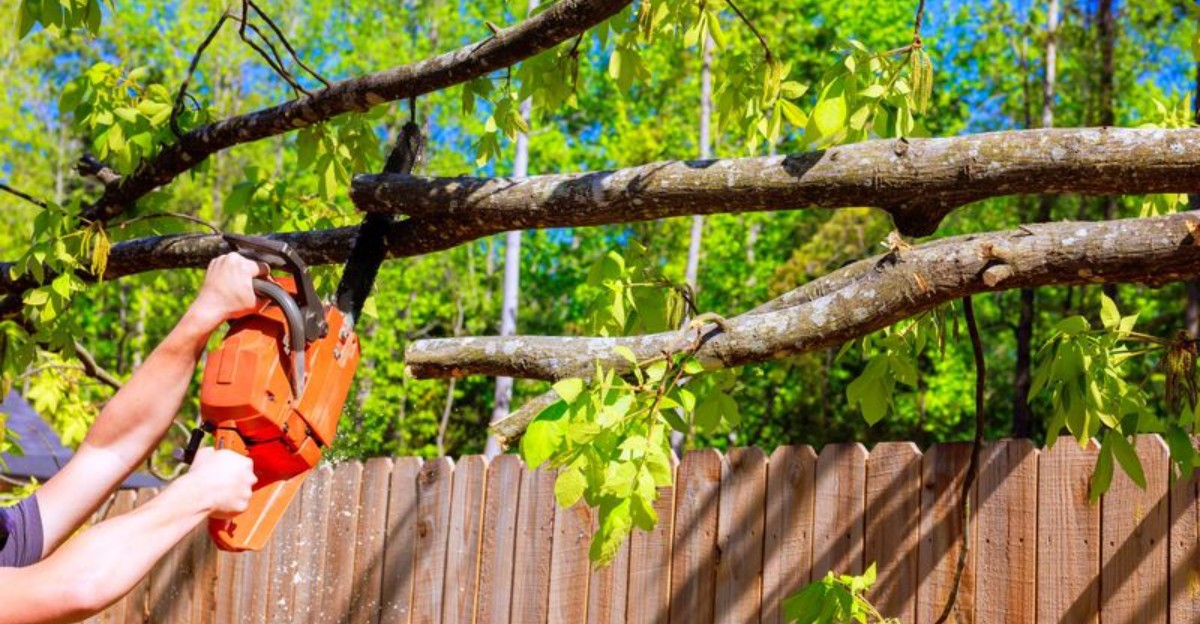
A chainsaw and a grudge make a costly combination. Self-help has limits, and the state takes harm to trees seriously.
Under Ohio Revised Code 901.51, a person who recklessly injures or removes someone else’s tree can owe up to three times the value of that tree. That same statute also makes it a crime to recklessly cut, girdle, or injure trees on another person’s land.
Mature shade trees can carry appraisal values in the thousands, so triple damages add up quickly.
Where do people go wrong? Common slip-ups include cutting so much of one side that the tree becomes lopsided and unstable, slicing major roots near the trunk, or pouring chemicals on roots that wander across the line.
Here’s a practical way to stay safe. Hire a certified arborist through the International Society of Arboriculture and ask them to note in writing that the work won’t harm the tree’s health.
Many arborists suggest removing no more than about a quarter of a tree’s live canopy in one season.
Honestly, I’d rather lose a sliver of sunset than face a lawsuit over a beloved sugar maple. Careful cuts protect your wallet and your neighbor’s tree.
A Trunk Straddling the Property Line Belongs to Both of You
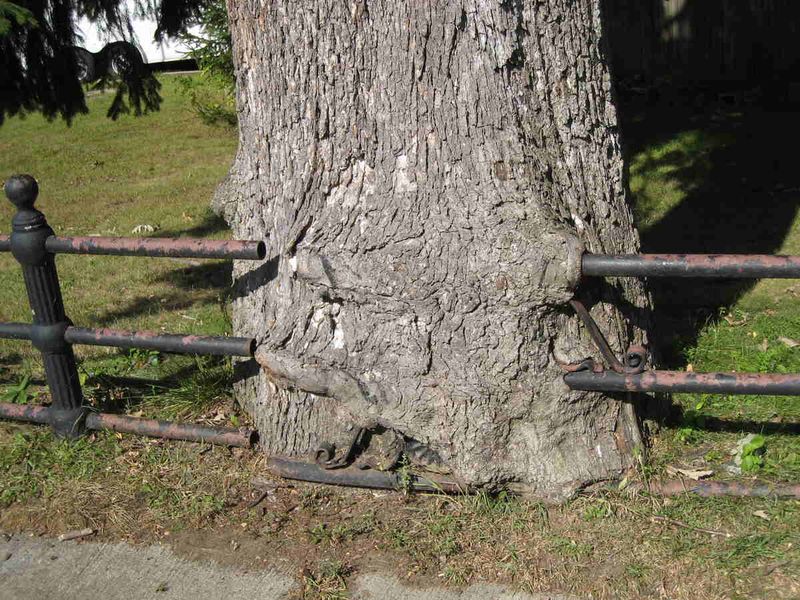
Some trees refuse to pick a side. When the trunk itself sits across the property line, it’s called a boundary tree, and both neighbors share ownership.
That shared status changes the rules. Neither owner can cut it down or seriously alter it without the other’s agreement.
If one person removes a jointly owned oak alone, they may face the same damage claims as someone who harmed a tree that wasn’t theirs at all.
So how do you know where the trunk stands? A property survey settles the question.
Old fences and hedges are often off by a few feet, so I wouldn’t trust them as proof. Your county recorder or auditor website may also have plat maps worth checking.
Once you confirm a boundary tree, treat decisions like a group project. Talk about trimming goals, agree on an arborist, and split costs in a way that feels fair.
Put the plan in a short written note signed by both households.
A shared tree can actually become a bridge between neighbors. Some of the friendliest yards I’ve seen are anchored by one big tree that two families care for together, raking leaves and all.
Check Your City Code Before Fighting Over That Tall Evergreen
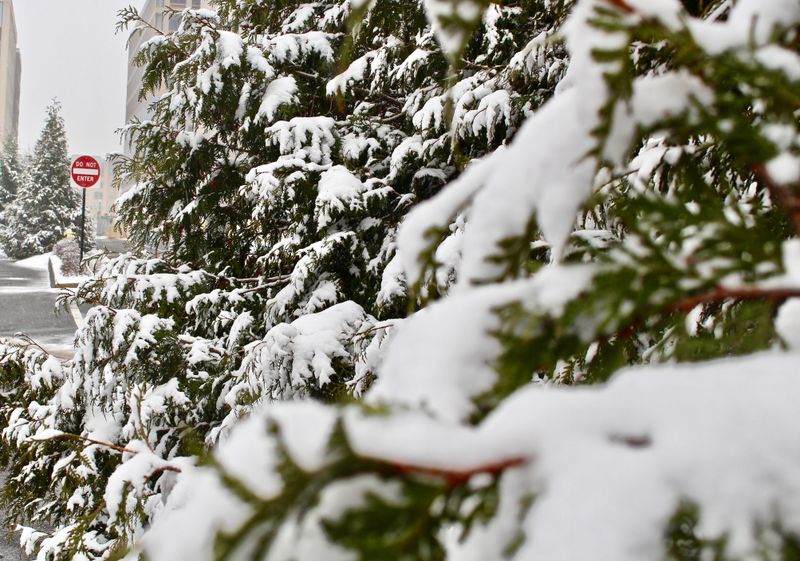
Local rules can shift the whole conversation. Statewide law may not protect views, but your village, city, or township might have something to say about trees.
Many cities have ordinances covering street trees, branches over sidewalks, and limbs that block traffic signs or sight lines at intersections. A spruce that hides a stop sign from drivers is a safety issue, and the city may require trimming no matter whose yard it stands in.
True view ordinances, the kind that protect scenic outlooks, are rare in the state. They show up far more often in hilly coastal areas out West.
Still, it’s smart to read your local code rather than guess.
Where should you look? Try your city’s website for the codified ordinances, often hosted on sites like American Legal Publishing.
A quick call to the zoning or service department can also save hours of digging.
Some communities, such as the City of Brooklyn near Cleveland, also have rules on hazardous trees and overhanging growth. Tree commissions and city foresters in larger places like Columbus or Cincinnati can answer questions too.
A five-minute search might reveal a rule that solves your problem quietly.
HOA Covenants Might Control How High Those Hedges Grow

Your deed may hold surprises you signed and forgot. Homeowners associations and private deed restrictions are among the few tools that can actually protect a view in Ohio.
Some subdivisions, especially ones built around golf courses, ponds, or ravines, include covenants limiting tree height or hedge size. Others require approval before planting anything large near a lot line.
When those rules exist, a neighbor may indeed be able to ask the HOA to enforce a trim.
Here’s how to find out what applies to you:
Pull your closing documents and look for a declaration of covenants or restrictions.
Ask the HOA board or management company for the current rules, since they are sometimes amended.
Search the county recorder’s office for recorded easements tied to your parcel.
A view easement is a written agreement giving one property the right to an unblocked view across another. They aren’t common, yet they do exist, often set up by developers or earlier owners.
I always suggest reading these documents before a tense chat with the neighbor. Knowing the actual wording keeps the conversation grounded in facts rather than feelings, and it may show your case is stronger, or weaker, than you thought.
A Row of Spite Trees Planted Just to Annoy Is a Different Matter

Picture a sudden wall of arborvitae shooting up right after an argument. Courts sometimes call that kind of planting a spite fence, and it gets treated differently.
Ohio has a spite fence statute, Ohio Revised Code 763.01, aimed at fences or structures over ten feet tall built maliciously to block light or air. Whether a row of trees counts under that law is less settled, and courts look closely at the facts.
A private nuisance claim is another possible route.
The key word is intent. You would generally need to show the plantings serve no real purpose for the owner and exist mainly to bother you.
That’s a tall order. Privacy, shade, windbreaks, and simple love of trees are all legitimate reasons to plant.
Useful evidence might include timing right after a dispute, odd placement that only blocks your windows, or written or spoken threats. Photos with dates help.
Still, these cases are expensive and uncertain. I’d treat a spite claim as a last resort and talk with a local real estate attorney before going down that road.
Most tall hedges, frankly, are just people wanting privacy from the street.
A Friendly Chat Over the Fence Works Better Than Pruning Shears
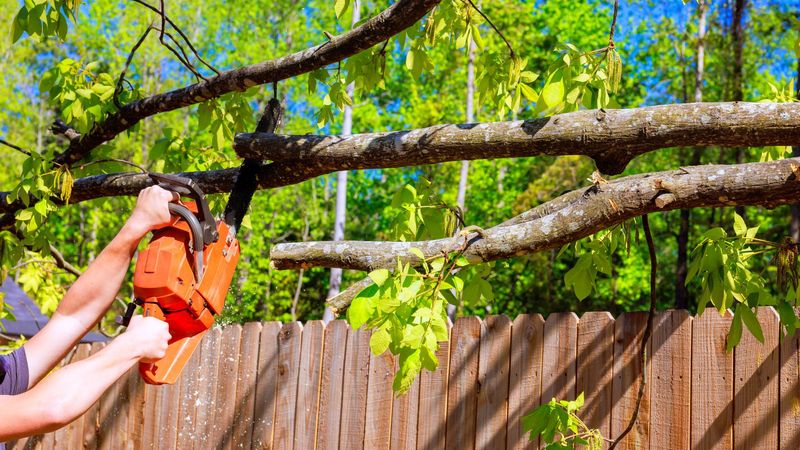
A plate of cookies has settled more tree disputes than any judge. Since the law mostly protects tree owners, a calm conversation is often your strongest move.
Start with curiosity, not demands. Ask how they feel about the tree and whether they’d be open to a little thinning or crown raising.
Arborists can often open a view through careful thinning without topping, which harms trees and is widely discouraged.
Offering to share or cover the cost goes a long way. So does timing.
Late winter, while trees are dormant, is a great window for pruning most shade trees, and it’s easier to see the branch structure then. Oaks especially benefit from dormant pruning, since cuts made in spring and early summer raise oak wilt risk.
If talks stall, community mediation programs exist in many counties, often through local courts or nonprofits. They’re usually low cost and far friendlier than a lawsuit.
My takeaway is simple. Know your rights, check your deed and local code, and then lead with kindness.
A neighbor who trusts you might trim that tree willingly, and you’ll both enjoy the sunset a little more.